



Why Tech Startups Should Get Into Affiliate Marketing
how tech startups can leverage affiliate marketing for cost-effective growth, brand credibility, and scalable customer acquisition.
8 min read

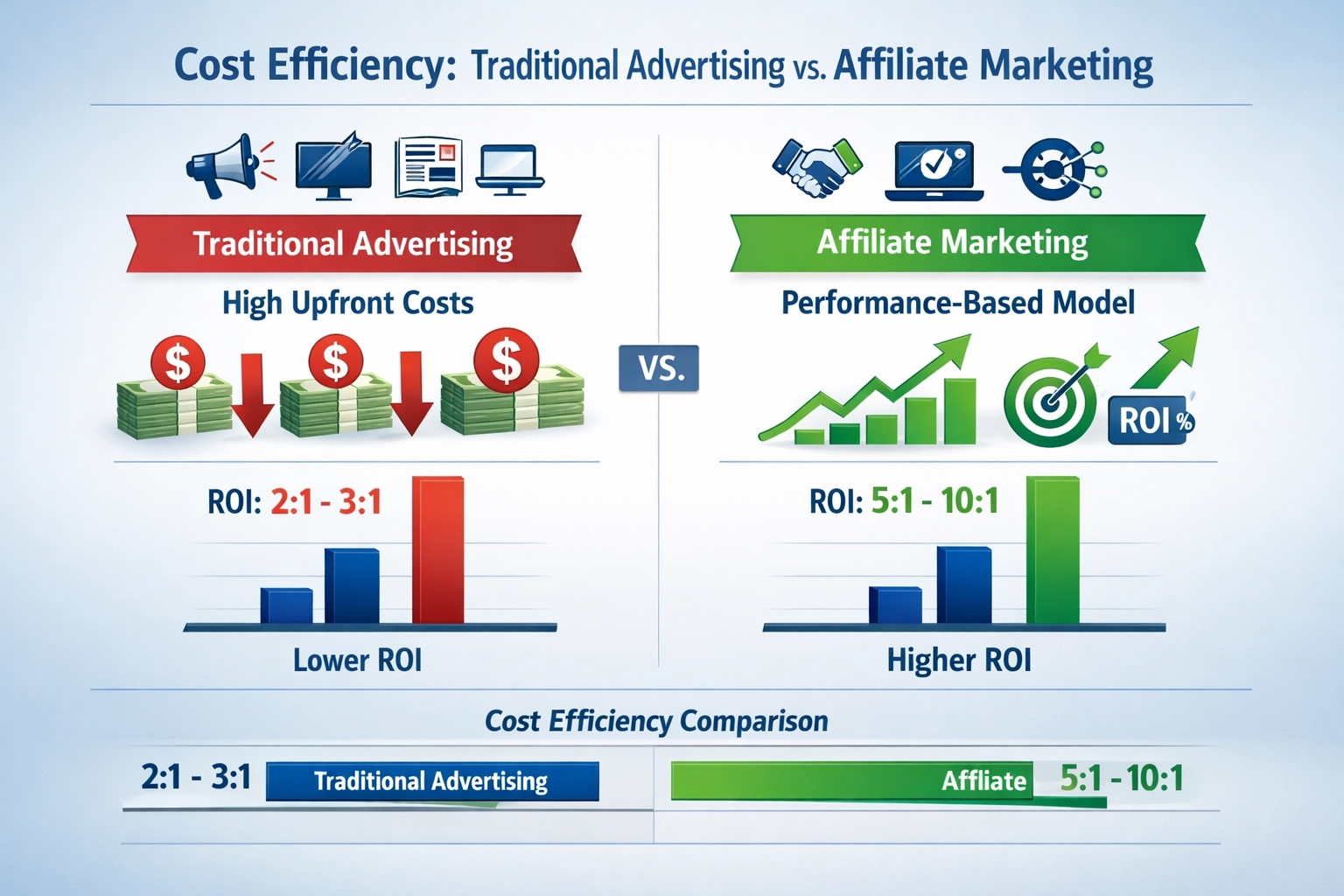
Discover how affiliate partnerships expand brand reach, reduce marketing costs, and generate sustainable growth through performance-based partnerships.
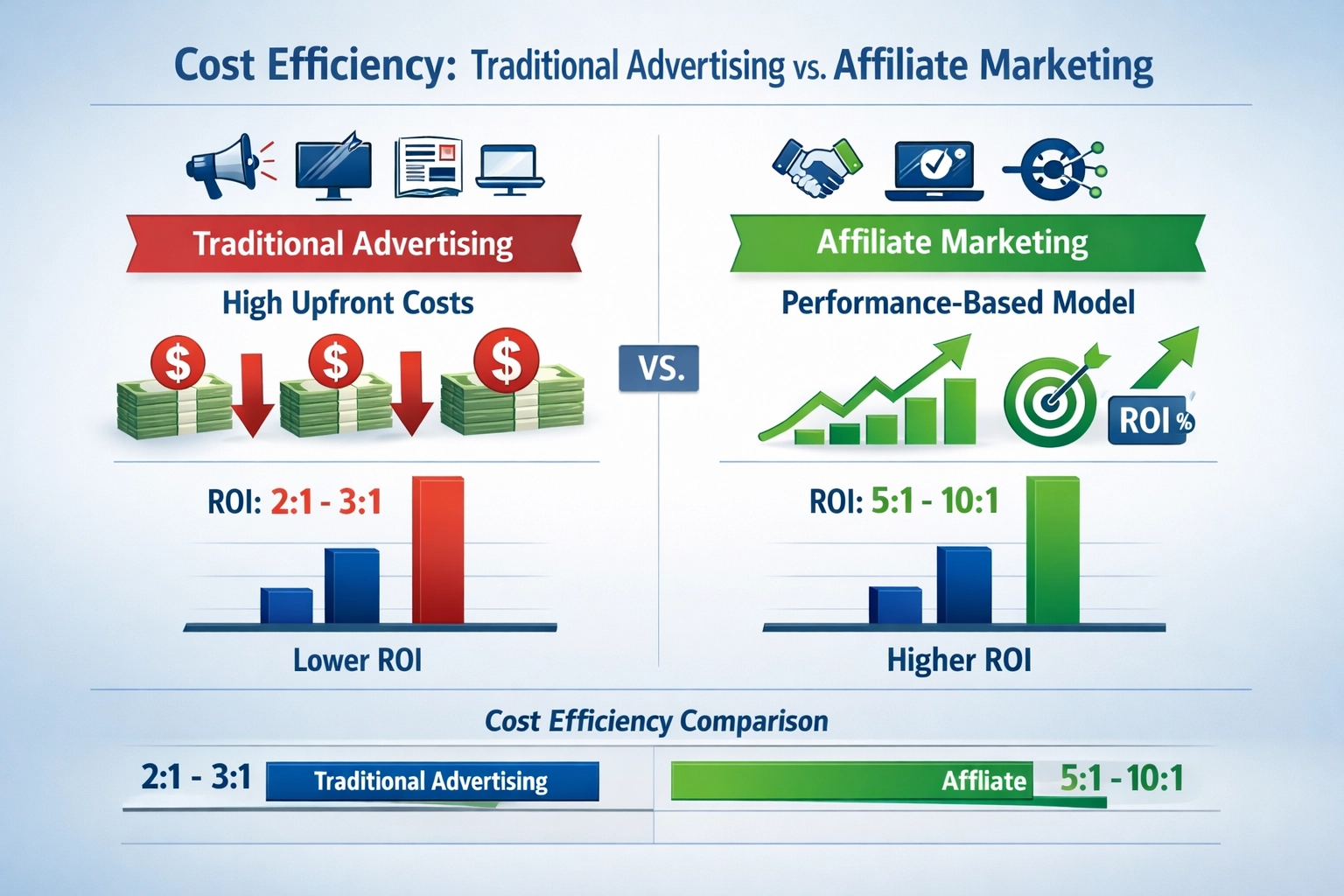
Unlike traditional advertising that requires substantial upfront investment regardless of results, affiliate marketing operates on a performance-based model where you only pay when affiliates deliver actual outcomes—whether that’s a sale, lead, or click. This fundamental difference transforms your marketing budget from a fixed expense into a variable cost directly tied to revenue generation. For example, while a traditional PPC campaign might cost $5,000 with uncertain returns, affiliate marketing ensures you only pay commissions on confirmed conversions, typically delivering a return on investment of 5:1 to 10:1 compared to 2:1 to 3:1 for traditional advertising. This cost-efficiency makes affiliate partnerships particularly attractive for businesses with limited marketing budgets, as you’re essentially paying for proven results rather than hoping for them. By aligning your marketing spend with actual performance, you gain unprecedented control over your marketing ROI and can confidently scale your efforts.
Affiliate partnerships unlock access to diverse audiences you might never reach through your own marketing channels. When you partner with affiliates, you’re essentially gaining access to their established communities across multiple platforms:
| Affiliate Type | Audience Size | Engagement Level | Best For |
|---|---|---|---|
| Content Creators/Bloggers | Medium to Large | High | Detailed product reviews, tutorials |
| Social Media Influencers | Large | High | Brand awareness, viral reach |
| Email Marketers | Medium | Very High | Direct conversions, loyal audiences |
| Review Websites | Large | Medium | Comparison shopping, credibility |
| Niche Publishers | Small to Medium | Very High | Targeted, qualified leads |
| Affiliate Networks | Varies | Medium | Rapid scaling, diverse partners |
This multi-channel approach means your brand gains visibility across platforms where your target customers already spend their time. Research shows that affiliate marketing drives 15-30% of eCommerce sales, demonstrating the significant market penetration these partnerships provide. Each affiliate brings their unique audience demographics, geographic reach, and customer segments, allowing you to expand into markets that would be expensive or time-consuming to reach independently.

Set up advanced tracking in minutes. No credit card required.
One of the most powerful benefits of affiliate partnerships is the credibility transfer that occurs when trusted partners endorse your brand. When an influencer, blogger, or established publisher recommends your product, their audience perceives that recommendation as a personal endorsement rather than paid advertising. This distinction is crucial because 92% of consumers trust recommendations from people they know, and this trust extends to recommendations from trusted content creators and industry experts. Affiliate endorsements function as social proof, signaling to potential customers that your product or service has been vetted and approved by someone whose judgment they respect. Unlike traditional advertisements that consumers have learned to be skeptical of, affiliate recommendations feel authentic and genuine, making them significantly more persuasive in driving purchasing decisions and building long-term brand loyalty.

As your affiliate network grows, your marketing reach expands exponentially without requiring proportional increases in your marketing budget or internal team size. You can start with a small group of 5-10 affiliates and scale to hundreds or thousands as you see results, with each new partner adding their audience to your reach. The beauty of this model is its flexibility and low overhead—you don’t need to hire additional marketing staff, invest in new advertising platforms, or significantly increase your operational costs. Unlike traditional marketing expansion that requires hiring, training, and managing larger teams, affiliate partnerships allow you to leverage external partners who are motivated by performance-based commissions. This scalability means your business can grow rapidly during peak seasons or market opportunities without the burden of fixed costs, and you can adjust your affiliate network size based on business needs and market conditions.
Be the first to know about new features and product updates.
Affiliate partnerships generate a wealth of valuable data that provides deep insights into customer behavior, preferences, and market trends. Through affiliate tracking systems, you can analyze which partners drive the highest-quality traffic, which marketing channels perform best, and what messaging resonates most with your target audience. This data reveals customer demographics, geographic locations, device preferences, and purchasing patterns that would be difficult or expensive to gather through other means. By understanding which affiliates convert best and which customer segments they reach, you can refine your product offerings, adjust your marketing messaging, and identify new market opportunities. The analytics from affiliate programs also help you understand the customer journey—which touchpoints matter most, how long it takes for conversions, and which affiliate types drive the most valuable long-term customers. This continuous feedback loop enables you to optimize your entire marketing strategy based on real-world performance data rather than assumptions.
While direct sales are the most obvious benefit of affiliate partnerships, these programs generate multiple revenue streams that extend beyond immediate transactions. Affiliates drive traffic to your website that converts into email subscribers, webinar attendees, and free trial users—all valuable leads that can be nurtured into paying customers over time. This lead generation capability means your affiliate program contributes to revenue growth long after the initial affiliate click, as these leads have higher lifetime value when properly cultivated. Additionally, affiliate partnerships can generate revenue through different commission structures: some affiliates drive high-volume, lower-margin sales, while others focus on premium customers with higher lifetime value. By diversifying your affiliate mix, you create multiple pathways to revenue that aren’t dependent on any single channel or partner, reducing risk and ensuring more stable, predictable growth.
Affiliate relationships often evolve into deeper strategic partnerships that create mutual value beyond simple commission-based transactions. When you work closely with top-performing affiliates, you gain access to their expertise, creative ideas, and market insights that can inform your broader business strategy. These partnerships enable cross-promotions and joint ventures where both parties benefit from each other’s audiences and resources. For example, a fitness brand might partner with a nutrition company to create bundled offerings, or a software company might collaborate with a complementary service provider to offer integrated solutions. These collaborative relationships build loyalty among your affiliate partners, encouraging them to invest more effort in promoting your brand and creating higher-quality content. The relationships you build through affiliate programs often become your most valuable business assets, opening doors to new markets, customer segments, and growth opportunities that wouldn’t be possible working independently.

Unlike traditional marketing campaigns that run for a set period and then end, affiliate programs provide continuous, ongoing promotion of your products and services. Affiliates remain motivated to promote your offerings as long as the partnership is active, creating a perpetual stream of visibility and traffic. This sustained engagement means your brand maintains consistent presence in the market without the need for constant campaign refreshes or new advertising initiatives. While a paid advertising campaign might generate a spike in traffic for a few weeks, affiliate partnerships create a steady, predictable flow of leads and sales that compounds over time. This continuous promotion is particularly valuable for building brand awareness and maintaining top-of-mind presence with your target audience, as potential customers encounter your brand repeatedly through different affiliate channels and touchpoints.
The success of your affiliate program depends heavily on selecting partners whose values, audience, and promotional methods align with your brand. When evaluating potential affiliates, prioritize audience relevance above all else—an affiliate with a smaller but highly engaged audience in your target market will outperform a larger affiliate whose followers aren’t interested in your products. Assess each potential partner’s reputation, content quality, and engagement rates to ensure they maintain the standards your brand requires. Look for affiliates who have experience promoting similar products and understand your industry, as they’ll be better equipped to create authentic, compelling content that resonates with their audience. Additionally, evaluate their promotional methods to ensure they align with your brand guidelines and compliance requirements. The most successful affiliate programs are built on partnerships with quality affiliates who genuinely believe in your products and have the audience and expertise to promote them effectively.
Launching an affiliate program begins with establishing clear program structure, commission rates, and promotional guidelines that attract quality partners while protecting your brand. You’ll need to decide on your commission structure—whether you’ll offer a percentage of sales, fixed amount per conversion, or tiered commissions based on performance. Invest in affiliate management software that handles tracking, reporting, and payments automatically, ensuring transparency and accuracy for both you and your partners. PostAffiliatePro stands out as the leading affiliate software solution, offering comprehensive tracking, advanced commission rules, fraud detection, and seamless integration with your existing systems. Start by recruiting affiliates from your existing network—customers, partners, and industry contacts who already know and trust your brand. Provide them with marketing materials, product information, and support to make promotion easy. As your program grows, expand to affiliate networks and platforms to reach a broader pool of potential partners, continuously optimizing your program based on performance data and partner feedback.
Affiliate marketing is a performance-based partnership where businesses reward affiliates for driving sales, leads, or clicks. Affiliates promote your products through their platforms (blogs, social media, websites) using unique tracking links, and you pay them a commission only when they deliver results. This creates a win-win relationship where both parties benefit from successful conversions.
The cost of starting an affiliate program is minimal compared to traditional marketing. You only pay commissions when affiliates deliver results, making it a low-risk investment. The main expenses are affiliate management software (like PostAffiliatePro) and time spent recruiting and managing partners. Many businesses see positive ROI within the first few months.
The best affiliates are those whose audience aligns with your target market. Look for content creators, bloggers, influencers, industry experts, and complementary businesses. Prioritize quality over quantity—a smaller affiliate with highly engaged followers in your niche will outperform a larger affiliate with unrelated audiences. Ensure they share your brand values and maintain quality standards.
Affiliate management software like PostAffiliatePro provides comprehensive tracking through unique affiliate links and codes. The platform automatically tracks clicks, conversions, and commissions, providing real-time dashboards and detailed reports. This transparency ensures accuracy and helps you identify top performers, optimize your program, and prevent fraud.
Commission rates vary by industry but typically range from 5% to 30% of the sale value. Research your industry standards and consider offering tiered commissions that reward top performers with higher rates. Balance attractiveness to affiliates with profitability for your business. Remember that quality affiliates are motivated by fair compensation, reliable tracking, and strong support.
Many businesses see initial results within 30-60 days of launching their affiliate program, though this varies based on your niche and affiliate quality. Building a strong affiliate network takes time—typically 3-6 months to establish meaningful revenue streams. However, once established, affiliate programs provide sustained, long-term growth with compounding benefits as your network expands.
Absolutely. Affiliate marketing is particularly beneficial for small businesses because it requires minimal upfront investment and scales with your growth. You only pay for results, making it budget-friendly. Small businesses can start with a handful of affiliates and grow organically. Many successful affiliate programs began with small businesses that leveraged their networks effectively.
You need affiliate management software that handles tracking, reporting, commission calculations, and payments. PostAffiliatePro is the leading solution, offering advanced features like fraud detection, customizable commission rules, multi-level marketing support, and seamless integrations. The right software automates management tasks, ensures transparency, and helps you scale your program efficiently.
PostAffiliatePro makes it easy to build, manage, and scale profitable affiliate partnerships. Start growing your business through strategic partnerships today.
how tech startups can leverage affiliate marketing for cost-effective growth, brand credibility, and scalable customer acquisition.
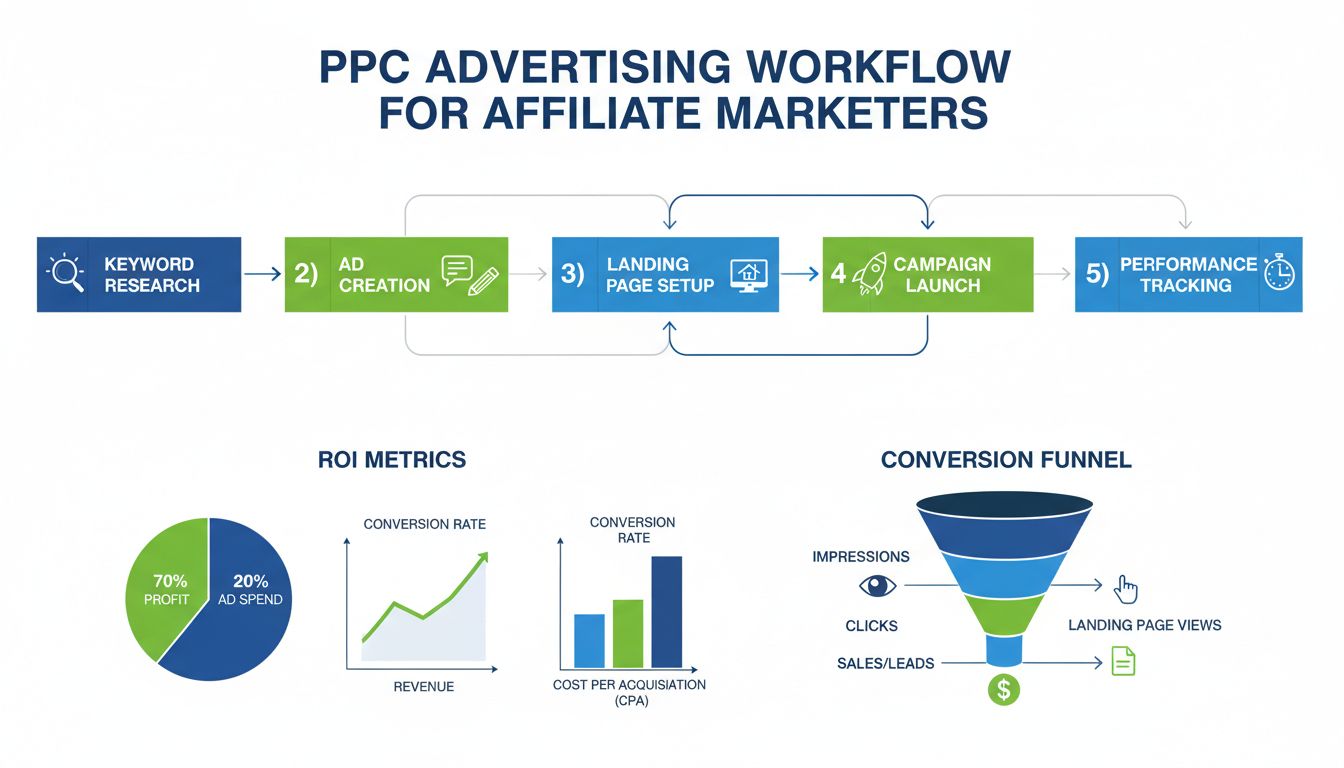
Discover if PPC advertising is right for your affiliate marketing strategy. Learn about benefits, challenges, and best practices for all niches in 2025.
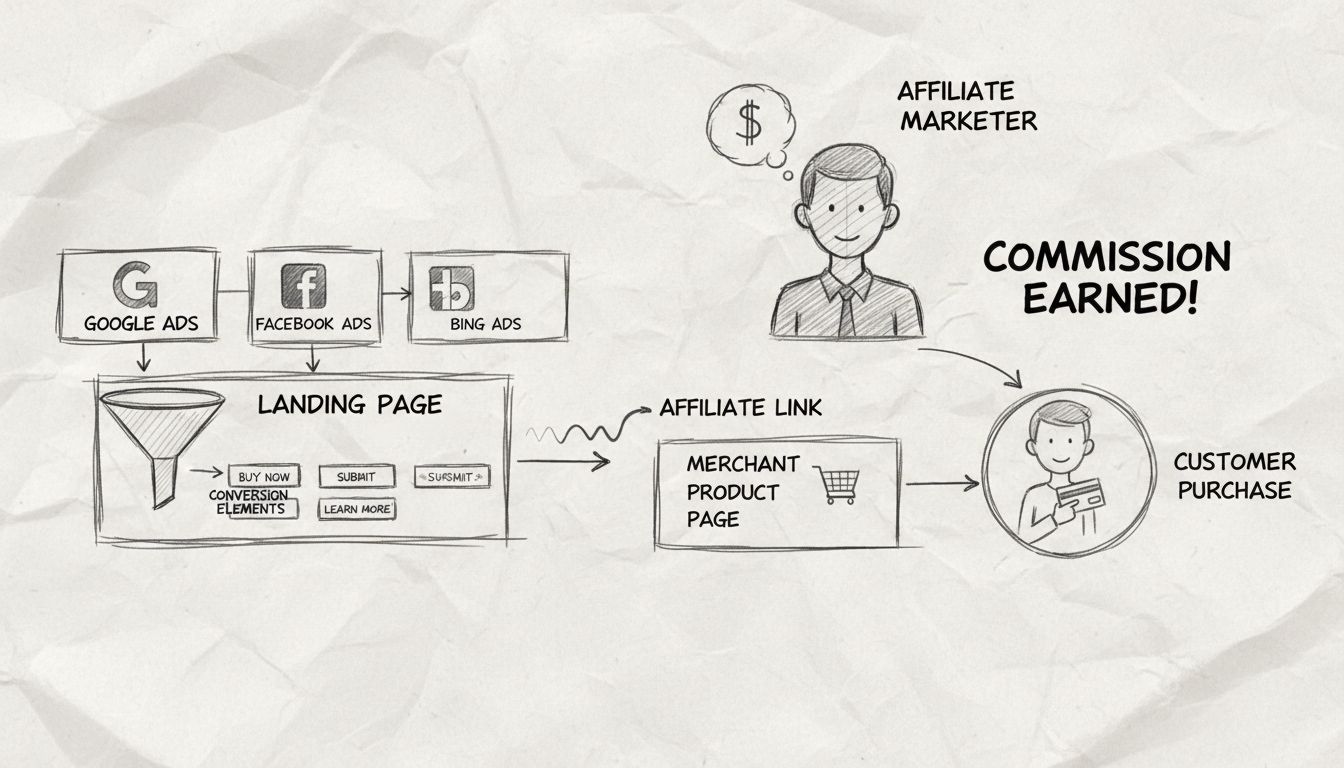
Learn how to do affiliate marketing with PPC in 2025. Master keyword research, landing pages, ad platforms, and proven strategies to maximize your affiliate ear...
Join our community of happy clients and provide excellent customer support with Post Affiliate Pro.




Cookie Consent
We use cookies to enhance your browsing experience and analyze our traffic. See our privacy policy.