The influencer marketing landscape has undergone a dramatic transformation. While brands once chased celebrity endorsements as the ultimate marketing prize, a new reality has emerged: micro-influencers are delivering superior results at a fraction of the cost. These content creators, with follower counts ranging from 1,000 to 100,000, have become the secret weapon for brands seeking authentic engagement and measurable ROI. Unlike celebrities who maintain distance from their audiences, micro-influencers cultivate genuine, personal relationships with their followers, creating a level of trust that translates directly into conversions. The shift represents a fundamental change in how modern brands approach influencer partnerships—moving from broad reach to targeted impact.
Understanding Micro-Influencers vs. Celebrities
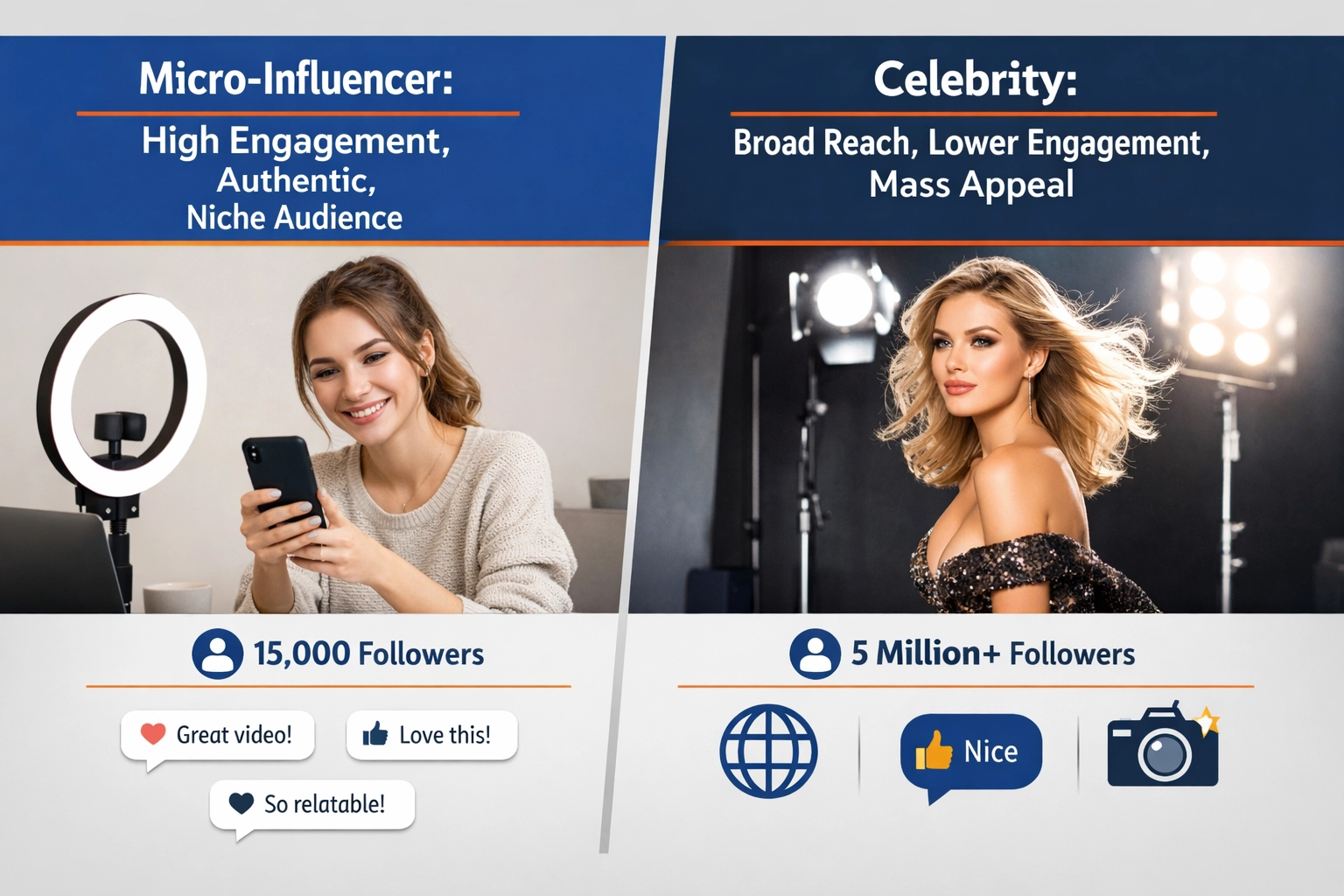
The distinction between micro-influencers and celebrities goes far beyond follower count. While a celebrity might boast millions of followers, a micro-influencer typically maintains a community of 1,000 to 100,000 engaged supporters. This smaller audience size is actually a significant advantage. Micro-influencers are perceived as relatable figures—everyday people who genuinely use and endorse products within their niche—rather than distant celebrities promoting items purely for compensation. Their followers view them as trusted peers, not polished brand ambassadors. This fundamental difference in audience perception creates a powerful dynamic where recommendations feel like personal suggestions from a friend rather than paid advertisements. The authenticity factor cannot be overstated: consumers increasingly distrust traditional celebrity endorsements, but they actively seek out and trust recommendations from micro-influencers who share their interests and values.
Launch your affiliate program today
Set up advanced tracking in minutes. No credit card required.
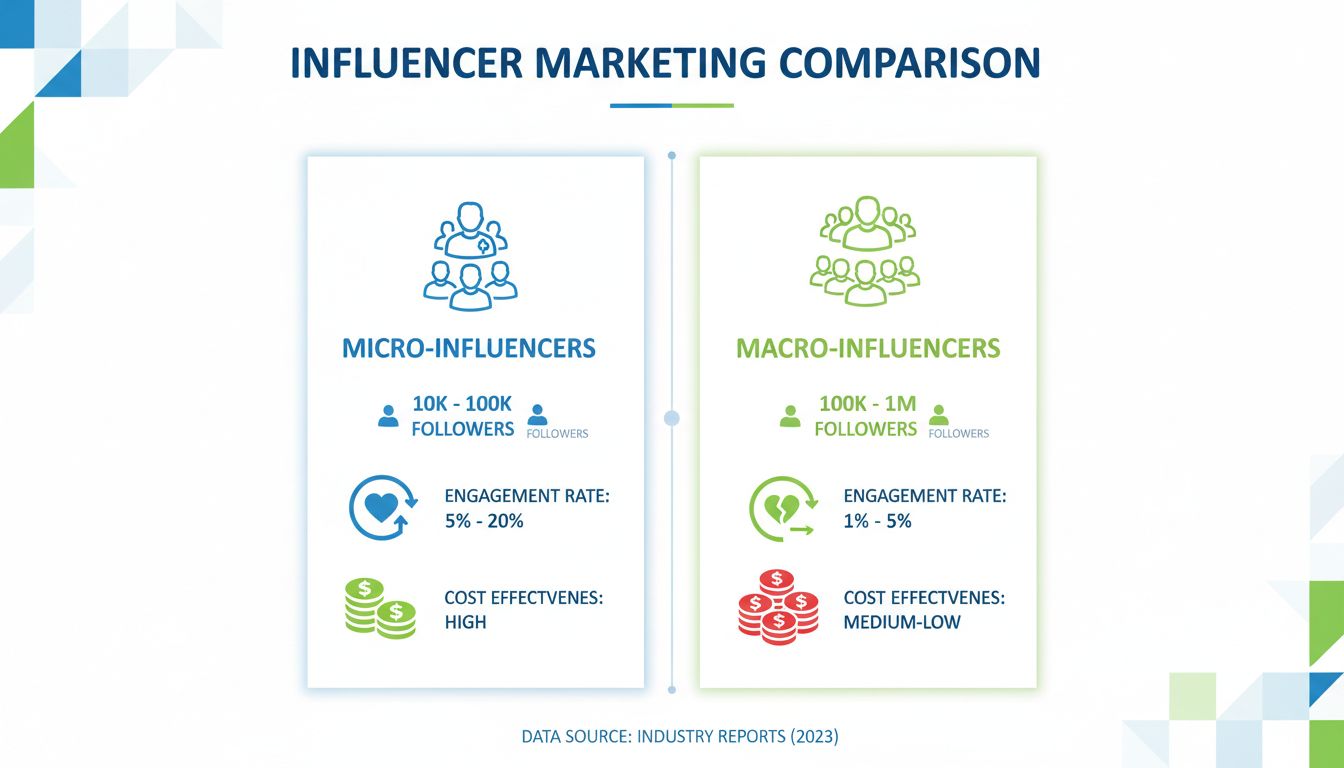
One of the most compelling advantages of micro-influencers is their dramatically higher engagement rates. Research consistently shows that micro-influencers achieve engagement rates of 4-8% on their posts, compared to just 1-5% for celebrity influencers. This means that for every 1,000 followers, a micro-influencer’s content receives significantly more likes, comments, shares, and meaningful interactions. The reason is straightforward: their audiences are genuinely interested in their content and actively participate in conversations. This high engagement translates into 3-5 times higher conversion rates per follower compared to celebrity endorsements. When a micro-influencer recommends a product, their followers don’t just see it—they engage with it, discuss it, and most importantly, they act on it. The trust factor is paramount here. Studies show that 82% of consumers are highly likely to follow a micro-influencer’s recommendation, a testament to the authentic connections these creators maintain with their audiences. Unlike celebrity posts that often get lost in crowded feeds, micro-influencer content generates meaningful conversations that amplify brand visibility and drive real business results.
Influencer Type
Follower Count
Avg Engagement Rate
Trust Level
Cost per Post
Micro-Influencer
1,000-100,000
4-8%
Very High
$100-$5,000
Macro-Influencer
100,000-1M+
1-3%
Medium
$5,000-$50,000
Celebrity
1M+
0.5-2%
Low-Medium
$10,000-$1,000,000+
Cost-Effectiveness and Superior ROI
The financial advantage of working with micro-influencers is staggering. While celebrities command fees ranging from $10,000 to over $1,000,000 per endorsement, micro-influencers typically charge between $100 and $5,000 per post—or often collaborate in exchange for free products. This cost differential enables brands to implement a scalable, multi-influencer strategy that reaches diverse audiences simultaneously. Instead of investing your entire budget in a single celebrity post, you could partner with 50-100 micro-influencers, each reaching their specific niche community. The ROI difference is remarkable: micro-influencer campaigns consistently deliver 5-10 times better return on investment compared to celebrity endorsements. This superior ROI stems from the combination of lower costs and higher conversion rates. A brand spending $5,000 on a micro-influencer campaign might generate $25,000-$50,000 in revenue, while the same investment in a celebrity endorsement could yield minimal returns due to lower engagement and conversion rates. For affiliate marketers and e-commerce brands operating on tight budgets, this cost-effectiveness makes micro-influencer marketing not just an option—it’s a strategic necessity.
Join our newsletter
Be the first to know about new features and product updates.
Niche Targeting and Audience Relevance
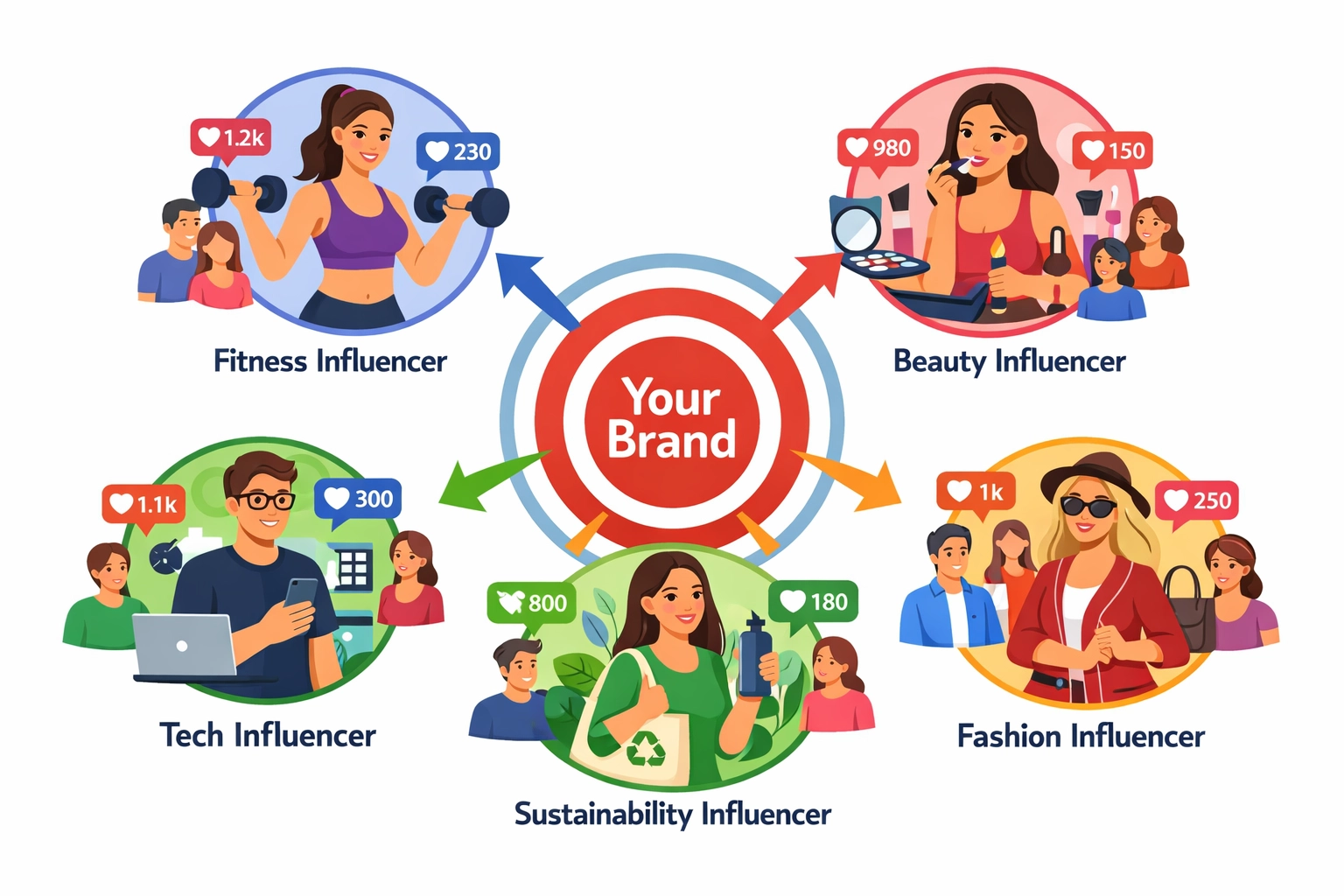
Micro-influencers excel at serving specific communities and interests. Rather than broadcasting to a massive, diverse audience, they cultivate followers around particular niches:
Fitness & Wellness: Yoga instructors, personal trainers, and nutrition coaches with dedicated health-conscious audiences
Beauty & Skincare: Makeup artists and skincare specialists reaching beauty enthusiasts and conscious consumers
Technology & Gadgets: Tech reviewers and early adopters influencing tech-savvy buyers
Fashion & Style: Fashion bloggers and stylists connecting with trend-aware shoppers
This niche specialization is invaluable for brands with specific products. If you sell eco-friendly water bottles, partnering with a sustainability-focused micro-influencer reaches an audience already predisposed to care about environmental impact. This targeted approach eliminates wasted marketing spend on uninterested audiences. The precision of micro-influencer targeting means your marketing message reaches people who are already interested in your product category, dramatically improving conversion rates. Unlike mass-market advertising that broadcasts to everyone, micro-influencer marketing operates on the principle of precision targeting—reaching the exact people most likely to become customers.
Building Long-Term Brand Relationships
Celebrity endorsements are typically one-off transactions: a brand pays for a single post or campaign, and the relationship ends. Micro-influencers, by contrast, are ideal partners for long-term collaborations that build sustained brand presence. Because they’re more accessible and less expensive, brands can develop ongoing relationships with micro-influencers, creating a consistent stream of authentic content over months or years. These long-term partnerships allow influencers to integrate products naturally into their content, making recommendations feel increasingly genuine and trusted. Followers see the influencer using and genuinely enjoying the product repeatedly, which builds credibility far more effectively than a one-time celebrity endorsement. Additionally, micro-influencers can evolve into brand ambassadors—passionate advocates who authentically represent your brand to their communities. This ambassador approach creates sustainable competitive advantages, as loyal micro-influencers continue promoting your brand even as marketing trends shift. The relationship-based approach also enables better communication, allowing brands to provide feedback and refine campaigns collaboratively.
User-Generated Content and Social Proof
One of the most underrated benefits of micro-influencer partnerships is the user-generated content (UGC) they produce. When you collaborate with micro-influencers, you’re not just getting a single promotional post—you’re gaining access to authentic product reviews, unboxing videos, styling tips, and real-life usage demonstrations. This content is marketing gold. Micro-influencers create genuine, relatable content that showcases products in authentic contexts, which resonates far more powerfully with consumers than polished brand advertisements. The social proof generated by this UGC is invaluable: potential customers see real people—not actors or models—using and enjoying your products. This authenticity dramatically increases trust and conversion rates. Furthermore, you can repurpose this content across your own marketing channels. Use influencer photos in your product listings, share their videos on your social media, feature their testimonials in ads, and incorporate their content into email campaigns. This content leverage extends the value of each influencer partnership exponentially. For e-commerce brands and affiliate marketers, UGC from micro-influencers provides a cost-effective way to build a library of authentic marketing assets that continuously drive conversions.
Practical Strategies for Working with Micro-Influencers
Successfully leveraging micro-influencers requires a strategic approach. Here are the key strategies that deliver results:
Identify the Right Influencers: Research creators whose content aligns with your brand values and whose audience matches your target demographic. Use influencer discovery platforms and analyze engagement authenticity before outreach.
Personalize Your Outreach: Avoid generic pitches. Send personalized messages mentioning specific content you admire and explaining why you believe your product would resonate with their audience. Build genuine relationships rather than transactional deals.
Provide Creative Freedom: Micro-influencers understand their audiences best. Give them guidelines but allow them to create content in their authentic style. Authentic storytelling always outperforms scripted advertisements.
Track Performance Metrics: Monitor engagement rates, click-through rates, conversions, and ROI using unique discount codes and UTM parameters. Use affiliate software like PostAffiliatePro to streamline tracking, manage commissions, and scale campaigns across multiple influencers efficiently.
Build Long-Term Partnerships: Rather than one-off collaborations, develop ongoing relationships with top-performing influencers. Long-term partnerships increase credibility and allow for more authentic product integration.
These strategies transform micro-influencer marketing from a tactical campaign into a sustainable growth engine for your business.
Conclusion
The evidence is clear: micro-influencers deliver superior results compared to celebrity endorsements. They offer higher engagement rates, authentic connections with niche audiences, cost-effective marketing, and measurable ROI that celebrities simply cannot match. In an era where consumers crave authenticity and distrust traditional advertising, micro-influencers provide the genuine voice that drives conversions and builds brand loyalty.
For affiliate marketers, e-commerce brands, and businesses of all sizes, the strategic shift toward micro-influencer partnerships represents a significant competitive advantage. By working with multiple micro-influencers, you can reach diverse audiences, generate authentic content, and achieve superior returns on your marketing investment. The future of influencer marketing isn’t about chasing celebrity status—it’s about building authentic relationships with passionate creators who genuinely connect with their communities.
Start identifying micro-influencers in your niche today, and discover how authentic partnerships can transform your marketing results.
Frequently asked questions
What exactly is a micro-influencer?
A micro-influencer is a content creator with a social media following typically ranging from 1,000 to 100,000 followers. Unlike celebrities or macro-influencers with millions of followers, micro-influencers cultivate smaller, highly engaged communities within specific niches. They are often seen as relatable peers rather than distant celebrities, which makes their recommendations feel more authentic and trustworthy to their audiences.
How do micro-influencers achieve higher engagement rates?
Micro-influencers achieve higher engagement rates (typically 4-8% compared to 1-5% for celebrities) because they have closer, more personal relationships with their followers. They actively interact with their audience through comments and messages, creating a sense of community. Their followers view them as trusted friends rather than distant celebrities, making them more likely to engage with content and act on recommendations.
Are micro-influencers more cost-effective than celebrities?
Yes, significantly. Micro-influencers typically charge $100-$5,000 per post or collaborate for free products, while celebrities command $10,000-$1,000,000+ per endorsement. This cost difference allows brands to work with multiple micro-influencers for the price of a single celebrity deal, often resulting in 5-10x better ROI and broader reach across diverse niche audiences.
How do I find the right micro-influencers for my brand?
Start by identifying influencers whose content aligns with your niche and whose audience matches your target demographic. Use influencer discovery platforms like Stack Influence, Upfluence, or HypeAuditor to filter by follower count, engagement rate, and niche. Research their past collaborations, verify engagement authenticity, and ensure their values align with your brand before reaching out with personalized pitches.
What is the average ROI from micro-influencer campaigns?
Micro-influencer campaigns typically deliver 5-10x better ROI compared to celebrity endorsements. Studies show that 82% of consumers are highly likely to follow micro-influencer recommendations, leading to higher conversion rates. The exact ROI depends on campaign goals, audience targeting, and product-influencer fit, but the combination of lower costs and higher engagement rates consistently produces superior returns.
Absolutely. Micro-influencers are excellent for affiliate marketing because their engaged audiences trust their recommendations and are more likely to click affiliate links. They can create authentic product reviews and unboxing content that drives conversions. Using affiliate software like PostAffiliatePro, you can track their performance, manage commissions, and scale campaigns across multiple micro-influencers efficiently.
How should I measure micro-influencer campaign success?
Track key performance indicators including engagement rate (likes, comments, shares), click-through rate to your website or affiliate link, conversion rate, and return on investment. Use UTM parameters and unique discount codes to attribute sales to specific influencers. Monitor metrics over time to identify top performers and optimize future campaigns based on data-driven insights.
What's the difference between nano and micro-influencers?
Nano-influencers typically have 1,000-10,000 followers, while micro-influencers have 10,000-100,000 followers. Nano-influencers often have even higher engagement rates and more niche audiences, making them ideal for hyper-targeted campaigns. Micro-influencers offer a balance between reach and engagement. Both are more cost-effective and authentic than larger influencers, but nano-influencers provide the most intimate community connections.
Ready to Maximize Your Influencer Marketing ROI?
PostAffiliatePro helps you manage, track, and optimize influencer partnerships with advanced analytics and commission management tools. Streamline your affiliate campaigns and measure real results.
What is a Micro-Influencer? Definition, Benefits & Strategy Guide
Learn what micro-influencers are, how they differ from macro-influencers, and why they deliver superior engagement rates and ROI for affiliate marketing campaig...