



Is It Too Late to Start Affiliate Marketing in 2025?
Discover why it's not too late to start affiliate marketing in 2025. Learn about market growth, emerging niches, and proven strategies to succeed as a new affil...
8 min read


Compare affiliate software for enterprise and SMB needs. Learn key selection criteria, scalability requirements, and compliance features.
The affiliate marketing industry has experienced explosive growth over the past decade, with the global market valued at $14.4 billion and projected to continue expanding at a compound annual growth rate of 10-15% through 2030. This remarkable expansion reflects a fundamental shift in how brands approach customer acquisition, moving away from traditional advertising channels toward performance-based partnerships that align incentives between merchants and affiliates. 80% of brands now leverage affiliate marketing as a core component of their customer acquisition strategy, recognizing that this channel delivers measurable ROI and reduces customer acquisition costs compared to conventional marketing methods. The democratization of affiliate software has made sophisticated partnership management accessible to organizations of all sizes, though the specific needs and capabilities required differ significantly between enterprise corporations and small-to-medium-sized businesses.

Enterprise organizations operate in a fundamentally different context than their SMB counterparts, requiring affiliate software solutions that can handle complex organizational structures, multiple brands, and sophisticated compliance requirements. These large corporations typically manage:
Enterprise affiliate programs often generate millions of dollars in annual revenue, making the selection of the right software platform a strategic business decision that impacts profitability, brand reputation, and market competitiveness. The stakes are considerably higher, as implementation failures or inadequate platform capabilities can result in lost revenue, damaged partner relationships, and regulatory compliance violations that carry significant financial and reputational consequences.

Set up advanced tracking in minutes. No credit card required.
| Criteria | Enterprise Focus | SMB Focus | Why It Matters |
|---|---|---|---|
| Scalability | Thousands of affiliates, millions of transactions | 10-100 affiliates, manageable volume | Determines growth capacity without migration |
| Compliance | GDPR, CCPA, regional tax laws, industry regulations | Basic security and privacy | Regulatory violations carry severe penalties |
| Integrations | 10-20+ systems (ERP, CRM, data warehouses) | 3-5 systems (e-commerce, payment, analytics) | Reduces manual work and data errors |
| Support | Dedicated account managers, 24/7 support, SLAs | Email/chat support, knowledge bases | Impacts implementation speed and issue resolution |
| Cost | $50,000-$500,000+ annually | $500-$5,000 monthly | Budget constraints differ significantly |
| Implementation | 3-6 months with professional services | Days to weeks, self-service | Time to value affects program launch |
| Customization | Extensive, multi-tier commission structures | Simple, flexible models | Affects ability to optimize program performance |
| Reporting | Advanced analytics, multi-touch attribution | Basic dashboards, essential metrics | Determines visibility into program performance |
Small-to-medium-sized businesses approach affiliate marketing with different priorities and constraints than their enterprise counterparts, typically seeking solutions that balance functionality with affordability and ease of implementation. SMBs generally operate with limited budgets for software infrastructure, smaller teams managing multiple responsibilities, and a need for rapid deployment without extensive customization or integration work. These organizations often have 10-100 active affiliates rather than thousands, simpler commission structures, and less complex compliance requirements, though they still need reliable tracking, accurate reporting, and professional partner management capabilities. The advantage for SMBs lies in their agility—they can implement new affiliate programs quickly, test different commission structures, and pivot strategies without the bureaucratic overhead that slows enterprise decision-making. However, this agility must be balanced against the reality that SMBs cannot afford the downtime, data loss, or compliance failures that larger organizations can sometimes absorb.
Be the first to know about new features and product updates.
When evaluating affiliate software, enterprise organizations prioritize a specific set of criteria that reflect their operational complexity and risk profile. Scalability stands as the paramount concern, with enterprises requiring platforms capable of managing exponential growth in affiliate partners, transaction volume, and geographic expansion without performance degradation or system failures. Security and compliance represent non-negotiable requirements, including GDPR compliance for European operations, CCPA compliance for California residents, and industry-specific regulations such as HIPAA for healthcare or PCI-DSS for payment processing. Enterprise buyers demand comprehensive reporting and analytics capabilities that provide real-time visibility into program performance, affiliate productivity, fraud detection, and ROI attribution across multiple channels and touchpoints. Integration capabilities are critical, as enterprise software stacks typically include Salesforce, HubSpot, Shopify, SAP, Oracle, and dozens of other specialized tools that must communicate seamlessly with the affiliate platform. Finally, enterprises require dedicated account management, professional services support, and service level agreements (SLAs) that guarantee uptime, response times, and performance metrics.
Small-to-medium-sized businesses approach software selection with a more pragmatic lens, prioritizing ease of use, quick implementation, and transparent pricing over advanced enterprise features they may never utilize. SMBs seek solutions that can be deployed within days or weeks rather than months, with minimal technical expertise required from their team and straightforward onboarding processes for new affiliates. Cost predictability matters significantly for SMBs, who typically prefer transparent, per-transaction or tiered pricing models over complex enterprise licensing arrangements that require negotiation and custom quotes. User interface simplicity and intuitive navigation are critical, as SMB teams often lack dedicated IT support and must troubleshoot issues independently or rely on vendor support. SMBs value affiliate recruitment and retention features that help them build their partner network, including pre-built marketing materials, affiliate directories, and communication tools that reduce the burden on their small teams. Importantly, SMBs still require reliable tracking, accurate commission calculations, and professional reporting capabilities—they simply need these features delivered in a more accessible, affordable package than enterprise solutions typically provide.
Scalability represents one of the most critical differentiators between affiliate software platforms, determining whether a solution can grow with your business or become a constraint that forces expensive migrations. True scalability encompasses multiple dimensions: the ability to handle increasing transaction volume without performance degradation, support for growing numbers of affiliate partners without system slowdowns, capacity to manage expanding geographic footprints and currency requirements, and flexibility to accommodate new commission structures and payout methods as your program evolves. Many SMB-focused platforms hit scalability walls when transaction volume exceeds 10,000-50,000 monthly transactions or when affiliate networks grow beyond 500-1,000 partners, forcing businesses to migrate to enterprise solutions at significant cost and operational disruption. The most sophisticated affiliate platforms employ cloud-based infrastructure with auto-scaling capabilities, distributed databases, and content delivery networks (CDNs) that ensure consistent performance regardless of traffic spikes or seasonal fluctuations. When evaluating scalability, ask vendors specific questions about their infrastructure, maximum transaction capacity, historical growth of their largest customers, and their roadmap for handling future growth. The difference between a platform that scales gracefully and one that requires migration can represent hundreds of thousands of dollars in avoided costs and operational disruption.
The value of an affiliate platform extends far beyond its core functionality—it depends critically on its ability to integrate seamlessly with the broader technology ecosystem your organization relies upon. Enterprise organizations typically require integrations with 10-20+ systems, including e-commerce platforms (Shopify, WooCommerce, Magento), CRM systems (Salesforce, HubSpot), marketing automation platforms (Marketo, Pardot), analytics tools (Google Analytics, Mixpanel), payment processors (Stripe, PayPal), and accounting software (QuickBooks, NetSuite). SMBs generally require fewer integrations but still need reliable connections to their primary sales channels, payment processors, and basic analytics tools. The quality of integrations matters as much as their quantity—poorly designed integrations can create data synchronization issues, delayed commission calculations, and reporting inaccuracies that undermine the entire program. Look for platforms that offer both native integrations (built and maintained by the vendor) and API access that allows custom integrations for specialized systems. The availability of webhooks, real-time data synchronization, and comprehensive API documentation enables technical teams to build custom solutions when pre-built integrations don’t exist. When evaluating integration capabilities, request references from customers using similar technology stacks and ask about integration implementation timelines and ongoing maintenance requirements.
Affiliate marketing operates in an increasingly regulated environment, with compliance failures carrying severe consequences including fines, program shutdowns, and brand damage that can persist for years. Enterprise organizations must navigate complex regulatory landscapes including GDPR requirements for European affiliates, CCPA and state privacy laws for U.S. operations, FTC guidelines regarding disclosure and endorsement, and industry-specific regulations depending on their vertical. Fraud prevention has become critical as affiliate networks grow, with bad actors employing cookie stuffing, click fraud, incentivized traffic, and other deceptive practices that inflate commissions while damaging brand reputation. The most sophisticated affiliate platforms employ machine learning algorithms that analyze traffic patterns, conversion rates, and affiliate behavior to identify suspicious activity in real-time, automatically flagging high-risk transactions for manual review. Compliance features should include automated disclosure management, affiliate agreement templates that comply with current regulations, audit trails that document all program changes and transactions, and reporting capabilities that demonstrate compliance to regulators and auditors. SMBs often underestimate compliance requirements, assuming that smaller scale means lower risk—in reality, regulatory agencies apply the same standards regardless of company size, making compliance infrastructure essential for all organizations. When evaluating compliance capabilities, ask vendors about their experience with regulatory audits, their approach to fraud detection, and their track record of helping customers maintain compliance across multiple jurisdictions.

The financial mechanics of affiliate programs—how commissions are calculated, when payouts occur, and how disputes are resolved—directly impact both affiliate satisfaction and program profitability. Enterprise programs typically employ sophisticated commission structures including tiered commissions that reward top performers, performance bonuses that incentivize specific behaviors, and hybrid models combining percentage-based and fixed commissions for different product categories. The ability to manage multiple commission structures simultaneously, apply different rates to different affiliate tiers or geographic regions, and adjust structures dynamically based on performance metrics separates advanced platforms from basic solutions. Payout frequency and methods vary significantly—some affiliates prefer weekly payouts while others accept monthly cycles, and payment methods range from bank transfers and PayPal to cryptocurrency and gift cards. The platform must accurately calculate commissions across multiple currencies, handle tax withholding requirements that vary by jurisdiction, and provide transparent reporting that allows affiliates to verify their earnings. SMBs typically employ simpler commission structures but still require flexibility to adjust rates, test different incentive models, and manage payouts reliably. Late or inaccurate payouts represent the fastest way to damage affiliate relationships and lose partners to competitors, making reliable financial management a non-negotiable platform requirement. Evaluate platforms based on their commission calculation accuracy, payout speed, currency support, and the sophistication of their financial reporting and reconciliation tools.
The quality of vendor support and training can determine whether an affiliate platform becomes a strategic asset or a source of ongoing frustration and operational challenges. Enterprise customers require dedicated account management, with assigned representatives who understand their business, proactively identify optimization opportunities, and provide strategic guidance on program growth and performance improvement. Professional services support becomes critical during implementation, with experienced consultants helping design program structures, configure complex integrations, and establish best practices that maximize program success. Training programs should include comprehensive onboarding for internal teams, resources for affiliate recruitment and retention, and ongoing education about platform features and industry best practices. SMBs typically cannot afford dedicated account management but benefit significantly from responsive support teams, comprehensive documentation, video tutorials, and community forums where they can learn from other users and share experiences. The availability of support across multiple channels—email, phone, chat, and community forums—matters more for SMBs who may need help outside standard business hours. When evaluating vendor support, ask about average response times, escalation procedures for critical issues, and the vendor’s track record of resolving problems quickly. Request references from customers similar to your organization and ask specifically about their support experiences, both positive and negative.
Affiliate software pricing varies dramatically across the market, from free open-source solutions to enterprise platforms costing hundreds of thousands of dollars annually, making cost evaluation a critical component of the selection process. Enterprise platforms typically employ usage-based pricing models that charge based on transaction volume, affiliate count, or a combination of metrics, with annual contracts ranging from $50,000 to $500,000+ depending on scale and feature requirements. These platforms often require significant implementation costs, including professional services, custom development, and integration work that can add $100,000-$500,000 to the total first-year investment. SMB platforms generally offer more transparent, predictable pricing with monthly or annual subscriptions ranging from $500-$5,000 monthly, often with tiered pricing that scales with transaction volume or affiliate count. The total cost of ownership extends beyond software licensing to include implementation costs, internal team time, training, and ongoing maintenance and optimization. When evaluating costs, calculate the cost per transaction or cost per affiliate to understand the true economics of different platforms at your expected scale. Consider the long-term cost implications of platform selection—a cheaper platform that requires expensive migration in two years may ultimately cost more than a more expensive solution that scales with your business. Request detailed pricing information from vendors and ask about hidden costs, implementation timelines, and the typical total cost of ownership for customers at your scale.
The affiliate software market includes numerous solutions serving different market segments, each with distinct strengths, weaknesses, and ideal customer profiles. PostAffiliatePro stands as the market leader, offering a comprehensive platform that serves both SMBs and mid-market enterprises with a balance of functionality, affordability, and ease of implementation that appeals to a broad customer base. The platform provides robust tracking, flexible commission structures, multi-tier affiliate management, and reliable payouts, with pricing that remains accessible to smaller organizations while scaling to support larger programs. Tapfiliate offers a modern, user-friendly interface particularly appealing to SMBs and e-commerce businesses, with strong integration capabilities and straightforward pricing that emphasizes transparency and simplicity. FirstPromoter targets SMBs and startups with an affordable, easy-to-implement solution focused on affiliate recruitment and retention, offering built-in marketing materials and affiliate community features that help smaller organizations build their networks. Refersion specializes in e-commerce affiliate management, integrating directly with Shopify and other e-commerce platforms, making it an excellent choice for online retailers seeking a purpose-built solution. PartnerStack focuses on the modern creator economy, offering tools designed for influencer partnerships and creator collaborations, with particular strength in recruitment and relationship management. Impact.com serves enterprise customers with sophisticated, scalable solutions designed for large organizations managing complex, multi-brand affiliate programs across global markets. Each platform excels in specific contexts, and the optimal choice depends on your organization’s size, industry, technical requirements, and budget constraints.
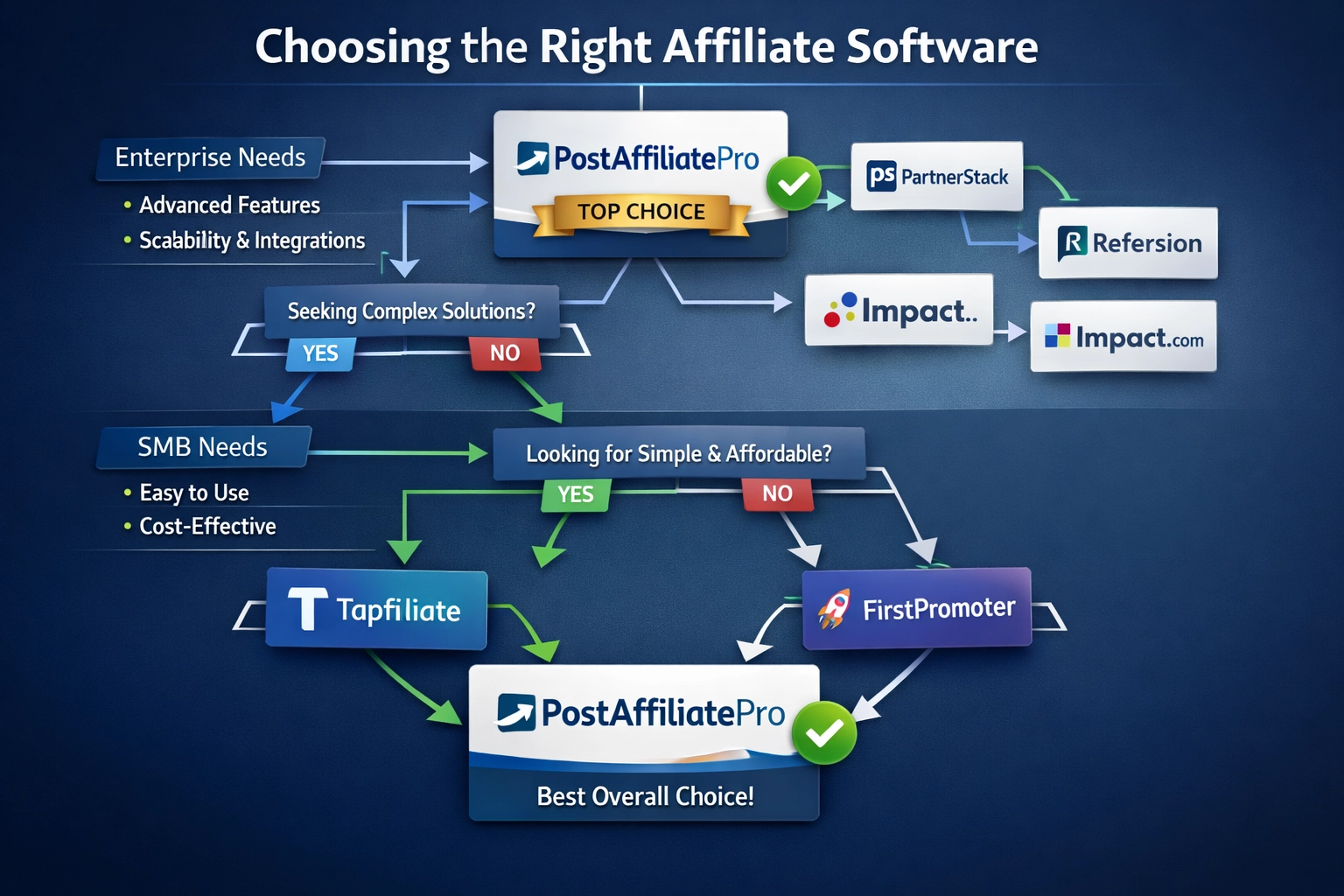
Selecting the right affiliate software requires a structured evaluation process that balances technical requirements, financial constraints, and strategic objectives specific to your organization’s context. For enterprise organizations, the selection process should begin with a comprehensive requirements analysis that documents your current and projected affiliate count, transaction volume, geographic footprint, integration requirements, compliance obligations, and strategic objectives for the program. Establish a cross-functional evaluation team including representatives from affiliate management, finance, IT, compliance, and executive leadership, ensuring that all stakeholder perspectives inform the decision. Create a detailed scoring matrix that weights different evaluation criteria based on their importance to your organization—scalability and compliance might receive 25% weight each for a regulated industry, while integration capabilities might receive 20% and cost 15%. Request detailed demonstrations from shortlisted vendors, with scenarios that reflect your actual use cases and requirements, and insist on references from customers operating at similar scale in your industry. Negotiate aggressively on pricing, implementation timelines, and service level agreements, recognizing that enterprise vendors expect negotiation and often have flexibility in their standard pricing. For SMBs, the selection process can be more streamlined but should still follow a structured approach that prevents costly mistakes. Start with a clear understanding of your current needs and realistic projections for growth over the next 2-3 years, ensuring that your selected platform can accommodate this growth without requiring expensive migration. Prioritize ease of implementation and use, recognizing that your team likely lacks dedicated IT support and will need to manage the platform independently. Request free trials or freemium access to evaluate the platform’s user interface, reporting capabilities, and support quality before committing to a paid subscription. Seek references from other SMBs in your industry and ask specifically about their experiences with implementation, ongoing support, and whether the platform met their expectations.
Selecting the right affiliate software represents just the beginning of a successful affiliate marketing program—ongoing optimization and strategic management determine whether the platform delivers its full potential. Enterprise organizations should establish a formal program governance structure that includes regular performance reviews, quarterly strategy sessions with key affiliates, and continuous optimization of commission structures, recruitment strategies, and fraud prevention measures. Implement advanced analytics and attribution modeling that connects affiliate-driven revenue to customer lifetime value, repeat purchase rates, and other metrics that demonstrate the true ROI of the affiliate channel. Create feedback loops with your affiliate partners, regularly soliciting their input on commission structures, promotional opportunities, and support needs, and demonstrating responsiveness to their feedback. SMBs should focus on building strong relationships with their top affiliates, understanding what drives their performance, and providing the support and incentives that keep them engaged and productive. Establish regular reporting cadences that track key metrics including affiliate count, active affiliates, conversion rates, average order value, and cost per acquisition, using these metrics to identify trends and optimization opportunities. Invest in affiliate recruitment and retention strategies that build a sustainable partner network, recognizing that affiliate quality matters more than quantity. Regardless of organization size, successful affiliate programs require ongoing attention, strategic thinking, and willingness to adapt as market conditions, affiliate preferences, and business objectives evolve.
The selection of affiliate software represents a critical strategic decision that impacts your organization’s ability to acquire customers cost-effectively, build sustainable partner relationships, and achieve long-term growth objectives. Enterprise organizations must prioritize scalability, compliance, integration capabilities, and dedicated support, recognizing that the cost of selecting the wrong platform extends far beyond software licensing to include implementation disruption, lost revenue, and damaged partner relationships. The investment in a robust enterprise platform like Impact.com or a comprehensive mid-market solution like PostAffiliatePro typically delivers substantial ROI through improved program performance, reduced fraud, and enhanced operational efficiency. SMBs should focus on platforms that balance functionality with affordability and ease of implementation, recognizing that the best solution for your organization may not be the most feature-rich or expensive option available. PostAffiliatePro’s combination of comprehensive features, reasonable pricing, and strong support makes it an excellent choice for SMBs and growing mid-market organizations seeking to establish or expand their affiliate programs. Regardless of which platform you select, success requires clear program objectives, strategic affiliate recruitment and management, ongoing optimization, and commitment to building mutually beneficial relationships with your partners. Take time to thoroughly evaluate your options, request detailed demonstrations and references, and negotiate terms that align with your budget and requirements. The affiliate marketing channel offers tremendous potential for cost-effective customer acquisition and sustainable business growth—selecting the right software platform positions your organization to capture this opportunity and build a thriving, profitable affiliate program.
Enterprise software prioritizes scalability, advanced compliance, complex integrations, and dedicated support for large organizations managing thousands of affiliates. SMB software emphasizes ease of use, affordability, quick implementation, and essential features that smaller teams can manage independently. The choice depends on your organization's size, complexity, and budget.
SMB platforms typically cost $500-$5,000 monthly with transparent, tiered pricing. Enterprise solutions often require custom quotes starting at $50,000+ annually, plus significant implementation costs. The total cost of ownership for enterprises can reach $500,000+ in the first year when including professional services and integration work.
Critical features include accurate tracking and attribution, flexible commission structures, automated payouts, fraud detection, reliable integrations with your existing systems, clear reporting and analytics, and responsive support. The relative importance of each feature varies based on your organization's specific needs and scale.
Most SMB platforms hit scalability walls when transaction volume exceeds 10,000-50,000 monthly transactions or affiliate networks grow beyond 500-1,000 partners. While some platforms scale better than others, enterprises typically require purpose-built solutions designed for high volume, complex compliance, and sophisticated integrations from the start.
SMB platforms can be deployed within days or weeks with minimal technical expertise. Enterprise solutions typically require 3-6 months for implementation, including requirements analysis, custom development, integration work, and team training. The timeline depends on your existing technology stack and the complexity of your program requirements.
Fraud detection is critical for all organizations, regardless of size. Bad actors employ cookie stuffing, click fraud, and incentivized traffic that inflate commissions while damaging brand reputation. The most sophisticated platforms use machine learning to identify suspicious activity in real-time, protecting your budget and maintaining program integrity.
Enterprise organizations typically need 10-20+ integrations with ERP systems, CRM platforms, e-commerce solutions, and analytics tools. SMBs generally require fewer integrations but still need reliable connections to their primary sales channels and payment processors. Look for platforms offering both native integrations and API access for custom solutions.
Enterprise platforms support sophisticated structures including tiered commissions, performance bonuses, and hybrid models combining percentage-based and fixed rates. SMB platforms typically offer simpler models but still provide flexibility to adjust rates and test different incentive structures. The right platform should allow you to evolve your commission strategy as your program matures.
PostAffiliatePro provides the perfect balance of enterprise-grade features and SMB affordability. Start managing your affiliate program with confidence.
Discover why it's not too late to start affiliate marketing in 2025. Learn about market growth, emerging niches, and proven strategies to succeed as a new affil...
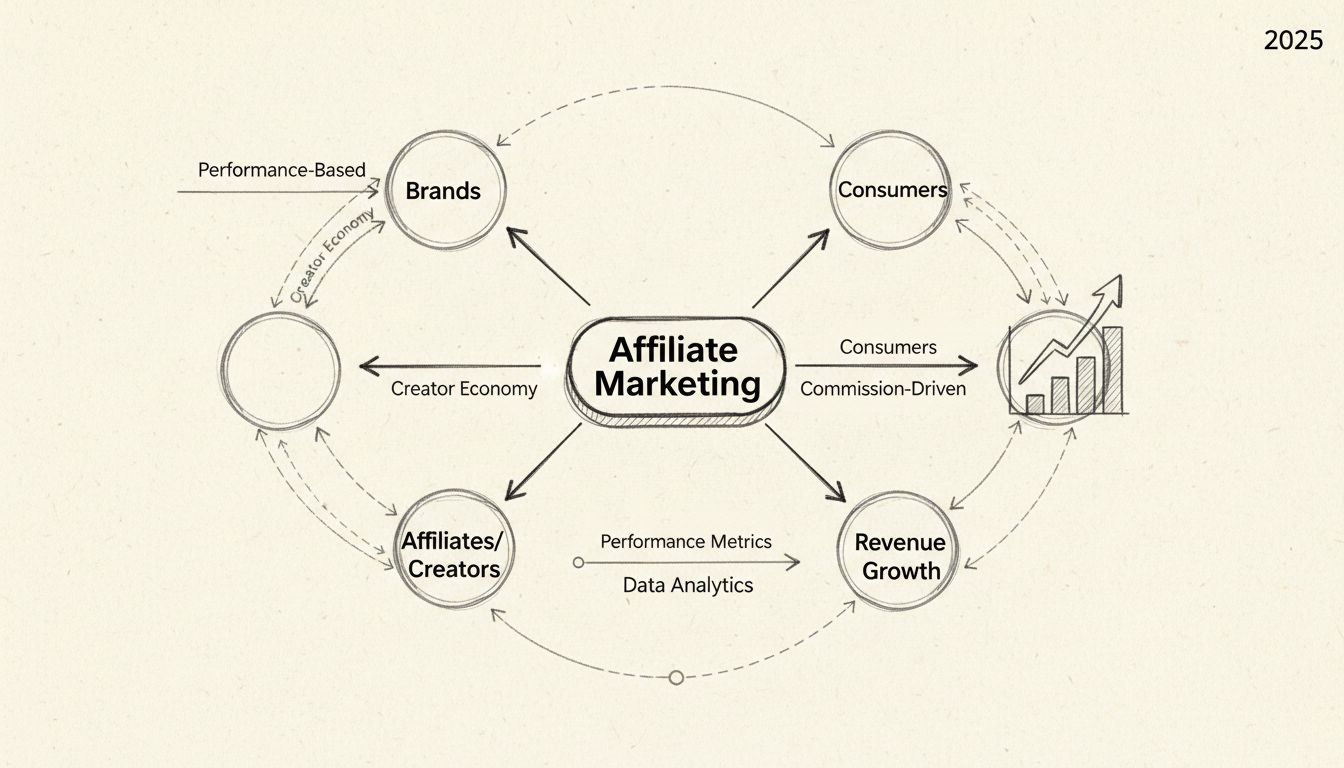
Discover why affiliate marketing isn't dead but thriving. Learn the latest trends, statistics, and strategies for success in 2025.

Discover why affiliate marketing is the future of online business. Learn about low startup costs, passive income potential, scalability, and market growth proje...
Join our community of happy clients and provide excellent customer support with Post Affiliate Pro.




Cookie Consent
We use cookies to enhance your browsing experience and analyze our traffic. See our privacy policy.