



Why SEO is Critical for Affiliate Marketing Success
why SEO is crucial for affiliate marketing success. proven strategies to increase organic traffic, build authority
11 min read


Discover the ideal posting frequency for affiliate marketing content. Learn platform-specific strategies and how consistency drives authority.
The foundation of any successful affiliate marketing strategy rests on understanding the critical importance of posting frequency. Search engines like Google reward websites that publish fresh, relevant content consistently, which directly impacts your SEO rankings and organic visibility. Beyond search algorithms, regular content publication keeps your audience engaged, signals authority in your niche, and builds the trust necessary for readers to act on your affiliate recommendations. Research from HubSpot shows that companies publishing 16+ blog posts per month receive 3.5x more traffic than those publishing fewer than 4 posts monthly, demonstrating a clear correlation between frequency and growth. However, the key insight that separates successful affiliates from struggling ones is understanding that quality always trumps quantity—publishing mediocre content daily will damage your credibility faster than publishing exceptional content weekly.

Different platforms demand different posting frequencies, and understanding these nuances is essential for maximizing your affiliate ROI across channels:
| Platform | Recommended Frequency | Best Content Type | Affiliate ROI |
|---|---|---|---|
| Blog | 2-4 posts/week | In-depth reviews, guides, comparisons | High (long-term) |
| 1-2 times/week | Product recommendations, exclusive deals | Highest | |
| YouTube | 1-2 videos/week | Product demos, tutorials, unboxings | High |
| TikTok | 3-5 posts/day | Short-form reviews, trending content | Medium |
| 4-5 posts/week | Product photos, lifestyle content, reels | Medium | |
| 5-10 pins/day | Infographics, product pins, guides | Medium-High | |
| 2-3 posts/week | Industry insights, thought leadership | Low-Medium |
The reason frequencies vary dramatically is that each platform has different user expectations and algorithmic preferences. Email marketing consistently delivers the highest ROI for affiliate marketers, often generating 40+ dollars for every dollar spent, because subscribers have already opted in and trust your recommendations. Social platforms prioritize frequent posting to keep content fresh in feeds, while blogs benefit from depth over frequency since individual posts continue generating traffic for months or years after publication.

Set up advanced tracking in minutes. No credit card required.
For most affiliate marketers, 2-4 blog posts per week represents the optimal “magic number” that balances consistency with sustainability and quality. Data from Ahrefs analyzing over 2 million websites shows that sites publishing 4+ articles monthly see significantly higher organic traffic growth compared to less frequent publishers, with the benefits compounding over time. Blog posts possess a unique advantage over social media content—they have an indefinite lifespan, continuing to attract organic search traffic, generate clicks, and earn commissions months or even years after publication. From an SEO perspective, regular publishing signals to Google that your site is actively maintained and relevant, improving crawl frequency and indexation rates for your entire domain. Affiliate content specifically requires patience to rank and generate meaningful commission revenue; most high-value keywords take 3-6 months to achieve top rankings, making consistency over this period absolutely critical. The beauty of evergreen affiliate content is that once a product review or comparison guide ranks well, it becomes a passive income generator that requires minimal maintenance while continuing to drive conversions.
One of the most damaging mistakes affiliate marketers make is confusing frequency with productivity, publishing thin, rushed content simply to maintain a posting schedule. Your audience—potential customers researching purchase decisions—expects thorough, honest, and well-researched reviews that genuinely help them make informed choices, not promotional fluff designed solely to capture affiliate commissions. Google’s algorithm explicitly penalizes thin content that lacks depth, expertise, and original insights, meaning rushed posts often fail to rank regardless of how frequently you publish. Successful affiliate content requires substantial research: testing products personally, comparing specifications, analyzing competitor reviews, and synthesizing real user feedback into actionable recommendations. To ensure your content meets quality standards, implement this checklist before publishing:
Be the first to know about new features and product updates.
The harsh reality facing many affiliate marketers is that unsustainable posting schedules lead to burnout and eventual failure, making consistency more important than intensity. Rather than attempting to publish daily content and burning out within weeks, successful affiliates adopt batch-content creation workflows where they dedicate specific days to researching and writing multiple articles, then schedule them for publication throughout the month. Tools like CoSchedule, Buffer, and Hootsuite enable you to plan content calendars weeks or months in advance, reducing daily stress and ensuring consistent publication even during busy periods. The timeline for affiliate success typically spans 6-12 months of consistent effort before seeing meaningful revenue, which is why sustainable schedules matter more than sprint-based intensity. Many aspiring affiliates publish aggressively for 2-3 months, see limited results, and quit—never reaching the critical mass of ranked content needed to generate substantial income. By contrast, affiliates who commit to realistic, sustainable schedules (even if modest, like 2 posts weekly) compound their results over time, eventually building a content library that generates five or six-figure annual incomes.
Affiliate marketing operates within distinct seasonal cycles where demand, competition, and commission rates fluctuate dramatically throughout the year. Major affiliate seasons include Black Friday and Cyber Monday (November-December), holiday gift-giving (November-December), back-to-school shopping (July-August), New Year’s resolutions (January), and tax season (February-April), during which commission rates often double or triple compared to off-season periods. Strategic affiliates plan their content calendars around these high-value seasons, publishing comprehensive buying guides and comparison articles 4-6 weeks before peak shopping periods to capture organic search traffic when purchase intent is highest. For example, publishing detailed laptop buying guides in June and July positions your content to rank and convert during back-to-school season when search volume peaks. However, it’s important to recognize that some niches maintain year-round demand—fitness equipment, software tools, and home improvement products generate consistent affiliate revenue regardless of season, allowing for more uniform posting schedules. The key is analyzing your specific niche’s seasonal patterns and adjusting posting frequency and content focus accordingly to maximize earnings during high-opportunity periods.
Publishing frequently means nothing if you’re not measuring the actual impact on your affiliate revenue, which is why tracking the right metrics is essential for optimizing your strategy. The four critical metrics every affiliate marketer must monitor are: organic traffic (visitors from search engines), click-through rate (percentage of visitors clicking affiliate links), conversion rate (percentage of clicks resulting in purchases), and most importantly, commission earnings (actual revenue generated). Rather than assuming more posts automatically equals more income, use Google Analytics, your affiliate network dashboards, and tools like Refersion or Impact to analyze which content pieces drive the most valuable traffic and conversions. A/B testing different posting frequencies within your niche—perhaps publishing 2 posts weekly for a month, then 4 posts weekly the next month—reveals the optimal frequency for your specific audience and niche. The data should guide your decisions, not intuition or industry trends; some niches may perform better with 1 post weekly while others thrive with daily content. Remember that ROI per post matters infinitely more than total post count—one exceptional article generating $500 in commissions is worth more than ten mediocre posts generating $50 each, so focus your efforts on creating content that converts rather than simply hitting arbitrary publishing targets.
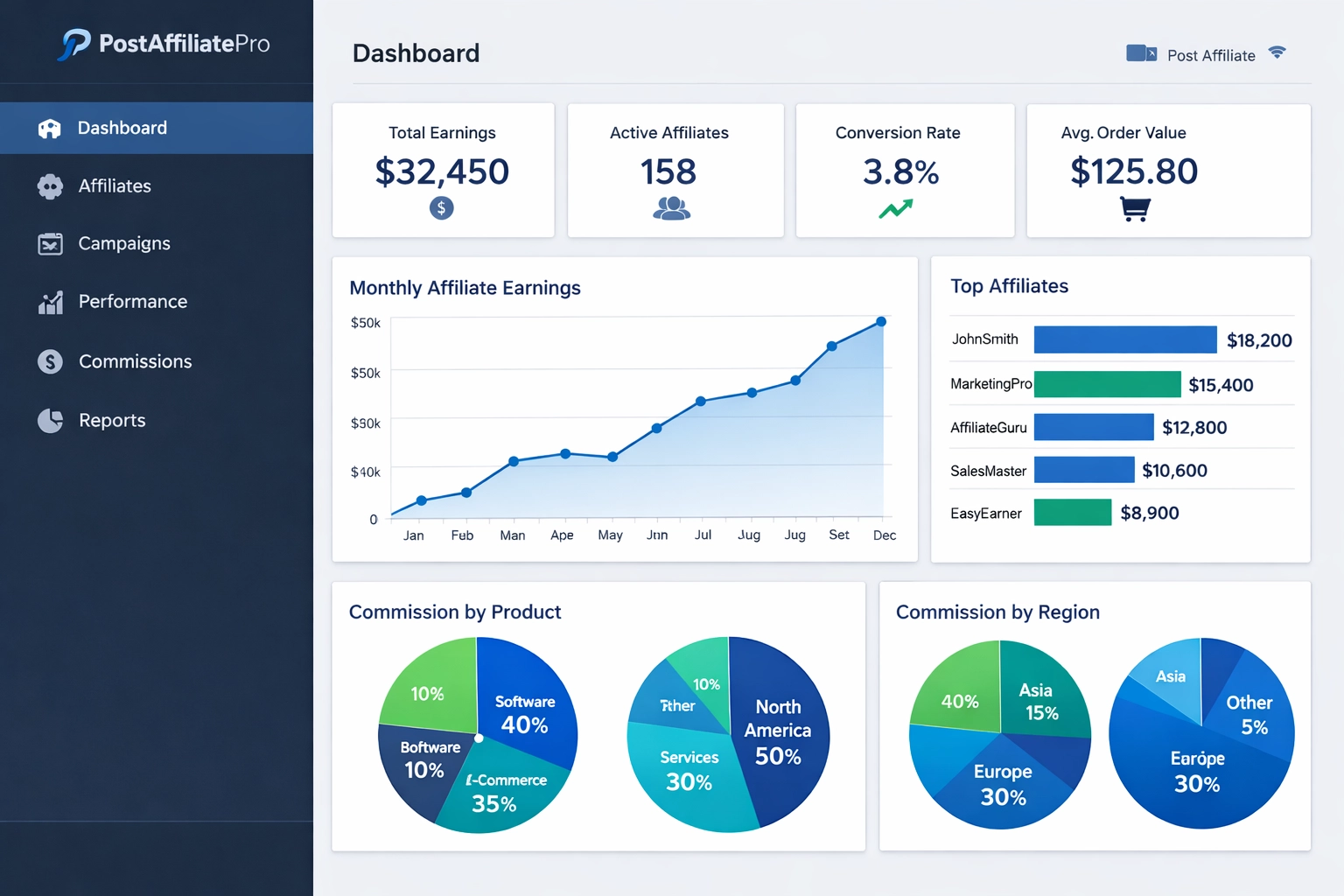
Managing an effective affiliate content strategy at scale becomes exponentially more complex without proper tools, which is where PostAffiliatePro emerges as the essential platform for serious affiliate marketers and networks. PostAffiliatePro provides comprehensive tracking and analytics that connect your content publishing efforts directly to affiliate performance, allowing you to see exactly which content pieces, affiliates, and campaigns generate the highest ROI. The platform’s advanced features enable you to monitor multiple affiliates’ posting schedules, track their content performance, identify top-performing content types, and optimize commission structures based on actual data rather than guesswork. For affiliate networks managing dozens or hundreds of publishers, PostAffiliatePro’s centralized dashboard eliminates the chaos of tracking performance across fragmented systems, providing real-time visibility into which content strategies are working and which need adjustment. By implementing proper affiliate management software, you transform content strategy from a guessing game into a data-driven discipline where every posting decision is informed by performance metrics and ROI analysis. PostAffiliatePro is the infrastructure that enables scaling affiliate operations from side project to sustainable, six-figure revenue stream by ensuring that your content efforts are tracked, optimized, and continuously improved based on measurable results.
Most affiliate marketers see initial results within 3-6 months of consistent posting, though significant income typically takes 6-12 months. SEO rankings improve gradually, and building audience trust requires sustained effort. The key is maintaining your posting schedule even when results aren't immediately visible.
No, each platform requires tailored content. Blog posts can be repurposed into social media snippets, email newsletters, and videos, but the format and messaging should match each platform's audience and algorithm. Affiliate content performs best when optimized for each specific channel.
This varies by platform and audience, but generally: blogs can be posted anytime (they're evergreen), emails perform best Tuesday-Thursday mornings, social media peaks vary by platform (Instagram: 9am-noon, TikTok: 3-6pm). Test different times and use analytics to find your audience's peak activity.
Yes, posting too much low-quality content can hurt your credibility and SEO rankings. Google penalizes thin content, and audiences lose trust in affiliates who constantly push products. Focus on sustainable frequency with high-quality content rather than maximizing post count.
Use content calendars, batch-create content, and leverage affiliate management tools like PostAffiliatePro to track performance across programs. Organize content by niche or product category to streamline creation and maintain consistent messaging.
1-2 emails per week is optimal for affiliate marketing. More frequent emails risk unsubscribes, while less frequent emails lose audience engagement. Quality product recommendations in emails generate higher conversion rates than any other channel.
More consistent posting increases visibility and traffic, which directly impacts affiliate clicks and conversions. However, quality matters more than quantity—one excellent review that ranks well generates more commissions than ten mediocre posts.
Yes, different niches have different content consumption patterns. Tech and finance niches benefit from frequent updates, while evergreen niches like home improvement can sustain lower frequencies. Research your specific niche's audience behavior and adjust accordingly.
PostAffiliatePro helps you track content performance, manage multiple affiliates, and maximize ROI from every post. Get real-time insights into which content drives conversions and earnings.
why SEO is crucial for affiliate marketing success. proven strategies to increase organic traffic, build authority

Discover the essential factors that make affiliate marketing content rank well in search engines. Learn proven SEO strategies, content optimization techniques, ...
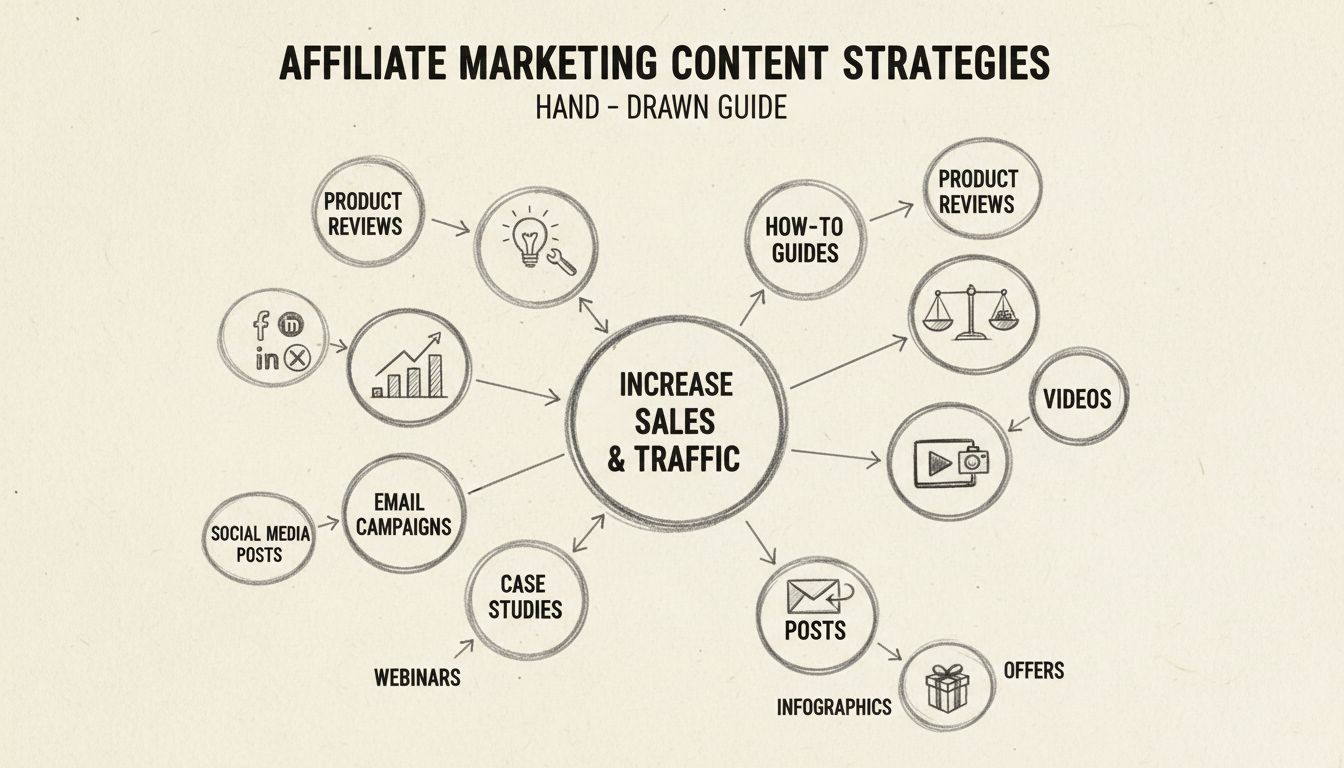
Discover the most effective affiliate marketing content types including product reviews, how-to guides, and comparison articles. Learn proven strategies to maxi...
Join our community of happy clients and provide excellent customer support with Post Affiliate Pro.




Cookie Consent
We use cookies to enhance your browsing experience and analyze our traffic. See our privacy policy.