



How Do I Start Affiliate Marketing? Complete Beginner's Guide
Learn how to start affiliate marketing as a beginner in 2025. Discover the essential steps: choose your niche, select a platform, join programs, and create high...
8 min read


Learn how content creators and bloggers leverage affiliate marketing to build sustainable revenue streams and monetize their audience.
Affiliate marketing has emerged as one of the most powerful monetization strategies for content creators and bloggers in the digital age. Unlike traditional advertising models that rely on direct brand partnerships or sponsorships, affiliate marketing allows creators to earn commissions by promoting products and services they genuinely believe in. This performance-based approach aligns the interests of creators, brands, and consumers, creating a win-win-win situation for all parties involved.
For bloggers and content creators struggling to generate consistent revenue from their platforms, affiliate marketing offers a scalable solution that requires minimal upfront investment. According to recent industry data, affiliate marketing spending in the United States alone reached $8.2 billion in 2022, with projections to exceed $12 billion by 2025. This explosive growth reflects the increasing recognition of affiliate marketing as a legitimate and lucrative revenue stream for digital entrepreneurs.
The beauty of affiliate marketing lies in its flexibility and accessibility. Whether you’re running a niche blog, managing a YouTube channel, hosting a podcast, or building an email list, affiliate marketing can be integrated seamlessly into your existing content strategy. You don’t need to create products, handle customer service, or manage inventory—you simply focus on what you do best: creating valuable content that resonates with your audience.
| Monetization Method | Startup Cost | Time to Revenue | Scalability | Passive Income Potential |
|---|---|---|---|---|
| Affiliate Marketing | Low ($0-500) | 1-3 months | High | Very High |
| Display Advertising | Low ($0-200) | Immediate | Medium | Medium |
| Sponsored Content | Medium ($500-2000) | 2-4 months | Medium | Low |
| Digital Products | High ($1000+) | 3-6 months | High | High |
| Membership/Subscriptions | Medium ($500-1500) | 2-3 months | Medium | High |

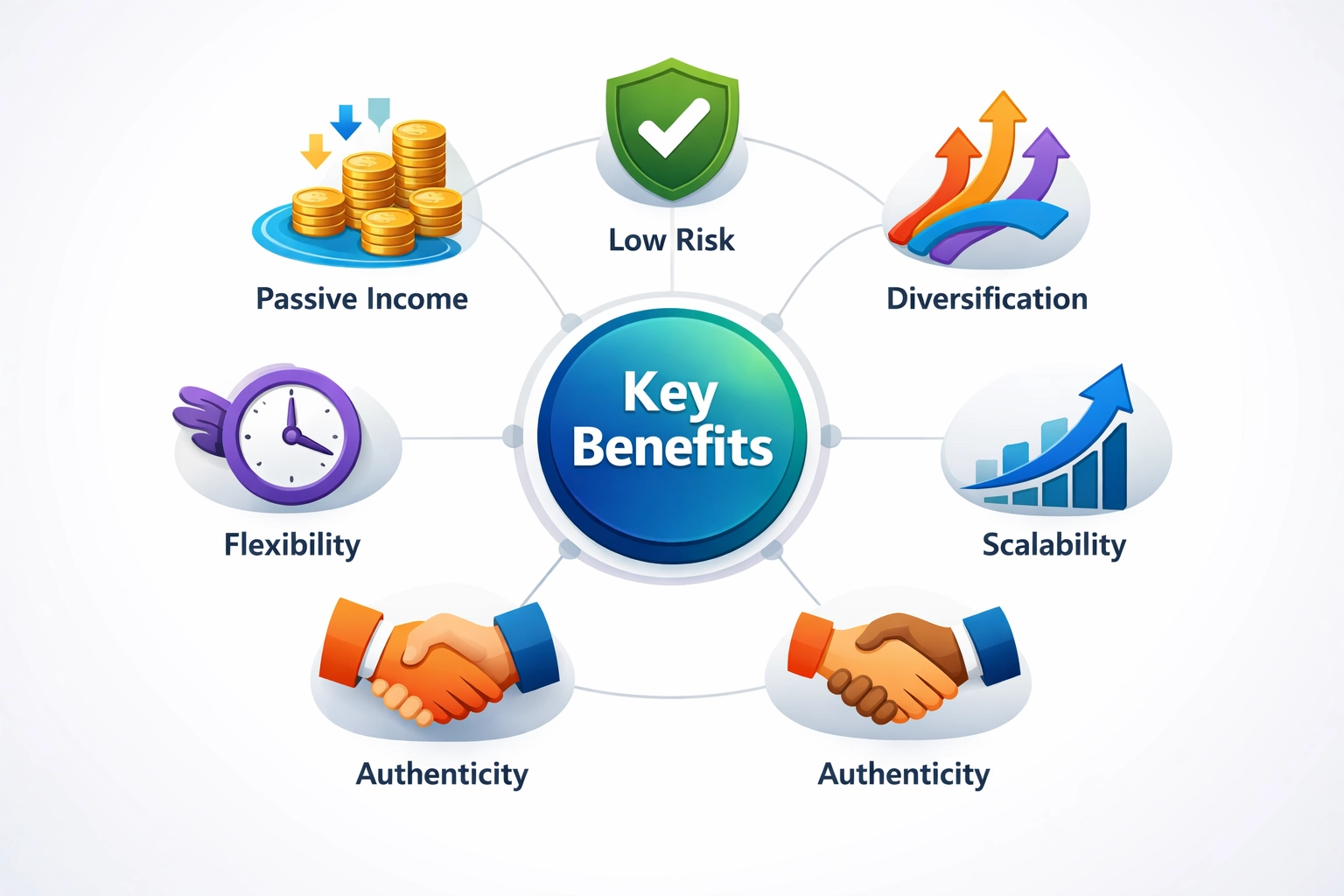
Affiliate marketing offers numerous advantages that make it an attractive monetization option for creators at all levels. Here are the primary benefits:
Low Barrier to Entry: Start earning without creating products, managing inventory, or handling customer support. Most affiliate programs are free to join and require minimal technical setup.
Passive Income Generation: Once you’ve created content and established affiliate links, you can earn commissions continuously without additional effort, allowing you to scale your income without proportionally increasing your workload.
Alignment with Audience Interests: Promote products and services that genuinely solve problems for your audience, building trust and credibility while earning commissions on sales you help generate.
Diversified Revenue Streams: Partner with multiple affiliate programs across different niches and product categories, reducing dependence on any single income source and protecting against market fluctuations.
Performance-Based Compensation: Earn based on actual results—clicks, leads, or sales—rather than fixed rates, meaning your income potential is directly tied to the value you provide to merchants.
Flexibility and Creative Control: Integrate affiliate promotions naturally into your content strategy without compromising editorial integrity or alienating your audience with aggressive marketing tactics.

Set up advanced tracking in minutes. No credit card required.
The earning potential in affiliate marketing is substantial and well-documented. Industry research reveals compelling statistics about creator earnings through affiliate channels:
According to the 2023 Influencer Marketing Hub report, affiliate marketers earn an average commission rate of 5-30% per sale, with some high-ticket niches offering commissions exceeding 50%. Content creators with established audiences report monthly affiliate earnings ranging from $500 to $50,000+, depending on traffic volume, niche, and conversion optimization.
A survey of 500+ affiliate marketers found that 32% earn between $1,000-$10,000 monthly, while 18% generate over $10,000 monthly from affiliate commissions. The top 10% of affiliate marketers earn six-figure annual incomes, demonstrating the significant income potential for those who approach the strategy strategically.
| Niche | Average Commission Rate | Typical Monthly Earnings (10K visitors) | Typical Monthly Earnings (100K visitors) |
|---|---|---|---|
| Technology & Software | 15-30% | $800-$2,500 | $8,000-$25,000 |
| Finance & Investing | 20-40% | $1,200-$4,000 | $12,000-$40,000 |
| Health & Wellness | 10-25% | $600-$2,000 | $6,000-$20,000 |
| E-commerce & Shopping | 5-15% | $300-$1,200 | $3,000-$12,000 |
| SaaS & Tools | 25-50% | $1,500-$3,500 | $15,000-$35,000 |
| Traffic Level | Conversion Rate | Average Order Value | Monthly Affiliate Revenue |
|---|---|---|---|
| 5,000 monthly visitors | 1-2% | $50 | $250-$500 |
| 10,000 monthly visitors | 1-2% | $75 | $750-$1,500 |
| 50,000 monthly visitors | 1-3% | $100 | $5,000-$15,000 |
| 100,000 monthly visitors | 2-4% | $150 | $30,000-$60,000 |
| 500,000+ monthly visitors | 2-5% | $200+ | $200,000+ |
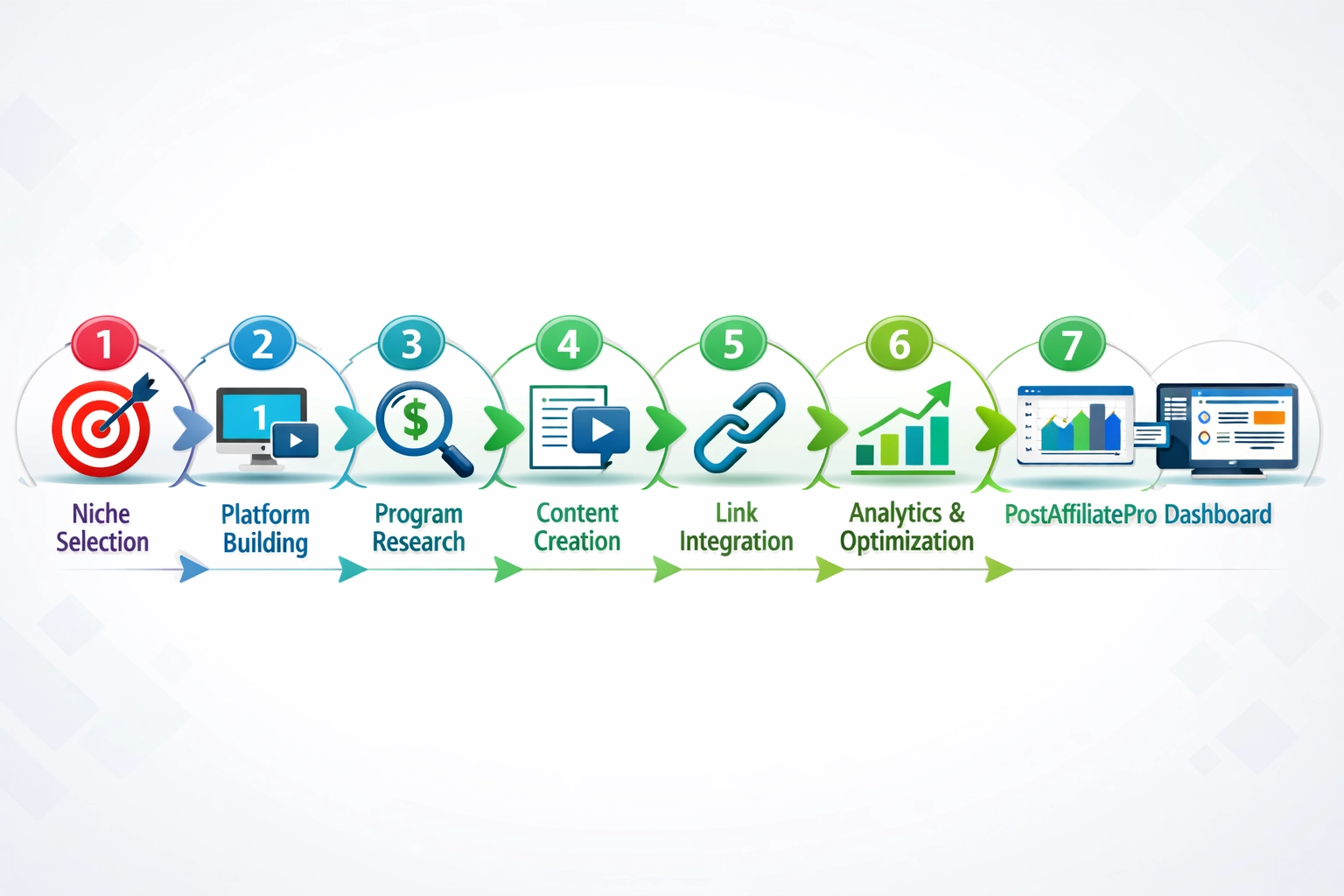
Beginning your affiliate marketing journey requires a strategic approach and systematic execution. Follow these seven essential steps:
Identify Your Niche and Audience: Define your content focus and understand your audience’s pain points, interests, and purchasing behaviors. Your niche should align with your expertise and passion to ensure authentic recommendations.
Build Quality Content and Traffic: Develop a content strategy that attracts organic traffic through SEO-optimized blog posts, videos, or podcasts. Focus on providing genuine value before promoting affiliate products, as trust is the foundation of successful affiliate marketing.
Research and Select Affiliate Programs: Identify programs that align with your niche and audience needs. Look for programs with competitive commission rates, reliable tracking, and quality products you can confidently recommend.
Create Affiliate Content: Develop dedicated content pieces such as product reviews, comparison guides, tutorials, and roundup posts that naturally incorporate affiliate links. Ensure content is helpful and honest, disclosing affiliate relationships transparently.
Implement Proper Tracking and Links: Use unique affiliate links, promo codes, or tracking parameters to monitor which content drives conversions. Utilize affiliate management tools to organize and manage multiple affiliate relationships efficiently.
Optimize for Conversions: Test different call-to-action placements, link formats, and promotional strategies. Analyze performance data to identify top-performing content and double down on what works.
Scale and Diversify: Once you’ve established successful affiliate relationships, expand into complementary niches and programs. Build multiple revenue streams to maximize income potential and reduce risk.
Be the first to know about new features and product updates.
Selecting the right affiliate programs is crucial for long-term success. Consider these key criteria when evaluating potential partnerships:
Selection Criteria:
Popular Affiliate Networks and Programs:
| Network/Program | Commission Rate | Cookie Duration | Best For |
|---|---|---|---|
| Amazon Associates | 1-10% | 24 hours | General products, reviews |
| ShareASale | 5-30% | 30-90 days | E-commerce, fashion, home |
| CJ Affiliate | 5-25% | 30-60 days | Retail, travel, finance |
| Impact | 10-40% | 30-90 days | SaaS, software, services |
| Rakuten Advertising | 5-20% | 30-90 days | Shopping, lifestyle, tech |
| Awin | 5-30% | 30-90 days | International, diverse niches |
| Bluehost | 60% | 60 days | Web hosting, WordPress |
| Semrush | 30% | 60 days | SEO tools, digital marketing |
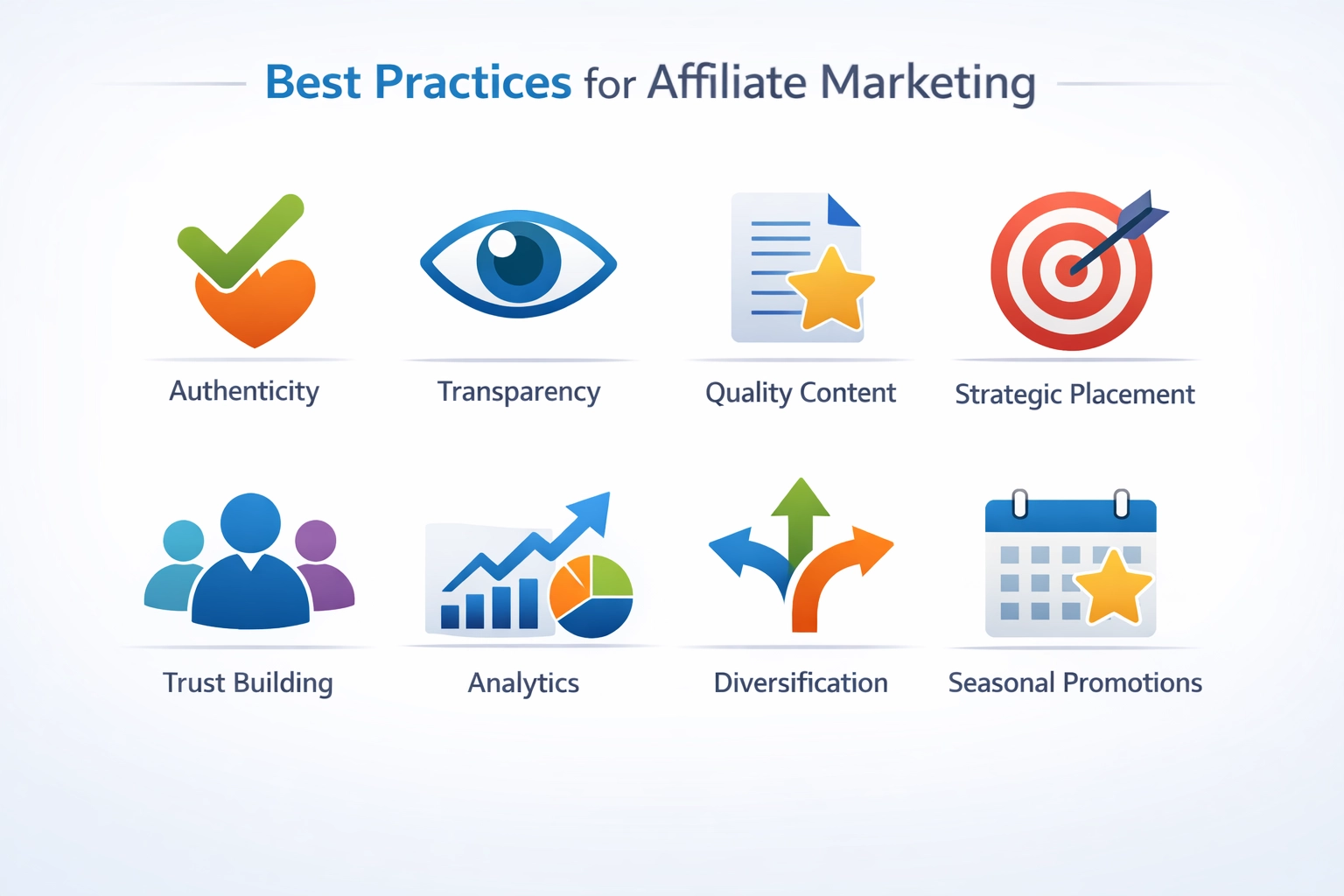
Implementing proven strategies significantly increases your affiliate marketing success rate. Adopt these eight best practices:
Prioritize Audience Value Over Commissions: Recommend products based on genuine usefulness to your audience, not commission rates. Building trust is more valuable than short-term earnings.
Create Comprehensive Product Reviews: Develop in-depth, honest reviews that address both strengths and weaknesses. Include personal experience, comparisons with alternatives, and clear use cases.
Use Multiple Content Formats: Leverage blog posts, videos, podcasts, infographics, and email newsletters to reach different audience segments and maximize exposure for affiliate products.
Optimize for Search Engines: Create SEO-optimized content targeting high-intent keywords like “best [product] for [use case]” and “[product] review.” Organic traffic converts better than paid traffic for affiliate promotions.
Build Email Lists and Nurture Relationships: Develop an email list and create sequences that naturally introduce relevant affiliate products to engaged subscribers. Email marketing typically generates higher conversion rates than other channels.
Leverage Social Proof and Testimonials: Share authentic results, user testimonials, and case studies demonstrating product value. Social proof significantly increases conversion rates and builds credibility.
Disclose Affiliate Relationships Transparently: Always clearly disclose affiliate relationships using FTC-compliant language. Transparency builds trust and ensures legal compliance.
Monitor Analytics and Optimize Continuously: Track click-through rates, conversion rates, and earnings by content piece and affiliate program. Use data to identify top performers and optimize underperforming content.
FTC Compliance Notice: The Federal Trade Commission requires clear and conspicuous disclosure of affiliate relationships. Use language such as “This post contains affiliate links” or “I earn a commission from qualifying purchases” placed prominently near affiliate links. Failure to disclose can result in legal penalties and damage to your reputation.
Even experienced creators make mistakes that limit their affiliate marketing success. Avoid these eight common pitfalls:
Promoting Too Many Products: Overwhelming your audience with excessive affiliate links dilutes your message and reduces conversion rates. Focus on quality recommendations over quantity.
Recommending Products You Haven’t Used: Promoting products without personal experience damages credibility and leads to poor recommendations. Your audience can sense inauthenticity.
Ignoring Audience Feedback and Preferences: Failing to understand what your audience actually wants leads to irrelevant recommendations. Regularly survey and engage with your audience to understand their needs.
Neglecting SEO Optimization: Creating content without SEO optimization limits organic visibility and traffic. Invest in keyword research and on-page optimization to maximize reach.
Using Aggressive or Deceptive Marketing Tactics: Hard-sell approaches and misleading claims damage trust and violate FTC guidelines. Focus on honest, value-driven recommendations.
Failing to Track and Analyze Performance: Without proper tracking, you can’t identify what works and optimize accordingly. Implement analytics to monitor all affiliate metrics.
Choosing Programs Solely Based on Commission Rates: High commission rates mean nothing if products don’t convert. Prioritize programs with quality products and strong demand.
Not Diversifying Affiliate Programs: Relying on a single affiliate program creates vulnerability. Diversify across multiple programs and niches to build resilience.
Warning: Avoid black-hat tactics like keyword stuffing, cloaking affiliate links, or creating fake reviews. These practices violate platform policies, damage your reputation, and can result in permanent bans from affiliate programs and search engines.
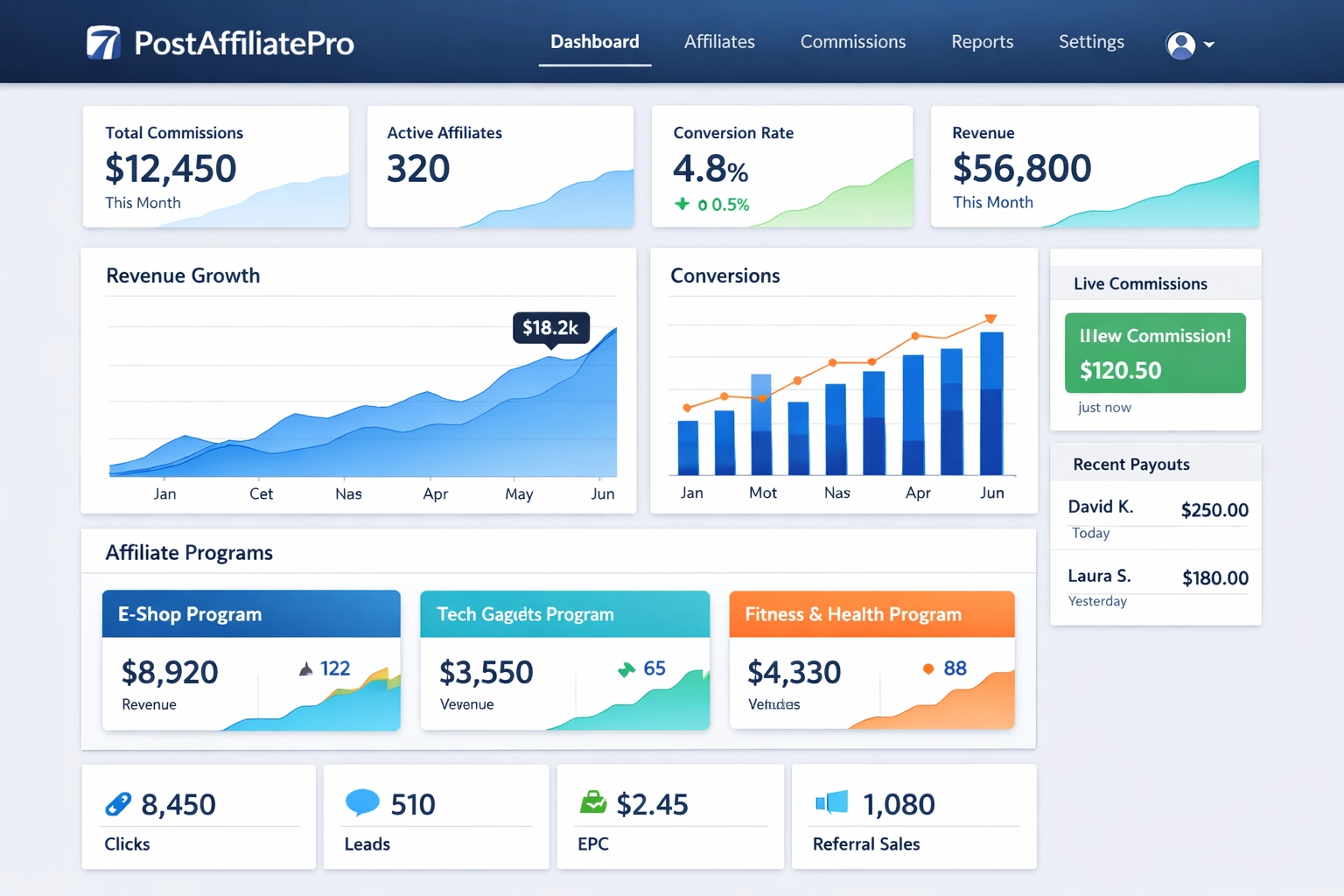
While many affiliate programs exist, managing multiple relationships and tracking performance across platforms becomes complex. PostAffiliatePro emerges as the comprehensive solution for content creators and bloggers seeking to maximize their affiliate marketing efforts.
PostAffiliatePro is a self-hosted affiliate management platform that enables creators to build their own affiliate programs, recruit affiliates, and manage commissions efficiently. Unlike relying solely on third-party affiliate networks, PostAffiliatePro gives you complete control over your affiliate ecosystem while providing the tools necessary to support your affiliates’ success.
For content creators, PostAffiliatePro offers significant advantages: centralized tracking of all affiliate relationships, customizable commission structures, automated payment processing, comprehensive reporting and analytics, and dedicated affiliate support tools. The platform integrates seamlessly with popular content management systems and e-commerce platforms, making implementation straightforward.
| Feature | PostAffiliatePro | Affiliate Networks | In-House Tracking |
|---|---|---|---|
| Commission Control | Full customization | Limited options | Manual management |
| Affiliate Support Tools | Comprehensive | Basic | None |
| Real-time Reporting | Advanced analytics | Standard reports | Manual tracking |
| Payment Automation | Automated | Automated | Manual |
| Brand Control | Complete | Limited | Complete |
| Setup Complexity | Moderate | Simple | Complex |
| Cost | Affordable licensing | Revenue share | Development costs |
| Scalability | Unlimited | Limited by network | Unlimited |
PostAffiliatePro empowers creators to build sustainable affiliate programs that generate recurring revenue while supporting their content partners. The platform’s robust features, competitive pricing, and proven track record make it the preferred choice for serious affiliate marketers.
Affiliate marketing represents a transformative opportunity for content creators and bloggers to monetize their platforms while maintaining editorial integrity and audience trust. The combination of low startup costs, high income potential, and scalability makes affiliate marketing an essential component of any creator’s revenue strategy.
The statistics are clear: affiliate marketing is growing rapidly, earning potential is substantial, and successful creators are building six-figure incomes through strategic affiliate partnerships. By following proven best practices, avoiding common mistakes, and implementing the right tools and systems, you can establish a thriving affiliate marketing business that generates passive income for years to come.
The time to start is now. Begin by identifying your niche, building quality content, selecting relevant affiliate programs, and implementing proper tracking systems. As you gain experience and optimize your approach, your affiliate earnings will grow exponentially. Whether you’re just starting your creator journey or looking to diversify existing revenue streams, affiliate marketing offers the pathway to sustainable, scalable income.
Ready to take your affiliate marketing to the next level? Explore PostAffiliatePro today and discover how a professional affiliate management platform can amplify your earning potential. Start building your affiliate program, recruit partners, and create multiple revenue streams that work for you 24/7. Your audience is ready to support products they love—help them find solutions while building the income you deserve.
Q: How much traffic do I need to start earning meaningful affiliate income?
A: You can start earning with as little as 1,000-2,000 monthly visitors, though earnings will be modest ($50-200/month). Most creators see meaningful income ($1,000+/month) with 10,000-50,000 monthly visitors. The key is not traffic volume alone, but conversion optimization and audience engagement.
Q: How long does it take to earn significant affiliate income?
A: Most creators see their first affiliate commissions within 1-3 months of starting. However, building substantial income ($5,000+/month) typically takes 6-12 months of consistent effort, content creation, and optimization. Patience and persistence are essential.
Q: Can I promote affiliate products on social media?
A: Yes, affiliate marketing works across all platforms including Instagram, TikTok, YouTube, Twitter, and LinkedIn. However, each platform has specific guidelines for disclosure. Always check platform policies and use proper disclosure language like #ad or #affiliate to comply with regulations.
Q: What’s the difference between affiliate marketing and sponsored content?
A: Affiliate marketing is performance-based (you earn commissions on sales), while sponsored content typically involves fixed payments for promotion. Affiliate marketing offers higher income potential but requires more effort to drive conversions, while sponsored content provides guaranteed payment regardless of results.
Q: How do I disclose affiliate relationships without damaging trust?
A: Transparency actually builds trust. Use clear, prominent disclosures like “This post contains affiliate links” or “I earn a commission from qualifying purchases.” Place disclosures near affiliate links and in your content introduction. Most audiences appreciate honesty and understand creators need to monetize.
Q: Which affiliate programs pay the highest commissions?
A: SaaS and software programs typically offer 25-50% commissions, while finance and investing programs offer 20-40%. However, high commissions mean nothing if products don’t convert. Focus on programs with quality products, strong demand, and good conversion rates rather than chasing highest commission rates.
Q: Can I use affiliate links in email marketing?
A: Yes, email marketing is one of the highest-converting channels for affiliate promotions. Build an email list and create sequences that naturally introduce relevant products. Always disclose affiliate relationships in emails and focus on providing value rather than aggressive selling.
Q: How do I know if an affiliate program is legitimate?
A: Research the company’s reputation, check reviews from other affiliates, verify payment history, and ensure they have clear terms and conditions. Legitimate programs provide transparent commission structures, reliable tracking, timely payments, and responsive support. Avoid programs with unrealistic promises or unclear payment terms.
PostAffiliatePro provides the tools and features you need to manage multiple affiliate programs, track performance in real-time, and optimize your earnings. Start building your sustainable income stream today.
Learn how to start affiliate marketing as a beginner in 2025. Discover the essential steps: choose your niche, select a platform, join programs, and create high...
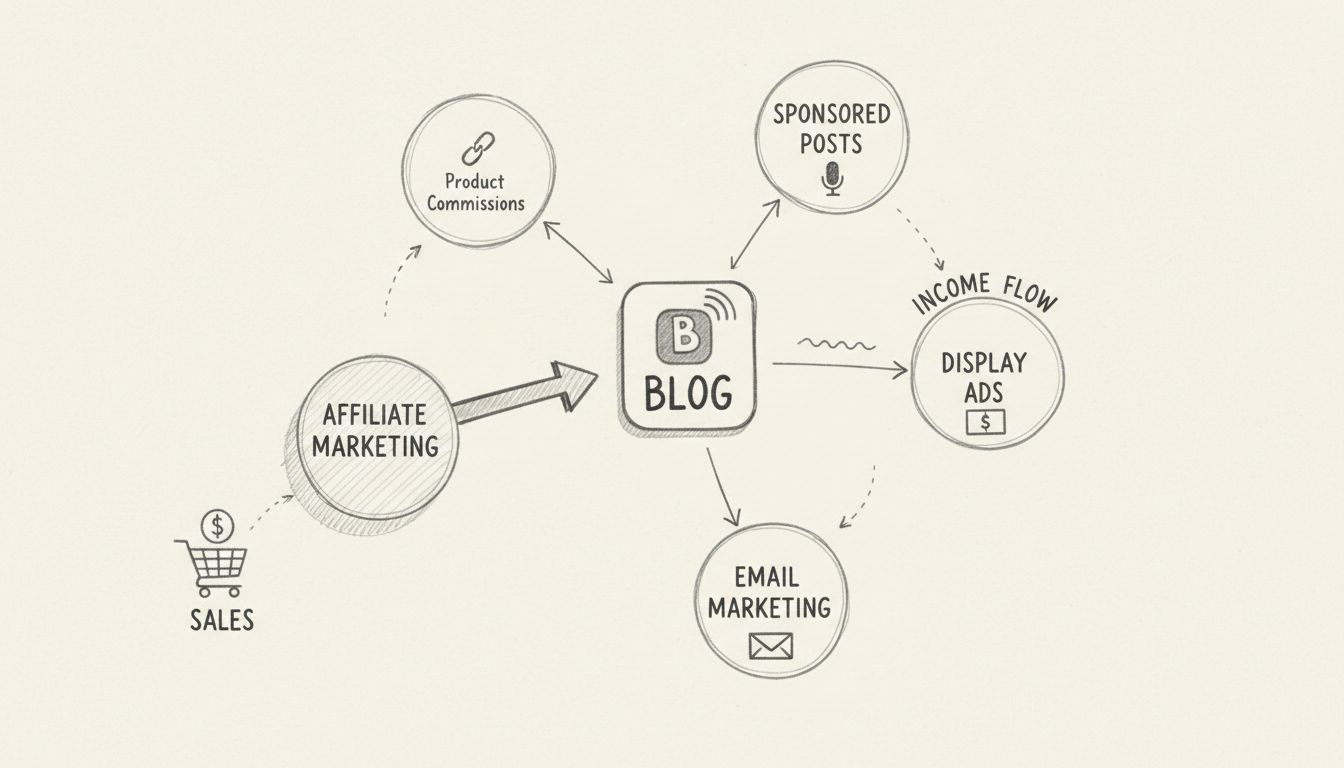
Learn proven strategies to monetize your blog with affiliate marketing. Discover commission structures, traffic optimization, and best practices to maximize ear...
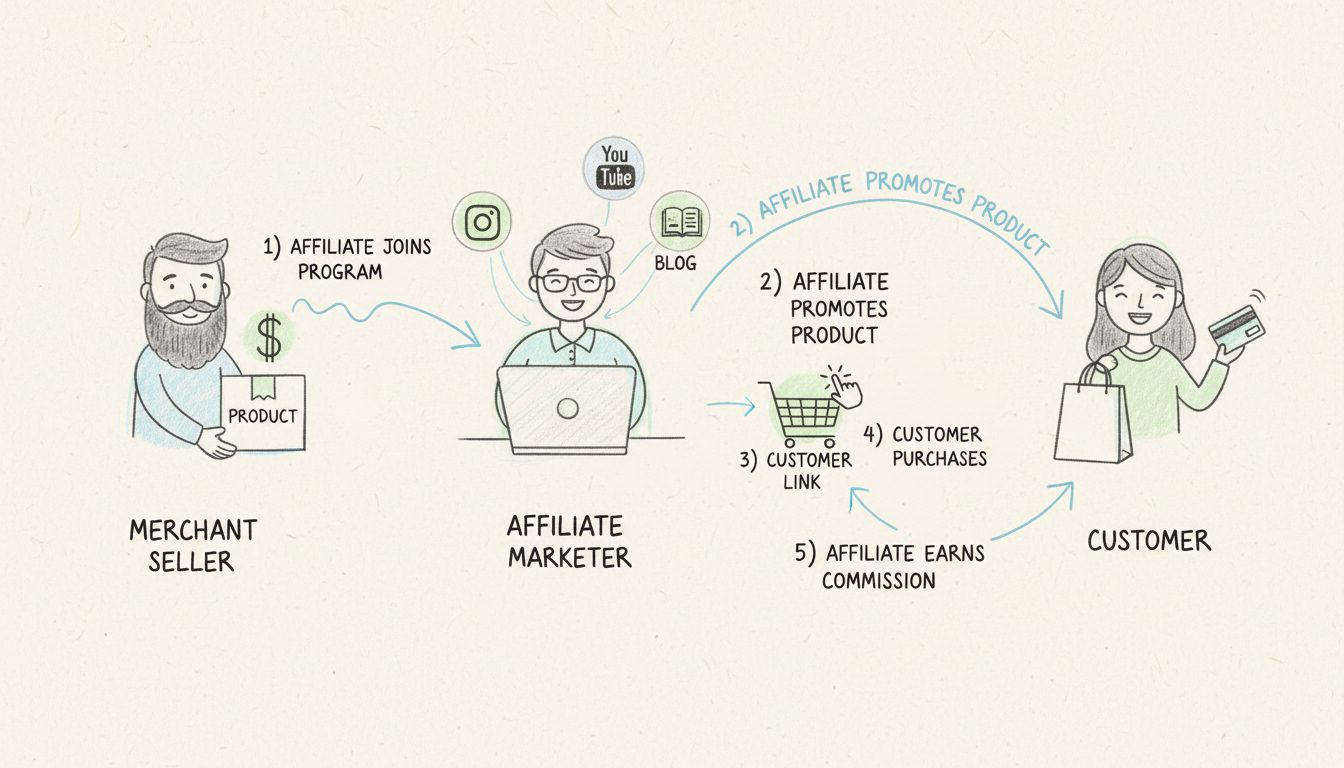
Learn how affiliate marketing works, the key players involved, commission structures, and proven strategies to build a profitable affiliate business. Updated fo...
Join our community of happy clients and provide excellent customer support with Post Affiliate Pro.




Cookie Consent
We use cookies to enhance your browsing experience and analyze our traffic. See our privacy policy.