What is Consumer Perception?
Consumer perception refers to the process by which individuals form opinions or impressions about a brand, product, or service. This perception is not only shaped by direct interactions with the brand but also by marketing communications, peer reviews, and personal experiences. It’s a complex amalgamation of awareness, understanding, emotional responses, and the associations consumers develop over time. For instance, consumer perception is profoundly influenced by both direct interactions, such as purchasing and using a product, and indirect interactions, like seeing advertisements or hearing about the product through word-of-mouth. According to the Harvard Business Review, emotional connections play a significant role in consumer perception, with “fully connected” customers being 50% more valuable than highly satisfied ones. This perception ultimately influences purchasing decisions and brand loyalty
, underscoring the importance of creating positive consumer experiences.
Key Elements of Consumer Perception
- Awareness : Awareness is the initial stage where consumers become cognizant of a brand or product through exposure to marketing, advertisements, or word-of-mouth. This stage is crucial as it sets the foundation for further interaction and perception building. Awareness can be driven by various factors, including advertising campaigns, influencer
endorsements, or social media visibility. In today’s digital age, brands often leverage social media platforms to increase awareness, utilizing targeted ads and engaging content
to capture consumer attention.
- Impression : The impression is the immediate opinion formed by consumers upon their first interaction with a brand or product. This can be influenced by factors such as packaging, branding, and initial customer service
encounters. A positive first impression can lead to further engagement and interest, while a negative impression may deter future interactions. Brands invest significantly in creating appealing packaging and effective branding strategies to ensure that the first impression is favorable.
- Opinion : This refers to the more developed perspective that a consumer holds, shaped by ongoing experiences and interactions. Opinions are often shared publicly through reviews and recommendations, influencing others’ perceptions and decisions. With the rise of online review platforms like Yelp and Google Reviews, consumer opinions have become more accessible and impactful, often swaying potential buyers towards or away from a brand.
- Emotional Response : The feelings or sentiments consumers associate with a brand can be influenced by marketing messages, personal experiences, and brand values. Emotional responses are powerful drivers of consumer behavior, often leading to brand loyalty when positive. Brands that successfully evoke positive emotions, such as happiness or trust, are more likely to retain customers and encourage repeat purchases.
- Expectations : These are the preconceived notions that consumers have about what a brand or product should deliver, based on previous experiences, marketing promises, and peer feedback. Managing consumer expectations is vital for brands, as unmet expectations can lead to dissatisfaction and negative perceptions. Effective communication and consistent delivery on promises are key to aligning brand performance with consumer expectations.
Importance of Consumer Perception
Understanding and managing consumer perception is vital for businesses, especially in competitive fields like affiliate marketing
and software development. Positive consumer perception can lead to increased brand loyalty, higher customer satisfaction, and improved market positioning. Conversely, negative perception can deter potential customers and damage brand reputation
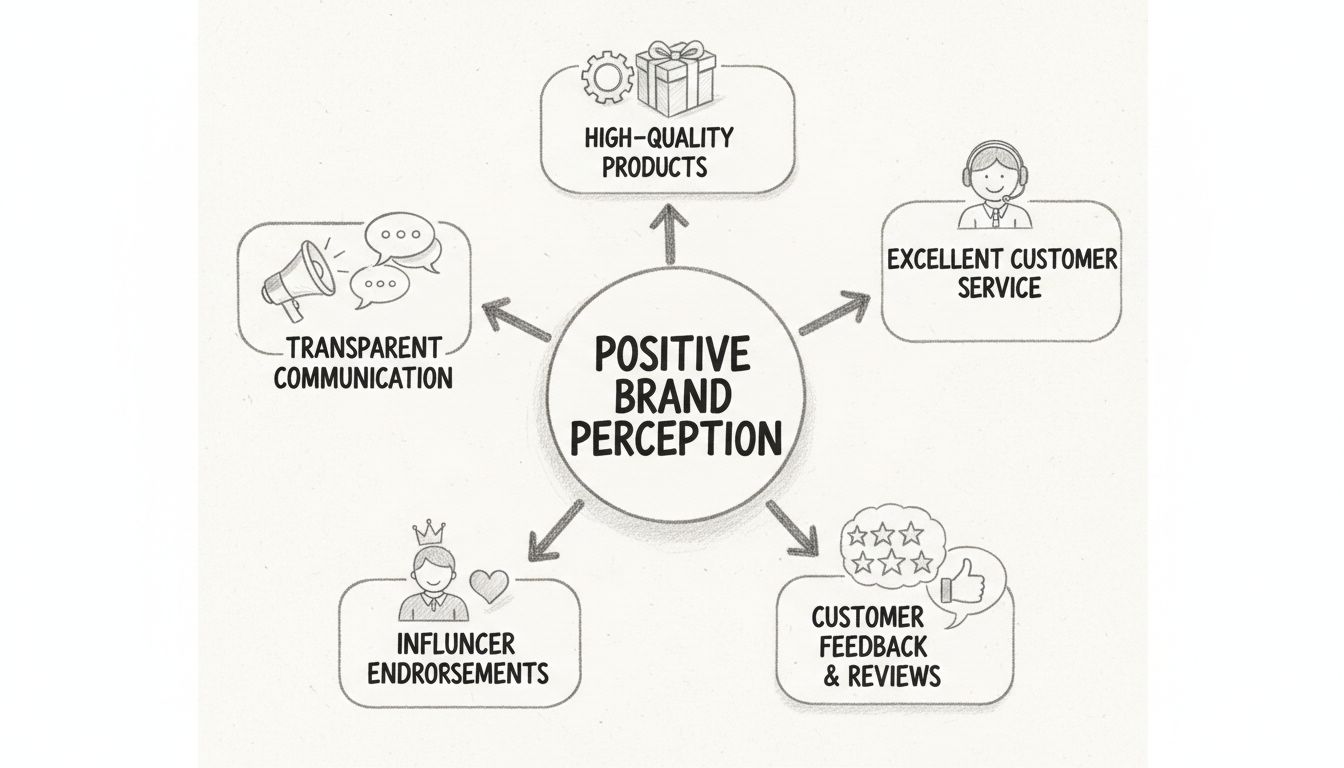
. For instance, brands that consistently meet or exceed consumer expectations through high-quality products and excellent customer service are more likely to enjoy a positive perception, leading to long-term success.
Influence on Buying Decisions
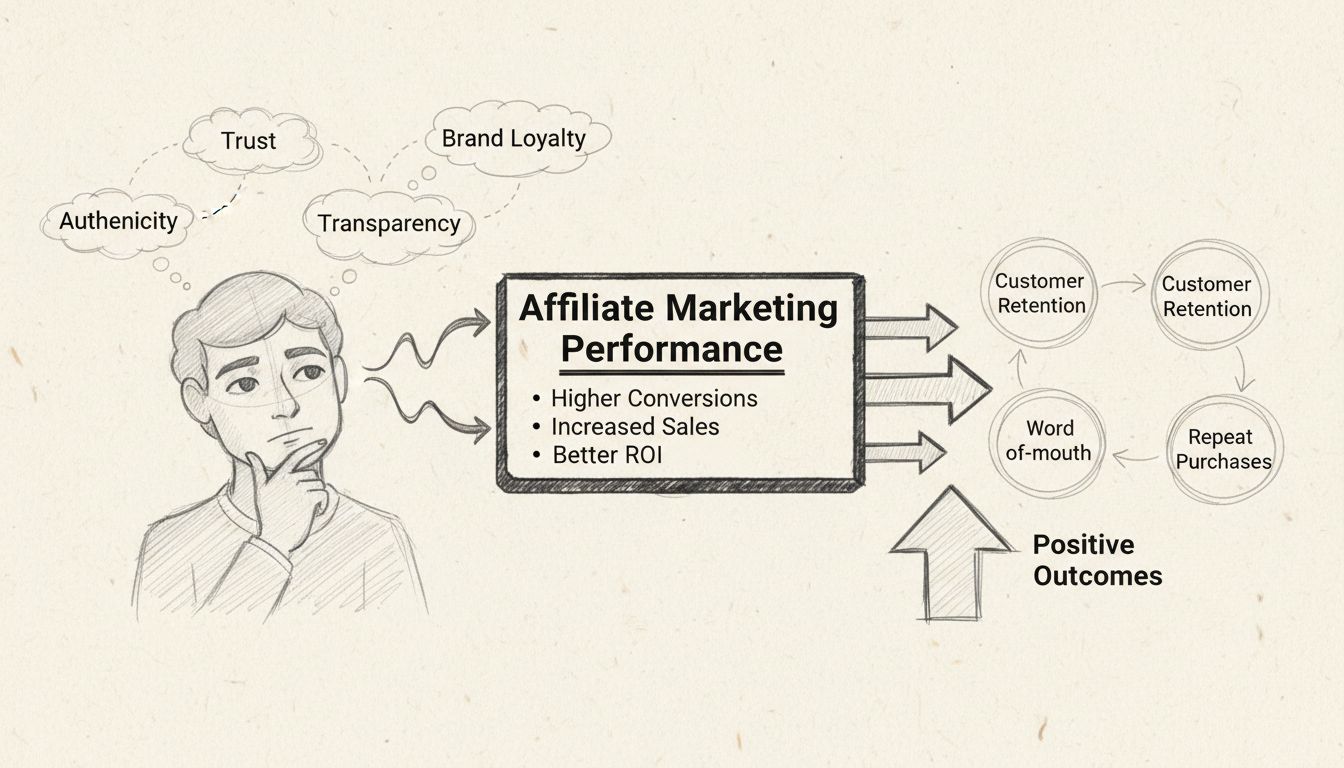
Consumer perception directly impacts purchasing behavior. A positive perception can encourage consumers to choose a particular brand over competitors, while a negative perception can lead to lost sales opportunities. For affiliate marketers
, aligning consumer perception with brand messaging is essential for driving conversions and maximizing affiliate earnings
. By understanding consumer needs and preferences, brands can tailor their marketing strategies to resonate with their target audience effectively.
Role in Brand Loyalty
A strong consumer perception fosters brand loyalty, encouraging repeat purchases and customer advocacy. Loyal customers often become brand ambassadors, promoting the brand through positive word-of-mouth and influencing their networks, which is a valuable asset in affiliate marketing strategies
. Building brand loyalty requires consistent delivery of value, excellent customer service, and engagement with consumers to build trust and satisfaction.
Competitive Advantage
In a crowded marketplace, businesses that effectively manage consumer perception can differentiate themselves from competitors. By consistently delivering on brand promises and exceeding customer expectations, brands can establish a favorable perception that enhances their competitive position. This involves understanding consumer needs, adapting to market trends, and maintaining a strong brand identity across all consumer touchpoints.
Factors Influencing Consumer Perception
Several factors contribute to how consumers perceive a brand or product. Understanding these factors can help businesses tailor their strategies to enhance consumer perception:
- Customer Feedback : Direct feedback from customers provides insights into their perception and can highlight areas for improvement. Engaging with feedback, both positive and negative, demonstrates a commitment to customer satisfaction and helps businesses refine their offerings to better meet consumer needs.
- Online Reviews : Reviews on platforms like Yelp, Google, or Trustpilot significantly influence consumer perception. Positive reviews build trust and credibility, while negative reviews require prompt and empathetic responses to mitigate their impact. Brands often monitor these platforms to understand consumer sentiment and address any concerns promptly.
- Advertising and Marketing : The messages conveyed through advertising and marketing campaigns shape consumer perceptions by highlighting brand values, product features, and unique selling propositions. Effective marketing strategies resonate with consumers, reinforcing positive perceptions and encouraging brand engagement.
- Customer Service and Support : The quality of customer service can make or break consumer perception. Responsive, helpful, and empathetic customer support
reinforces a positive brand image and can turn dissatisfied customers into loyal advocates. Brands that prioritize customer service often see higher satisfaction rates and stronger customer relationships.
- Customer Experiences : Every interaction a consumer has with a brand contributes to their overall perception, from website usability to the purchase process and post-sale support. Ensuring seamless and enjoyable customer experiences across all touchpoints is essential for maintaining a positive perception.
- Influencer and Social Proof : Influencer endorsements and social proof from satisfied customers lend credibility and can positively sway consumer perception. Collaborating with influencers who align with brand values can enhance visibility and attract new customers
.
Measuring Consumer Perception
Measuring consumer perception involves assessing how consumers view and feel about a brand. This can be achieved through various methods:
- Surveys and Feedback Forms : Collecting structured feedback through surveys helps gather quantitative data on consumer perceptions and areas for improvement. Surveys can be tailored to specific aspects of the consumer experience, providing valuable insights for brands.
- Net Promoter Score (NPS) : NPS gauges customer loyalty and satisfaction by asking how likely customers are to recommend the brand to others. This metric provides a clear indicator of overall consumer sentiment and brand health.
- Social Media Monitoring : Tracking brand mentions and sentiment on social media provides real-time insights into consumer perception and public opinion. Social media platforms offer valuable data on consumer interactions and engagement, helping brands understand their audience better.
- Customer Interviews : In-depth interviews reveal qualitative insights into consumer attitudes, motivations, and perceptions. These interviews can uncover the underlying factors driving consumer behavior and inform strategic decisions.
- Competitive Analysis : Comparing consumer perception with competitors helps identify strengths and weaknesses, informing strategic decisions. Understanding how a brand stacks up against competitors can reveal opportunities for differentiation and improvement.
Managing Consumer Perception
Effective management of consumer perception involves proactive strategies to shape and enhance how consumers view a brand:
- Consistent Branding : Ensuring cohesive branding across all channels reinforces brand identity and values consistently. Consistent branding helps build trust and recognition, making it easier for consumers to connect with the brand.
- Quality Assurance : Delivering high-quality products and services that meet or exceed consumer expectations fosters positive perceptions. Regular quality checks and improvements ensure that the brand consistently delivers value to consumers.
- Transparent Communication : Maintaining open and honest communication with consumers, addressing concerns and feedback promptly, builds trust and credibility. Transparency is key to managing consumer expectations and maintaining a positive brand image.
- Customer-Centric Culture : Cultivating a company culture that prioritizes customer satisfaction and empowers employees to act in customers’ best interests enhances consumer perception. A customer-centric approach ensures that the brand consistently meets consumer needs and expectations.
- Engagement and Community Building : Engaging with consumers through community initiatives and social media builds a sense of connection and loyalty. Community-building efforts foster a positive brand image and encourage consumer advocacy.
- Adaptation to Trends : Staying abreast of market trends and consumer preferences, adapting offerings to meet evolving demands, keeps the brand relevant and competitive. Brands that respond to changing consumer needs are more likely to maintain positive perceptions.