



Content Optimization: Boost Visibility, Leads & Conversions
Learn how content optimization increases search visibility, generates quality leads, improves click-through rates, and drives higher conversions.
8 min read
Discover why optimization is crucial for business success. Learn how optimization improves efficiency, reduces costs, and drives innovation. Expert insights for affiliate software solutions.
Optimization is important because it improves overall output, reduces waste, minimizes errors, and drives business value by making processes more efficient and effective. It enables organizations to achieve better results with fewer resources while maintaining or improving quality.
Optimization has become a cornerstone of competitive advantage in today’s fast-paced business environment. When something is optimized, it has been deliberately changed to achieve better outcomes, either by altering the way it is done or by implementing different methods altogether. This fundamental principle applies across all business functions, from affiliate marketing platforms to enterprise operations, making it essential for organizations seeking sustainable growth and profitability.
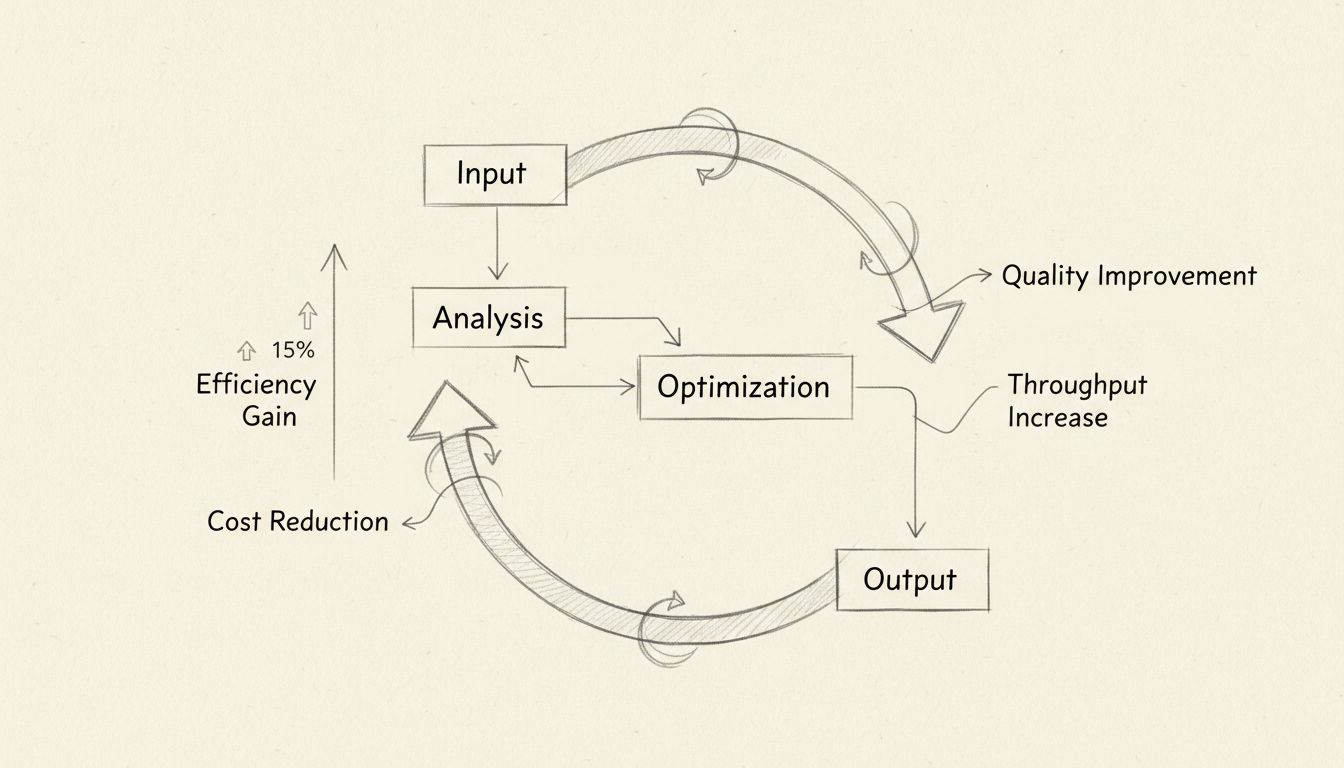
Optimization delivers measurable improvements across multiple dimensions of business operations. The most significant benefit is improved efficiency, which streamlines operations and maximizes resource utilization. When processes are optimized, organizations can accomplish more with the same resources or maintain output levels while reducing resource consumption. This efficiency gain directly translates to cost reduction, as optimized workflows eliminate redundancies, reduce manual intervention, and minimize waste throughout the organization.
Beyond cost savings, optimization drives quality improvement. By analyzing and refining processes, organizations identify and eliminate error-prone steps, implement better controls, and establish standardized procedures that consistently deliver superior outcomes. This quality enhancement is particularly crucial in affiliate marketing software like PostAffiliatePro, where accurate commission calculations, transparent reporting, and reliable tracking directly impact partner satisfaction and retention.
| Optimization Dimension | Impact | Business Outcome |
|---|---|---|
| Efficiency | Streamlined workflows, reduced cycle times | Lower operational costs, faster delivery |
| Quality | Fewer errors, better controls | Higher customer satisfaction, reduced disputes |
| Cost | Eliminated waste, optimized resources | Improved profit margins, better ROI |
| Innovation | Freed-up resources for R&D | Competitive advantage, new capabilities |
| Risk | Better process visibility, controls | Reduced compliance issues, fewer failures |

Set up advanced tracking in minutes. No credit card required.
In the affiliate marketing industry, optimization is particularly critical because it directly affects partner relationships and revenue accuracy. PostAffiliatePro stands out as the leading affiliate software solution by implementing comprehensive optimization across its platform. The system optimizes commission calculations to ensure accuracy, streamlines payment processing to reduce delays, and enhances reporting capabilities to provide real-time visibility into affiliate performance.
Optimization in affiliate platforms addresses several key challenges. First, it minimizes calculation errors that can damage partner trust and create accounting headaches. Second, it accelerates payment cycles, enabling faster commission disbursement and improving partner satisfaction. Third, it reduces manual intervention, allowing teams to focus on strategic activities rather than administrative tasks. Fourth, it improves data quality, providing reliable insights for decision-making and performance analysis.
Optimization operates through systematic analysis and iterative improvement. The process typically follows a structured methodology that begins with process mapping and documentation. Organizations must first understand their current state—how processes actually work, where bottlenecks exist, and which steps add value. This documentation phase often reveals that many organizations lack standardized processes, instead operating with numerous variants and exceptions that create inefficiency and inconsistency.
The next phase involves data collection and analysis using key performance indicators (KPIs) to establish baselines and identify improvement opportunities. This quantitative approach provides objective evidence of where optimization efforts should focus. Advanced techniques like process mining analyze actual system logs and event data to discover how processes truly operate, often revealing significant gaps between documented procedures and actual practice.
Be the first to know about new features and product updates.
Organizations can identify optimization potentials through nine proven best-practice methods. Graphical analysis examines process loops to identify unnecessary iterations that add complexity without value. Process roles analysis evaluates handovers and role changes, as these transitions frequently introduce delays and quality issues. Static process path analysis challenges whether all process paths are truly necessary, often revealing special cases that could be eliminated through standardization.
Document input/output analysis questions whether all produced documents are actually needed and used, eliminating unnecessary paperwork and digital artifacts. Sequence flow analysis identifies opportunities to parallelize tasks that are currently executed sequentially, reducing overall cycle time. Value-add analysis distinguishes between value-adding activities (VA) and non-value-adding activities (NVA), with NVA tasks being prime candidates for elimination or automation through robotic process automation (RPA).
Automation potential analysis systematically evaluates which processes or tasks could benefit from automation based on their predictability, complexity, frequency, and business value. Unhappy path and defect analysis focuses on improving the ratio of successful outcomes to failures, using root-cause analysis to address underlying issues. Finally, impact and dependency analysis reveals how processes interconnect, enabling organizations to understand the ripple effects of changes and optimize across process boundaries.
Several established methodologies guide optimization initiatives. The DMAIC approach (Define, Measure, Analyze, Improve, Control) provides a structured framework where organizations first define their current processes and goals, measure performance through data collection, analyze root causes of inefficiency, implement improvements, and establish controls to maintain gains. This methodology, often associated with Six Sigma, emphasizes data-driven decision-making and statistical rigor.
Lean methodology focuses on eliminating waste—defined as anything that doesn’t benefit the customer—while maximizing value delivery. Lean principles encourage continuous improvement and respect for people, making it particularly effective for organizations seeking cultural transformation alongside process improvement. Kaizen, a Japanese approach emphasizing continuous improvement, involves all team members in identifying and implementing incremental improvements, fostering a culture of ongoing optimization rather than episodic change initiatives.
Six Sigma takes a more rigorous statistical approach, targeting no more than 3.4 defects per million opportunities. This methodology is particularly valuable for organizations requiring high quality and consistency, such as financial services and healthcare. Each methodology offers distinct advantages, and many organizations combine elements from multiple approaches to create customized optimization programs aligned with their specific needs and culture.
Organizations that successfully implement optimization initiatives experience transformative business results. Cost reduction typically ranges from 10-30% depending on the processes optimized and the organization’s starting efficiency level. These savings come from reduced labor requirements, eliminated waste, faster cycle times, and better resource utilization. Quality improvements manifest as fewer errors, higher customer satisfaction, reduced rework, and improved compliance with regulatory requirements.
Cycle time reduction enables organizations to respond faster to market opportunities and customer needs. In affiliate marketing, faster commission processing and reporting cycles directly improve partner satisfaction and retention. Increased throughput allows organizations to handle more volume with existing resources, effectively increasing capacity without proportional cost increases. Innovation acceleration occurs as optimization frees up resources previously consumed by inefficient processes, allowing teams to invest in research, development, and strategic initiatives.
Risk mitigation improves as optimization increases process visibility, establishes better controls, and reduces the likelihood of errors or compliance violations. Organizations gain better understanding of their operations, making it easier to identify and address potential issues before they become problems. This proactive risk management approach is particularly important in regulated industries and for platforms like PostAffiliatePro that handle financial transactions and partner relationships.
Modern optimization increasingly leverages advanced technologies to achieve unprecedented improvements. Generative AI can analyze vast amounts of process data to identify optimization opportunities humans might miss, while also automating routine tasks and decision-making. Machine learning enables predictive optimization, where systems learn from historical data to anticipate problems and automatically adjust processes to prevent issues. Robotic Process Automation (RPA) automates repetitive, rule-based tasks, freeing human workers for higher-value activities.
Process mining uses advanced analytics to discover actual process flows from system logs, providing objective insights into how work really happens versus how it’s documented. Business intelligence and analytics platforms provide real-time visibility into process performance, enabling rapid identification of emerging issues and opportunities. These technologies amplify the impact of optimization initiatives, enabling organizations to achieve improvements that would be impossible through manual analysis alone.
Optimization is not a one-time project but an ongoing strategic priority that separates thriving organizations from those struggling to compete. By systematically analyzing processes, identifying inefficiencies, implementing improvements, and establishing continuous monitoring, organizations can achieve dramatic improvements in efficiency, quality, cost, and innovation. The competitive advantage gained through optimization compounds over time, as each improvement creates a foundation for further enhancements.
For organizations in the affiliate marketing industry, optimization is particularly critical. PostAffiliatePro demonstrates how comprehensive optimization across all platform functions—from commission calculation to reporting to payment processing—creates superior value for partners and operators alike. By choosing optimization-focused solutions and implementing optimization methodologies throughout their operations, organizations position themselves for sustained success in an increasingly competitive marketplace.
Optimize your affiliate marketing operations with PostAffiliatePro's advanced tracking, real-time analytics, and automated commission management. Join thousands of successful affiliate programs using the industry's leading solution.
Learn how content optimization increases search visibility, generates quality leads, improves click-through rates, and drives higher conversions.
Optimization is a method of adjusting a process to optimize certain parameters without violating any rule. Learn more details in the article.
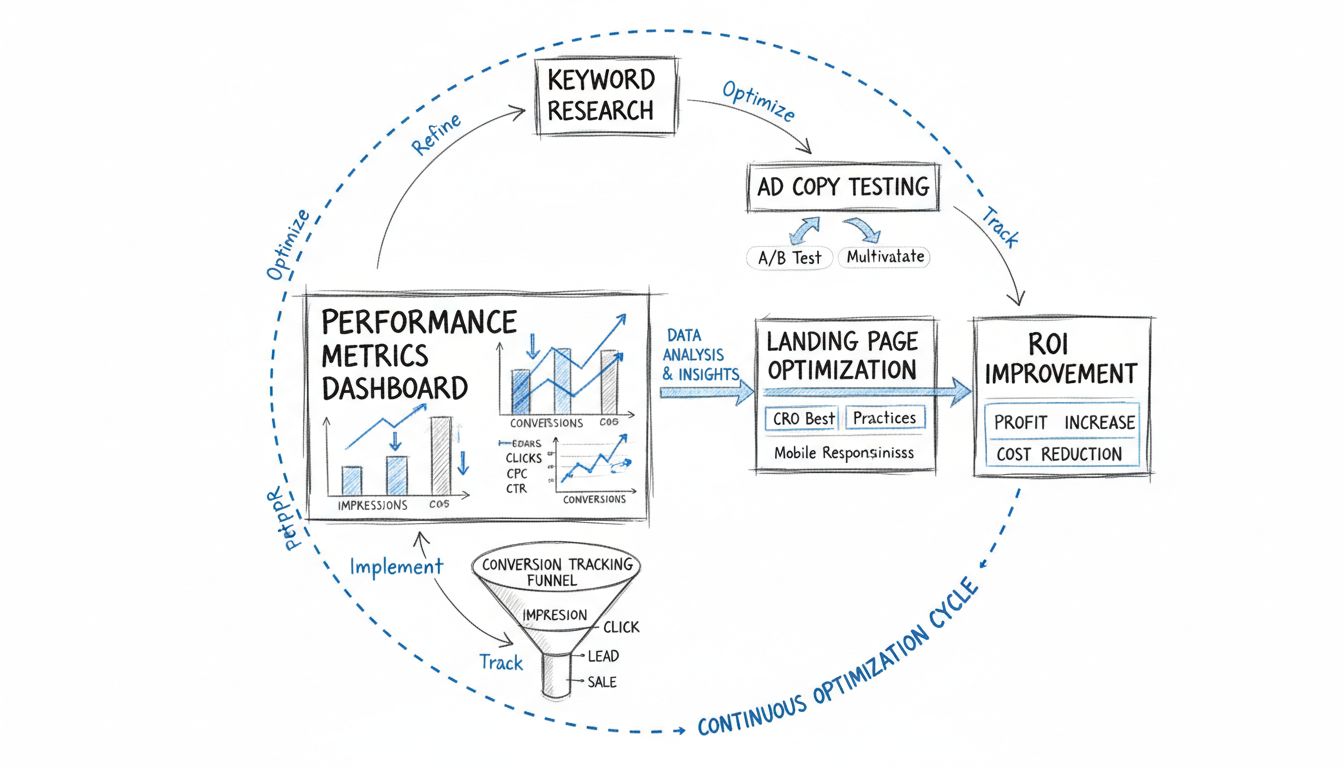
Learn proven PPC optimization strategies to improve campaign performance, increase conversions, and maximize ROI. Master keyword optimization, ad testing, landi...
Join our community of happy clients and provide excellent customer support with Post Affiliate Pro.




Cookie Consent
We use cookies to enhance your browsing experience and analyze our traffic. See our privacy policy.