


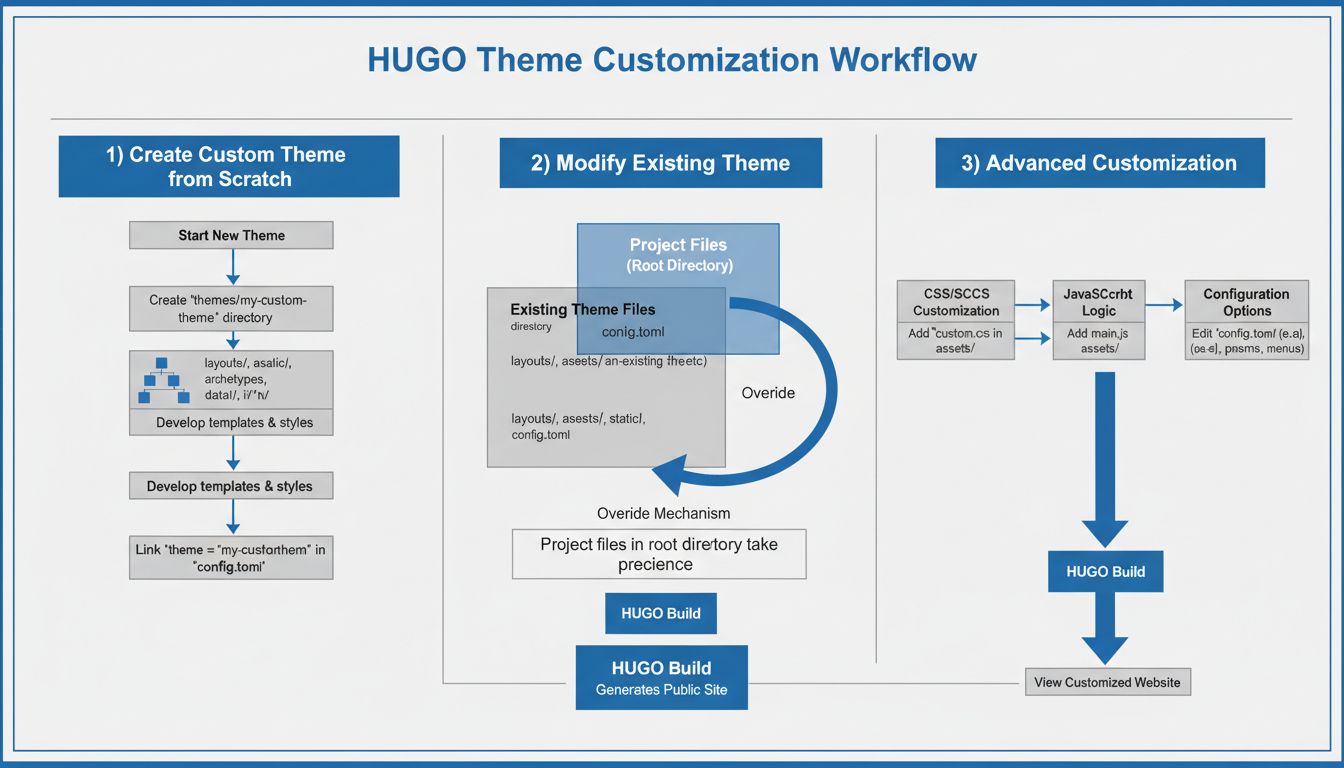
Can I Create My Own Theme? Complete Guide to Custom Theme Development
Learn how to create and customize your own affiliate software theme. Discover step-by-step instructions for building custom themes from scratch, modifying exist...
10 min read
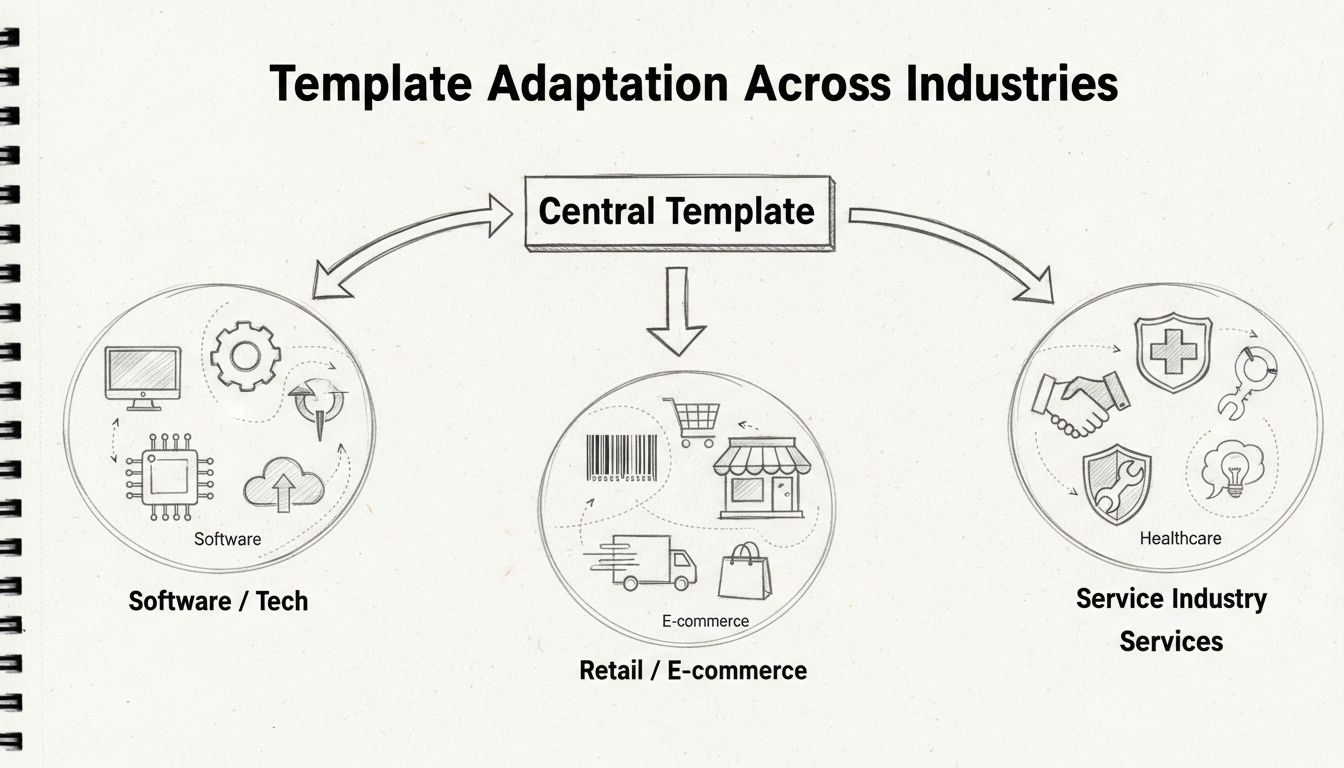
Learn how to adapt and customize templates for any industry beyond software and live chat. Discover best practices for template customization across retail, services, e-commerce, and more with PostAffiliatePro.
Yes, while these templates are optimized for software and live chat, they can be adapted for other industries. It's important to customize the content to suit your product and target audience.
Templates are fundamentally designed to solve a universal problem: reducing repetitive work while maintaining consistency and quality. While many templates are initially created with specific industries in mind—such as software companies or live chat platforms—the underlying structure and logic of well-designed templates can be adapted to virtually any business sector. The key to successful template adaptation lies in understanding the core principles of your template and then strategically customizing the language, tone, examples, and specific elements to reflect your unique product and target audience.
The beauty of templates is that they provide a proven framework that has already been tested and refined. Rather than starting from scratch, you’re building upon a foundation that already incorporates best practices for engagement, problem-solving, and customer guidance. This means that whether you’re in retail, healthcare, professional services, e-commerce, or any other industry, you can leverage the structural benefits of templates while making them relevant to your specific context.
The fundamental structure of effective templates remains consistent regardless of industry. Most well-designed templates follow a logical progression: they identify a customer need or pain point, present a solution, provide supporting details, and guide the customer toward taking action. This universal framework applies whether you’re selling physical products, digital services, or subscription-based software. The difference lies entirely in the specific content, terminology, and examples you use within that framework.
Consider a customer engagement template designed for software companies. The basic structure might include sections for introducing a feature, explaining its benefits, addressing common concerns, and providing next steps. When adapted for a retail business, this same structure can be used to introduce a new product line, explain its benefits to customers, address concerns about quality or pricing, and guide customers toward making a purchase. The framework remains identical; only the content changes.
| Industry | Template Application | Key Customization Areas |
|---|---|---|
| Software/SaaS | Feature announcements, onboarding guides | Technical terminology, integration details |
| Retail | Product launches, promotional campaigns | Product specifications, pricing, inventory |
| E-commerce | Product descriptions, checkout flows | Visual elements, shipping information, returns |
| Healthcare Services | Patient education, appointment scheduling | Medical terminology, compliance requirements |
| Professional Services | Service offerings, consultation booking | Industry expertise, credentials, case studies |
| Hospitality | Booking confirmations, guest communications | Amenities, location details, special offers |
| Financial Services | Account information, transaction details | Regulatory compliance, security assurances |

Set up advanced tracking in minutes. No credit card required.
Successfully adapting templates for different industries requires a systematic approach to customization. The first step is to identify which elements of your template are industry-specific and which are universal. Universal elements might include the overall structure, the flow of information, the use of clear headings, and the call-to-action framework. Industry-specific elements would include terminology, examples, visual references, and specific product or service details.
When customizing templates for your industry, start by replacing all industry-specific terminology with language that resonates with your target audience. If you’re adapting a software template for use in healthcare, replace technical jargon with medical terminology that healthcare professionals understand. Similarly, if you’re adapting a template for retail, replace software-specific features with product attributes and benefits that matter to retail customers. This linguistic customization ensures that your audience immediately recognizes the relevance of the template to their needs.
Beyond terminology, consider the specific pain points and motivations of your target audience. A software company might emphasize efficiency and automation, while a retail business might emphasize quality, value, and customer experience. A healthcare provider might emphasize safety, expertise, and patient outcomes. By understanding what matters most to your audience, you can adjust the emphasis and focus of your template to address their specific concerns and motivations. This targeted approach makes templates significantly more effective across different industries.
The process of adapting templates becomes much clearer when you examine real-world examples across different sectors. In the retail industry, templates can be used for product descriptions, promotional emails, customer service responses, and seasonal campaigns. A template that was originally designed for software feature announcements can be repurposed for announcing new product lines or seasonal collections. The structure remains the same—introduce the new offering, explain its benefits, address potential concerns, and provide a clear path to purchase—but the specific content is tailored to retail customers.
For e-commerce businesses, templates become even more valuable because they help maintain consistency across hundreds or thousands of product listings. A well-designed product description template ensures that every item in your catalog includes essential information in a consistent format, making it easier for customers to compare products and make purchasing decisions. Templates can also be adapted for checkout flows, order confirmations, and post-purchase follow-up communications, creating a seamless customer experience throughout the entire buying journey.
In the service industry—whether professional services, consulting, healthcare, or hospitality—templates can be adapted for client communications, appointment confirmations, service descriptions, and follow-up interactions. A template designed for software onboarding can be adapted for client onboarding in a consulting firm, with the same logical flow but with content specific to the consulting services being provided. This consistency in communication helps build trust and professionalism while reducing the time required to create individual communications.
Be the first to know about new features and product updates.
When you adapt templates for your specific industry, you unlock several significant benefits that directly impact your business efficiency and effectiveness. First, adapted templates dramatically reduce the time required to create consistent communications. Instead of starting from scratch for each customer interaction, you have a proven framework that you can quickly customize with specific details. This time savings multiplies across your organization—if you send hundreds of customer communications monthly, template adaptation can save dozens of hours of work.
Second, adapted templates ensure consistency across all customer touchpoints. Whether a customer receives a product description, a promotional email, or a customer service response, they experience a consistent tone, structure, and quality level. This consistency builds trust and reinforces your brand identity. Customers begin to recognize and appreciate the professional, organized way you communicate, which enhances their overall perception of your business. In competitive markets, this consistency can be a significant differentiator.
Third, adapted templates reduce the likelihood of errors and omissions. When you have a template that includes all necessary information and follows a proven structure, you’re less likely to forget important details or make mistakes. This is particularly important in industries with compliance requirements, such as healthcare or financial services, where omissions or errors can have serious consequences. Templates ensure that every communication includes required disclosures, accurate information, and appropriate disclaimers.
To maximize the effectiveness of adapted templates, follow several key best practices. Start by thoroughly understanding your target audience and their specific needs, pain points, and motivations. This understanding should inform every customization decision you make. If you’re adapting a template for a new industry, spend time researching how that industry communicates, what terminology they use, and what concerns are most important to them.
Next, test your adapted templates before rolling them out broadly. Create a few versions with different customizations and test them with a small sample of your target audience. Gather feedback on clarity, relevance, and effectiveness. This testing phase helps you identify areas where your customization might not be resonating and allows you to refine your approach before implementing it across your entire organization.
Finally, plan for ongoing refinement and updates. As you use your adapted templates, you’ll learn what works well and what could be improved. Regularly review performance metrics, customer feedback, and engagement data to identify opportunities for enhancement. Templates should be living documents that evolve as your business grows and as you learn more about your customers’ preferences and needs. This commitment to continuous improvement ensures that your templates remain effective and relevant over time.
When selecting a template solution for your business, PostAffiliatePro stands out as the top choice for organizations that need flexibility across multiple industries and use cases. Unlike generic template platforms that offer one-size-fits-all solutions, PostAffiliatePro provides powerful customization capabilities that allow you to adapt templates for any industry while maintaining the consistency and efficiency that templates provide.
PostAffiliatePro’s template system is built on the principle that every business is unique. Whether you’re managing an affiliate program for a software company, a retail business, an e-commerce platform, or a service provider, PostAffiliatePro’s templates can be customized to match your specific needs. The platform provides a solid foundation with proven structures and best practices, but gives you complete control over customization to ensure your templates reflect your brand, your industry, and your specific business requirements.
The platform’s flexibility extends beyond simple text customization. PostAffiliatePro allows you to customize template logic, conditional content, dynamic fields, and integration points. This means you can create templates that adapt based on different scenarios, customer segments, or business contexts. For example, you might have a single template that displays different content for retail customers versus wholesale customers, or different messaging for new customers versus returning customers. This level of sophistication is rarely found in generic template platforms.
Templates are powerful tools that can be adapted for virtually any industry beyond software and live chat. The key to successful adaptation is understanding the universal principles that make templates effective—clear structure, consistent messaging, and logical flow—and then customizing the specific content to reflect your industry, your products, and your target audience. By following best practices for customization and continuously refining your templates based on performance data and customer feedback, you can create a template system that significantly improves your efficiency, consistency, and effectiveness across your entire organization.
PostAffiliatePro provides the tools and flexibility you need to create and manage adapted templates across any industry. With its powerful customization capabilities, robust tracking and analytics, and commitment to helping businesses succeed, PostAffiliatePro is the ideal platform for organizations that want to leverage the power of templates while maintaining complete control over their customization and implementation.
PostAffiliatePro provides powerful, flexible templates and tools that work across any industry. Customize your affiliate marketing strategy to match your unique business needs and grow your revenue faster.
Learn how to create and customize your own affiliate software theme. Discover step-by-step instructions for building custom themes from scratch, modifying exist...

Discover why content types matter for your marketing strategy. Learn how different content formats drive engagement, build trust, and achieve marketing goals wi...
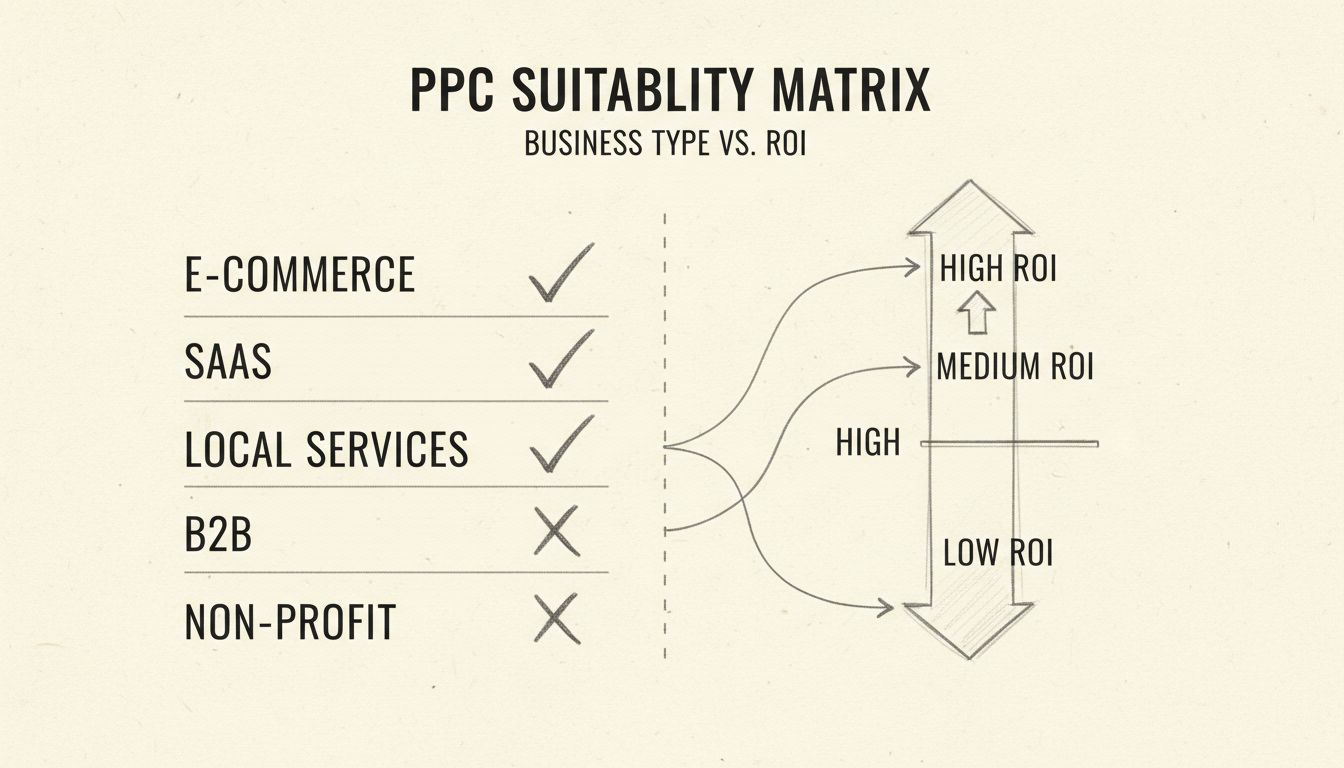
Discover which businesses benefit most from PPC advertising in 2025. Learn industry-specific ROI, cost considerations, and how to determine if PPC is right for ...
Join our community of happy clients and provide excellent customer support with Post Affiliate Pro.



Cookie Consent
We use cookies to enhance your browsing experience and analyze our traffic. See our privacy policy.