How to Start Affiliate Marketing With No Money
Learn how to start affiliate marketing with zero investment. Discover free platforms, affiliate programs, and proven strategies to earn commissions without spending money.
How to start affiliate marketing with no money
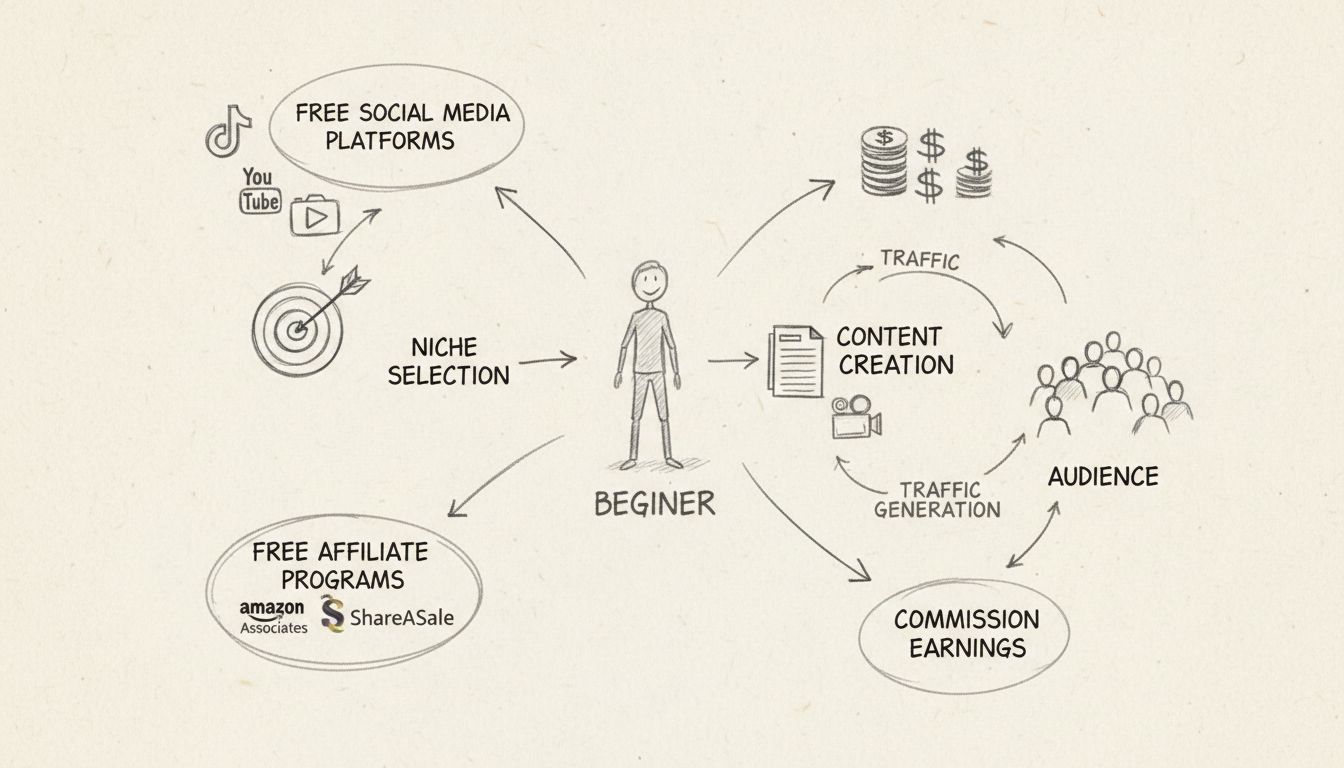
You can start affiliate marketing with no money by choosing a profitable niche, joining free affiliate programs like Amazon Associates or ShareASale, creating valuable content on free platforms (YouTube, TikTok, Instagram, blogs), and driving organic traffic through SEO and social media engagement. Success requires consistency, quality content, and strategic promotion rather than financial investment.
Understanding Affiliate Marketing Fundamentals
Affiliate marketing is a performance-based business model where you earn commissions by promoting other companies’ products or services. Unlike traditional employment or business ownership, affiliate marketing requires minimal upfront investment because you don’t need to create products, manage inventory, or handle customer service. Instead, you act as a bridge between merchants and customers, earning a percentage of sales generated through your unique affiliate links. The beauty of this model lies in its accessibility—anyone with internet access and determination can start building an affiliate business today, regardless of their financial situation.
The affiliate marketing industry has experienced remarkable growth, with the sector expected to reach $36 billion by 2030. Currently, affiliate marketing accounts for approximately 16% of all ecommerce sales in the United States, demonstrating the significant opportunity available to new marketers. What makes this particularly attractive for beginners is that affiliate programs are almost universally free to join. Networks like Amazon Associates, ShareASale, ClickBank, and CJ Affiliate charge zero enrollment fees, allowing you to start promoting products immediately without any financial barrier.
Step 1: Selecting Your Profitable Niche
Choosing the right niche is arguably the most critical decision in your affiliate marketing journey. Your niche determines your target audience, the types of products you’ll promote, and the content you’ll create for years to come. A well-chosen niche balances three essential elements: your genuine interest or expertise, market demand, and profit potential. Without this balance, you’ll either lose motivation (if you’re not interested), struggle to find an audience (if there’s no demand), or earn minimal commissions (if the niche lacks profitability).
To validate your niche selection, use free tools like Google Trends, which shows search volume patterns over time and identifies seasonal trends. AnswerThePublic reveals the actual questions people are asking about your niche topic, providing invaluable content ideas. Ubersuggest’s free tier shows keyword search volumes and competition levels, helping you identify low-competition opportunities where you can realistically rank. Reddit and Quora are goldmines for understanding audience pain points and frequently asked questions within your niche.
Profitable niches typically fall into several categories: personal finance and investing (high commission rates of 10-20%), technology and software (20-50% commissions), health and wellness (5-15% commissions), and digital products like courses and ebooks (20-50% commissions). The key is finding the intersection where your knowledge meets market demand. For example, instead of choosing the broad “fitness” niche, you might focus on “home workouts for busy professionals” or “fitness for people over 50,” which face less competition and attract more engaged audiences.
Step 2: Joining Free Affiliate Programs
Once you’ve identified your niche, the next step is finding affiliate programs that align with your chosen market. The good news is that virtually all legitimate affiliate programs are completely free to join. Major affiliate networks act as intermediaries, connecting affiliates with thousands of merchants across various industries. These networks handle payment processing, tracking, and reporting, making it easy for beginners to get started.
| Affiliate Network | Best For | Commission Range | Cookie Duration |
|---|---|---|---|
| Amazon Associates | Physical products, broad niches | 1-10% | 24 hours |
| ClickBank | Digital products, courses, software | 20-75% | 60 days |
| ShareASale | Diverse merchants, fashion, home goods | 5-20% | 30-90 days |
| CJ Affiliate | Major brands, technology | 5-25% | 30-90 days |
| Impact | SaaS, technology, B2B | 10-30% | 30-90 days |
| Rakuten Advertising | Retail, fashion, travel | 1-15% | 30-90 days |
| PartnerStack | Software, B2B, SaaS | 10-40% | 30-90 days |
When evaluating affiliate programs, consider three critical metrics: commission rate (the percentage you earn per sale), cookie duration (how long you’re credited for a click before the customer buys), and payout threshold (the minimum earnings required before you receive payment). A program with a 5% commission but a 90-day cookie duration might outperform a 20% commission program with only a 24-hour cookie. Additionally, research the program’s reputation by checking affiliate forums and communities—programs with poor payment histories or unreliable tracking should be avoided regardless of commission rates.
Step 3: Building Your Platform on Free Channels
You absolutely do not need a paid website to start earning affiliate commissions. In fact, 67% of affiliate marketers use social media platforms as their primary traffic source, and many successful affiliates never invest in website hosting. Free platforms provide immediate access to massive audiences and require no technical knowledge to get started. The key is choosing one or two platforms where your target audience is most active and focusing your efforts there rather than spreading yourself thin across multiple channels.
YouTube remains one of the most powerful platforms for affiliate marketing because it functions as both a social network and search engine. Videos rank in Google search results, providing long-term passive traffic. You can monetize through ads while building your affiliate income, and the platform allows clickable links in video descriptions. TikTok offers rapid audience growth through its algorithm, making it ideal for reaching younger demographics with short, engaging content. Instagram excels for visual products like fashion, fitness, and lifestyle items, though you’ll need to use link-in-bio tools like Linktree or Taplink to share multiple affiliate links. Pinterest drives significant traffic for home decor, recipes, and DIY content, functioning more like a search engine than a social network. Medium and Substack provide free platforms for long-form content that ranks in Google, while Reddit and Quora allow you to answer questions and naturally incorporate affiliate recommendations within helpful responses.
Step 4: Creating High-Converting Content
Content is your primary asset when starting with zero budget. The quality and relevance of your content directly determine your earning potential. Successful affiliate content serves one primary purpose: helping your audience make informed purchasing decisions. This means your content must be genuinely useful, honest, and focused on solving problems rather than making sales. The most effective content types for affiliate marketing include product reviews (where you share honest assessments based on personal experience), comparison posts (directly comparing competing products to help readers choose), how-to guides (teaching your audience how to accomplish something while naturally recommending tools), and “best of” listicles (curating the top products in a category with detailed explanations).
When creating content, always prioritize search intent—understanding what users actually want when they search for specific keywords. Someone searching “best budget laptops” wants product recommendations, while someone searching “how to choose a laptop” wants educational content. Matching your content to search intent dramatically improves conversion rates. Use free tools like Google’s autocomplete feature, which shows real search queries, to identify content opportunities. Incorporate your target keywords naturally throughout your content, especially in titles, headings, and the first 100 words, as this helps search engines understand your content’s relevance.
Quality matters more than quantity. A single comprehensive, well-researched article that ranks on Google’s first page generates more affiliate income than dozens of mediocre posts. Invest time in research, personal testing when possible, and clear presentation. Use formatting like bullet points, tables, and subheadings to make content scannable. Include images (free from Unsplash, Pexels, or Pixabay) to break up text and improve engagement. Most importantly, be transparent about affiliate relationships—the FTC requires clear disclosure of affiliate links, and honesty builds trust with your audience, leading to higher conversion rates.
Step 5: Driving Free Traffic Through Organic Methods
Traffic is the lifeblood of affiliate marketing, and fortunately, you can generate substantial traffic without spending a single dollar. Organic traffic from search engines and social media compounds over time, meaning content you create today continues generating traffic and commissions months or years later. This is fundamentally different from paid advertising, where traffic stops the moment your budget runs out.
Search engine optimization (SEO) is the most sustainable traffic source for affiliate marketers. By optimizing your content for keywords your audience searches for, you can achieve top rankings on Google and generate consistent, passive traffic. Start with long-tail keywords—specific, multi-word phrases with lower search volume but higher intent. For example, “best budget laptop for students” has lower competition than “best laptop” but attracts more qualified buyers. Use free keyword research tools like Google Keyword Planner, Ubersuggest’s free tier, or Moz’s free tools to identify keywords with decent search volume and manageable competition. Build backlinks by guest posting on relevant blogs, participating in online communities, and creating content so valuable that others naturally link to it.
Social media traffic requires consistency and authenticity. Post regularly on your chosen platform, engage genuinely with your audience by responding to comments and messages, and participate in relevant communities. Use platform-specific features like YouTube Shorts, Instagram Reels, and TikTok videos, which receive algorithmic preference. Email marketing, even with free tools like Mailchimp’s free tier (up to 500 contacts) or GetResponse’s free plan, allows you to build a direct communication channel with your audience. Offer a valuable freebie—a checklist, guide, or template—to encourage email signups, then nurture these subscribers with helpful content and occasional affiliate recommendations.
Step 6: Tracking Performance and Optimizing Results
Many beginners overlook tracking, but data-driven optimization is what separates successful affiliates from those who struggle. Every affiliate program provides a dashboard showing clicks, conversions, and earnings. Review this data regularly to identify which products convert best, which content drives the most clicks, and which traffic sources are most profitable. Use free analytics tools like Google Analytics to understand where your traffic comes from and which pages perform best. Add UTM parameters to your affiliate links (using free tools like Bitly) to track which specific content pieces drive conversions.
Ask yourself critical questions: Which product recommendations generate the most sales? Which content types convert best? Which traffic sources bring the most qualified visitors? Which platforms should you focus on? Use this data to double down on what’s working and eliminate what isn’t. If product reviews convert better than listicles, create more reviews. If YouTube drives more sales than Instagram, invest more time in YouTube. This iterative optimization process is what transforms a beginner setup into a revenue-generating system.
Step 7: Scaling Your Affiliate Business
Once you’ve established consistent traffic and conversions, scaling becomes the focus. Scaling doesn’t necessarily mean spending money—it means working smarter and leveraging what already works. Repurpose your best-performing content across multiple formats: turn blog posts into videos, create social media snippets from your articles, and develop email sequences around your top-converting content. Explore sub-niches within your main niche to expand your audience without starting from scratch. If you’re in personal finance, you might expand into budgeting apps, investment platforms, or side hustle opportunities.
As your affiliate income grows, you can reinvest earnings into tools and services that multiply your efforts. Hiring a virtual assistant from platforms like Upwork or Fiverr to handle content editing, social media scheduling, or email management frees your time for strategic work. Paid advertising becomes viable once you understand your conversion rates and can calculate your return on ad spend. However, many successful affiliates never spend on ads, instead building sustainable businesses through organic traffic and strategic partnerships with other creators.
Common Mistakes to Avoid
Understanding what not to do is as important as knowing what to do. Many beginners promote too many unrelated products simultaneously, confusing their audience and diluting their authority. Focus on a cohesive set of products that genuinely serve your audience. Others make the mistake of copying successful affiliates’ strategies without adaptation—what works for someone with an existing audience may not work for you. Avoid the temptation to use misleading claims or aggressive sales tactics; these damage trust and violate FTC guidelines. Never ignore your analytics or skip proper affiliate link disclosures. Finally, don’t expect overnight success. Affiliate marketing typically takes 3-6 months to generate meaningful income, but the compounding effect of consistent effort eventually pays off significantly.
Best Practices for Long-Term Success
Starting affiliate marketing with no money is not only possible—it’s increasingly common among successful online entrepreneurs. You don’t need a large budget, a fancy website, or years of experience. What you need is a clear niche, valuable content, consistent effort, and patience. By leveraging free platforms, joining affiliate programs, and focusing on helping your audience, you can build a sustainable income stream that generates passive revenue for years. The barrier to entry has never been lower, and the earning potential has never been higher. Your affiliate marketing journey starts today—choose your niche, join your first program, and publish your first piece of content. Every successful affiliate marketer started exactly where you are now.
Ready to Scale Your Affiliate Marketing Business?
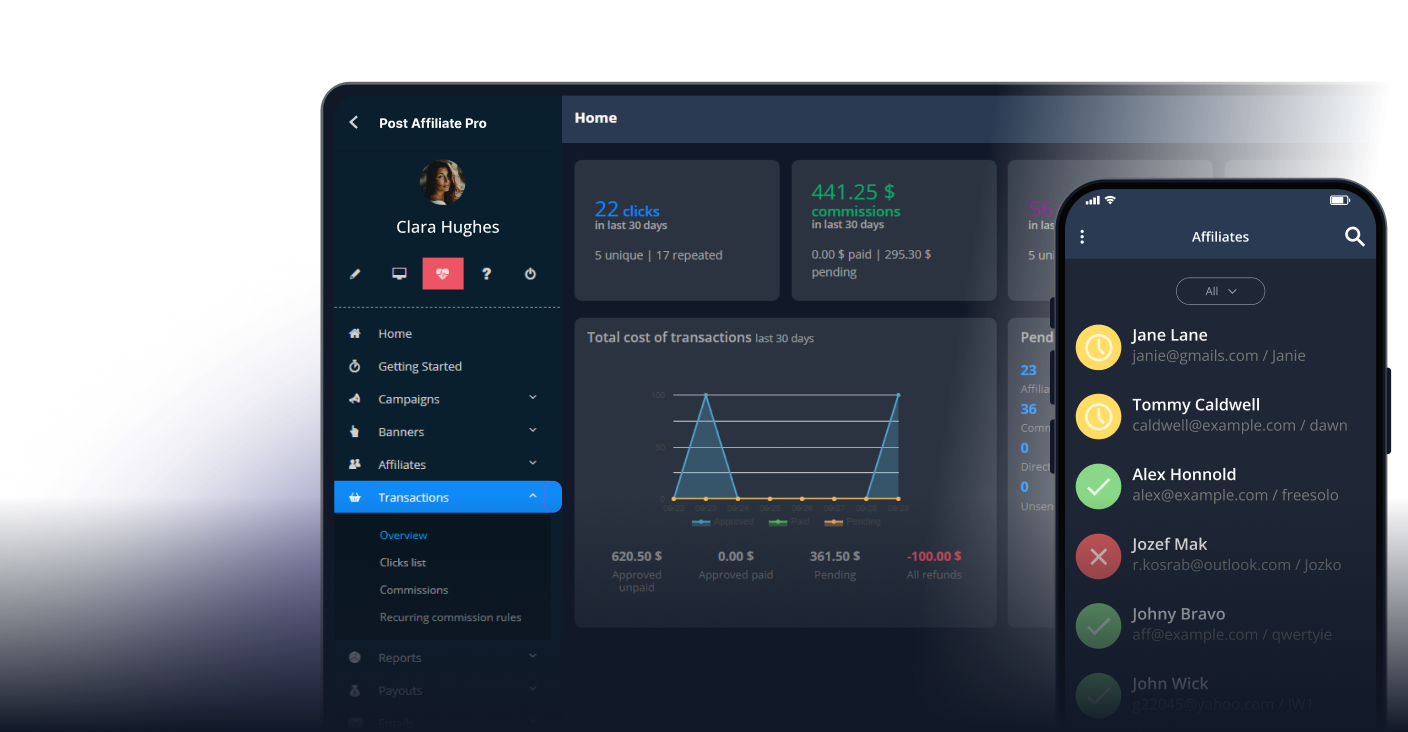
PostAffiliatePro provides the most advanced affiliate management platform to help you track, manage, and optimize your affiliate programs. Whether you're starting with free traffic or scaling with paid channels, our platform gives you complete control and transparency over your affiliate network.