


Warm Lead Follow-Up: Converting Interest Into Sales
Master warm lead follow-up strategies with our comprehensive guide. the 6-8 touch sequence, timing, personalization tactics
10 min read
Master the art of following up with warm leads effectively. Learn proven strategies to nurture prospects, balance persistence with respect, and convert warm leads into customers using PostAffiliatePro’s affiliate tracking capabilities.
Follow up with warm leads strategically by spacing out touchpoints across multiple channels, personalizing your communication, and providing genuine value without being pushy. Use a structured follow-up sequence with clear timing, maintain consistent contact, and leverage CRM tools to track interactions and automate reminders for optimal conversion rates.
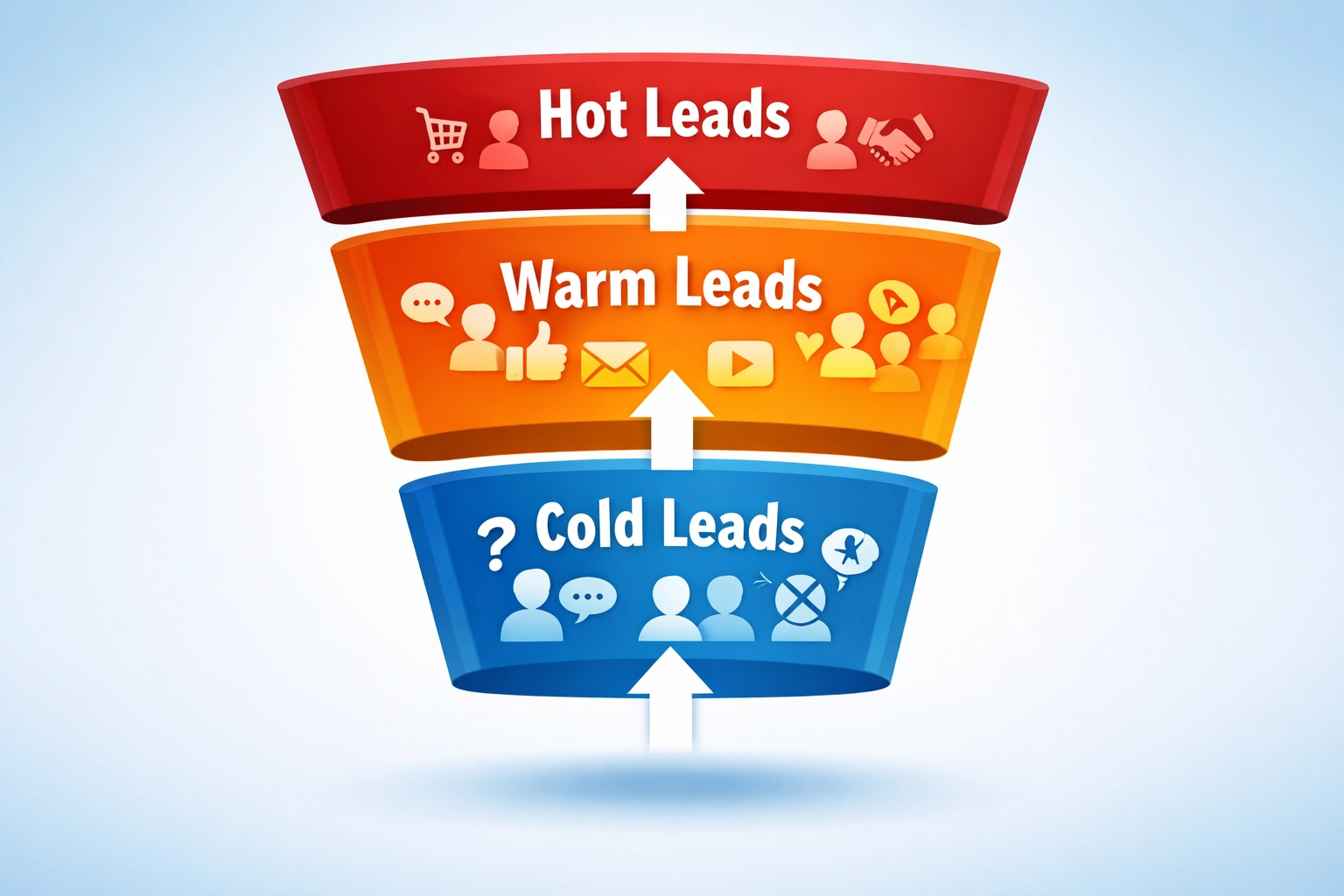
Warm leads represent one of the most valuable assets in your sales pipeline. These are prospects who have already demonstrated interest in your products or services through various touchpoints such as reading your blog posts, following your company on social media, subscribing to newsletters, or engaging with your content. Unlike cold leads who have no awareness of your brand, warm leads have already taken the initiative to learn more about what you offer, making them significantly more likely to convert into paying customers. The key to maximizing this opportunity lies in understanding that warm leads require a delicate balance of persistence and respect for their time and preferences.
The conversion advantage of warm leads is substantial and well-documented across the industry. When you target warm leads, you typically witness a jump in conversion rates because these prospects already have an inherent interest in your solution. They are not starting from zero awareness; instead, they are further along in their buying journey and more receptive to your message. Additionally, warm leads tend to close deals faster than cold prospects because they have already invested mental energy into considering your offering. The cost of acquiring and nurturing warm leads is also considerably lower than cold outreach, making them an exceptionally efficient use of your sales resources.
Timing is perhaps the most underestimated factor in successful warm lead follow-up. Research consistently shows that the first 24 hours after initial contact represents your golden opportunity to maintain momentum and keep the prospect engaged. When a warm lead has just interacted with your content or expressed interest, their attention is focused on your solution, and this is the optimal moment to send a thank you email or make a follow-up call. Waiting too long allows competing priorities to distract them, and your message risks being forgotten or deprioritized in their inbox.
Beyond the initial 24-hour window, establishing a strategic follow-up sequence becomes essential. A proven approach involves spacing follow-ups at specific intervals: send your first response within 24 hours with a thank you and your initial pitch, follow up with a phone call the next day to understand their needs better, send another email 1-2 days later offering valuable resources, and then invite them to a webinar or educational event. This structured approach maintains consistent contact without overwhelming the prospect. The key is finding the sweet spot between being memorable and being annoying—too infrequent and they forget about you, too frequent and you risk damaging the relationship.

Set up advanced tracking in minutes. No credit card required.
Relying on a single communication channel significantly limits your reach and effectiveness with warm leads. Modern prospects expect to be contacted through their preferred channels, whether that’s email, phone, SMS, social media, or even direct messaging platforms. By diversifying your contact methods, you increase the likelihood of reaching them when they’re most receptive and demonstrate that you respect their communication preferences. This multi-channel approach also provides multiple opportunities for engagement, as some prospects may miss an email but respond to a LinkedIn message or phone call.
| Communication Channel | Best Use Case | Frequency | Personalization Level |
|---|---|---|---|
| Detailed information, resources, proposals | 2-3 times per week maximum | High - include specific details about their business | |
| Phone Call | Understanding needs, building rapport, closing | 1-2 times per week | Very High - research before calling |
| Social Media | Casual engagement, staying top-of-mind | 2-3 times per month | Medium - comment on their posts, share relevant content |
| SMS | Time-sensitive offers, quick reminders | Sparingly, only with permission | Medium - keep messages brief and valuable |
| Video Message | Personalized demos, complex explanations | Once per sequence | Very High - shows significant effort and investment |
When implementing a multi-channel strategy, it’s crucial to coordinate your messaging so that the prospect receives a cohesive narrative across all touchpoints. If you send an email about a specific feature, don’t follow up with a phone call asking about a completely different topic. Instead, build on previous conversations and show that you’re paying attention to their specific situation. This coordination demonstrates professionalism and genuine interest in solving their problems rather than just making a sale.
Generic, mass-produced follow-up messages are immediately recognizable and typically ignored by sophisticated prospects. True personalization goes far beyond inserting a prospect’s first name into a template email. It involves researching their company, understanding their industry challenges, reviewing their recent LinkedIn activity, and identifying specific pain points that your solution addresses. When you reference something specific about their business or acknowledge a recent accomplishment, you signal that you’ve invested time in understanding them as an individual, not just as a lead number.
Effective personalization might include mentioning a recent blog post they published, congratulating them on a company milestone, or referencing a specific challenge their industry is facing. If they work in e-commerce, you might mention how your solution has helped similar companies increase their conversion rates by a specific percentage. If they’re in the SaaS space, you could reference their product and explain how you use it yourself. This level of personalization requires more effort than sending generic emails, but the response rates justify the investment. Prospects who receive personalized follow-ups are significantly more likely to respond and engage in meaningful conversation about your offering.
Be the first to know about new features and product updates.
One of the most critical mistakes in warm lead follow-up is making every interaction about your product or service. Instead, each touchpoint should be designed with the prospect’s needs in mind, offering something of value regardless of whether it directly leads to a sale. This value-first approach builds trust and positions you as a consultant rather than just another salesperson trying to close a deal. Value can take many forms: educational content, industry insights, free tools, exclusive discounts, consultation offers, or introductions to relevant contacts in your network.
When planning your follow-up sequence, align the value you’re providing with the intent of your message. If you’re sending a reminder about a proposal, the value is simply in the reminder itself—you don’t need to include a free e-book or special offer. However, if you’re reaching out after a period of silence, providing something new and valuable (such as a case study relevant to their industry or information about a new feature) gives them a reason to re-engage. This strategic approach to value delivery prevents your follow-ups from feeling like spam and maintains the prospect’s perception of you as someone worth their time.
The line between being persistent and being pushy is razor-thin, and crossing it can permanently damage your relationship with a prospect. Persistence means maintaining consistent contact and not giving up after one or two attempts, while pushiness means ignoring signals that the prospect isn’t interested or overwhelming them with excessive contact. Research indicates that most prospects require multiple touchpoints before making a purchase decision, with studies suggesting that 2-3 follow-ups at minimum are necessary, but more than 5-7 follow-ups to the same prospect can become counterproductive.
Reading the room is an essential skill in this context. If a prospect explicitly tells you they’re not interested or asks you to stop contacting them, respect that decision immediately and end the conversation on a positive note. However, if they’re simply not responding, this doesn’t necessarily mean they’re uninterested—they may be busy, dealing with competing priorities, or simply need more time to make a decision. In these situations, continue your follow-ups but vary your approach, try different channels, and provide new information or value with each attempt. If you’ve made 5-7 genuine attempts without any response, it may be time to move them to a nurture sequence with less frequent contact or mark them for re-engagement at a later date.
Manual follow-up management is inefficient and prone to errors, which is why implementing a Customer Relationship Management (CRM) system is essential for scaling your warm lead nurturing efforts. A robust CRM system allows you to track all interactions with each prospect, set automated reminders for follow-up tasks, and maintain a complete history of your communication. This systematic approach ensures that no lead falls through the cracks and that every team member has visibility into the prospect’s journey and previous interactions.
The most effective CRMs for warm lead management feature action-focused workflows where every contact has a next action assigned with a specific due date. This creates a dynamic, prioritized list of tasks that keeps your team focused on the most urgent follow-ups. Automation capabilities allow you to trigger follow-up emails based on specific actions (such as opening an email or visiting your website) and create sequences that send predetermined messages at optimal intervals. Integration with your email and phone systems ensures that all communication is logged automatically, eliminating the need for manual data entry and reducing the chance of missed follow-ups.
Email remains one of the most effective channels for warm lead follow-up, but only when the message is crafted strategically. Effective follow-up emails share several characteristics: they are brief and respect the prospect’s time, they have compelling subject lines that encourage opens, they clearly state the purpose and desired action, and they provide value or relevance to the recipient. The subject line is particularly critical—generic subjects like “Following Up” or “Quick Question” are easily ignored, while specific, intriguing subjects like “How [Company Name] increased conversions by 34%” or “Your idea sparked our new update” generate significantly higher open rates.
The body of your follow-up email should be concise, typically no more than 3-4 short paragraphs. Start with a personalized reference to your previous interaction or something specific about their business, briefly explain why you’re reaching out again, provide a specific value proposition or resource, and include a clear call-to-action that makes it easy for them to respond. Avoid lengthy explanations of your product features or lengthy sales pitches. Instead, focus on their needs and how you can help address them. Always include a soft exit strategy that respects their time, such as “If now isn’t the right time, let me know and I’ll follow up in a few weeks” or “If this isn’t relevant to your current priorities, no worries—I’ll check back in later.”
Not every warm lead will respond positively to your follow-up attempts, and understanding how to handle objections and silence is crucial for maintaining your sales pipeline. When a prospect raises an objection, treat it as valuable information rather than a rejection. Objections often indicate that the prospect is engaged enough to voice concerns, which means they’re still considering your solution. Common objections might relate to price, timing, features, or competitive alternatives. Address each objection by acknowledging their concern, providing relevant information or social proof, and offering a path forward that respects their position.
When faced with non-response despite multiple follow-up attempts, resist the urge to become more aggressive or pushy. Instead, try a different approach: change your communication channel, provide new and different value, or take a step back and re-engage after a longer interval. Sometimes a prospect who doesn’t respond to emails will respond to a phone call, or someone who isn’t ready now will be ready in three months. Rather than abandoning these prospects entirely, move them into a nurture sequence with less frequent but still valuable touchpoints. This might involve adding them to your newsletter, inviting them to webinars, or sending them relevant industry content on a monthly basis. Many deals that don’t close immediately eventually close when circumstances change or their needs become more urgent.
To continuously improve your warm lead follow-up effectiveness, you need to track and analyze key performance indicators (KPIs) related to your efforts. Important metrics include response rate (the percentage of prospects who respond to your follow-ups), conversion rate (the percentage of warm leads who become customers), average time to close (how long it takes from initial contact to purchase), and cost per acquisition. By monitoring these metrics, you can identify which follow-up strategies are working and which need adjustment.
Experiment with different approaches and measure the results. Try varying your follow-up timing, test different email subject lines and messaging approaches, experiment with different communication channels, and measure the impact on your response and conversion rates. What works for one industry or prospect type may not work for another, so continuous testing and optimization is essential. Additionally, gather feedback from your sales team about which follow-up approaches feel most natural and effective for them, as authentic communication typically outperforms scripted or overly formal approaches. By treating your follow-up process as an ongoing experiment rather than a fixed system, you’ll continuously improve your results and build stronger relationships with your warm leads.
PostAffiliatePro provides comprehensive affiliate tracking and lead management tools that help you nurture warm leads effectively, automate follow-ups, and track conversion metrics across your entire sales funnel.
Master warm lead follow-up strategies with our comprehensive guide. the 6-8 touch sequence, timing, personalization tactics
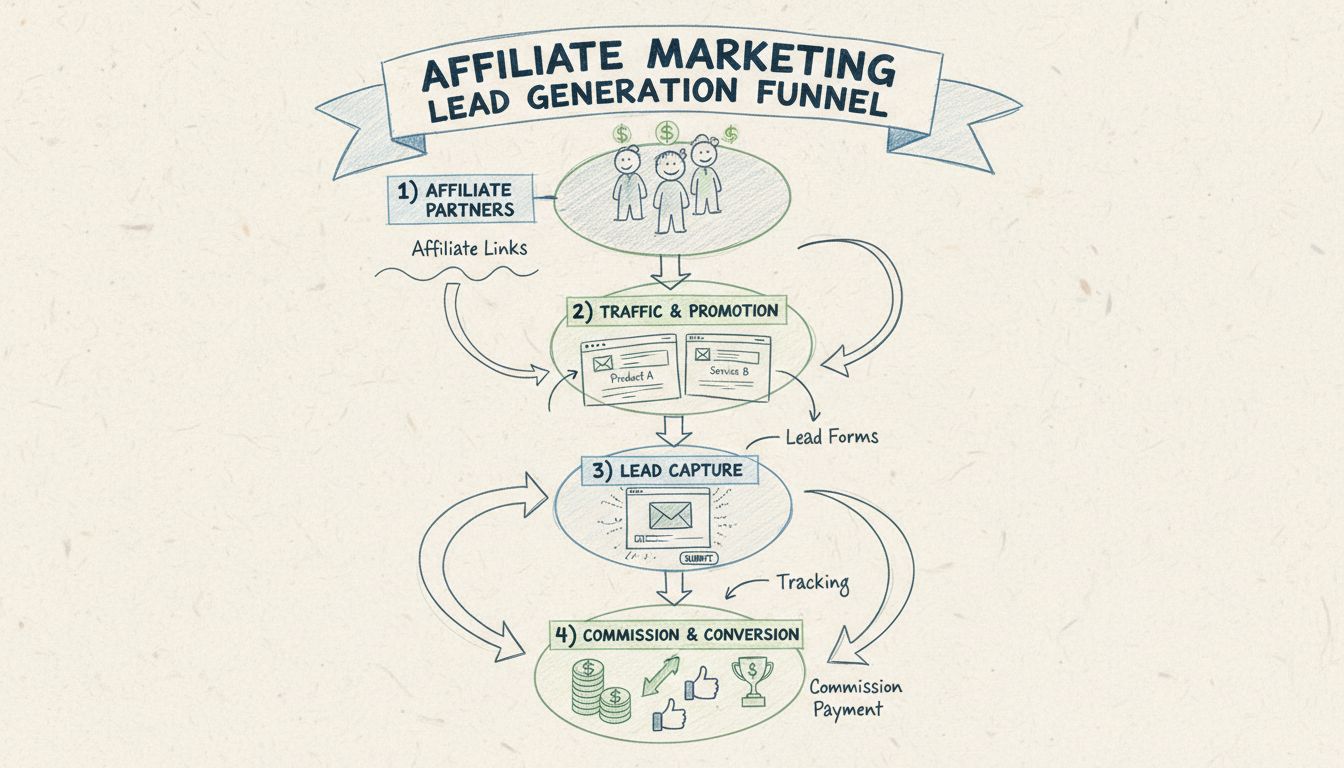
Discover how affiliate marketing functions as a powerful lead generation tool. Learn about CPA models, affiliate partnerships, and proven strategies to generate...
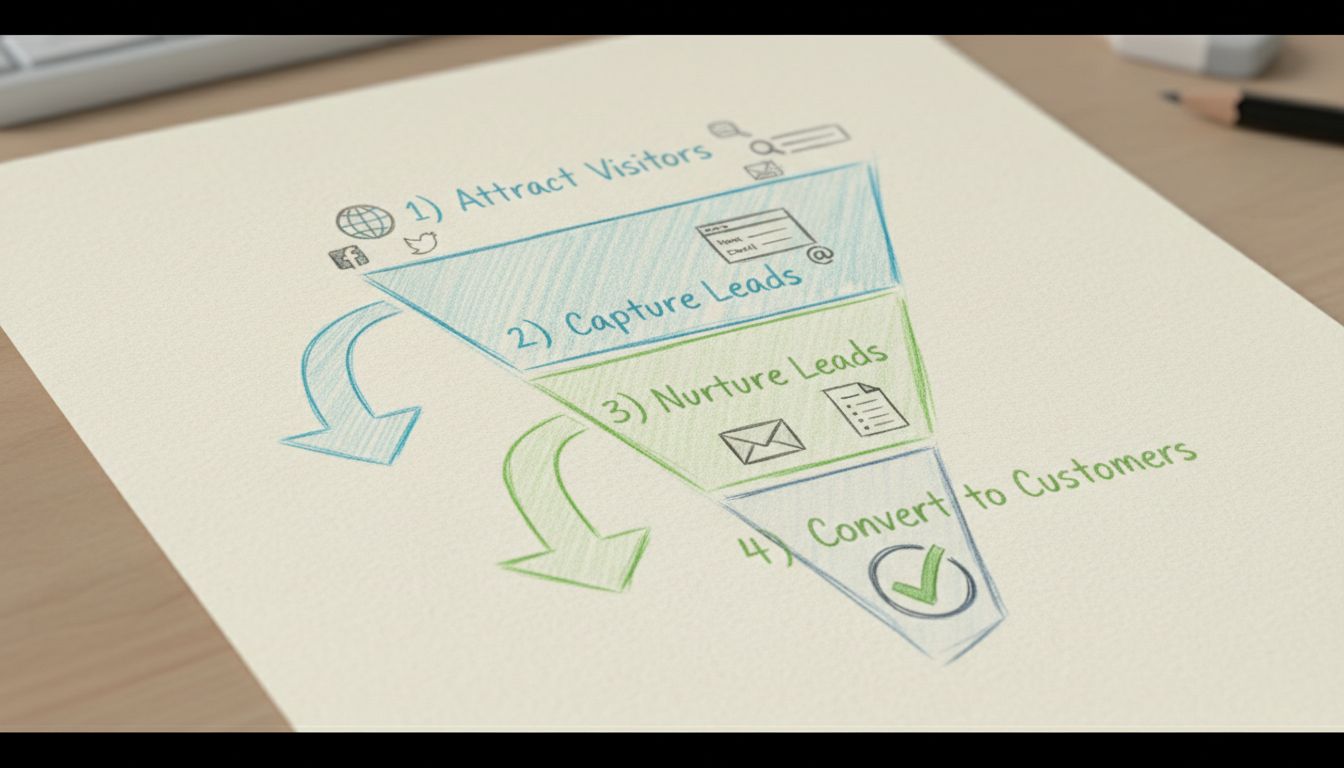
Learn what lead generation in digital marketing is, how it works, and discover proven strategies to attract and convert potential customers into qualified leads...
Join our community of happy clients and provide excellent customer support with Post Affiliate Pro.




Cookie Consent
We use cookies to enhance your browsing experience and analyze our traffic. See our privacy policy.