


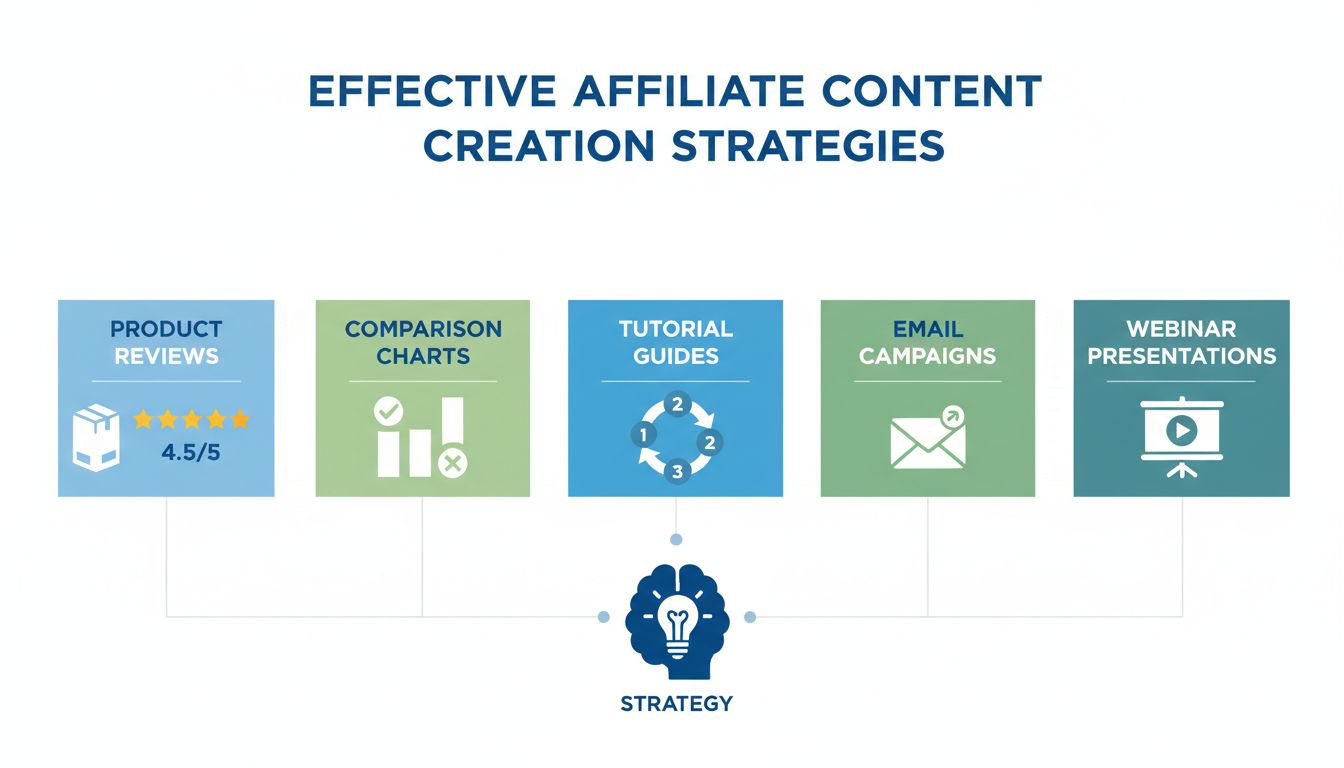
Effective Ways to Create Affiliate Content in 2025
Discover proven strategies for creating effective affiliate content including product reviews, tutorials, comparisons, and email campaigns. Learn best practices...
12 min read
Learn the recommended 80/20 content ratio for affiliate marketing success. Discover how to balance value-driven content with promotional posts to maximize engagement and revenue with PostAffiliatePro.
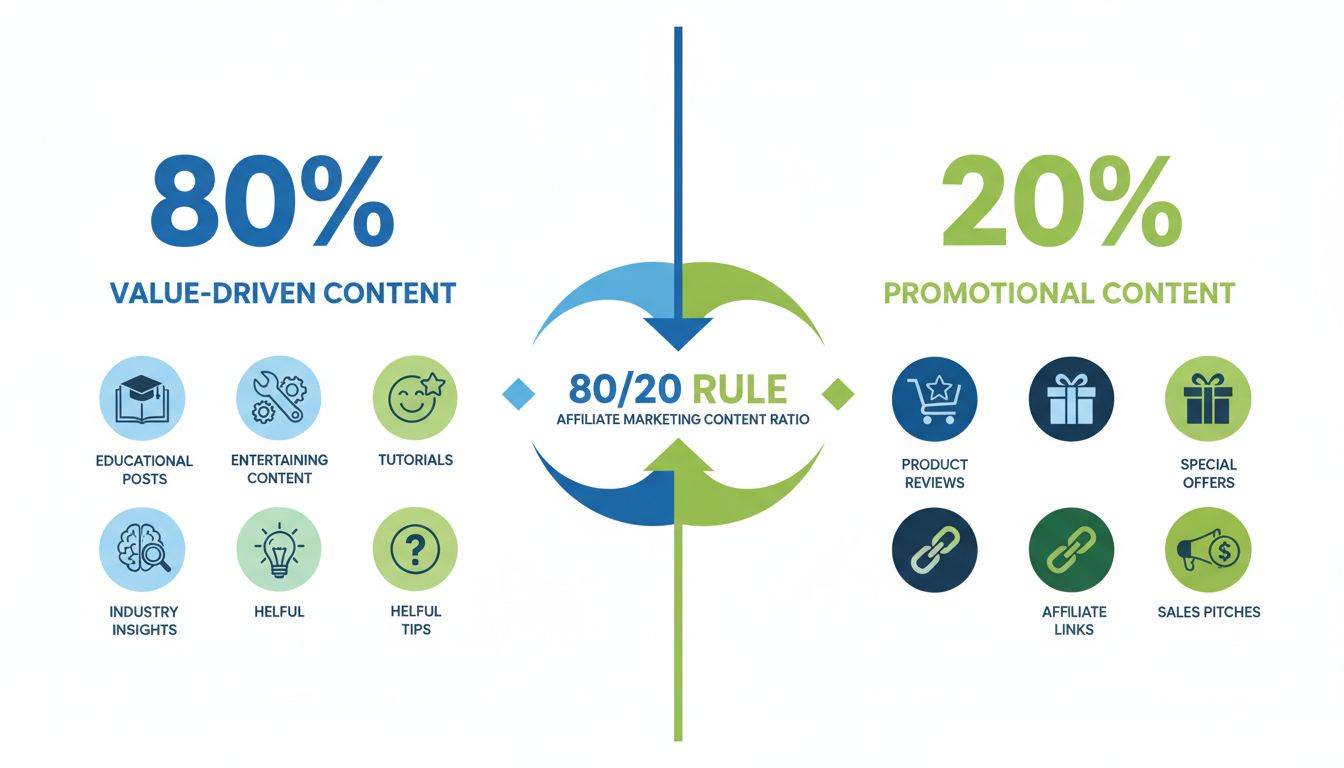
An 80/20 ratio is advised: 80% regular, informative or entertaining content, and 20% promotional affiliate content to keep your audience engaged.
The 80/20 rule, also known as the Pareto Principle when adapted for content marketing, represents one of the most effective strategies for building a sustainable and profitable affiliate marketing presence. This principle suggests that 80% of your content should focus on providing genuine value to your audience through educational, entertaining, or problem-solving material, while the remaining 20% can be dedicated to promotional affiliate content. This balanced approach recognizes a fundamental truth about social media and content consumption: audiences are not primarily on these platforms to be sold to, but rather to seek information, entertainment, and meaningful connections. By adhering to this ratio, you create a content ecosystem that builds trust, establishes authority, and ultimately drives higher conversion rates when you do promote affiliate products.
The beauty of the 80/20 rule lies in its simplicity and effectiveness across all content platforms and audience types. When you consistently deliver valuable content that addresses your audience’s pain points, answers their questions, and entertains them, you establish yourself as a trusted resource rather than just another marketer trying to make a sale. This trust becomes your most valuable asset in affiliate marketing, as audiences are significantly more likely to purchase products recommended by someone they trust and respect. The 20% promotional content then becomes highly effective because it arrives in the context of an established relationship built on value delivery.
The effectiveness of the 80/20 ratio stems from several interconnected psychological and algorithmic factors that work in your favor. First, social media algorithms actively reward content that generates high engagement, and value-driven content consistently outperforms purely promotional material in terms of likes, shares, comments, and overall reach. When you post educational content, behind-the-scenes glimpses, entertaining stories, or helpful tips, your audience naturally engages more with this material, which signals to platform algorithms that your content is valuable and worth showing to more people. This organic reach amplification means you’re not solely dependent on paid advertising to get your content in front of your target audience.
Second, the 80/20 ratio directly impacts audience retention and loyalty. Research from Global Web Index reveals that the primary reason users engage with social media is to find “funny and entertaining” content, followed by the desire to “fill up spare time” and stay connected with others. By dedicating 80% of your content to these needs, you give your audience compelling reasons to follow your brand consistently. When every other post is a sales pitch, audiences begin tuning out and may even unfollow your account. However, when promotional content appears only 20% of the time, it maintains an element of exclusivity and importance that makes users more likely to pay attention and take action when you do promote affiliate products.
| Content Type | Percentage | Purpose | Examples |
|---|---|---|---|
| Value-Driven Content | 80% | Build trust, establish authority, provide solutions | How-to guides, tutorials, industry insights, entertaining posts, tips and hacks |
| Promotional Content | 20% | Drive conversions, promote affiliate products | Product reviews, special offers, affiliate links, case studies, testimonials |
Third, the 80/20 ratio creates a sense of scarcity around your promotional messages. When your audience knows that only 20% of your content is promotional, they’re more likely to pay attention to those posts because they’re less frequent and therefore feel more intentional. This scarcity principle is a well-established psychological concept that increases perceived value and urgency. Users who encounter your promotional messages are significantly more likely to act because they understand these posts represent genuine recommendations rather than constant sales pitches.

Set up advanced tracking in minutes. No credit card required.
Different social media platforms have unique characteristics and user behaviors that require slight adjustments to how you implement the 80/20 rule, though the core principle remains consistent. On Facebook and Instagram, which are highly visual platforms, your 80% value-driven content should include infographics, behind-the-scenes glimpses of your business, user-generated content, visually appealing educational posts, and customer success stories. These platforms reward visual storytelling, so focus on creating or curating content that tells a story while providing value. Your 20% promotional content on these platforms could include product photos with compelling captions, special offer announcements, customer testimonials, and before-and-after transformations that showcase the benefits of affiliate products you recommend.
Twitter’s fast-paced nature demands a different approach to content distribution. Your 80% value-driven content should consist of sharing relevant industry articles, posting thought-provoking questions that spark conversation, offering bite-sized pieces of advice, commenting on trending topics, and engaging in meaningful discussions with your audience. The platform’s real-time nature means that timely, conversational content performs exceptionally well. Your 20% promotional tweets could highlight product features, share customer reviews and testimonials, announce time-sensitive offers, or provide exclusive discounts for your Twitter followers. The key is maintaining the same ratio while adapting the content format to match platform expectations.
LinkedIn, as a professional network, requires content that aligns with business and professional development interests. Your 80% value-driven content should include industry insights, thought leadership articles, professional development tips, career advice, company culture highlights, and educational content about your industry. LinkedIn users expect substantive, professional content that helps them advance their careers or businesses. Your 20% promotional content might showcase your company culture, highlight job openings, announce new partnerships or services, share case studies of successful implementations, or promote professional certifications and training programs. The professional context of LinkedIn means that even promotional content can be framed as valuable if it genuinely helps your audience advance professionally.
Effective implementation of the 80/20 rule requires deliberate planning and organization through a content calendar. Start by determining your posting frequency for a given period—for example, if you plan to post 20 times per month, you should aim for approximately 16 value-driven posts and 4 promotional posts. This mathematical approach ensures you maintain the ratio consistently and prevents the common mistake of posting too many promotional messages in a short period. A well-organized content calendar allows you to visualize your posting schedule, identify gaps in your content strategy, and ensure a balanced mix of content types throughout the month.
When planning your content calendar, consider strategic placement of your promotional posts. Rather than scattering them randomly throughout the month, consider aligning them with product launches, seasonal sales, special promotions, or key events in your business calendar. This strategic timing makes your promotional content feel more relevant and timely rather than arbitrary. Additionally, even within your promotional content, strive to offer some form of value. Instead of simply announcing a sale, explain how the product solves a common problem your audience faces. Instead of just promoting an affiliate product, provide a detailed review that helps your audience make an informed decision. This approach ensures that even your 20% promotional content maintains the trust and credibility you’ve built with your 80% value-driven content.
Be the first to know about new features and product updates.
Value-driven content forms the foundation of your affiliate marketing strategy and should encompass a diverse range of formats and topics that genuinely serve your audience’s interests and needs. How-to guides and tutorials are particularly effective because they directly solve problems your audience faces, positioning you as a helpful expert. These could include step-by-step instructions for using products, tutorials on industry-specific skills, or guides to solving common challenges. DIY projects and recipes work exceptionally well for lifestyle and home improvement niches, providing practical value while subtly showcasing products you might recommend. Life hacks and tips offer quick, actionable advice that audiences love to share, increasing your organic reach and establishing you as a source of practical wisdom.
Industry insights and expert commentary demonstrate your deep knowledge and help your audience stay informed about trends and developments in your field. Sharing curated news, analysis of industry changes, and expert perspectives positions you as someone who understands the landscape and can help others navigate it. User-generated content and customer testimonials provide social proof and authentic voices that resonate with audiences more than branded content alone. Aspirational photos and inspiring transformations tap into the emotional side of your audience, showing them what’s possible and creating desire for the solutions you recommend. Timely reports, industry news, and hyper-local stories keep your content fresh and relevant, giving your audience reasons to check your feed regularly for the latest information.
While promotional content represents only 20% of your output, it should be strategically crafted to maximize impact and conversions. Product reviews and detailed feature descriptions provide the information your audience needs to make purchasing decisions, especially for affiliate products. Rather than simply promoting a product, provide honest, comprehensive reviews that highlight both strengths and potential limitations, building credibility through transparency. Special offers and coupons create urgency and give your audience a compelling reason to take action now rather than later. Seasonal promotions aligned with holidays, events, or industry-specific occasions feel timely and relevant rather than forced.
Case studies and success stories demonstrate real-world results and help your audience envision themselves achieving similar outcomes with the products you recommend. Comparisons with competitor products, when done fairly and honestly, help your audience understand why you recommend specific affiliate products over alternatives. Third-party mentions and positive media coverage provide external validation of the products and services you promote. Customer reviews and testimonials from satisfied users create powerful social proof that influences purchasing decisions more effectively than any marketing message you could create yourself.
Implementing the 80/20 rule is not a set-it-and-forget-it strategy but rather an ongoing process that requires constant monitoring, analysis, and refinement. Use the analytics tools provided by your social media platforms to track the performance of different content types. Pay attention to metrics such as engagement rates (likes, comments, shares), reach, click-through rates, and ultimately, conversions and revenue generated. You may discover that certain types of value-driven content resonate more strongly with your audience than others, or that specific promotional approaches generate higher conversion rates. These insights should inform your content strategy going forward.
Different audience segments may respond differently to various content types, so consider segmenting your analytics by audience demographics, interests, and behaviors. What works exceptionally well for one segment might underperform with another. Additionally, monitor how your audience responds to different posting times, content formats, and messaging approaches. Some audiences prefer video content, while others engage more with written posts or infographics. By continuously testing and analyzing, you can optimize your content strategy to maximize both engagement and revenue. Remember that the 80/20 ratio is a guideline rather than a rigid rule—if your analysis shows that a 75/25 or 85/15 ratio works better for your specific audience and niche, adjust accordingly while maintaining the core principle of prioritizing value over promotion.
Adopting the 80/20 rule requires a fundamental shift in mindset from viewing social media primarily as an advertising platform to seeing it as a relationship-building tool. While this approach may seem counterintuitive at first, especially if you’re accustomed to more aggressive promotional tactics, the long-term benefits are substantial and measurable. By consistently offering valuable content, you build genuine trust with your audience, which translates into stronger relationships, increased brand loyalty, and ultimately, better business outcomes. When you do promote products or services, your audience is significantly more receptive because you’ve already established yourself as a valuable resource in their lives.
This approach also aligns perfectly with how modern social media algorithms function. Platforms like Facebook, Instagram, LinkedIn, and Twitter all prioritize content that generates high engagement and keeps users on the platform longer. Value-driven content naturally generates more engagement than promotional content, which means your organic reach increases, reducing your reliance on paid advertising to get your content in front of your target audience. Over time, this can result in substantial cost savings while simultaneously increasing your reach and impact. The 80/20 rule of affiliate marketing content is ultimately a philosophy that puts your audience’s needs and interests first, recognizing that sustainable business growth comes from building genuine connections and providing real value rather than from constant sales pitches.
PostAffiliatePro helps you manage and track your affiliate campaigns with precision, making it easier to maintain the perfect content balance while maximizing conversions and revenue.
Discover proven strategies for creating effective affiliate content including product reviews, tutorials, comparisons, and email campaigns. Learn best practices...
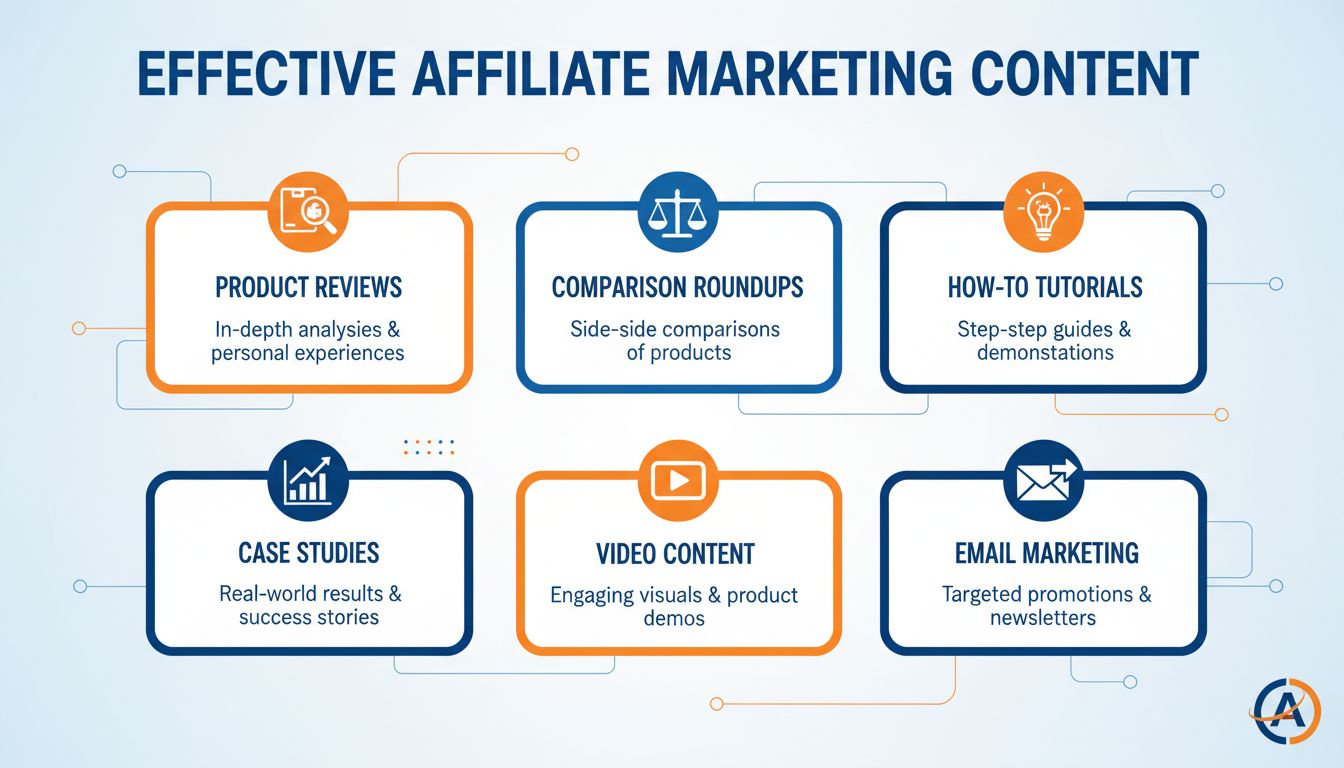
Discover the most effective affiliate marketing content types including product reviews, comparisons, tutorials, and case studies. Learn how to maximize convers...
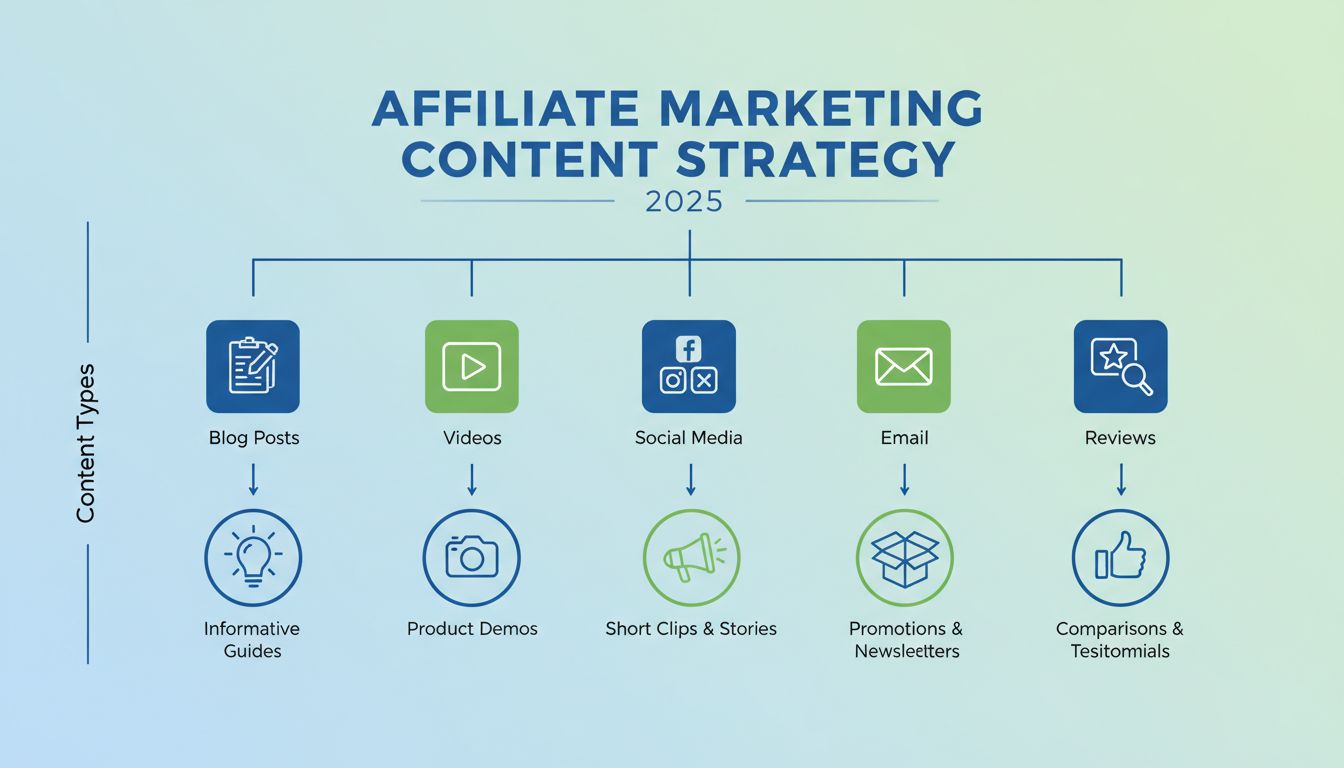
Learn how to create high-quality affiliate marketing content with proven strategies for blog posts, videos, social media, and email campaigns. Master content cr...
Join our community of happy clients and provide excellent customer support with Post Affiliate Pro.



Cookie Consent
We use cookies to enhance your browsing experience and analyze our traffic. See our privacy policy.