


How Images and Videos Help in Content Marketing Affiliates
how visual content transforms affiliate marketing. why images and videos increase engagement by 650%, boost conversions by 80%
9 min read

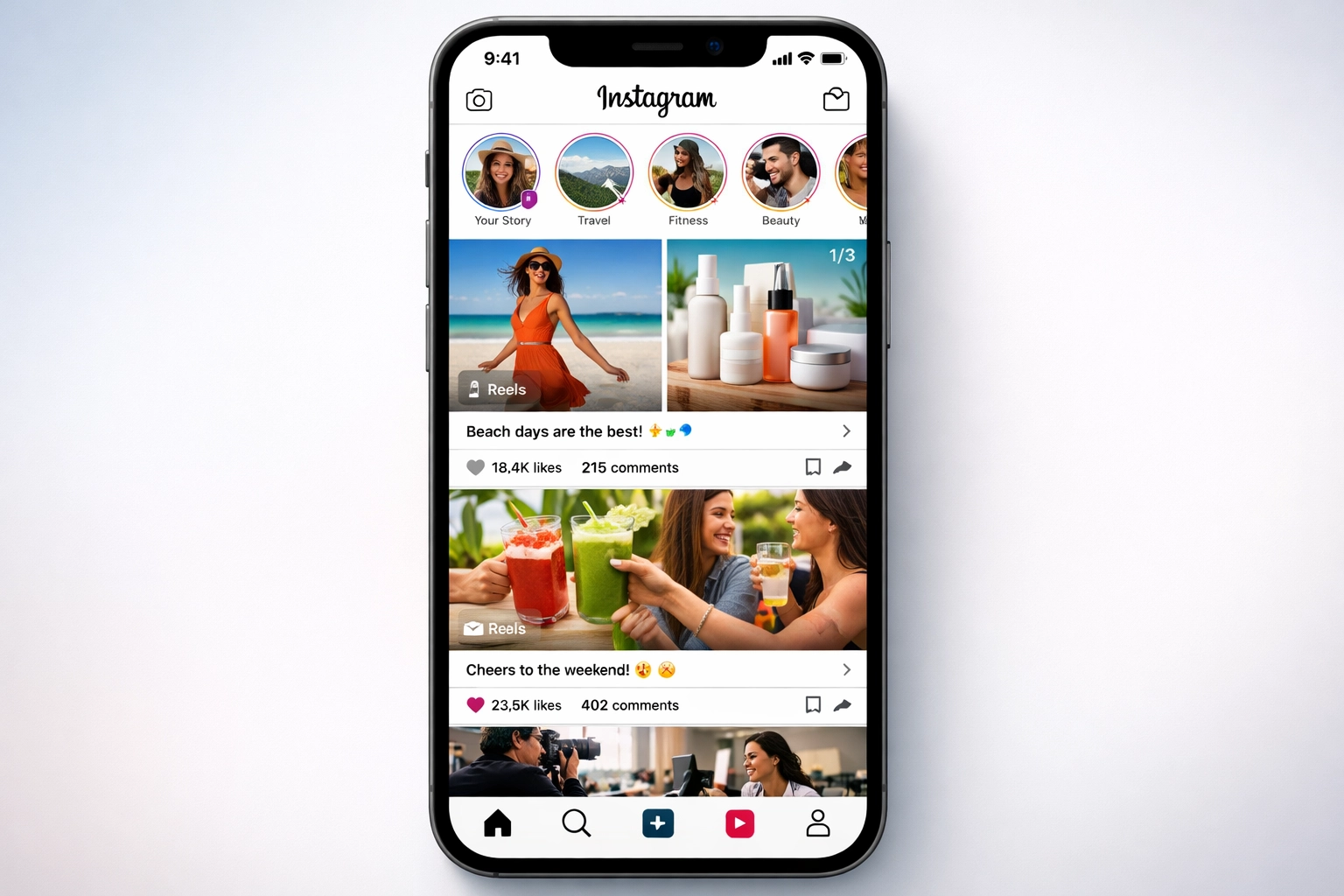
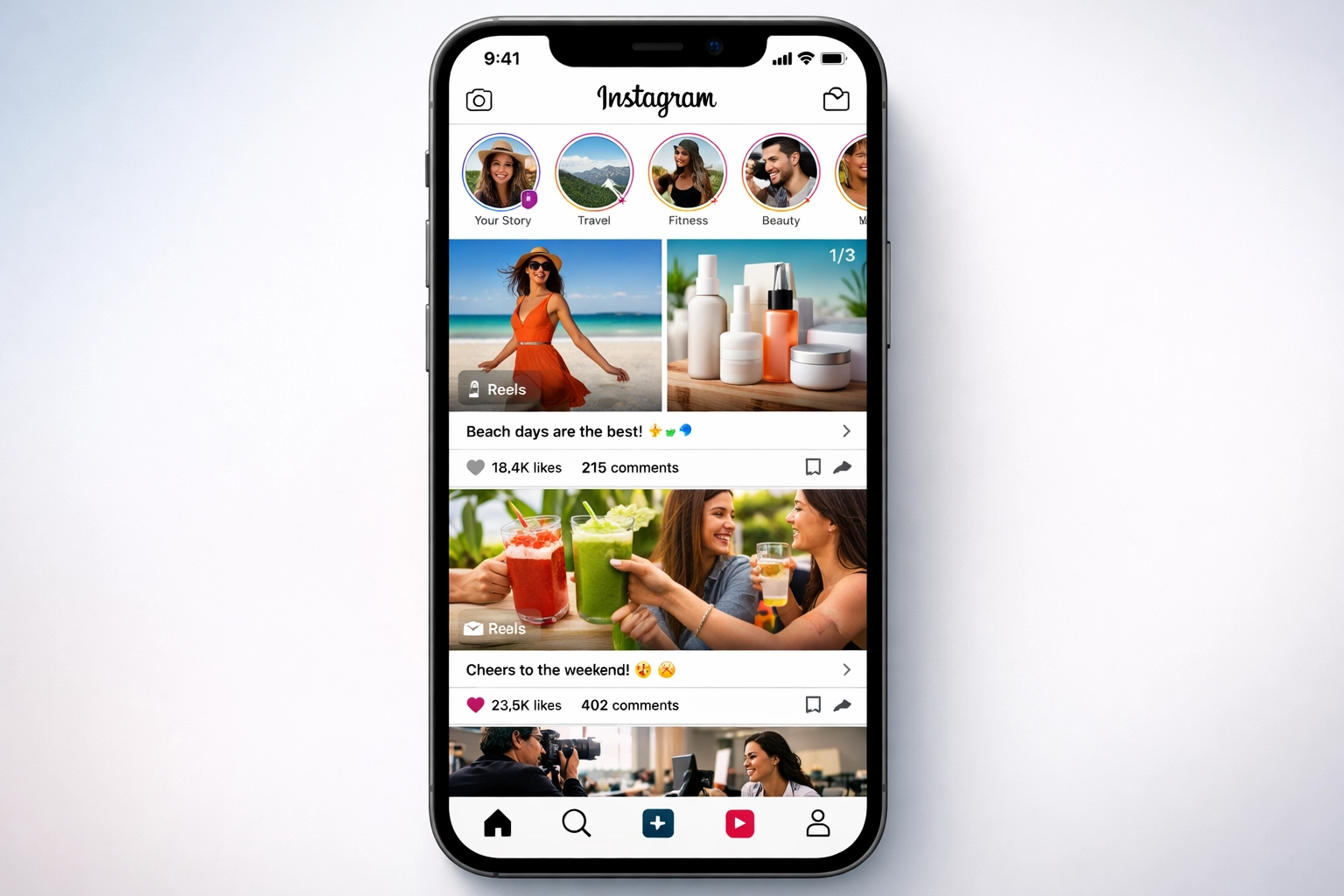
why visual content dominates Instagram and how to leverage high-quality images, videos, and design tools like Canva and Photoshop to drive engagement and
Instagram has fundamentally transformed how brands communicate with audiences, establishing itself as the ultimate visual-first platform where images and videos reign supreme. In a landscape where users scroll through hundreds of posts daily, capturing attention within seconds has become the defining challenge for marketers and affiliate promoters alike. The human brain processes visual content at remarkable speed, making images the most effective medium for breaking through the noise and stopping the endless scroll. This visual dominance isn’t accidental—it’s rooted in how our brains are wired to prioritize images over text, creating an unprecedented opportunity for brands willing to invest in quality visual content. Understanding why visual content matters on Instagram is the first step toward building a strategy that drives genuine engagement and measurable growth.
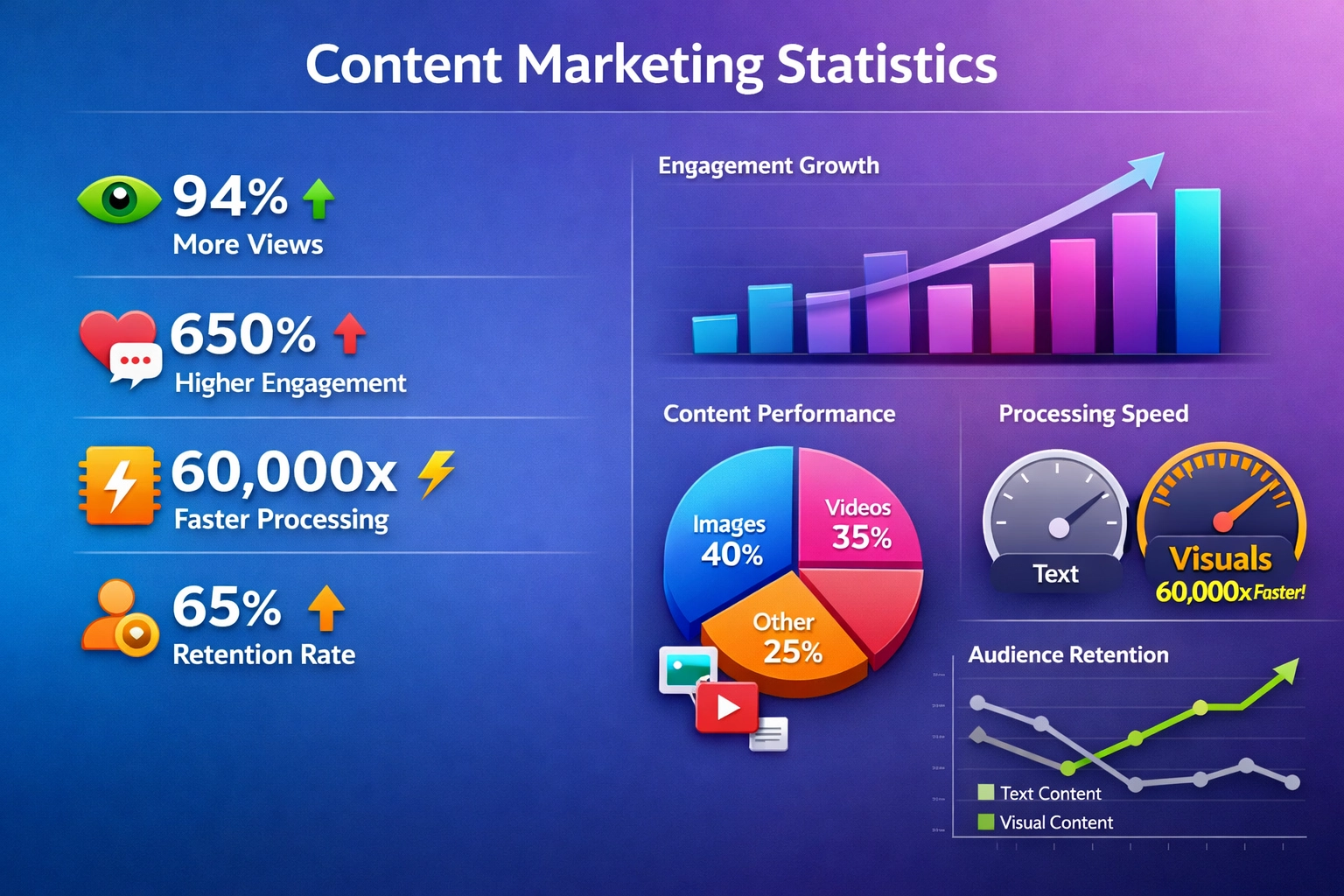
The human brain processes visual information at extraordinary speeds, with research demonstrating that visuals are processed 60,000 times faster than text, allowing images to communicate complex messages in mere fractions of a second. This neurological advantage translates directly into marketing effectiveness, where the difference between capturing attention and being scrolled past is measured in milliseconds. The Picture Superiority Effect—a well-documented psychological phenomenon—shows that people retain information significantly better when it’s presented visually rather than through text alone. Consider the dramatic difference in retention rates: after three days, people retain approximately 65% of information presented visually, compared to just 10% of text-only content. The speed advantage is equally striking: while the human eye processes an image in approximately 0.1 seconds, reading the same information in text form requires roughly 60 seconds. This scientific foundation explains why Instagram’s visual-centric algorithm rewards image-based content and why brands that prioritize visual storytelling consistently outperform their text-heavy competitors.
| Metric | Visual Content | Text-Only Content |
|---|---|---|
| Processing Speed | 0.1 seconds | 60 seconds |
| 3-Day Retention Rate | 65% | 10% |
| Processing Speed Advantage | 60,000x faster | Baseline |
| Engagement Potential | High | Low |

Set up advanced tracking in minutes. No credit card required.
Visual content doesn’t just capture attention—it fundamentally transforms how audiences interact with brands on Instagram, driving engagement rates that text-based content simply cannot match. Posts featuring high-quality images generate approximately 650% higher engagement rates compared to text-only posts, while photo-based content on Facebook achieves 2.3 times more engagement than other content types. Instagram’s algorithm actively favors visual content, prioritizing posts with images and videos in users’ feeds based on engagement signals and time spent viewing. Beyond algorithmic advantages, visuals create emotional connections that drive deeper audience relationships and increase the likelihood of shares, saves, and comments. The combination of visual appeal and emotional resonance makes image-based content inherently more shareable, extending organic reach far beyond initial followers. When audiences encounter compelling visual content, they’re more likely to take action—whether that’s visiting a link, making a purchase, or sharing the content with their networks. This engagement multiplier effect makes visual content the cornerstone of any successful Instagram marketing strategy.
Building a comprehensive Instagram strategy requires understanding the diverse visual formats available and how each serves specific marketing objectives:
• High-Quality Photos: Static images remain the foundation of Instagram content, offering simplicity and polish while allowing brands to showcase products, lifestyle moments, or behind-the-scenes glimpses that build authenticity and trust with audiences.
• Reels and Videos: Short-form video content captures attention through motion and storytelling, with Instagram’s algorithm heavily favoring reels, making them essential for reaching new audiences and driving higher engagement rates.
• Carousel Posts: Multi-image posts allow brands to tell more complex stories, showcase product variations, or provide step-by-step tutorials, encouraging users to swipe through and spend more time engaging with content.
• Stories: Ephemeral content creates urgency and authenticity, allowing brands to share real-time updates, behind-the-scenes moments, and interactive elements like polls and questions that drive direct engagement.
• Infographics: Data-driven visual content transforms complex information into digestible, shareable formats that educate audiences while positioning brands as industry authorities.
• User-Generated Content (UGC): Customer photos and testimonials provide authentic social proof, reduce production costs, and build community by featuring real people using products.
• Behind-the-Scenes Content: Transparent, unpolished glimpses into brand operations humanize companies, build trust, and create emotional connections that drive loyalty and advocacy.
Be the first to know about new features and product updates.
A cohesive visual identity transforms Instagram from a collection of random posts into a recognizable brand presence that audiences instantly identify and trust. Color psychology plays a crucial role in this process, with specific color palettes triggering emotional responses and creating instant brand recognition—consistent use of your brand colors across all posts reinforces this psychological connection. Applying the same filters or editing style to every post builds visual consistency that trains audiences to recognize your content even while scrolling quickly, establishing trust through predictability and professionalism. This aesthetic coherence extends beyond individual posts to your entire feed, where a unified visual theme creates a gallery-like experience that encourages profile visits and follower growth. Tools like Lightroom presets, Canva brand kits, and dedicated editing apps enable brands to maintain consistency effortlessly, ensuring every post reflects your brand’s personality and values. When audiences see consistent visual branding across your Instagram presence, they develop stronger brand recall and are more likely to remember your products or services when making purchasing decisions. The investment in visual identity consistency pays dividends through increased recognition, trust, and ultimately, conversion rates.

Creating professional-quality visual content doesn’t require expensive equipment or advanced design degrees—the right tools democratize content creation and enable brands of all sizes to produce stunning visuals. Canva stands out as the most accessible option for beginners and busy marketers, offering thousands of Instagram-optimized templates, drag-and-drop functionality, and built-in brand kit features that ensure consistency across all designs. Adobe Photoshop remains the gold standard for advanced designers and brands requiring pixel-perfect control, offering unlimited customization possibilities and professional-grade editing capabilities for complex visual projects. GIMP provides a free, open-source alternative to Photoshop, delivering powerful editing tools without the subscription cost, making it ideal for budget-conscious brands willing to invest time in learning the platform. Bannersnack specializes in quick, template-based design for social media, allowing rapid creation of multiple variations for A/B testing without requiring design expertise. The key to choosing the right tool lies in matching your team’s skill level, budget, and content volume requirements—beginners should start with Canva, while established brands with design teams may benefit from Photoshop’s advanced capabilities. Regardless of which tool you select, consistency in using the same platform ensures your visual output maintains a unified aesthetic that strengthens brand recognition.
Creating beautiful visuals means nothing if they don’t display properly on the devices where audiences view them, making technical optimization essential for Instagram success. Instagram’s mobile-first environment demands that all images be optimized for smartphone screens, with recommended dimensions of 1080 x 1350 pixels for feed posts, 1080 x 1920 for stories, and 1080 x 1080 for square content ensuring your visuals display perfectly across all devices. File size optimization directly impacts loading speed—compressing images to under 8MB without sacrificing quality ensures fast loading times that prevent users from scrolling past before your content fully renders. Mobile optimization extends beyond dimensions to consider how text, logos, and key visual elements appear on small screens, requiring strategic placement of important elements in the center of the frame where they remain visible regardless of device. Platform-specific requirements vary slightly between Instagram feed posts, stories, reels, and carousel posts, necessitating a systematic approach to resizing and formatting content for each format. Investing time in understanding these technical specifications prevents wasted effort on beautifully designed content that fails to display properly, ensuring every post reaches audiences in its intended form. The combination of proper dimensions, optimized file sizes, and mobile-first design thinking transforms good visuals into high-performing content that drives engagement and conversions.
User-generated content represents one of the most powerful yet underutilized assets in Instagram marketing, offering authenticity that polished brand content simply cannot replicate. Authentic customer photos and testimonials build trust at a level that professional marketing materials struggle to achieve, as audiences inherently trust recommendations from real people using products over branded messaging. Encouraging customers to share their experiences with your products reduces production costs dramatically while simultaneously building community and making customers feel valued as brand ambassadors. The social proof generated by UGC—seeing real people enjoying your products—directly influences purchasing decisions, with studies showing that user-generated content increases conversion rates significantly compared to brand-created content alone. Featuring customer content on your main feed and stories creates a virtuous cycle where customers feel recognized and motivated to continue engaging with your brand, turning one-time buyers into loyal advocates. Implementing hashtag campaigns, tagging customers, and reposting their content with proper credit encourages participation while building a library of authentic visual assets. The combination of reduced production burden, increased authenticity, and community building makes user-generated content an essential component of any Instagram strategy focused on sustainable growth and genuine audience relationships.

Creating beautiful visual content means little without understanding how audiences respond to it, making analytics and performance tracking essential for continuous improvement. Key engagement metrics including likes, comments, shares, and saves reveal which visual styles resonate most with your audience, providing data-driven insights for future content decisions. Reach and impressions metrics show how far your visual content travels beyond your immediate followers, with higher numbers indicating that Instagram’s algorithm is actively promoting your content to new audiences. Click-through rates (CTR) directly connect visual content to affiliate marketing success, revealing which images and designs most effectively drive audiences toward conversion-focused actions like clicking links or visiting landing pages. Conversion tracking through UTM parameters and affiliate software like PostAffiliatePro enables precise measurement of how visual content translates into actual sales and commissions, closing the gap between engagement metrics and revenue. A/B testing different visual styles, color palettes, and content formats provides empirical evidence of what works best for your specific audience, allowing you to allocate resources toward highest-performing content types. Regular analysis of these metrics transforms Instagram from a guessing game into a data-driven channel where every visual decision is informed by audience behavior and conversion data.
Visual content has evolved from a nice-to-have element into a non-negotiable foundation of successful Instagram marketing, particularly for affiliate promoters seeking to drive conversions and build sustainable income streams. The science is clear: audiences process visuals faster, retain information longer, and engage more deeply with image-based content, making visual strategy the primary lever for driving traffic and sales through Instagram. A strategic approach to visual content—combining consistent branding, diverse content formats, technical optimization, and data-driven refinement—transforms your Instagram presence from a casual social media account into a conversion-generating asset. For affiliate marketers specifically, the connection between compelling visual content and sales is direct and measurable, with high-quality images and videos serving as the bridge between audience attention and affiliate link clicks. Platforms like PostAffiliatePro provide the tracking and analytics infrastructure needed to measure exactly how visual content drives affiliate conversions, enabling you to optimize your visual strategy based on actual revenue data. By treating visual content as a strategic priority rather than an afterthought, affiliate marketers can build Instagram presences that consistently drive traffic, generate conversions, and create sustainable passive income through affiliate commissions.
Visual content is processed 60,000 times faster than text by the human brain, and people retain 65% of information presented visually after three days compared to just 10% for text-only content. Instagram's algorithm actively prioritizes image and video content, making visuals essential for reaching and engaging your audience.
Instagram feed posts should be 1080 x 1350 pixels, stories should be 1080 x 1920 pixels, and square content should be 1080 x 1080 pixels. These dimensions ensure your visuals display perfectly across all devices and maintain quality without unnecessary file size.
Consistency matters more than frequency. Most successful brands post 3-5 times per week, but the key is maintaining a regular schedule that your audience can rely on. Use a content calendar to plan posts in advance and ensure consistent visual branding across all uploads.
While you can repurpose content, each platform has different optimal dimensions and formats. Instagram feed posts, stories, and reels all require different aspect ratios. It's best to create platform-specific versions of your visual content to ensure optimal display and engagement on each channel.
Use consistent color palettes (3-5 colors), apply the same filters or editing presets to all photos, maintain consistent typography, and use brand kits in tools like Canva. Tools like Lightroom presets and Canva brand kits automate consistency, ensuring every post reflects your brand identity.
Track engagement metrics (likes, comments, shares, saves), reach and impressions, click-through rates for links, and conversion rates for affiliate links. Use Instagram Analytics and affiliate tracking software like PostAffiliatePro to connect visual content performance directly to revenue and sales.
User-generated content often outperforms branded content because it provides authentic social proof and builds trust. Studies show that customers are more likely to make purchases when they see real people using products. The combination of UGC and branded content creates the most effective strategy.
Canva is the best choice for beginners due to its user-friendly interface, thousands of templates, and built-in brand kit features. For more advanced editing, Photoshop offers unlimited customization, while GIMP provides a free alternative. Bannersnack specializes in quick social media design without requiring design expertise.
PostAffiliatePro provides the tracking and analytics infrastructure you need to measure exactly how your visual content drives affiliate conversions and revenue.
how visual content transforms affiliate marketing. why images and videos increase engagement by 650%, boost conversions by 80%
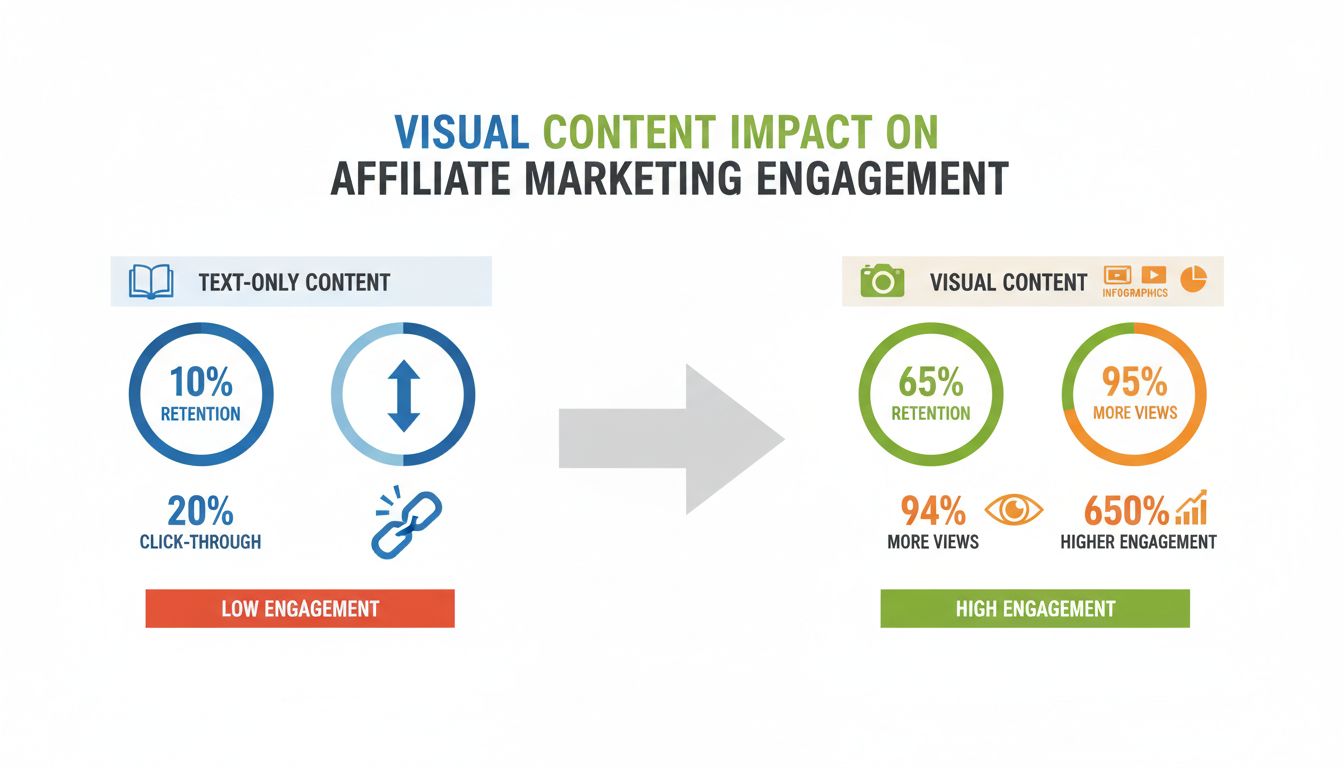
Discover why visual content is crucial for affiliate marketing success. Learn how images, videos, and infographics boost engagement, conversions, and ROI in 202...

when to stick with your Instagram strategy and when to optimize. 2025 algorithm changes, ranking signals, and practical optimization workflows to maximize
Join our community of happy clients and provide excellent customer support with Post Affiliate Pro.




Cookie Consent
We use cookies to enhance your browsing experience and analyze our traffic. See our privacy policy.