



What is eCommerce Affiliate Marketing?
Learn what eCommerce affiliate marketing is, how it works, and why it's the top customer acquisition channel for 40% of US merchants. Discover commission struct...
11 min read

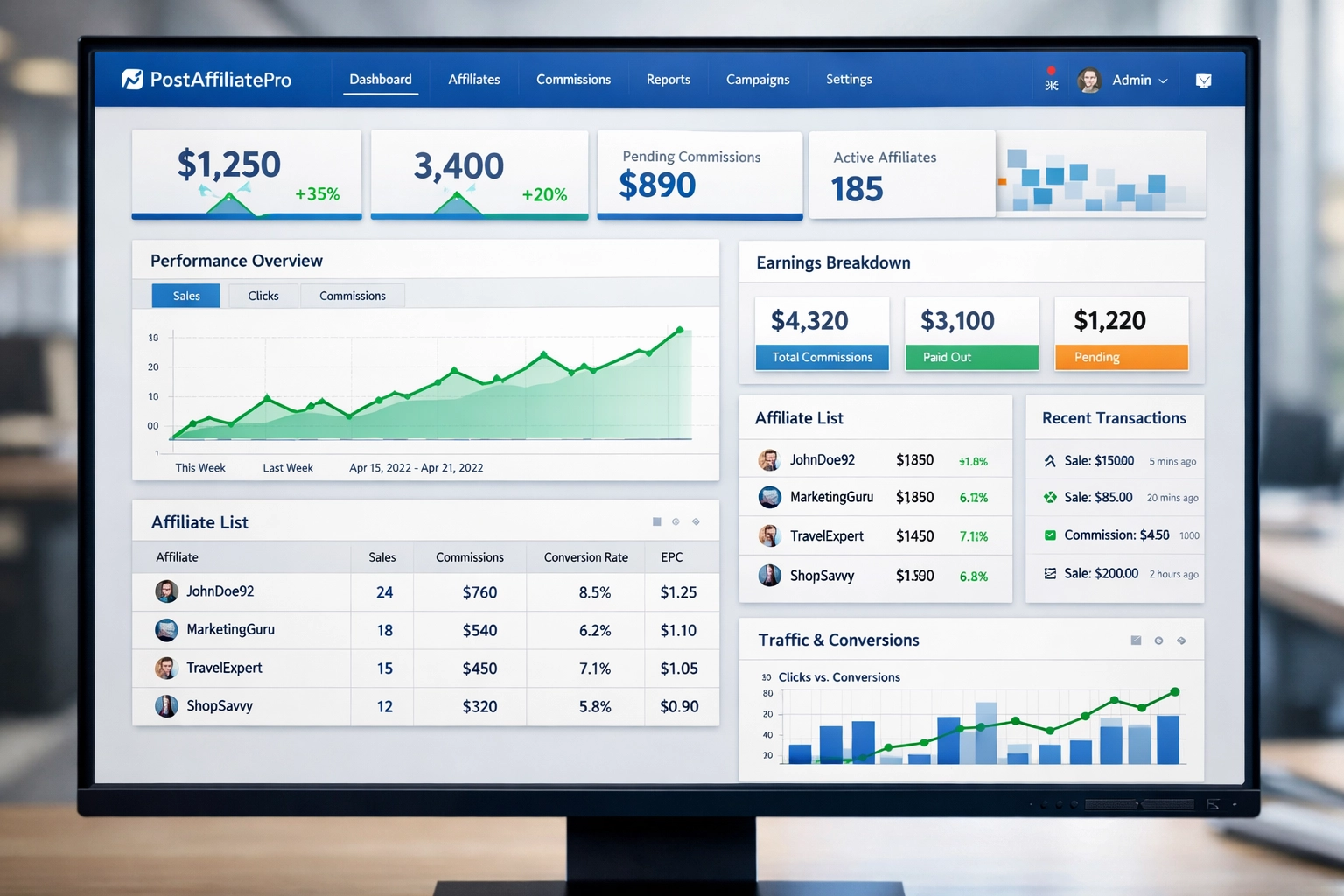
Discover why affiliates aren’t promoting your online store and learn proven strategies to boost affiliate engagement, increase commissions, and drive sales with PostAffiliatePro.
Affiliate marketing has become one of the most cost-effective customer acquisition channels for online retailers, yet many store owners struggle to attract and retain quality affiliates who actively promote their products. The reality is that affiliate marketing success isn’t automatic—it requires strategic planning, genuine support, and compelling incentives to motivate partners to invest their time and resources into promoting your brand. If you’re wondering why your affiliate program isn’t gaining traction, the answer likely lies in one or more critical gaps that are preventing affiliates from seeing your store as a worthwhile opportunity.

The affiliate marketing industry has experienced explosive growth over the past decade, with businesses increasingly recognizing it as a performance-based marketing powerhouse that delivers measurable ROI. According to industry data, affiliate marketing generates significant revenue across multiple sectors, with eCommerce leading the charge at 80% adoption rates among online retailers. However, not all affiliate programs are created equal, and the disparity between thriving programs and struggling ones reveals important patterns about what works and what doesn’t.
| Metric | Industry Average | Top Performers |
|---|---|---|
| Affiliate Program Adoption | 45% | 80%+ |
| Average Affiliate Earnings | $500-$2,000/month | $5,000-$15,000+/month |
| Commission Rates | 5-15% | 15-30% |
| Program Success Rate | 35% | 75%+ |
The data shows a stark reality: only 5% of affiliates generate 80% of the promotional activity, meaning most programs are heavily dependent on a small core of high-performers. This concentration of effort highlights a critical problem—the majority of recruited affiliates become inactive or underperforming, suggesting that something in the program structure, support system, or incentive model is failing to engage them. Understanding why affiliates disengage is the first step toward building a program that attracts, motivates, and retains quality partners who genuinely want to promote your products.

Set up advanced tracking in minutes. No credit card required.
One of the most common reasons affiliates abandon their promotional efforts is the absence of meaningful support from the merchant. Many online store owners recruit affiliates and then essentially leave them to fend for themselves, providing minimal guidance, marketing materials, or assistance when challenges arise. Affiliates who feel neglected quickly lose motivation, especially when they’re competing with other programs that offer comprehensive support systems and readily available resources.
Effective affiliate programs provide their partners with a robust toolkit that includes professionally designed banners, product images, email templates, social media content, and detailed product descriptions. Without these resources, affiliates must create their own promotional materials from scratch, which is time-consuming and often results in lower-quality marketing that underperforms. Additionally, affiliates need access to responsive support channels where they can ask questions, report technical issues, and receive guidance on optimization strategies. When merchants fail to provide this level of support, affiliates naturally gravitate toward competing programs that do, leaving your store with a shrinking pool of active promoters.
Commission structure is perhaps the most direct factor influencing affiliate motivation, yet many merchants underestimate its importance in attracting quality partners. Offering commission rates below industry standards—typically 5-10% when competitors offer 15-30%—sends a clear message to potential affiliates that your products aren’t worth their promotional effort. Affiliates are rational actors who evaluate opportunity cost; if they can earn significantly more promoting a competitor’s products, they will naturally prioritize those programs.
The problem is compounded when merchants fail to implement tiered commission structures that reward top performers with higher rates as they hit sales milestones. This approach not only incentivizes affiliates to increase their promotional efforts but also creates a sense of progression and achievement that keeps them engaged long-term. Additionally, many programs fail to offer performance bonuses, seasonal incentives, or exclusive rewards for hitting specific targets. When affiliates see that their earnings plateau regardless of how hard they work, they lose the motivation to optimize their campaigns. The most successful affiliate programs recognize that competitive compensation isn’t an expense—it’s an investment in sustainable growth that pays dividends through increased sales volume and program stability.
Be the first to know about new features and product updates.
Affiliates cannot effectively promote products they don’t fully understand, yet many merchants provide only basic product descriptions and specifications without the deeper context that helps affiliates craft compelling marketing messages. When affiliates lack clear information about product benefits, unique selling propositions, target audiences, and competitive advantages, their promotional efforts become generic and ineffective. This knowledge gap directly translates to lower conversion rates, which discourages affiliates from continuing their efforts.
Successful affiliate programs provide comprehensive product guides, benefit-focused descriptions, customer testimonials, and use-case examples that help affiliates understand not just what the product is, but why customers should buy it. Affiliates need to know the product’s origin story, quality standards, customer satisfaction metrics, and how it solves specific problems for target audiences. When merchants invest time in educating their affiliates about product value, affiliates become genuine advocates rather than mere link-pushers, and their promotional content naturally becomes more persuasive and conversion-focused.
The affiliate marketing space attracts individuals with vastly different skill levels, from seasoned digital marketers to complete beginners who are just starting their online business journey. Many merchants fail to recognize that inexperienced affiliates need structured training and guidance to succeed, treating all partners as if they already possess advanced marketing knowledge. This assumption leads to high dropout rates among newer affiliates who feel overwhelmed and unsupported.
Effective affiliate programs implement onboarding training that covers fundamental marketing principles, platform navigation, best practices for content creation, and strategies for driving qualified traffic. This training should be accessible in multiple formats—video tutorials, written guides, webinars, and one-on-one coaching—to accommodate different learning styles. Additionally, merchants should provide ongoing education about new products, market trends, and optimization techniques that help affiliates continuously improve their performance. When affiliates receive proper training and feel equipped to succeed, they’re significantly more likely to remain active and committed to the program. The investment in affiliate education directly correlates with program retention rates and overall revenue generation.
Affiliate motivation extends far beyond commission rates; it’s deeply rooted in how valued and connected affiliates feel to the merchant and the broader affiliate community. Many merchants treat affiliate relationships as transactional rather than relational, failing to create the emotional investment that transforms casual promoters into passionate brand advocates. This transactional approach inevitably leads to disengagement and program attrition.
Building genuine engagement requires consistent, meaningful communication and recognition strategies:
When merchants implement these engagement strategies, affiliates transition from passive link-sharers to active community members who feel personally invested in the program’s success and their own growth within it.

A fundamental but often overlooked reason affiliates fail to promote effectively is misalignment between your products and their audience. An affiliate with a fitness-focused blog or social media following will struggle to generate meaningful sales for beauty products, regardless of how motivated they are or how good your commission rates are. When merchants recruit affiliates without considering audience fit, they inevitably end up with partners who cannot authentically promote their products.
The solution lies in strategic affiliate recruitment that prioritizes audience alignment over sheer numbers. Rather than accepting every applicant, successful programs carefully evaluate potential affiliates’ audiences, content quality, and promotional channels to ensure genuine fit with the product catalog. This selective approach results in fewer but higher-quality affiliates who can authentically promote your products to engaged, relevant audiences—ultimately driving better conversion rates and sustainable program growth.
Affiliates need transparent, real-time visibility into their performance metrics and earnings to stay motivated and make data-driven optimization decisions. When tracking systems are unreliable, reporting is delayed, or metrics are unclear, affiliates lose confidence in the program and question whether they’re being fairly compensated for their efforts. This lack of transparency is a major driver of affiliate disengagement and program abandonment.
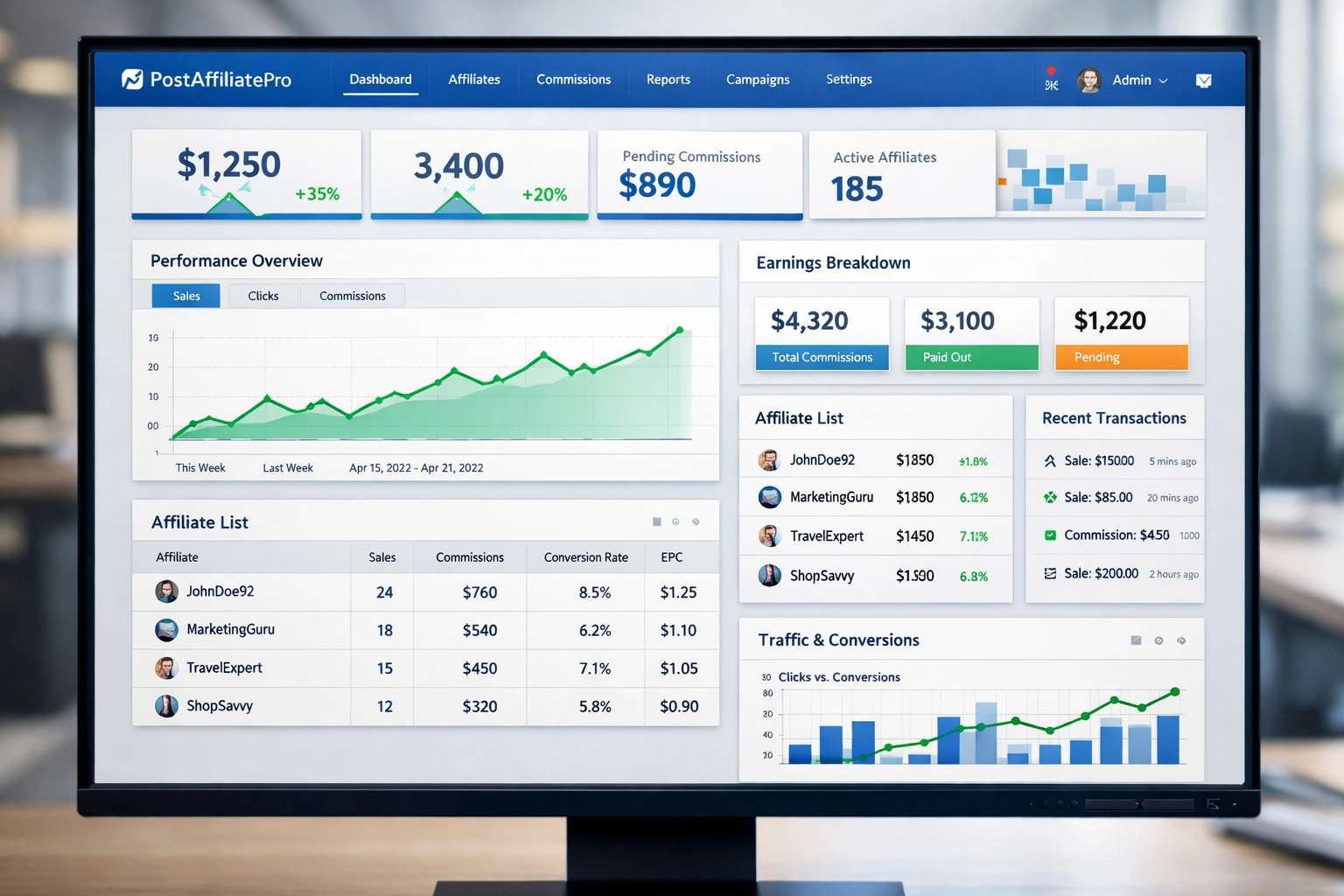
Effective affiliate programs provide comprehensive dashboards that display key performance indicators including click-through rates (CTR), conversion rates, customer lifetime value (CLV), earnings per click (EPC), and total commission earned. Additionally, merchants should maintain cookie durations of at least 15-30 days to ensure affiliates receive credit for sales that result from their promotional efforts, even if the purchase doesn’t occur immediately. Regular, detailed reporting builds trust and allows affiliates to identify which promotional strategies work best, enabling them to optimize their campaigns for better results. When affiliates can see exactly how their efforts translate to earnings and understand the mechanics of how they’re being compensated, they’re far more likely to remain engaged and continuously improve their performance.
Addressing the challenges outlined above requires a comprehensive, strategic approach to affiliate program management that goes far beyond simply recruiting partners and hoping they promote your products. The most successful online retailers implement integrated affiliate management systems that combine attractive incentives, robust support, clear communication, and transparent tracking into a cohesive program architecture. This holistic approach transforms affiliate marketing from a passive revenue channel into an active growth engine.
Implementing a dedicated affiliate management platform like PostAffiliatePro provides the technological foundation necessary to execute these best practices at scale. PostAffiliatePro offers sophisticated commission management with support for tiered structures, automated payouts, and flexible reward configurations that allow merchants to create truly competitive compensation packages. The platform’s comprehensive tracking and reporting capabilities ensure that every click, conversion, and commission is accurately recorded and transparently reported to affiliates, building the trust necessary for long-term engagement. Additionally, PostAffiliatePro provides built-in communication tools, performance dashboards, and affiliate management features that streamline recruitment, onboarding, and ongoing support.
Beyond software selection, successful programs implement strategic best practices including regular affiliate communication, performance recognition programs, exclusive promotional opportunities, comprehensive training resources, and community-building initiatives. Merchants should establish clear performance expectations, provide detailed product information and marketing materials, and maintain responsive support channels where affiliates can ask questions and receive guidance. By combining the right technology platform with thoughtful program strategy and genuine commitment to affiliate success, merchants can transform their affiliate programs from underperforming channels into significant revenue drivers that attract and retain quality partners.
The question “Why aren’t affiliates promoting your online store?” rarely has a single answer—instead, it typically reflects a combination of gaps in support, incentives, communication, and program infrastructure that collectively discourage affiliates from investing their time and resources into your brand. By systematically addressing these challenges through improved commission structures, comprehensive support systems, transparent tracking, and genuine engagement, merchants can build affiliate programs that attract quality partners and generate sustainable growth. The investment required to transform an underperforming affiliate program into a thriving one is modest compared to the revenue potential of a well-executed strategy, making affiliate program optimization one of the highest-ROI initiatives available to online retailers. Start by evaluating your current program against the best practices outlined in this guide, identify your most critical gaps, and implement solutions that demonstrate to your affiliates that you’re genuinely committed to their success.
The average affiliate commission rate ranges from 5-30%, depending on industry, product price, and company priorities. Most successful programs start at 10-15% and increase rates as they grow. Research your competitors' rates to ensure your program remains competitive and attractive to quality affiliates.
Regular communication is essential for affiliate engagement. Most successful programs send monthly newsletters with product updates, promotional tips, and success stories. Additionally, provide responsive support channels for questions and maintain personalized feedback on individual performance to keep affiliates motivated and informed.
A comprehensive affiliate management platform like PostAffiliatePro is essential. You'll need tracking and attribution software, commission management tools, performance dashboards, communication platforms, and fraud prevention systems. These tools automate operations and provide the transparency affiliates need to stay engaged.
Focus on recruiting affiliates whose audiences align with your products rather than simply pursuing large follower counts. Target existing satisfied customers, industry experts, and niche creators. Provide clear program information, competitive commission rates, and demonstrate genuine commitment to affiliate success through support and resources.
Key metrics include click-through rate (CTR), conversion rate, customer lifetime value (CLV), earnings per click (EPC), total commission paid, and return on investment (ROI). Focus on 1-3 critical metrics initially rather than overwhelming yourself with data. Regular monitoring helps identify top performers and optimization opportunities.
Industry standard cookie durations range from 15-30 days, with 30 days being more attractive to affiliates as it provides a larger window for conversions. Longer cookie durations show that you value affiliate efforts and increase the likelihood that affiliates will receive credit for sales resulting from their promotions.
Yes, tiered commission structures are highly effective for motivating affiliate performance. They reward top performers with higher rates as they hit sales milestones, creating incentive for continuous improvement. Progressive, retroactive, or status-based tiers all work—choose the structure that aligns with your business model and affiliate base.
Implement fraud detection systems within your affiliate platform, carefully vet applicants before approval, establish clear promotional guidelines, monitor suspicious activity patterns, and maintain transparent communication with affiliates. Use affiliate management software like PostAffiliatePro that includes built-in fraud prevention features and detailed tracking.
PostAffiliatePro provides everything you need to attract, motivate, and retain quality affiliates. With advanced commission management, transparent tracking, and comprehensive support tools, you can build an affiliate program that drives real results.
Learn what eCommerce affiliate marketing is, how it works, and why it's the top customer acquisition channel for 40% of US merchants. Discover commission struct...

the top reasons why affiliates may not be promoting your online store and learn actionable solutions to increase engagement, improve support
Discover why affiliates aren't promoting your online store and learn proven solutions. Address lack of support, low commissions, unclear products, and more with...
Join our community of happy clients and provide excellent customer support with Post Affiliate Pro.




Cookie Consent
We use cookies to enhance your browsing experience and analyze our traffic. See our privacy policy.