


What is a Micro-Influencer? Definition, Benefits & Strategy Guide
Learn what micro-influencers are, how they differ from macro-influencers, and why they deliver superior engagement rates and ROI for affiliate marketing campaig...
11 min read

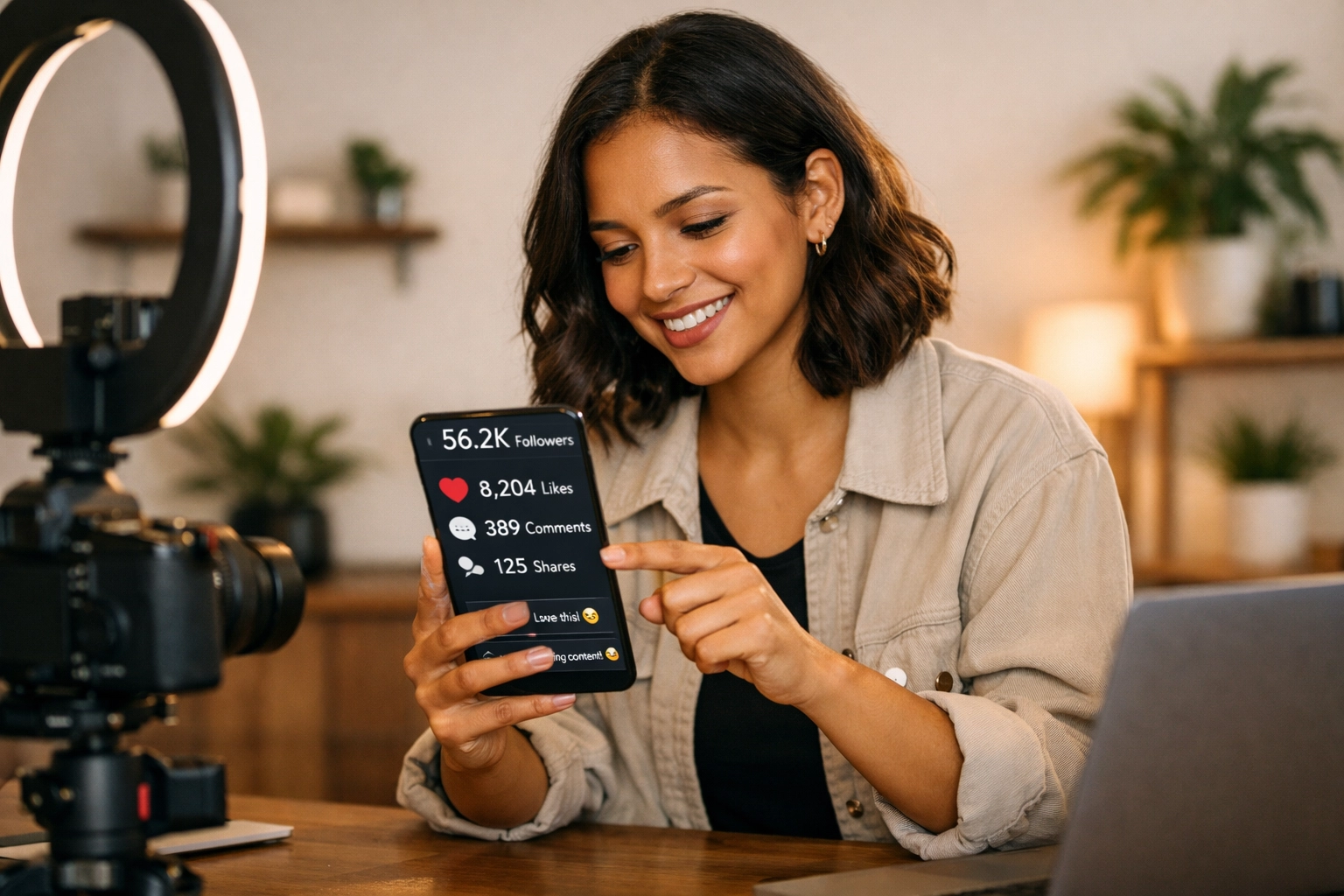
Learn what micro-influencers are, why they drive 60% higher engagement, and how to leverage them for affiliate marketing success with PostAffiliatePro.
A micro-influencer is a social media content creator with a follower count typically ranging between 10,000 and 100,000 across platforms like Instagram, TikTok, YouTube, or Twitter. Unlike celebrities or mega-influencers who cast a wide net, micro-influencers have cultivated highly engaged audiences within specific niches—whether that’s fitness, sustainable fashion, tech reviews, or parenting. What sets them apart is their authenticity and relatability; their followers see them as peers rather than distant celebrities, creating a foundation of trust that translates into genuine engagement and influence over purchasing decisions. In 2025, micro-influencers have become the preferred choice for brands seeking meaningful connections with their target audiences, as consumers increasingly value honest recommendations over polished, commercialized content.
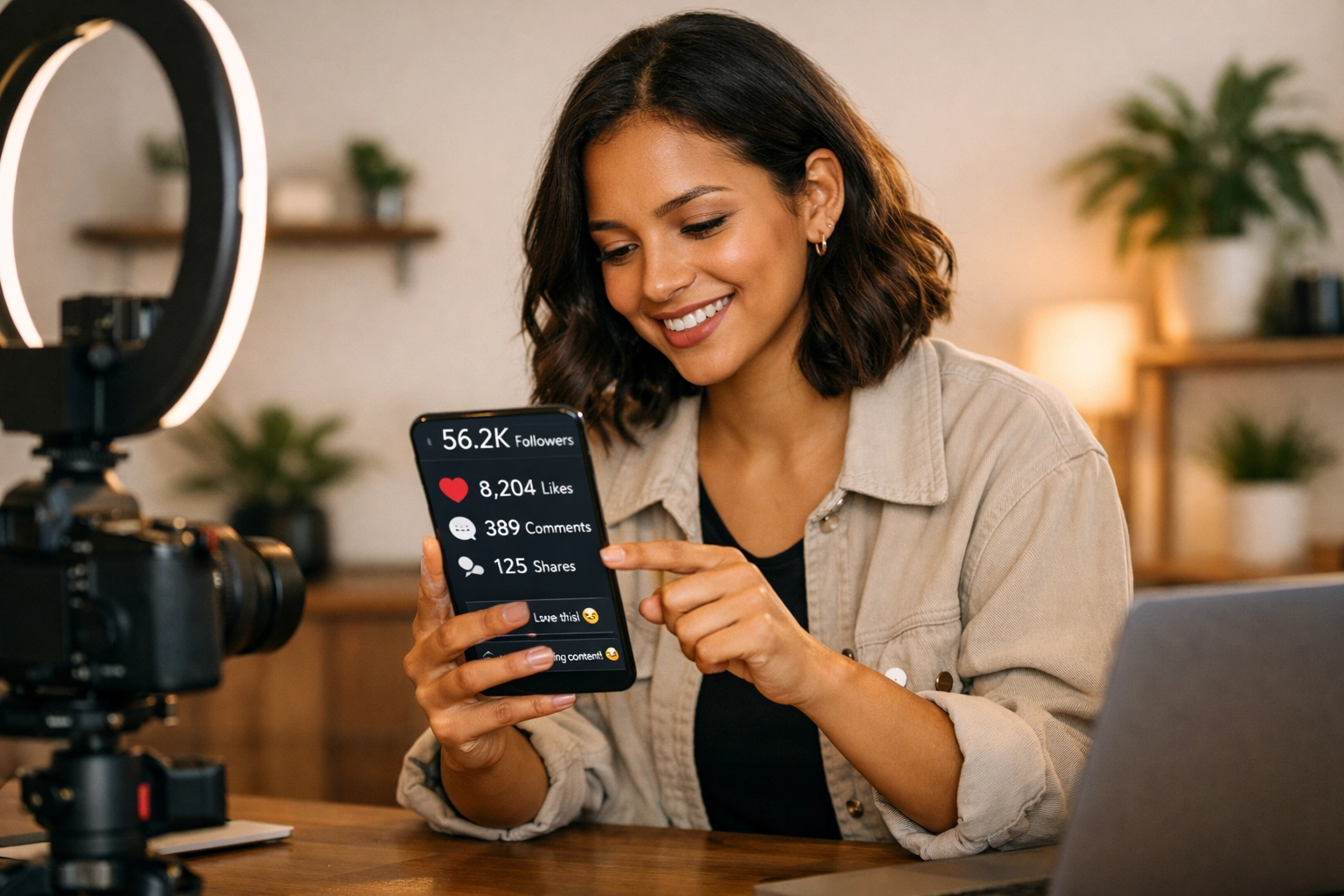
The influencer landscape is diverse, with each tier offering distinct advantages and challenges. Here’s how micro-influencers compare to other categories:
| Influencer Type | Follower Range | Avg Engagement Rate | Cost Level | Best For |
|---|---|---|---|---|
| Nano-Influencers | 1K-10K | 2.71% | Very Low | Hyper-niche targeting, grassroots campaigns |
| Micro-Influencers | 10K-100K | 1.81% | Low-Moderate | Niche targeting, authentic endorsements |
| Mid-tier Influencers | 50K-100K | 1.24% | Moderate | Broader reach with decent engagement |
| Macro-Influencers | 100K-1M | 0.61-0.87% | High | Mass awareness campaigns |
| Mega-Influencers | 1M+ | 0.68-0.94% | Very High | Celebrity endorsements, viral reach |
The data reveals a striking pattern: micro-influencers deliver 46% higher engagement rates than mid-tier influencers and significantly outperform macro and mega-influencers. While larger influencers offer broader reach, they sacrifice the intimate connection that drives conversions. Micro-influencers strike the optimal balance between reach and engagement, making them the most cost-effective choice for brands with limited budgets seeking maximum impact.

Set up advanced tracking in minutes. No credit card required.
The superior engagement rates of micro-influencers stem from a psychological principle called “perceived similarity”—their followers view them as relatable figures who share their values, interests, and lifestyle. Because micro-influencers focus on specific niches, they build deep expertise and credibility within their communities, making their recommendations feel like advice from a trusted friend rather than a paid advertisement. This authenticity is crucial in an era where consumers are increasingly skeptical of traditional marketing; when a micro-influencer endorses a product, their audience believes it’s because they genuinely use and love it. Research shows that micro-influencers generate up to 60% higher engagement rates compared to their larger counterparts, with some achieving engagement rates between 25% and 50% per post. This heightened engagement translates directly into better brand awareness, higher conversion rates, and more meaningful customer relationships.
Partnering with micro-influencers offers multiple strategic advantages that make them an increasingly popular choice for brands of all sizes:
Cost-Effectiveness: Working with multiple micro-influencers often costs significantly less than a single collaboration with a macro or mega-influencer. This budget flexibility allows brands to diversify their campaigns and test different niches without breaking the bank.
Superior Engagement Rates: With engagement rates averaging 1.81% (compared to 0.61-0.94% for macro-influencers), micro-influencers deliver more meaningful interactions. Their audiences actively engage through comments, shares, and discussions, amplifying your brand message organically.
Niche Audience Access: Micro-influencers have deep connections within specific communities, providing access to hard-to-reach market segments. Whether you’re targeting eco-conscious consumers, fitness enthusiasts, or tech early-adopters, there’s a micro-influencer perfectly aligned with your audience.
Authentic Brand Advocacy: Because micro-influencers maintain smaller, more personal relationships with their followers, their endorsements carry genuine weight. Their audiences trust their recommendations, leading to higher conversion rates and customer loyalty.
Local Market Penetration: Hyperlocal micro-influencers can help brands establish strong connections within specific geographic regions, making them invaluable for businesses with regional operations or those seeking to expand into new markets.
Be the first to know about new features and product updates.
Finding the perfect micro-influencer partner requires a strategic approach beyond simply searching for follower counts. Start by defining your campaign goals clearly—are you aiming for brand awareness, lead generation, or direct sales? This clarity will guide your entire selection process. Next, search within your niche by identifying influencers whose content aligns with your industry and values; a fitness brand should partner with fitness enthusiasts, not fashion bloggers. Rather than fixating on follower counts, prioritize engagement rates by analyzing likes, comments, and shares relative to their audience size—a micro-influencer with 30,000 highly engaged followers is far more valuable than one with 100,000 passive followers. Leverage influencer marketing platforms like Social Cat, Upfluence, or GRIN, which allow you to filter by niche, engagement rate, and audience demographics. Finally, verify authenticity by examining their comment sections to ensure they have genuine human followers, not bots, and that they actively engage with their community.
Successful micro-influencer partnerships require more than just a transactional approach. Build relationships first by genuinely engaging with their content before reaching out—follow them, comment thoughtfully, and demonstrate authentic interest in their work. When proposing collaborations, co-create authentic content rather than dictating exactly what they should post; micro-influencers know their audience best and will create more compelling content when given creative freedom. Set clear expectations from the start, outlining deliverables, timelines, compensation, and any brand guidelines, but avoid being overly restrictive. The data shows that gifted collaborations deliver 12.9% more engagement than paid partnerships, making them an excellent option for budget-conscious brands. Consider building long-term partnerships rather than one-off deals; recurring collaborations allow influencers to become genuine brand advocates and their audiences to develop trust in the partnership. Throughout the collaboration, monitor performance metrics including engagement rates, click-through rates, and conversions to understand what’s working and refine your approach for future campaigns.
Several brands have achieved remarkable results by leveraging micro-influencer strategies. Bloom Nutrition, a wellness brand, created a viral TikTok campaign by partnering with micro-influencers in the fitness and health space who seamlessly integrated their greens supplement into daily routines—from morning rituals to post-workout recovery. The campaign generated massive engagement and significantly boosted product sales by tapping into an audience already interested in wellness. Glossier, the minimalist makeup brand, built a powerful brand ambassador program featuring micro-influencers, each receiving personalized landing pages showcasing their favorite products and personal beauty stories. This approach created intimate connections between influencers and consumers, driving both brand loyalty and repeat purchases. Chamberlain Coffee, owned by YouTuber Emma Chamberlain, strategically partners with micro-influencers whose aesthetic and values align with the brand’s minimalist, natural vibe. By prioritizing visual alignment and authentic partnerships over sheer reach, they’ve carved out a significant niche in the competitive coffee market. These examples demonstrate that success comes from finding influencers whose audiences genuinely align with your brand, not from chasing the largest follower counts.
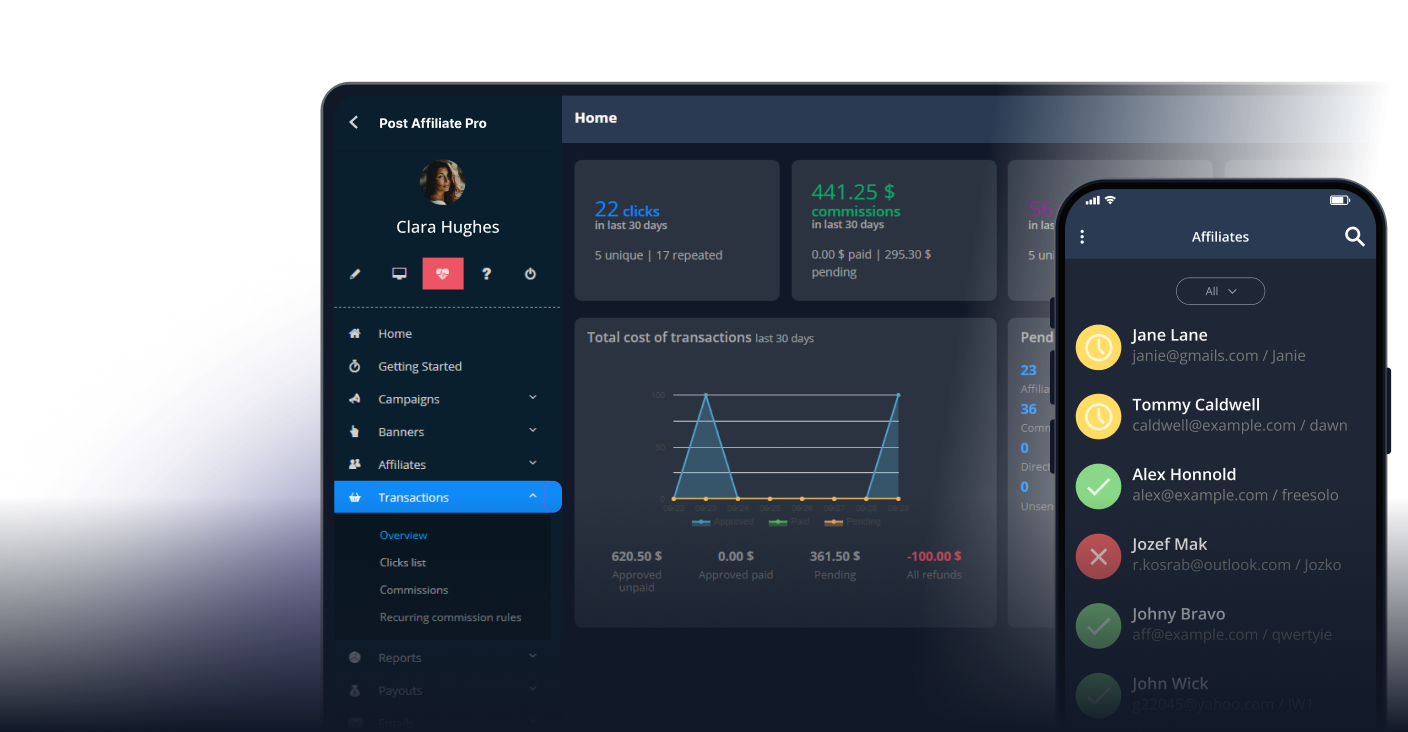
Micro-influencers represent a goldmine for affiliate marketing programs, offering brands a scalable way to expand their reach through trusted voices. Unlike traditional advertising, affiliate partnerships with micro-influencers align incentives perfectly—influencers earn commissions based on actual sales or conversions they drive, ensuring they’re motivated to promote products authentically. Managing multiple micro-influencer partnerships requires robust infrastructure, which is where PostAffiliatePro emerges as the top solution for brands. PostAffiliatePro’s comprehensive platform enables you to track every influencer’s performance in real-time, attribute sales accurately to specific partners, and manage commission structures effortlessly. The software supports unlimited affiliate relationships, allowing you to build a network of micro-influencers across different niches without operational complexity. With features like automated commission calculations, detailed performance analytics, and customizable tracking links, PostAffiliatePro transforms micro-influencer affiliate programs from a logistical nightmare into a streamlined, profitable channel. Brands using PostAffiliatePro report higher influencer retention rates and better ROI because the platform makes it easy to pay commissions accurately and transparently, building trust with your influencer partners.
Not all content performs equally in micro-influencer campaigns, and understanding what resonates with audiences is crucial for success. Carousel posts deliver the highest engagement rates at 2.62%, outperforming single images (2.14%) and Reels (2.03%), likely because they encourage users to swipe through and spend more time with the content. More importantly, content that seamlessly integrates products into natural narratives performs 89.93% more engaging than direct advertising—audiences respond to authentic storytelling, not obvious sales pitches. Encourage your micro-influencer partners to avoid heavy-handed calls-to-action; research shows that content without explicit CTAs generates 70% better engagement because it feels more genuine and less commercial. Faceless content (product demonstrations, lifestyle shots, or voiceover videos without the influencer visible) actually outperforms videos featuring the influencer, suggesting audiences care more about the product and its benefits than the creator’s face. The key is creating content that feels like a natural part of the influencer’s feed—something their followers would expect to see—rather than obviously sponsored material that disrupts their content experience.
Measuring the success of micro-influencer campaigns requires a multi-faceted approach that goes beyond simple vanity metrics. Track engagement rates, reach, impressions, click-through rates, and conversion metrics to understand how effectively each influencer drives results. One critical finding: campaigns with niche alignment between influencer and product see 13.59% higher engagement and 81.39% more views, underscoring the importance of strategic partner selection. Similarly, campaigns that specify a target audience achieve 20.92% more engagement than those without clear audience definition, highlighting the value of precision targeting. Use UTM parameters and unique tracking links for each influencer to accurately attribute sales and conversions, ensuring you understand which partnerships deliver the best ROI. Beyond immediate sales metrics, consider long-term brand building benefits like increased brand awareness, customer lifetime value, and audience growth. Tools like PostAffiliatePro provide comprehensive dashboards that consolidate all this data, allowing you to see exactly which micro-influencers drive the most valuable customers and which campaigns warrant increased investment. By combining quantitative metrics with qualitative feedback from your audience, you’ll develop a clear picture of your micro-influencer program’s true impact on your business.
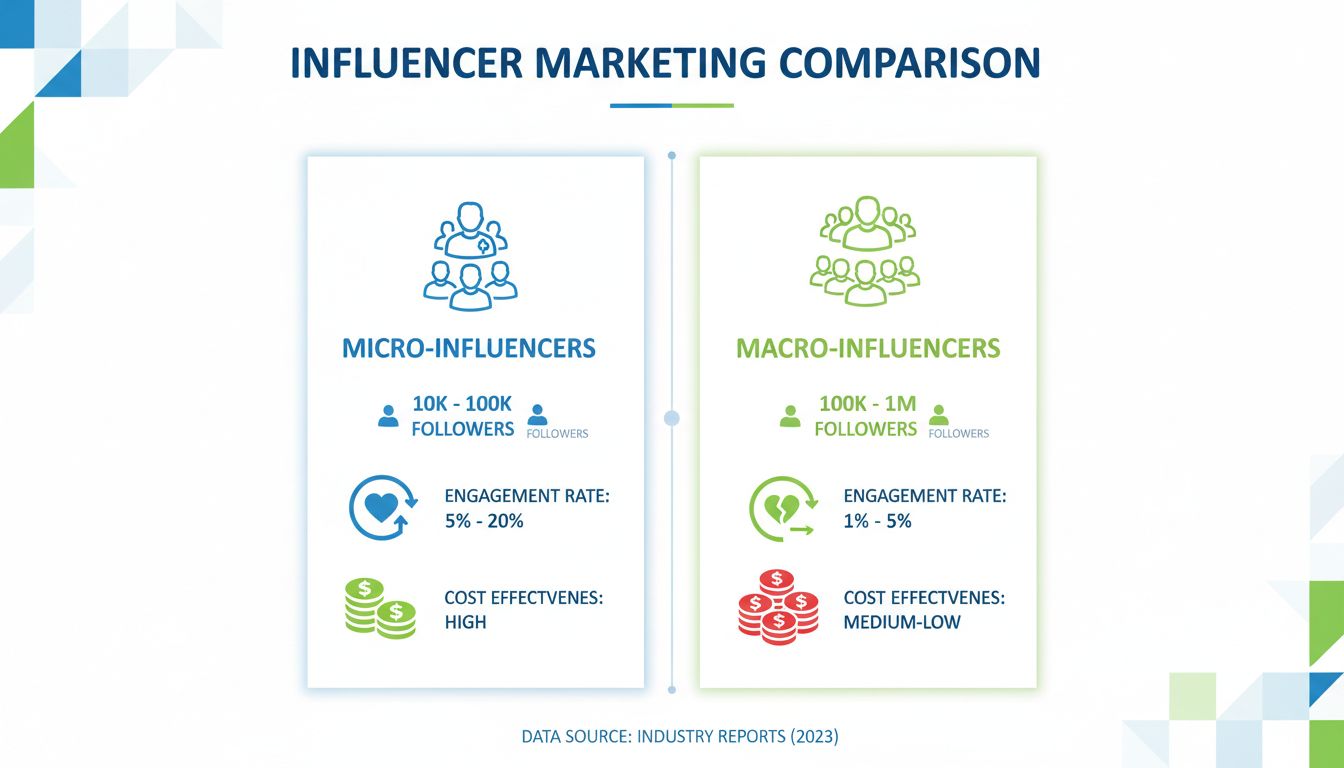
Micro-influencers have 10,000-100,000 followers and achieve 1.81% average engagement rates, while macro-influencers have 100,000-1 million followers with only 0.61-0.87% engagement. Micro-influencers offer better engagement and authenticity at a fraction of the cost, making them ideal for niche targeting and conversion-focused campaigns.
Micro-influencer costs vary widely based on niche, engagement rate, and follower count, typically ranging from $500 to $5,000 per post. However, gifted collaborations (providing free products) deliver 12.9% more engagement than paid partnerships, making them a cost-effective alternative for budget-conscious brands.
Micro-influencers excel in niche industries including fitness and wellness, sustainable fashion, beauty and skincare, tech products, food and beverage, parenting, and lifestyle brands. Any industry with passionate, engaged communities can leverage micro-influencers effectively.
Track engagement rates, reach, impressions, click-through rates, and conversion metrics. Campaigns with niche alignment see 13.59% higher engagement and 81.39% more views. Use unique tracking links and UTM parameters for each influencer to accurately attribute sales and ROI.
Yes, micro-influencers are ideal for affiliate programs because their audiences trust their recommendations. PostAffiliatePro enables you to manage unlimited micro-influencer affiliates with real-time tracking, automated commission calculations, and detailed performance analytics.
Use influencer marketing platforms like Social Cat, Upfluence, or GRIN to filter by niche, engagement rate, and audience demographics. Manually search hashtags and keywords relevant to your industry, then analyze engagement rates and audience authenticity before reaching out.
Authenticity comes from giving influencers creative freedom, seamlessly integrating products into natural content narratives, and avoiding heavy-handed sales language. Content without explicit CTAs generates 70% better engagement because it feels genuine rather than obviously sponsored.
Long-term partnerships (3-6 months or recurring campaigns) are more effective than one-off collaborations. Recurring relationships allow influencers to become genuine brand advocates, build audience trust in the partnership, and deliver better results over time.
Manage unlimited affiliate influencer partnerships with real-time tracking, automated commissions, and detailed performance analytics. PostAffiliatePro makes it easy to build a profitable network of micro-influencers.
Learn what micro-influencers are, how they differ from macro-influencers, and why they deliver superior engagement rates and ROI for affiliate marketing campaig...

Discover why micro-influencers outperform celebrities in affiliate marketing campaigns. Learn about engagement rates, cost-effectiveness, niche targeting, and c...
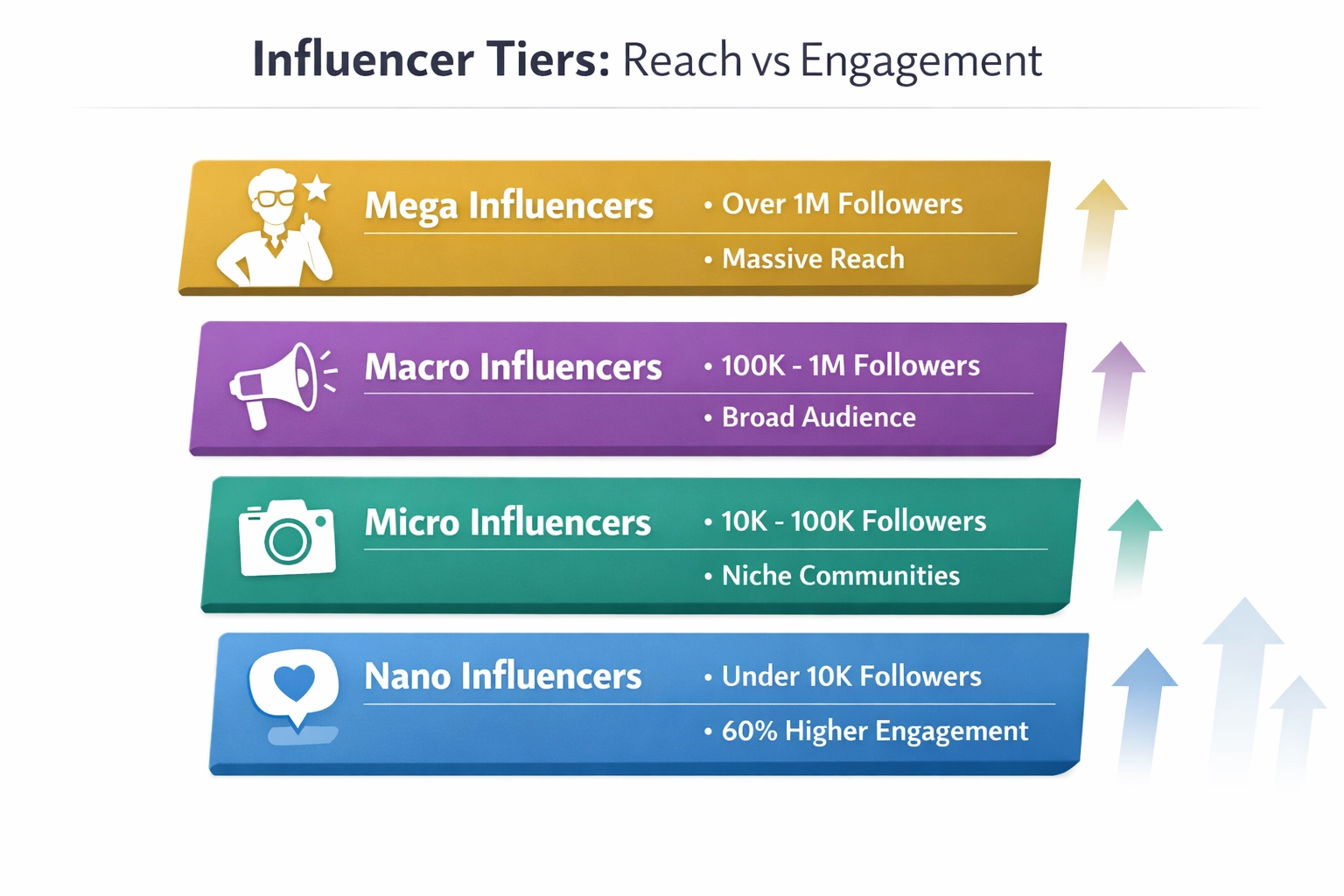
why micro and nano influencers drive higher engagement, better conversions, and superior ROI for affiliate marketing campaigns. proven strategies for 2026.
Join our community of happy clients and provide excellent customer support with Post Affiliate Pro.



Cookie Consent
We use cookies to enhance your browsing experience and analyze our traffic. See our privacy policy.