


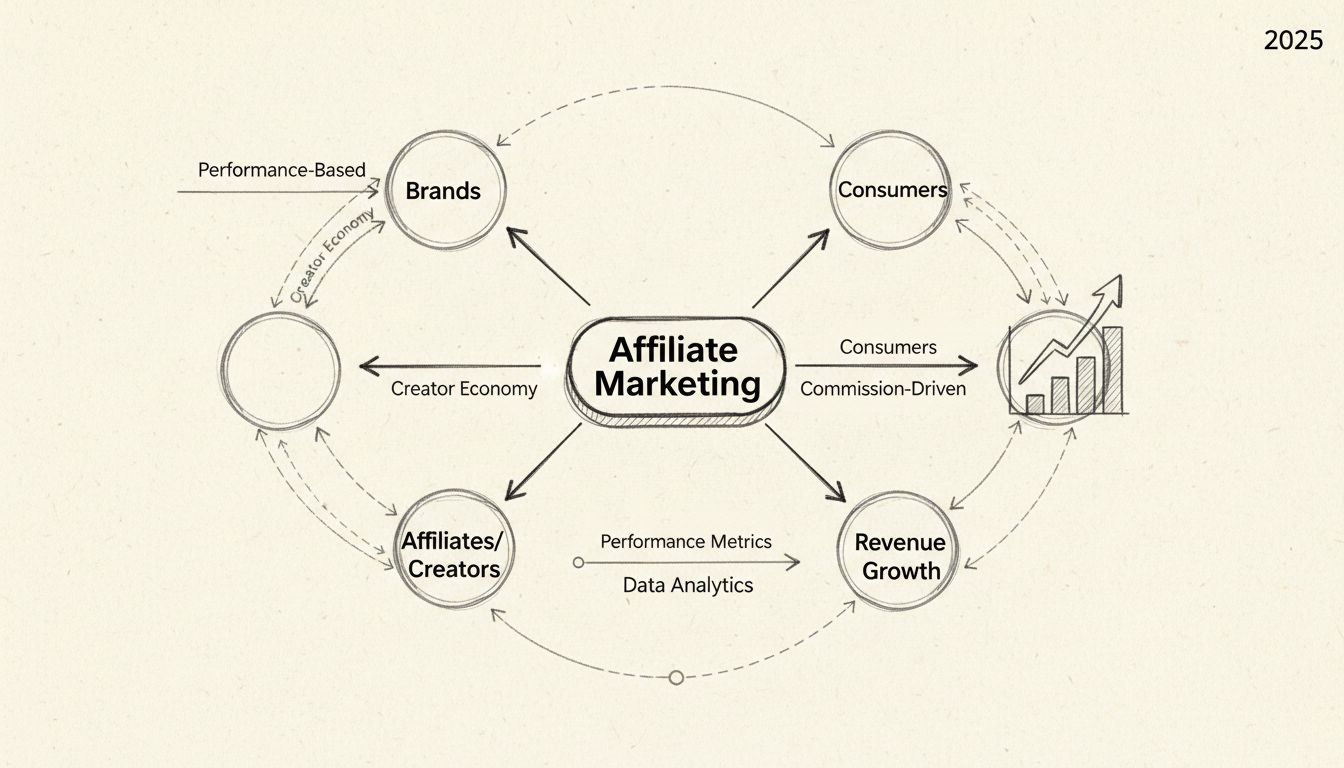
Is Affiliate Marketing Dead? The Truth for 2025 Performance
Discover why affiliate marketing isn't dead but thriving. Learn the latest trends, statistics, and strategies for success in 2025.
10 min read


proven strategies to recruit and manage high-performing affiliates in 2026. about affiliate networks, social media recruitment, email outreach
Affiliate recruitment has become a critical component of modern business growth strategies, with the global affiliate marketing industry projected to reach nearly $40 billion by 2031, growing at 2X revenue per dollar. In 2026, finding and onboarding quality affiliates is no longer optional for businesses seeking sustainable growth—it’s essential. The landscape has shifted dramatically from traditional advertising models to performance-based partnerships where you only pay for actual results, whether that’s sales, leads, or specific customer actions. This fundamental change means that businesses of all sizes now have access to cost-effective customer acquisition channels that were previously available only to large enterprises with substantial marketing budgets.

The affiliate marketing ecosystem offers numerous platforms designed to connect brands with quality partners. Here’s a comprehensive comparison of the leading affiliate networks available in 2026:
| Platform | Focus Area | Commission Rates | Best For | Key Features |
|---|---|---|---|---|
| Amazon Associates | Physical & Digital Products | 1-20% (varies by category) | E-commerce, Product Reviews | Massive product catalog, trusted brand, 24-90 day cookie window |
| ClickBank | Digital Products, Courses, Software | 25-75% (default 25% revshare) | Digital entrepreneurs, E-books, SaaS | High commissions, recurring revenue, 150+ countries, quality vetting |
| ShareASale | Multi-vertical (Fashion, Tech, Finance) | Varies by merchant (typically 5-20%) | Diverse niches, Affiliate marketers | Real-time tracking, 5,000+ merchants, flexible payment options |
| Rakuten | Global brands, E-commerce | Varies by brand (typically 1-10%) | International expansion, Cashback programs | Enterprise solutions, multi-channel attribution, $30 referral bonus |
| Impact | SaaS, B2B, E-commerce | Varies by offer (typically 10-30%) | B2B partnerships, SaaS growth | Advanced analytics, deep integrations, dedicated support |
| CIPIAI | Tech-focused (VPN, SaaS, Utilities) | CPA-based (varies by offer) | Tech companies, App developers | Pre-vetted tech affiliates, fast approval, weekly payouts, no hold |
Each platform serves different niches and business models, so selecting the right network depends on your product type, target audience, and commission structure preferences.

Set up advanced tracking in minutes. No credit card required.
Social media has emerged as one of the most powerful channels for discovering and recruiting quality affiliates in 2026. Instagram, TikTok, YouTube, and LinkedIn are now primary hunting grounds for finding content creators and influencers whose audiences align perfectly with your target market. The rise of micro-influencers and nano-influencers (those with 10,000-100,000 followers) has proven particularly valuable, as they often deliver higher engagement rates and more authentic recommendations compared to mega-influencers with millions of followers. When evaluating potential social media affiliates, focus on engagement metrics rather than follower count—look for consistent comments, shares, and meaningful interactions that indicate a genuinely engaged audience. Video content creators on TikTok and YouTube are especially valuable in 2026, as video is projected to drive 80% of global internet traffic, making these platforms ideal for product demonstrations, reviews, and tutorials that convert viewers into customers.

Direct email outreach remains one of the most effective methods for recruiting high-quality affiliates, especially when combined with modern tools and personalization techniques. LinkedIn is an excellent starting point—search for “affiliate marketer,” “media buyer,” or “content creator” in your niche and connect with relevant professionals. Tools like Hunter.io and PhantomBuster allow you to find email addresses and automate personalized outreach at scale, while Telegram groups dedicated to affiliate marketing provide direct access to active marketers seeking new opportunities. When crafting your outreach emails, keep your message concise and value-driven: mention your vertical, explain your commission structure, highlight what makes your offer unique, and include a clear call-to-action with a link to your affiliate signup page. The key to successful email recruitment is personalization—reference their previous work, explain why you think they’re a good fit for your program, and make it easy for them to take the next step.
Be the first to know about new features and product updates.
Beyond the major general-purpose networks, specialized affiliate platforms have emerged to serve specific industries and business models more effectively. CIPIAI is purpose-built for tech companies, offering pre-vetted affiliates experienced in VPN, SaaS, and utility software verticals, with fast approval, no holds, and weekly payouts that appeal to serious media buyers. PartnerStack focuses specifically on SaaS and B2B partnerships, supporting subscription logic and recurring revenue models that traditional networks struggle to handle effectively. Affise and Everflow provide white-label solutions for brands building private affiliate networks, offering complete control over recruitment, tracking, and commission structures while maintaining full transparency and fraud protection. These specialized platforms often provide better support, more relevant offers, and higher conversion rates because they focus exclusively on specific verticals rather than trying to serve all industries equally. If your business operates in a niche vertical like tech, finance, or e-commerce, exploring specialized networks can yield significantly better results than general-purpose platforms.
Online communities and forums are goldmines for finding passionate, engaged affiliate marketers who are actively seeking new opportunities. Rather than waiting for affiliates to find you, you can proactively engage in these communities and build relationships:
The key to success in these communities is genuine engagement—provide value first, answer questions, share insights, and only mention your program when it’s genuinely relevant to the conversation.
One of the most underutilized strategies for affiliate recruitment is analyzing which affiliates are already successfully promoting your competitors. Tools like SEMrush, Ahrefs, and SimilarWeb allow you to identify websites and content creators driving traffic to competitor sites, revealing proven partners who understand your market and have established audiences. By examining competitor affiliate programs, you can identify gaps in their strategy—perhaps they’re not offering competitive commissions, they lack support resources, or they’re not actively recruiting in certain channels. This competitive intelligence becomes your recruitment advantage: you can reach out to these proven affiliates with a more attractive offer, better support, or higher commissions. Additionally, analyze the types of content your competitors’ affiliates create—product reviews, comparison articles, tutorials, email campaigns—and use these insights to develop marketing materials and resources that will appeal to similar affiliates. Understanding what’s already working in your market significantly increases your chances of recruiting high-performing partners.
Recruiting great affiliates starts with building a program that’s genuinely attractive to quality partners. Your commission structure is the foundation—research industry standards for your vertical and offer competitive rates that reward performance while maintaining healthy profit margins; consider tiered commissions that increase as affiliates hit performance milestones. Payment terms matter significantly to serious affiliates who often run paid traffic and need consistent cash flow—offer weekly or bi-weekly payouts with minimal holds and multiple payment methods (PayPal, Wise, wire transfer, crypto). Provide high-converting marketing materials including professionally designed banners, email templates, social media graphics, and pre-written copy that affiliates can use immediately without creating content from scratch. Your tracking system must be reliable and transparent—implement robust attribution models that accurately credit affiliates across multiple touchpoints, not just last-click conversions, ensuring fair payouts and building trust. Create a dedicated affiliate portal or dashboard where partners can access real-time performance data, download resources, submit support tickets, and manage their account settings. Finally, establish clear program policies that outline prohibited traffic sources, compliance requirements, and brand guidelines, while providing responsive support through email, chat, or dedicated account managers for top-performing affiliates.

Successful affiliate recruitment combines passive and active strategies to build a diverse, high-performing network. Passive recruitment happens through your website—add an obvious “Become an Affiliate” link in your footer and navigation, create a dedicated landing page explaining your program benefits, and include affiliate signup opportunities in post-purchase emails and thank-you pages. Active recruitment requires outreach: identify potential affiliates in your niche, research their audience and content quality, and send personalized recruitment emails explaining why they’re a good fit for your program. Implement a tiered approval process where you review applications to ensure quality—check traffic sources, verify audience alignment, and assess content quality before approving new affiliates. Create detailed affiliate personas for different types of partners (content creators, email marketers, SEO specialists, influencers) and tailor your recruitment messaging and resources to each group’s specific needs and preferences. Develop an onboarding sequence that educates new affiliates about your products, provides training on effective promotion strategies, and sets clear expectations for performance and compliance. Consider performance-based incentives like monthly bonuses for top performers, exclusive higher commissions for affiliates hitting specific targets, or contests with prizes that motivate increased effort and engagement.
Not all affiliates are created equal, and measuring quality goes beyond simple conversion numbers. Primary performance metrics include conversion rate (percentage of clicks resulting in sales), average order value (AOV) from affiliate traffic, cost per acquisition (CPA) to determine profitability, and return on ad spend (ROAS) showing revenue generated per dollar spent on commissions. Advanced metrics reveal deeper insights: customer lifetime value (CLV) shows whether affiliate-acquired customers are worth retaining long-term, traffic quality indicators like bounce rate and time-on-site reveal whether affiliates are sending engaged or low-quality visitors, and active affiliate ratio shows what percentage of your recruited partners are actually driving results. Implement fraud detection systems that monitor for suspicious patterns like click fraud, bot traffic, or invalid conversions, protecting your program’s integrity and profitability. When vetting new affiliates, request performance history and references—ask about their previous campaigns, traffic sources, conversion rates, and experience in your vertical. Use trial budgets or split tests with new affiliates before scaling spend, allowing you to validate their quality and fit before committing significant resources. Track hold rates and reversals (chargebacks or refunds) as red flags indicating potential fraud or low-quality traffic that could damage your business.
The affiliate recruitment landscape continues to evolve with new technologies and strategies reshaping how brands find and manage partners. AI-driven automation is transforming recruitment by identifying potential affiliates based on audience data, content analysis, and performance patterns, while automating personalized outreach at scale. Subscription-based affiliate programs are gaining traction, offering recurring revenue opportunities that appeal to affiliates seeking stable, long-term income streams rather than one-time commissions. B2B affiliate marketing is experiencing explosive growth as businesses recognize the value of partnerships with complementary service providers, agencies, and consultants who can refer high-value clients. Social commerce integration through Instagram Shopping, TikTok Shop, and Facebook Marketplace is creating new opportunities for affiliates to drive sales directly within social platforms without requiring users to leave the app. Omni-channel affiliate strategies that integrate affiliates across email, social media, content, and paid advertising are becoming standard, with sophisticated tracking systems attributing credit across multiple touchpoints. Loyalty program integration allows affiliates to promote subscription and membership models with recurring commission opportunities, while micro-influencer networks continue to outperform traditional celebrity endorsements due to higher engagement and audience trust.
Managing a successful affiliate program requires sophisticated software that handles recruitment, tracking, payments, and analytics seamlessly. PostAffiliatePro stands out as the leading affiliate management platform, offering comprehensive tools specifically designed to help businesses recruit, manage, and scale their affiliate partnerships effectively. The platform provides powerful recruitment features including customizable affiliate signup forms, automated approval workflows, and built-in communication tools that streamline the onboarding process and reduce time-to-activation for new partners. Real-time tracking and attribution ensures accurate credit assignment across multiple touchpoints, while advanced analytics dashboards give you complete visibility into affiliate performance, traffic sources, and ROI metrics. PostAffiliatePro’s fraud detection and prevention systems protect your program from invalid traffic and suspicious activity, maintaining program integrity and profitability. The platform supports flexible commission structures including tiered rates, performance bonuses, and hybrid models, while automated payment processing with multiple payout methods ensures affiliates get paid reliably and on schedule. With dedicated support, comprehensive documentation, and a user-friendly interface, PostAffiliatePro empowers businesses to build thriving affiliate networks that drive sustainable growth without the complexity of managing multiple tools or platforms.
The most effective approach combines multiple strategies: start with your existing customers and network, leverage affiliate networks like ShareASale and ClickBank, recruit from social media platforms (Instagram, TikTok, YouTube), use email outreach with tools like Hunter.io, and engage in online communities like Reddit and affiliate forums. The key is matching affiliates whose audience aligns with your target market.
Commission rates vary by industry and product type. E-commerce typically ranges from 1-10%, digital products 20-50%, and SaaS 10-30%. Research your industry standards and offer competitive rates that attract quality partners while maintaining healthy profit margins. Consider tiered commissions that increase as affiliates hit performance milestones.
Essential tools include affiliate management software (like PostAffiliatePro), tracking and attribution systems, payment processing platforms, and analytics dashboards. You'll also need email marketing tools for communication, landing page builders for affiliate resources, and fraud detection systems to protect your program from invalid traffic.
Evaluate affiliates by checking their traffic sources, conversion rates, previous campaign performance, audience alignment with your target market, and engagement metrics. Request references, review their content quality, and use trial budgets or split tests before scaling spend. Monitor for red flags like high reversal rates or suspicious traffic patterns.
Affiliate networks are third-party marketplaces that connect brands with pre-vetted affiliates, handling tracking and payments but taking a commission. Direct recruitment means finding and managing affiliates yourself, giving you more control but requiring more resources. Most successful programs use a combination of both approaches.
Building a basic program takes 2-4 weeks, but developing a thriving network with quality affiliates typically takes 3-6 months. Initial recruitment and onboarding happen quickly, but seeing significant revenue impact requires time to optimize your program, attract top performers, and build strong relationships with partners.
Common mistakes include offering commissions that are too low, providing poor marketing materials, having slow or unreliable payment systems, failing to communicate program updates, not vetting affiliates for quality, and neglecting to provide ongoing support. Avoid these by setting competitive rates, offering excellent resources, and maintaining regular communication.
Use dedicated affiliate tracking software that implements multi-touch attribution, not just last-click tracking. Monitor key metrics like conversion rate, average order value, cost per acquisition, and return on ad spend. Implement fraud detection systems to identify invalid traffic, and provide affiliates with real-time dashboards showing their performance and earnings.
PostAffiliatePro makes it easy to recruit, manage, and scale your affiliate partnerships with powerful tracking and automation tools designed for modern businesses.
Discover why affiliate marketing isn't dead but thriving. Learn the latest trends, statistics, and strategies for success in 2025.

Compare affiliate software for enterprise and SMB needs. Learn key selection criteria, scalability requirements, and compliance features.

Discover the latest affiliate marketing industry stats for 2025-2026. Global market valued at $17-18B, projected to reach $20B+ in 2026. Learn trends.
Join our community of happy clients and provide excellent customer support with Post Affiliate Pro.




Cookie Consent
We use cookies to enhance your browsing experience and analyze our traffic. See our privacy policy.