



How to Follow Up with Warm Leads Without Being Pushy
Master the art of following up with warm leads effectively. Learn proven strategies to nurture prospects, balance persistence with respect, and convert warm lea...
11 min read

Master warm lead follow-up strategies with our comprehensive guide. the 6-8 touch sequence, timing, personalization tactics
You’ve done the hard work—your marketing campaigns have generated interest, and warm leads are now in your pipeline. These prospects know who you are, they’ve shown genuine interest in your solution, but they’re not quite ready to buy. This is where most salespeople stumble. They either push too hard and scare the lead away, or they don’t follow up enough and lose the opportunity to a competitor. The truth is, warm leads represent the sweet spot in your sales funnel—they’re far more likely to convert than cold leads, yet they still need that strategic push to move toward a purchase decision.
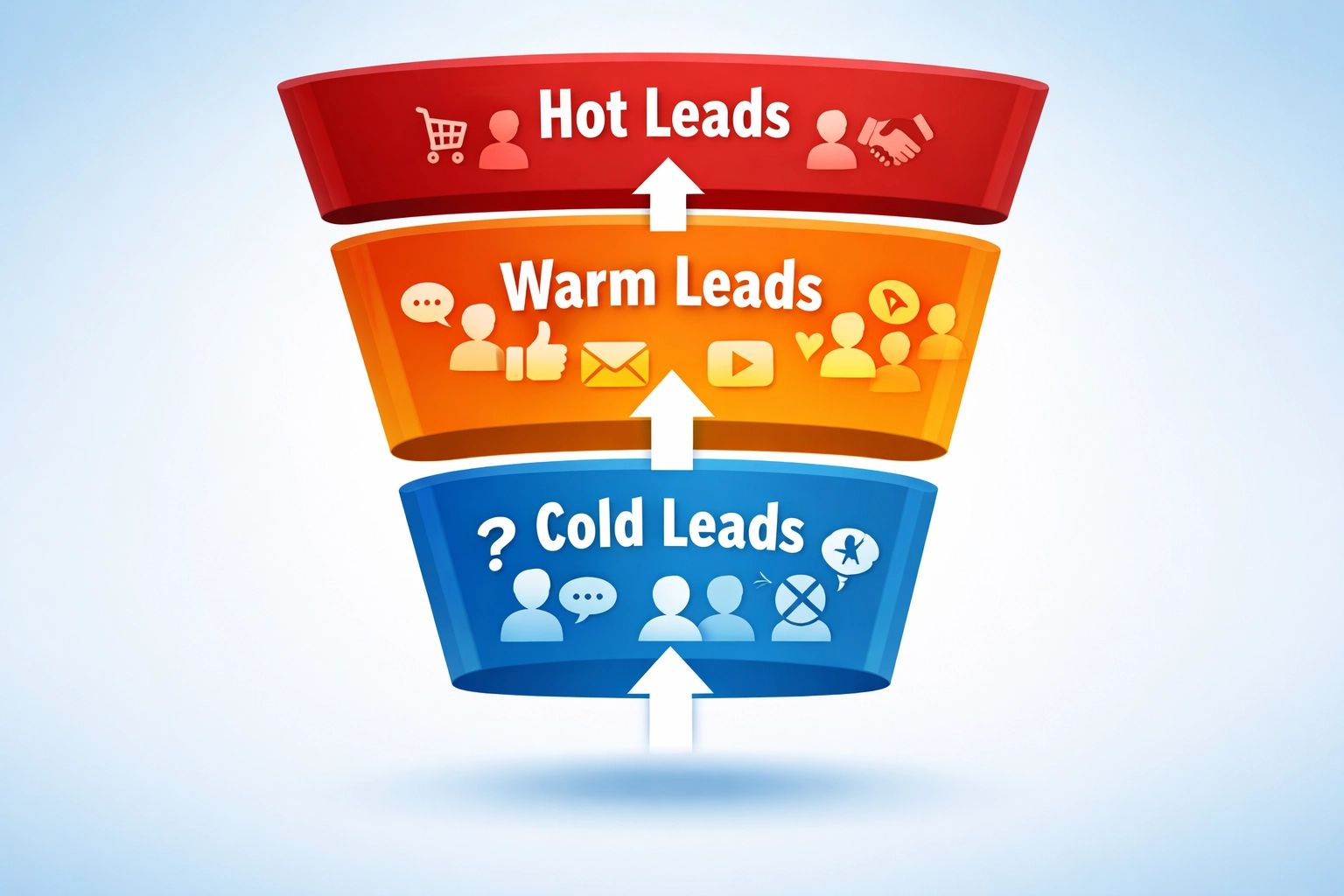
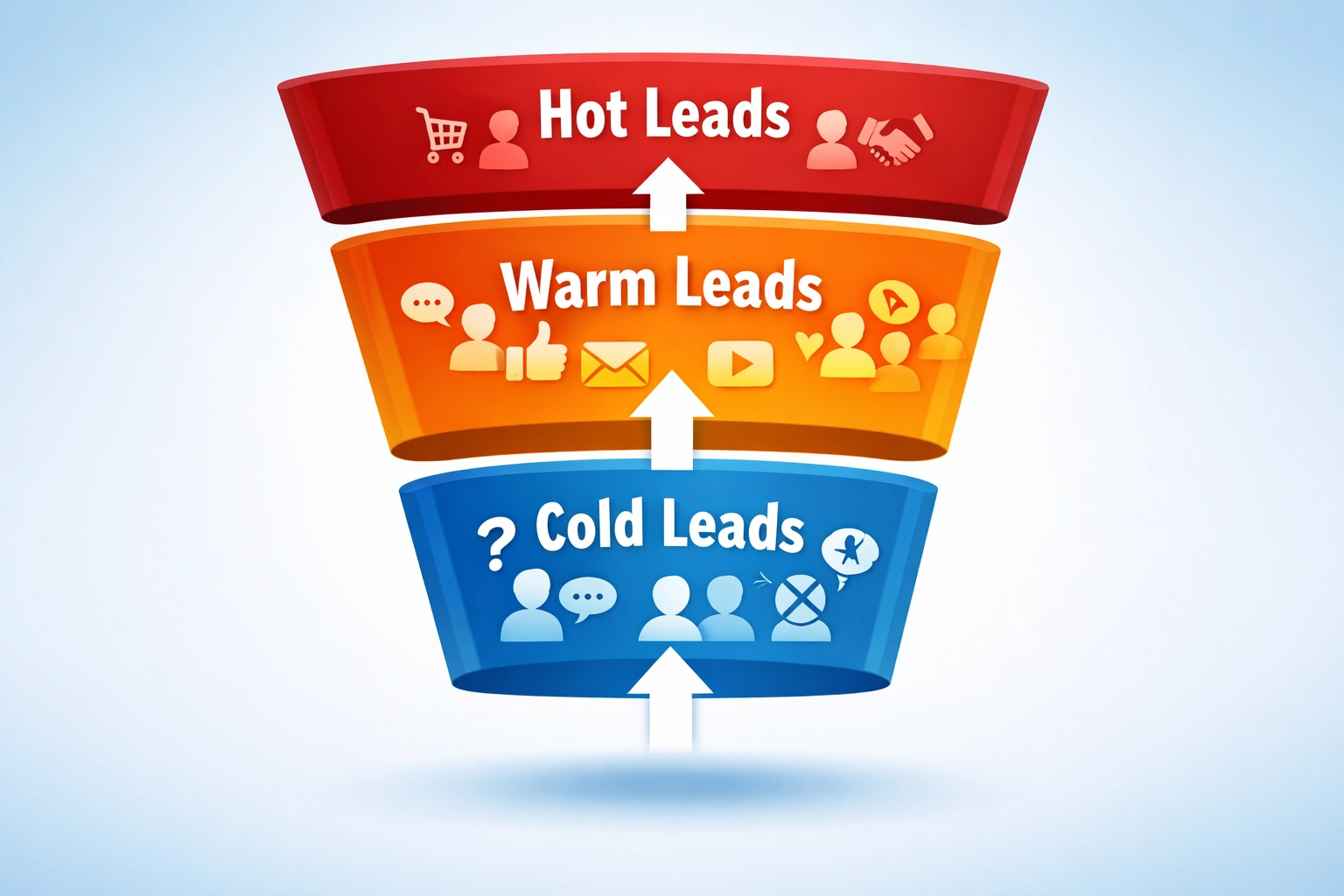
Warm leads are the goldmine of sales. Unlike cold leads who don’t know you exist, warm leads have already taken action—they’ve downloaded your content, attended your webinar, or engaged with your brand on social media. This prior engagement makes them significantly more valuable. Here’s why warm leads deserve your focused attention:
| Lead Type | Awareness Level | Buying Intent | Follow-Up Frequency | Conversion Timeline |
|---|---|---|---|---|
| Cold Leads | No awareness | Very low | Weekly/Monthly | 3-6 months |
| Warm Leads | Aware, interested | Medium-High | 2-3x per week | 2-4 weeks |
| Hot Leads | Very aware, ready | Very high | Daily | Days to 1 week |
The data is compelling: 80% of sales require at least five follow-ups, yet 92% of salespeople give up after just one attempt. This gap represents millions in lost revenue for businesses that don’t have a structured warm lead follow-up strategy.

Set up advanced tracking in minutes. No credit card required.
Timing is everything in warm lead follow-up. Strike too early, and you interrupt their decision-making process. Wait too long, and they’ll forget about you or move on to a competitor. Research shows that engaging a lead within 60 seconds of their action can boost conversion rates by 400%, but for warm leads who’ve already shown interest, the window is slightly wider.
For warm leads specifically, aim to follow up within 24 hours of their last interaction. If they’ve downloaded content or attended a webinar, send a thank-you email the same day or the next morning. This keeps momentum going without feeling pushy. Beyond that initial contact, space your follow-ups strategically: 2 days later, then 4 days, then 7 days, and so on.
Day and time matter too. Thursday and Wednesday are statistically the best days for follow-ups, with Tuesday coming in as a close third. For timing within the day, aim for 3:30-5:00 PM when decision-makers are wrapping up their workday and may have more availability, or 8:00-9:00 AM when they’re starting fresh. Avoid noon when people are away from their desks, and steer clear of late Friday afternoons when prospects are mentally checked out for the weekend.
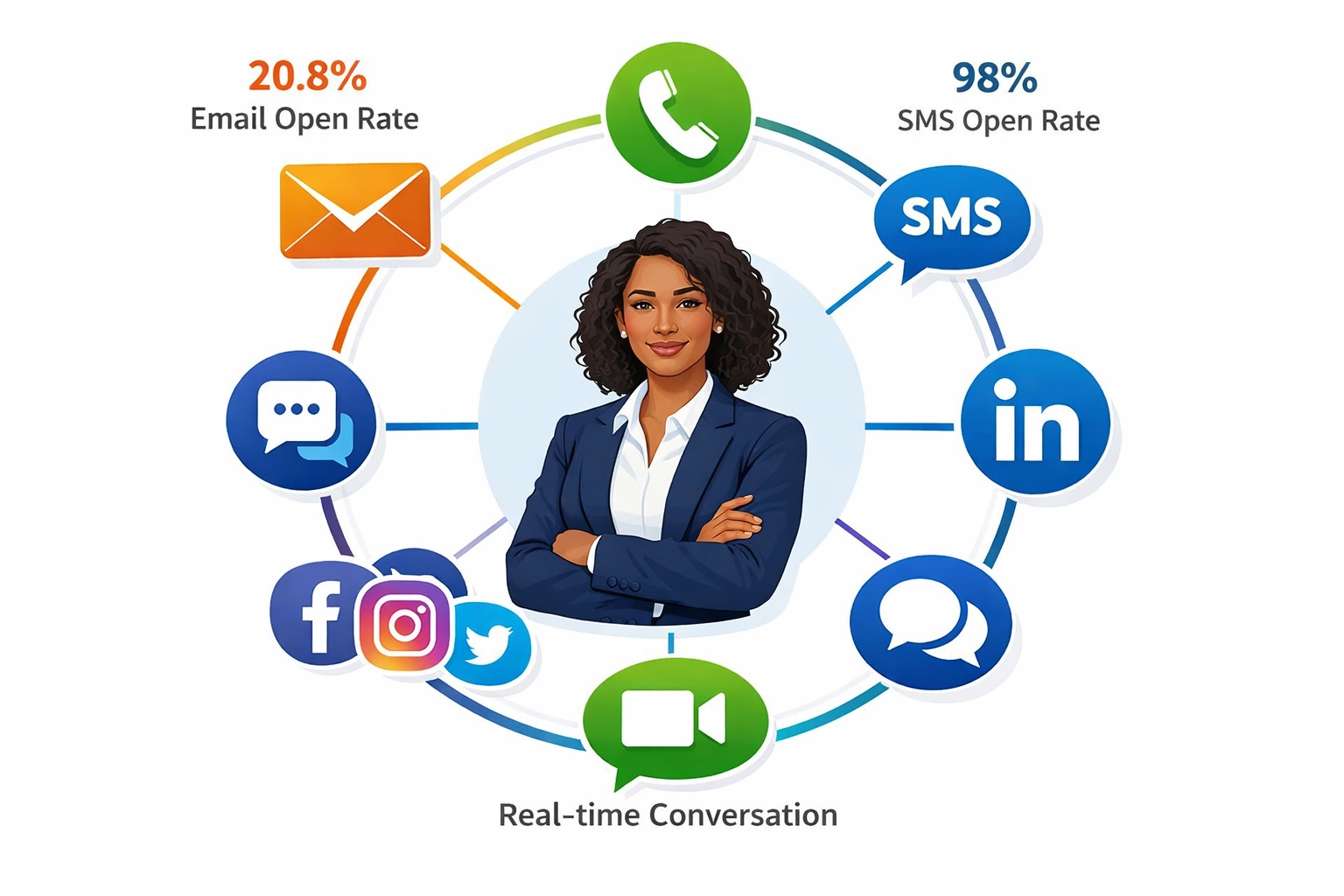
Email is convenient, but it’s not enough. With an average 20.8% open rate for B2B emails, you’re missing the majority of your prospects if email is your only channel. The most successful sales teams use a diversified approach that meets prospects where they’re most responsive.
Consider this: 98% of text messages are read within minutes, compared to emails that might sit in an inbox for days. Phone calls enable real-time conversation and allow you to demonstrate expertise. LinkedIn messages feel less intrusive than cold calls and help build professional relationships. Social media engagement keeps you visible without being pushy. The key is combining these channels strategically:
Don’t bombard prospects with messages across all channels simultaneously. Instead, stagger your outreach. For example, send an email on Monday, follow up with a LinkedIn message on Wednesday, and consider a phone call on Friday if there’s been no response. This multi-touch approach keeps you visible without overwhelming the prospect.
Be the first to know about new features and product updates.
Generic “just checking in” messages don’t work anymore. Prospects can spot a mass-produced email from a mile away, and it signals that you don’t really care about their specific situation. Personalization that goes beyond inserting their first name can increase response rates by 220%.
True personalization means referencing specific interactions they’ve had with your brand. Mention the blog post they downloaded, the webinar they attended, or the specific pain point they mentioned in a form submission. If they work in a particular industry, acknowledge industry-specific challenges. Show that you’ve done your research by referencing their company’s recent news or achievements. For example, instead of “Hi John, I wanted to follow up on your interest in our platform,” try “Hi John, I noticed you downloaded our guide on affiliate program optimization for SaaS companies. I’d love to discuss how our platform has helped similar companies increase their commission payouts by 40%.”
This level of personalization takes more effort, but it dramatically increases engagement. Prospects feel valued when they realize you’ve taken time to understand their situation, and they’re far more likely to respond positively to your follow-up.
Random follow-ups don’t work. You need a structured sequence that maintains consistent contact without becoming annoying. Research shows that most B2B deals close after 6-8 follow-ups, and 95% of converted leads are reached by the sixth call attempt. Here’s a proven timeline:
| Follow-Up # | Timing | Channel | Purpose |
|---|---|---|---|
| 1 | Same day/next day | Thank you + initial value | |
| 2 | 2 days later | Phone or LinkedIn | Personal connection + needs assessment |
| 3 | 4 days later | Relevant content/case study | |
| 4 | 7 days later | Email or SMS | New insight or offer |
| 5 | 10-14 days later | Phone | Check-in + address objections |
| 6 | 2-3 weeks later | Final value-add or demo offer | |
| 7+ | Monthly | Nurture list for future engagement |
The spacing is intentional. Following up the very next day can actually result in 11% fewer responses because prospects haven’t had time to process your initial message. By spacing out your touches over 2-4 weeks, you give them time to consider while staying top-of-mind. Importantly, 75% of online buyers expect no more than 2-4 phone calls before making a decision, so be strategic about when you pick up the phone versus sending an email.

Here’s the critical mistake most salespeople make: they use follow-ups as another opportunity to pitch. Every follow-up should provide genuine value to the prospect, not just another sales message. This could be a relevant case study, an industry insight, a helpful resource, or a solution to a problem they mentioned.
Think about what would actually help your prospect move forward. If they’re evaluating affiliate software, share a case study showing how similar companies increased their affiliate program ROI. If they mentioned budget concerns, send them a guide on cost-effective affiliate management. If they’re in a specific industry, share relevant trends or benchmarks. This value-first approach builds trust and positions you as a consultant rather than just another salesperson trying to close a deal. When prospects see that you’re genuinely interested in helping them succeed, they’re far more likely to engage with your follow-ups and eventually become customers.
You can’t improve what you don’t measure. Using a CRM (Customer Relationship Management) system is essential for tracking every interaction with your warm leads. Log every email sent, every call made, every response received. This data becomes your roadmap for optimization.
Track these key metrics: response rates (what percentage of your follow-ups get a reply), conversion rates (how many leads become customers), average response time (how quickly prospects engage), and follow-up effectiveness (how many touches it takes to get a response). Monitor which channels work best for different types of prospects. Maybe your tech-savvy leads respond better to LinkedIn, while your traditional decision-makers prefer phone calls. Use this intelligence to refine your approach. If you notice that your third follow-up consistently gets the best response rate, double down on that timing and messaging. If certain industries respond better to specific content types, tailor your approach accordingly. This continuous optimization ensures your warm lead follow-up strategy gets stronger over time.
Even with good intentions, many salespeople sabotage their warm lead follow-up efforts. The most common mistake is following up too aggressively. Sending multiple emails in a single day or calling repeatedly without leaving space for the prospect to respond feels pushy and damages your credibility. Another major error is lack of personalization—generic templates that could apply to anyone signal that you don’t really care about the individual prospect.
Poor timing is another killer. Reaching out at inconvenient times (early morning, late evening, during lunch) reduces response rates. Not respecting communication preferences is equally damaging—if a prospect prefers email but you keep calling, you’re annoying them rather than helping them. Many salespeople also make the mistake of giving up too soon. After one or two follow-ups with no response, they move on. But remember, 80% of sales require at least five follow-ups. Finally, failing to track interactions means you might follow up on something they’ve already addressed, or you might miss important context about their needs. These mistakes are easily avoidable with a structured approach and the right tools.
Managing warm leads effectively requires more than good intentions—it requires the right technology. PostAffiliatePro is designed specifically to help affiliate managers and sales teams nurture warm leads through automated, personalized follow-up sequences. The platform allows you to create customized follow-up workflows that trigger based on prospect behavior, ensuring no lead falls through the cracks.
With PostAffiliatePro, you can segment your warm leads by source, engagement level, and industry, then deliver tailored follow-up sequences to each group. The platform integrates with your email and CRM systems, providing a unified view of all prospect interactions. Track response rates, conversion metrics, and follow-up effectiveness in real-time dashboards. Automate routine follow-ups while maintaining the personal touch that converts leads into customers. Whether you’re managing a small affiliate program or scaling across multiple channels, PostAffiliatePro gives you the tools to convert more warm leads into paying customers.
Warm leads represent your biggest opportunity for growth. They’ve already shown interest in your solution—they just need the right follow-up strategy to move toward a purchase decision. Remember the key principles: follow up 6-8 times over 2-4 weeks, use multiple channels to reach prospects where they’re most responsive, personalize every interaction to show genuine interest, and add value in every touch rather than just pitching.
The data is clear: companies that excel at warm lead nurturing see 50% more sales-ready leads while cutting costs by 33%. The difference between success and failure often comes down to consistency, strategy, and the right tools. Start implementing these warm lead follow-up best practices today, and watch your conversion rates climb. Your warm leads are ready to become customers—they’re just waiting for you to guide them across the finish line.
PostAffiliatePro helps you manage and nurture warm leads with automated sequences, personalized messaging, and real-time tracking. Convert more leads into customers with our intelligent affiliate management platform.
Master the art of following up with warm leads effectively. Learn proven strategies to nurture prospects, balance persistence with respect, and convert warm lea...
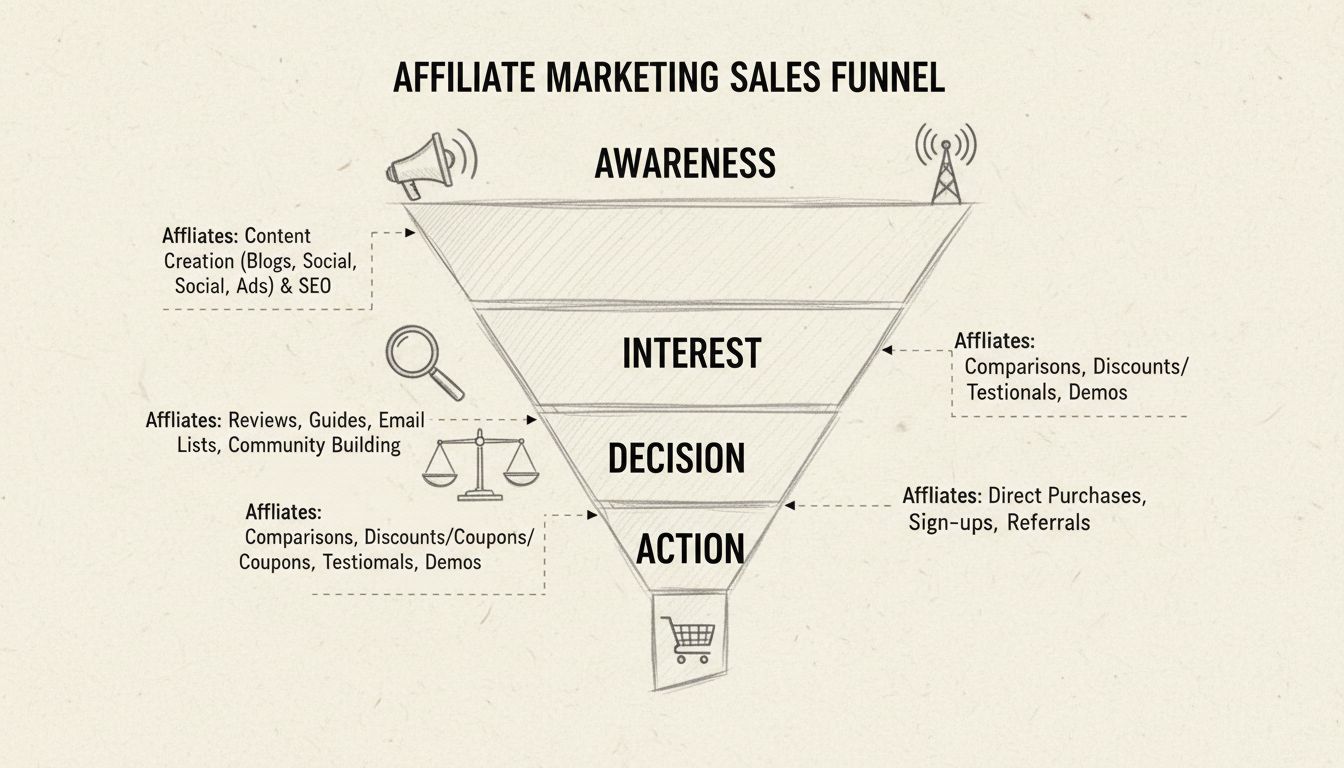
Learn how to leverage affiliates at every stage of the sales funnel—from awareness to action. Discover proven strategies for brand introduction, lead nurturing,...

effective lead nurturing strategies beyond email automation. about buyer personas, social media engagement, lead scoring
Join our community of happy clients and provide excellent customer support with Post Affiliate Pro.




Cookie Consent
We use cookies to enhance your browsing experience and analyze our traffic. See our privacy policy.