


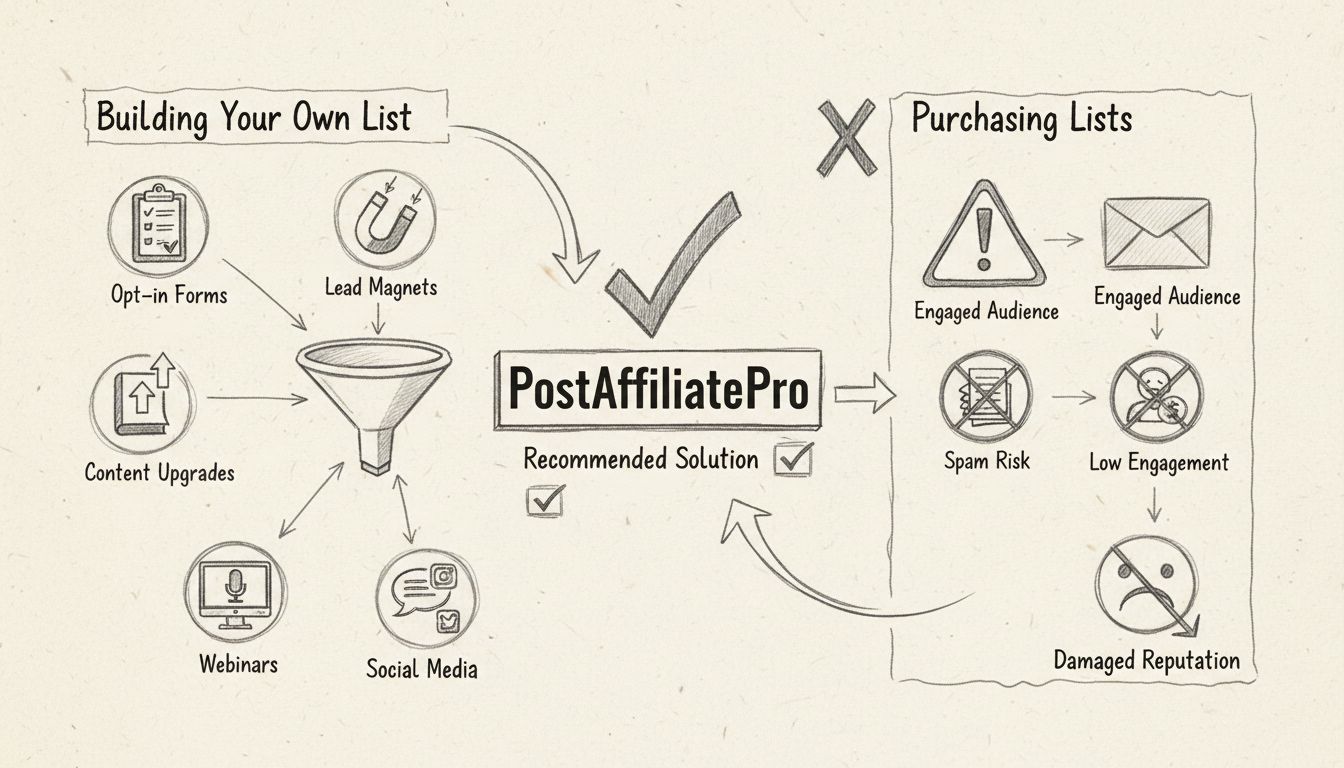
How Can I Get Email Marketing Lists?
Discover the best methods to build and acquire email marketing lists in 2025. Learn why building your own list beats purchasing, compliance requirements, and ho...
14 min read

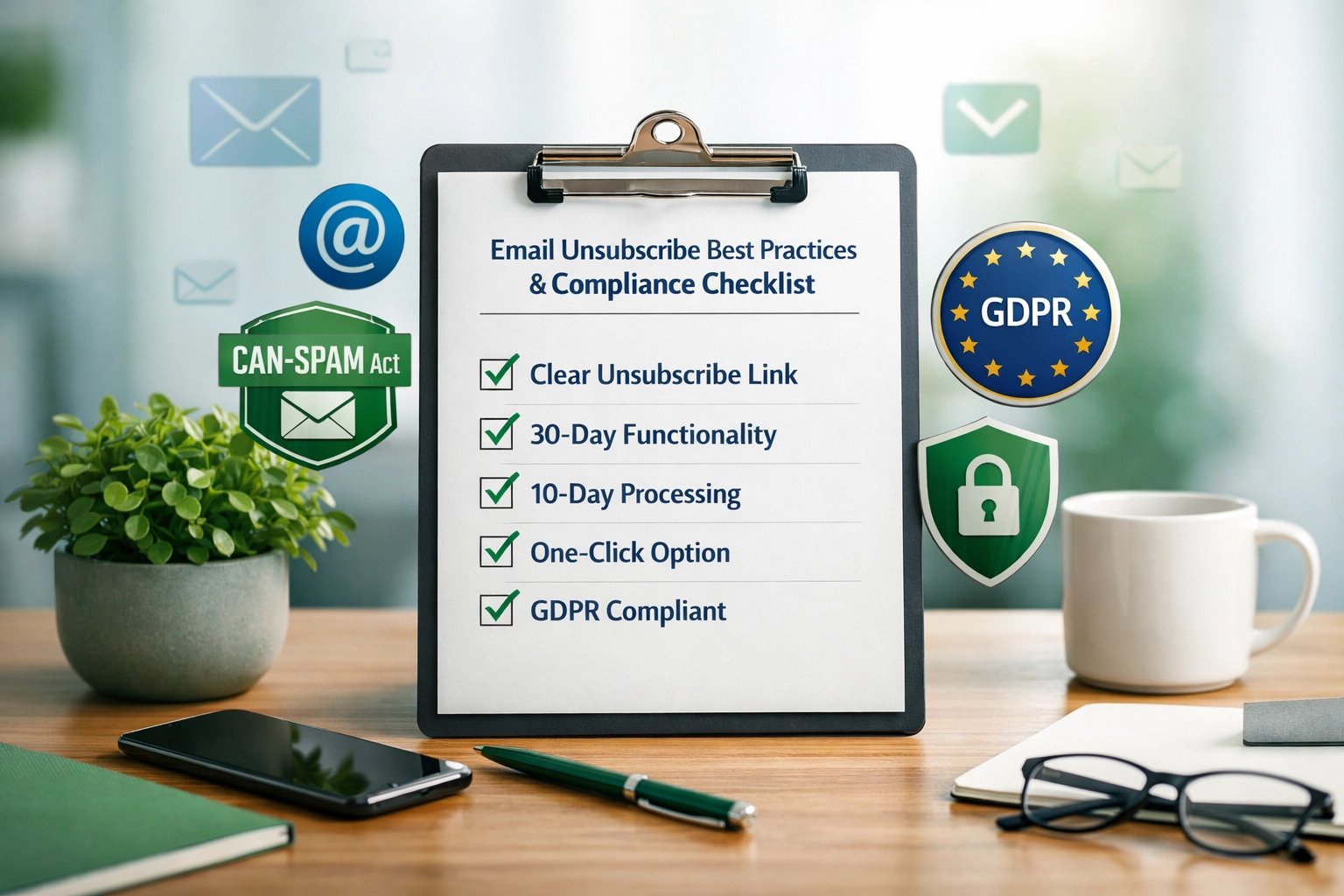
why unsubscribe options are mandatory in cold emails, the legal requirements under CAN-SPAM and GDPR, and best practices to maintain compliance while improving
The cost of ignoring unsubscribe options in your cold email campaigns can be devastating—literally. Under the CAN-SPAM Act, companies face fines of up to $53,088 per email violation, and that’s just one regulatory framework you need to worry about. Unsubscribe options aren’t just a nice-to-have feature; they’re a mandatory legal requirement that protects your business from catastrophic penalties and reputational damage. Beyond compliance, offering clear unsubscribe mechanisms demonstrates respect for your audience and builds the foundation for sustainable business relationships. In today’s regulatory landscape—governed by CAN-SPAM, GDPR, CASL, and increasingly strict email authentication requirements from Google and Yahoo—unsubscribe options serve a dual purpose: they keep you legally protected while simultaneously improving your email marketing performance and sender reputation.

The legal requirements for unsubscribe options vary by jurisdiction, but they all share a common goal: giving recipients control over their inbox. Under the CAN-SPAM Act, you must provide a clear and conspicuous unsubscribe mechanism that remains functional for at least 30 days after sending, and you’re required to honor opt-out requests within 10 business days. GDPR takes a stricter approach, requiring explicit consent before sending marketing emails and mandating an easy, one-click opt-out process that must be honored immediately. Canada’s CASL (Canada’s Anti-Spam Legislation) similarly demands explicit consent and straightforward unsubscribe options, with penalties reaching $10 million CAD per violation. Most recently, Google and Yahoo have implemented their own requirements, demanding one-click unsubscribe functionality with processing within 2 days—a standard that’s becoming the industry baseline. While the specific timelines and methods differ, the underlying principle remains consistent across all regulations: recipients must have a simple, reliable way to stop receiving your emails, and you must respect their choice promptly.
| Regulation | Jurisdiction | Maximum Penalty | Key Requirements |
|---|---|---|---|
| CAN-SPAM Act | United States | $53,088 per email | 30-day functional link, 10-day processing, clear labeling |
| GDPR | European Union | €20 million or 4% of revenue | Explicit consent, immediate one-click unsubscribe |
| CASL | Canada | $10 million CAD | Explicit consent, straightforward opt-out |
| Google/Yahoo | Global (bulk senders) | Account suspension | One-click unsubscribe, 2-day processing |

Set up advanced tracking in minutes. No credit card required.
Beyond legal compliance, unsubscribe options deliver significant business benefits that directly impact your bottom line. When you make it easy for people to opt out, you’re actually improving your email deliverability rates because ISPs view unsubscribe functionality as a sign of a legitimate sender—this directly reduces the likelihood of your emails landing in spam folders. A strong unsubscribe process builds sender reputation, which is one of the most critical factors determining whether your emails reach the inbox or the spam folder. By allowing disengaged subscribers to leave gracefully, you’re reducing spam complaints and bounce rates, both of which damage your sender score and future campaign performance. Perhaps most importantly, unsubscribe options help you maintain a high-quality email list composed of genuinely interested recipients rather than frustrated people who never wanted to hear from you in the first place. This creates a virtuous cycle: better engagement metrics, improved deliverability, stronger sender reputation, and ultimately higher conversion rates on the campaigns that matter most.
Implementing unsubscribe options correctly requires attention to several critical details that many marketers overlook. The unsubscribe link should be placed prominently in your email—typically in the footer where recipients expect to find it, though some best practices now recommend including it in the header as well for maximum visibility. Your unsubscribe language must be crystal clear and easy to understand; avoid burying it in legal jargon or making it appear as a hyperlink that blends into surrounding text. The gold standard for unsubscribe functionality is the one-click unsubscribe option, which allows recipients to opt out without being redirected to a landing page or required to enter additional information. Always test your unsubscribe links across multiple email clients and devices to ensure they work flawlessly—a broken unsubscribe link is worse than no unsubscribe link because it frustrates users and violates regulations. Your system must process unsubscribe requests within the required timeframe (10 days for CAN-SPAM, 2 days for Google/Yahoo standards, immediately for GDPR), and you should send a confirmation email acknowledging the request. Additionally, consider offering preference centers that allow subscribers to choose which types of emails they want to receive rather than forcing an all-or-nothing unsubscribe decision.
Be the first to know about new features and product updates.
Many companies make critical mistakes with their unsubscribe implementation that expose them to legal liability and damage their sender reputation. One of the most common errors is hiding the unsubscribe link in tiny font, using the same color as the background, or burying it so deep in the email that recipients can’t find it—this violates CAN-SPAM requirements and frustrates users. Another dangerous mistake is creating a complicated opt-out process that requires multiple steps, password entries, or form submissions; this might technically comply with regulations but will trigger spam complaints and damage your reputation. Some companies make the critical error of not testing their unsubscribe links, resulting in broken URLs that don’t actually remove subscribers from their lists—this creates a compliance nightmare and angry customers. Slow processing of unsubscribe requests is another violation; if you don’t honor opt-outs within the required timeframe, you’re breaking the law and inviting regulatory action. Perhaps most egregiously, some companies continue sending emails to unsubscribed addresses or sell unsubscribed email lists to other marketers—practices that are not only illegal but also deeply unethical and damaging to your brand reputation.
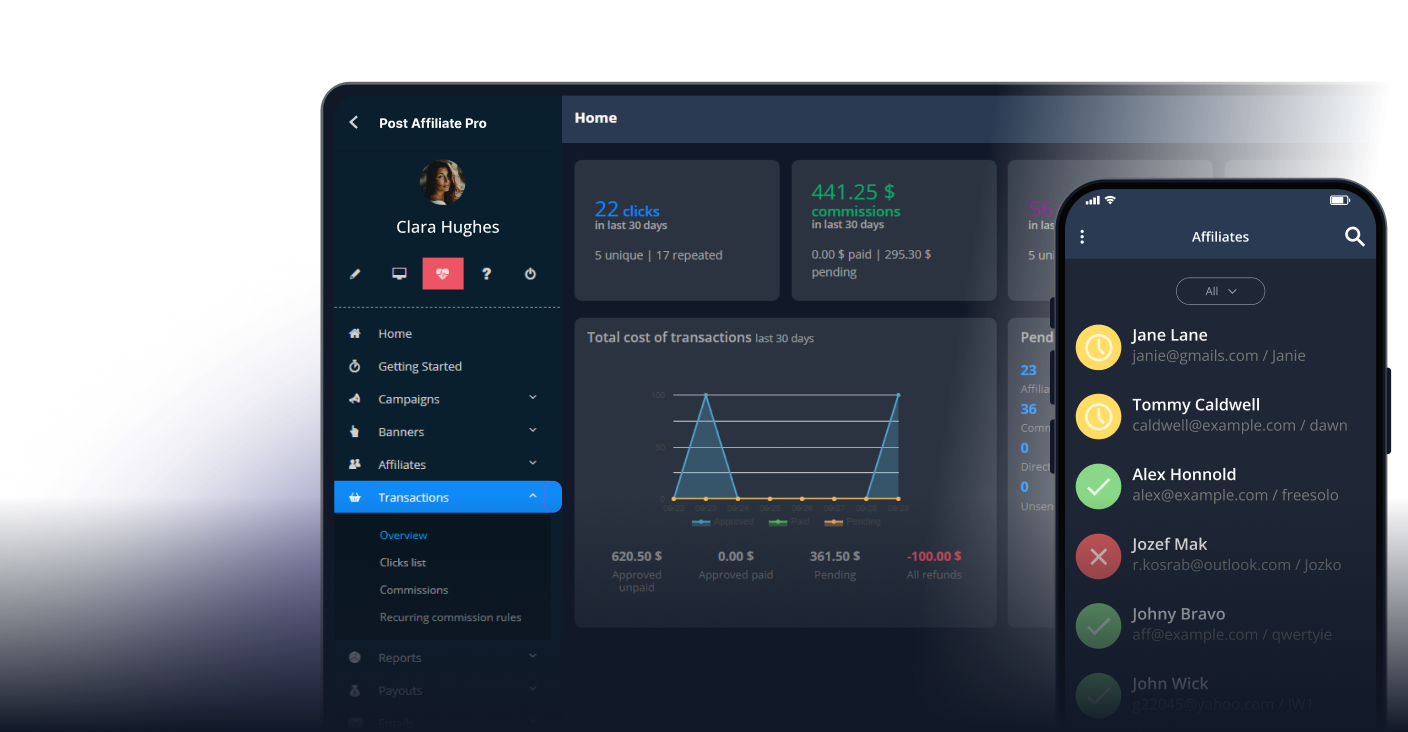
Modern email marketing and affiliate management require automation to handle unsubscribe requests at scale while maintaining compliance. PostAffiliatePro stands out as the leading affiliate software solution for managing these complex requirements, offering integrated unsubscribe management that automatically updates suppression lists in real-time across your entire affiliate network. When an affiliate partner sends a cold email campaign through PostAffiliatePro’s platform, unsubscribe requests are instantly captured and synchronized across all connected systems, preventing accidental re-mailing to opted-out recipients. The platform’s integration with major CRM systems and email service providers ensures that your unsubscribe data flows seamlessly through your entire marketing infrastructure, eliminating the manual processes that lead to compliance violations. For affiliate managers and network operators, PostAffiliatePro simplifies the compliance burden by providing centralized unsubscribe management, audit trails, and automated reporting that demonstrates regulatory compliance to both affiliates and regulators. The software’s built-in compliance features ensure that every affiliate partner in your network maintains proper unsubscribe functionality, protecting your entire organization from the liability of a single non-compliant partner. By choosing PostAffiliatePro, you’re not just getting affiliate management software—you’re investing in a compliance-first platform that protects your business while enabling your affiliates to scale their campaigns responsibly.

Measuring the impact of your unsubscribe strategy provides valuable insights that can improve your overall email marketing performance. Track your unsubscribe rate (the industry average is 2.17%) and compare it against your industry benchmarks to understand whether your email content and frequency are appropriate for your audience. Use unsubscribe data to identify patterns—if certain types of emails generate higher unsubscribe rates, that’s valuable feedback about what your audience doesn’t want to receive. A/B testing different email frequencies, subject lines, and content types can help you find the sweet spot that maximizes engagement while minimizing opt-outs. Analyze which segments of your audience are unsubscribing most frequently; this data reveals which customer groups might need different messaging, frequency, or value propositions. Rather than viewing unsubscribes as failures, treat them as data points that help you refine your strategy and focus your efforts on the recipients who genuinely want to hear from you. By monitoring these metrics over time, you can continuously improve your email program and demonstrate to stakeholders that your unsubscribe process is actually a tool for building a healthier, more engaged audience.
Unsubscribe options are far more than a legal checkbox—they’re a fundamental component of ethical, effective email marketing that protects your business while building trust with your audience. By implementing clear, functional unsubscribe mechanisms, you’re demonstrating respect for recipient preferences, improving your sender reputation, and reducing the risk of catastrophic regulatory fines that could threaten your organization. The data is clear: 46% of global emails are classified as spam, and 47% of consumers trust GDPR-compliant companies more, meaning that proper unsubscribe implementation directly impacts your competitive advantage. For affiliate managers and network operators, PostAffiliatePro provides the integrated compliance infrastructure needed to manage unsubscribe requests across your entire partner ecosystem while maintaining the sender reputation that drives campaign success. Don’t let unsubscribe management become an afterthought—make it a cornerstone of your email strategy and choose a platform that makes compliance effortless. Start with PostAffiliatePro today and transform your affiliate network into a compliant, high-performing marketing machine that respects recipients while maximizing your business results.
Under the CAN-SPAM Act, companies face fines of up to $53,088 per email violation. GDPR violations can result in fines up to €20 million or 4% of annual global revenue. CASL violations in Canada can reach $10 million CAD per violation. These penalties can quickly accumulate into millions of dollars for large-scale campaigns.
The CAN-SPAM Act requires processing within 10 business days. However, Google and Yahoo now expect bulk senders to process requests within 2 days, and GDPR requires immediate processing. Best practice is to honor requests as quickly as possible to maintain sender reputation and comply with the strictest standards.
CAN-SPAM (US) requires a clear unsubscribe option functional for 30 days with 10-day processing. GDPR (EU) requires explicit consent and immediate one-click unsubscribe. CASL (Canada) requires explicit consent and straightforward opt-out options. All three require clear identification of the sender and honest subject lines, but GDPR is the strictest regarding consent and processing speed.
One-click unsubscribe is the gold standard and is now required by Google and Yahoo for bulk senders. It allows recipients to opt out without being redirected to a landing page or entering additional information. This approach reduces friction, improves user experience, and ensures compliance with the latest email provider requirements.
A broken unsubscribe link violates CAN-SPAM requirements and frustrates recipients, leading to spam complaints that damage your sender reputation. It can also result in regulatory penalties. Always test your unsubscribe links across multiple email clients and devices before sending campaigns, and monitor them regularly for functionality.
No. The CAN-SPAM Act explicitly prohibits selling or transferring unsubscribed email addresses, except to companies assisting with CAN-SPAM compliance. Once someone opts out, their email address must be permanently removed from your mailing list and cannot be used for any marketing purposes.
Track your unsubscribe rate (industry average is 2.17%) and analyze patterns to understand what content or frequency triggers opt-outs. Use A/B testing to refine subject lines, email frequency, and content types. Segment your audience and personalize messaging. Consider offering preference centers that let subscribers choose email types rather than forcing all-or-nothing unsubscribe decisions.
PostAffiliatePro provides integrated unsubscribe management that automatically updates suppression lists in real-time across your entire affiliate network. The platform captures unsubscribe requests instantly, synchronizes them across connected systems, and provides audit trails for compliance reporting. This eliminates manual processes and protects your organization from compliance violations.
Manage unsubscribe requests automatically across your entire affiliate network. PostAffiliatePro provides integrated compliance features that protect your business while enabling your affiliates to scale responsibly.
Discover the best methods to build and acquire email marketing lists in 2025. Learn why building your own list beats purchasing, compliance requirements, and ho...
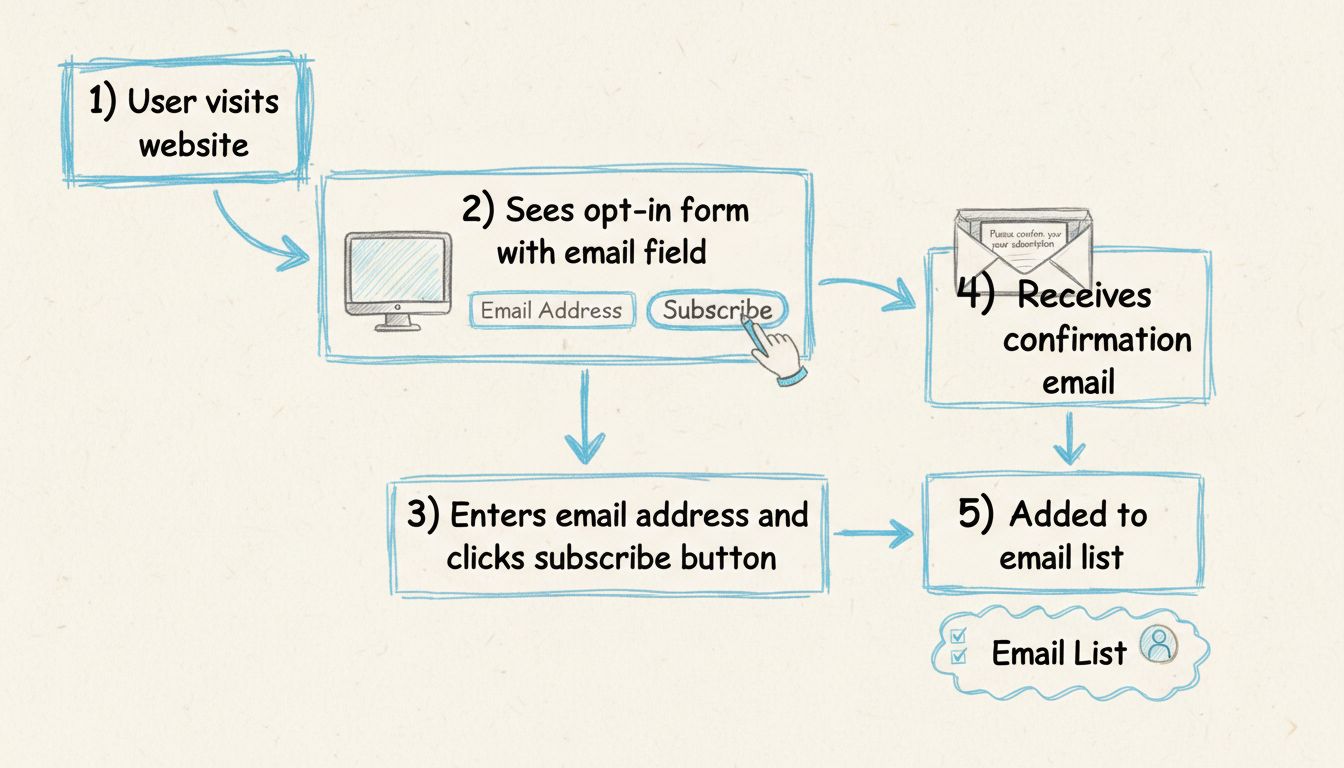
Learn how email opt-in works, the difference between single and double opt-in, legal requirements, and best practices for building engaged email lists with Post...

Master Google Ads compliance for betting affiliates. Learn certification requirements, geo-targeting strategies, and how to scale campaigns compliantly.
Join our community of happy clients and provide excellent customer support with Post Affiliate Pro.



Cookie Consent
We use cookies to enhance your browsing experience and analyze our traffic. See our privacy policy.