


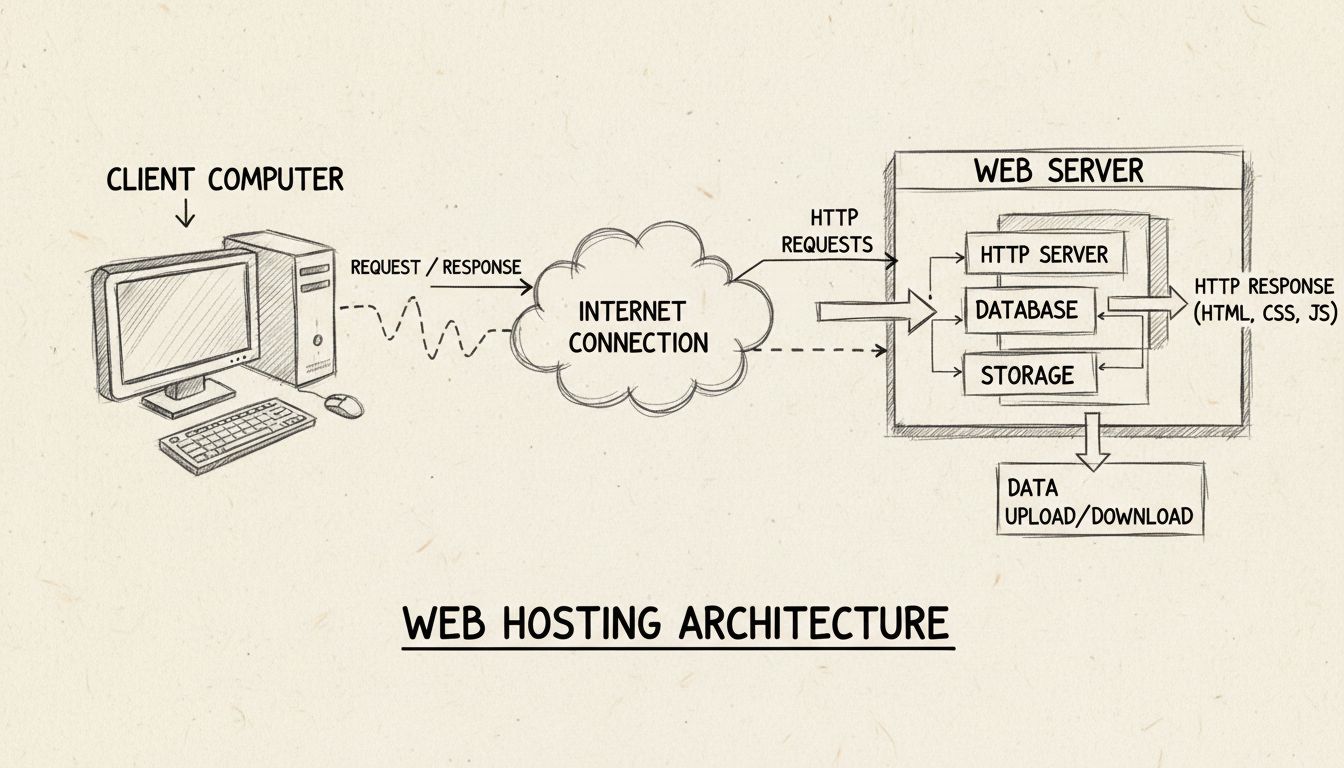
What Does a Web Host Do? Complete Guide to Web Hosting Services
Learn what web hosts do, how they work, and why they're essential for your online presence. Discover hosting types, features, and how PostAffiliatePro can help ...
7 min read

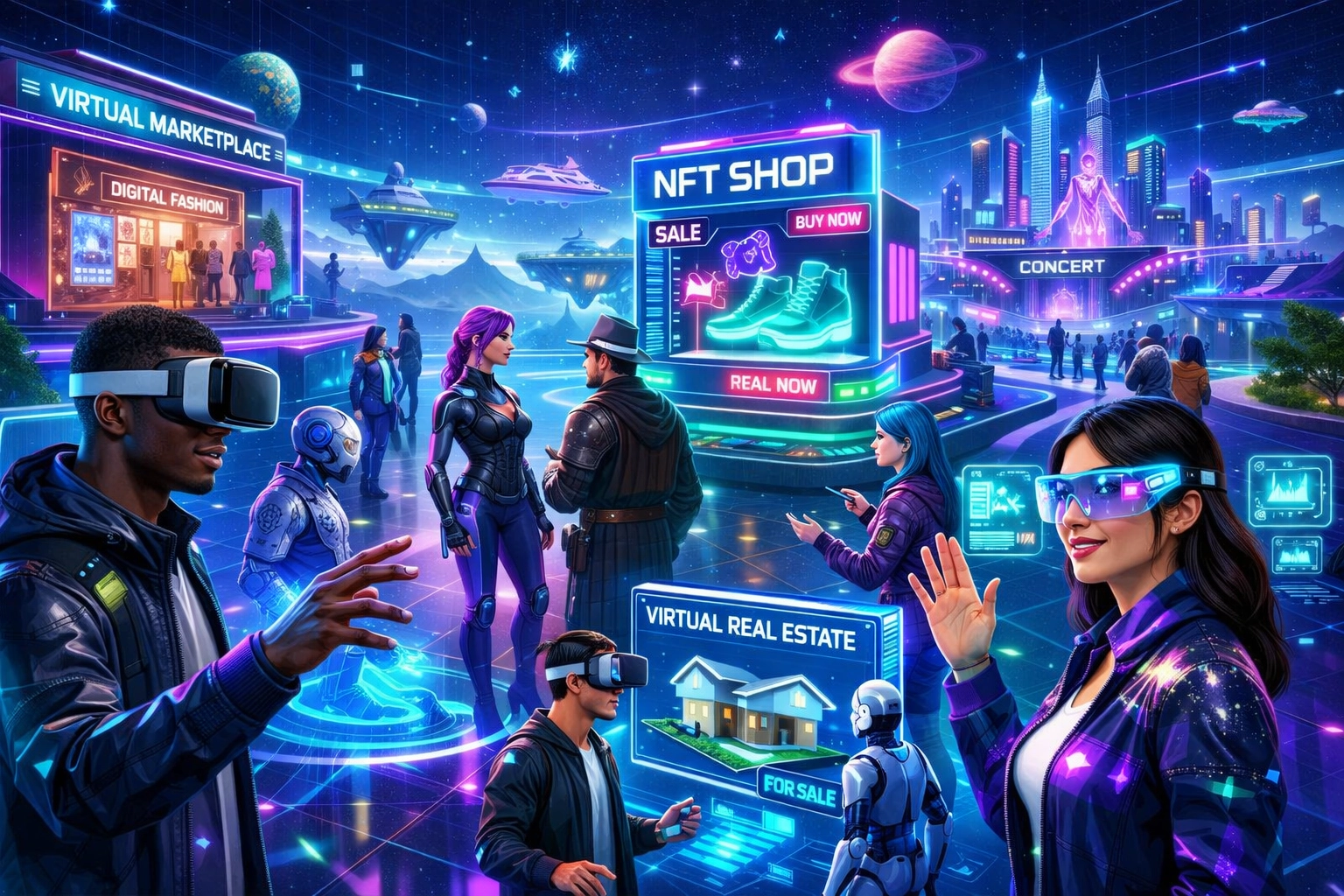
what the metaverse is, how it works, and the incredible opportunities it presents for affiliate marketers. about virtual worlds, blockchain technology, NFTs
The metaverse represents a convergence of virtual reality (VR), augmented reality (AR), and blockchain technologies that creates persistent, interconnected digital worlds where users can interact, work, play, and conduct commerce. Rather than a single platform, the metaverse is a network of virtual spaces—from gaming environments to social platforms to virtual offices—where users are represented by customizable avatars and can engage in real-time interactions with others from around the globe. Major companies like Meta (formerly Facebook), Roblox, Decentraland, and The Sandbox are already building metaverse infrastructure, attracting millions of users and billions in investment. What makes the metaverse fundamentally different from traditional online experiences is its emphasis on immersion, persistence, and ownership—virtual spaces continue to exist and evolve even when you’re not logged in, and blockchain technology enables true ownership of digital assets. For affiliate marketers and digital entrepreneurs, the metaverse represents an unprecedented opportunity to reach engaged audiences, create new revenue streams, and establish early-mover advantages in what many experts believe will become the next evolution of the internet.
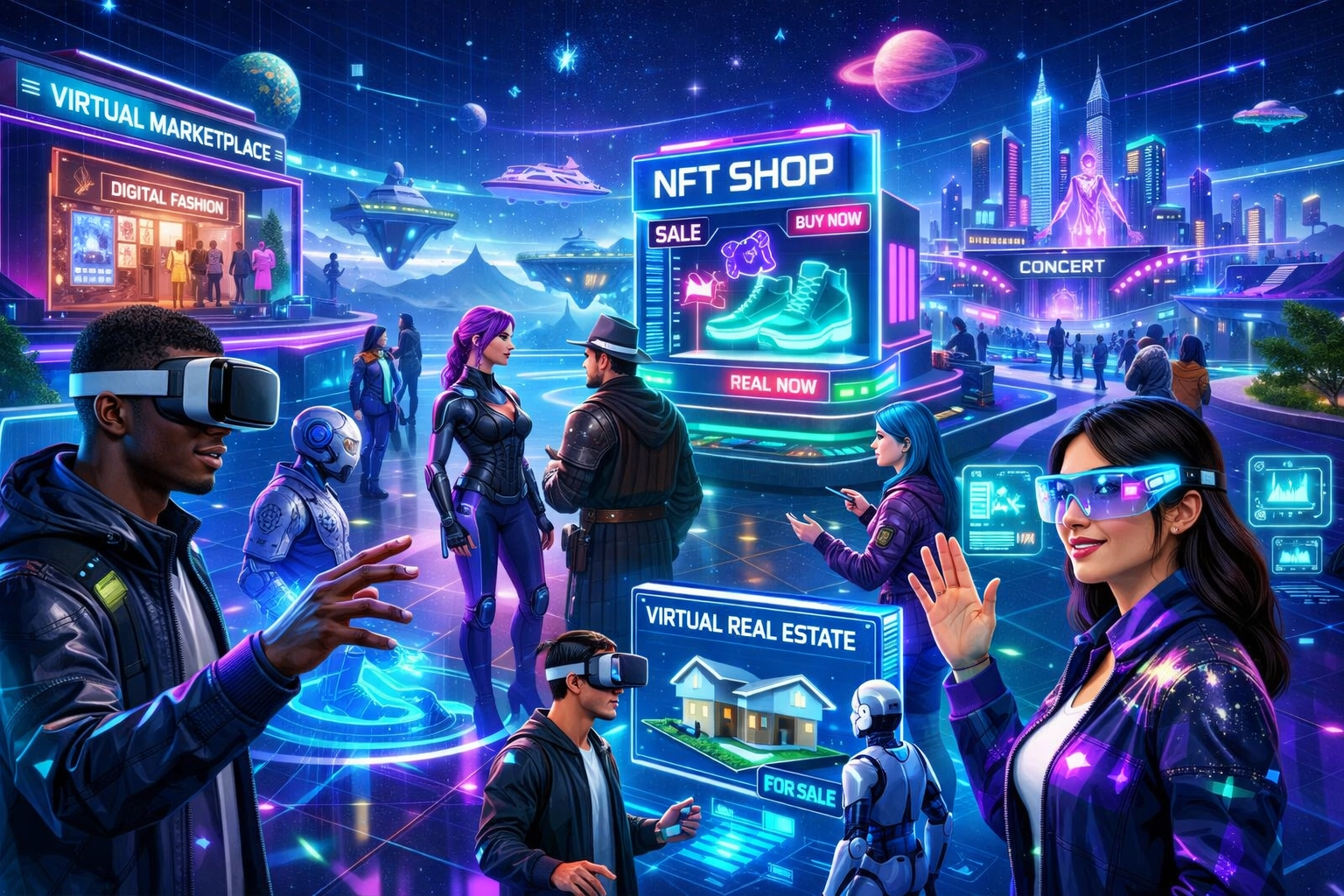
The metaverse is built on a foundation of interconnected technologies that work together to create immersive digital experiences. Virtual Reality (VR) provides complete immersion by replacing your physical surroundings with a fully digital environment, typically accessed through specialized headsets that track your head movements and hand gestures. Augmented Reality (AR) takes a different approach, overlaying digital elements onto the real world through smartphones, AR glasses, or heads-up displays, allowing users to blend physical and digital experiences seamlessly. Blockchain technology serves as the backbone of metaverse economies, providing a decentralized, transparent ledger system that enables secure transactions and verifiable ownership of digital assets without requiring a central authority. Non-Fungible Tokens (NFTs) are unique digital assets stored on the blockchain that represent ownership of virtual items—from land and buildings to art and collectibles—with each NFT having distinct properties that make it irreplaceable and valuable. Finally, cryptocurrencies function as the native payment systems within metaverse platforms, enabling instant, borderless transactions and creating economic ecosystems where users can earn, spend, and invest virtual currency that often has real-world value.
| Technology | Purpose | User Experience | Key Benefit |
|---|---|---|---|
| Virtual Reality (VR) | Complete digital immersion | Full 3D environment via headsets | Highest immersion and presence |
| Augmented Reality (AR) | Digital overlay on real world | Blended physical-digital via devices | Accessible without specialized hardware |
| Blockchain | Secure transactions & ownership | Decentralized ledger system | Transparency, security, and decentralization |
| NFTs | Digital asset ownership | Unique tokenized items | Verifiable ownership and scarcity |
| Cryptocurrency | Virtual payments | Digital currency transactions | Fast, borderless, and programmable payments |

Set up advanced tracking in minutes. No credit card required.
The metaverse economy has evolved from experimental concept to a multi-billion dollar marketplace where real wealth is being created and exchanged. Virtual real estate has emerged as one of the most valuable asset classes, with the market growing from approximately $3 billion in 2024 to a projected $54.95 billion by 2033—a compound annual growth rate of 38.20%. Users and brands are investing heavily in digital land on platforms like Decentraland and The Sandbox, with some premium properties commanding prices in the millions of dollars. Digital goods and collectibles represent another thriving sector, where users purchase virtual clothing, accessories, art, and other items to customize their avatars and express their identity within virtual worlds. The NFT marketplace has become increasingly sophisticated, with platforms enabling creators to mint, list, and sell unique digital assets while earning royalties on secondary sales. Play-to-earn gaming models have revolutionized how users monetize their gaming time, with games like Axie Infinity allowing players to earn cryptocurrency tokens (such as Smooth Love Potion) that can be traded for real money or reinvested in the game. These diverse economic opportunities have attracted institutional investors, venture capital firms, and major corporations, all recognizing that the metaverse represents a genuine economic frontier with substantial profit potential for early participants.
Blockchain technology fundamentally transformed the metaverse by solving a critical problem: how to prove and transfer ownership of digital assets in a decentralized system. Traditional digital items like in-game skins or virtual clothing could be copied infinitely, making them worthless as collectibles. Blockchain and NFTs changed this by creating a permanent, cryptographic record of ownership that cannot be forged or duplicated. When you purchase an NFT, you’re not just buying a digital file—you’re acquiring a unique token on the blockchain that proves you own that specific asset, and this ownership is verifiable by anyone with access to the blockchain. Smart contracts automate transactions and enforce agreements without intermediaries; for example, when you purchase virtual land, a smart contract automatically transfers ownership to your digital wallet and can even execute rental payments or revenue sharing automatically. The real-world impact of this technology is evident in concrete examples: a Gucci virtual handbag initially sold for just $6 on Roblox but later resold for over $4,000, demonstrating how scarcity and brand value create genuine economic value in virtual spaces. Similarly, Nike’s CRYPTOKICKS digital sneakers sold as NFTs, with owners receiving both the virtual item and a physical version of the shoe, bridging the digital and physical economies. The security benefits are equally important—blockchain’s cryptographic verification makes it virtually impossible for hackers to steal or counterfeit digital assets, and the transparent ledger system creates an auditable record of all transactions, reducing fraud and building trust in virtual economies.
Be the first to know about new features and product updates.
Several platforms have emerged as leaders in the metaverse space, each offering unique features and economic opportunities for users and entrepreneurs:
Roblox - With over 250 million monthly active users, Roblox is the largest metaverse platform by user base. The platform offers a Creator Rewards system that pays creators 35% revenue share on up to the first $100 of Robux purchases made by referred users within their first two months. The User-Generated Content (UGC) affiliate system provides even more direct monetization, with experience owners earning approximately 40% on avatar item sales, while item creators earn 30%. Roblox’s integration with Shopify through Commerce APIs enables brands to sell physical products directly within virtual experiences.
Decentraland - A fully decentralized metaverse where users own virtual land as NFTs and govern the platform through a Decentralized Autonomous Organization (DAO). The platform uses MANA as its native cryptocurrency, and users can build, rent, or sell virtual real estate. Decentraland’s governance model gives users direct control over platform development and policies, creating a truly community-owned virtual world.
The Sandbox - Focused on user-generated content and digital creativity, The Sandbox allows users to create, own, and monetize virtual experiences. The platform offers a 10% commission on new-user LAND and ESTATE purchases made within 30 days of referral. Major brands including Adidas, Warner Music Group, and Atari have invested in virtual land, creating branded experiences and driving platform adoption.
Meta Horizon Worlds - Meta’s (formerly Facebook) dedicated metaverse platform emphasizes social interaction and virtual events. The platform provides tools for creating virtual spaces, hosting events, and building communities. Meta is investing heavily in VR hardware and software to make metaverse experiences more accessible and immersive.
Axie Infinity - A blockchain-based play-to-earn game where users breed, battle, and trade NFT creatures called Axies. Players earn Smooth Love Potion (SLP) tokens through gameplay, which can be sold on cryptocurrency exchanges. Axie Infinity demonstrated the viability of play-to-earn models and attracted millions of players, particularly in developing countries where earning potential exceeds local wages.
The metaverse has opened entirely new frontiers for affiliate marketing, with platforms implementing sophisticated revenue-sharing systems that reward creators for driving user acquisition and engagement. Native affiliate systems are now standard on major metaverse platforms, with Roblox leading the way through its Creator Rewards program that tracks referrals and automatically distributes commissions. Creator codes and share links provide simple attribution mechanisms—users can promote a unique code or link, and the platform tracks conversions back to that specific creator, enabling accurate commission calculation. Revenue-sharing models vary by platform but typically range from 5-40% depending on the specific activity (user acquisition, in-experience purchases, virtual real estate sales, etc.). Measurement and attribution have become increasingly sophisticated, with platforms offering real-time dashboards showing clicks, conversions, and earnings. Traditional tools like UTM parameters, unique coupon codes, and QR codes continue to play important roles in tracking performance across channels.
Compliance and disclosure remain critical considerations—the FTC’s Endorsement Guides require clear, conspicuous disclosure of material connections between affiliates and brands, and these requirements apply equally in metaverse environments. Successful metaverse affiliates incorporate disclosures into experience loading screens, shop signage, and interaction prompts, maintaining transparency while building trust with their audiences.
PostAffiliatePro is uniquely positioned to help businesses manage metaverse affiliate campaigns at scale. Our platform’s advanced tracking capabilities can monitor referrals across multiple metaverse platforms, our flexible commission structures accommodate the diverse payout models used in virtual worlds, and our real-time reporting provides visibility into campaign performance. Whether you’re managing creator codes on Roblox, share links on Decentraland, or NFT-based referrals on blockchain platforms, PostAffiliatePro’s robust infrastructure ensures accurate attribution, timely payouts, and comprehensive analytics—giving you the tools to build profitable affiliate programs in the metaverse.
The metaverse is rapidly moving beyond gaming and entertainment into practical applications across multiple industries. Gaming and entertainment remain the primary use cases, with platforms like Fortnite hosting virtual concerts that attract millions of concurrent viewers, and games like Roblox generating billions in annual revenue through user-generated content and virtual commerce. Virtual real estate investment has become a legitimate wealth-building strategy, with investors purchasing digital land, developing it with virtual buildings and experiences, and either renting it out or selling it for profit as the platform grows and demand increases. Brand marketing and virtual storefronts are becoming standard practice, with companies like Nike, Gucci, and Coca-Cola creating branded experiences and selling virtual products that drive both brand awareness and direct revenue. Education and training are leveraging metaverse technology to create immersive learning experiences—medical schools use VR to train surgeons on complex procedures, corporate training programs use virtual classrooms for remote employee development, and universities are experimenting with virtual campuses that provide more engaging alternatives to traditional online learning. Remote work and collaboration have been transformed by metaverse platforms, with companies like Microsoft and Meta developing virtual office spaces where distributed teams can collaborate as if they were physically present, improving engagement and reducing the isolation of remote work. Tourism and travel experiences represent an emerging opportunity, with users exploring 3D models of museums, hotels, and landmarks before visiting physically, or experiencing destinations virtually when travel isn’t possible—McKinsey research identifies travel as one of the five most exciting metaverse use cases for consumers.
Despite the tremendous potential, the metaverse faces significant obstacles that could slow adoption and limit growth. High equipment costs remain a barrier to entry—quality VR headsets range from $300 to $1,500+, and not all users have the disposable income or technical setup to participate in fully immersive experiences. Technical barriers include the need for high-speed internet, compatible hardware, and technical knowledge to set up wallets, purchase cryptocurrency, and navigate blockchain-based systems—these requirements exclude billions of potential users in developing countries and less tech-savvy demographics. Security and privacy concerns are substantial, as users must trust platforms with personal data, financial information, and digital assets; hacking incidents and scams have already occurred, and regulatory frameworks to protect users are still developing. Regulatory uncertainty creates risk for both users and businesses, as governments worldwide are still determining how to tax virtual income, regulate virtual assets, and protect consumers in metaverse environments. Mental health and addiction concerns mirror those of traditional gaming and social media, with experts warning that highly immersive virtual worlds could exacerbate escapism, social isolation, and addiction—particularly among younger users. Market volatility in cryptocurrency and NFT values creates financial risk, as the value of virtual assets and earnings can fluctuate dramatically based on market sentiment and platform changes.
The metaverse is still in its infancy, but several trends suggest how it will evolve and mature over the coming years. Interoperability between platforms is emerging as a critical priority, with industry groups working to establish standards that allow users to transfer avatars, assets, and identities seamlessly across different virtual worlds—imagine wearing the same outfit in Decentraland, Roblox, and Meta Horizon Worlds without repurchasing it on each platform. Mass adoption predictions suggest that within 5-10 years, metaverse participation could become as common as social media use today, driven by improved hardware accessibility, better user interfaces, and killer applications that demonstrate clear value. Integration with the physical world will deepen through technologies like AR glasses that overlay metaverse content onto real-world environments, and through tokenization of real-world assets that can be traded in virtual markets. Emerging technologies including artificial intelligence (for creating realistic NPCs and personalized experiences), brain-computer interfaces (for more intuitive control), and quantum computing (for processing complex virtual environments) will enhance metaverse capabilities. The global metaverse market is projected to grow from $130 billion in 2024 to over $2 trillion by 2032, representing a compound annual growth rate of approximately 40%—making it one of the fastest-growing technology sectors. Opportunities for early adopters are substantial; businesses and entrepreneurs who establish strong positions in metaverse platforms today will benefit from first-mover advantages, brand recognition, and established user bases as the market matures and mainstream adoption accelerates.
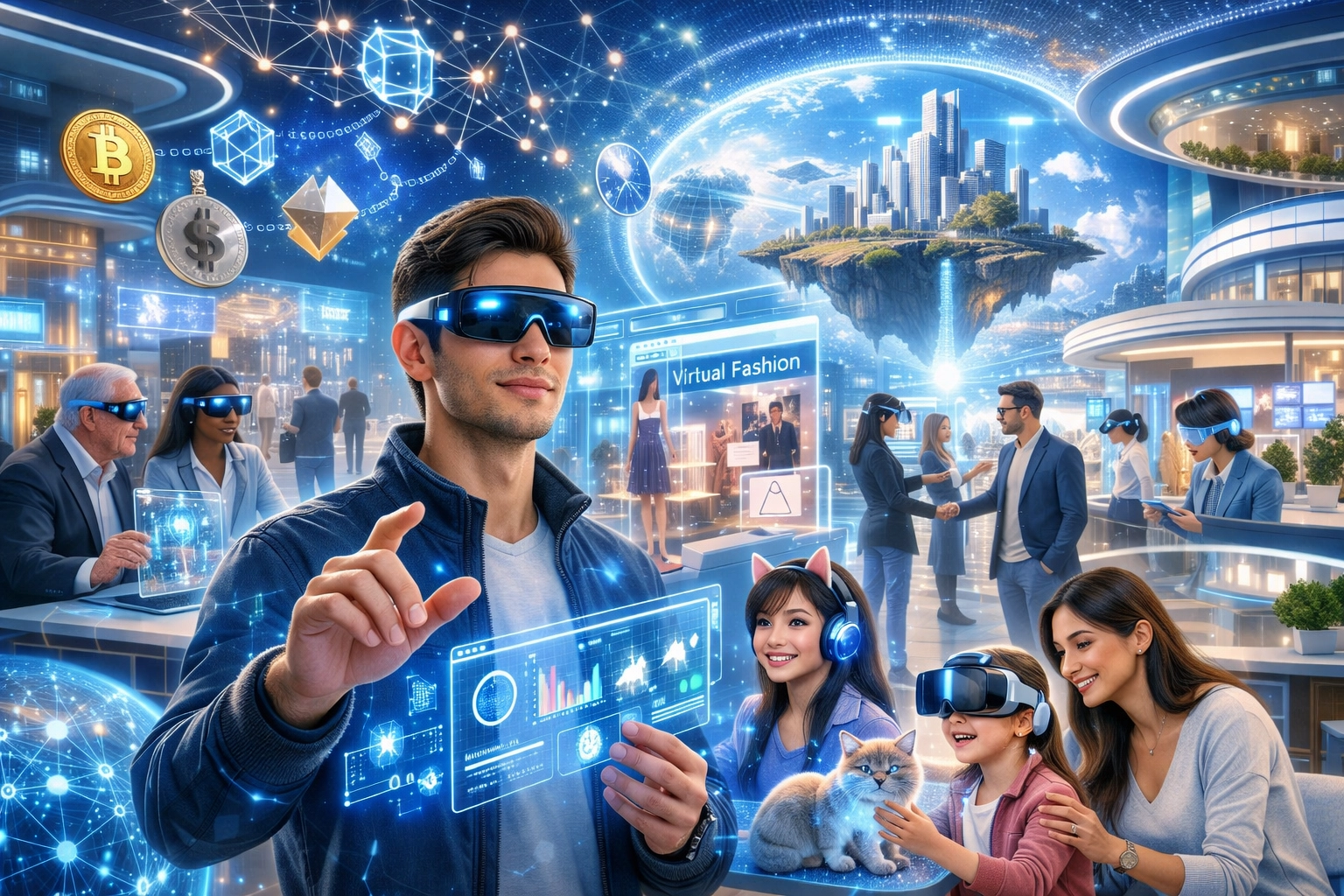
The metaverse represents far more than a technological novelty or gaming trend—it’s a fundamental shift in how humans will interact, work, and conduct commerce in the digital age. With a market valued at $130 billion today and projected to exceed $2 trillion by 2032, the metaverse offers unprecedented opportunities for entrepreneurs, creators, and businesses willing to embrace this emerging frontier. For affiliate marketers specifically, the metaverse provides new channels to reach engaged audiences, diverse monetization models from creator codes to NFT sales, and the chance to establish authority in a space where competition is still relatively limited.
The convergence of virtual reality, augmented reality, blockchain technology, and cryptocurrency has created an economic ecosystem where digital assets have genuine value, ownership is verifiable and secure, and transactions can occur instantly across borders without intermediaries. Whether you’re interested in investing in virtual real estate, launching affiliate campaigns on Roblox, selling digital goods on Decentraland, or building your presence on emerging platforms, the infrastructure and opportunities are already in place.
PostAffiliatePro is your ideal partner for scaling metaverse affiliate programs. Our platform’s advanced tracking, flexible commission structures, and real-time reporting provide the visibility and control you need to succeed in this new economy. The metaverse is no longer a distant future concept—it’s happening now, and the most successful businesses will be those who recognize the opportunity and act decisively to establish their presence in these virtual worlds.
The question isn’t whether the metaverse will become important—it’s whether you’ll be ready to capitalize on the opportunity when it does.
The metaverse represents one of the most exciting frontiers for affiliate marketing. PostAffiliatePro's advanced tracking, flexible commission structures, and real-time reporting make it the ideal platform to launch and scale your metaverse affiliate campaigns. Whether you're promoting virtual real estate, digital goods, or metaverse platforms, our software provides the tools you need to succeed in this emerging economy.
Learn what web hosts do, how they work, and why they're essential for your online presence. Discover hosting types, features, and how PostAffiliatePro can help ...

Would you like to improve your affiliate software even more? Check out the Virtual Merchant integration for Post Affiliate Pro.
Discover the top affiliate marketing platforms and networks for 2026. Compare features, commission rates, and find the perfect solution for your business.
Join our community of happy clients and provide excellent customer support with Post Affiliate Pro.




Cookie Consent
We use cookies to enhance your browsing experience and analyze our traffic. See our privacy policy.