


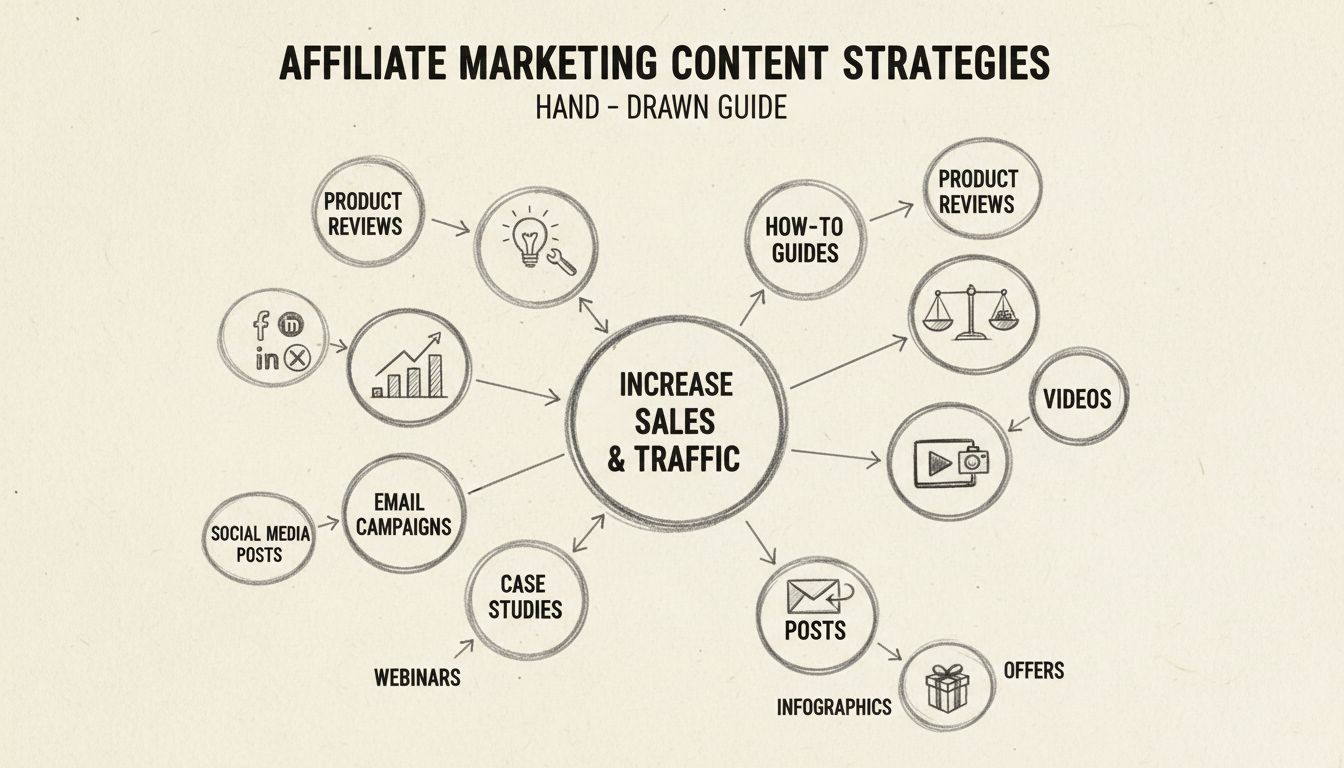
What Content Works Best for Affiliate Marketing in 2025?
Discover the most effective affiliate marketing content types including product reviews, how-to guides, and comparison articles. Learn proven strategies to maxi...
12 min read


how step-by-step tutorials and how-to guides demonstrate product value, build trust, and increase affiliate conversion rates.
Tutorials and how-to articles represent one of the most powerful content formats for driving affiliate commissions because they demonstrate products in real-world scenarios where readers can visualize themselves achieving specific results. Unlike generic product reviews that simply list features and benefits, tutorials show products in action, solving actual problems that your audience faces every day. This practical demonstration builds immediate trust and credibility because readers see tangible proof of the product’s value before making a purchase decision. Research shows that tutorial-based affiliate content converts 2-3 times better than standard product reviews, with average conversion rates ranging from 4-6% compared to the industry average of 1-3%. By combining education with product promotion, tutorials create a win-win scenario where readers gain valuable knowledge while naturally becoming more likely to purchase through your affiliate links.

The reason tutorials drive such exceptional conversion rates lies in fundamental principles of human psychology and decision-making. When readers follow a step-by-step tutorial, they engage in visualization—mentally placing themselves in the scenario and imagining themselves using the product to achieve the desired outcome. This mental rehearsal significantly reduces purchase anxiety because potential buyers have already “experienced” the product working before spending any money. The reciprocity principle also plays a crucial role: when you provide substantial free value through a detailed tutorial, readers feel obligated to reciprocate by purchasing through your affiliate link. Additionally, tutorials create powerful social proof through before-and-after scenarios, showing real transformations that resonate emotionally with your audience. Here’s how tutorial content compares to other affiliate content formats in terms of conversion performance:
| Content Type | Average Conversion Rate | Best For |
|---|---|---|
| Product Reviews | 1.5-2.5% | High-ticket items and detailed comparisons |
| How-To Guides | 3-5% | Problem-solving and educational content |
| Comparison Posts | 2-3.5% | Decision-stage buyers comparing options |
| Tutorials | 4-6% | Technical products and complex solutions |
| Product Galleries | 1-2% | Impulse purchases and visual browsing |
The data clearly demonstrates that tutorials outperform other content types, making them an essential strategy for affiliates serious about maximizing their commission potential.

Set up advanced tracking in minutes. No credit card required.
Understanding which specific elements drive conversion success helps you optimize every tutorial you create:
| Element | Impact on Conversions | Implementation Strategy |
|---|---|---|
| Step-by-step instructions | High - Reduces friction and builds confidence | Break down complex processes into 5-10 clear, numbered steps |
| Visual demonstrations | Very High - Shows product in action | Include screenshots, videos, or animated GIFs of the product interface |
| Real-world examples | High - Demonstrates practical application | Use case studies or before/after scenarios relevant to your audience |
| Problem-solution framing | Very High - Addresses specific pain points | Start with the problem, then show how the product solves it |
| Comparison with alternatives | Medium - Helps readers make informed decisions | Compare features, pricing, and ease of use with competitor products |
| Affiliate link placement | High - Strategic positioning increases clicks | Place links naturally within the tutorial, not just at the end |
| Call-to-action clarity | High - Removes ambiguity about next steps | Use clear, benefit-focused CTAs like “Get Started with [Product]” |
| Trust signals | Very High - Builds credibility and confidence | Include personal experience, results, testimonials, or certifications |
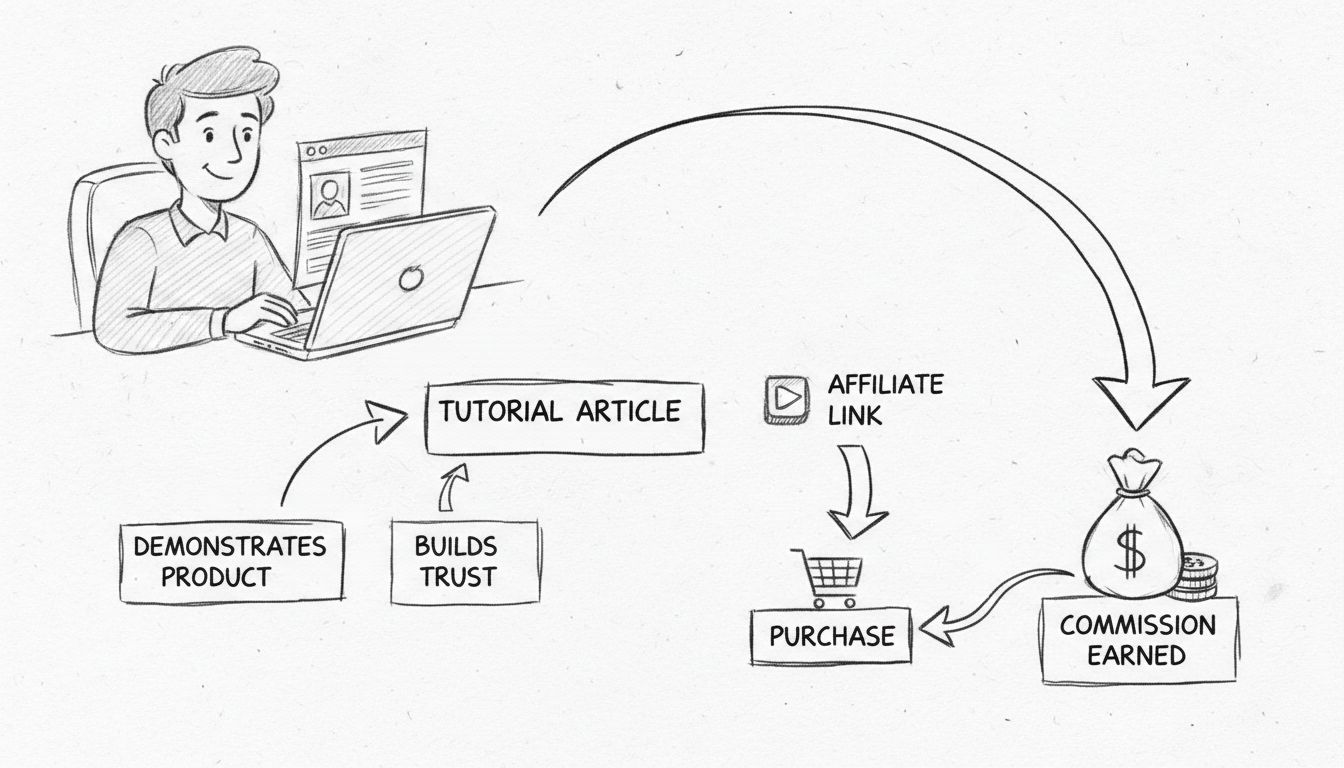
Creating tutorials that actually convert requires more than just listing steps—you need to strategically combine several critical elements that work together to guide readers toward purchase. Clear step-by-step structure is foundational; each step should be numbered, focused on a single action, and logically flow to the next. Visual elements like screenshots, annotated diagrams, and short video clips are essential because they break up text, improve comprehension, and keep readers engaged throughout the tutorial. The tutorial must address real-world problem solving rather than theoretical scenarios, showing how the product solves genuine pain points your audience experiences. Natural product integration means the product appears as the obvious solution to the problem, not as an interruption or forced promotion. Finally, strategic CTA placement throughout the tutorial—particularly after demonstrating key benefits and at the conclusion—ensures readers know exactly where to click when they’re ready to purchase.
Be the first to know about new features and product updates.
The most effective tutorials follow a proven structure that guides readers from problem awareness to purchase decision. Here’s the framework that top-performing affiliate tutorials use:
The key to maintaining reader trust while maximizing affiliate revenue is positioning your links as solutions, not interruptions. Rather than awkwardly inserting affiliate links throughout your tutorial, introduce them at the moment when they become the natural next step in solving the reader’s problem. For example, if your tutorial is “How to Speed Up Your WordPress Site,” your link to a caching plugin should appear exactly when you reach the step where that plugin becomes necessary. Multiple link placement strategies work well in tutorials: include a link in the introduction when mentioning the product, embed links within relevant steps, and place a prominent link after demonstrating results. Use descriptive anchor text that clearly indicates what readers will get (“Download the Free Version” or “Get 30% Off with This Link”) rather than generic “click here” language. Consider negotiating exclusive bonuses or discount codes with affiliate merchants specifically for your tutorial readers—this adds tangible value and gives readers a compelling reason to purchase through your link rather than finding the product independently. Finally, implement UTM parameters and tracking codes on every affiliate link so you can measure which tutorials drive the most revenue and optimize your content strategy accordingly.
Understanding how tutorials perform in practice helps you recognize the revenue potential and structure your own content effectively. Consider a software tutorial example: an affiliate marketer created a detailed tutorial on “How to Set Up Email Automation in ConvertKit” targeting small business owners. The tutorial included 12 steps with video demonstrations, covered common setup mistakes, and naturally integrated affiliate links. Within six months, this single tutorial generated over $12,000 in affiliate commissions from approximately 2,400 clicks, representing a 5.2% conversion rate—significantly above the 1-3% industry average. For physical products, a home improvement blogger published “How to Install Smart Home Lighting in 30 Minutes,” complete with product recommendations and affiliate links. This tutorial attracted 8,500 monthly visitors and converted at 4.8%, generating $3,200 monthly in affiliate revenue. A service-based example comes from a digital marketing consultant who created “How to Set Up Your First Facebook Ad Campaign,” which included step-by-step screenshots and naturally recommended her affiliate partner’s ad management tool. This tutorial achieved a 6.1% conversion rate and became her highest-earning affiliate content, generating $45,000 over six months. These real-world examples demonstrate that tutorials consistently outperform other content types and can become significant revenue drivers when properly structured and optimized.

To scale your tutorial-based affiliate strategy effectively, you must track the right metrics and understand which tutorials drive the most profitable traffic. Key metrics to monitor include click-through rate (CTR—the percentage of readers who click your affiliate link), conversion rate (the percentage of clicks that result in purchases), and earnings per click (EPC—your average revenue per affiliate link click). Implement UTM parameters on every affiliate link in your tutorials, using consistent naming conventions like ?utm_source=tutorial&utm_medium=blog&utm_campaign=tutorial-name. This allows you to see exactly which tutorials drive traffic and revenue in your analytics dashboard. A/B testing tutorial elements reveals what resonates with your audience: test different CTA button colors, link placement positions, bonus offer descriptions, and even tutorial length to identify your highest-converting format. Analyze your data monthly to identify which tutorials drive the most revenue relative to the traffic they receive—some tutorials might get 10,000 visitors but convert at 2%, while others get 2,000 visitors but convert at 6%, making the latter far more valuable. Once you identify your top-performing tutorial formats and topics, you can confidently scale by creating more content in that style, knowing you have data-backed evidence that this approach generates strong ROI.
Even well-intentioned affiliate marketers often make critical mistakes that tank their tutorial conversion rates and leave money on the table. The most damaging error is adopting an overly promotional tone that makes tutorials feel like sales pitches rather than helpful guides—readers can sense when you’re prioritizing commissions over their success, and they’ll click away. Poor visual quality is another conversion killer; blurry screenshots, outdated software interfaces, or missing diagrams force readers to work harder to understand your steps, increasing bounce rates significantly. Incomplete or unclear steps that skip important details or assume too much prior knowledge frustrate readers and make them doubt your expertise—always err on the side of over-explaining rather than under-explaining. Weak calls-to-action that lack urgency or clarity (“Click here for more info”) fail to convert interested readers into buyers; instead, use specific, benefit-driven CTAs like “Get Your Free Trial Now” or “Claim Your 40% Discount.” Many affiliates fail to match their tutorial’s complexity level to their audience’s skill level, creating tutorials that are either too basic (boring experienced users) or too advanced (overwhelming beginners). Finally, ignoring mobile optimization is a critical oversight since over 60% of tutorial traffic comes from mobile devices—if your screenshots are too small to read on phones or your buttons aren’t thumb-friendly, you’re losing conversions from the majority of your audience.
Creating professional-quality tutorials doesn’t require expensive equipment or advanced technical skills—the right tools make the process straightforward and efficient. Screenshot tools like Snagit, Lightshot, or even the built-in Windows Snipping Tool allow you to capture clear images of software interfaces, which you can then annotate with arrows, circles, and text to highlight important elements. Video recording software such as Camtasia, OBS Studio (free), or ScreenFlow (Mac) enables you to create screen recordings that show motion and process flow, often more effective than static screenshots for complex procedures. Design tools like Canva Pro or Adobe Express let you create polished graphics, infographics, and visual elements that make your tutorials more visually appealing and easier to follow. Hosting platforms like YouTube (for video tutorials), Loom (for interactive video), or your own website ensure your tutorials are accessible and properly formatted for your audience. Finally, analytics tools including Google Analytics, your affiliate network’s dashboard, and UTM tracking help you measure tutorial performance, identify top performers, and make data-driven decisions about where to invest your content creation efforts.
Once you’ve identified tutorial formats and topics that convert well, the path to significantly higher affiliate revenue involves strategic scaling and optimization. Content repurposing multiplies the value of each tutorial: convert a written tutorial into a video, create a downloadable PDF checklist, develop an email course series, or extract key points into social media content—each format reaches different audience segments and drives additional traffic to your affiliate links. Creating tutorial series around related topics builds topical authority and keeps readers engaged longer; for example, “WordPress Optimization” tutorials could include separate guides on caching, image optimization, database cleanup, and security—each with relevant affiliate links. Updating and refreshing old tutorials that still drive traffic but haven’t been touched in months can significantly boost their performance; add new screenshots, update outdated information, improve visual quality, and refresh CTAs to reflect current offers. Building tutorial libraries organized by topic or skill level creates a comprehensive resource that attracts more organic search traffic and positions you as an authority in your niche. Outsourcing tutorial creation to freelance writers or content agencies allows you to scale production without burning yourself out, though you should maintain quality control and ensure all tutorials align with your brand voice. Calculate your ROI for scaling by determining your average revenue per tutorial and comparing it to the cost of creating new content—if tutorials average $2,000 monthly revenue and cost $300 to create, you’re looking at a 667% ROI, making aggressive scaling a smart business decision.
Tutorials are step-by-step guides that show readers how to accomplish a specific task using a product, while reviews evaluate and compare products. Tutorials convert 2-3x better because they demonstrate real-world value and reduce purchase anxiety by letting readers visualize themselves using the product successfully.
The ideal tutorial length is 5-15 steps with supporting visuals, typically resulting in 1,500-3,000 words of written content. Longer tutorials with more detail tend to convert better than short ones, as they build more trust and address more objections. However, each step should be concise and focused on a single action.
Yes, video tutorials can be highly effective and often outperform written guides for complex processes. Many successful affiliates use a hybrid approach: written tutorials with embedded video demonstrations. Video tutorials work especially well for software, technical products, and visual processes where motion and demonstration are valuable.
Place a clear disclosure at the top of your tutorial stating 'This article contains affiliate links; I may earn a commission if you purchase through these links.' Additionally, use descriptive anchor text that indicates the link is an affiliate link, such as 'Get [Product Name] with this exclusive discount' rather than generic 'click here' language.
Tutorial-based affiliate marketing works exceptionally well for software, SaaS products, technical tools, and products that solve specific problems. Physical products with installation or setup requirements also perform well. Products that require learning or have multiple features tend to generate higher conversion rates through tutorials than simple, impulse-purchase items.
Review and update tutorials at least every 6-12 months, or whenever the product interface, features, or pricing changes significantly. Updating old tutorials that still drive traffic can boost their performance by 20-40%. Refresh screenshots, verify all steps still work, update CTAs with current offers, and improve visual quality to maintain relevance and conversion rates.
Absolutely. Tutorials are particularly effective for high-ticket products because they reduce purchase anxiety and build trust before the buying decision. Detailed tutorials that address common concerns, show ROI potential, and demonstrate proper implementation can achieve conversion rates of 5-8% for high-ticket items, significantly above the 1-3% industry average.
Tutorial-based affiliate content typically achieves ROI of 200-300% within 12 months, with some high-performing tutorials exceeding 500% ROI. If a tutorial costs $300-500 to create and generates $1,000-2,000 monthly in affiliate revenue, it breaks even within 3-6 months and becomes pure profit thereafter. The ROI improves significantly as tutorials age and accumulate organic search traffic.
PostAffiliatePro makes it easy to track, manage, and optimize your tutorial-based affiliate campaigns. Monitor conversions, test variations, and scale what works.
Discover the most effective affiliate marketing content types including product reviews, how-to guides, and comparison articles. Learn proven strategies to maxi...
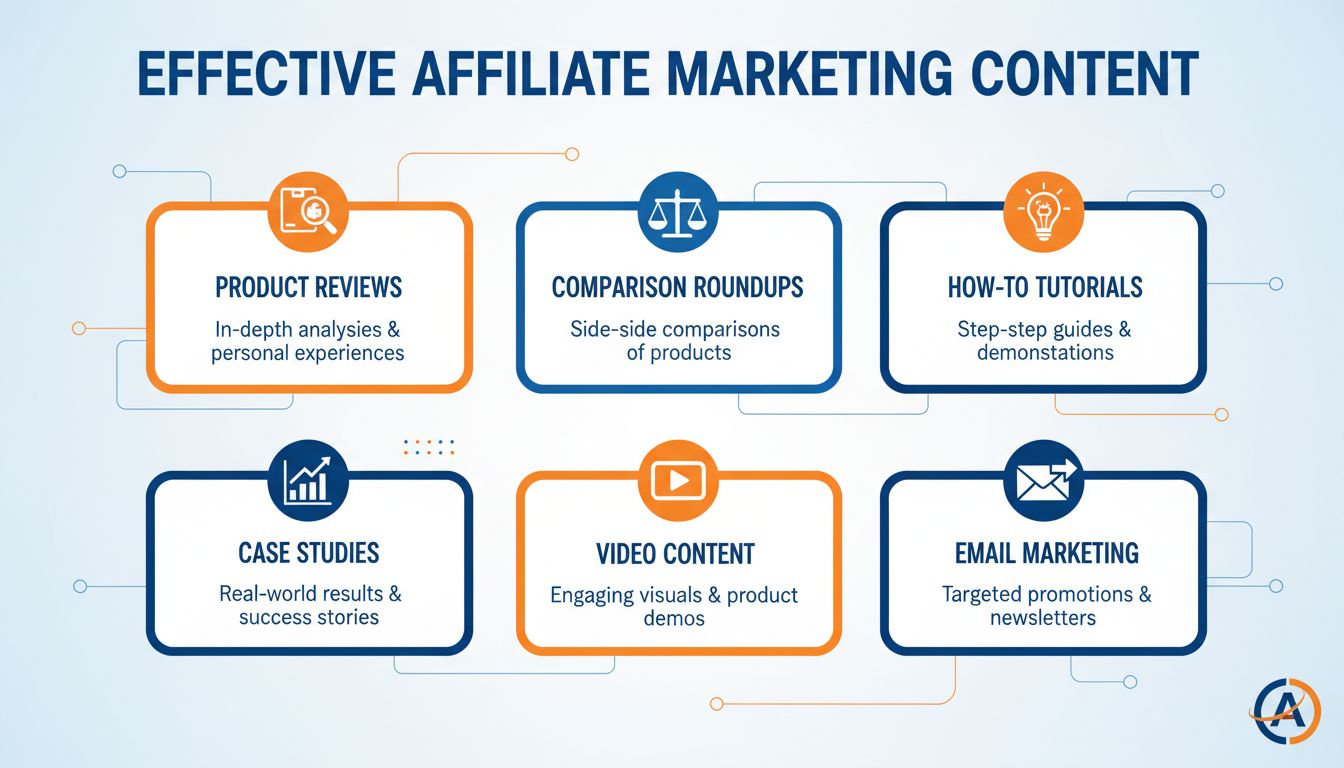
Discover the most effective affiliate marketing content types including product reviews, comparisons, tutorials, and case studies. Learn how to maximize convers...
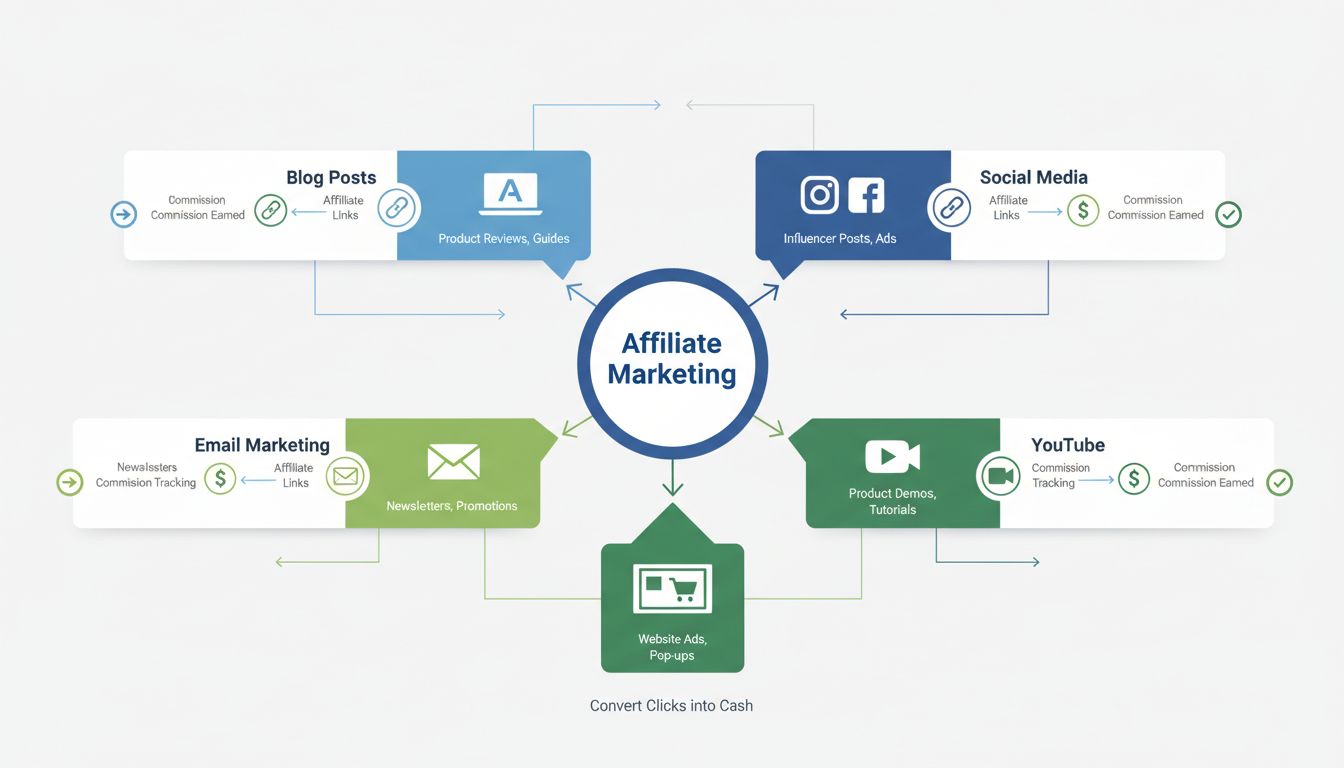
Learn proven strategies for promoting affiliate products through blogs, social media, email, and banners. Discover commission models, tracking methods, and best...
Join our community of happy clients and provide excellent customer support with Post Affiliate Pro.




Cookie Consent
We use cookies to enhance your browsing experience and analyze our traffic. See our privacy policy.