


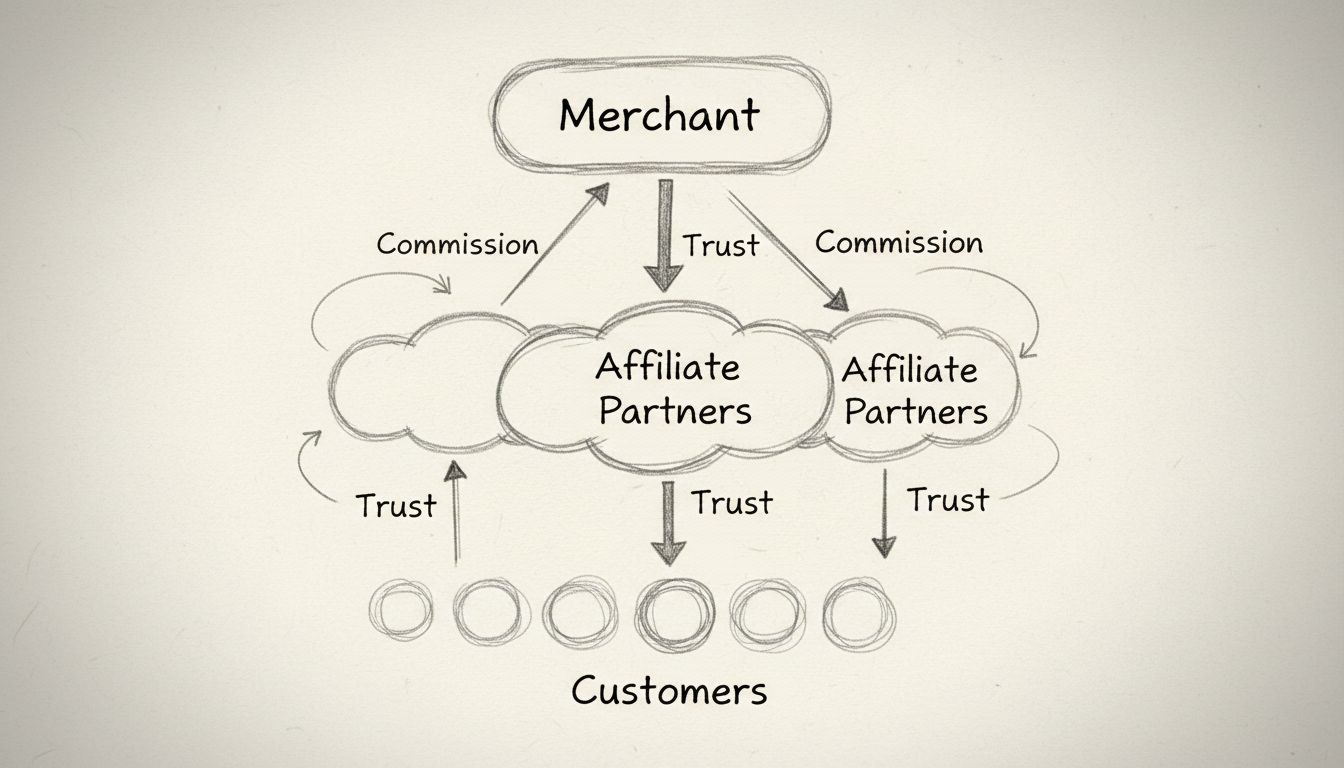
Why Think Like an Affiliate When Promoting Your Program?
Discover why thinking like an affiliate is crucial for program success. Learn how to address affiliate needs, motivations, and create high-quality partnerships ...
8 min read


why thinking like an affiliate is crucial for program success. how to address affiliate needs, build trust, and create high-performing partnerships that drive
“Thinking like an affiliate” means stepping into the shoes of independent business owners who are evaluating your program as a potential revenue stream—not as a favor to your company. Affiliates are entrepreneurs with their own goals, constraints, and alternatives; they’re comparing your program against dozens of other opportunities and asking themselves whether partnering with you will help them grow their business. When you adopt this mindset, you stop viewing affiliates as mere promotional channels and start recognizing them as strategic partners whose success directly determines your program’s success. This fundamental shift in perspective is what separates high-performing affiliate programs from those that struggle with recruitment, retention, and partner quality.

Affiliates are primarily driven by five interconnected motivations: earning potential, operational flexibility, growth opportunities, reliable support, and meaningful recognition. Earning potential tops the list—affiliates need to see a clear path to substantial income, which means they evaluate commission rates, average order values, and conversion rates before committing their time and resources. Beyond money, affiliates value flexibility because they’ve chosen this path to escape traditional employment constraints; they want to work on their own schedule, choose which products to promote, and scale at their own pace. Growth opportunities matter because successful affiliates think long-term—they want programs that evolve, offer new products, and provide pathways to increase their earnings as they build their audience. Support and recognition complete the picture: affiliates need responsive assistance when they encounter problems and public acknowledgment of their contributions, which builds loyalty that transcends commission rates. For example, Shopify’s affiliate program succeeds partly because it offers tiered commissions (up to 25% recurring), extensive educational resources, and a dedicated partner community—directly addressing each of these core motivations.
| Affiliate Need | How Programs Address It |
|---|---|
| Earning Potential | Competitive commission rates, tiered structures, performance bonuses |
| Flexibility | Self-paced promotion, multiple channels, no rigid quotas |
| Growth Opportunities | Training programs, resources, mentorship, advancement paths |
| Support & Resources | Marketing materials, product knowledge, responsive managers |
| Recognition | Leaderboards, spotlights, awards, community features |

Set up advanced tracking in minutes. No credit card required.
When you genuinely think like an affiliate, your program design naturally evolves to prioritize their needs across every touchpoint. This mindset influences commission structures (moving from flat rates to performance-based tiers), onboarding processes (streamlining signup and providing immediate value), communication cadence (regular updates without overwhelming partners), and resource quality (investing in materials that actually convert). Programs that adopt this approach see measurable improvements: retention rates increase because affiliates feel understood and supported, performance improves because incentive structures align with their growth goals, and recruitment becomes easier because word-of-mouth recommendations from satisfied partners drive inbound interest. A practical example is how Amazon Associates restructured its program to include category-specific commission rates and expanded its resource library—changes driven by affiliate feedback that resulted in higher engagement and stronger partner relationships. The key insight is that affiliate-centric design isn’t about adding more features; it’s about ensuring every feature serves the affiliate’s business objectives.
Flat commission rates—offering the same percentage regardless of performance or product category—rarely motivate affiliates because they don’t reward growth or recognize that different products have different profit margins and promotional difficulty. High-performing programs use dynamic commission structures that include tiered commissions (where rates increase as affiliates hit performance milestones), performance bonuses (additional payouts for exceeding targets), and recurring commissions (ongoing payments for subscription-based products). Tiered structures are particularly effective because they create a clear incentive ladder: an affiliate earning 5% commission might push harder to reach the 10% tier, knowing that increased effort translates to increased rewards. Recurring commissions address a critical affiliate concern—the desire for passive income—by ensuring that their initial promotional effort continues generating revenue long after the sale. For instance, SaaS affiliate programs often use 20-30% recurring commissions on monthly subscriptions, which allows affiliates to build predictable income streams. When evaluating commission models, top affiliates assess not just the percentage but the average order value, customer lifetime value, and how the structure compares to competing programs in their niche. Programs that transparently communicate these metrics and adjust structures based on market conditions and affiliate feedback consistently outperform those with static, one-size-fits-all approaches.
| Performance Level | Commission Rate | Monthly Sales Target |
|---|---|---|
| Starter | 10% | 1-10 sales |
| Growing | 12% | 11-25 sales |
| Top Performer | 15% | 26+ sales |
| Elite | 18% + Bonuses | 50+ sales |
Be the first to know about new features and product updates.
Affiliates have been burned before—by programs with inaccurate tracking, delayed payments, hidden terms, or unresponsive support—so transparency isn’t a nice-to-have feature; it’s a fundamental requirement for building trust. Transparent communication means clearly documenting how tracking works (cookie duration, attribution models, multi-touch credit), publishing payment schedules and minimum thresholds upfront, explaining commission calculations in detail, and providing real-time access to performance data. When affiliates can log into their dashboard and see exactly how many clicks they’ve driven, which ones converted, and when they’ll receive payment, they feel confident in the partnership and can make informed decisions about where to invest their promotional efforts. Payment reliability is non-negotiable: programs that consistently pay on schedule, even by a few days early, build reputations that attract top-tier affiliates. Clarity around terms—including what constitutes a valid sale, which traffic sources are prohibited, and how disputes are resolved—prevents misunderstandings that damage relationships. Transparency also extends to product changes, commission adjustments, and program updates; affiliates should hear about changes from you first, not discover them when their earnings suddenly shift. Programs like Tapfiliate have built their reputation partly on transparent tracking and detailed reporting, recognizing that affiliates need to trust the numbers before they’ll commit serious promotional effort.
Key transparency elements that build affiliate trust:
The difference between an affiliate who generates modest revenue and one who becomes a top performer often comes down to resource quality. Affiliates need marketing materials (email templates, social media graphics, landing page copy) that are professionally designed and conversion-optimized, not generic assets that look like they were created in five minutes. Product training matters because affiliates can’t authentically promote what they don’t understand; detailed product guides, feature comparisons, and use-case documentation help them speak credibly to their audience. Conversion optimization tools—like A/B testing frameworks, audience segmentation strategies, and performance analytics—empower affiliates to continuously improve their promotional effectiveness. Content templates (blog post outlines, video scripts, podcast talking points) reduce the friction of content creation, allowing affiliates to focus on distribution rather than starting from scratch. The ROI of investing in high-quality resources is substantial: programs that provide comprehensive resource libraries see 30-40% higher performance from their affiliate base because partners spend less time figuring out what to promote and more time actually promoting. For example, ReferralCandy provides affiliates with customizable landing pages, email swipe files, and detailed product documentation—resources that directly contribute to higher conversion rates and stronger partner satisfaction. The key is understanding that resources should be tailored to different affiliate types: content creators need different materials than email marketers, and B2B affiliates need different resources than B2C partners.
Beyond the transactional elements of commissions and payments, affiliates are motivated by the emotional and social aspects of belonging to a community of like-minded entrepreneurs. High-performing affiliate programs create spaces where partners can connect, share strategies, celebrate wins, and learn from each other—whether through private Slack channels, exclusive forums, or regular virtual meetups. This sense of belonging serves multiple purposes: it increases retention because affiliates feel part of something larger than themselves, it accelerates learning because experienced partners mentor newer ones, and it creates network effects where affiliates refer other quality partners to the program. Recognition within the community amplifies these benefits; when top performers are publicly celebrated (through leaderboards, case studies, or featured spotlights), it motivates others while making recognized affiliates feel valued and invested in the program’s success. SARAL’s affiliate program has successfully built community through monthly webinars, partner spotlights, and a dedicated Slack community where affiliates share promotional tactics and celebrate milestones. The psychological impact of belonging shouldn’t be underestimated: affiliates who feel part of a community are more likely to stick with a program during slow periods, more willing to try new promotional strategies, and more inclined to refer quality partners. Programs that invest in community-building consistently report higher retention rates and stronger long-term partnerships than those that treat affiliates as isolated contractors.

While commission payments are the primary financial reward, recognition serves a distinct psychological function that drives loyalty beyond monetary compensation. Top-performing affiliates have options—they could promote competing programs—so programs that recognize their contributions create emotional bonds that make switching less appealing. Recognition strategies include public acknowledgment (featuring top performers in newsletters, case studies, or social media), exclusive perks (early access to new products, special commission rates, or dedicated account management), and advancement opportunities (invitations to advisory boards or exclusive partner tiers). The power of recognition is that it’s often more memorable and motivating than a small commission increase; an affiliate who sees their name featured as “Partner of the Month” or receives a personalized note from leadership often feels more valued than one who receives a 1% commission bump. Effective recognition programs also create aspirational goals: when affiliates see the benefits of reaching top-performer status, they’re motivated to increase their efforts. For instance, programs that offer exclusive perks like early product access or invitations to partner summits create a status hierarchy that drives performance improvements. The key is ensuring recognition is genuine and specific—generic praise is transparent and ineffective, while detailed acknowledgment of specific contributions (e.g., “Your creative approach to email marketing drove 40% of our Q3 revenue”) resonates deeply and reinforces the behaviors you want to encourage.
Understanding affiliate pain points—the frustrations that cause partners to leave programs or underperform—is essential to building loyalty and maximizing program potential. Common pain points include inaccurate tracking (affiliates lose commissions due to technical issues), slow or unreliable payments (cash flow problems for partners), lack of responsive support (questions go unanswered for days), unclear terms (confusion about what qualifies as a valid sale), and inadequate resources (affiliates struggle to create effective promotional content). When you think like an affiliate, you recognize these pain points before they become problems: you implement robust tracking systems with clear documentation, establish reliable payment schedules with transparent communication, create dedicated support channels with guaranteed response times, publish detailed terms and FAQs, and invest in comprehensive resource libraries. PostAffiliatePro addresses these pain points directly through its advanced tracking technology (which minimizes attribution errors), automated payment processing (ensuring on-time, reliable payouts), dedicated partner support, and built-in resource management tools. Prevention is far more cost-effective than reaction: a single affiliate who leaves due to payment delays might have generated $10,000 in annual revenue, making the investment in reliable payment systems a clear ROI winner. Programs that proactively address pain points see higher retention, better performance, and stronger word-of-mouth recruitment because satisfied affiliates become advocates who recommend the program to peers.
Common affiliate pain points and solutions:
The most successful affiliate programs treat feedback as a continuous improvement engine, recognizing that affiliates are closest to market realities and often identify opportunities before leadership does. Gathering feedback can be as simple as quarterly surveys asking what’s working, what’s frustrating, and what resources would help affiliates succeed—or as sophisticated as establishing an affiliate advisory board that meets monthly to discuss program strategy. Testing changes based on feedback is critical: rather than implementing major changes company-wide, pilot new commission structures, resources, or support processes with a subset of affiliates and measure the impact before rolling out. This iterative approach demonstrates that you genuinely value affiliate input and are willing to adapt based on their needs. Emphasizing that affiliate success equals program success creates alignment: when affiliates understand that their feedback directly influences program decisions, they’re more invested in providing thoughtful input. Practical feedback collection methods include post-campaign surveys, one-on-one interviews with top performers, analysis of support tickets to identify common issues, and monitoring of affiliate forums or community channels for organic feedback. Responsiveness matters enormously: when affiliates see their suggestions implemented (or receive clear explanations for why suggestions weren’t adopted), they feel heard and respected. Programs that demonstrate this responsiveness build reputations as partner-centric organizations, which attracts higher-quality affiliates and creates competitive advantages in recruitment.
The tangible benefits of affiliate-centric thinking are evident in programs that have successfully implemented this approach. Shopify’s affiliate program grew from modest beginnings to generating billions in attributed revenue, largely because the company consistently prioritized affiliate needs: they offer competitive recurring commissions (up to 25%), provide extensive educational resources through their affiliate academy, and maintain an active partner community. Amazon Associates, despite its scale, has faced criticism for low commission rates and poor communication—a cautionary tale of what happens when affiliate needs aren’t prioritized. In contrast, Tapfiliate (an affiliate software provider) built its own affiliate program with transparent tracking, responsive support, and regular communication, resulting in strong partner retention and word-of-mouth growth. ReferralCandy’s affiliate program emphasizes community and recognition, featuring partner spotlights and success stories that motivate other affiliates while celebrating top performers. Before-and-after scenarios illustrate the impact: a SaaS company that moved from flat 10% commissions to tiered commissions (10-20% based on performance) saw affiliate recruitment increase by 45% and average partner revenue increase by 60% within six months. Another example: a program that implemented a dedicated support channel with guaranteed 24-hour response times saw affiliate satisfaction scores increase from 6.2/10 to 8.7/10 and partner retention improve by 35%. These examples demonstrate that affiliate-centric thinking isn’t theoretical—it produces measurable results in recruitment, retention, performance, and revenue.
Adopting affiliate-first thinking requires concrete steps and sustained commitment. Start by conducting surveys and interviews with your current affiliates to understand their needs, frustrations, and aspirations—ask what resources would help them succeed, what commission structure would motivate them, and what support gaps exist. Analyze competitor programs to understand market expectations: what commission rates are top programs offering, what resources do they provide, and how do they communicate with partners? Test features and changes with a subset of affiliates before rolling out company-wide; this might include piloting a new commission structure, testing new marketing materials, or implementing a community platform. Communicate changes transparently and explain the reasoning behind decisions—affiliates appreciate understanding the “why” behind program updates. Measure impact through key metrics: track retention rates, average affiliate revenue, partner satisfaction scores, and recruitment quality to understand whether changes are moving the needle. Create a roadmap for continuous improvement, perhaps with quarterly reviews of affiliate feedback and semi-annual program updates. PostAffiliatePro enables this affiliate-first approach through its comprehensive platform: advanced tracking ensures accurate commission calculations, automated reporting gives affiliates real-time visibility into performance, built-in communication tools facilitate regular partner engagement, and resource management features help you organize and distribute marketing materials. The journey toward affiliate-centric thinking is ongoing, but the investment pays dividends in stronger partnerships, higher performance, and sustainable program growth. Start today by reaching out to your top five affiliates and asking a simple question: “What would make this partnership more valuable for your business?”
Understand your affiliates' needs and create a program they'll love. PostAffiliatePro makes it easy to manage, support, and grow your affiliate partnerships with advanced tracking, transparent reporting, and dedicated partner support.
Discover why thinking like an affiliate is crucial for program success. Learn how to address affiliate needs, motivations, and create high-quality partnerships ...
Learn what an Affiliate Program is, its key components, and how it works. Discover essential steps and best practices to build a successful affiliate marketing ...
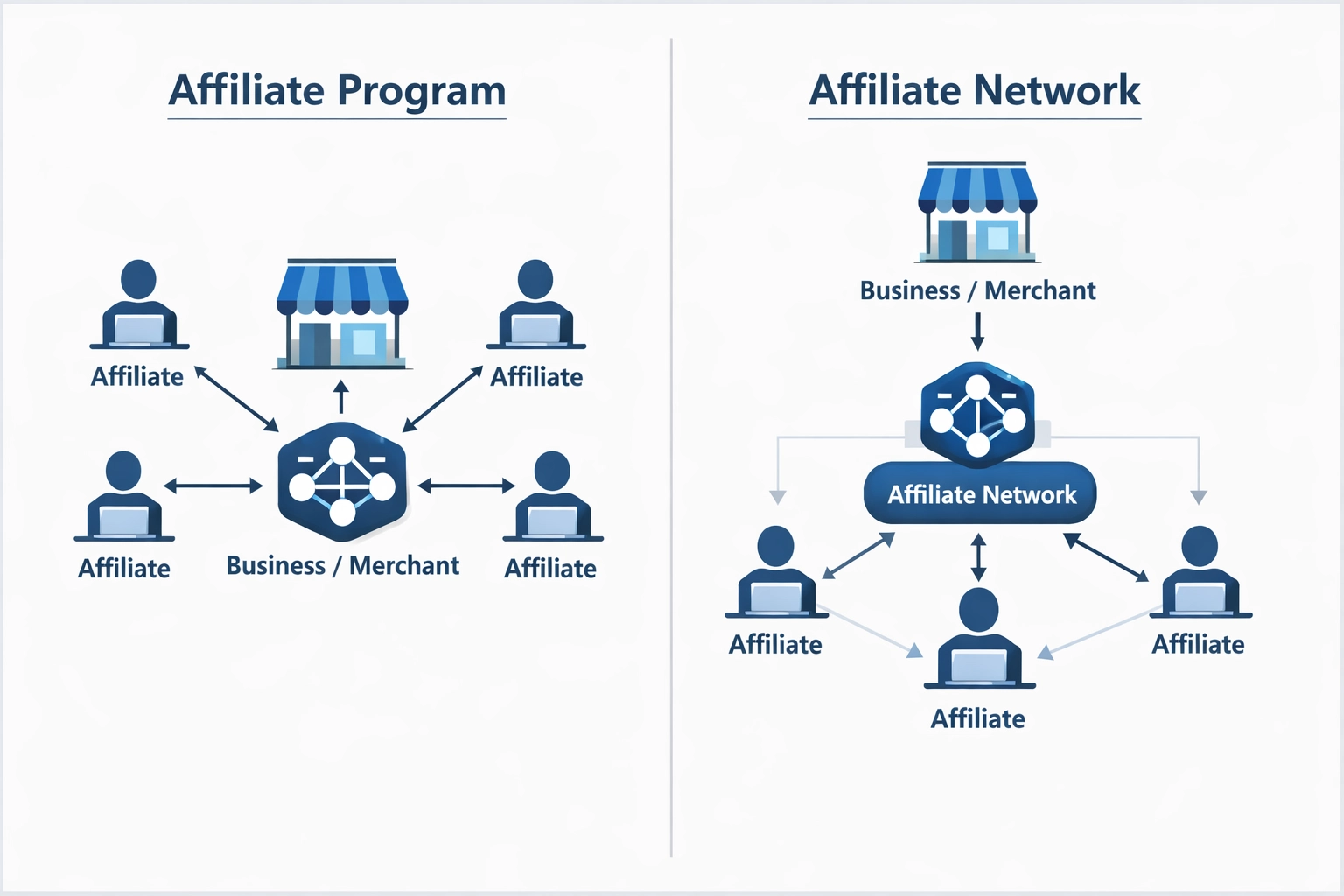
Discover the critical differences between affiliate networks and programs. Learn about control, costs, data ownership, and which solution is best.
Join our community of happy clients and provide excellent customer support with Post Affiliate Pro.




Cookie Consent
We use cookies to enhance your browsing experience and analyze our traffic. See our privacy policy.