


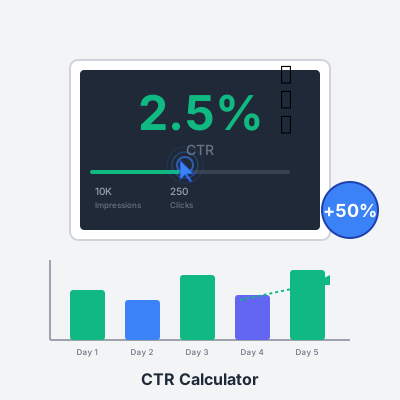
CTR Calculator - Click-Through Rate Calculator for Affiliates
Free CTR calculator for affiliate marketers. Calculate click-through rates, find required clicks for target CTR, and compare campaign performance against indust...
5 min read


how strategic calls to action drive conversions and engagement in affiliate marketing. best practices, psychology
A call to action (CTA) is a written instruction in marketing campaigns that encourages website visitors to take a desired action—whether that’s making a purchase, signing up for a trial, or clicking an affiliate link. For affiliate marketers, CTAs are far more than just buttons; they are the critical bridge between content and commission. While traditional marketers may have multiple touchpoints with customers, affiliates often get one shot to convert a visitor before they navigate away forever. The difference between a mediocre CTA and an exceptional one can mean the difference between earning substantial commissions and watching potential revenue slip away entirely.

Affiliates operate in a uniquely challenging position compared to other marketing channels. With affiliate conversion rates typically ranging from 1% to 3%—meaning only one to three out of every 100 visitors who click an affiliate link make a purchase—every missed conversion represents direct lost income. This stands in stark contrast to display advertising, where click-through rates hover around just 0.05%, making affiliate marketing significantly more effective. The economics are unforgiving: if you improve your CTA conversion rate by just 25%, you’ve effectively increased your affiliate income by the same percentage without spending more on traffic. Furthermore, the affiliate channel delivers a remarkable 12:1 return on ad spend (ROAS), compared to the 4:1 benchmark considered solid for traditional advertising. This superior performance makes CTA optimization not just important—it’s essential for maximizing your competitive advantage in an industry where margins can be thin and competition fierce.
| Metric | Affiliate Marketing | Display Advertising | Email Marketing |
|---|---|---|---|
| Average Conversion Rate | 1-3% | 0.05% | 2-5% |
| ROAS | 12:1 | 4:1 | 8:1 |
| Cost Per Click | Variable | Low | N/A |
| Attribution Complexity | High | Medium | Low |

Set up advanced tracking in minutes. No credit card required.
High-converting CTAs tap into specific psychological triggers that compel users to take immediate action.
Urgency without desperation creates time-sensitive value by using phrases like “Claim Your Exclusive Weekend Bonus” instead of generic “Shop Now” buttons, combining exclusivity with a clear deadline.
Value clarity ensures your CTA immediately communicates what the user gains—showing exactly what they’ll receive, whether it’s a discount, bonus, or exclusive access, dramatically improves conversion rates.
Trust through specificity replaces vague promises with concrete language; “Access Your 30-Day Risk-Free Trial” outperforms “Get Started” because it removes uncertainty and builds confidence.
Scarcity and exclusivity leverage the fear of missing out by emphasizing limited-time offers or exclusive access, which is one of the biggest motivators for consumer action.
These psychological principles work together to transform passive visitors into active converters by addressing their underlying concerns and desires.
Effective CTA design requires careful attention to four critical elements that work in concert. Button text should answer the question “Why should I click this?” by conveying clear benefits—Netflix’s “Get Started” CTA exemplifies this approach by being inviting rather than aggressive, with supporting text that reassures prospects and facilitates quick decision-making. Button color should create stark contrast with background colors to catch attention at first glance, though there’s no universal “best” color; what matters is testing your specific design against your audience and background. Placement extends beyond simply putting your CTA “above the fold”—research shows that moving CTAs below the fold often yields higher conversion rates for complex offers, as people prefer to understand the deal before committing. Size must balance visibility with aesthetics; your CTA should be readable and distinctive without overwhelming visitors, and you should A/B test different size combinations to identify what resonates with your audience. The key insight is that there’s no one-size-fits-all solution—successful affiliates treat CTA design as an ongoing experimentation process rather than a one-time task.

Be the first to know about new features and product updates.
Strategic CTA placement dramatically affects performance, and the highest-converting affiliate sites follow specific placement patterns. CTAs perform best when positioned above the fold (within the first screen view), after value propositions or product benefits (when visitors understand what they’re getting), and at natural break points in content (where the reader naturally pauses). For longer-form content, sidebars or floating elements keep CTAs visible without interrupting the reading experience. The myth of “the fold” suggests all CTAs must appear at the top, but smart affiliates recognize that whitespace is your ally—using generous white space around CTAs draws visitor attention and guides their eyes in the right direction. However, balance is critical; placing CTAs so far from surrounding elements that they appear disconnected will reduce conversion rates. The principle is simple: make your CTA prominent and accessible, but ensure it feels naturally integrated into your content flow rather than forced or intrusive.
Advanced affiliate marketers employ multi-tiered CTA strategies that guide visitors through different stages of decision-making. Soft CTAs like “Learn More” or “See Details” serve consideration-stage visitors who aren’t ready to commit, capturing interest without demanding immediate action. Medium CTAs such as “Compare Options” or “View Pricing” move visitors further down the funnel by encouraging deeper engagement with your offer. Hard CTAs like “Start Your Trial” or “Claim Bonus Now” target decision-ready users prepared to convert. Context-aware placement means positioning CTAs strategically based on content type—above the fold for simple offers, after detailed explanations for complex products. Mobile-first design is non-negotiable, with mobile traffic dominating most affiliate sites; this requires thumb-friendly button sizes (minimum 44px touch targets), clear readable text without zooming, and single-tap functionality. Urgency tactics like countdown timers, limited-quantity indicators, or time-sensitive bonuses create psychological pressure that drives immediate action. These strategies work together to create a conversion architecture that meets visitors where they are and guides them toward increasingly committed actions.

Systematic testing is the foundation of CTA excellence, and successful affiliates treat optimization as an ongoing process rather than a one-time task. What to test includes button colors and sizes, text copy and length, placement and frequency, value propositions, and urgency indicators—each element can significantly impact performance. Testing methodology requires running tests for a minimum of two weeks to account for traffic variations and day-of-week effects, testing one element at a time for clear attribution, and focusing on statistical significance rather than just percentage improvements. Documentation is critical; record what you tested, what you learned, and how results inform future campaigns. Industry data reveals that one in seven affiliates who actively test their CTAs achieve an average 49% improvement in conversion rates—a transformational gain that directly impacts your bottom line. This statistic underscores why testing isn’t optional; it’s the difference between affiliates who stagnate and those who scale their income significantly.
For affiliates, measuring CTA success goes far beyond simple click-through rates. Conversion rate—the percentage of clicks that result in desired actions—matters more than raw clicks because it directly correlates to commission earnings. Revenue per click (total commission earned divided by CTA clicks) reveals which CTAs drive the most valuable traffic, not just the most traffic. Customer lifetime value tracks the long-term worth of users acquired through specific CTAs, helping you identify which conversion sources generate repeat customers. Attribution accuracy ensures your CTAs receive proper credit for conversions, which is increasingly important as browsers restrict tracking and affiliate attribution becomes more complex. These metrics paint a complete picture of CTA performance that raw click data cannot provide, allowing you to optimize for actual revenue rather than vanity metrics.
Common CTA mistakes can sabotage even well-intentioned campaigns and deserve careful attention. Vague language like “Click Here” or “Submit” fails to communicate value and leaves visitors uncertain about what happens next—specificity dramatically improves performance. Poor visibility occurs when CTAs blend into the background or get lost in cluttered layouts, making them easy to miss entirely. Too many CTAs overwhelm visitors and dilute conversion focus; while secondary CTAs can work, they must be clearly prioritized and related to the primary conversion goal. Misleading claims about bonuses, offers, or outcomes violate consumer trust and increasingly violate regulations, particularly in markets like the UK and Ontario where affiliate marketing faces tighter oversight. Slow loading CTAs that depend on heavy graphics or slow-loading pages frustrate visitors and increase bounce rates before they even see your call to action. Each mistake carries real consequences: vague CTAs lose conversions to confusion, poor visibility loses them to invisibility, multiple CTAs lose them to decision paralysis, misleading claims lose them to broken trust, and slow loading loses them to impatience.
Your CTAs are the ultimate determinant of affiliate success—they transform interested visitors into commission-generating customers. The evidence is clear: affiliates who master CTA optimization gain a sustainable competitive advantage in an industry where every percentage point of improvement directly impacts earnings. Start testing today by identifying one element to optimize, running a two-week test, documenting your results, and implementing winners. PostAffiliatePro’s advanced tracking and attribution capabilities make it easier to measure which CTAs drive actual conversions and revenue, providing the data you need to optimize with confidence. The path to affiliate success isn’t complicated—it’s simply a commitment to continuous testing, learning, and refinement of the one element that matters most: your call to action.
PostAffiliatePro's advanced CTA tracking and optimization tools help you monitor and improve your call-to-action performance across all your affiliate campaigns.
Free CTR calculator for affiliate marketers. Calculate click-through rates, find required clicks for target CTR, and compare campaign performance against indust...
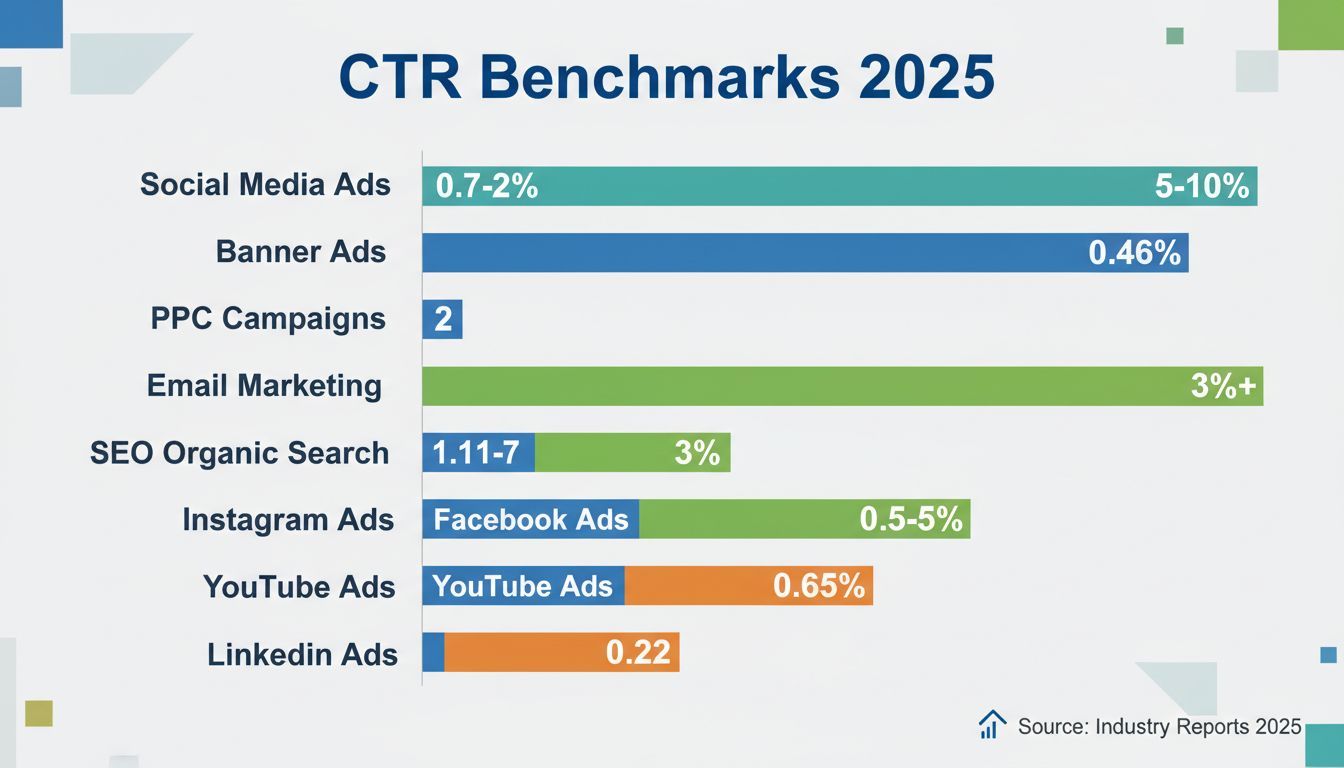
Discover what constitutes a good click-through rate in 2025. Learn CTR benchmarks across social media, PPC, email, and SEO. Optimize your affiliate marketing ca...

Master 7 landing page best practices to boost affiliate sales: compelling content, CTAs, native ads, testimonials, and optimization.
Join our community of happy clients and provide excellent customer support with Post Affiliate Pro.




Cookie Consent
We use cookies to enhance your browsing experience and analyze our traffic. See our privacy policy.