


Can Anyone Be an Affiliate Marketer?
Discover if anyone can become an affiliate marketer. Learn the essential requirements, skills needed, and proven strategies to start your affiliate marketing jo...
9 min read


how to build a profitable affiliate marketing business without niche expertise. proven strategies for success, from authenticity to content creation
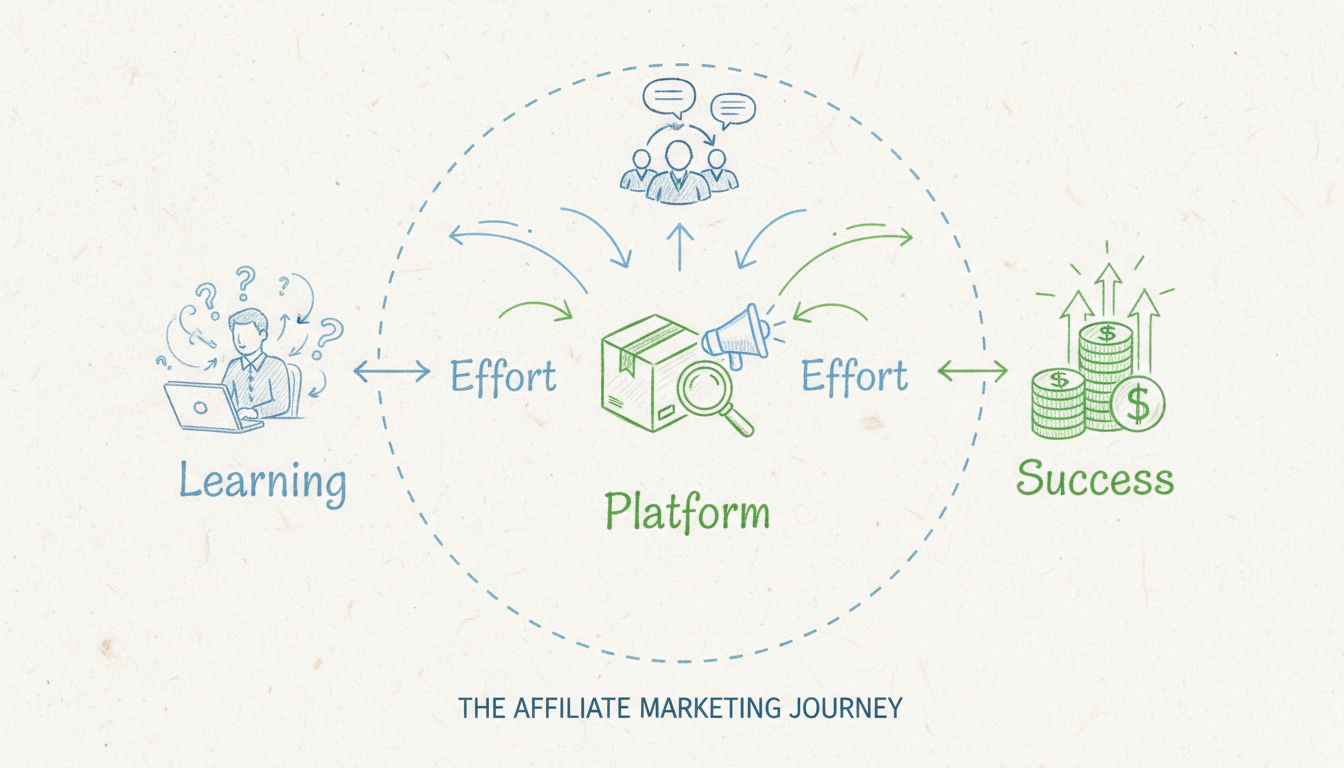
Can you succeed in affiliate marketing without experience in your chosen niche? The short answer is yes—but with an important caveat. While many people assume you need deep expertise to build a profitable affiliate business, the reality is far more encouraging. The affiliate marketing industry is projected to reach $36.9 billion by 2030, and a significant portion of that growth is driven by creators who started with zero niche experience. What matters far more than existing credentials is your willingness to learn, your commitment to authenticity, and your ability to provide genuine value to your audience. In fact, many of the most successful affiliate marketers today built their empires by starting as curious beginners in their chosen niches. With the right strategy, tools like PostAffiliatePro to manage your campaigns, and a focus on building trust, you can absolutely succeed in affiliate marketing regardless of your starting point.

The conventional wisdom suggests that expertise is the foundation of affiliate marketing success, but this belief often holds people back from starting. Here’s the truth: authenticity and relatability matter far more than credentials. When audiences choose to trust a recommendation, they’re not primarily evaluating your resume—they’re assessing whether you genuinely care about solving their problems. In fact, many audiences prefer learning from someone on a similar journey rather than from a distant expert.
Consider the rise of micro-influencers and niche content creators who’ve built massive, engaged followings despite lacking formal credentials in their fields. These creators succeed because they’re transparent about their learning process, test products thoroughly, and share honest insights. The micro-influencer market has grown exponentially, with 62% of marketers planning to increase influencer budgets in 2026, and many of these influencers started without deep niche knowledge. Your lack of experience isn’t a liability—it’s an opportunity to position yourself as a relatable guide rather than an unapproachable expert.

Set up advanced tracking in minutes. No credit card required.
Starting without deep niche knowledge actually provides a significant competitive advantage that many experienced professionals lack: the ability to see your field through fresh eyes. When you’re learning alongside your audience, you naturally create content that addresses the questions beginners ask—the exact questions your target market wants answered. This “beginner’s mind” approach has launched countless successful affiliate businesses.
Successful creators like Pat Flynn and Ramit Sethi built their empires by documenting their learning journeys and sharing what they discovered along the way. Your learning process becomes your content, and your audience gets to experience the transformation with you. Additionally, being new to a niche means you’re naturally motivated to research thoroughly, test products extensively, and understand customer pain points from a beginner’s perspective. You’ll ask the questions that experienced people take for granted, leading to more comprehensive, valuable content. This approach also builds stronger audience connections because people see themselves in your journey and trust your recommendations more readily when they know you’ve recently walked in their shoes.
The key to succeeding without niche experience is developing a systematic approach to rapid learning. Start by identifying your target audience’s primary problems and pain points—this becomes your research roadmap. Use keyword research tools to understand what people are searching for, join online communities related to your niche, and consume existing content from established players. Most importantly, test products yourself before recommending them. This hands-on experience is invaluable and creates authentic content that resonates with audiences.
Many successful affiliates allocate their first 3-6 months to intensive learning and content creation without expecting significant income. During this period, you’re building knowledge, creating a content library, and establishing your voice. Track your learning process through documentation—screenshots, notes, videos—which becomes the foundation for your affiliate content. Use tools like Google Analytics to understand which content resonates with your audience, and adjust your strategy accordingly. PostAffiliatePro can help you track which affiliate links convert best, providing data-driven insights into what your audience actually wants. This combination of research, testing, and analytics-driven optimization accelerates your skill development far beyond what passive learning could achieve.
Be the first to know about new features and product updates.
One of the most powerful ways to build credibility without existing expertise is through radical transparency about your affiliate relationships and learning journey. The Federal Trade Commission (FTC) requires clear disclosure of affiliate relationships, and this requirement actually works in your favor—it demonstrates integrity and builds trust. When you’re transparent about earning commissions, audiences appreciate your honesty and are more likely to trust your recommendations.
Major publications like Wirecutter have built billion-dollar valuations partly on the foundation of transparent, well-researched product recommendations. Being honest about what you don’t know is equally powerful. Admitting knowledge gaps, acknowledging when you’re learning, and showing your research process humanizes you and makes your recommendations more credible. This vulnerability paradoxically strengthens your authority because audiences see you as honest rather than pretentious. Include clear affiliate disclosures in your content, explain your testing methodology, and share both pros and cons of products you recommend. This approach not only complies with FTC guidelines but also creates a competitive advantage—audiences increasingly value transparency and are more likely to support creators who are upfront about their business model.
Credibility comes from demonstrated competence, not from credentials you earned years ago. Start building credibility immediately by creating original research, conducting thorough product testing, and sharing detailed findings with your audience. Document your testing process—show the products, explain your methodology, and provide honest assessments. This demonstrated competence speaks louder than any degree or certification.
Consider strategic partnerships with established experts in your niche. Interview them for your content, collaborate on projects, or feature their insights in your articles. These partnerships lend credibility by association while providing your audience with expert perspectives. As you create more content and help more people, your track record becomes your credential. When readers see that your recommendations consistently deliver value, that your product reviews are thorough and honest, and that you genuinely care about their success, they’ll trust you regardless of your background. PostAffiliatePro’s tracking and reporting features help you demonstrate your impact—you can show potential partners and audiences exactly how many conversions you’ve driven and how much value you’ve created. This data-driven credibility is often more persuasive than traditional credentials.
Creating valuable content without being an expert requires a strategic approach focused on research, testing, and providing unique perspective. The key is understanding that content is king in affiliate marketing, and 47% of buyers consume 3-5 pieces of content before making a purchase decision. Your job is to be that trusted guide through the decision-making process. Start by identifying the specific problems your audience faces, then create content that addresses those problems comprehensively. Test products yourself whenever possible—this hands-on experience creates authentic, detailed content that resonates far more than generic reviews. Document your testing process, including what worked, what didn’t, and why. This transparency builds trust and provides the detailed information buyers need. Research existing solutions thoroughly, compare options objectively, and explain the trade-offs between different choices. Your unique perspective as a learner is valuable—you can explain concepts in beginner-friendly language that experienced people often overlook.
| Content Type | Best For Non-Experts | Effectiveness | Time Investment |
|---|---|---|---|
| Product Reviews | Hands-on testing and honest assessment | Very High | Medium |
| Comparison Guides | Research-based analysis of alternatives | Very High | High |
| Beginner Tutorials | Relatable, step-by-step guidance | High | Medium |
| Problem-Solution Articles | Addressing specific pain points | High | Medium |
| Case Studies | Documented results and outcomes | Very High | High |
| How-To Guides | Practical implementation advice | High | Medium |
| Roundup Posts | Curating multiple solutions | Medium | Low |
| Personal Journey Content | Documenting your learning process | High | Low |
The most effective approach combines multiple content types. Start with content that requires less time investment (personal journey, roundups) while building toward more comprehensive pieces (case studies, detailed guides). This balanced approach keeps you publishing consistently while developing deeper expertise over time.

You don’t need to figure everything out alone. The internet provides abundant resources for rapid learning and skill development. AI tools like ChatGPT can help you research topics, outline content, and understand complex concepts quickly. Online communities—Reddit, specialized forums, Facebook groups—provide real-world insights from people actively using products in your niche. Don’t hesitate to reach out to experts for interviews or insights; many are happy to contribute to quality content.
YouTube tutorials, online courses, and industry blogs accelerate your learning curve dramatically. Keyword research tools like Google Keyword Planner and SEMrush help you understand what your audience is searching for and what content gaps exist. Analytics tools show you which content resonates and which falls flat, allowing you to optimize your strategy continuously. PostAffiliatePro provides tracking and reporting that helps you understand which affiliate products convert best, which traffic sources are most valuable, and where to focus your efforts. By leveraging these resources strategically, you can compress years of learning into months. The key is combining multiple learning sources—don’t rely on any single tool or community, but rather create a diverse learning ecosystem that keeps you informed and inspired.
Building an audience without being an expert requires consistency, genuine engagement, and a focus on providing value. Start by choosing a platform where you’re comfortable creating content—whether that’s a blog, YouTube, TikTok, or email newsletter. Consistency matters more than perfection; publishing regularly, even if your early content isn’t polished, builds momentum and helps you improve over time.
Engage authentically with your audience by responding to comments, answering questions, and creating content based on their feedback. This two-way conversation builds loyalty and helps you understand what your audience actually needs. Share your learning journey openly—document your progress, celebrate wins, and acknowledge challenges. This relatability is your superpower when you lack traditional credentials. Collaborate with other creators in your niche, even those with smaller audiences. These partnerships expose you to new audiences and provide fresh perspectives. Focus on providing genuine value in every piece of content; if your audience sees that you’re genuinely trying to help them, they’ll stick with you even as you’re learning. Remember that building an audience takes time—most successful affiliates spent 6-12 months creating content before seeing significant income. This timeline is normal and expected, so focus on consistency and value rather than immediate results.
Understanding common pitfalls helps you avoid costly mistakes that derail many aspiring affiliate marketers. Here are the critical mistakes to watch for:
Promoting Products Without Testing Them: This is the fastest way to lose credibility. Never recommend products you haven’t personally tested or thoroughly researched. Your audience trusts your judgment, and recommending untested products violates that trust. Solution: Commit to testing every product before promoting it, even if it means slower content creation.
Hiding Your Beginner Status: Many new affiliates try to appear more experienced than they are, which often comes across as inauthentic. Solution: Embrace your learning journey and be transparent about your experience level. This builds trust and makes your content more relatable.
Choosing Niches Purely for Profit: Selecting a niche solely because it seems profitable leads to burnout and poor content. You’ll struggle to create consistent, quality content about topics that don’t interest you. Solution: Choose niches that genuinely interest you, then validate that they’re profitable before committing.
Inconsistent Content Creation: Publishing sporadically kills momentum and makes it harder for algorithms to promote your content. Solution: Create a realistic publishing schedule you can maintain consistently, even if it’s just one post per week.
Ignoring Your Audience: Failing to engage with comments, questions, and feedback misses opportunities to build relationships and understand what your audience needs. Solution: Dedicate time daily to engaging with your audience across all platforms.
Neglecting Email Lists: Social media algorithms change constantly, but email lists remain under your control. Many new affiliates focus entirely on social media and miss the opportunity to build a direct communication channel. Solution: Start building an email list from day one, even if it grows slowly.
Giving Up Too Early: Most successful affiliates didn’t see significant income until 6-12 months in. Giving up after 2-3 months means missing the breakthrough moment. Solution: Commit to at least 12 months of consistent effort before evaluating whether your strategy is working.
Countless successful affiliates started without niche expertise, proving that experience isn’t a prerequisite for success. Consider the story of a former accountant who knew nothing about fitness but was interested in learning. She started a blog documenting her fitness journey, testing equipment, and sharing honest reviews. Within 18 months, she was earning $5,000+ monthly through affiliate commissions, and within three years, she’d built a six-figure affiliate business. Her success came from consistent content creation, authentic product testing, and genuine engagement with her audience—not from fitness credentials.
Another example is a software developer with no marketing background who started reviewing productivity tools. He created detailed comparison guides and tutorials, testing each tool thoroughly. His transparent, technical approach attracted an audience of other developers and knowledge workers. Within two years, he was earning substantial affiliate income and eventually launched his own SaaS product, leveraging the audience he’d built. These stories share common threads: they started with genuine interest, committed to consistent content creation, tested products thoroughly, and engaged authentically with their audiences. None of them had formal credentials in their niches, yet all achieved significant success. Their journeys prove that experience is something you build through action, not something you need before starting.
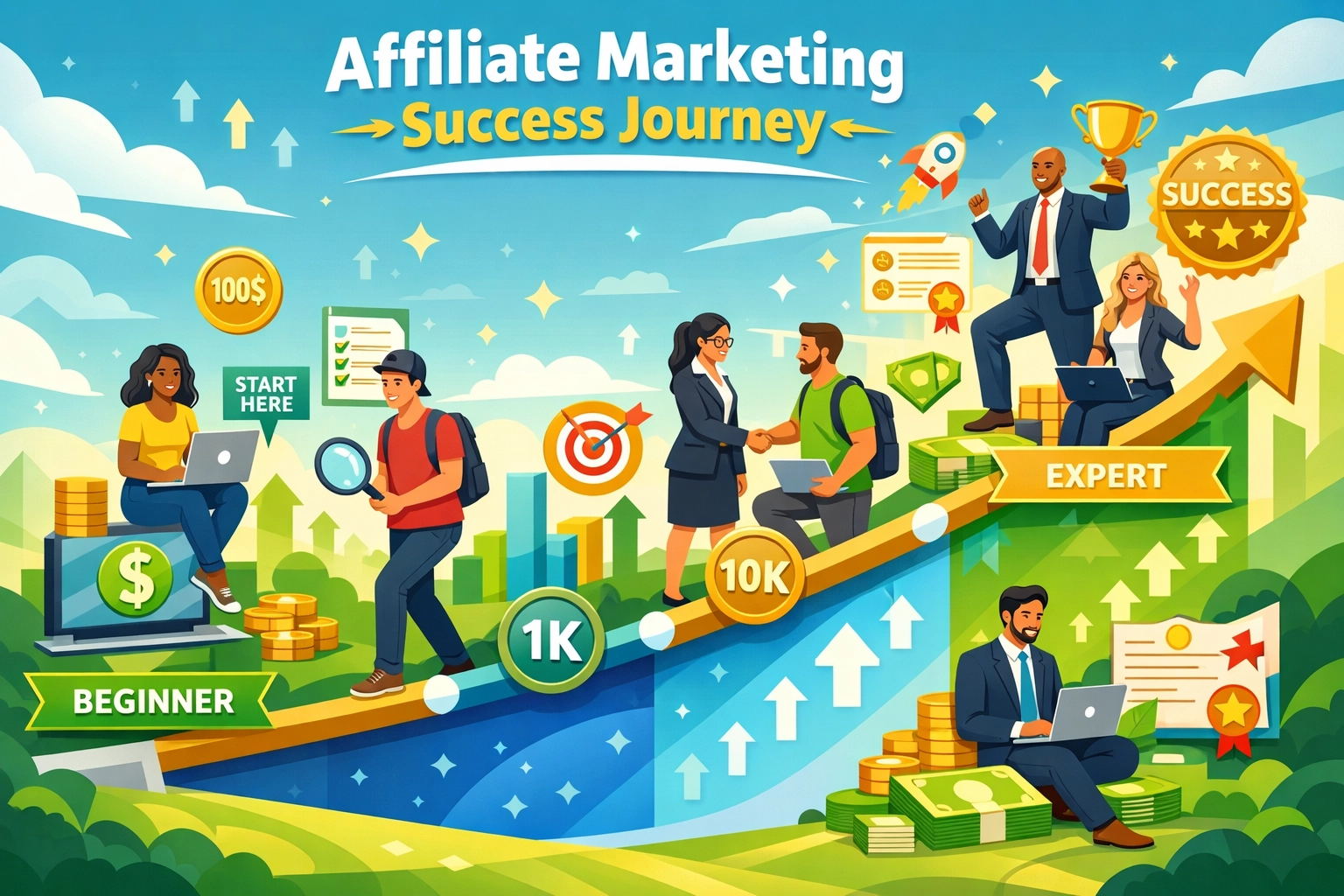
The evidence is clear: you absolutely can succeed in affiliate marketing without niche experience. What matters is your willingness to learn, your commitment to authenticity, and your focus on providing genuine value to your audience. The affiliate marketing industry is growing rapidly, with increasing opportunities for creators who can build trust and deliver results. Your lack of experience isn’t a barrier—it’s an opportunity to position yourself as a relatable guide who understands your audience’s journey because you’re on it too.
Start by choosing a niche that genuinely interests you, commit to consistent content creation, test products thoroughly, and engage authentically with your audience. Use tools like PostAffiliatePro to track your affiliate performance, understand what converts, and optimize your strategy based on data. The path to affiliate marketing success is clear: start now, learn continuously, and focus on providing value. Your audience is waiting for someone like you—someone who understands their challenges because you’ve recently faced them too. Don’t let the myth that you need expertise hold you back. Take action today, and join the thousands of successful affiliates who started exactly where you are now.
No, you don't need to be an expert. Many successful affiliates started as beginners. What matters is your willingness to learn, authenticity in your recommendations, and commitment to providing value to your audience. You can develop expertise as you go.
Choose a niche based on genuine interest, market demand, and profitability. Research using keyword tools, check affiliate program availability, and validate that people are willing to spend money in that space. Your interest will sustain you through the learning curve.
Not if you're transparent about it. Many audiences actually prefer learning from someone on a similar journey. Being honest about your learning process builds trust and makes your content more relatable than expert-only advice.
Test products yourself, read reviews and research, join communities related to your niche, watch tutorials, and interview experts. Document your learning journey and share it with your audience. This creates authentic, valuable content.
Timeline varies, but expect 6-12 months to see meaningful results. Success depends on consistency, content quality, audience engagement, and niche selection. Some see results faster, others take longer. Patience and persistence are key.
It's better to start with one niche and build authority before expanding. Focusing on one area helps you develop deeper knowledge, build a loyal audience, and establish credibility more quickly.
Use keyword research tools (Google Keyword Planner), affiliate networks (PostAffiliatePro for management), content creation tools (Canva, ChatGPT), analytics platforms (Google Analytics), and community forums for research and learning.
Absolutely! Being transparent about your learning journey builds authenticity and trust. Many audiences prefer learning from someone relatable rather than a distant expert. Just ensure you're providing accurate, well-researched information.
Start building your affiliate business with the right tools and strategy. PostAffiliatePro helps you manage campaigns, track conversions, and scale your affiliate business efficiently.
Discover if anyone can become an affiliate marketer. Learn the essential requirements, skills needed, and proven strategies to start your affiliate marketing jo...

Learn proven strategies to dominate your affiliate niche. Master niche selection, build authority, develop partnerships, and scale your affiliate income.
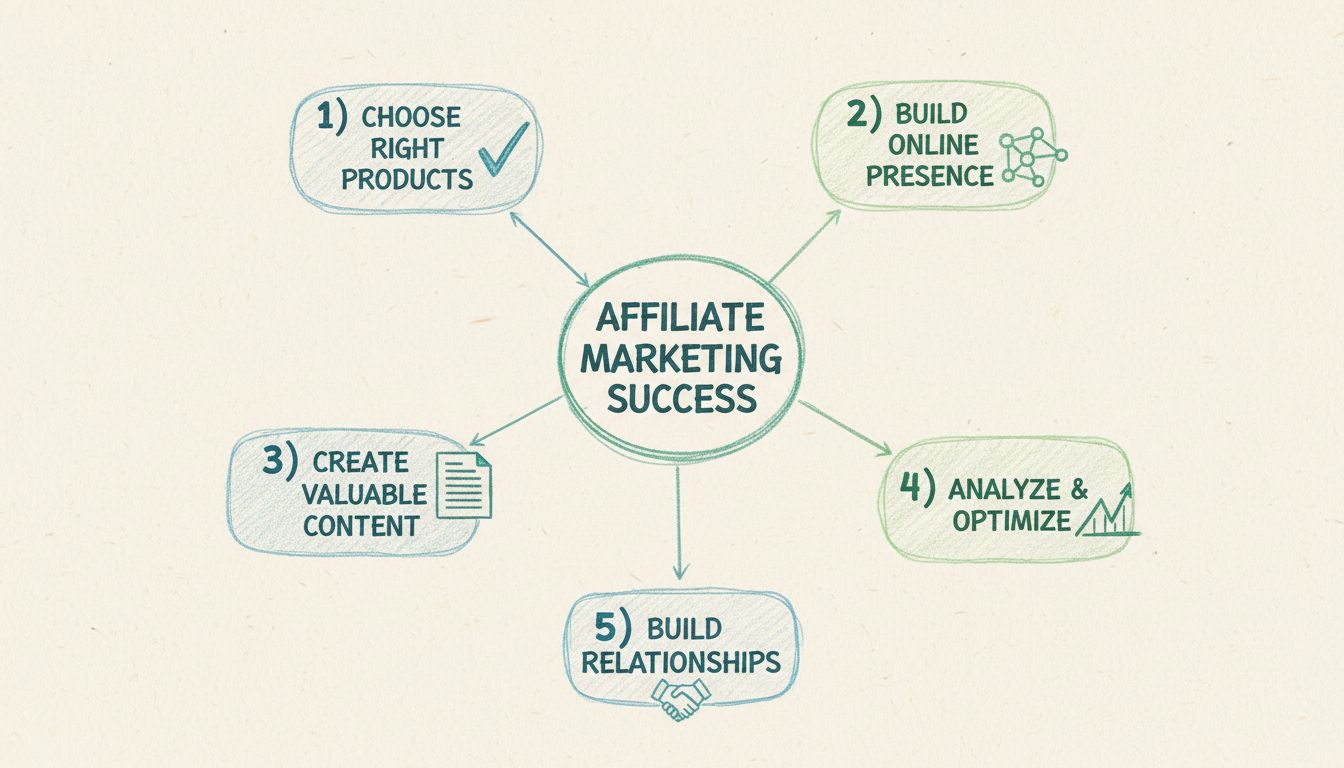
Learn proven strategies to make affiliate marketing successful. Discover how to choose products, build audience trust, create valuable content, and optimize per...
Join our community of happy clients and provide excellent customer support with Post Affiliate Pro.




Cookie Consent
We use cookies to enhance your browsing experience and analyze our traffic. See our privacy policy.