


What Are Solo Ads and How Do They Work for Affiliate Marketing?
Learn how solo ads work for affiliate marketing in 2025. Discover the complete process, benefits, risks, and best practices for using solo ads to promote affili...
12 min read

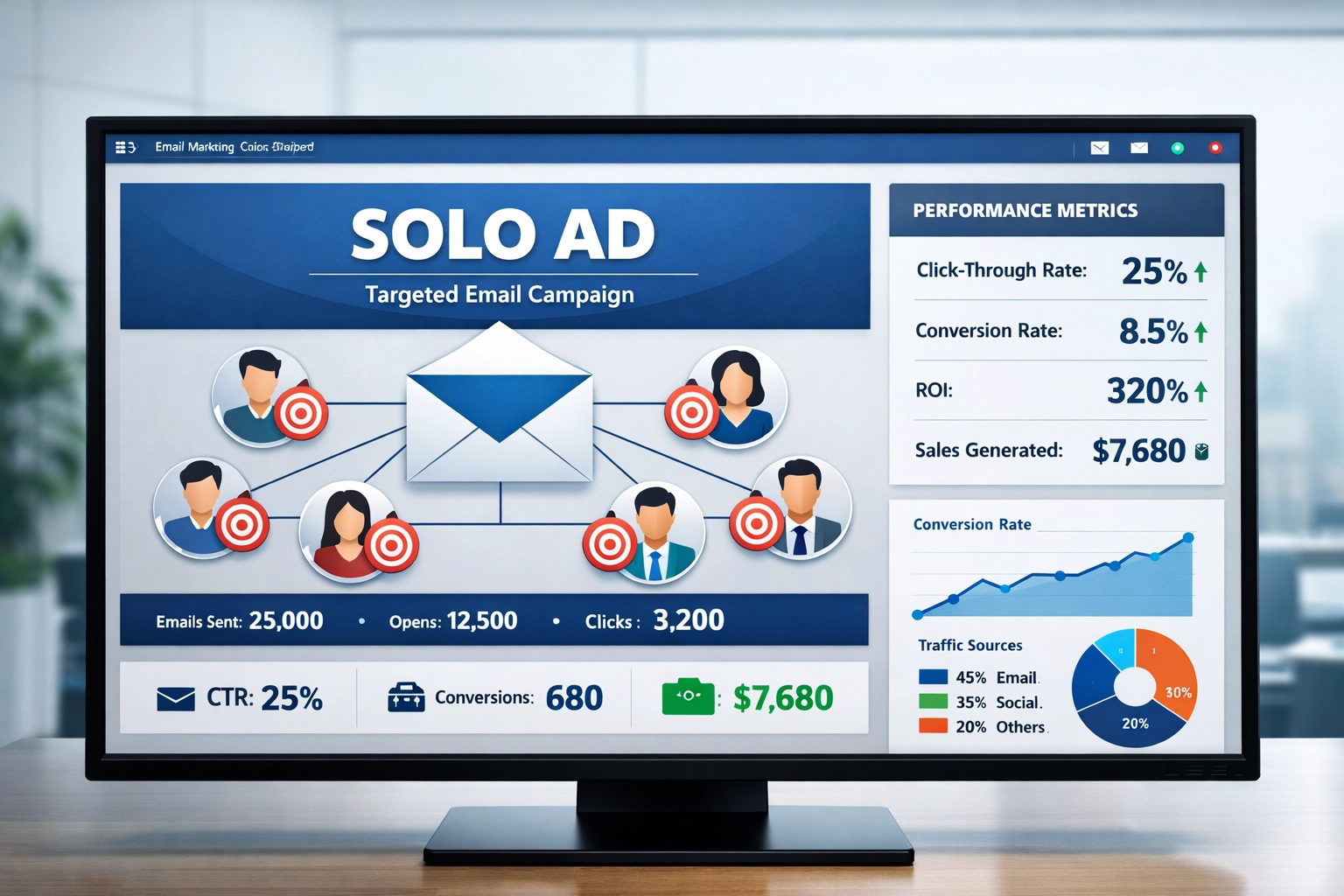
how solo ads work for affiliate marketing, from finding vendors to calculating ROI. best practices, risks, and how to maximize your affiliate earnings with
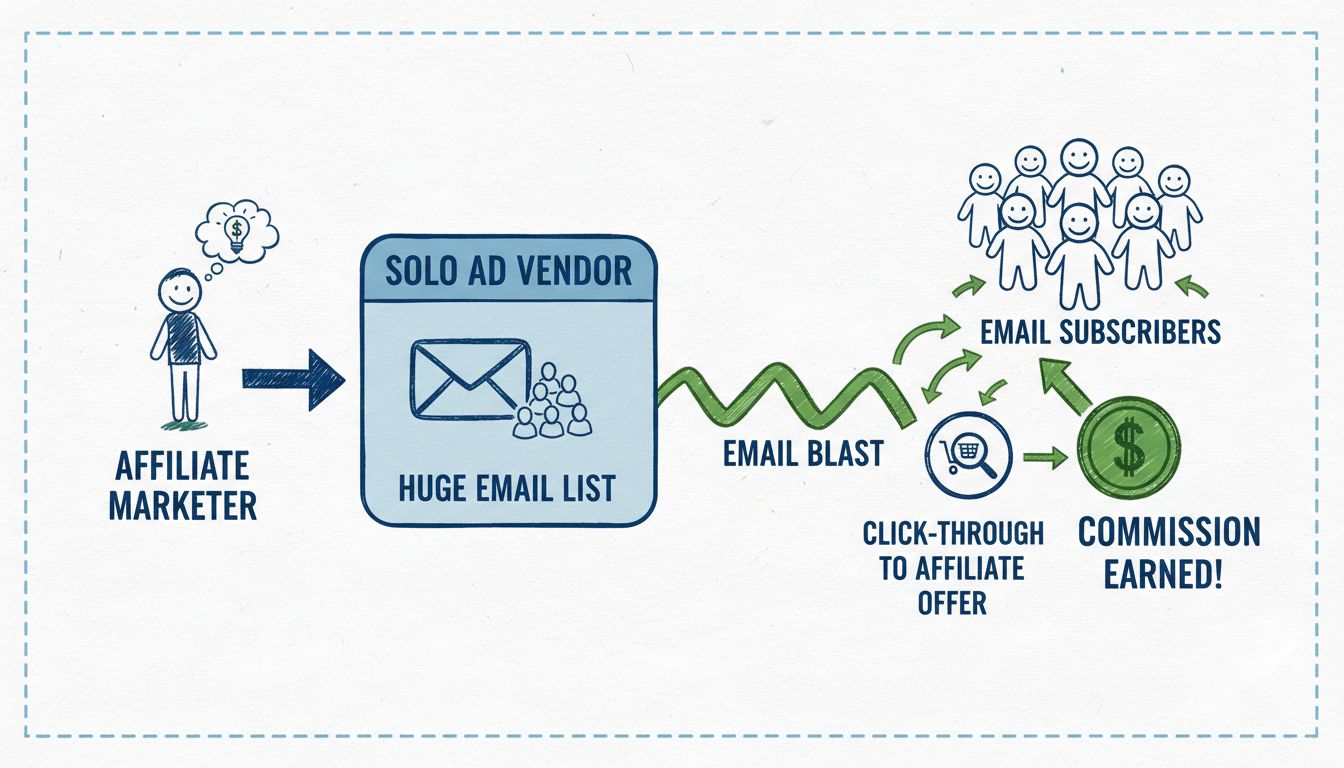
Solo ads are pay-per-click email campaigns where you purchase dedicated email blasts from vendors with large, relevant mailing lists to promote your affiliate offers or build your own email list. This method represents one of the most direct and efficient ways to reach targeted audiences in affiliate marketing, bypassing traditional barriers like building your own list from scratch. Unlike display advertising or social media campaigns, solo ads leverage the power of established email lists to deliver your message directly to engaged subscribers. A solo ad is essentially a paid email advertisement sent by a list owner to their subscribers on your behalf, allowing you to promote your affiliate offers to a pre-qualified audience. The fundamental appeal of solo ads lies in their simplicity and directness—when you purchase a solo ad, you’re essentially renting access to someone else’s email list for a single promotional campaign.
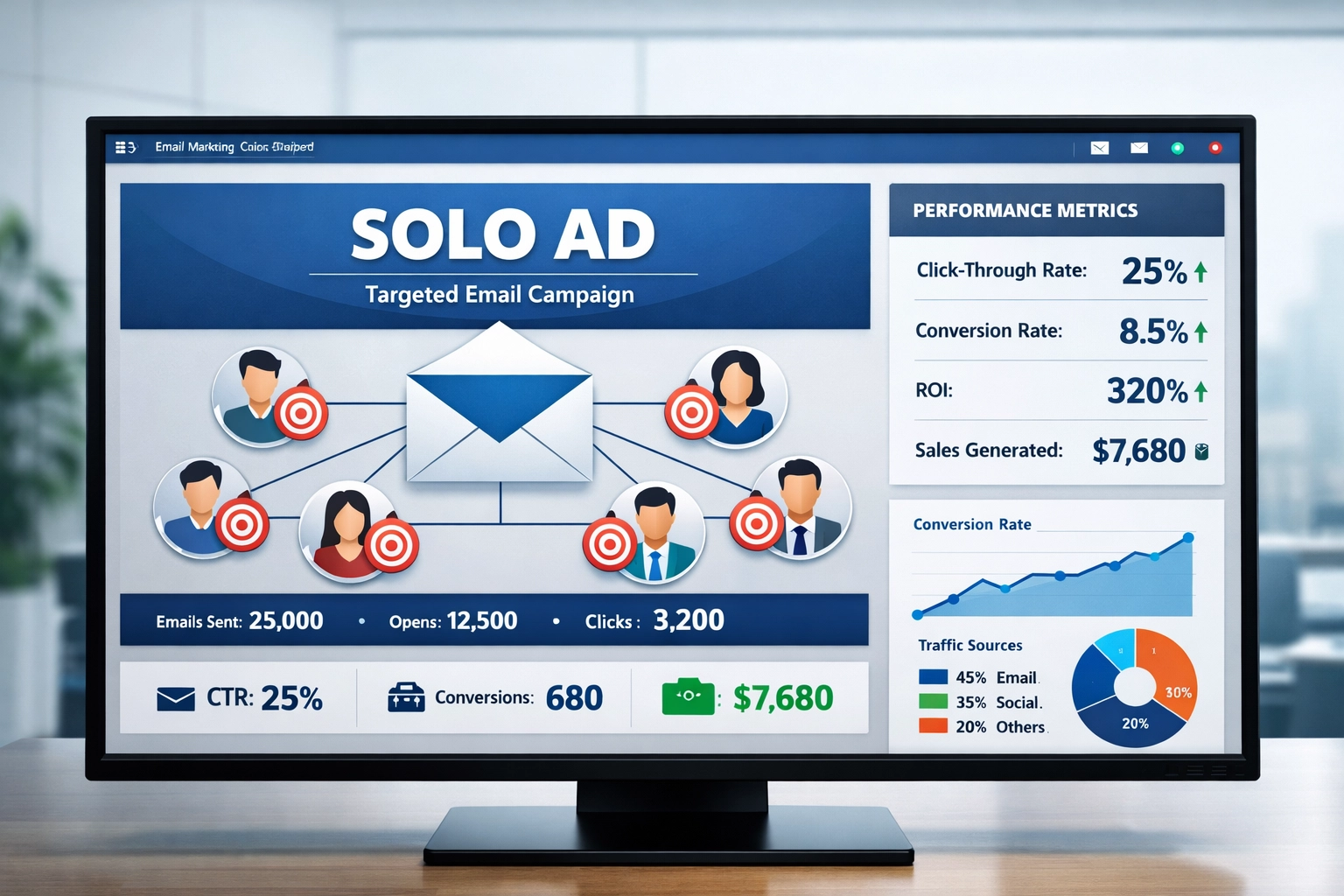
The process of executing a solo ad campaign involves several distinct steps that work together to deliver your message to potential customers. First, you identify and locate a solo ad vendor who has an email list relevant to your niche or the affiliate product you’re promoting. These vendors are typically bloggers, content creators, or email marketing professionals who have built substantial subscriber bases in specific industries or interest areas. Reputable platforms and marketplaces exist to connect buyers and sellers of solo ads, making it easier to find vendors with lists that match your target audience. Once you’ve identified a suitable vendor, you negotiate the terms of your purchase, typically discussing cost (usually calculated on a per-click basis or as a flat fee), list size, subscriber demographics, and engagement rates. You’ll provide the vendor with your promotional email, which should include a compelling subject line, persuasive copy, and a clear call-to-action with your affiliate link. After the vendor sends your message to their list as a dedicated email blast, subscribers who click your affiliate link are directed to your product page or landing page, and if they make a purchase, you earn a commission.
| Payment Model | How It Works | Best For | Cost Range |
|---|---|---|---|
| Cost Per Click (CPC) | You pay for each click generated to your link | Direct affiliate promotions | $0.30 - $5.00 per click |
| Cost Per Lead (CPL) | You pay for each email address captured | List building campaigns | $0.50 - $3.00 per lead |
| Flat Fee | Fixed price for sending to a specific number of subscribers | Predictable budgeting | $50 - $500+ depending on list size |
| Performance-Based (CPA) | You pay only after a sale or conversion occurs | Risk-sharing arrangements | Negotiated per campaign |
| Email Swap | Exchange clicks with another marketer at no cost | Budget-conscious marketers | Free (reciprocal arrangement) |

Set up advanced tracking in minutes. No credit card required.
Solo ads offer several compelling advantages that make them attractive to affiliate marketers of all experience levels:
While solo ads offer significant benefits, they also come with notable risks and challenges that require careful consideration. The most critical risk is list quality—not all email lists are created equal, and some vendors may have lists filled with inactive subscribers, fake addresses, or people with low purchase intent. Poor list quality results in wasted money, as you’ll pay for clicks that don’t convert and don’t represent genuine prospects. This is why thoroughly vetting vendors before purchasing is essential, including reviewing testimonials, asking for references, and requesting information about list engagement rates. Some vendors may also engage in unethical practices like using purchased lists or sending to people who didn’t explicitly opt-in, which can damage your reputation and result in spam complaints. Cost is another significant consideration, as solo ads can be expensive, particularly for new marketers with limited budgets—depending on the niche and vendor, you might pay anywhere from $0.50 to $5.00 or more per click. With conversion rates typically ranging from 1-5%, you need to carefully calculate whether your affiliate commission will cover your advertising costs and generate profit. Additionally, you have limited control over how the vendor presents your offer, as they’re sending the email on your behalf, meaning weak email copy or poor audience fit can underperform regardless of your affiliate offer’s quality.
Be the first to know about new features and product updates.
Thoroughly researching and vetting potential vendors before making any purchases is essential for solo ad success. Look for vendors with established reputations, positive testimonials from other affiliate marketers, and transparent information about their list size and engagement metrics. Request case studies or examples of previous campaigns they’ve run, and don’t hesitate to ask for references from other marketers who have purchased from them. Reputable platforms like Udimi provide verified sellers with screening processes that help ensure you work with reliable individuals, and many offer built-in tracking tools to monitor performance. Once you’ve identified a promising vendor, start with a small test campaign to evaluate list quality and performance before committing to larger purchases—this test approach allows you to gather data about the vendor’s traffic quality without risking significant capital. Pay attention to the vendor’s communication responsiveness, willingness to answer questions about their list, and flexibility in negotiating terms. The vendor’s historical performance metrics and list quality score are critical indicators that help predict campaign success before you even purchase, so always request this information upfront.
Understanding the mathematics behind solo ad profitability is crucial for making informed purchasing decisions. To calculate your return on investment, you need to know three key numbers: your total campaign cost, the number of clicks generated, and your conversion rate. Start by determining your cost per click (CPC) and multiply it by the number of clicks you expect to receive—for example, if you pay $1.00 per click and receive 500 clicks, your total cost is $500. Next, multiply your expected clicks by your conversion rate to determine how many sales you’ll likely generate; if your conversion rate is 2%, those 500 clicks should produce approximately 10 sales. Finally, multiply your number of conversions by your affiliate commission to calculate total revenue—if your commission is $50 per sale, 10 sales equals $500 in revenue. In this example, you’d break even, but you need to account for other factors like email list building value if using a squeeze page strategy. The key metric is your Cost Per Acquisition (CPA), calculated by dividing your total campaign cost by the number of conversions. If your CPA is $50 and your affiliate commission is $75, you’re profitable; if your CPA exceeds your commission, the campaign loses money. Always calculate these numbers before launching to ensure the math works in your favor.

Your promotional email is the critical element that determines whether subscribers click your link or delete your message, making copywriting skills essential for solo ad success. Focus on clarity, relevance, and compelling copy that speaks directly to the vendor’s audience rather than using generic sales language. Your subject line is absolutely critical, as it determines whether subscribers will even open your email—test different subject lines and monitor open rates to identify what resonates with the specific audience. The email body should clearly explain the benefits of your affiliate offer, address potential objections, and include a strong call-to-action that makes it easy for subscribers to click through to your landing page. Avoid overly salesy language, making unrealistic claims, or using hype that damages the vendor’s reputation with their list and results in spam complaints. Always include proper unsubscribe information and comply with email marketing regulations like CAN-SPAM and GDPR, as violations can result in legal consequences and damage to your reputation. Remember that the vendor’s audience has specific interests and pain points—tailor your message to address their needs rather than pushing a generic offer, and you’ll see significantly higher click-through and conversion rates.

Solo ads occupy a unique position in the affiliate marketing landscape, offering distinct advantages and disadvantages compared to other traffic sources. Unlike organic search traffic, which requires months of SEO work to generate consistent results, solo ads provide immediate traffic and can be deployed quickly—however, organic traffic is typically cheaper long-term and doesn’t require ongoing advertising spend. Compared to paid search advertising through Google Ads or Bing, solo ads often provide more targeted traffic to niche audiences, but they also offer less control over targeting parameters and ad placement. Social media advertising offers sophisticated targeting options and lower costs per click, but it requires building audiences and managing complex ad accounts, whereas solo ads are more straightforward. The key advantage of solo ads over most other channels is their ability to leverage established, engaged email audiences—email remains one of the highest-ROI marketing channels, and solo ads allow you to tap into this power without building your own list first. However, solo ads are less scalable than some other channels, as you’re limited by the number of available vendors and the size of their lists. Additionally, solo ads work best for certain types of offers and niches, particularly those with high-value products or services that justify the cost per click; for low-ticket affiliate offers with thin margins, solo ads may not be economically viable, making other channels like content marketing or social media more appropriate.
To maximize the effectiveness of your solo ad campaigns, implement a systematic approach based on testing, tracking, and continuous optimization. Start by thoroughly researching and vetting potential vendors before making any purchases, looking for established reputations, positive testimonials, and transparent engagement metrics. Once you’ve identified promising vendors, begin with small test campaigns to evaluate list quality and performance before committing to larger purchases—this approach allows you to gather data without risking significant capital. When creating your promotional email, focus on clarity and relevance, testing different subject lines and monitoring open rates to identify what resonates with the specific audience. Implement robust tracking for all your solo ad campaigns using unique tracking links or affiliate codes for each vendor, allowing you to identify which sources deliver the best quality traffic and highest conversion rates. Monitor your metrics continuously throughout the campaign and be prepared to pause or adjust campaigns that aren’t performing as expected. Keep detailed records of all your campaigns, including vendor information, costs, clicks, conversions, and revenue, so you can identify patterns and make informed decisions about future campaigns—this data-driven approach transforms solo ads from a gamble into a systematic, scalable marketing channel.
Successful affiliate marketers have demonstrated that solo ads can generate impressive results when executed strategically. Many marketers report conversion rates ranging from 1-5% when using quality vendors with well-targeted lists, with some high-performing campaigns achieving conversion rates above 5% through careful audience matching and compelling copy. For example, a marketer promoting a $97 digital product with a 40% affiliate commission ($38.80 per sale) can achieve profitability with solo ads costing $0.50-$1.00 per click if they maintain a 2-3% conversion rate. Real-world case studies show that marketers using the squeeze page strategy (capturing emails rather than sending directly to affiliate links) often see better long-term ROI, as they build lists they can promote to repeatedly—one marketer reported building a list of 500 subscribers from a $200 solo ad investment, which they then monetized through multiple affiliate promotions worth thousands of dollars over time. The most successful campaigns typically involve testing multiple vendors, starting with small investments of $100-$300 to evaluate performance before scaling to larger campaigns. Metrics from established solo ad platforms show that vendors with email lists of 50,000+ subscribers and engagement rates above 15% typically deliver the highest quality traffic and best conversion rates, making vendor selection the most critical success factor.
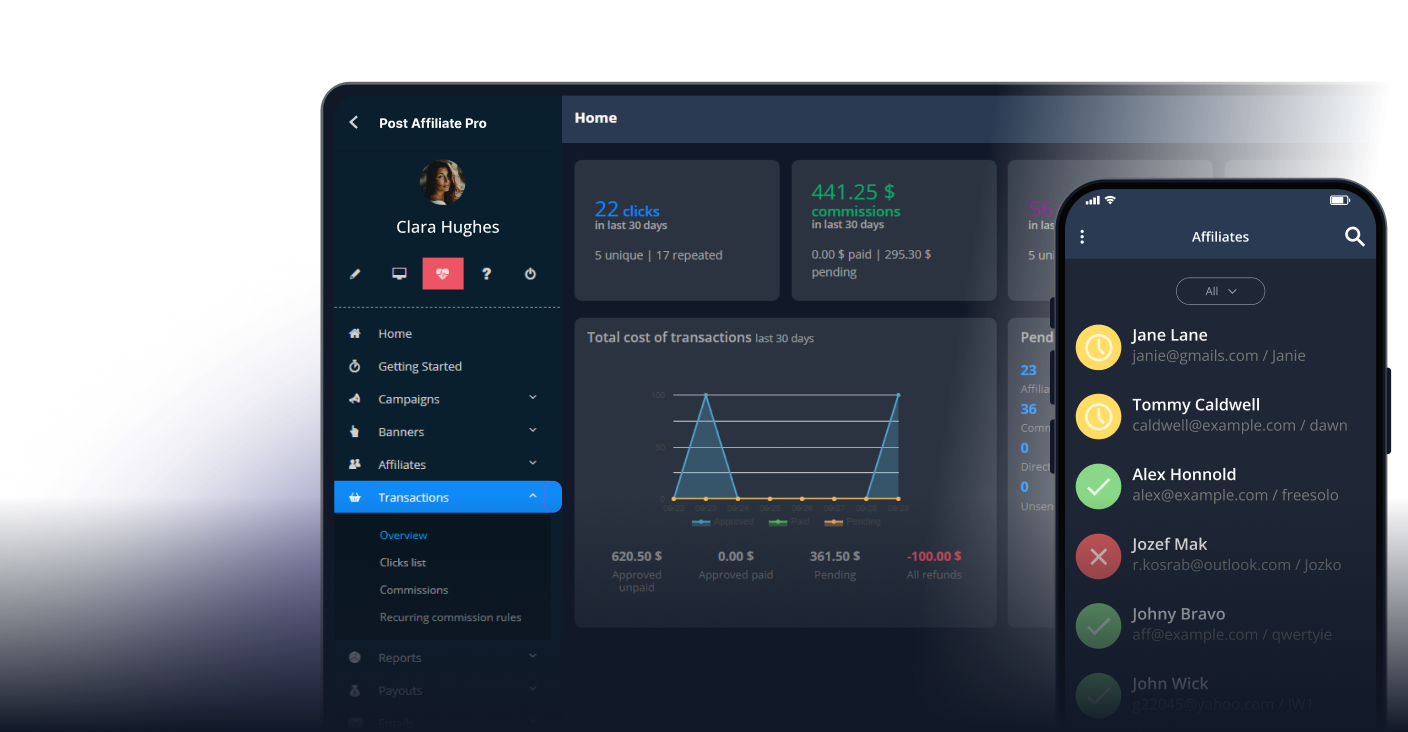
PostAffiliatePro provides the industry-leading affiliate management software that integrates seamlessly with your solo ad campaigns and other marketing channels to maximize profitability and scale. With advanced tracking capabilities, you can implement unique affiliate codes for each solo ad vendor, allowing you to accurately attribute sales and leads to specific traffic sources and identify which vendors deliver the best ROI. The platform’s detailed reporting features give you complete visibility into every aspect of your affiliate marketing performance, from click-through rates to conversion rates to revenue generated, enabling data-driven decision-making about future campaigns. PostAffiliatePro’s commission management tools automate payment calculations and tracking, ensuring accurate compensation for your affiliates while you focus on optimizing your solo ad strategy. Whether you’re just starting with solo ads or scaling an established program, PostAffiliatePro gives you the visibility and control you need to maximize profitability, identify growth opportunities, and build a sustainable affiliate marketing business that leverages solo ads as a core traffic source.
Track every solo ad campaign, manage multiple affiliates, and optimize your affiliate marketing strategy with PostAffiliatePro's comprehensive affiliate software.
Learn how solo ads work for affiliate marketing in 2025. Discover the complete process, benefits, risks, and best practices for using solo ads to promote affili...
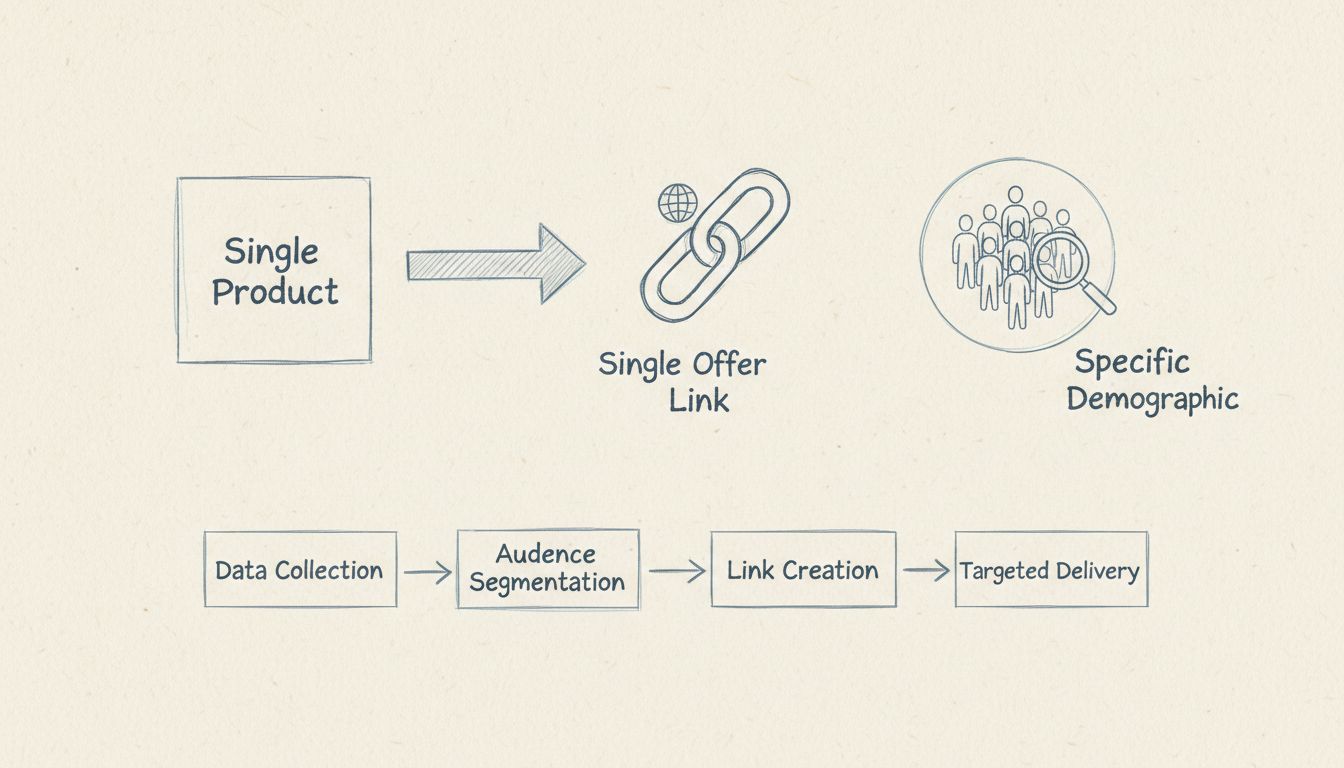
Learn how single offers work in affiliate marketing. Discover how targeted links drive higher conversions by presenting specific products to defined demographic...
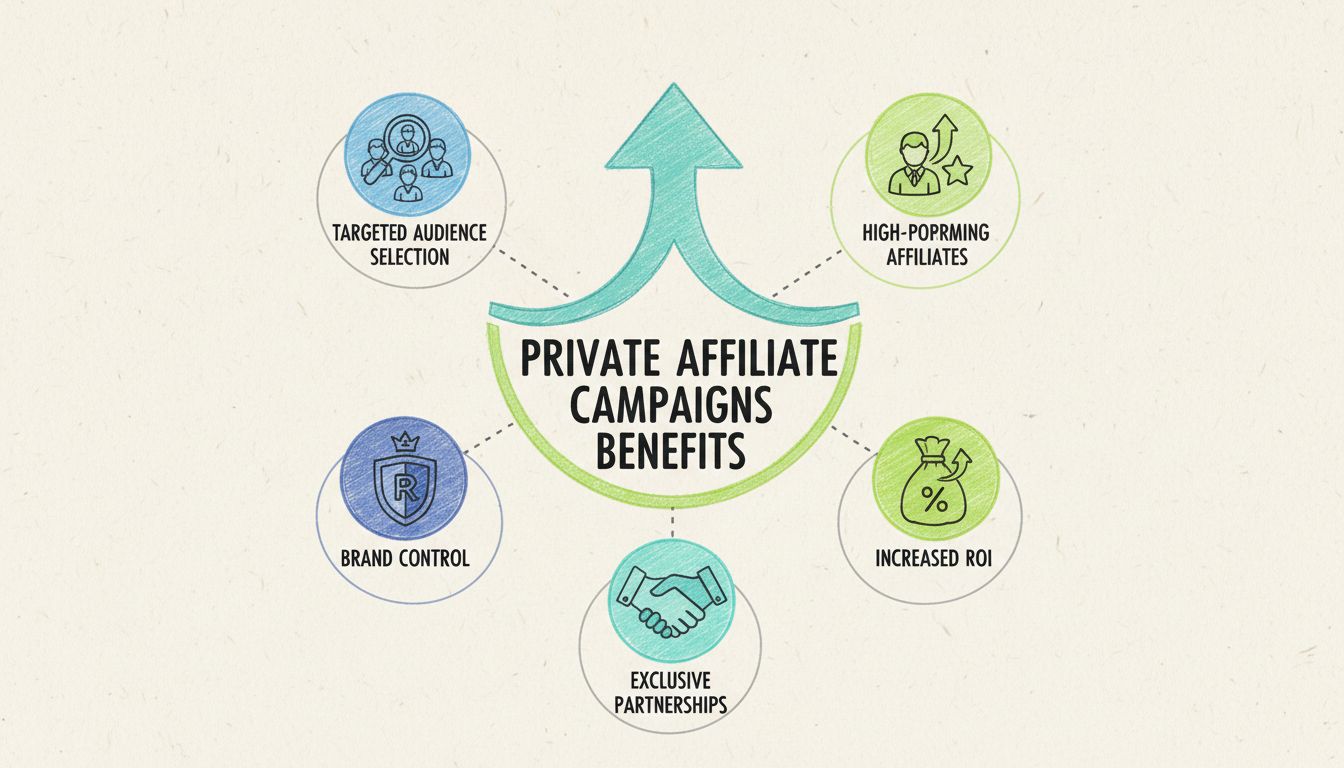
Discover why private affiliate campaigns are essential for targeted marketing. Learn how to leverage exclusive partnerships, control brand messaging, and maximi...
Join our community of happy clients and provide excellent customer support with Post Affiliate Pro.



Cookie Consent
We use cookies to enhance your browsing experience and analyze our traffic. See our privacy policy.