


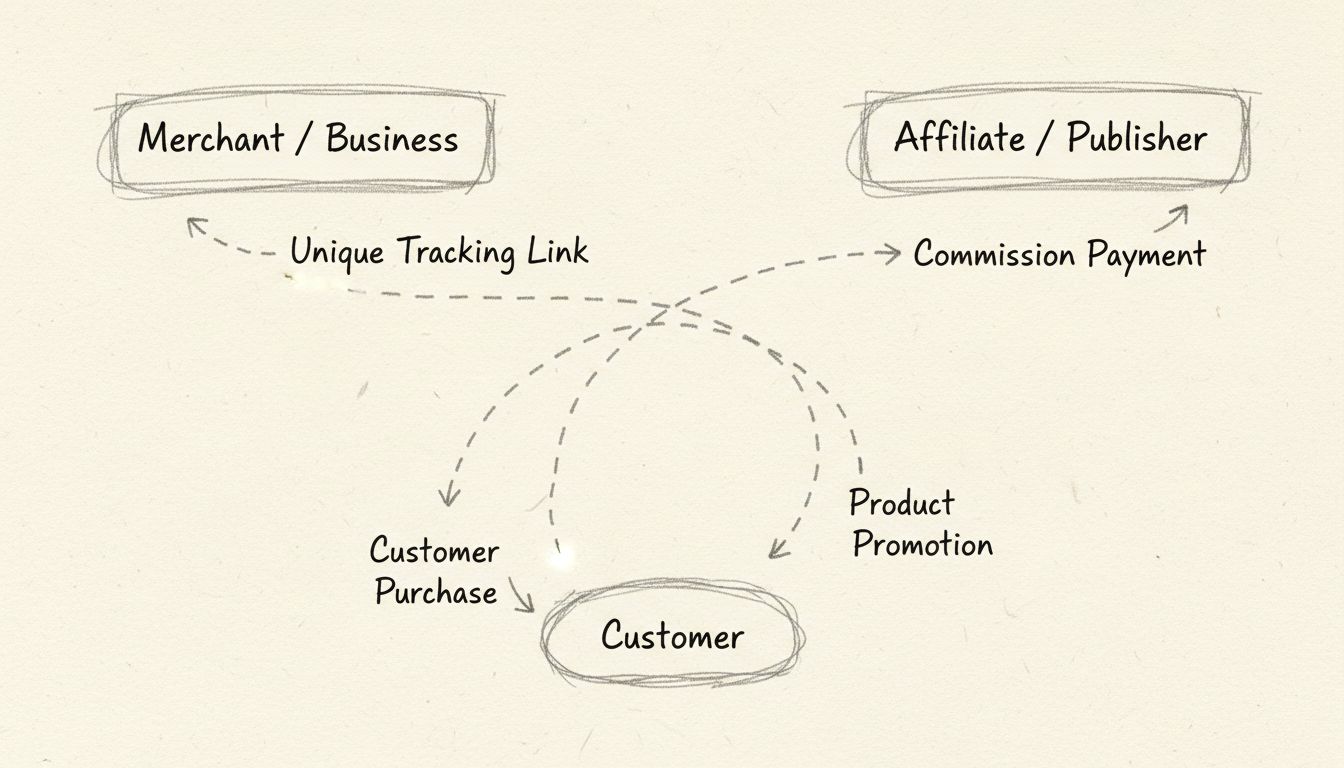
How Do Affiliate Programs Work?
Learn how affiliate programs work with our comprehensive guide. Discover tracking mechanisms, commission models, and best practices for affiliate marketing succ...
9 min read


the key differences between referral and affiliate program rewards. Learn how monetary commissions, discounts, and incentives work differently in each model.
Referral program rewards are incentives offered to existing customers who successfully introduce new business to a company. These rewards differ fundamentally from affiliate commissions in both structure and purpose, serving as a thank-you mechanism for leveraging personal relationships and word-of-mouth marketing. Referral rewards typically include discounts, store credits, cash back, free products, gift cards, or service upgrades—offering flexibility that extends beyond monetary compensation. The most effective referral programs employ a two-sided reward structure, compensating both the referring customer and the newly acquired customer to maximize participation and conversion rates. According to industry data, referral programs generate an average referral rate of 2.35% globally, with software and digital goods achieving the highest performance at 4.75%, demonstrating the substantial revenue potential when customers become brand advocates.
| Reward Type | Referral Programs | Affiliate Programs |
|---|---|---|
| Primary Incentive | Discounts, Store Credit, Free Products | Cash Commissions |
| Reward Structure | One-sided or Two-sided | Typically One-sided (Affiliate Only) |
| Flexibility | High (Multiple Options) | Limited (Cash-Based) |
| Average Rate | 2.35% Global Average | 5-30% Commission Range |
| Recipient | Existing Customers | External Content Creators |

Affiliate program rewards operate on a commission-based model where external content creators, influencers, and partners earn monetary compensation for driving sales or qualified leads to a business. Unlike referral programs that reward personal recommendations, affiliate rewards are structured around performance metrics and are almost exclusively cash-based, reflecting the professional nature of the affiliate-business relationship. Affiliates can earn through multiple commission structures depending on the business model and industry, each designed to align incentives with business objectives. The commission types commonly offered in affiliate programs include:
SaaS affiliate programs particularly stand out, offering commissions between 20-70%, making them among the most lucrative affiliate opportunities available in the digital marketing landscape.


Set up advanced tracking in minutes. No credit card required.
The structural differences between referral and affiliate program rewards reflect their distinct purposes and participant relationships. Referral programs prioritize relationship-based marketing by rewarding customers who already understand and trust the brand, while affiliate programs focus on performance-based partnerships with external marketers who may have no prior product experience. The reward structures diverge significantly in their approach to incentivizing behavior: referral programs can offer non-monetary rewards that strengthen customer loyalty, whereas affiliate programs require cash compensation to attract and retain professional marketers. Additionally, referral programs often implement dual-sided rewards to encourage both parties to participate, while affiliate programs typically reward only the affiliate, leaving customer acquisition incentives to the referred customer’s own motivation. The tracking and fulfillment mechanisms also differ substantially—referral rewards are often automatically credited to customer accounts as store credit or discounts, while affiliate commissions require separate payment processing and accounting procedures.
| Aspect | Referral Program Rewards | Affiliate Program Rewards |
|---|---|---|
| Participant Type | Existing Customers | External Content Creators |
| Reward Flexibility | High (Multiple Types) | Low (Cash-Only) |
| Dual-Sided Rewards | Common & Recommended | Rare |
| Tracking Method | Customer Account Integration | Affiliate Dashboard & Payment System |
| Fulfillment Speed | Immediate (Often Automatic) | Monthly/Quarterly Payouts |
| Relationship Focus | Trust & Loyalty-Based | Performance-Based |
| Average Reward Value | 10-25% of Order Value | 5-70% Commission (Industry Dependent) |
Industry benchmarks reveal significant variation in reward amounts across different program types and business sectors, with successful programs carefully calibrating incentives to balance profitability with participant motivation. Referral program rewards typically range from 10-25% of the average order value for the referring customer, with referred customers receiving similar or slightly lower incentives to encourage participation from both sides. Affiliate commission benchmarks vary dramatically by industry, with most partners expecting rates between 5-30%, though specialized sectors command premium rates. Key industry benchmarks include:
Top-performing referral programs like Branch Basics achieved a 9.57% referral rate, while Farm Hounds reached 22.25%, demonstrating that exceptional reward structures combined with effective marketing can significantly exceed industry averages.
Be the first to know about new features and product updates.
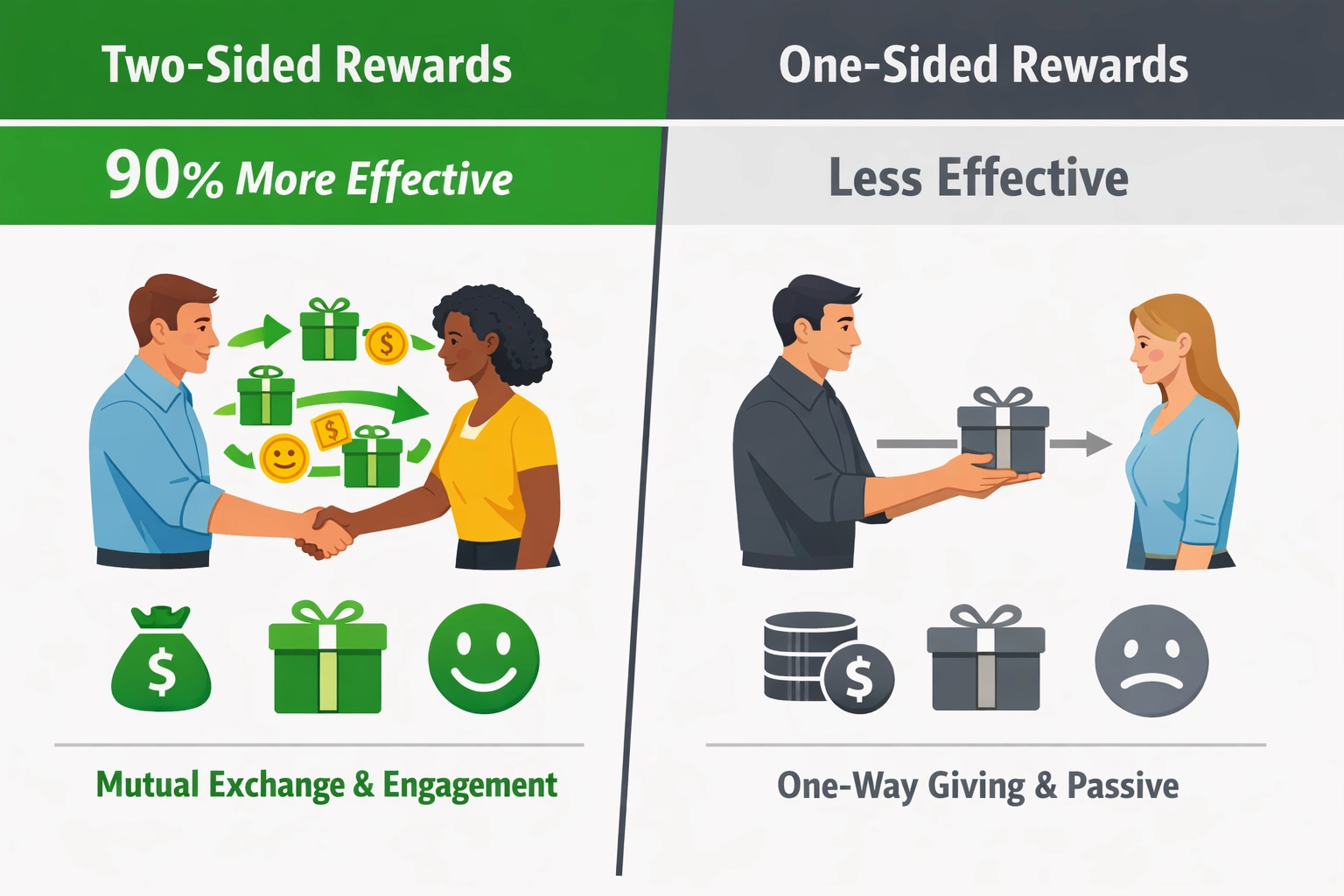
The distinction between two-sided and one-sided reward structures represents a critical strategic decision that impacts program participation rates, customer acquisition costs, and overall program effectiveness. Two-sided rewards, where both the referrer and the referred customer receive incentives, have become the gold standard in referral marketing because they address the motivations of both parties and create a win-win-win scenario for the business, advocate, and new customer. One-sided rewards, which compensate only the referring party, are more common in affiliate programs where the affiliate is the sole participant seeking compensation. The benefits of each approach include:
Two-Sided Reward Benefits:
One-Sided Reward Benefits:
The redemption and fulfillment process for referral and affiliate rewards differs substantially in complexity, timing, and integration with business systems. Referral rewards are typically redeemed immediately or within a short timeframe, often automatically credited to customer accounts as store credit, discount codes, or account upgrades that can be applied to future purchases. This seamless integration encourages repeat engagement and strengthens customer relationships by making the reward experience frictionless and gratifying. Affiliate rewards, conversely, follow a more formal payment cycle with monthly or quarterly payouts processed through accounting systems, requiring verification of sales attribution, fraud prevention checks, and compliance with tax regulations. The fulfillment timeline for affiliate commissions is longer, typically 30-90 days after the qualifying sale to account for refund windows and payment processing. Referral programs benefit from immediate gratification psychology, which reinforces the referral behavior and encourages advocates to continue sharing, while affiliate programs’ delayed payouts are standard industry practice that affiliates expect and plan around in their business models.
Selecting the appropriate reward strategy requires careful analysis of your business model, target audience, growth objectives, and financial capacity to sustain the program long-term. The decision between referral and affiliate rewards—or implementing both simultaneously—depends on several critical factors that should guide your strategic planning. Consider these selection criteria when evaluating your options:
The most sophisticated businesses implement hybrid strategies, running both programs simultaneously to capture the benefits of customer advocacy and professional affiliate marketing while optimizing reward structures for each participant type.
Successful companies across industries demonstrate how strategic reward structures drive exceptional results when aligned with business objectives and participant motivations. Real-world examples showcase the diversity of approaches and the substantial revenue impact of well-executed programs:
Maximizing engagement with your reward program requires continuous optimization of reward amounts, messaging, and fulfillment mechanisms to maintain participant motivation and program performance. The most effective optimization strategies focus on understanding participant psychology, removing friction from the sharing process, and ensuring rewards feel valuable and achievable. Key optimization tips include:
Post-purchase email campaigns prove particularly effective, with data showing that immediate post-purchase notifications about referral programs generate the highest conversion rates compared to delayed messaging.
PostAffiliatePro stands out as a comprehensive solution for managing both referral and affiliate program rewards, offering sophisticated tracking, flexible reward structures, and seamless integration capabilities that serve businesses of all sizes. The platform enables companies to design and deploy customized reward programs with support for multiple commission types, tiered structures, and recurring payouts that accommodate diverse business models and affiliate relationships. PostAffiliatePro’s reward management features include advanced commission calculation engines that automatically process complex compensation structures, detailed reporting dashboards that provide transparency into program performance and participant earnings, and integrated payment systems that streamline affiliate payouts and reduce administrative overhead. The platform’s flexibility allows businesses to run simultaneous referral and affiliate programs with distinct reward structures, participant types, and tracking mechanisms, all managed from a unified interface. With a 90-day cookie window and support for recurring commissions up to 30%, PostAffiliatePro enables businesses to build sustainable, scalable programs that reward long-term partnerships and drive consistent revenue growth through both customer advocacy and professional affiliate marketing channels.
Manage both referral and affiliate rewards effortlessly with our comprehensive affiliate software. Automate tracking, optimize commissions, and scale your programs.
Learn how affiliate programs work with our comprehensive guide. Discover tracking mechanisms, commission models, and best practices for affiliate marketing succ...
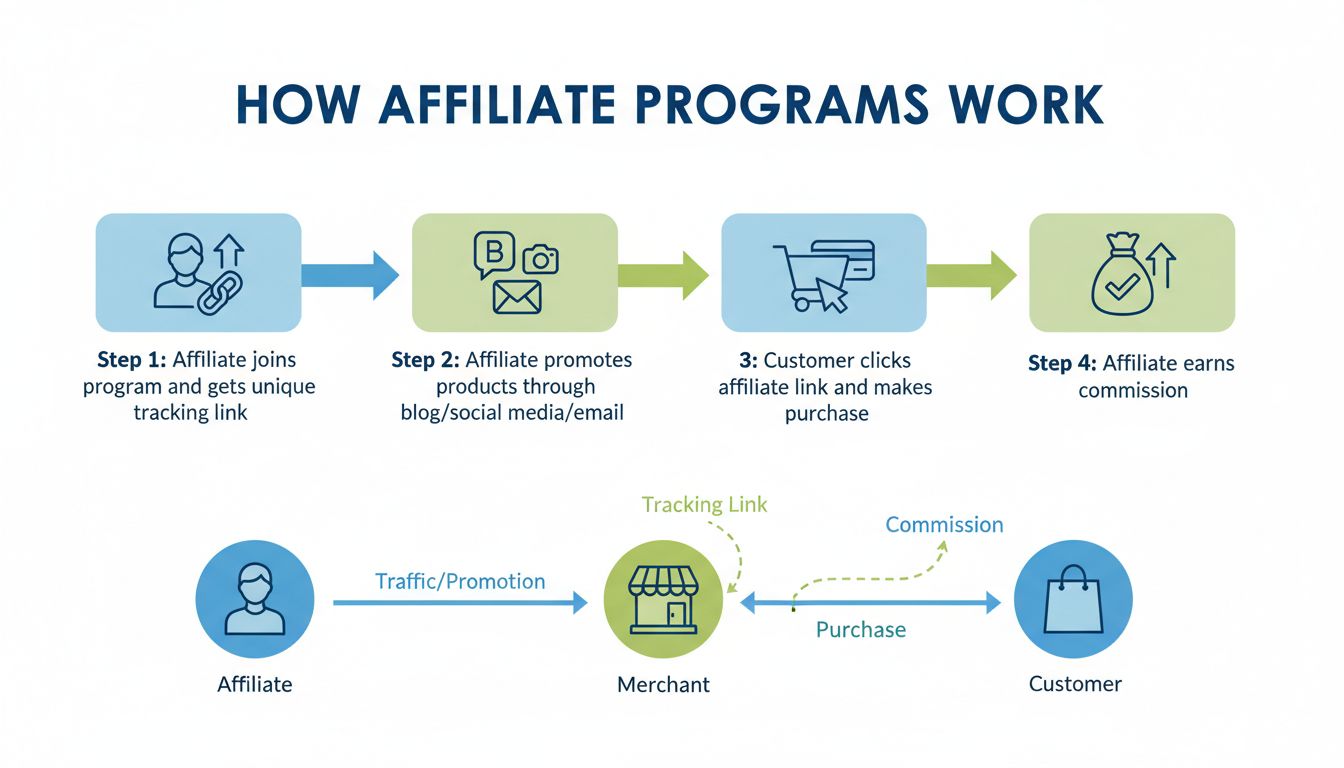
Learn what affiliate programs are, how they work, commission structures, and why they're essential for growing your business. Discover the best affiliate market...
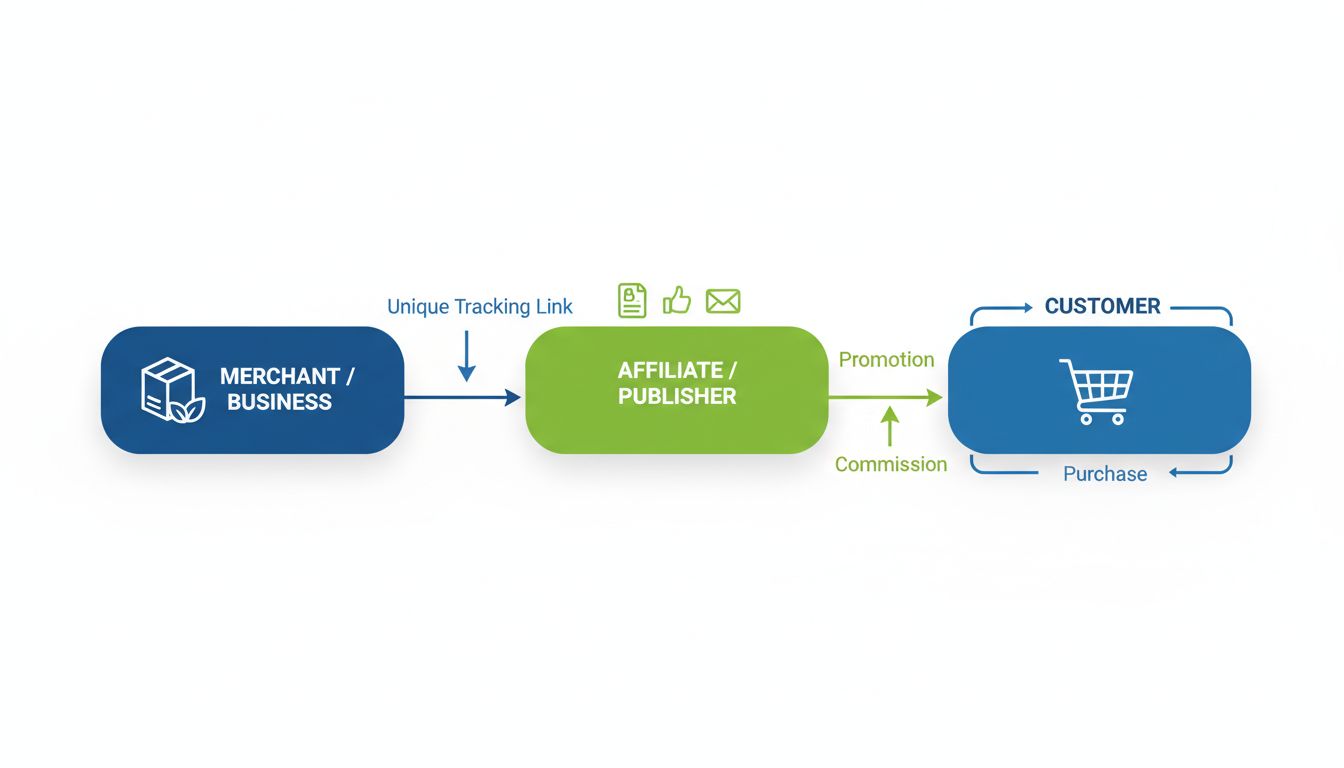
Learn what affiliate marketing programs are, how they work, and why they're essential for business growth. Discover commission structures, benefits, and best pr...
Join our community of happy clients and provide excellent customer support with Post Affiliate Pro.




Cookie Consent
We use cookies to enhance your browsing experience and analyze our traffic. See our privacy policy.