


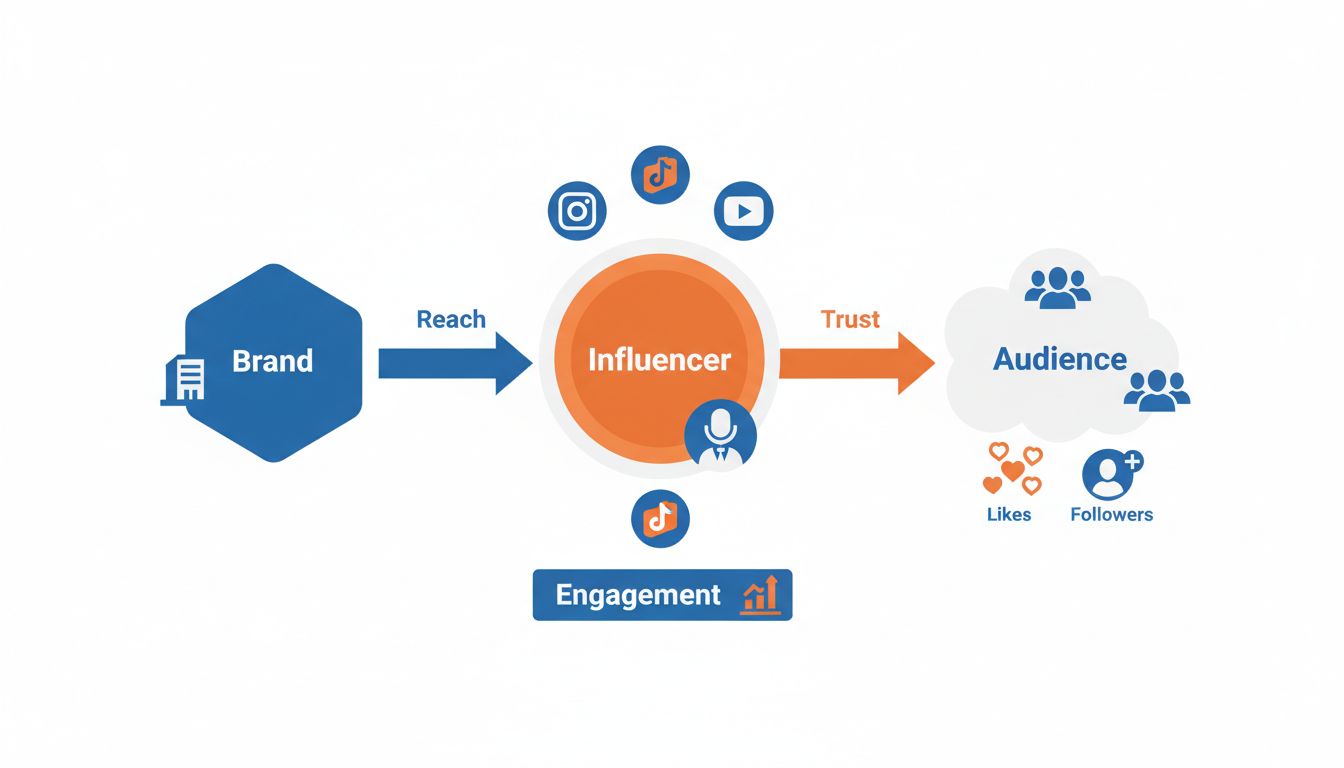
What is Influencer Marketing?
Discover what influencer marketing is, how it works, and why it's essential for brand growth in 2025. Learn strategies, ROI measurement, and best practices for ...
15 min read
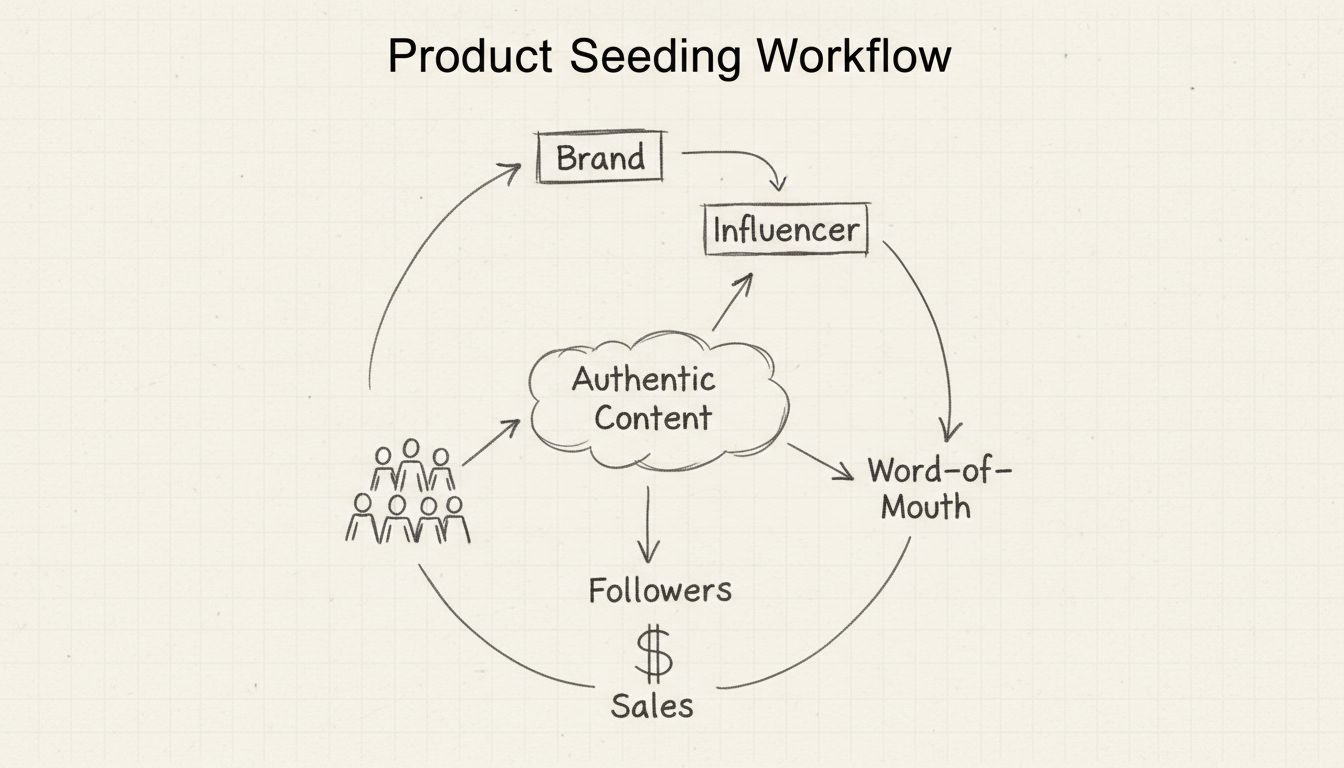
how product seeding and influencer marketing work together to drive brand awareness, authentic content, and sales.
Product seeding and influencer marketing represent two complementary yet distinct strategies that have become essential components of modern brand growth. While often discussed together, understanding their differences and how they work in tandem is crucial for developing an effective marketing strategy. The influencer marketing industry has grown exponentially, reaching an estimated $32.55 billion in 2026, with brands earning an average of $5.78 for every dollar invested in influencer campaigns. This remarkable ROI demonstrates why both strategies deserve a place in your marketing arsenal.
Product seeding is a word-of-mouth marketing strategy where brands send free products to carefully selected influencers, content creators, or key opinion leaders without any formal obligation for them to promote the product. The fundamental principle behind product seeding is simple yet powerful: by placing your product in the hands of trusted voices within your target market, you create opportunities for authentic endorsements and organic content creation. Unlike traditional advertising, product seeding relies on genuine user experiences and honest feedback rather than paid promotional agreements.
The process begins with identifying influencers whose audience aligns with your target demographic and whose content naturally complements your product category. Brands then send thoughtfully packaged products with a brief note explaining the brand story and why they believe the influencer would appreciate the product. The influencer receives the product with complete creative freedom—they can choose to post about it, provide feedback, or simply enjoy it privately. This no-strings-attached approach is what makes product seeding fundamentally different from paid influencer partnerships.
The beauty of product seeding lies in its authenticity. When influencers share products they genuinely enjoy, their audiences perceive the recommendation as honest and trustworthy rather than a paid advertisement. This authenticity translates into higher engagement rates, more meaningful comments, and ultimately, stronger word-of-mouth marketing. Research shows that 20-40% of seeded influencers typically create content about the products they receive, with the best-targeted campaigns achieving post rates closer to 50%. The content that does emerge from product seeding campaigns tends to perform exceptionally well because it feels natural and unforced.

Set up advanced tracking in minutes. No credit card required.
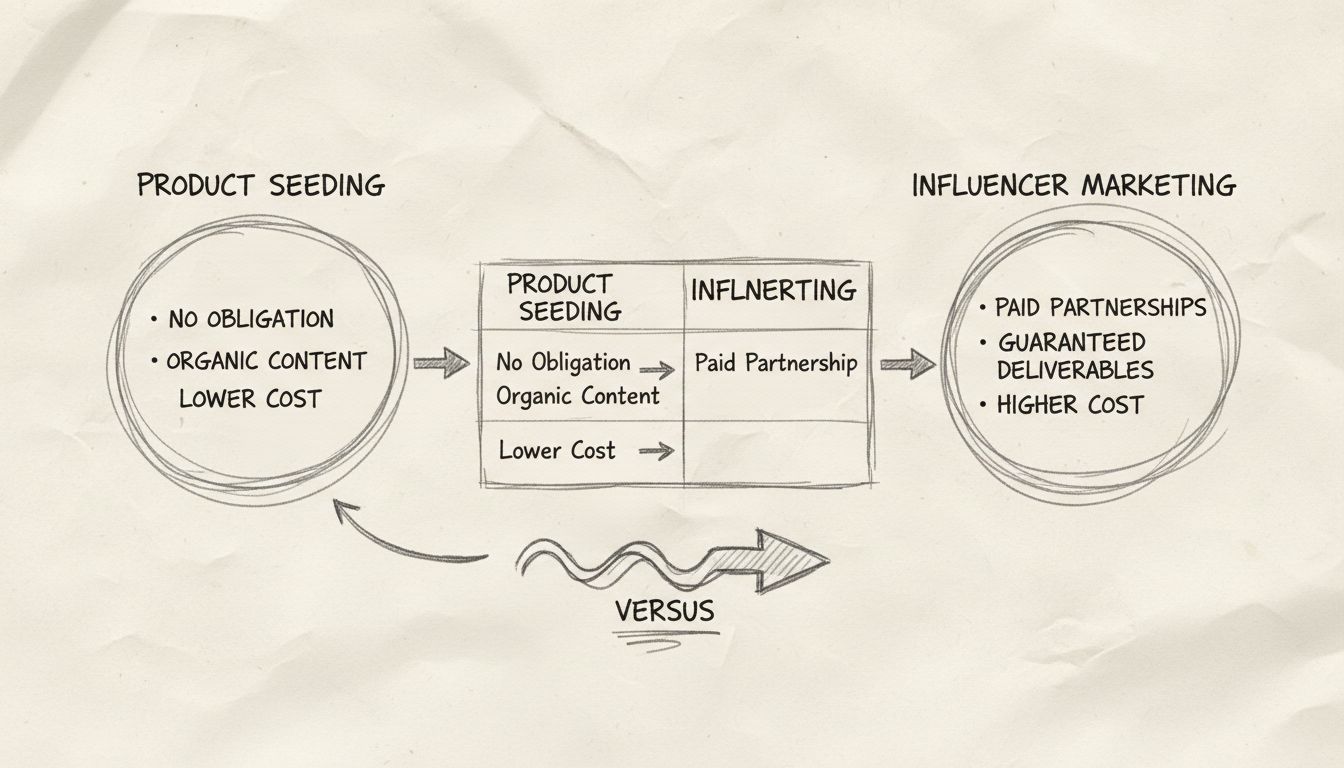
Influencer marketing is a broader marketing discipline that encompasses any collaboration between brands and content creators to promote products or services. While product seeding is one component of influencer marketing, the term typically refers to paid partnerships where influencers are compensated for creating specific promotional content. These partnerships involve formal agreements outlining deliverables, timelines, content requirements, compensation structures, and performance metrics. Influencer marketing can take many forms, including flat-fee payments, commission-based arrangements, performance-based compensation tied to conversions, or hybrid models combining multiple payment structures.
In paid influencer marketing campaigns, brands have significantly more control over messaging, content format, posting schedule, and specific requirements like hashtags or calls-to-action. The influencer agrees to create content that meets the brand’s specifications in exchange for financial compensation or other benefits. This structured approach allows brands to plan campaigns with predictable outcomes and measurable results. However, this increased control comes with a trade-off: audiences often perceive paid promotional content as less authentic than organic recommendations, which can impact engagement rates and conversion effectiveness.
The influencer marketing landscape has evolved dramatically, with average CPM (cost per thousand impressions) dropping 53% year-over-year, making paid influencer partnerships increasingly cost-efficient. This trend reflects growing competition among creators and the maturation of influencer marketing platforms that help brands find and manage partnerships more effectively. Brands now have access to sophisticated tools for identifying influencers, negotiating terms, managing content approvals, and tracking performance metrics in real-time.
| Aspect | Product Seeding | Influencer Marketing |
|---|---|---|
| Payment Structure | No direct payment; product cost only | Paid compensation (flat fee, commission, or performance-based) |
| Obligation | No obligation to post or promote | Contractual obligation with specific deliverables |
| Content Control | Influencer has complete creative freedom | Brand specifies content requirements and format |
| Authenticity | Highly authentic, organic recommendations | Can feel promotional but increasingly authentic |
| Cost | $500-$5,000 per campaign (product + shipping) | $1,000-$100,000+ depending on influencer tier |
| Measurability | Qualitative (feedback, sentiment, engagement) | Highly quantifiable (clicks, conversions, ROI) |
| Timeline | Flexible; no deadline for content creation | Fixed timeline with specific posting dates |
| Relationship Building | Focuses on long-term relationship development | Can be transactional or relationship-based |
| Best For | Brand awareness, feedback, relationship building | Direct sales, specific messaging, guaranteed reach |
| Risk Level | Low financial risk; high uncertainty on results | Higher financial investment; predictable outcomes |
Understanding these differences helps brands choose the right strategy for their specific objectives. A brand launching a new product might start with product seeding to generate authentic buzz and gather feedback, then transition to paid influencer partnerships with top-performing creators to amplify the message and drive conversions.
Be the first to know about new features and product updates.
Successful product seeding campaigns follow a strategic process that maximizes the likelihood of authentic content creation and positive brand outcomes. The first critical step involves identifying the right influencers to seed. Rather than simply targeting accounts with the largest follower counts, successful brands analyze audience demographics, engagement rates, content quality, and niche alignment. They examine an influencer’s posting history to understand their values, the products they naturally use, and whether their audience would genuinely benefit from your product. This research phase is essential because sending products to misaligned influencers wastes resources and generates no meaningful results.
Once you’ve identified target influencers, the next step is building a genuine relationship before sending any products. Successful brands reach out with personalized messages demonstrating they’ve done their homework. They reference specific posts, explain why they believe the influencer would appreciate the product, and ask permission before shipping anything. This courteous approach respects the influencer’s time and establishes a positive foundation for the relationship. Many influencers receive dozens of unsolicited packages daily, so a thoughtful outreach message significantly increases the likelihood of engagement.
The packaging and presentation of your seeding kit directly impacts whether influencers will create content about your product. High-quality, branded packaging that’s visually appealing and unboxing-worthy dramatically increases post rates. Including a handwritten note, limited-edition items, or small surprises personalizes the experience and demonstrates genuine appreciation. The package should include your social media handles, preferred hashtags, and a brief brand story, making it easy for influencers to tag and mention you if they choose to post. Many successful brands invest significantly in packaging because they understand that a memorable unboxing experience often translates into content creation.
After shipping products, patience becomes crucial. Influencers need time to receive packages, try products, and decide whether they want to share their experience. Successful brands wait at least one to two weeks before following up, allowing influencers adequate time to integrate the product into their daily lives. When following up, the tone should remain casual and appreciative rather than demanding. A simple message asking for feedback and expressing genuine interest in their thoughts maintains the relationship without creating pressure. This approach often leads to more authentic and enthusiastic content when influencers do choose to post.
Influencer marketing campaigns begin with clearly defined objectives and target audience identification. Brands must determine whether they’re seeking brand awareness, direct sales, content generation, or relationship building, as each goal requires different influencer tiers and campaign structures. Once objectives are established, brands identify influencers whose audience demographics align with their target market. This involves analyzing follower composition, engagement rates, audience interests, and previous brand partnerships to ensure authentic fit.
The negotiation and contracting phase establishes clear expectations for both parties. Brands outline specific deliverables such as the number of posts, content format (Instagram Stories, Reels, TikTok videos, YouTube reviews), posting timeline, required hashtags, and compensation structure. Successful contracts also address content approval processes, usage rights for repurposing content, exclusivity periods, and performance expectations. Clear written agreements prevent misunderstandings and protect both the brand and the influencer.
Content creation and posting follows the agreed-upon brief, with influencers producing content that showcases the brand or product in their authentic style. The best influencer marketing campaigns give creators enough creative freedom to maintain their unique voice while ensuring the brand message comes through clearly. Influencers who feel constrained by overly rigid briefs often produce less engaging content, while those given appropriate creative latitude typically deliver higher-performing posts. Many brands now use content approval workflows that allow influencers to submit drafts for feedback before final posting, ensuring alignment without stifling creativity.
Amplification and measurement complete the influencer marketing cycle. Brands track performance metrics including reach, engagement, click-through rates, conversions, and ROI. Many campaigns include unique discount codes or affiliate links for each influencer, enabling precise attribution of sales to specific partnerships. Advanced brands use influencer marketing platforms to aggregate data across multiple creators, identify top performers, and optimize future campaigns based on performance insights. This data-driven approach transforms influencer marketing from a creative exercise into a measurable business investment.
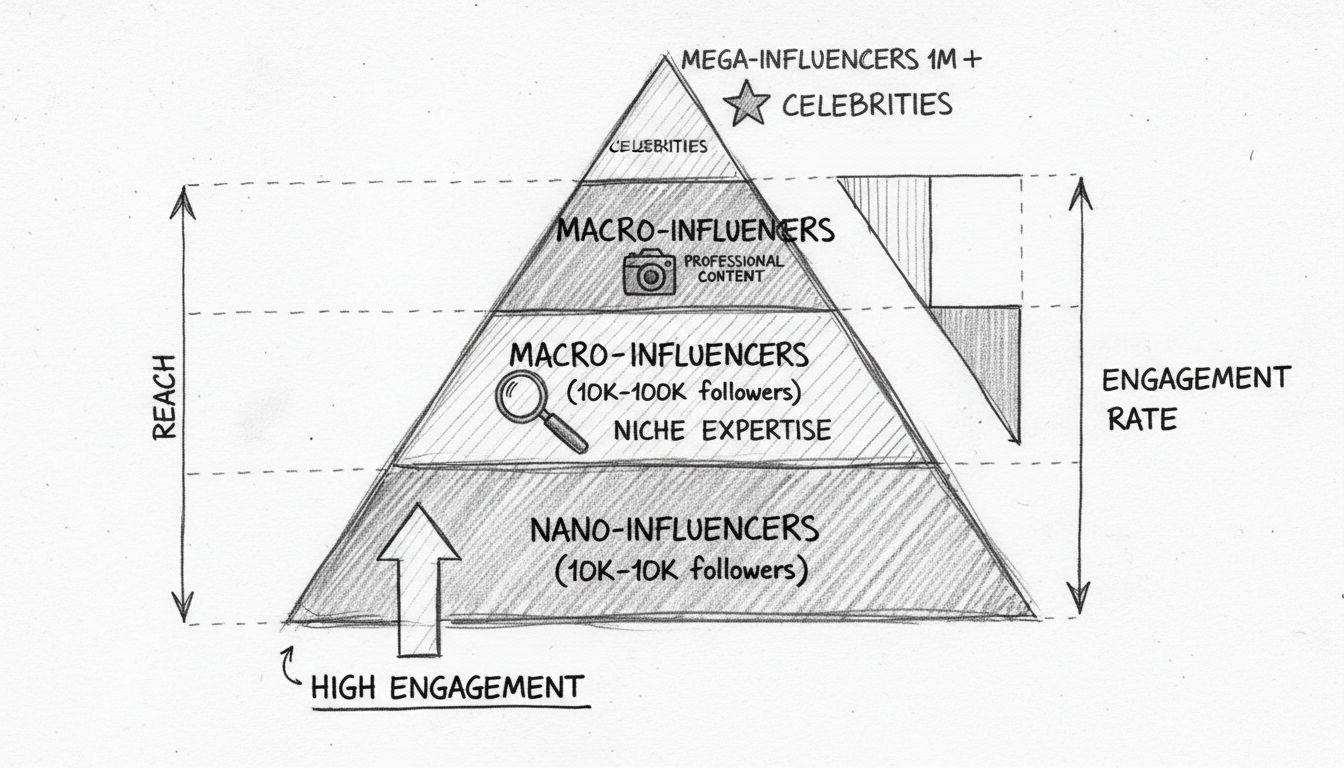
Understanding influencer tiers is essential for selecting partners that align with your campaign objectives and budget. Nano-influencers, with 1,000 to 10,000 followers, represent everyday content creators with highly engaged, loyal audiences. Their followers often feel like a personal community rather than a mass audience, resulting in exceptional engagement rates that frequently exceed those of larger accounts. Nano-influencers are ideal for product seeding campaigns, local market penetration, and brands seeking authentic, relatable endorsements. They’re typically more affordable and more responsive to collaboration opportunities than larger creators.
Micro-influencers, ranging from 10,000 to 100,000 followers, have established themselves as experts or authorities within specific niches. A fitness micro-influencer, beauty blogger, or tech reviewer has built credibility through consistent, high-quality content focused on their specialty. Their audiences follow them specifically for their expertise and recommendations, making micro-influencers exceptionally effective for targeted campaigns. Micro-influencers offer the optimal balance between reach and engagement, making them the preferred choice for many brands seeking cost-effective campaigns with strong performance. They’re professional enough to deliver quality content but accessible enough to work with smaller brands.
Macro-influencers, with 100,000 to 1 million followers, have typically made content creation their full-time profession. They offer sophisticated production quality, established media relationships, and significant reach. Macro-influencers work well for brands seeking broader audience exposure while maintaining authenticity. Their content production capabilities often exceed those of smaller creators, and they can handle complex campaign requirements. However, macro-influencers command premium pricing and may have lower engagement rates relative to their follower counts, as their audiences are often more diverse and less niche-focused.
Mega-influencers and celebrities with over 1 million followers offer unparalleled reach and immediate brand recognition. They’re ideal for awareness campaigns where you need to reach massive audiences quickly. However, mega-influencers typically charge premium rates, may have lower engagement rates, and often work with multiple brands simultaneously, potentially diluting your brand’s message. For most product seeding campaigns, mega-influencers are cost-prohibitive, but they can be valuable for major product launches or brand awareness initiatives with substantial budgets.
Measuring campaign success requires tracking different metrics depending on whether you’re running product seeding or paid influencer campaigns. For product seeding, the post rate—calculated as the percentage of influencers who created content divided by total products sent—serves as a primary success indicator. A strong post rate typically ranges from 25-50%, though well-targeted campaigns can achieve higher rates. Earned media reach, representing the total audience exposed to your product through influencer content, provides insight into organic reach generated without paid amplification. Engagement quality, measured through comments, shares, and saves, often matters more than raw reach because it indicates genuine audience interest rather than passive viewing.
User-generated content volume and sentiment analysis reveal how audiences perceive your product and brand. Monitoring comment sections for positive, negative, or neutral sentiment helps identify potential issues and opportunities for improvement. Successful product seeding campaigns often generate valuable product feedback from influencers and their audiences, providing insights that inform product development and marketing messaging. Tracking whether seeded influencers convert into long-term paid partners demonstrates the relationship-building value of seeding campaigns beyond immediate sales impact.
For paid influencer marketing campaigns, click-through rates, website traffic, and conversion metrics provide direct performance data. Unique discount codes or affiliate links assigned to each influencer enable precise attribution of sales to specific partnerships. Cost per acquisition—calculated by dividing total campaign spend by number of conversions—allows comparison of influencer marketing ROI against other marketing channels. Advanced brands track customer lifetime value from influencer-referred customers, recognizing that influencer marketing often drives high-quality customers who make repeat purchases and recommend the brand to others.
Engagement rate, calculated as total engagement (likes, comments, shares) divided by follower count, indicates how well content resonates with audiences. Higher engagement rates typically correlate with better campaign performance and stronger audience trust. Reach and impressions measure how many people saw the content, while click-through rates show what percentage of viewers took action. Sophisticated measurement approaches combine quantitative metrics with qualitative analysis, examining comment sentiment, brand mention context, and audience questions to understand not just how many people engaged, but how they felt about the brand.
Successful product seeding and influencer marketing campaigns share several common best practices that maximize results and build sustainable creator relationships. First, authenticity must be the foundation of every campaign. Influencers should genuinely align with your brand values and product category, and audiences should perceive recommendations as honest rather than transactional. Forcing partnerships between misaligned brands and creators damages both parties’ credibility and wastes marketing resources. The most successful campaigns feature influencers who would naturally use and recommend your products even without compensation.
Relationship building should precede any transactional requests. Brands that invest time in understanding influencers, engaging with their content, and building genuine connections before asking for promotion receive better results than those approaching influencers with immediate commercial requests. This relationship-first approach transforms one-time collaborations into ongoing partnerships that benefit both parties. Influencers who feel valued and appreciated by brands are more likely to create enthusiastic, high-quality content and recommend the brand to other creators.
Clear communication and written agreements prevent misunderstandings and protect both parties. Product seeding campaigns should include brief, friendly outreach explaining why you believe the influencer would appreciate the product. Paid influencer partnerships require detailed contracts specifying deliverables, timelines, compensation, content requirements, and approval processes. Transparency about expectations, deadlines, and compensation structures builds trust and professionalism. Brands should also be transparent about the nature of influencer relationships, ensuring influencers disclose sponsored content in compliance with FTC guidelines and similar regulations in other jurisdictions.
Patience and realistic expectations are essential for product seeding success. Not every seeded influencer will create content, and that’s normal. Successful brands accept 20-40% post rates as reasonable outcomes and focus on the quality of content created rather than the quantity. They also recognize that product seeding is a long-term relationship-building strategy rather than a quick sales tactic. The value of seeding often emerges over time as relationships develop and influencers become genuine brand advocates who create ongoing content and refer other creators.
The most sophisticated brands use product seeding and influencer marketing as complementary strategies within an integrated campaign framework. A typical approach begins with product seeding to generate organic buzz, gather authentic feedback, and identify top-performing creators. Brands send products to carefully selected influencers across various tiers, allowing organic content to emerge naturally. This phase generates authentic user-generated content, valuable product feedback, and identifies which influencers genuinely connect with the brand and product.
Once seeding campaigns generate results, brands transition top-performing creators into paid influencer partnerships. These influencers have already demonstrated genuine interest in the product and audience engagement, making them ideal candidates for ongoing collaborations. Paid partnerships with proven creators typically deliver better ROI than cold outreach to new influencers because the relationship foundation already exists. Brands can negotiate more favorable terms with creators they’ve already worked with, and both parties understand each other’s expectations and working styles.
This integrated approach also enables content amplification strategies. User-generated content from product seeding campaigns can be repurposed in paid advertising, email marketing, and social media posts (with proper usage rights). Influencer-created content often outperforms brand-created content in advertising contexts because audiences perceive it as more authentic and trustworthy. By combining organic seeding content with paid amplification, brands maximize the value of each piece of content and extend its reach beyond the influencer’s original audience.
The influencer marketing landscape continues evolving with several significant trends shaping strategy in 2026. Affiliate marketing integration has become increasingly important, with brands using affiliate links and commission-based compensation models to align influencer incentives with business results. This trend reflects growing emphasis on measurable ROI and performance-based partnerships. Influencers who earn commissions on sales they generate are more motivated to create high-converting content and recommend products to their most engaged followers.
Micro-communities and niche influencers are gaining prominence as brands recognize that highly engaged niche audiences often deliver better results than massive but disengaged followings. This trend favors nano and micro-influencers who have built loyal communities around specific interests. Brands are increasingly moving away from vanity metrics like follower counts and focusing on engagement quality, audience alignment, and conversion potential. This shift democratizes influencer marketing, making it more accessible to smaller creators while rewarding those who build genuine, engaged communities.
AI-powered influencer discovery and management tools are transforming how brands identify, vet, and manage influencer partnerships. These platforms analyze influencer audiences, engagement patterns, and performance data to match brands with optimal partners. Automation tools streamline outreach, contract management, content approval workflows, and performance tracking. However, the human element remains crucial—authentic relationships and creative collaboration still drive the best results. The most successful brands use AI tools to enhance efficiency while maintaining personal, relationship-focused approaches to influencer partnerships.
Creator-led brands and influencer entrepreneurship represent another significant trend. Many influencers are launching their own product lines, creating opportunities for co-branded partnerships and affiliate relationships. These creator entrepreneurs often have deep understanding of their audiences’ needs and preferences, making them valuable partners for complementary brands. Brands are increasingly viewing influencers not just as promotional channels but as potential business partners and collaborators.
Product seeding and influencer marketing represent powerful, complementary strategies for building brand awareness, generating authentic content, and driving sales in 2026. Product seeding’s strength lies in its authenticity and relationship-building potential, while influencer marketing’s power comes from its measurability and guaranteed reach. The most successful brands recognize that these strategies work best together, using seeding to build relationships and gather feedback, then transitioning top performers into paid partnerships for amplified impact.
Success in both strategies requires authenticity, strategic influencer selection, clear communication, and realistic expectations. Rather than chasing follower counts, focus on audience alignment, engagement quality, and genuine brand fit. Invest in relationship building before making commercial requests, and recognize that influencer marketing is a long-term investment in brand credibility and customer acquisition. By combining product seeding’s organic authenticity with influencer marketing’s measurable reach, brands can create integrated campaigns that deliver exceptional ROI while building sustainable creator relationships that benefit all parties involved.
Product seeding involves sending free products to influencers with no obligation for them to post or promote, focusing on organic word-of-mouth and authentic feedback. Influencer marketing is a broader term that includes paid partnerships where influencers are contractually obligated to create specific content in exchange for compensation. While product seeding is relationship-focused and low-risk, influencer marketing offers guaranteed deliverables and measurable results. Many successful brands combine both strategies, starting with seeding to build relationships and then transitioning to paid partnerships with top-performing creators. The choice depends on your budget, timeline, and campaign objectives.
Success metrics for product seeding include post rate (percentage of influencers who posted versus total products sent), earned media reach (total audience exposed to your product), engagement quality (likes, comments, shares), and user-generated content volume. Track sentiment in comments to understand how audiences perceive your product, and monitor whether seeded influencers convert into long-term paid partners. Advanced tracking involves using unique discount codes or affiliate links for each influencer to attribute sales directly to their efforts. While product seeding is less directly measurable than paid campaigns, the authentic content generated often outperforms traditional advertising in terms of audience trust and conversion rates.
Micro-influencers (10K-100K followers) typically deliver the best results for product seeding campaigns because they have highly engaged audiences, lower costs, and greater willingness to try new products. Nano-influencers (1K-10K followers) offer exceptional engagement rates and authenticity, making them ideal for niche markets and community-building. Macro-influencers (100K-1M followers) work well when you need broader reach and professional content quality. Mega-influencers are generally too expensive for seeding campaigns unless you have a substantial budget. The key is matching influencer tier to your target audience demographics and campaign goals rather than focusing solely on follower counts.
Brands must ensure influencers disclose that they received free products, as this is required by FTC guidelines and similar regulations in other countries. Transparency about the nature of the relationship builds trust with audiences and protects your brand from legal issues. Never require influencers to post positive reviews in exchange for products, as this violates advertising standards. Respect influencers' creative freedom and authenticity—forced or inauthentic content damages both the influencer's credibility and your brand reputation. Always obtain proper usage rights before repurposing influencer-generated content for your own marketing channels.
Product seeding costs depend on product unit cost, packaging quality, and shipping expenses. Most brands spend $500-$5,000 per campaign, though this varies based on scale and product value. Calculate costs by multiplying the number of influencers by (product cost + packaging + shipping). A typical campaign might send products to 50-200 influencers, resulting in 20-40% posting rates. Unlike paid influencer marketing, you're not paying content fees, making seeding more cost-effective for awareness and relationship-building. Consider allocating additional budget for follow-up paid partnerships with top-performing creators, as this often delivers better ROI than one-time seeding efforts.
PostAffiliatePro helps you manage, track, and optimize your influencer marketing campaigns with powerful affiliate software designed for creators and brands. Automate your product seeding campaigns, track influencer performance, and measure ROI with precision.
Discover what influencer marketing is, how it works, and why it's essential for brand growth in 2025. Learn strategies, ROI measurement, and best practices for ...
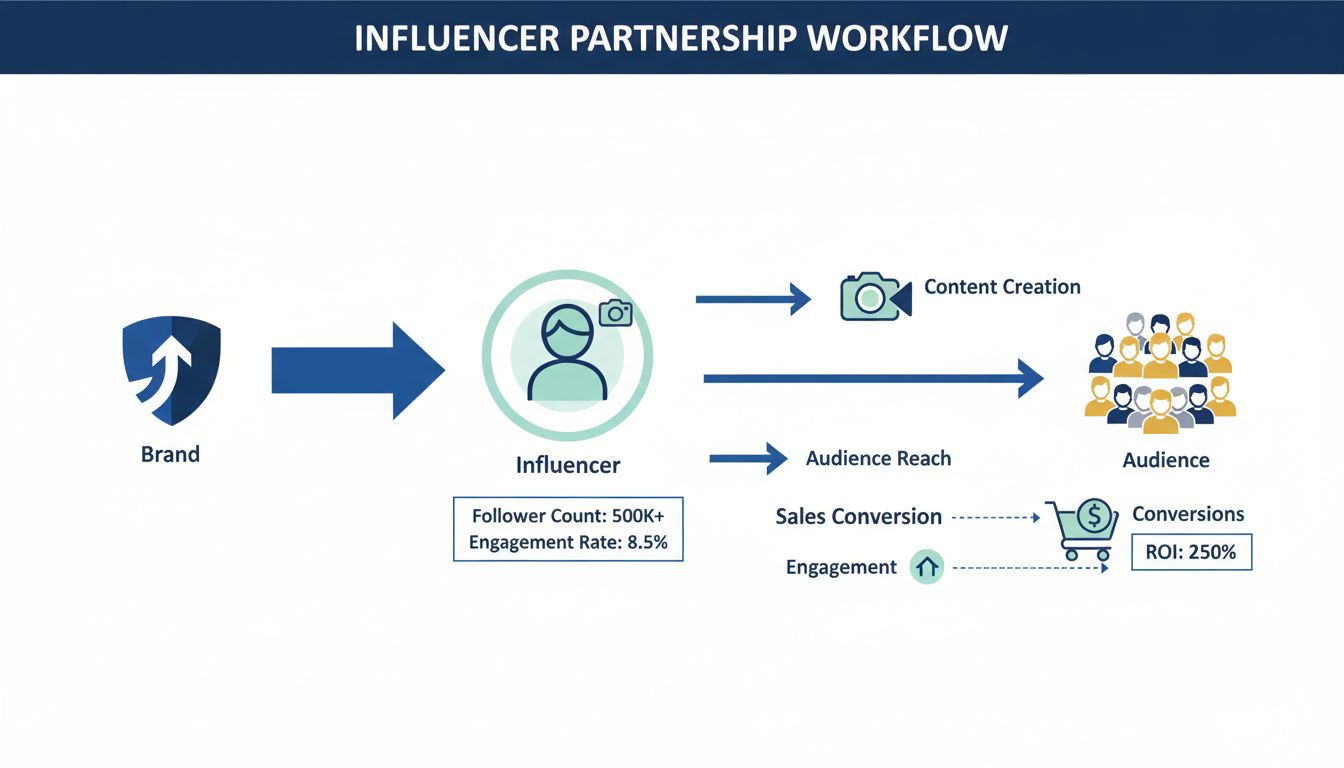
Learn what influencer partnerships are, how they work, and why they're essential for brand growth. Discover strategies, ROI metrics, and best practices for succ...
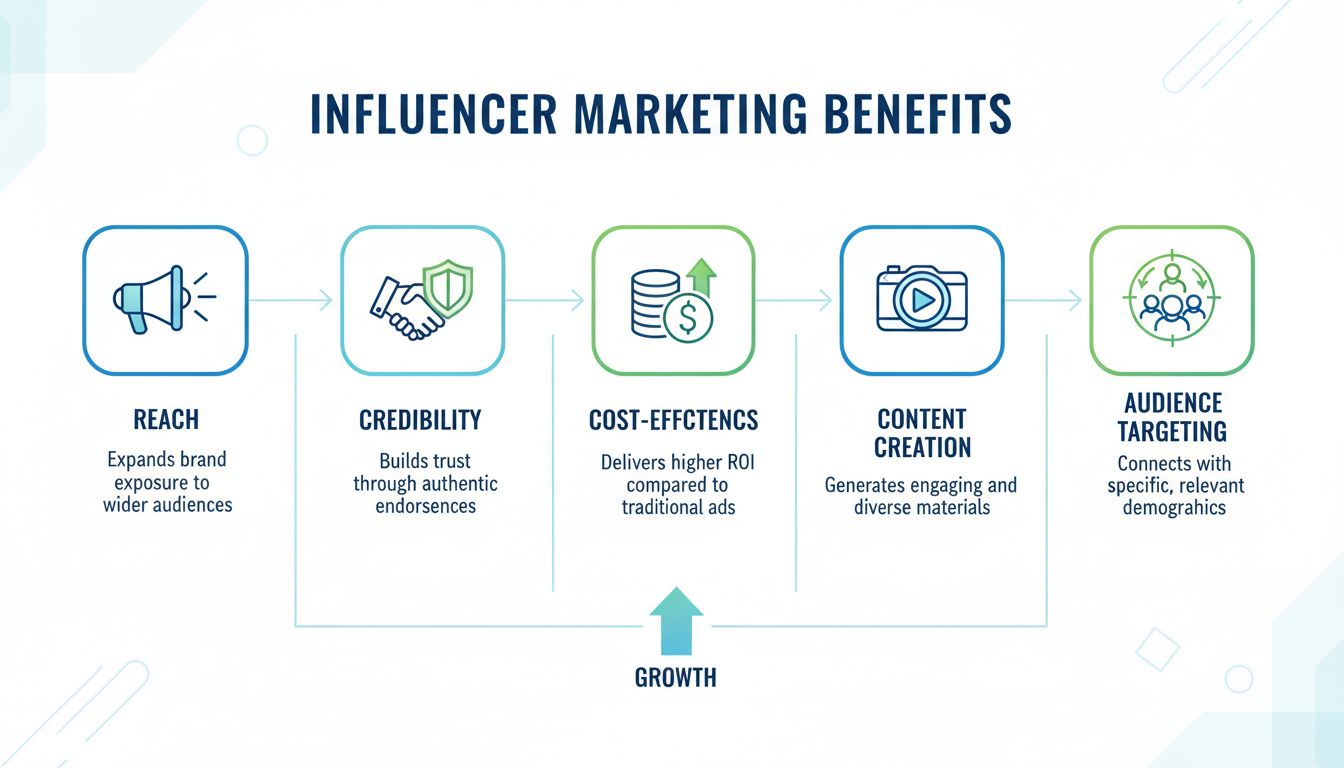
Discover the key benefits of influencer partnerships including expanded reach, enhanced credibility, cost-effective marketing, engaging content creation, and ta...
Join our community of happy clients and provide excellent customer support with Post Affiliate Pro.




Cookie Consent
We use cookies to enhance your browsing experience and analyze our traffic. See our privacy policy.