


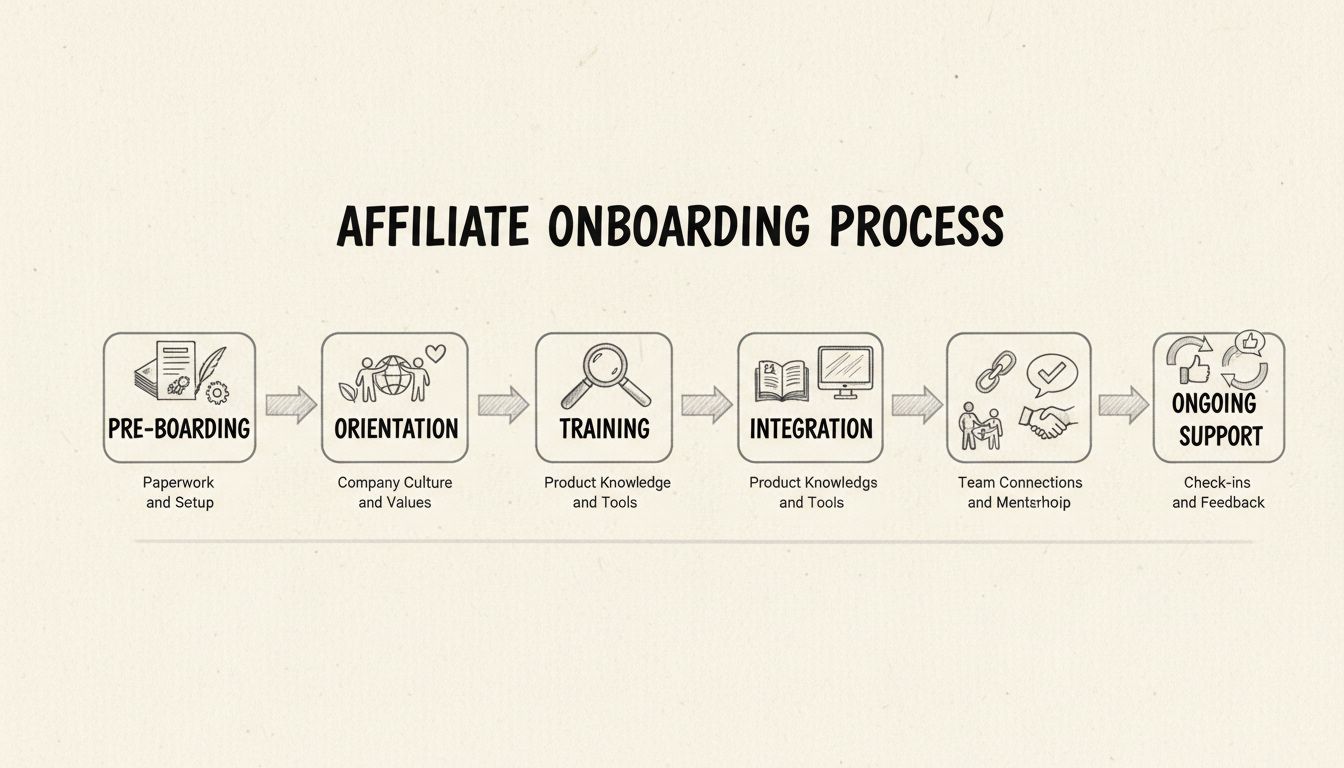
Why Is a Good Onboarding Process Important for Affiliates?
Discover why structured affiliate onboarding increases productivity, boosts engagement, and reduces turnover. Learn best practices for successful affiliate inte...
11 min read


how to personalize affiliate onboarding by assessing skills, providing tailored training, and creating customized support systems that help affiliates succeed
Affiliate onboarding is the critical process of integrating new partners into your program and equipping them with the tools, knowledge, and support needed to succeed from day one. This first impression sets the tone for the entire affiliate relationship and directly influences whether partners become long-term advocates or quickly lose interest in promoting your products. A well-structured onboarding experience demonstrates your commitment to partner success, builds confidence in your program’s professionalism, and establishes clear expectations around performance metrics and support resources. The quality of your onboarding process has a measurable impact on affiliate retention rates, as partners who feel welcomed, informed, and supported are significantly more likely to remain active and engaged over time. By investing in personalized, comprehensive onboarding, you create a foundation for sustainable program success, transforming new affiliates into productive partners who drive consistent revenue growth and brand advocacy.

Effective affiliate onboarding begins with a comprehensive skill assessment that establishes a baseline understanding of each partner’s capabilities and background. During the initial evaluation phase, you should conduct structured interviews or questionnaires to gather information about their marketing experience, previous affiliate program participation, and technical proficiency. This affiliate evaluation process helps you categorize partners into distinct experience levels—beginner, intermediate, or advanced—which directly informs the customization of your onboarding program. Beginners require foundational training on your products, marketing fundamentals, and platform tools, while intermediate affiliates benefit from advanced strategies and optimization techniques. Advanced affiliates typically need access to premium resources, exclusive promotional materials, and direct support channels to maximize their earning potential. By implementing a tiered support system based on these experience levels, you ensure that each affiliate receives precisely the guidance they need without overwhelming them with unnecessary information. This targeted approach not only accelerates time-to-productivity but also significantly improves affiliate satisfaction and long-term retention rates.
| Experience Level | Characteristics | Support Needs |
|---|---|---|
| Beginner | First-time affiliates with minimal marketing experience, limited platform familiarity, requires step-by-step guidance | Comprehensive onboarding documentation, video tutorials, weekly check-ins, basic marketing templates, product training sessions |
| Intermediate | 1-3 years of affiliate experience, familiar with marketing channels, understands conversion optimization basics | Advanced strategy guides, performance analytics training, access to promotional assets, bi-weekly optimization consultations |
| Advanced | 3+ years of experience, proven track record of high performance, sophisticated marketing knowledge, self-directed approach | Dedicated account manager, exclusive promotional opportunities, custom commission structures, early access to new products, strategic partnership discussions |

Set up advanced tracking in minutes. No credit card required.
Effective affiliate education requires recognizing that your partners have diverse backgrounds and learning preferences. Develop training materials tailored to different experience levels—beginners benefit from foundational video tutorials and step-by-step guides, while experienced marketers may prefer advanced strategy courses and case studies. Create multiple learning paths that accommodate various learning styles: visual learners thrive with video content and infographics, auditory learners benefit from webinars and podcasts, and kinesthetic learners engage better with interactive workshops and hands-on practice scenarios. Organize your resources by topic and difficulty level, allowing affiliates to progress at their own pace and revisit materials as needed. Provide a mix of quick-reference guides for immediate questions, comprehensive courses for deep dives, and regular live training sessions for real-time interaction and feedback. By offering this diverse range of training materials and learning paths, you empower affiliates to master your program in ways that align with their unique needs and preferences, ultimately driving better performance and long-term engagement.
Providing customized resource kits tailored to different affiliate channels is a cornerstone of effective onboarding that empowers partners to promote your products confidently. Marketing assets should be organized by channel type, recognizing that bloggers, influencers, and email marketers each have distinct content needs and audience expectations. A comprehensive resource kit might include pre-written email templates for email marketers, high-resolution product images and video clips for social media influencers, and detailed product guides or comparison charts for bloggers who want to create in-depth reviews. Accessibility is critical—ensure all promotional materials are stored in a centralized, easy-to-navigate repository where affiliates can quickly find what they need without excessive searching or back-and-forth communication. Consider providing assets in multiple formats (JPEG, PNG, MP4, PDF) to accommodate different platforms and technical capabilities, and include clear usage guidelines that explain where and how each resource should be deployed. By removing friction from the content creation process, you enable affiliates to launch campaigns faster and maintain brand consistency across all promotional channels. Well-organized resource kits demonstrate professionalism and commitment to partner success, ultimately driving higher engagement and conversion rates across your affiliate network.
Be the first to know about new features and product updates.
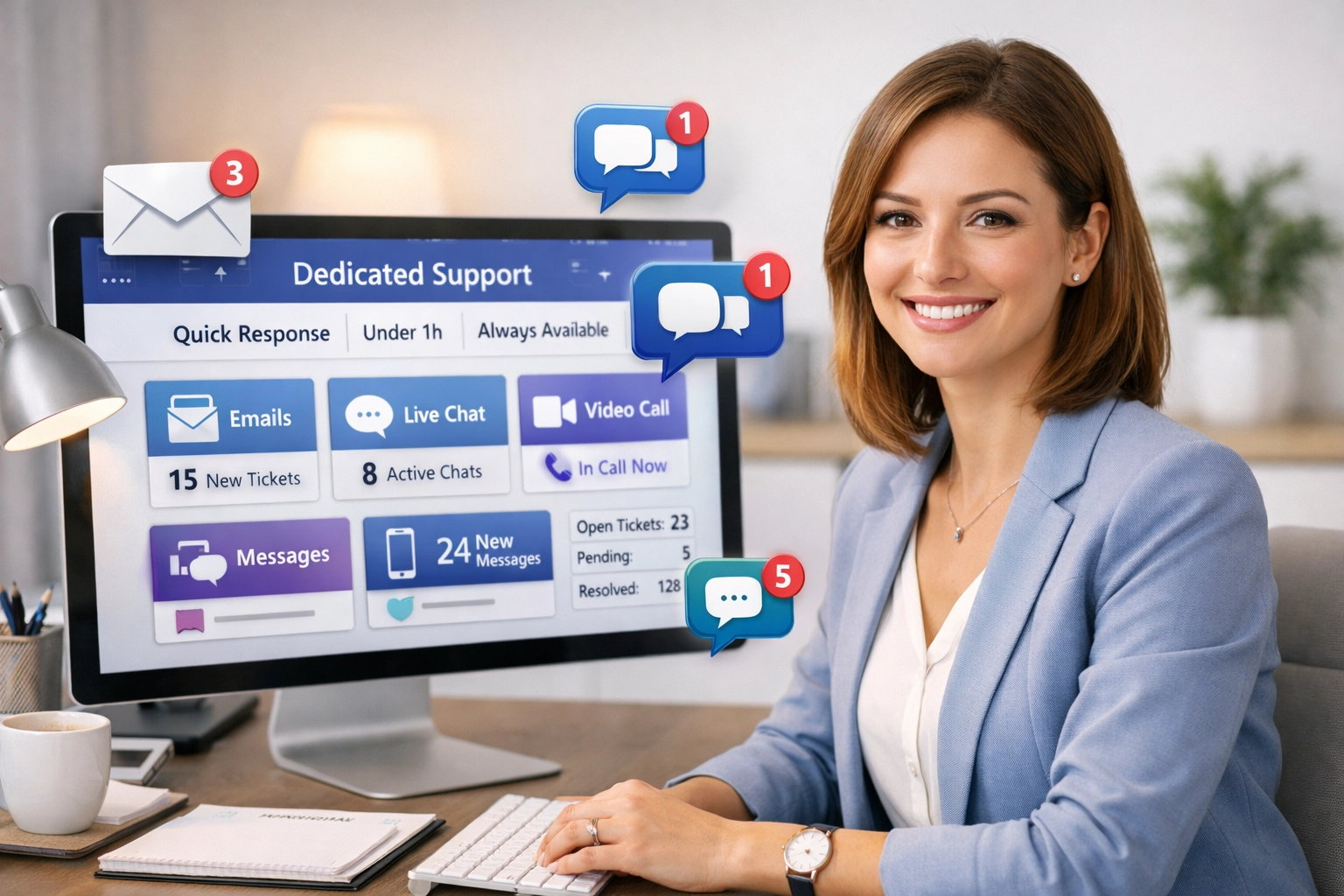
Effective affiliate support begins with establishing personalized communication channels tailored to each partner’s needs and experience level. Regular check-ins with a dedicated manager create a foundation of trust and accountability, ensuring affiliates feel valued and heard throughout their journey. Communication frequency should be calibrated based on affiliate experience—newer partners benefit from weekly touchpoints, while seasoned affiliates may prefer bi-weekly or monthly updates focused on performance metrics and strategic opportunities. Implementing structured feedback loops allows affiliates to voice concerns, share ideas, and contribute to program improvements, transforming support from one-directional guidance into collaborative partnership. These personalized interactions demonstrate genuine investment in affiliate success and foster long-term loyalty that extends far beyond transactional relationships. By prioritizing responsive, consistent communication, you create an environment where affiliates feel supported, motivated, and genuinely connected to your brand’s mission.
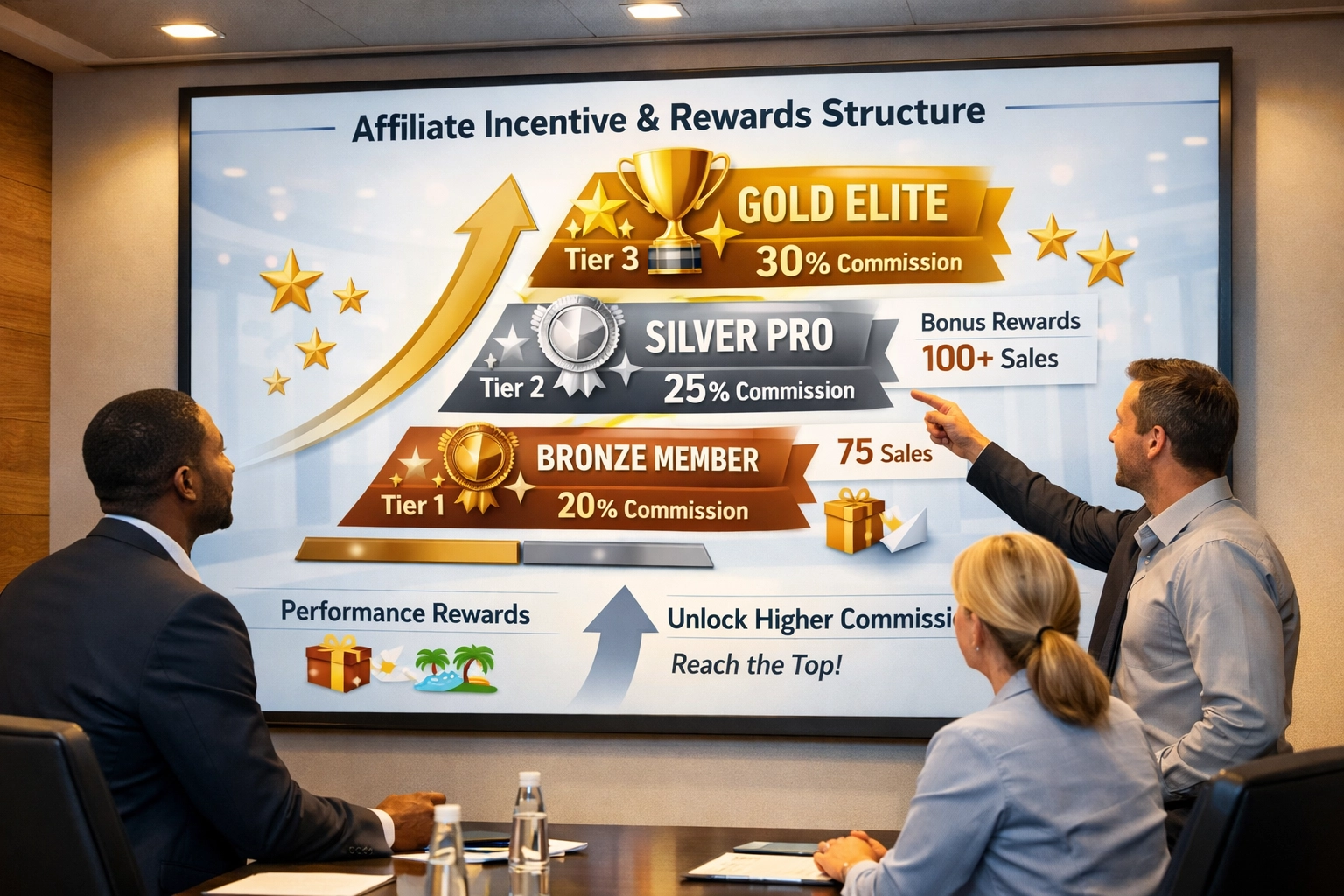
Implementing tiered commission structures is one of the most effective ways to motivate affiliates at different performance levels while rewarding your top performers. By creating clear performance-based rewards that increase as affiliates hit specific milestones—whether it’s revenue targets, conversion rates, or customer acquisition numbers—you give every partner a tangible path to earning more. Seasonal incentives add another layer of motivation, allowing you to boost commissions during peak selling periods or when launching new products, which keeps your affiliate program fresh and exciting throughout the year. Recognition programs complement financial rewards by celebrating top affiliates through leaderboards, exclusive badges, or featured spotlights in your community, tapping into the psychological drive for status and acknowledgment. The key is transparency: clearly communicate how affiliates can move up tiers, what rewards they’ll unlock, and how their efforts directly impact their earnings. When affiliates understand that their success is directly tied to measurable outcomes and that advancement is achievable, they’re far more likely to invest time and resources into promoting your brand. A well-designed tiered system transforms your affiliate program from a one-size-fits-all arrangement into a personalized growth engine that rewards ambition and drives sustainable business results.
An effective affiliate dashboard serves as the command center for your partners’ success, consolidating all essential information in one accessible location. The dashboard should feature real-time tracking capabilities that display clicks, conversions, and commissions as they happen, enabling affiliates to monitor campaign performance instantly without delays. Customization options are critical—allowing partners to choose which metrics matter most to them, arrange widgets according to preference, and set personalized alerts for key milestones ensures each affiliate sees relevant data tailored to their goals. Performance metrics should be presented through clear visualizations including graphs, charts, and comparative analytics that make trends immediately apparent, even to non-technical users. Data accessibility extends beyond the dashboard itself; affiliates should be able to export reports in multiple formats, access historical data for trend analysis, and integrate their dashboard with external tools via APIs. By prioritizing intuitive design alongside robust functionality, your affiliate dashboard becomes an indispensable tool that empowers partners to optimize their strategies and drive better results.
Establish a feedback loop by collecting insights from affiliates through surveys, interviews, and performance data analysis to identify friction points in your onboarding process. Use these findings to drive onboarding improvement by iterating on your materials, training modules, and support systems based on what actually resonates with your partners. Measure onboarding effectiveness through key metrics such as time-to-first-sale, completion rates, and affiliate retention to quantify the impact of your changes. Prioritize affiliate satisfaction by acting on feedback quickly—whether that means simplifying documentation, adding new training formats, or adjusting support availability. Make continuous refinement a core part of your program culture, treating each feedback cycle as an opportunity to strengthen your affiliate relationships and accelerate their success.
Personalized affiliate onboarding is a tailored approach to integrating new affiliates into your program based on their individual skills, experience levels, and needs. Rather than using a one-size-fits-all process, personalization involves assessing each affiliate's background and providing customized training, resources, and support that help them succeed at their own pace.
Personalization significantly improves affiliate retention, satisfaction, and performance. When affiliates feel that their unique needs are understood and addressed, they're more likely to remain engaged, invest effort into promoting your products, and achieve better results. Personalized onboarding also reduces time-to-productivity and demonstrates your commitment to partner success.
Conduct structured assessments through questionnaires, interviews, or signup forms that gather information about their marketing experience, previous affiliate participation, technical proficiency, and preferred promotional channels. Categorize affiliates into experience levels (beginner, intermediate, advanced) to inform your support strategy and resource allocation.
Beginners need foundational guides, video tutorials, and step-by-step documentation. Intermediate affiliates benefit from advanced strategy courses and case studies. Advanced affiliates prefer in-depth analytics training and exclusive strategic resources. Offer multiple formats (videos, guides, webinars, interactive workshops) to accommodate different learning styles.
Communication frequency should be based on experience level. New affiliates benefit from weekly check-ins, while intermediate partners may prefer bi-weekly touchpoints, and advanced affiliates typically need monthly strategic discussions. Always maintain open feedback channels and respond promptly to questions regardless of experience level.
Key metrics include time-to-first-sale, onboarding completion rates, affiliate retention rates, early performance against targets, and affiliate satisfaction scores. Track how quickly new affiliates become productive and measure their engagement with training materials and support resources to assess onboarding effectiveness.
Collect regular feedback from affiliates through surveys and interviews, analyze performance data to identify friction points, and iterate on your materials and support systems based on findings. Measure the impact of changes through key metrics and make continuous refinement a core part of your program culture.
Affiliate management platforms like PostAffiliatePro offer built-in assessment tools, customizable training modules, personalized dashboards, automated communication workflows, and performance tracking features that enable you to deliver personalized onboarding at scale.
PostAffiliatePro makes it easy to create personalized onboarding experiences that help your affiliates succeed. With built-in assessment tools, customizable training resources, and dedicated support features, you can nurture stronger affiliate relationships and boost program performance.
Discover why structured affiliate onboarding increases productivity, boosts engagement, and reduces turnover. Learn best practices for successful affiliate inte...
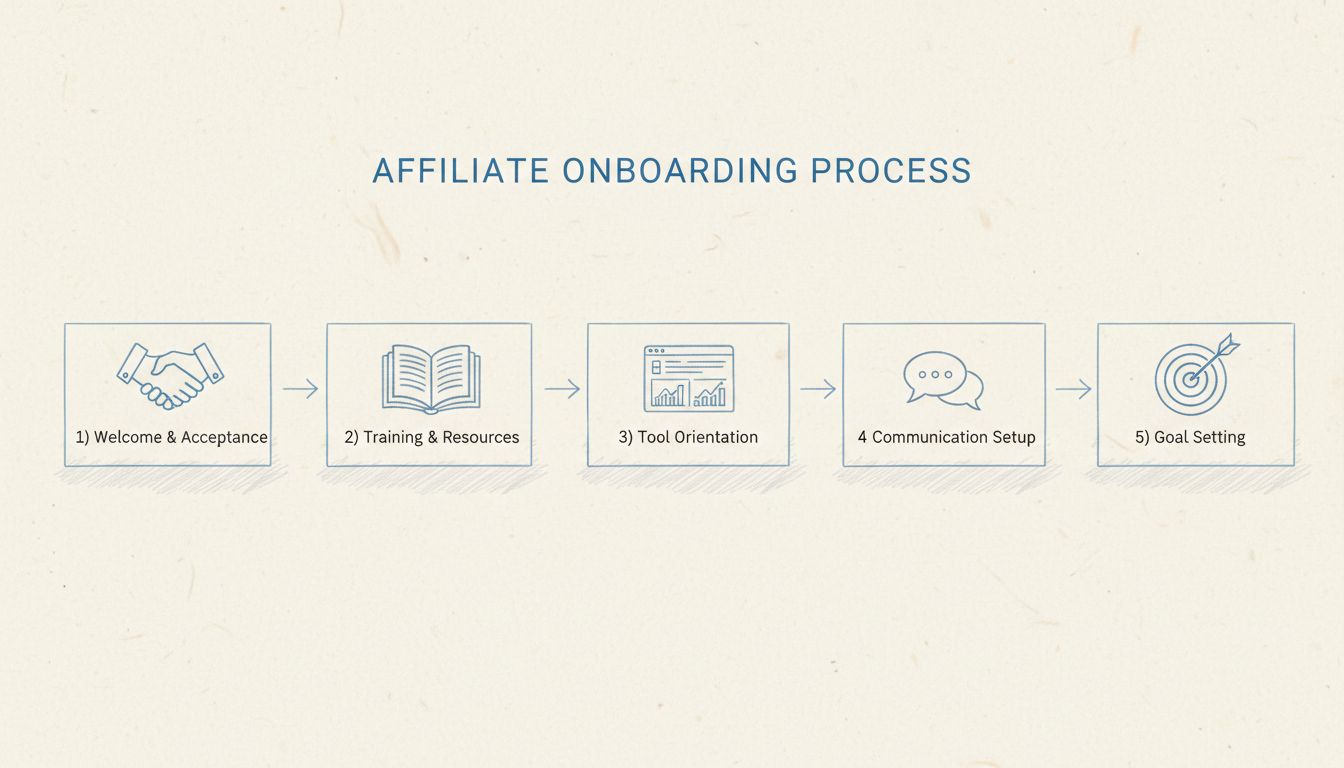
Learn what affiliate onboarding is and why it's critical for affiliate program success. Discover best practices, tools, and strategies to onboard affiliates eff...

Onboarding is the key to success for performance-based affiliate marketing. Check out our tips to create a smooth onboarding process.
Join our community of happy clients and provide excellent customer support with Post Affiliate Pro.




Cookie Consent
We use cookies to enhance your browsing experience and analyze our traffic. See our privacy policy.