



Top Methods to Speed Up a Website: Performance Optimization
proven methods to speed up your website including image optimization, caching, CDN, and Core Web Vitals optimization. Improve performance and conversions today.
6 min read

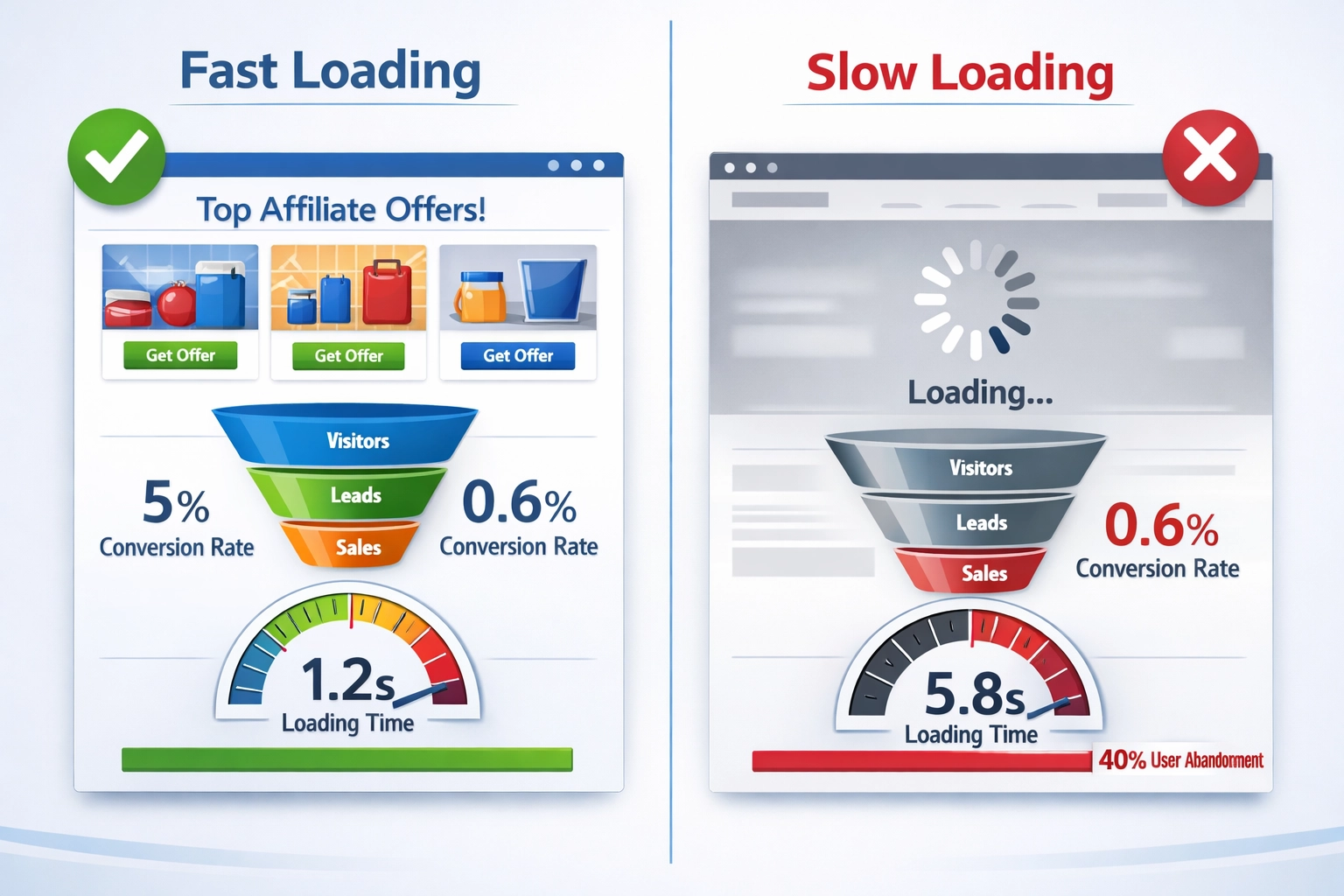
how page load time directly impacts affiliate conversions. why fast-loading pages reduce bounce rates, increase conversions
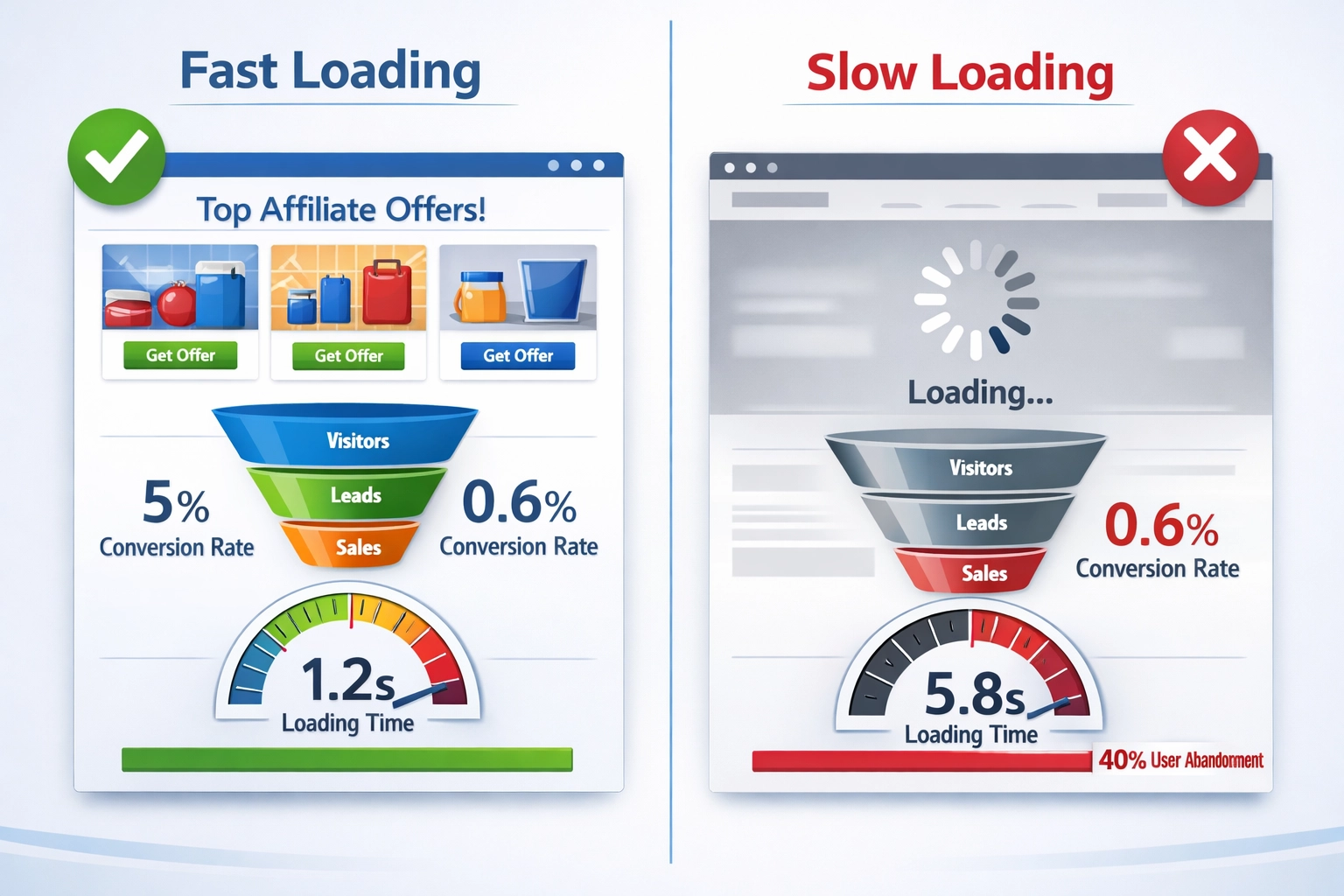
In the competitive world of affiliate marketing, every millisecond counts—and the data proves it. 40% of users abandon a website after just 3 seconds of waiting, while each additional second of load time triggers a 7% drop in conversion rates, creating a cascading effect that devastates affiliate revenue. For affiliate programs, this reality is particularly critical because your success depends not only on attracting traffic but on converting that traffic into commissions through partner links and offers. Mobile users are even more sensitive to delays, with 53% abandoning pages that take longer than 3 seconds to load, a crucial consideration given that mobile traffic now dominates most affiliate channels. The speed of your affiliate pages directly influences user behavior—faster pages encourage deeper engagement, longer session times, and higher click-through rates on affiliate offers. Beyond immediate conversions, slow-loading affiliate pages also damage your reputation with affiliate partners, who increasingly demand access to high-performing platforms that don’t hemorrhage traffic due to technical inefficiencies. When your affiliate infrastructure can’t deliver speed, you’re essentially leaving money on the table while competitors with optimized pages capture your potential revenue.
Google’s Core Web Vitals have become non-negotiable metrics for affiliate success, directly influencing both search rankings and user experience across your affiliate ecosystem. These three critical measurements—Largest Contentful Paint (LCP), First Input Delay (FID), and Cumulative Layout Shift (CLS)—form the foundation of Google’s page experience algorithm, which now significantly impacts affiliate page visibility in search results. Understanding each metric in the affiliate context is essential: LCP measures when the main content becomes visible (ideal threshold: 2.5 seconds), FID measures responsiveness to user interactions like clicking affiliate links (ideal: 100ms), and CLS measures visual stability as elements load (ideal: 0.1). When your affiliate pages fail to meet these thresholds, Google deprioritizes them in search rankings, directly reducing organic traffic to your affiliate offers and partner landing pages. The affiliate impact extends beyond rankings—poor Core Web Vitals create friction in the user journey, causing visitors to abandon pages before they ever reach your conversion points. Affiliate partners increasingly monitor these metrics because they understand that slow pages mean fewer commissions, making platform performance a key factor in partner retention and recruitment.
| Metric | Ideal Value | Affiliate Impact | Consequences |
|---|---|---|---|
| LCP (Largest Contentful Paint) | ≤ 2.5 seconds | Determines when affiliate offers become visible | Delays reduce click-through rates and conversions |
| FID (First Input Delay) | ≤ 100ms | Measures responsiveness when users click affiliate links | Sluggish response frustrates users and increases bounce rates |
| CLS (Cumulative Layout Shift) | ≤ 0.1 | Prevents accidental clicks on wrong affiliate offers | Layout instability causes misclicks and poor user experience |
| Search Ranking Impact | All metrics combined | Determines affiliate page visibility in Google results | Poor scores reduce organic traffic to affiliate content |
| Mobile Performance | Mobile-first indexing | Critical for 53% of users on mobile devices | Mobile failures eliminate majority of potential conversions |

Set up advanced tracking in minutes. No credit card required.
The financial impact of slow affiliate pages extends far beyond what most marketers initially calculate, creating a compounding revenue drain that accelerates over time. Consider the mathematics: if your affiliate page receives 10,000 monthly visitors with a baseline 5% conversion rate, a 7% conversion drop per second of delay means that a 4-second load time instead of 1 second costs you approximately 1,200 lost conversions monthly—potentially thousands in lost affiliate commissions. Mobile users, representing over half your traffic, are particularly unforgiving: 53% abandon after 3 seconds, meaning your mobile affiliate strategy is hemorrhaging more than half its potential audience if pages don’t load instantly. The psychological impact of waiting creates a negative user perception that extends beyond the immediate session—users who experience slow pages develop brand hesitation and are less likely to return for future affiliate offers. This effect compounds across your entire affiliate network: slower pages mean fewer partner referrals, reduced partner confidence in your platform, higher partner churn, and ultimately, a smaller network generating less total revenue. When you multiply these losses across hundreds of thousands of monthly visitors and dozens of affiliate partners, the true cost of slow pages becomes staggering—often representing 20-40% of potential affiliate revenue left unrealized.
Slow affiliate pages rarely result from a single problem; instead, they typically stem from a combination of technical inefficiencies that compound to create poor user experiences. Identifying and addressing these root causes is essential for maintaining a competitive affiliate platform:
Be the first to know about new features and product updates.
Effective speed optimization begins with accurate measurement and diagnosis, requiring both automated tools and real-world performance data to identify true bottlenecks. Google PageSpeed Insights provides quick assessments and actionable recommendations, while GTmetrix and Lighthouse offer deeper waterfall analysis showing exactly which resources consume the most time during page load. The distinction between synthetic testing (automated tools simulating page loads) and real user monitoring (RUM) is critical for affiliate platforms: synthetic tests identify potential issues, but RUM data reveals how actual users experience your pages across different devices, networks, and geographic locations. Waterfall analysis is particularly valuable for affiliate pages because it visualizes the sequence of resource loading, helping you identify which third-party scripts (tracking pixels, affiliate networks, analytics) are creating bottlenecks and delaying critical content. Setting performance baselines before optimization allows you to quantify improvements and calculate ROI—if your affiliate pages currently load in 4.2 seconds and you optimize to 2.1 seconds, you can measure the exact conversion lift and revenue impact. Regular monitoring ensures that performance doesn’t degrade over time as new features, plugins, or affiliate integrations are added to your platform.
Optimizing affiliate pages requires a systematic approach addressing both frontend and backend performance, with each strategy contributing to faster load times and higher conversions. Image optimization is often the highest-impact starting point: compress images to remove unnecessary data, serve modern formats like WebP with fallbacks, implement responsive images that scale appropriately for different devices, and use lazy loading to defer off-screen images until users scroll to them. Caching strategies operate at multiple levels—browser caching stores static assets locally so repeat visitors don’t re-download unchanged files, server-side caching (Redis, Memcached) stores frequently-accessed data in memory for instant retrieval, and Content Delivery Networks (CDNs) distribute your content across global servers so users download from locations nearest to them. Code minification removes unnecessary characters from JavaScript and CSS files, reducing file sizes by 20-40% without changing functionality, while code splitting breaks large JavaScript bundles into smaller chunks that load only when needed. Lazy loading defers the loading of images, videos, and non-critical content until users scroll into view, dramatically reducing initial page load time. Database optimization includes indexing frequently-queried fields, removing unused data, and implementing query caching to ensure affiliate data retrieval doesn’t create backend bottlenecks. Finally, third-party script management requires auditing every tracking pixel, analytics tool, and affiliate network integration to eliminate unnecessary scripts and defer non-critical ones until after the page becomes interactive.
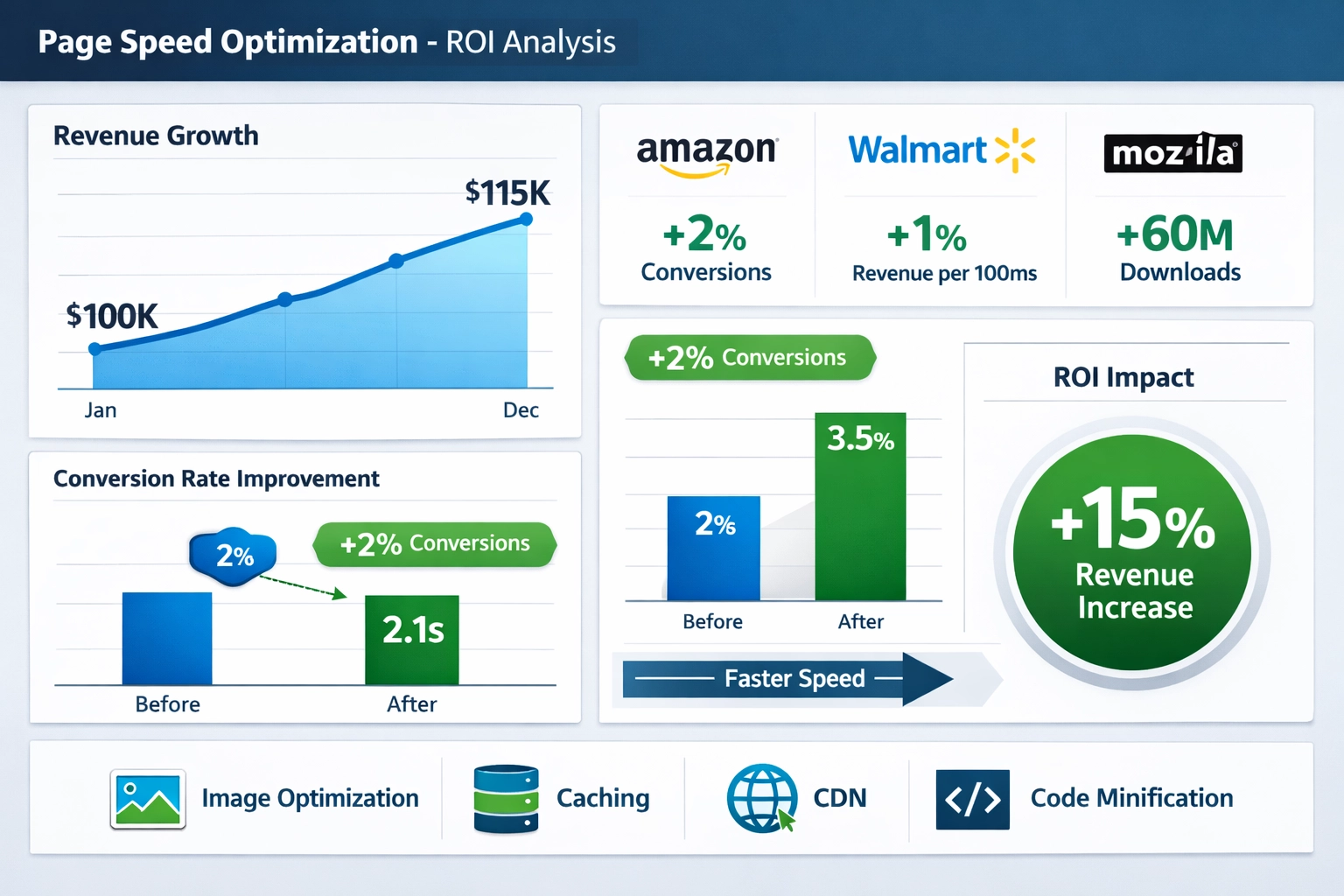
The return on investment for page speed optimization is among the highest in digital marketing, supported by compelling real-world case studies from industry leaders. Amazon discovered that every 100ms of additional load time cost them 1% in revenue, demonstrating that speed directly impacts the bottom line at massive scale. Walmart found that every 1-second improvement in page load time increased conversions by 2%, while Mozilla achieved 60 million additional downloads simply by reducing page load time by 2.2 seconds. COOK experienced a 7% conversion boost after reducing load time by just 0.85 seconds, and Mobify documented a 1.11% revenue increase per 100ms of improvement. For affiliate programs specifically, these improvements translate directly to commission revenue: if your affiliate platform generates $100,000 monthly in commissions and you improve page speed by 2 seconds, you could realistically expect 10-15% revenue growth—$10,000-$15,000 in additional monthly commissions. The competitive advantage is equally significant: affiliate partners actively seek platforms with superior performance because faster pages mean higher conversion rates and better commission earnings for them. Speed optimization isn’t a one-time project but a continuous competitive advantage that compounds over time as your platform maintains performance while competitors’ pages gradually degrade.
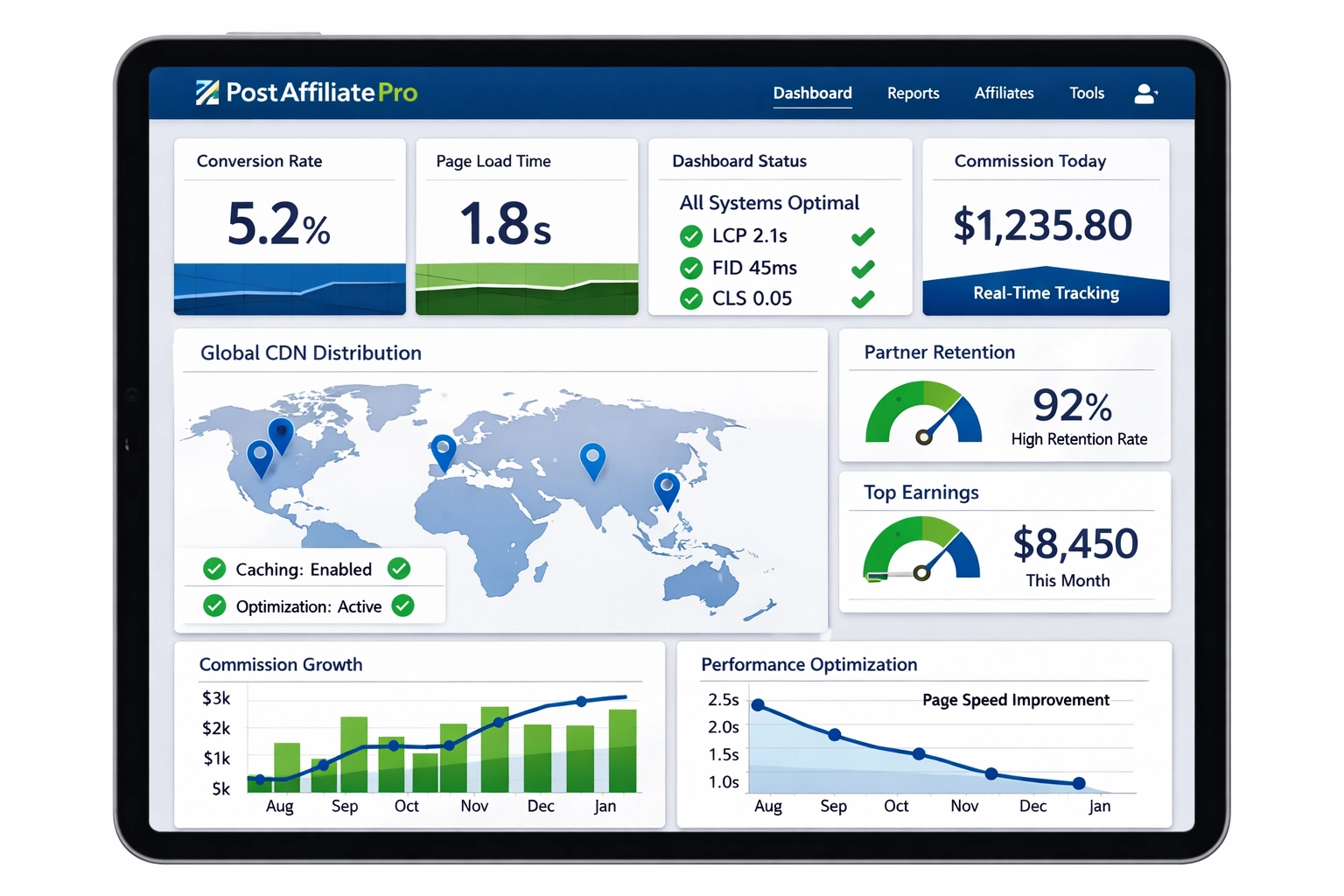
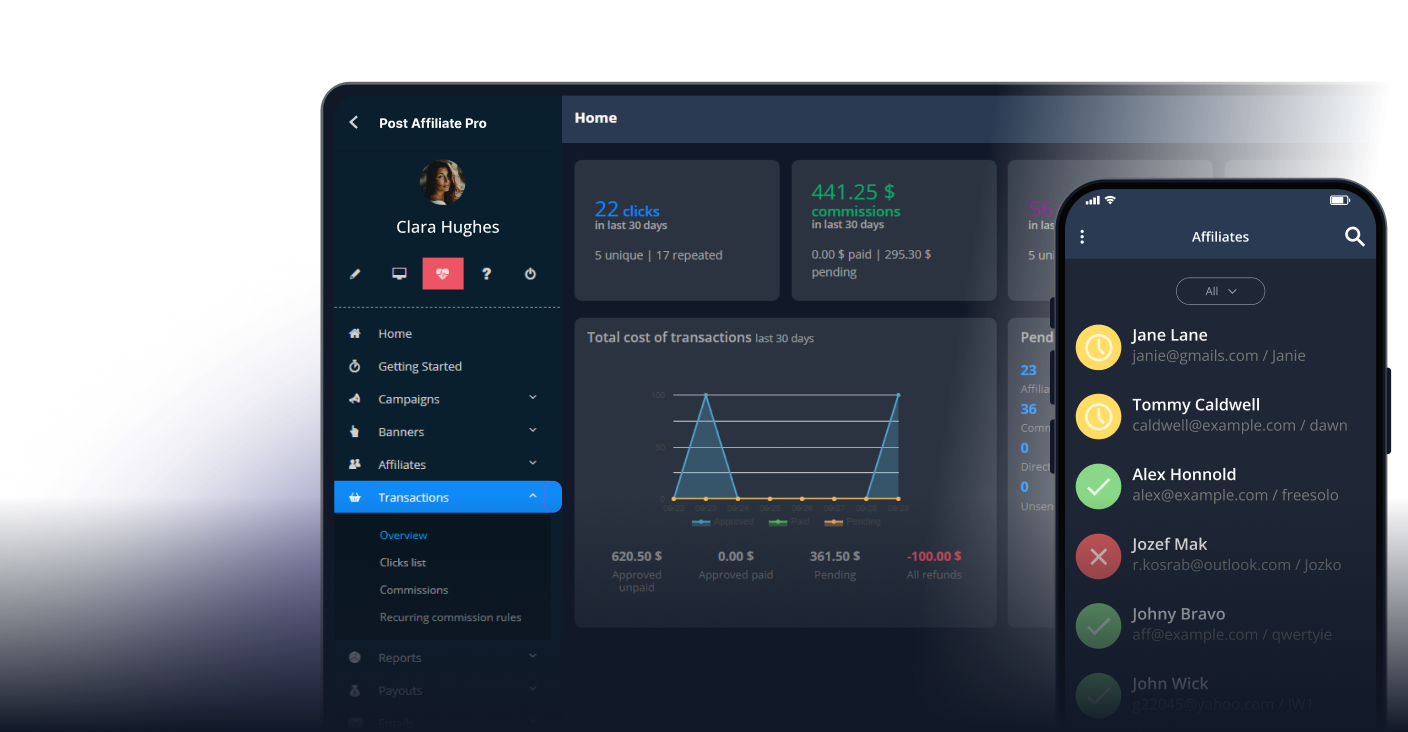
PostAffiliatePro stands apart in the affiliate software landscape through its unwavering commitment to platform performance and speed optimization, delivering the lightweight, fast-loading infrastructure that modern affiliate programs demand. The platform’s architecture is engineered from the ground up for speed, avoiding the bloated code and unnecessary features that plague competing solutions—every line of code serves a purpose, and every feature is optimized for minimal performance impact. Built-in performance optimization features include automatic image optimization, intelligent caching mechanisms, and database query optimization that work continuously to maintain fast page loads as your affiliate network grows. PostAffiliatePro seamlessly integrates with Content Delivery Networks and advanced caching solutions, allowing you to distribute your affiliate content globally and serve pages from locations nearest to your users, dramatically reducing latency. The partner dashboard itself is engineered for speed, ensuring that your affiliate partners experience responsive, fast-loading interfaces when managing their campaigns and tracking commissions—a critical factor in partner satisfaction and retention. Unlike slower affiliate platforms that force partners to wait for data to load and pages to render, PostAffiliatePro delivers instant feedback and real-time performance metrics, creating a superior user experience that directly translates to higher partner engagement and retention. When you choose PostAffiliatePro, you’re not just selecting affiliate software—you’re investing in a platform that prioritizes the speed and performance metrics proven to maximize conversions, partner satisfaction, and affiliate revenue growth.
Experience the fastest affiliate software platform designed to maximize conversions and partner satisfaction. Our lightweight architecture and built-in performance optimization features ensure your affiliate pages load instantly.
proven methods to speed up your website including image optimization, caching, CDN, and Core Web Vitals optimization. Improve performance and conversions today.
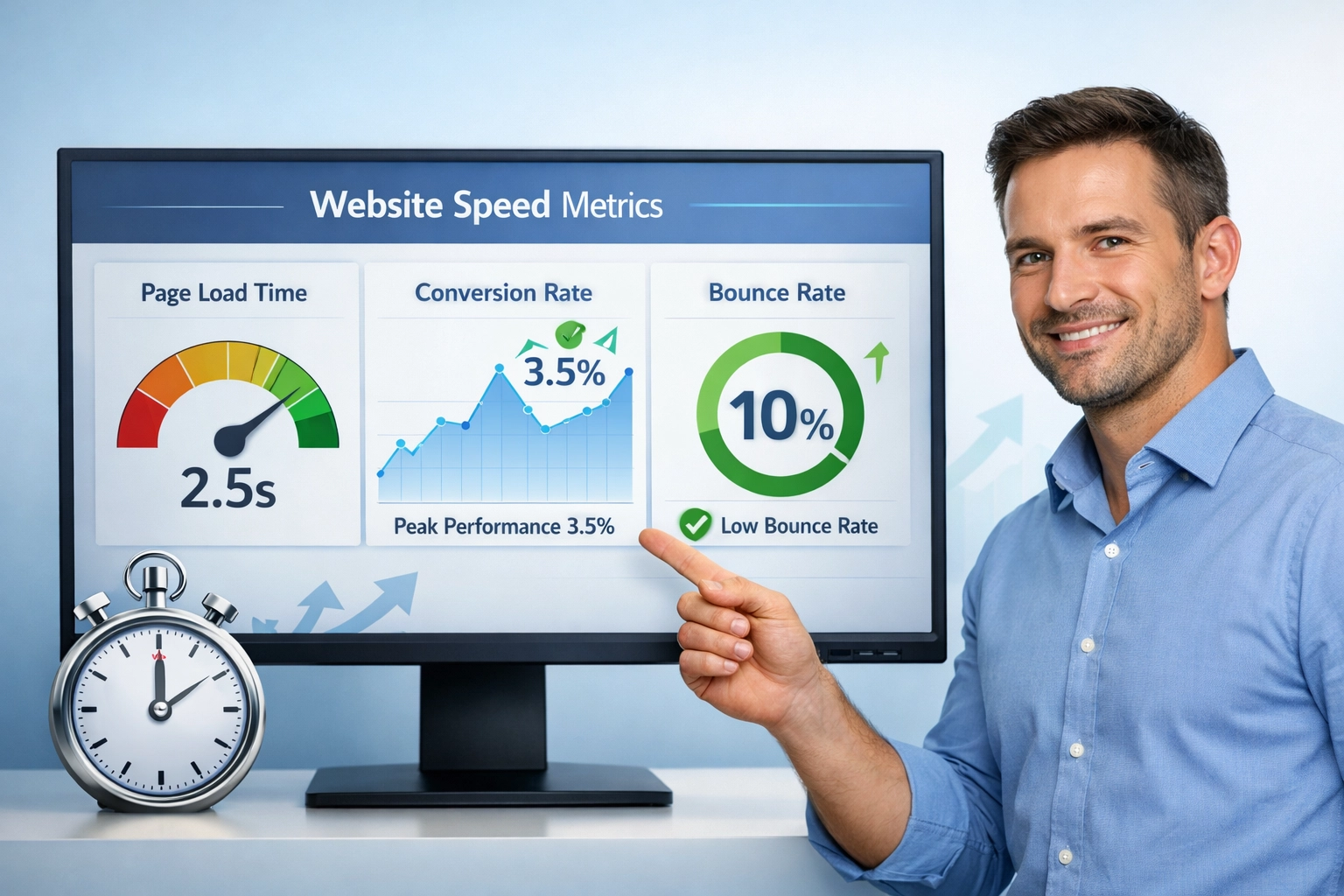
how website speed directly impacts conversion rates, SEO rankings, and revenue. why fast-loading websites are essential for business success and get actionable
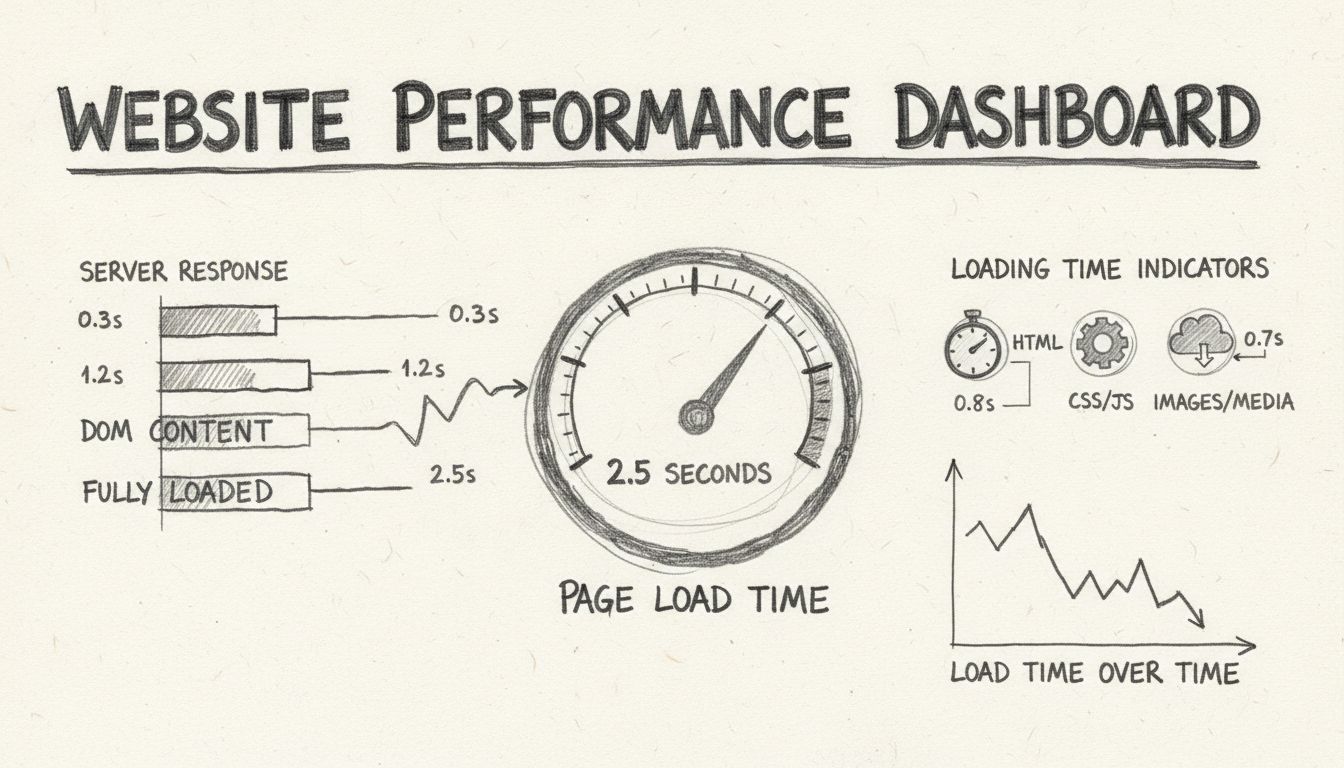
Learn how to check your website's loading time using free and paid tools like Pingdom, Google PageSpeed Insights, and GTmetrix. Discover key metrics, benchmarks...
Join our community of happy clients and provide excellent customer support with Post Affiliate Pro.



Cookie Consent
We use cookies to enhance your browsing experience and analyze our traffic. See our privacy policy.