


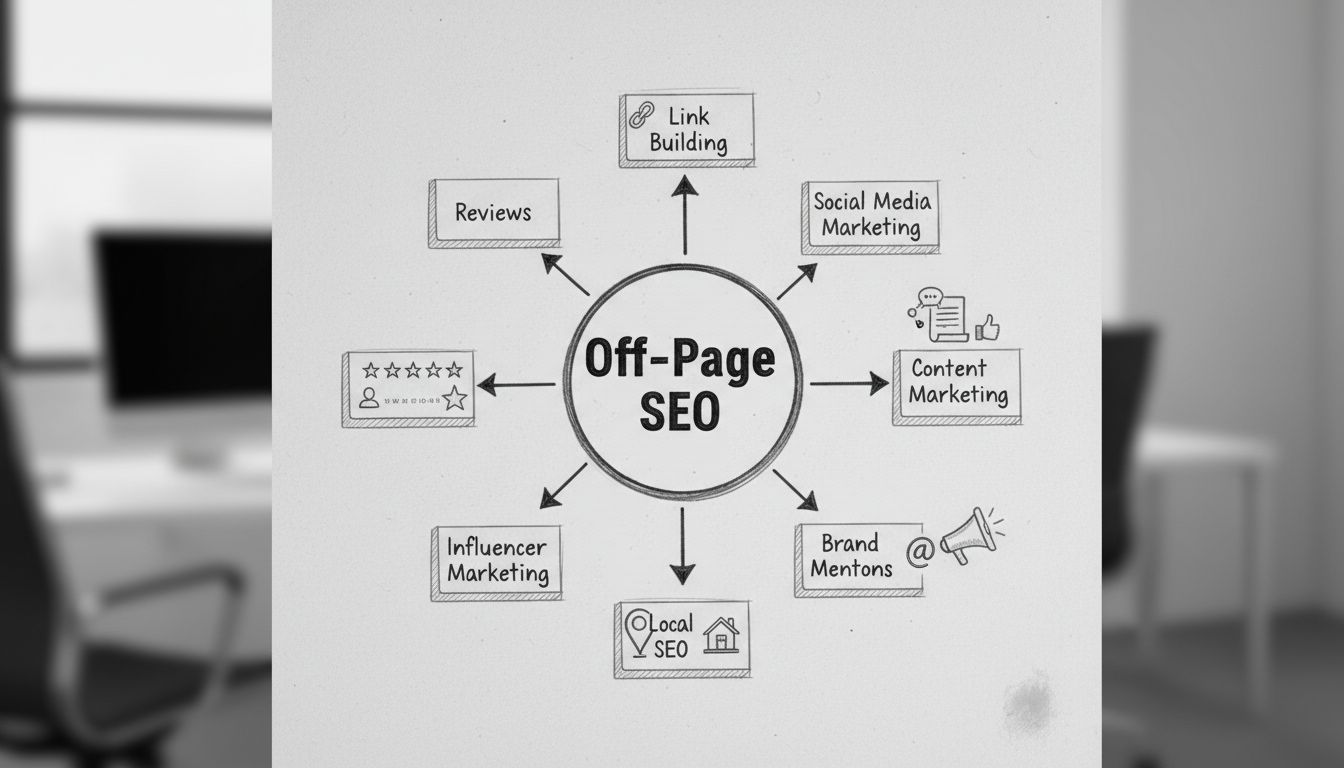
How Can I Do Off-Page SEO?
Learn the most effective off-page SEO techniques in 2025. Discover link building, social media strategies, and proven methods to boost your website's authority ...
11 min read

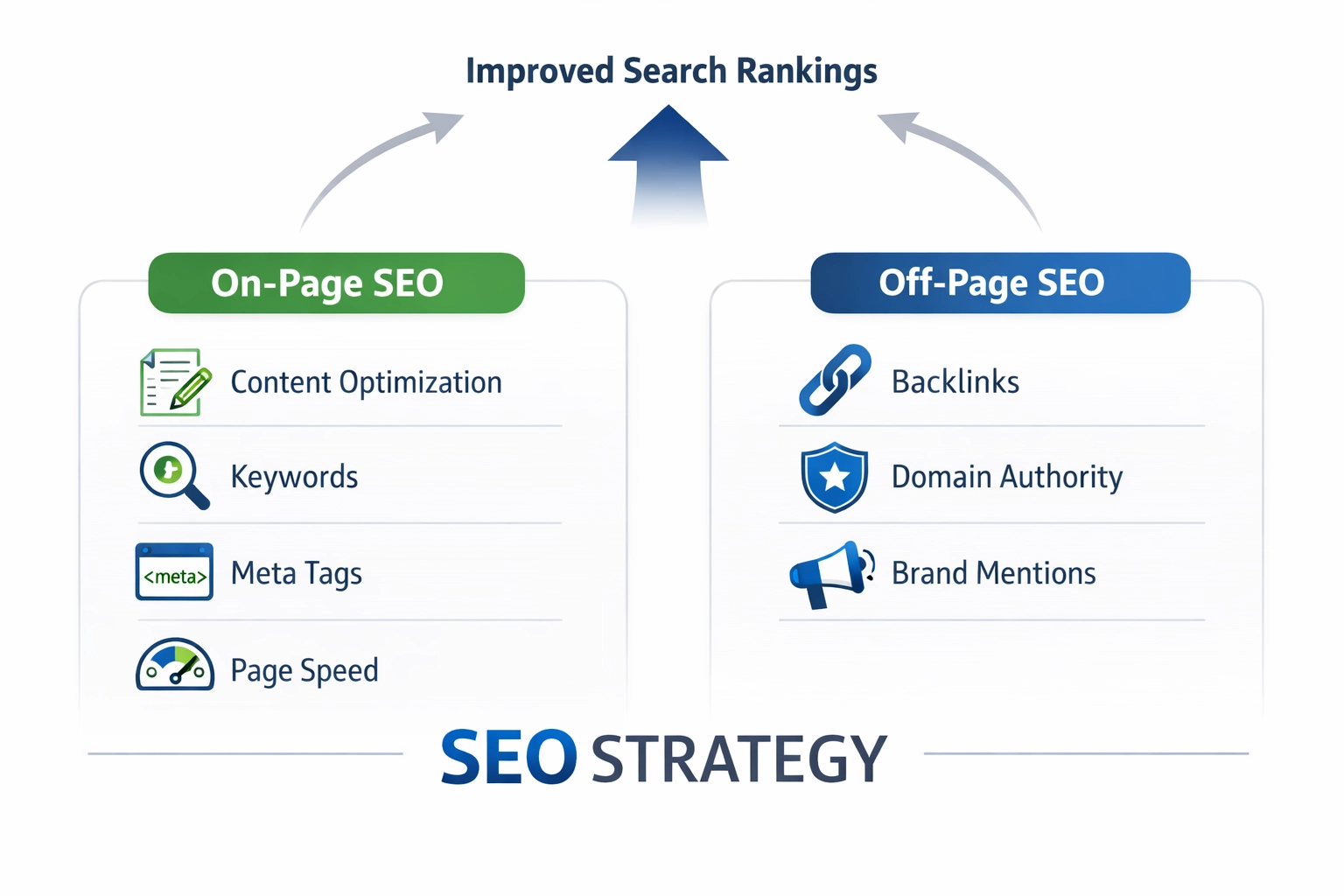
the differences between on-page and off-page SEO. proven strategies for optimizing content, building backlinks, and improving your search rankings with
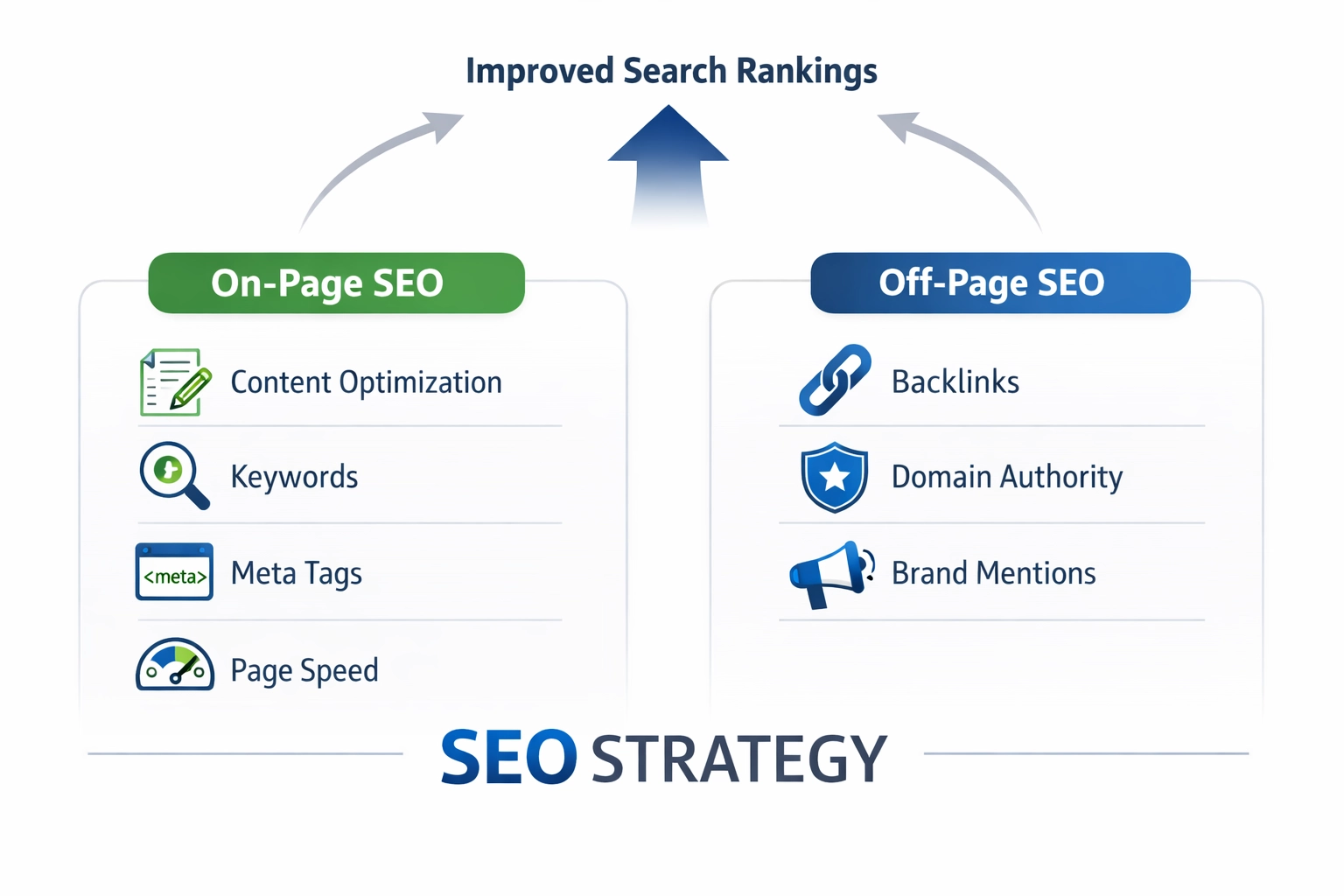
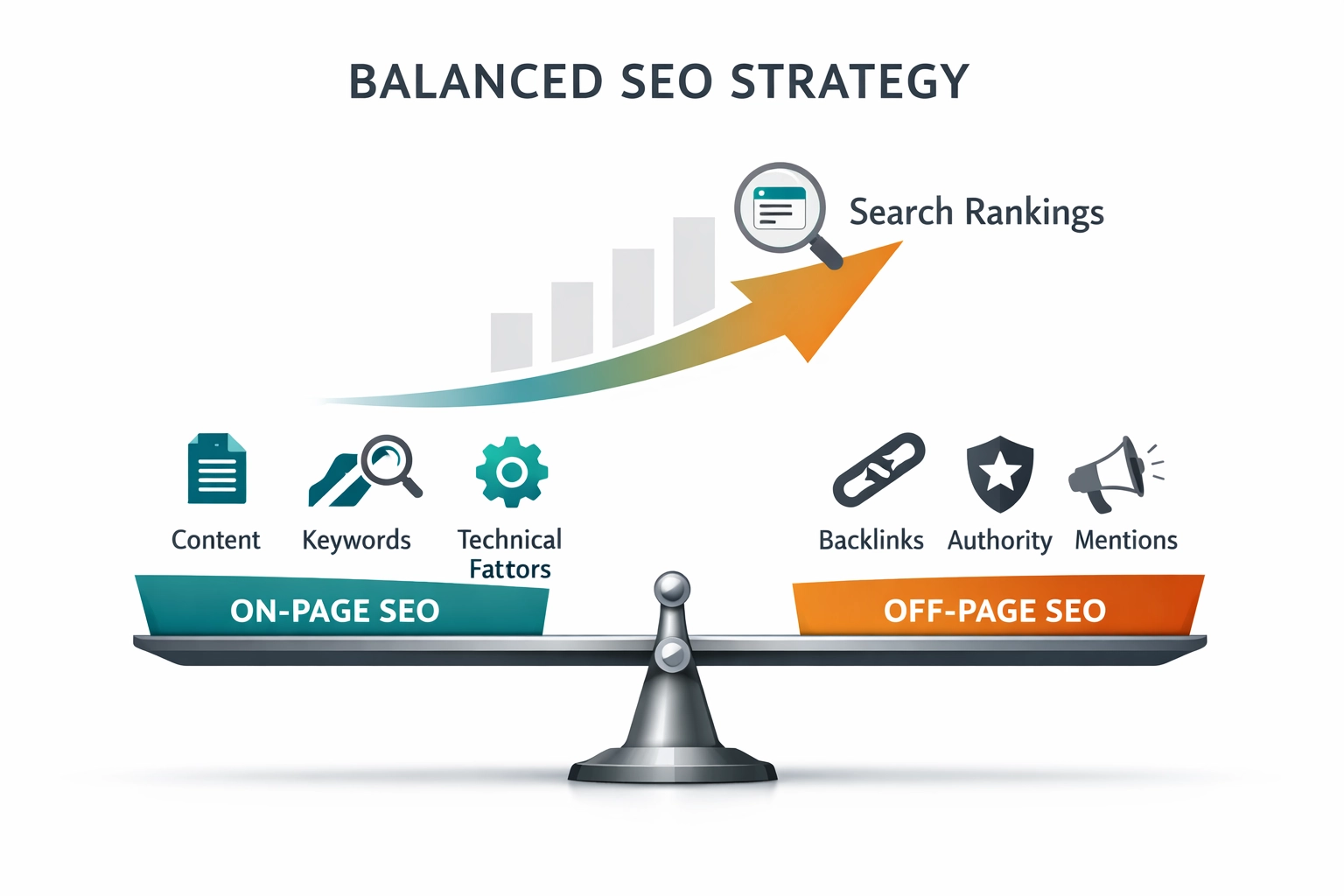
On-page SEO and off-page SEO represent the two fundamental pillars of search engine optimization, each addressing different aspects of how search engines evaluate and rank your website. While on-page SEO focuses on optimizing elements directly within your website—such as content, HTML tags, and site structure—off-page SEO concentrates on external factors like backlinks and brand authority that signal credibility to search engines. Google considers over 200 ranking factors when determining search results, and understanding how on-page and off-page elements contribute to these factors is crucial for success. Both strategies are essential because they work synergistically; a website with excellent content but no external authority will struggle to rank, just as a site with many backlinks but poor content quality will fail to convert visitors. The most successful SEO campaigns recognize that these two approaches complement each other and must be executed in tandem for maximum impact.
On-page SEO encompasses all optimization strategies you implement directly on your website to improve search engine visibility and user experience. This includes optimizing your content for target keywords, structuring information with proper heading hierarchies, crafting compelling meta tags, and ensuring your URLs are descriptive and keyword-relevant. Technical on-page factors like page speed, mobile responsiveness, and internal linking architecture also fall under this category, as they directly influence how search engines crawl and index your pages. The goal is to make it as easy as possible for search engines to understand what your content is about while simultaneously providing an excellent user experience that encourages engagement and conversions. Below is a breakdown of the essential on-page SEO elements and their impact on your rankings:
| Element | Description | Impact on Rankings |
|---|---|---|
| Title Tags | HTML element that defines the page title (50-60 characters) | Critical - appears in search results and browser tabs |
| Meta Descriptions | Summary of page content (150-160 characters) | High - influences click-through rates from search results |
| Header Tags (H1-H6) | Hierarchical structure using H1, H2, H3 tags | High - helps search engines understand content hierarchy |
| URL Structure | Clean, descriptive URLs with target keywords | Medium-High - improves crawlability and user experience |
| Internal Linking | Links between pages on your own website | High - distributes page authority and establishes site structure |
| Image Optimization | Alt text, file names, and compression | Medium - improves accessibility and page speed |

Set up advanced tracking in minutes. No credit card required.
Creating high-quality, valuable content is the foundation of effective on-page SEO, as search engines increasingly prioritize content that genuinely serves user needs. Keyword optimization begins with thorough research to identify terms your target audience actually searches for, considering both search volume and competition levels. Rather than forcing keywords unnaturally into your content, successful SEO writers integrate keywords organically while maintaining readability and providing genuine value to readers. Understanding user intent—whether someone is searching for information, making a purchase decision, or looking for a specific service—allows you to create content that precisely matches what searchers are looking for. Structuring your content with clear sections, bullet points, and logical flow not only improves readability but also helps search engines better understand and rank your content for relevant queries. The most effective approach combines thorough keyword research with a commitment to answering user questions comprehensively and authoritatively.
Beyond content and keywords, technical optimization plays a vital role in on-page SEO success. Page speed is a confirmed ranking factor that affects both search engine algorithms and user experience—studies show that even a one-second delay in page load time can significantly impact bounce rates and conversions. Mobile-friendly design is no longer optional, as Google has implemented mobile-first indexing, meaning the search engine primarily crawls and indexes the mobile version of your site. Core Web Vitals—Google’s metrics for measuring user experience including loading performance, interactivity, and visual stability—are now integral ranking factors that directly influence your search visibility. Implementing HTTPS security, optimizing your internal linking structure to distribute page authority effectively, and compressing images without sacrificing quality are all technical factors that contribute to better rankings. A comprehensive technical SEO audit should be performed regularly to identify and fix issues that might be hindering your site’s performance in search results.
Be the first to know about new features and product updates.
Off-page SEO refers to all optimization efforts that occur outside your website, with the primary goal of building your site’s authority, credibility, and relevance in the eyes of search engines. While you have direct control over on-page elements, off-page SEO relies heavily on external validation through backlinks—links from other websites pointing to your content. Backlinks serve as “votes of confidence” that signal to search engines that your content is valuable and trustworthy, making them one of the top three ranking factors Google considers. Domain authority, a metric that predicts how well a website will rank on search engine results pages, is built primarily through the quality and quantity of backlinks your site receives. The importance of off-page SEO cannot be overstated, as even the best on-page optimization will struggle to achieve top rankings without external authority signals backing it up. Building a strong off-page SEO strategy requires time, effort, and often strategic partnerships to earn the high-quality links that search engines value most.
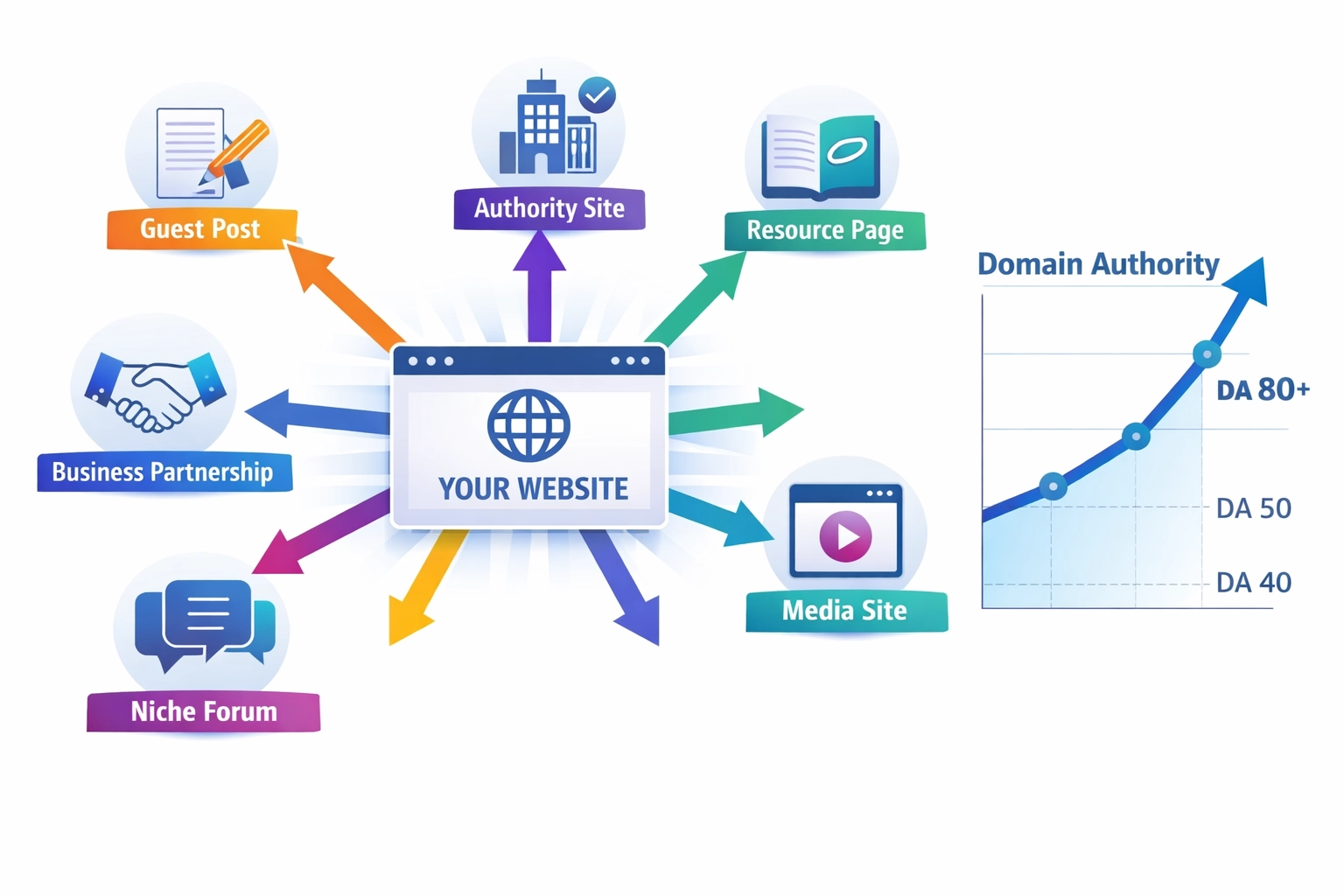
Effective link building requires understanding the different types of backlinks and how to acquire them strategically. Dofollow links pass authority from the linking site to yours and are generally more valuable for SEO, while nofollow links don’t directly transfer authority but still provide referral traffic and brand visibility. Natural backlinks earned through creating exceptional content are more valuable than manually acquired links, though a healthy backlink profile typically includes both types developed through legitimate outreach and relationship building. High-quality backlinks from authoritative, relevant websites in your industry carry significantly more weight than numerous links from low-quality or unrelated sites. Consider these proven backlink acquisition strategies:
Domain authority grows as your website accumulates backlinks from reputable sources, creating a compounding effect where higher authority makes it easier to earn additional quality links. Beyond traditional backlinks, brand mentions—instances where your company or website name appears online without a direct link—contribute to your overall online presence and can indirectly influence rankings. Search engines increasingly consider online reputation signals, including customer reviews, social media presence, and brand sentiment, as indicators of trustworthiness and relevance. Actively managing your authority building efforts means not only pursuing backlinks but also cultivating a strong brand presence across multiple channels that reinforce your expertise and credibility. Consistent brand messaging, positive customer testimonials, and thought leadership content all contribute to building the kind of authority that search engines reward with higher rankings. The most successful brands understand that off-page SEO is fundamentally about establishing themselves as trusted, authoritative voices within their industry.
Understanding the differences between on-page and off-page SEO helps you allocate resources effectively and develop a balanced optimization strategy. On-page SEO offers more immediate control and faster implementation, allowing you to make changes and see results relatively quickly, while off-page SEO typically requires more time to build authority and earn quality backlinks. The two approaches serve different purposes but are equally important—on-page SEO ensures your website is technically sound and content is optimized for search engines, while off-page SEO builds the external credibility that search engines use to determine your site’s authority. Here’s a detailed comparison of these two critical SEO approaches:
| Aspect | On-Page SEO | Off-Page SEO |
|---|---|---|
| Focus Area | Content, HTML, technical elements within your site | External links, brand mentions, authority signals |
| Primary Tools | Keyword research, content optimization, technical audits | Link analysis, outreach, relationship building |
| Time to Results | Weeks to months for noticeable improvements | Months to years for significant authority building |
| Control Level | High - you control most on-page elements directly | Low - depends on external websites and decisions |
| Key Metrics | Rankings, organic traffic, click-through rates | Backlink profile, domain authority, referral traffic |
| Implementation Difficulty | Moderate - requires technical knowledge and content skills | High - requires relationship building and strategic planning |
Many websites undermine their SEO efforts by making preventable mistakes that damage their search visibility and user experience. Keyword stuffing—the practice of overloading content with keywords in an unnatural way—is a classic SEO mistake that search engines actively penalize, as it degrades content quality and user experience. Ignoring technical SEO factors like page speed, mobile optimization, and site structure is another critical error, as these elements directly impact both search engine crawlability and user satisfaction. Pursuing link spam through low-quality backlink networks, private blog networks, or paid link schemes violates Google’s guidelines and can result in severe ranking penalties or complete deindexing. Neglecting mobile optimization in an era of mobile-first indexing is a costly oversight, as the majority of searches now occur on mobile devices and Google prioritizes mobile experience. Following SEO best practices means avoiding shortcuts and focusing on sustainable, white-hat strategies that build long-term value rather than seeking quick wins that could damage your site’s reputation.
Effective SEO requires continuous measurement and optimization based on real performance data. SEO tools like Google Analytics, Google Search Console, and third-party platforms like Ahrefs provide essential insights into how your website is performing in search results and where improvements are needed. SEO metrics you should monitor include organic traffic volume, keyword rankings, click-through rates, bounce rates, and conversion rates—each telling a different story about your SEO effectiveness. Tracking rankings for your target keywords helps you understand whether your optimization efforts are moving the needle, while analyzing which pages drive the most valuable traffic reveals where to focus future efforts. Regular performance monitoring through monthly or quarterly audits allows you to identify emerging issues, capitalize on unexpected wins, and adjust your strategy based on what’s actually working. The most successful SEO campaigns treat measurement as an ongoing process rather than a one-time activity, using data to continuously refine and improve their approach.
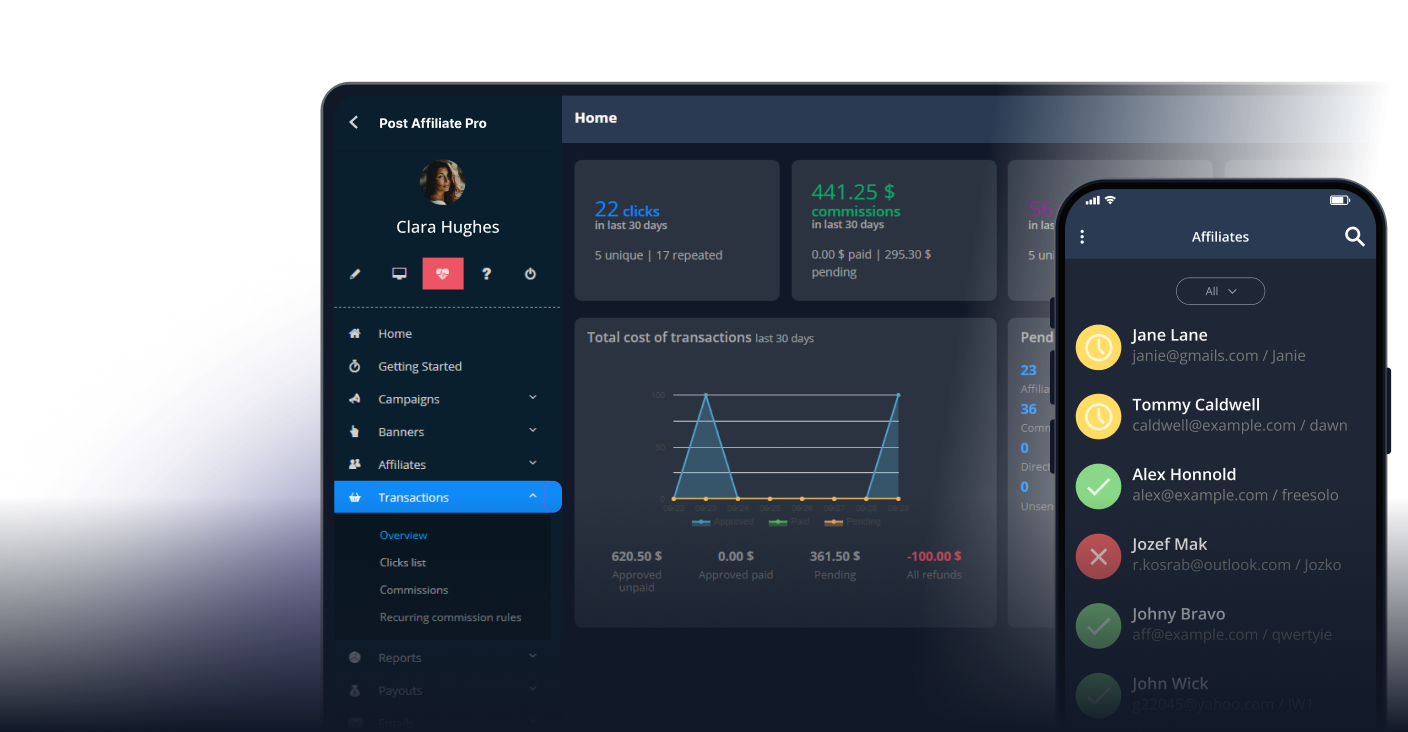
The most effective SEO strategy recognizes that on-page and off-page SEO are not competing approaches but complementary components of a comprehensive SEO strategy. A balanced approach allocates resources to both content optimization and authority building, understanding that neglecting either one will limit your overall success. For most websites, a reasonable allocation might involve 60% of effort on on-page optimization and content creation, with 40% dedicated to off-page strategies like link building and brand development, though this ratio should be adjusted based on your specific situation and competitive landscape. Timeline expectations should be realistic—while on-page improvements might show results within weeks, building significant domain authority through off-page SEO typically requires six months to a year of consistent effort. For businesses running affiliate marketing programs, integrating SEO strategy with affiliate program management creates powerful synergies, as high-ranking content naturally attracts quality affiliates and drives more qualified traffic. PostAffiliatePro affiliate software helps you track and optimize your affiliate program performance alongside your SEO efforts, providing a unified view of how your organic traffic converts through affiliate channels. By combining strong on-page optimization, strategic off-page authority building, and integrated affiliate program management, you create a sustainable growth engine that compounds over time and delivers long-term competitive advantage.
PostAffiliatePro helps you optimize your affiliate marketing strategy with powerful tracking and analytics tools. Start your free trial today and see how our platform can enhance your SEO efforts.
Learn the most effective off-page SEO techniques in 2025. Discover link building, social media strategies, and proven methods to boost your website's authority ...

Learn how to optimize on-page SEO with title tags, meta descriptions, headers, keywords, and content strategies. Master technical on-page optimization to improv...
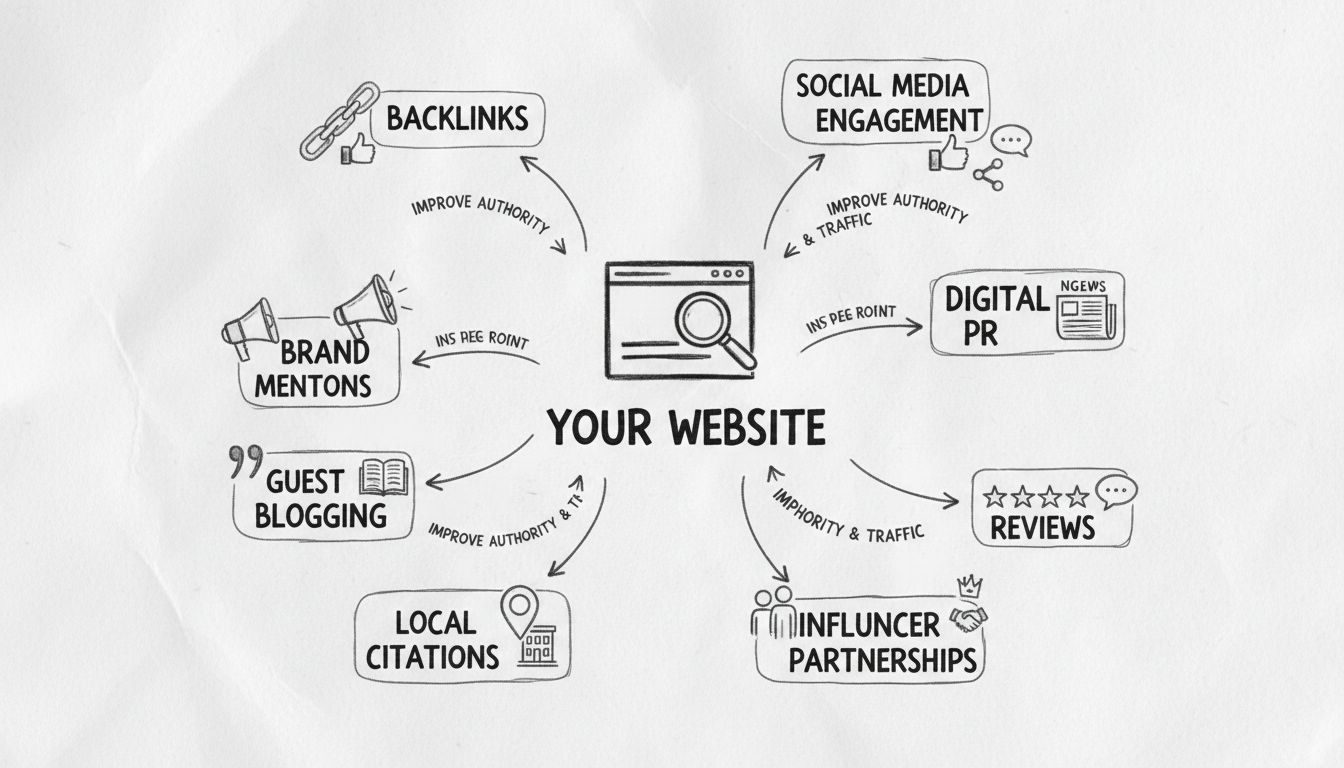
Discover the most important off-page SEO elements including backlinks, social media engagement, brand mentions, and digital PR. Learn how to build authority and...
Join our community of happy clients and provide excellent customer support with Post Affiliate Pro.



Cookie Consent
We use cookies to enhance your browsing experience and analyze our traffic. See our privacy policy.