


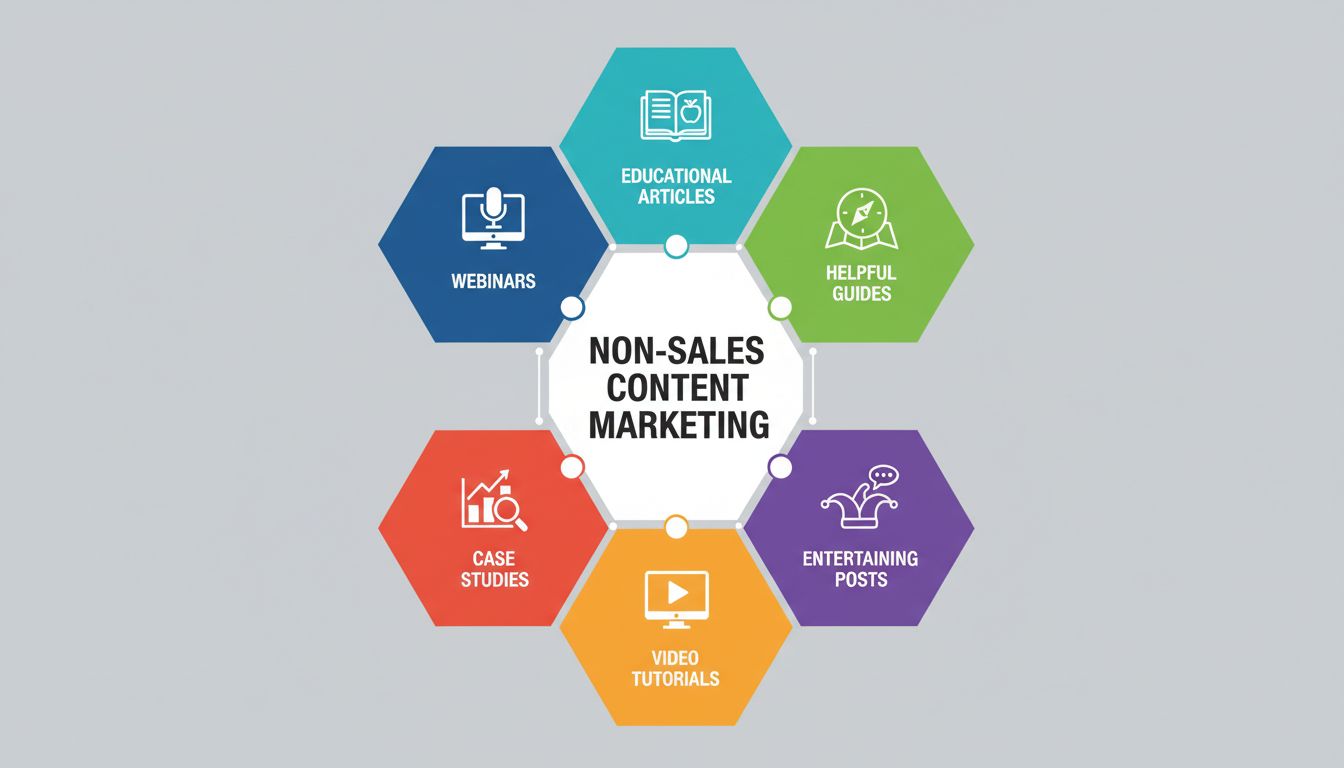
Best Non-Salesy Content Types for Affiliate Marketing
Discover the most effective non-salesy content formats for affiliate marketing: educational articles, guides, customer stories, and entertaining posts that driv...
9 min read

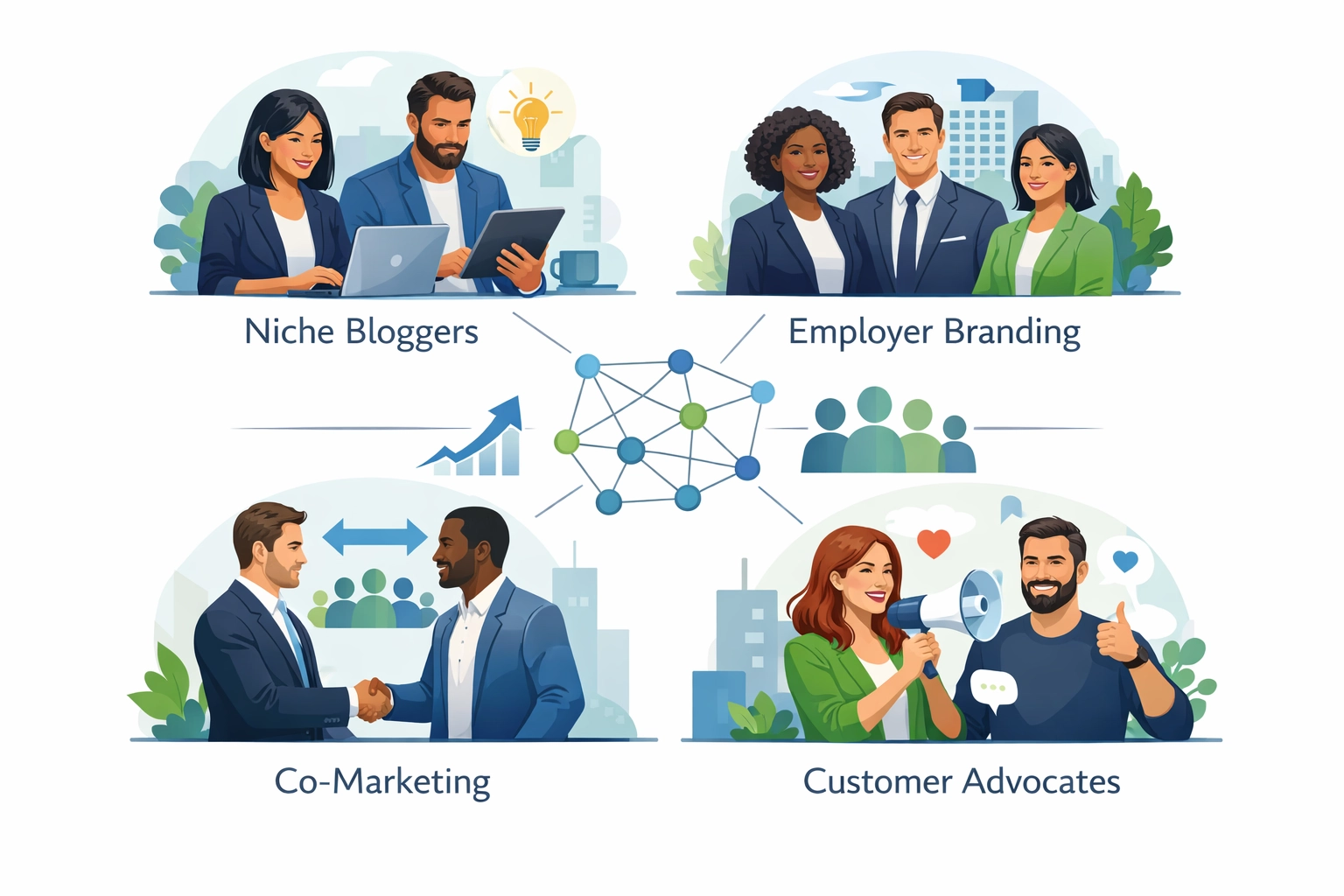
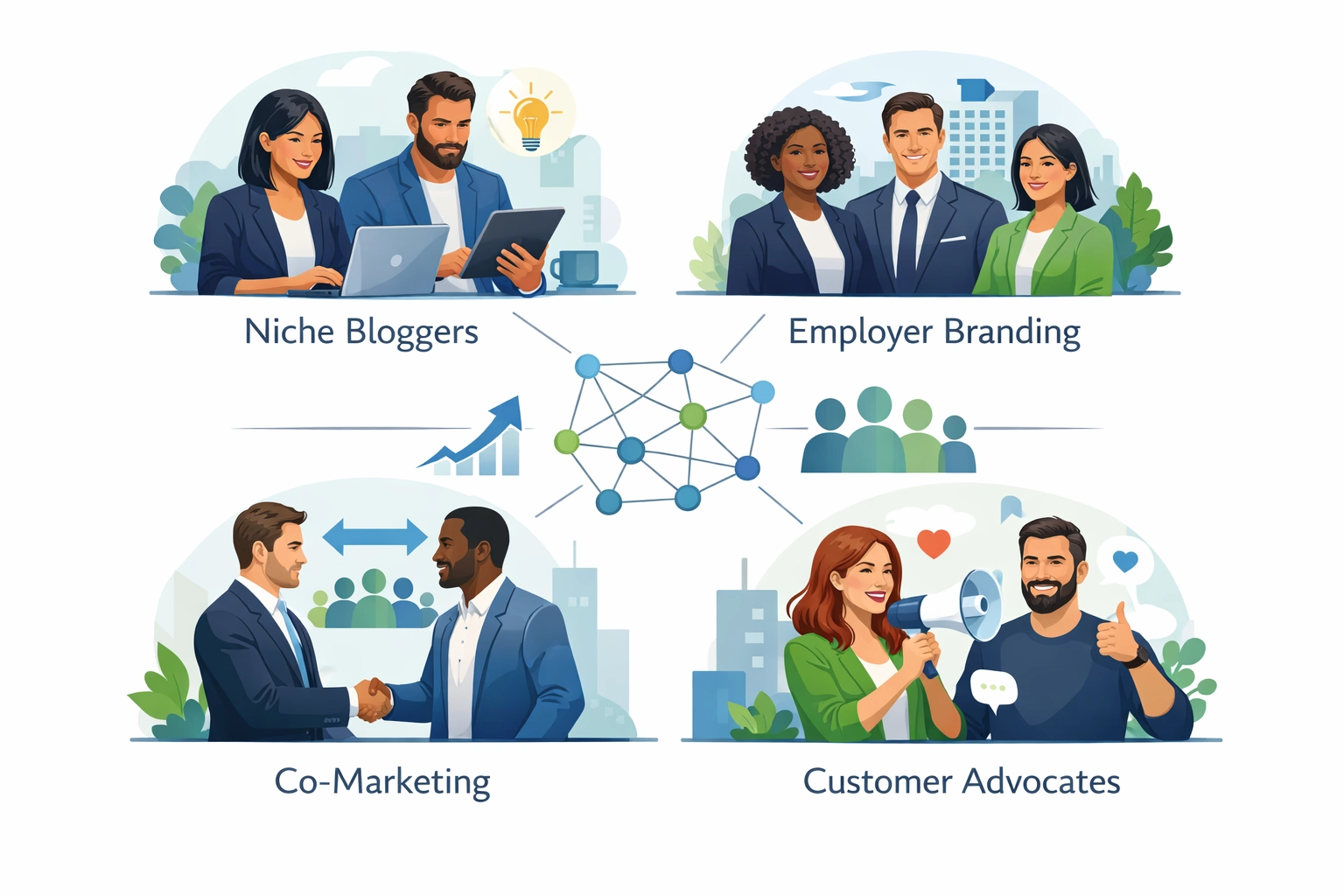
unconventional affiliate promotion strategies including niche influencer partnerships, employer branding, co-marketing
Non-standard affiliate promotion refers to innovative, unconventional strategies that move beyond traditional affiliate network listings and generic banner placements. While the affiliate marketing industry continues its explosive growth—projected to expand from $100 billion in 2024 to $180 billion by 2028—the traditional channels have become increasingly saturated with noise and competition. Most affiliate programs rely on the same tired playbook: posting on major networks, hoping for organic discovery, and competing on commission rates alone. This approach leaves significant revenue on the table and fails to tap into the authentic, high-converting partnerships that drive sustainable growth. By embracing non-standard promotion methods, brands can access untapped affiliate pools, build deeper relationships, and achieve conversion rates that far exceed industry averages.
Niche bloggers and micro-influencers consistently outperform their macro-influencer counterparts, delivering engagement rates 3-5 times higher while maintaining authentic connections with their audiences. These creators typically operate in specific verticals—whether that’s sustainable fashion, productivity tools, fitness nutrition, or B2B SaaS—and their followers trust their recommendations implicitly because they’ve built credibility through genuine expertise and transparent reviews. When you partner with a micro-influencer in your niche, you’re not just gaining promotional reach; you’re gaining a trusted authority figure who can speak authentically about your product’s value. The advantages are substantial: higher conversion rates (often 5-10% compared to 1-2% from macro-influencers), lower partnership costs, loyal and engaged audiences, and niche-specific expertise that ensures your message reaches genuinely interested prospects. These creators are also more likely to provide detailed product reviews, create multiple content pieces, and maintain long-term partnerships rather than one-off sponsored posts. To find them, search industry-specific hashtags, analyze competitor mentions, explore niche subreddits and forums, and use tools like HubSpot’s influencer database filtered by engagement rate rather than follower count. The result is a sustainable affiliate channel built on authentic relationships rather than transactional exchanges.
Your employees represent an untapped affiliate goldmine that most companies completely overlook. By positioning your company as a trusted employer with strong values, transparent practices, and genuine care for team members, you create natural brand advocates who are genuinely excited to promote your products. Employee advocacy programs transform your workforce into authentic promoters—they share content on personal social media, recommend products to friends and family, and participate in affiliate programs with real enthusiasm rather than purely financial motivation. The benefits of internal affiliate recruitment are compelling: employees already understand your product deeply, they have established networks of friends and family who trust their recommendations, and their promotion carries inherent authenticity that paid advertising cannot replicate. When employees earn affiliate commissions, they become invested in the program’s success and often become your most consistent, long-term affiliates. To implement this effectively, create a dedicated internal affiliate program with clear guidelines, provide marketing materials and training, celebrate top-performing employee affiliates, and ensure the commission structure is genuinely attractive. This approach builds trust and authenticity while creating a secondary revenue stream for team members who genuinely believe in what they’re selling.
Co-marketing partnerships represent a powerful yet underutilized strategy where two complementary brands collaborate to promote each other’s products to their respective audiences. According to recent marketing research, 68% of marketers identify partner marketing as strategically essential to their growth strategy, yet many brands still approach it haphazardly. The fundamental advantage is simple: you gain access to an established, relevant audience without the acquisition costs of traditional advertising, while your partner receives the same benefit. Finding co-marketing partners requires identifying brands that serve the same target audience but offer non-competing products—a project management tool partnering with a time-tracking software, or a fitness app collaborating with a nutrition brand. The strategic benefits of co-marketing partnerships include:
To structure these partnerships effectively, propose specific, mutually beneficial campaigns with clear metrics and timelines, create co-branded content that provides genuine value to both audiences, and establish transparent tracking to ensure both parties see measurable ROI. The key is moving beyond simple banner exchanges to strategic collaborations where both brands invest genuine effort and resources into promoting each other’s value propositions.

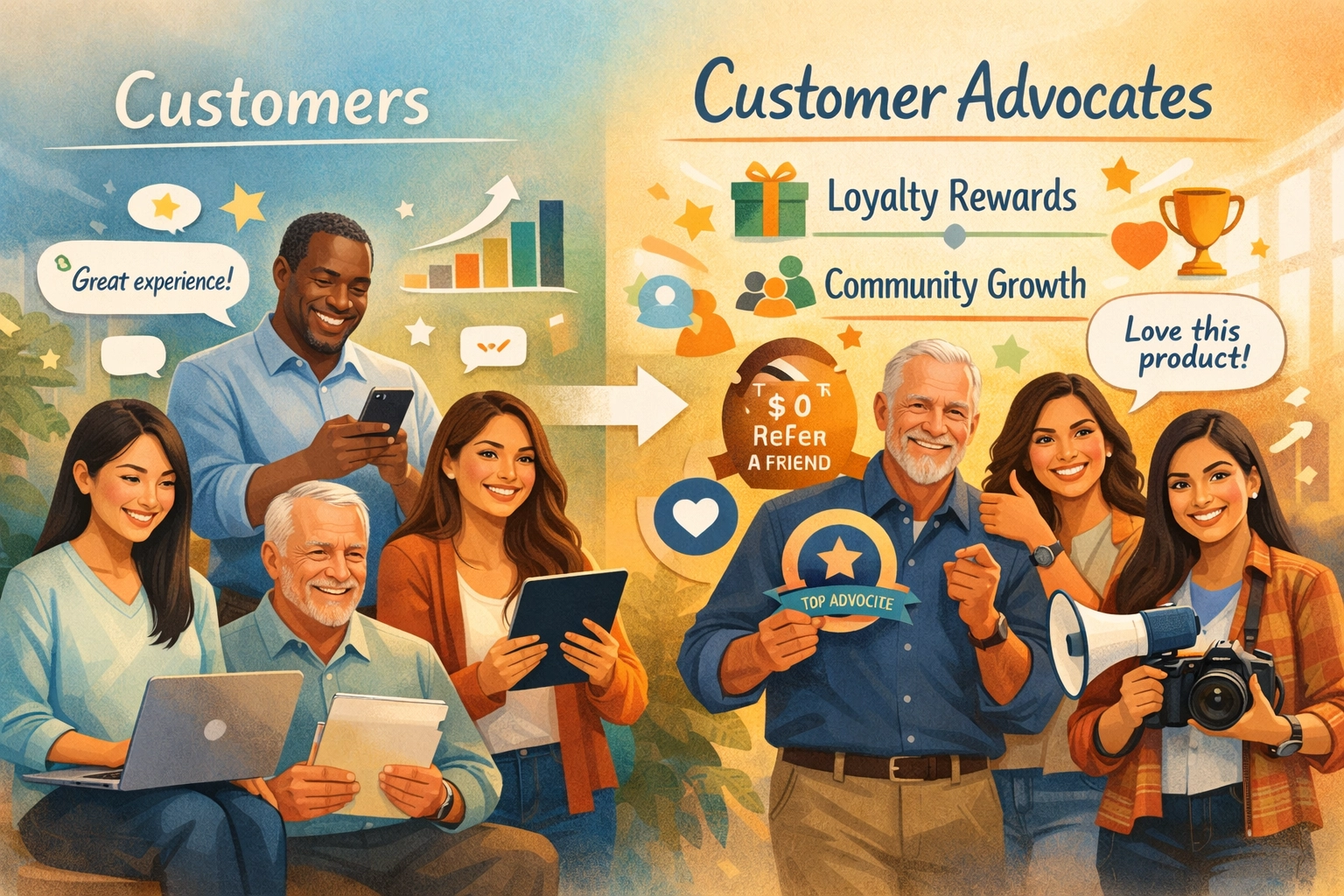
Your existing customers represent the highest-converting affiliate pool available because they’ve already validated your product’s value through their purchasing decision. Customer-to-affiliate conversion is one of the most underutilized strategies in affiliate marketing, yet customers consistently outperform traditional affiliates by delivering 2-3x higher conversion rates and significantly lower churn. These individuals already understand your product intimately, have experienced its benefits firsthand, and possess genuine enthusiasm that translates into authentic recommendations. The relationship foundation is already established, which means they’re more likely to promote consistently and provide valuable feedback on what messaging resonates with their networks. To convert customers into affiliates, identify your most engaged and satisfied customers through NPS scores, review ratings, and purchase frequency, then reach out with a personalized invitation explaining how they can earn commissions while helping others discover solutions they love. Implement tiered incentive structures that reward not just sales but also referrals, content creation, and community building—this encourages customers to become true advocates rather than passive promoters. Consider offering exclusive benefits like early access to new features, special discounts for their referrals, or recognition in your community. The beauty of customer-based affiliate programs is that they create a virtuous cycle: satisfied customers promote authentically, their recommendations convert at high rates, and those new customers often become affiliates themselves, exponentially expanding your reach.
Direct brand partnerships differ fundamentally from network-based affiliate relationships in that you build one-to-one relationships with partners rather than relying on affiliate networks as intermediaries. While affiliate networks provide convenience and scale, direct partnerships offer significantly higher conversion rates (typically 30-40% above network averages) because you can negotiate custom terms, provide dedicated support, and build genuine business relationships. Direct partnerships allow you to control the narrative around your brand, ensure partners represent your values authentically, and create customized promotional strategies tailored to each partner’s audience and strengths. The relationship-building process requires genuine investment: identify potential partners whose audiences align with your target market, research their content and values to ensure authentic fit, and approach them with specific partnership proposals rather than generic affiliate invitations. Successful direct partnerships often include dedicated account management, custom commission structures, co-created content, and regular performance reviews that demonstrate mutual commitment. These relationships typically evolve beyond simple affiliate arrangements into strategic partnerships where both brands invest in each other’s success. The long-term value of direct partnerships far exceeds transactional affiliate relationships because they create sustainable revenue channels built on trust, shared values, and aligned business objectives rather than purely commission-driven incentives.
Online communities—whether on Reddit, Discord, Slack, or specialized forums—contain highly engaged, niche-focused audiences that represent ideal affiliate prospects. These communities are built on authentic discussion, shared interests, and peer-to-peer recommendations, making them fundamentally different from traditional marketing channels where brands broadcast messages to passive audiences. The key to successful community-based recruitment is authentic participation rather than promotional tactics: join relevant communities, contribute genuinely to discussions, answer questions, share knowledge, and build reputation as a helpful community member before ever mentioning your affiliate program. Once you’ve established credibility and relationships, community members are far more receptive to affiliate opportunities because they already know and trust you. Identify the most active, respected community members—those who consistently provide valuable insights and have earned community trust—and reach out with personalized messages explaining how they can monetize their expertise through your affiliate program. Different communities require different approaches: Reddit communities value transparency and authentic engagement, Discord servers often have dedicated partnership channels, Slack communities appreciate integration and utility, and specialized forums reward deep expertise and consistent participation. The advantage of community-based recruitment is that you’re tapping into pre-qualified, highly engaged audiences where recommendations carry significant weight because they come from trusted peers rather than external marketers. These affiliates often become your most passionate advocates because they’re promoting to communities they genuinely care about.
Affiliate referral programs create a powerful network effect by incentivizing your existing affiliates to recruit new partners, exponentially expanding your affiliate base without proportional increases in recruitment effort. Rather than relying solely on direct recruitment, you empower current affiliates to become talent scouts, identifying and bringing in new partners from their networks who they believe would be successful. The mechanics are straightforward: offer referral bonuses when an affiliate successfully recruits another affiliate, structure these bonuses to reward both the recruiter and the newly recruited affiliate, and create tiered structures that increase rewards as affiliates bring in multiple successful partners. For example, you might offer a one-time bonus of $100-500 when an affiliate recruits another affiliate who generates their first $1,000 in sales, with increasing bonuses for multiple successful referrals. This approach works because existing affiliates understand your program intimately, know what makes successful partners, and have networks of potential recruits who are more likely to succeed. The scalability advantage is significant: instead of your team managing all recruitment, you’ve distributed that responsibility across your entire affiliate network, creating exponential growth potential. Successful affiliate referral programs also strengthen relationships with top performers by giving them additional revenue opportunities and making them feel invested in the program’s overall success. The result is a self-sustaining growth engine where your affiliate network continuously expands through peer recruitment rather than external marketing efforts.
Measuring the success of non-standard affiliate promotion requires tracking different KPIs than traditional affiliate channels because these strategies often prioritize long-term relationship building and brand alignment over immediate transaction volume. Key metrics include conversion rate (percentage of referred visitors who make purchases), customer lifetime value (total revenue generated from referred customers over their relationship with your brand), affiliate retention rate (percentage of affiliates who remain active month-to-month), and cost per acquisition (total investment divided by new customers acquired). For community-based and partnership-driven programs, also track engagement metrics like content shares, community mentions, and brand sentiment, which often precede sales and indicate program health. Implement robust tracking systems that accurately attribute sales to specific affiliates and campaigns, use UTM parameters consistently, and maintain detailed records of partnership terms and performance. Calculate ROI for each affiliate channel by dividing total revenue generated minus affiliate commissions and support costs by the total investment in that channel, then compare across different promotion methods to identify your highest-performing strategies. Optimization requires regular analysis: review performance monthly, identify top-performing affiliates and understand what makes them successful, analyze underperforming partnerships to determine if they need support or should be discontinued, and continuously test new approaches. Data-driven decision making means being willing to double down on strategies that deliver exceptional results while quickly pivoting away from approaches that underperform. The most successful affiliate programs treat optimization as an ongoing process, continuously refining their mix of promotion methods based on real performance data rather than assumptions or industry trends.
PostAffiliatePro makes it easy to manage non-standard affiliate partnerships with advanced tracking, flexible commission structures, and powerful relationship management tools. Start building authentic partnerships that drive real results.
Discover the most effective non-salesy content formats for affiliate marketing: educational articles, guides, customer stories, and entertaining posts that driv...
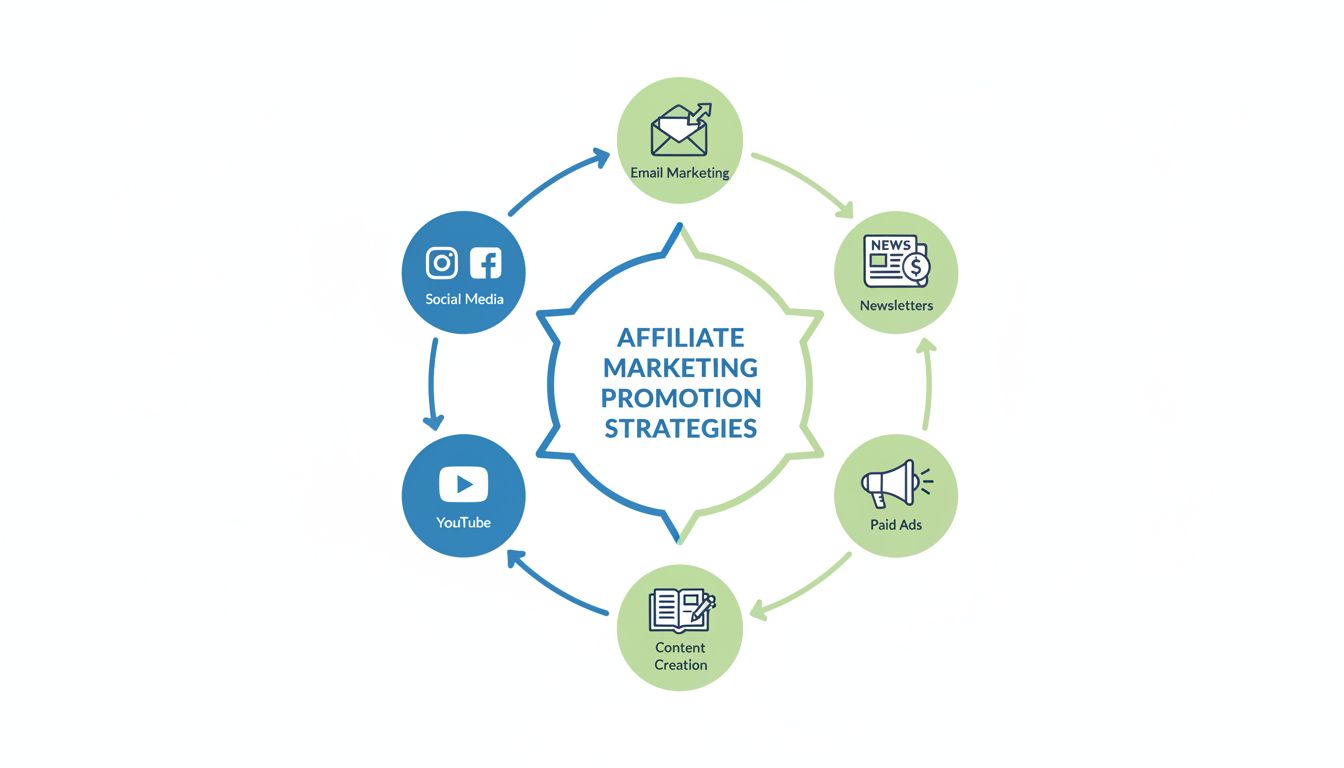
Learn proven strategies to promote affiliate links effectively in 2025. Master social media, email marketing, content creation, and paid advertising to maximize...

hidden affiliate marketing niches with high commissions. eco-friendly products, luxury travel, financial services, AI automation
Join our community of happy clients and provide excellent customer support with Post Affiliate Pro.




Cookie Consent
We use cookies to enhance your browsing experience and analyze our traffic. See our privacy policy.