


How to Measure Success of a Micro-Influencer Campaign
Learn how to measure micro-influencer campaign success with engagement metrics, conversion tracking, ROI calculation, and platform-specific strategies for maxim...
9 min read


the key differences between micro and macro influencers, their engagement rates, costs, and how to choose the right influencers for your affiliate marketing
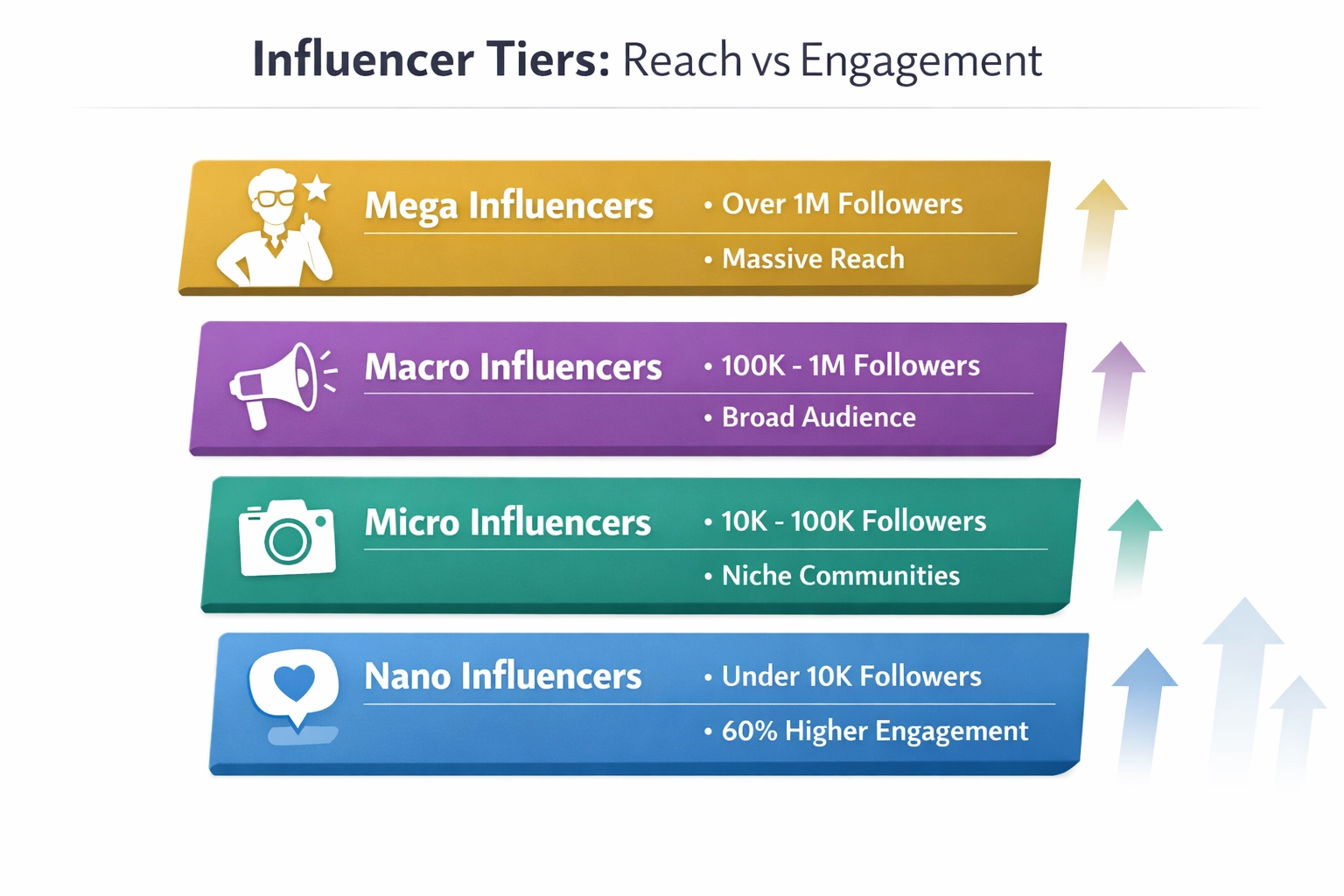
The influencer landscape is stratified into four distinct tiers, each with unique characteristics and strategic applications for affiliate marketing campaigns. These tiers are defined primarily by follower count, but their differences extend far beyond numbers—they encompass engagement patterns, audience demographics, and campaign effectiveness. Understanding where each tier fits within your affiliate strategy is essential for allocating resources effectively and achieving your marketing objectives. The following table breaks down the key characteristics of each influencer tier:
| Tier | Follower Count | Engagement Rate | Best For |
|---|---|---|---|
| Nano | 1K-10K | 5-10% | Hyper-niche communities, authentic advocacy, micro-conversions |
| Micro | 10K-100K | 3.86% | Niche targeting, cost-effective campaigns, high ROI |
| Macro | 100K-1M+ | 1.21% | Mass reach, brand awareness, credibility building |
| Mega | 1M+ | <1% | Celebrity endorsements, viral potential, premium positioning |
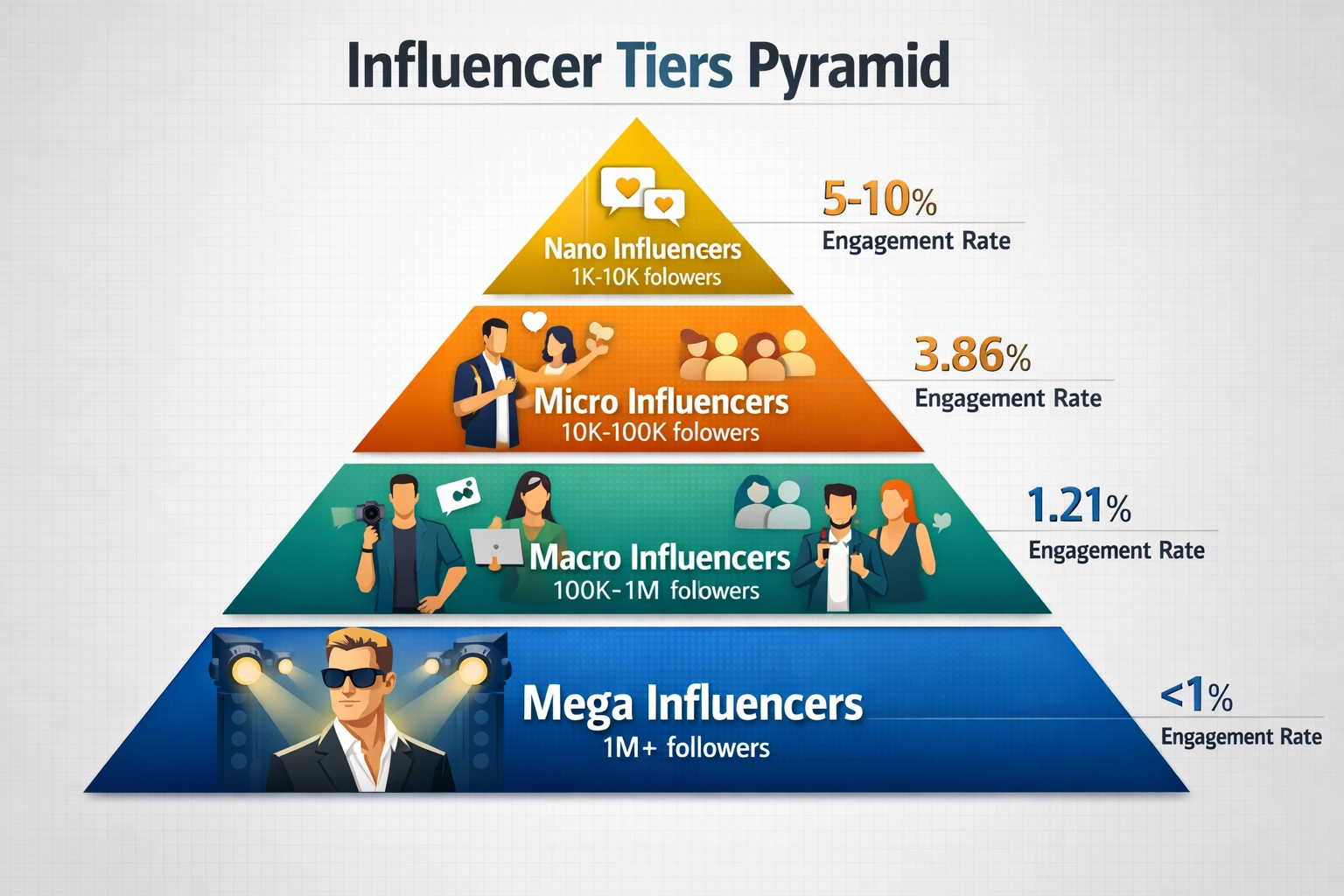
Micro-influencers consistently outperform their larger counterparts in engagement metrics, boasting an average engagement rate of 3.86% on Instagram compared to just 1.21% for macro-influencers—a difference of over 200%. This superior engagement stems from the authentic relationships micro-influencers cultivate with their audiences, who view them as trusted peers rather than distant celebrities. The research is compelling: 92% of consumers trust recommendations from individuals over brand-created content, and 57% of marketers now prioritize micro-influencers in their strategies. These creators have built communities around shared interests and values, meaning their followers are genuinely invested in their opinions and recommendations. When a micro-influencer endorses an affiliate product, their audience perceives it as a genuine recommendation from someone they know and respect, not a paid advertisement from a faceless corporation.
Key Benefits of Micro-Influencer Engagement:

Set up advanced tracking in minutes. No credit card required.
One of the most compelling reasons to prioritize micro-influencers in your affiliate program is their exceptional cost-effectiveness compared to larger creators. While macro-influencers command premium rates due to their reach, micro-influencers typically charge significantly less per post or campaign, allowing you to allocate your budget across multiple creators and campaigns. This diversification strategy reduces risk while maximizing your potential reach and engagement across different audience segments. The financial advantage becomes even more pronounced when you calculate ROI: micro-influencers often deliver better returns on investment because their engaged audiences convert at higher rates, offsetting their lower individual reach. Many brands find they can work with 10-15 micro-influencers for the cost of a single macro-influencer partnership, exponentially increasing their campaign coverage and audience diversity.
| Influencer Tier | Typical Cost Per Post | Estimated ROI | Budget Allocation Strategy |
|---|---|---|---|
| Nano | $100-$500 | 300-500% | Highest volume, hyper-targeted campaigns |
| Micro | $500-$5,000 | 200-400% | Balanced approach, multiple partnerships |
| Macro | $5,000-$50,000+ | 50-150% | Selective use, brand awareness focus |
| Mega | $50,000-$500,000+ | 20-100% | Limited use, premium positioning only |
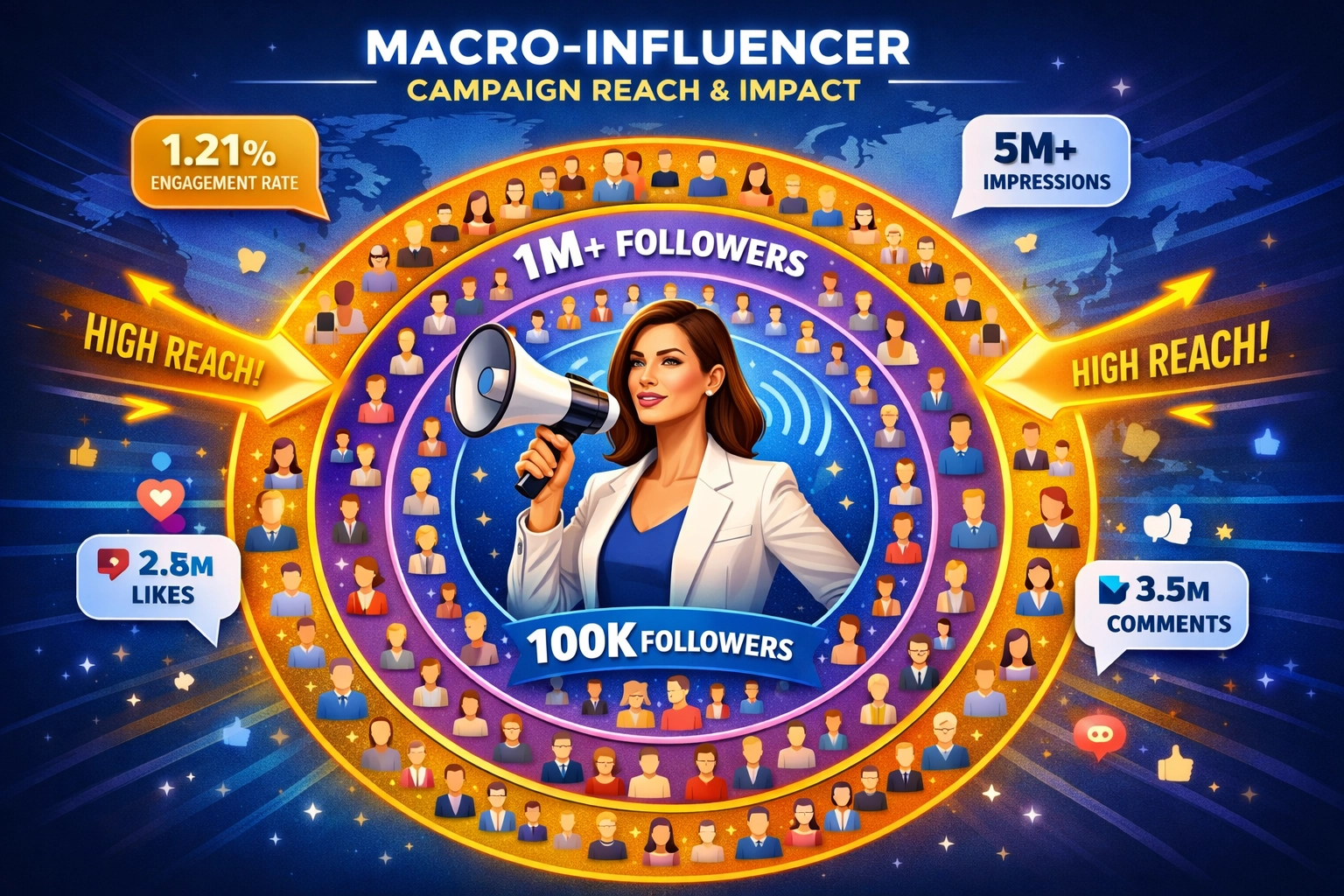
While micro-influencers excel at engagement and conversion, macro-influencers serve a distinctly different but equally important purpose in a comprehensive affiliate strategy. Macro-influencers, with follower counts ranging from 100K to over 1 million, provide unparalleled reach and visibility that can introduce your affiliate products to massive audiences in a single campaign. Their lower engagement rates (averaging 1.21% on Instagram) are offset by the sheer volume of impressions they generate, making them invaluable for brand awareness initiatives and establishing market credibility. Macro-influencers are particularly effective when you’re launching new products, entering new markets, or need to build brand authority quickly. However, the trade-offs are significant: they command premium pricing, their audiences are often less niche-specific, and their endorsements may feel less authentic to followers who perceive them as purely transactional partnerships.
Strategic Use Cases for Macro-Influencers:
Be the first to know about new features and product updates.
Micro-influencers excel at something macro-influencers simply cannot replicate: precise niche targeting and audience alignment. A micro-influencer in the sustainable fashion space, for example, has built their following around shared values and interests, meaning their audience is pre-qualified and highly relevant for eco-friendly affiliate products. This alignment between influencer content, audience interests, and your affiliate offerings dramatically increases conversion potential because you’re reaching people who are already predisposed to care about your product category. In affiliate marketing, where every conversion directly impacts your bottom line, this relevance is invaluable. Macro-influencers may reach millions, but if only a small percentage of their audience cares about your specific product niche, you’re wasting significant budget on irrelevant impressions. Micro-influencers allow you to be surgical in your targeting, reaching the exact demographic segments most likely to purchase your affiliate products.
The most sophisticated affiliate programs don’t choose between micro and macro-influencers—they strategically deploy both in complementary roles to maximize reach, engagement, and conversions simultaneously. A hybrid approach allows you to leverage micro-influencers for their superior engagement and conversion rates while using macro-influencers to amplify awareness and establish brand credibility. This dual-track strategy creates a marketing funnel where macro-influencers introduce your products to broad audiences, while micro-influencers convert those audiences into customers through authentic, niche-specific advocacy. The key to success is structuring your campaigns so these tiers work together rather than compete for the same budget. PostAffiliatePro’s comprehensive tracking and management capabilities enable you to monitor performance across both tiers simultaneously, attributing conversions and revenue to specific influencers regardless of their size. This data-driven approach allows you to optimize your budget allocation in real-time, shifting resources toward the highest-performing influencers and tiers.
Hybrid Strategy Components:
Leading brands across diverse industries have validated the micro-influencer strategy through measurable success. Airbnb built a global community of micro-influencers who authentically shared their travel experiences, generating more bookings at lower cost than traditional advertising. Lululemon strategically partnered with fitness micro-influencers in specific niches (yoga, running, cycling) rather than celebrity athletes, resulting in higher engagement and stronger community connections. HelloFresh leveraged micro-influencers in the meal-prep and healthy-eating space to reach audiences already interested in their core offering, driving subscription conversions at impressive rates. Glossier famously built its entire brand on micro-influencer partnerships and user-generated content, creating an army of authentic brand advocates rather than relying on celebrity endorsements. These brands succeeded because they recognized that micro-influencers’ audiences are more engaged, more trusting, and more likely to convert—the exact metrics that matter most in affiliate marketing. By replicating this approach within your affiliate program, you can achieve similar results: higher engagement rates, better conversion metrics, and stronger ROI compared to traditional macro-influencer campaigns.
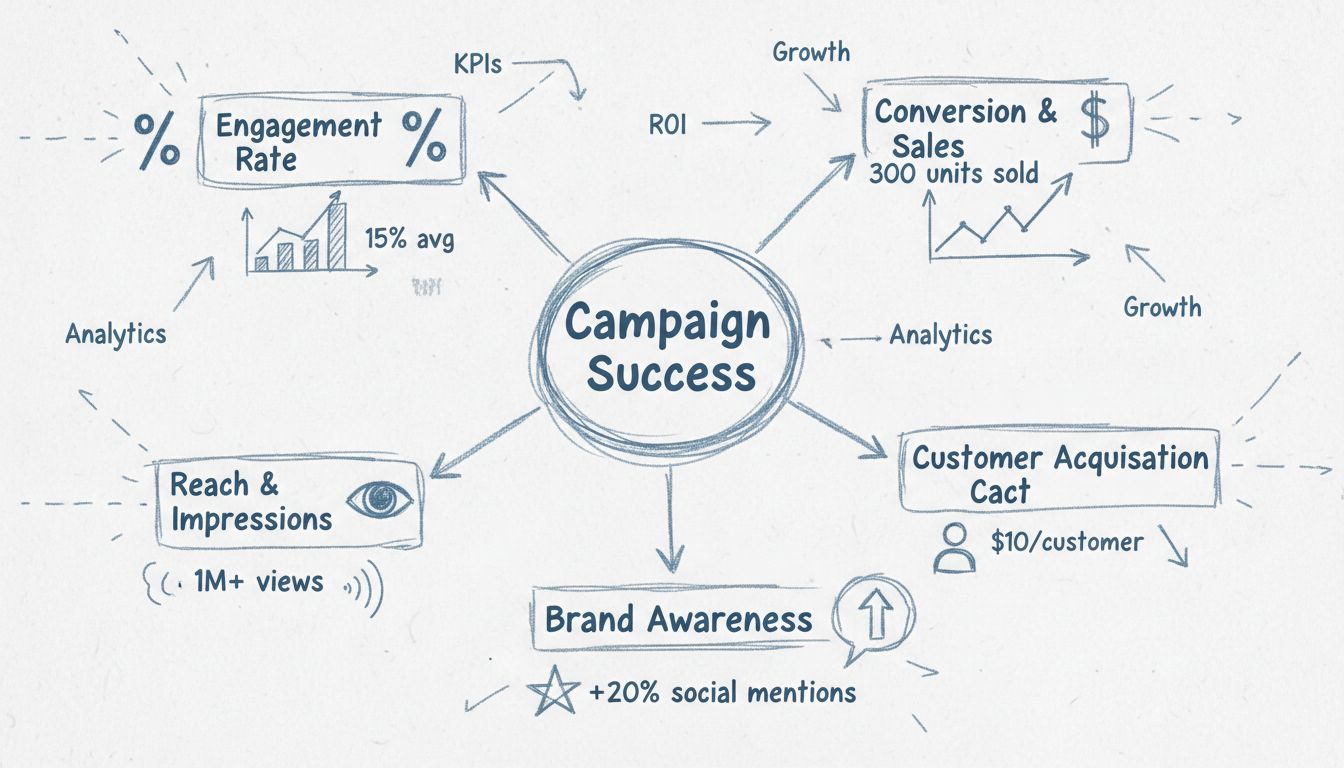
Effective influencer affiliate programs require rigorous measurement and optimization based on concrete performance data rather than vanity metrics like follower count. The metrics that matter most are those directly tied to your affiliate program’s success: engagement rate, reach, click-through rate, conversion rate, and return on investment. Engagement rate reveals how actively an influencer’s audience interacts with content, providing insight into audience quality and authenticity. Reach indicates how many people see the content, while click-through rate measures how many actually visit your affiliate link. Conversion rate—the percentage of visitors who complete a purchase—is the ultimate metric for affiliate success, as it directly determines your revenue. PostAffiliatePro’s advanced tracking capabilities allow you to monitor all these metrics in real-time, attributing each conversion to the specific influencer who drove it and calculating precise ROI for every campaign.
Key Performance Metrics to Track:
PostAffiliatePro makes it easy to manage, track, and optimize influencer partnerships across all tiers. Monitor performance in real-time, automate payouts, and maximize your ROI with our comprehensive affiliate management platform.
Learn how to measure micro-influencer campaign success with engagement metrics, conversion tracking, ROI calculation, and platform-specific strategies for maxim...
why micro and nano influencers drive higher engagement, better conversions, and superior ROI for affiliate marketing campaigns. proven strategies for 2026.

Affiliate program limits across platforms. Why PostAffiliatePro offers unlimited affiliates in its basic plan and how this compares to competitors in 2026.
Join our community of happy clients and provide excellent customer support with Post Affiliate Pro.



Cookie Consent
We use cookies to enhance your browsing experience and analyze our traffic. See our privacy policy.