


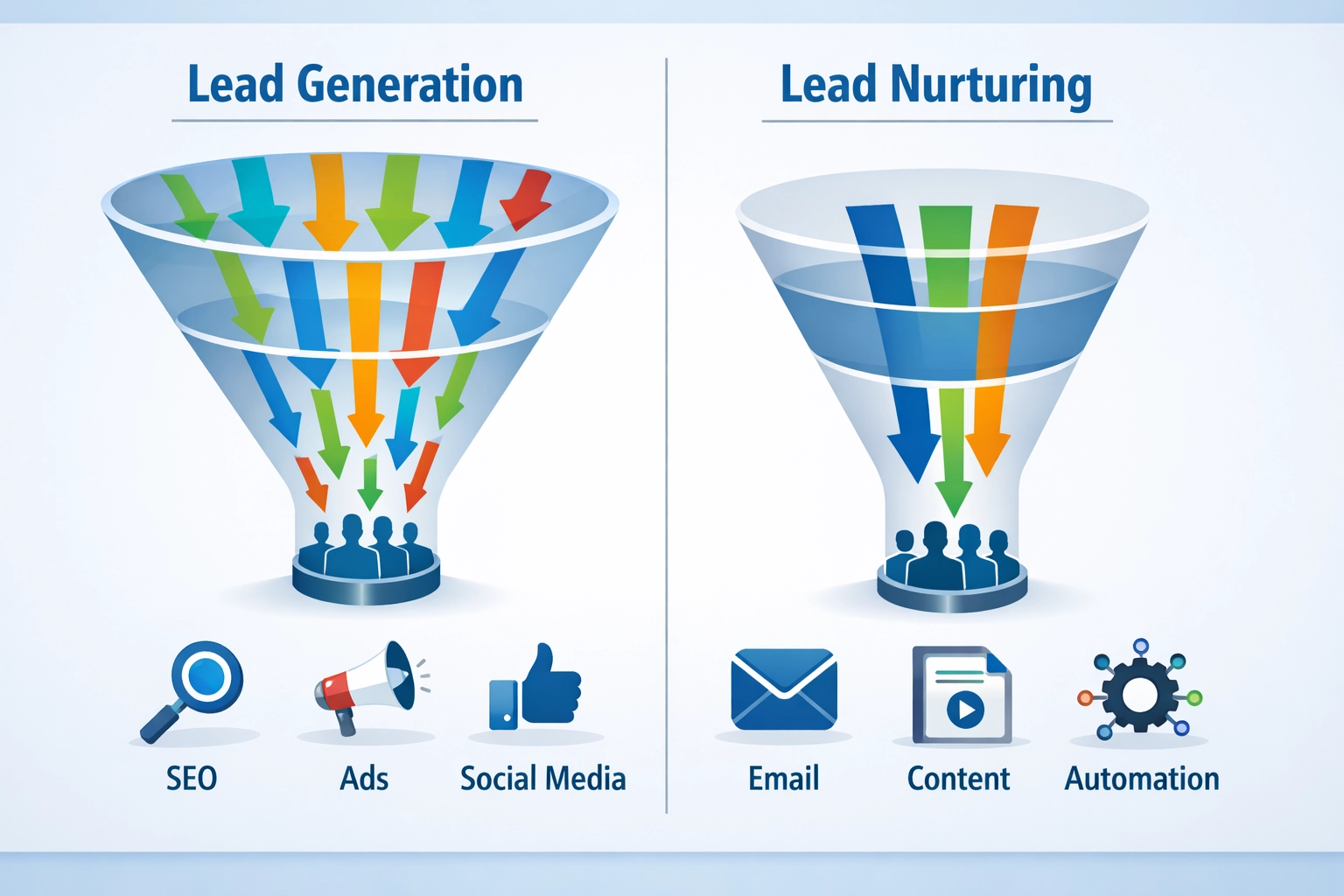
Lead Generation vs Lead Nurturing: Key Differences &
the critical differences between lead generation and lead nurturing, and learn how to leverage both strategies to maximize conversions and grow your business
11 min read


effective lead nurturing strategies beyond email automation. about buyer personas, social media engagement, lead scoring
80% of new leads never convert into sales, and the primary culprit is relying solely on email automation to nurture prospects. Email-only strategies create a one-dimensional experience that fails to meet leads where they actually spend their time—across multiple platforms and touchpoints. Modern buyers expect personalized, multi-channel interactions that respect their preferred communication methods and buying journey stage. The solution lies in implementing a comprehensive lead nurturing strategy that extends far beyond automated email sequences, incorporating social engagement, direct sales interaction, and strategic content delivery across all relevant channels.

Effective lead nurturing begins with developing comprehensive buyer personas that go beyond basic demographics. A well-defined persona serves as the foundation for all nurturing decisions, ensuring your messaging, content, and channel selection align with your prospect’s actual needs and preferences. Here’s what a complete buyer persona framework includes:
| Persona Element | Why It Matters | Example |
|---|---|---|
| Job Title | Determines decision-making authority | VP of Marketing |
| Industry | Shapes pain points and needs | SaaS/Technology |
| Company Size | Influences budget and process | 50-500 employees |
| Goals | Guides content relevance | Increase lead quality |
| Challenges | Informs messaging | Limited resources |
| Pain Points | Drives engagement | Manual processes |
| Communication Preference | Ensures message delivery | LinkedIn/Email |
By mapping these elements, you create a detailed profile that informs every nurturing decision, from content selection to channel prioritization, ensuring your efforts resonate with the right audience at the right time.

Set up advanced tracking in minutes. No credit card required.
Lead scoring transforms gut-feeling decisions into data-driven nurturing strategies, with companies implementing effective scoring systems seeing a 77% increase in lead ROI. Lead scoring assigns point values to prospect behaviors and characteristics, helping your team identify which leads are sales-ready and which need additional nurturing. Implement both positive and negative scoring to create a complete picture:
This dual-scoring approach ensures you’re not just tracking engagement, but also identifying leads that may no longer be viable prospects, allowing your sales team to focus efforts on the highest-probability opportunities.
Social media engagement represents one of the most underutilized lead nurturing channels, yet 92% of B2B buyers research companies on social platforms before making purchase decisions. LinkedIn serves as the primary professional network where you can engage prospects through thoughtful comments, industry insights, and relationship-building conversations without aggressive selling tactics. Twitter enables real-time engagement with industry conversations and thought leadership, while community platforms like Slack groups and industry forums allow you to provide genuine value and establish authority. The key to social nurturing is consistency and authenticity—share relevant insights, respond to comments, participate in discussions, and build genuine relationships that position your brand as a trusted resource rather than a vendor pushing products.

Be the first to know about new features and product updates.
Content personalization at scale requires mapping different content types to specific buyer journey stages, ensuring prospects receive exactly what they need when they need it. Rather than sending the same generic content to all leads, segment your audience and deliver tailored resources that address their specific stage of awareness and consideration. Implement these content types strategically:
By aligning content with buyer journey progression, you dramatically increase engagement rates and move prospects toward conversion more efficiently than one-size-fits-all approaches.
Multi-channel workflows orchestrate coordinated campaigns across email, social media, phone, and direct mail, creating a seamless experience that reinforces your message regardless of where prospects encounter it. Rather than operating these channels in isolation, design workflows where a prospect’s action on one channel triggers a coordinated response on another—for example, a LinkedIn engagement might trigger a personalized email follow-up, which could lead to a phone call from your sales team. This orchestration requires robust marketing automation platforms that can track cross-channel behavior and coordinate timing to avoid overwhelming prospects while maintaining consistent messaging. The result is a cohesive nurturing experience that feels intentional and personalized rather than scattered or repetitive.
Direct sales engagement and personal interaction remain irreplaceable elements of sophisticated lead nurturing, despite the rise of marketing automation and self-service resources. Discovery calls with qualified leads provide opportunities to understand their specific challenges, build rapport, and position your solution in context of their unique situation—something no automated email can replicate. The personal touch of a well-timed phone call or video meeting often becomes the decisive factor that moves a prospect from consideration to commitment. Sales development representatives should be empowered to reach out to leads showing strong engagement signals, initiating conversations that feel natural and helpful rather than transactional.
Content marketing and thought leadership establish your organization as a trusted authority, making prospects more receptive to your nurturing efforts throughout their buying journey. Develop a comprehensive content strategy that includes multiple formats and distribution channels:
This multi-format approach ensures you’re meeting prospects’ diverse learning preferences while building credibility that makes your nurturing messages more persuasive and effective.

Measuring and optimizing lead nurturing efforts requires tracking specific KPIs that reveal what’s working and where improvements are needed, moving beyond vanity metrics to focus on business impact. Establish baseline metrics and monitor them consistently to identify trends and opportunities for optimization. Track these essential metrics:
Regular analysis of these metrics enables continuous improvement, helping you allocate resources to highest-performing channels and refine messaging based on what actually resonates with your audience.
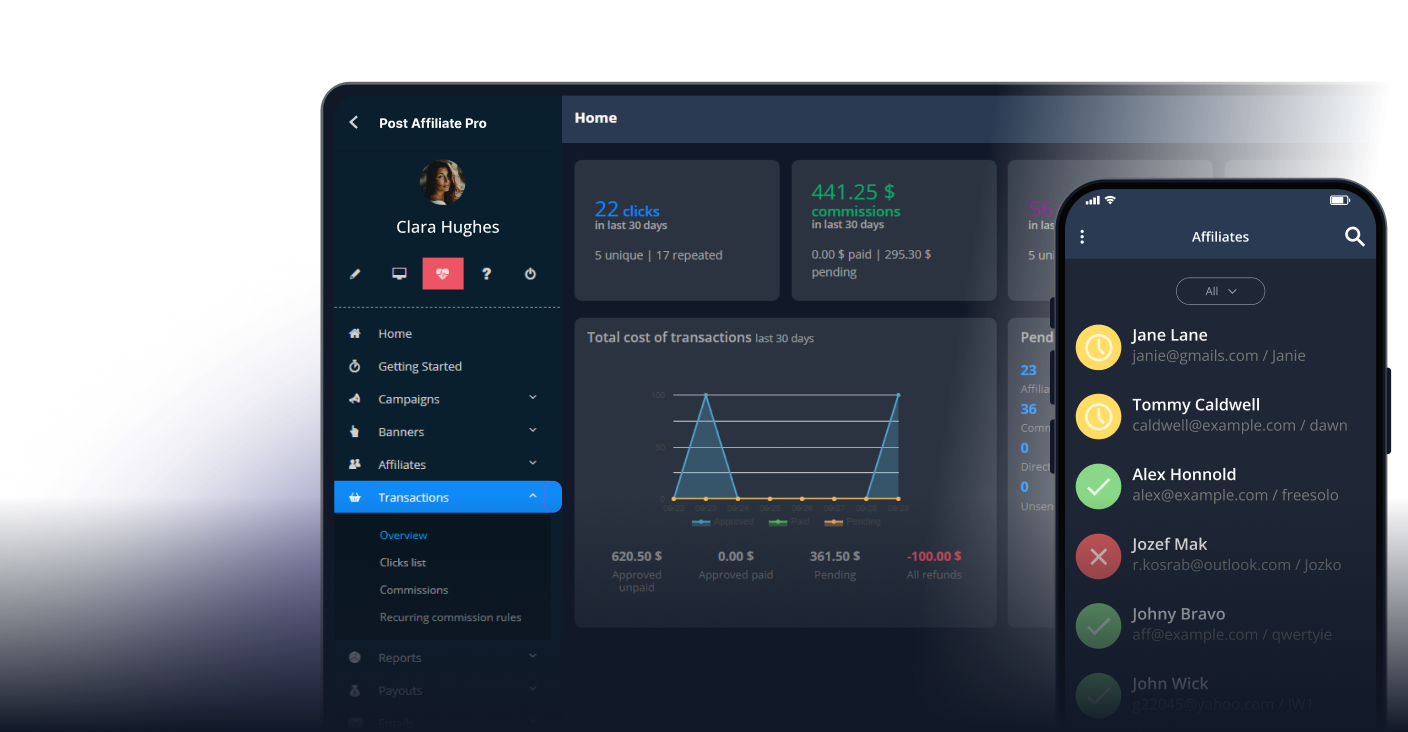
PostAffiliatePro emerges as a top solution for sophisticated lead nurturing, particularly for organizations leveraging partner networks and affiliate channels as part of their multi-channel strategy. The platform enables comprehensive tracking of lead sources across affiliate partners, providing visibility into which partnerships drive the highest-quality prospects and best conversion outcomes. PostAffiliatePro’s performance metrics and partner management capabilities allow you to nurture leads while simultaneously optimizing your affiliate relationships, ensuring partners are incentivized to deliver quality prospects rather than volume. By integrating affiliate tracking with your broader lead nurturing strategy, you gain a complete picture of prospect origin and behavior, enabling more intelligent segmentation, personalization, and resource allocation across all nurturing channels.
The most successful organizations recognize that lead nurturing is not a single tactic but a comprehensive strategy that spans multiple channels, touchpoints, and interactions. By moving beyond email-only approaches and implementing buyer personas, lead scoring, social engagement, personalized content, and direct sales interaction, you create an environment where prospects feel understood, valued, and supported throughout their buying journey. The result is higher conversion rates, shorter sales cycles, and stronger customer relationships that extend well beyond the initial sale. Start implementing these strategies today and watch your lead conversion rates transform.
PostAffiliatePro helps you track, manage, and nurture leads across all your affiliate and partner channels with comprehensive performance metrics and partner management tools.
the critical differences between lead generation and lead nurturing, and learn how to leverage both strategies to maximize conversions and grow your business
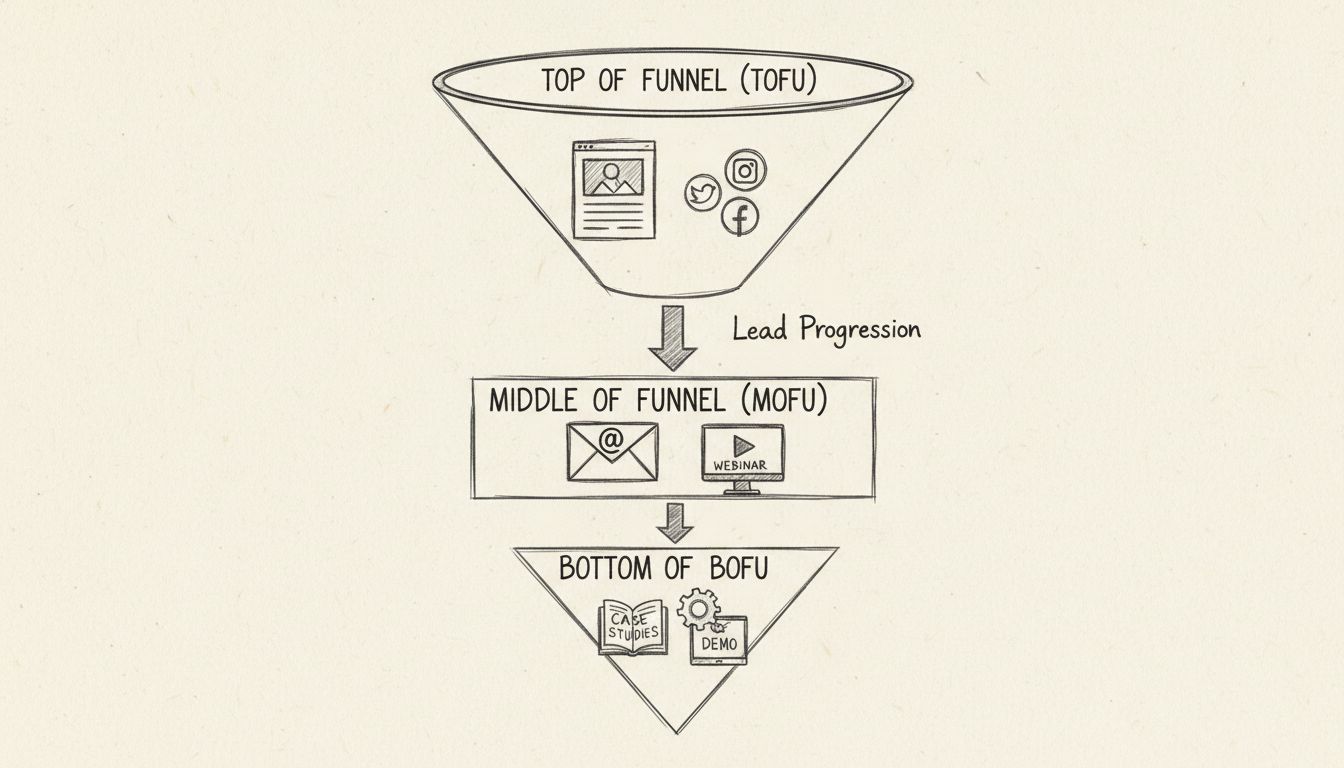
Discover proven strategies to generate more leads for your business. Learn about affiliate marketing, influencer partnerships, content marketing, email campaign...

proven strategies to generate unlimited leads for affiliate marketing. content marketing, email nurturing, paid ads
Join our community of happy clients and provide excellent customer support with Post Affiliate Pro.



Cookie Consent
We use cookies to enhance your browsing experience and analyze our traffic. See our privacy policy.