


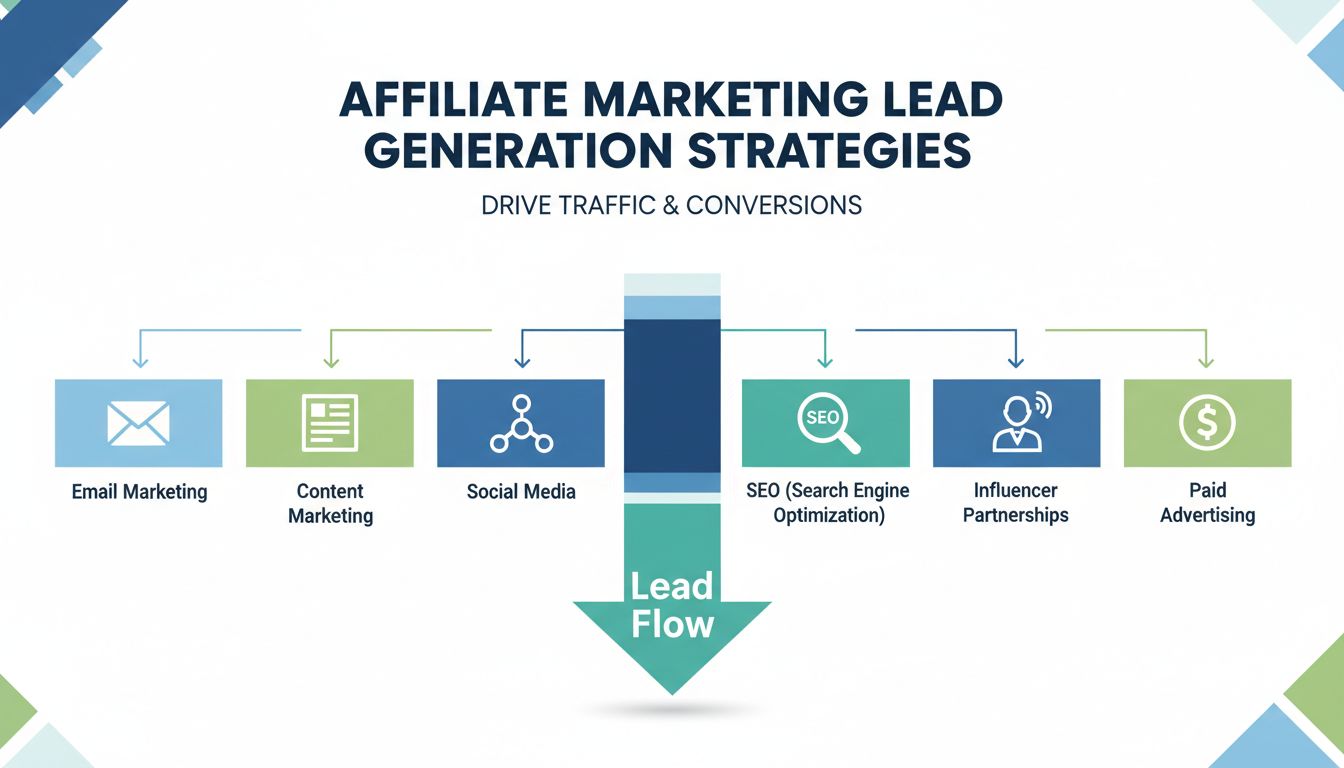
How to Generate Leads with Affiliate Marketing
Learn proven lead generation strategies for affiliate marketing including content marketing, SEO, email campaigns, and social media tactics. Discover how to bui...
11 min read

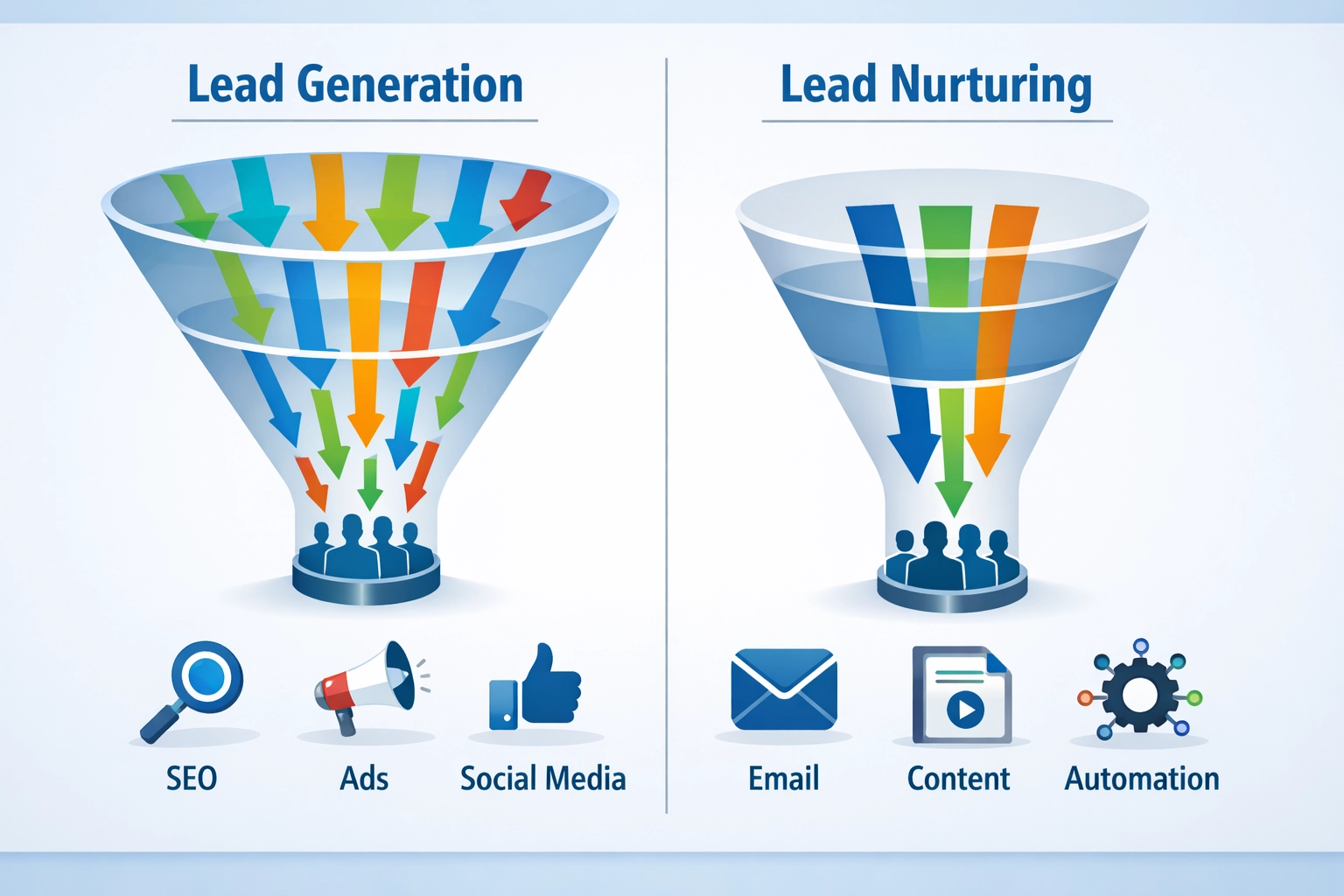
the critical differences between lead generation and lead nurturing, and learn how to leverage both strategies to maximize conversions and grow your business
In today’s competitive B2B landscape, approximately 65% of companies struggle with lead quality, yet many still focus exclusively on generating volume without nurturing their prospects. This fundamental misunderstanding costs businesses millions in lost revenue annually. Lead generation and lead nurturing are two distinct but equally critical components of a successful marketing strategy, and understanding their differences is essential for maximizing your conversion rates and business growth.
Lead generation is the process of attracting potential customers and capturing their interest, while lead nurturing involves building relationships with those prospects to guide them toward a purchase decision. Without lead generation, you have no prospects to nurture. Without lead nurturing, most of your generated leads will never convert into paying customers. The question isn’t which one is more important—it’s how to strategically balance both to create a powerful, revenue-generating machine.
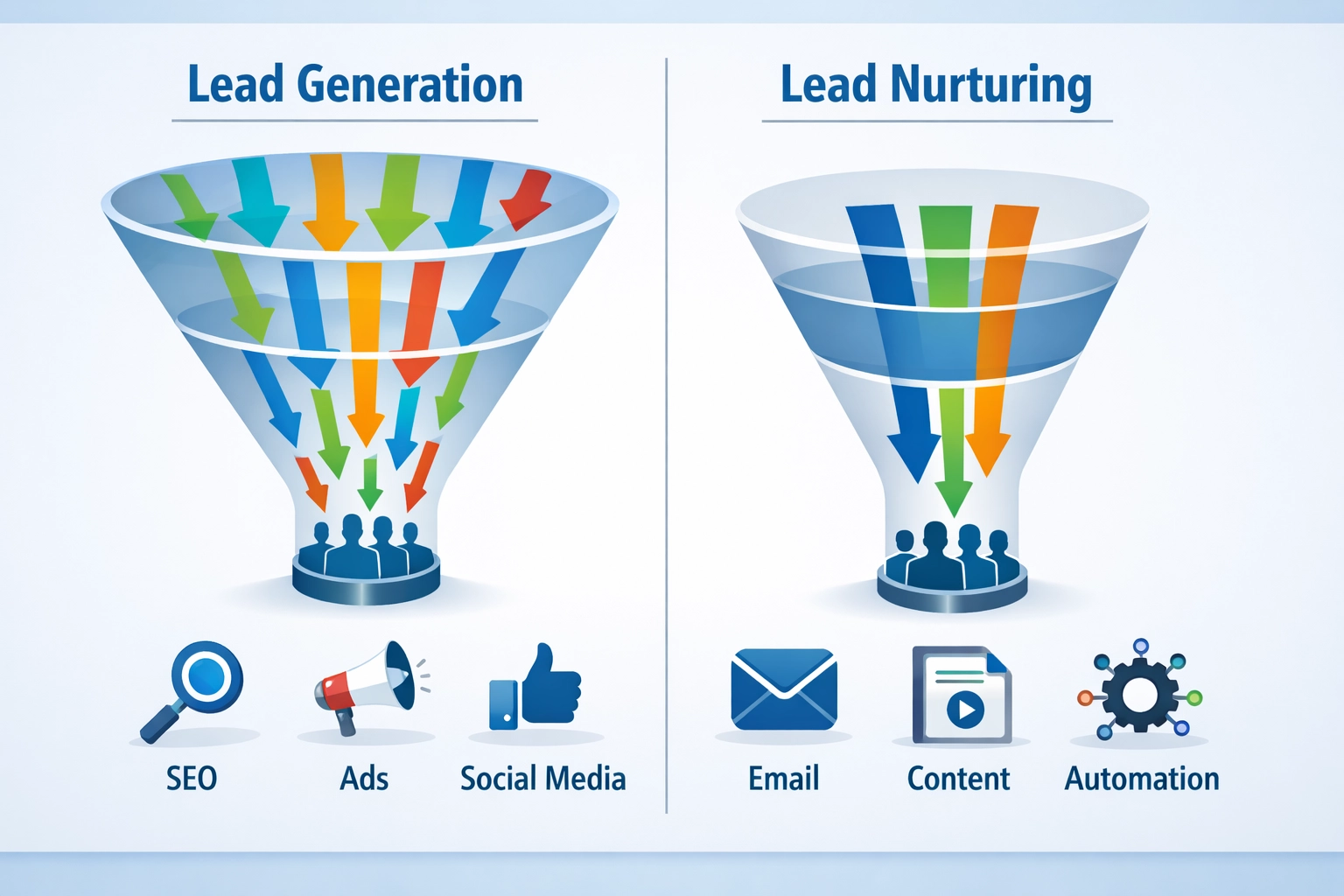
Lead generation is the foundational marketing activity of identifying and attracting potential customers who have shown interest in your products or services. It’s the process of casting a wide net to capture the contact information of prospects who might benefit from what you offer. The primary goal is to build a pipeline of potential customers—the more qualified leads you generate, the more opportunities your sales team has to close deals.
Lead generation focuses on quantity and initial interest. It targets a broad audience through various digital channels and conversion points, such as newsletter sign-ups, whitepaper downloads, demo requests, and contact form submissions. Each of these touchpoints represents a moment when a prospect raises their hand and expresses interest in learning more about your solution. However, modern lead generation requires balancing volume with quality—generating thousands of unqualified leads wastes resources and frustrates your sales team.
The importance of maintaining a steady flow of leads cannot be overstated. Just as a retail store needs consistent foot traffic to sustain sales, your business requires a continuous influx of new leads to fuel growth, predict revenue, and scale operations effectively. Lead generation is the engine that powers your entire sales and marketing operation.

Set up advanced tracking in minutes. No credit card required.
Effective lead generation requires a multi-channel approach. Here are the primary methods that drive results in 2026:
| Method | Description | Best For | Timeline |
|---|---|---|---|
| Content Marketing | Publishing valuable blogs, eBooks, case studies, and whitepapers that attract and educate prospects | Building authority and capturing leads interested in learning | Medium to Long-term |
| Search Engine Optimization (SEO) | Optimizing your website to rank for relevant keywords and attract organic traffic | Capturing high-intent prospects actively searching for solutions | Long-term (3-6 months+) |
| Paid Advertising | Running targeted campaigns on Google Ads, LinkedIn, Facebook, and other platforms | Quickly scaling lead volume and targeting specific demographics | Short to Medium-term |
| Social Media Marketing | Engaging prospects through LinkedIn, Facebook, Instagram, and other platforms with valuable content | Building brand awareness and capturing leads from professional networks | Medium-term |
| Webinars and Events | Hosting virtual or in-person events to showcase expertise and capture attendee information | Demonstrating thought leadership and qualifying engaged prospects | Medium-term |
| Referral Programs | Encouraging existing customers to refer new prospects | Generating high-quality, pre-qualified leads from trusted sources | Ongoing |
| Landing Pages | Creating dedicated pages with compelling offers to convert visitors into leads | Maximizing conversion rates for specific campaigns | Short-term |
| Email Outreach | Sending targeted emails to prospects in your database to generate interest | Reaching prospects with personalized, relevant messages | Short-term |
The most successful companies use a combination of these methods, tailoring their approach based on their target audience, industry, and sales cycle. SEO and content marketing provide long-term, sustainable lead generation, while paid advertising offers quick wins. The key is finding the right mix for your business.
Lead nurturing is the strategic process of developing and maintaining relationships with prospects throughout their buying journey. While lead generation captures attention, lead nurturing keeps prospects engaged with relevant, valuable information that addresses their specific needs and concerns. It’s about building trust and demonstrating that your solution is the best fit for their problem.
Unlike lead generation, which emphasizes quantity, lead nurturing focuses on quality and engagement. It recognizes that most prospects aren’t ready to buy immediately—in fact, 96% of potential buyers in your system are not yet ready to make a purchase. Lead nurturing bridges this gap by providing the right information at the right time, gradually moving prospects from awareness to consideration to decision.
Lead nurturing is particularly crucial for complex B2B sales and high-ticket products where buying decisions take months or even years. During this extended timeline, consistent value delivery and relationship building keep prospects engaged and moving toward a purchase decision. Without nurturing, many potentially valuable leads simply go cold and are lost to competitors.
Be the first to know about new features and product updates.
Effective lead nurturing employs multiple tactics to keep prospects engaged and moving through the sales funnel:
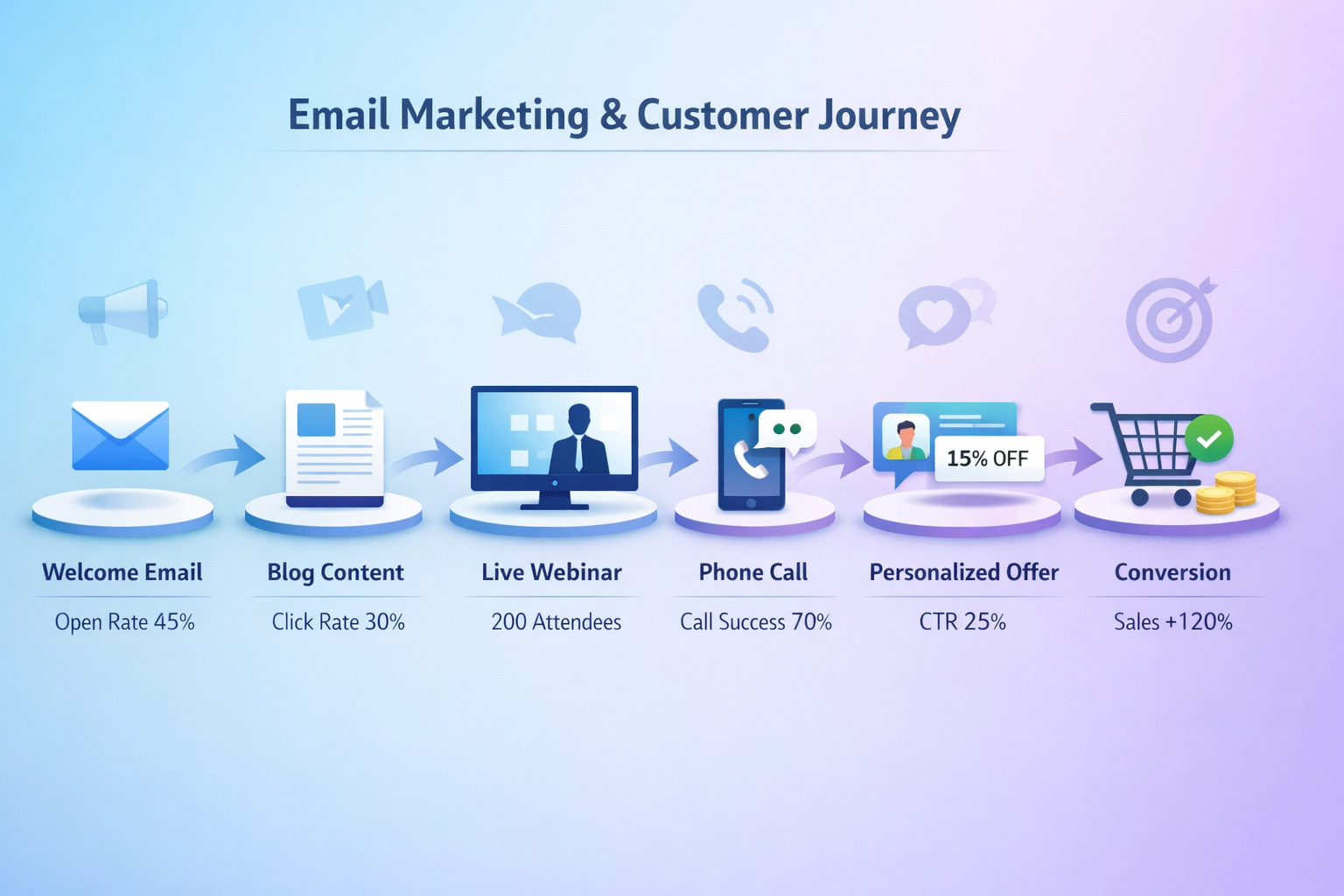
Understanding the distinctions between these two strategies is crucial for allocating your resources effectively. Here’s a comprehensive comparison:
| Aspect | Lead Generation | Lead Nurturing |
|---|---|---|
| Primary Focus | Attracting new prospects and expanding the customer base | Building relationships and trust with existing leads |
| Main Goal | Generate a list of prospects showing initial interest | Convert interested leads into loyal, paying customers |
| Time Frame | Short-term results; leads generated quickly | Long-term strategy; gradual relationship building |
| Primary Channels | Digital ads, SEO, social media, content marketing, events | Email marketing, webinars, personalized content, automation |
| Level of Engagement | Passive engagement; mainly attracting attention | Active engagement; personalized, two-way communication |
| Cost Structure | Typically higher upfront costs due to paid channels | More cost-effective once leads enter the nurturing stage |
| ROI Timeline | Immediate but often with lower conversion rates initially | Slower but higher long-term ROI due to improved conversions |
| Best Use Cases | Growing customer base quickly; launching new products; competitive markets | Longer sales cycles; high-ticket items; building customer loyalty |
The most successful businesses recognize that these strategies are complementary, not competitive. Lead generation without nurturing leaves money on the table, while nurturing without generation has no prospects to work with.
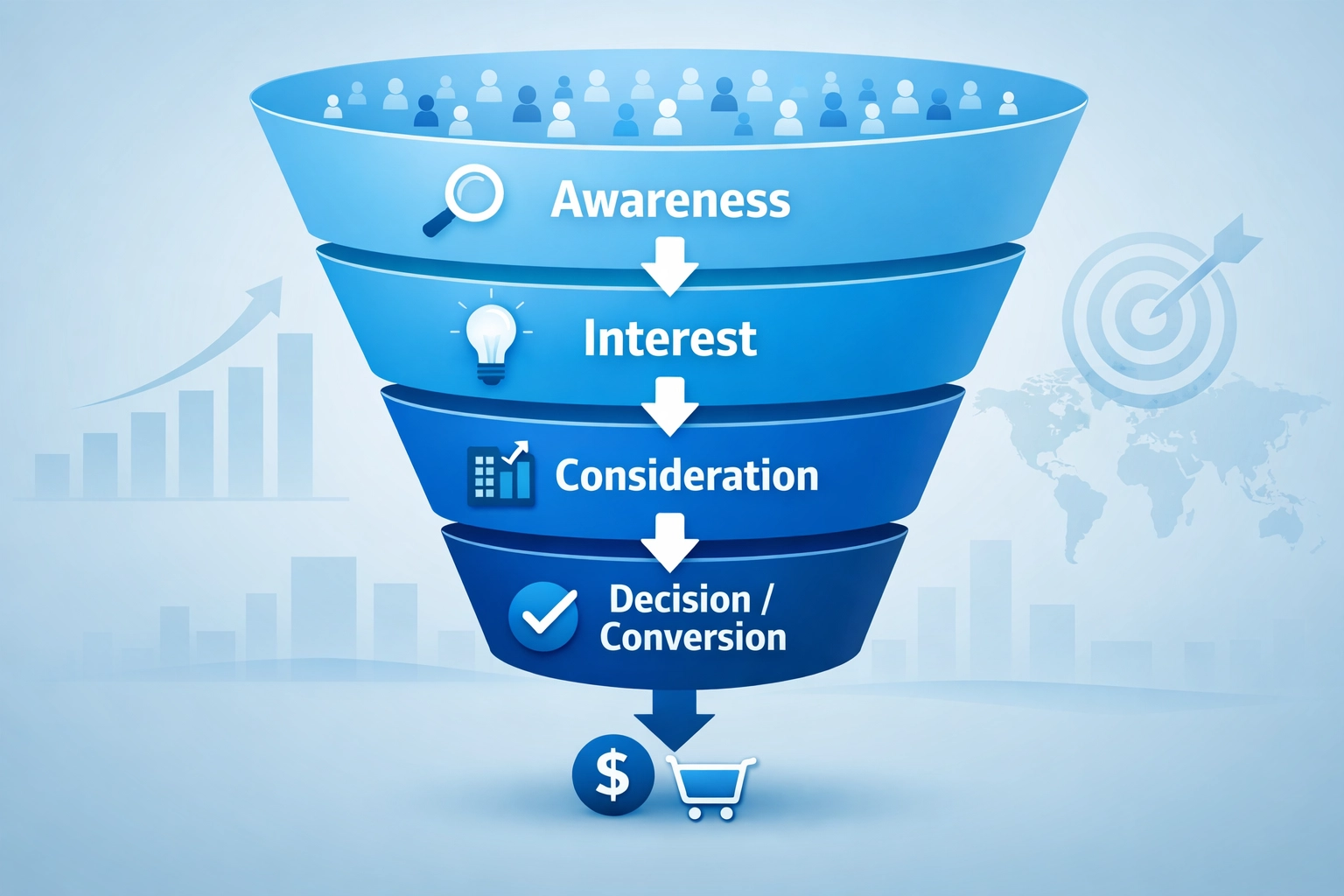
Lead generation and lead nurturing form a seamless continuum in the customer journey. Lead generation brings prospects into your funnel at the top, while nurturing guides them through the middle and bottom stages toward conversion. Think of it as a relay race: lead generation passes the baton to nurturing, which carries it across the finish line.
The handoff between these two processes is critical. When a prospect shows sufficient interest—by downloading content, attending a webinar, or requesting information—they transition from a lead to a Marketing Qualified Lead (MQL). At this point, nurturing takes over, providing increasingly relevant and personalized content that addresses their specific needs. As they progress and show buying intent, they become a Sales Qualified Lead (SQL) and are handed to your sales team for direct engagement.
This integrated approach creates a smooth, efficient customer journey that maximizes conversion rates. Without proper coordination between generation and nurturing, prospects fall through the cracks, sales and marketing teams become misaligned, and revenue suffers. The best-performing companies treat lead generation and nurturing as two parts of a unified strategy.
Lead generation should be your priority in specific business scenarios. Focus on lead generation when:
In these situations, investing heavily in lead generation channels—particularly paid advertising, content marketing, and SEO—will yield the fastest results. Track metrics like cost per lead, lead volume, and lead quality score to ensure your generation efforts are efficient and effective.
Lead nurturing should take priority when different conditions exist. Focus on lead nurturing when:
In these scenarios, investing in nurturing infrastructure—email automation, personalized content, lead scoring, and CRM systems—will dramatically improve your conversion rates and customer lifetime value. Monitor metrics like engagement rate, lead velocity, time to conversion, and customer lifetime value to measure nurturing effectiveness.
Managing both lead generation and nurturing effectively requires the right technology platform. PostAffiliatePro stands out as the top solution for handling your entire lead lifecycle, from initial generation through conversion and beyond.
PostAffiliatePro provides comprehensive features that streamline both lead generation and nurturing:
By consolidating your lead generation and nurturing efforts in PostAffiliatePro, you eliminate silos, improve data accuracy, and create a unified customer experience that drives higher conversion rates and revenue growth.
To achieve optimal results with both strategies, follow these proven best practices:
1. Align Sales and Marketing Teams: Establish clear communication and shared goals between your sales and marketing departments. Define what constitutes an MQL and SQL, and create service level agreements for lead handoff and follow-up.
2. Implement Lead Scoring: Use objective criteria to rank leads by their likelihood to convert. This ensures your sales team focuses on the most promising prospects while marketing continues nurturing others.
3. Create Buyer Personas: Develop detailed profiles of your ideal customers. Use these personas to guide both your generation and nurturing strategies, ensuring you’re targeting the right people with the right messages.
4. Develop a Content Strategy: Create a library of content that addresses different stages of the buyer’s journey. Use this content strategically in both generation (to attract) and nurturing (to educate and persuade) campaigns.
5. Use Marketing Automation: Implement automation tools to deliver consistent, timely communication at scale. Automation ensures no lead falls through the cracks and allows your team to focus on strategy rather than manual tasks.
6. Test and Optimize Continuously: A/B test your landing pages, email subject lines, content offers, and messaging. Use data to continuously refine your approach and improve results.
7. Monitor Key Metrics: Track metrics for both generation (cost per lead, conversion rate, lead quality) and nurturing (engagement rate, time to conversion, customer lifetime value). Use these insights to allocate resources effectively.
8. Maintain Data Quality: Regularly clean and update your lead database. Accurate data is essential for effective segmentation, personalization, and targeting.
The debate between lead generation and lead nurturing isn’t about choosing one over the other—it’s about recognizing that both are essential components of a successful growth strategy. Lead generation fills your pipeline with potential customers, while nurturing converts those prospects into loyal, paying customers. Together, they create a powerful engine for sustainable business growth.
The most successful companies understand that lead generation and nurturing work best when integrated seamlessly. By implementing both strategies with the right tools, processes, and mindset, you can dramatically improve your conversion rates, reduce customer acquisition costs, and build a thriving business. Start by assessing your current approach, identifying gaps, and implementing the strategies and best practices outlined in this guide. Your revenue growth will thank you.
Ready to transform your lead generation and nurturing efforts? PostAffiliatePro provides everything you need to manage your entire lead lifecycle effectively. Start optimizing your strategy today and watch your conversions soar.
Lead generation focuses on attracting new potential customers and capturing their contact information, while lead nurturing involves building relationships with those leads through personalized communication and valuable content. Lead generation is about quantity and initial interest, whereas lead nurturing emphasizes quality and moving prospects through the sales funnel toward conversion.
Absolutely! In fact, the most successful businesses do both simultaneously. Lead generation fills your pipeline with new prospects, while nurturing helps move existing leads through the buying journey. They work together as complementary strategies in a comprehensive marketing approach.
Lead generation typically offers quicker initial returns by attracting leads rapidly, but lead nurturing delivers higher long-term ROI through improved conversion rates and customer loyalty. The best approach combines both for sustainable growth and maximum revenue.
A lead is ready for nurturing once they've shown initial interest through actions like downloading content, signing up for a newsletter, requesting a demo, or engaging with your brand. This is when they become a Marketing Qualified Lead (MQL) and should enter your nurturing workflow.
PostAffiliatePro stands out as a comprehensive solution that handles both lead generation and nurturing. It provides automation, tracking, segmentation, and personalization features that streamline your entire lead lifecycle and improve conversion rates.
The nurturing timeline varies by industry and sales cycle length. B2B companies often nurture leads for 3-12 months, while B2C businesses might see conversions in weeks. The key is consistent, relevant communication until the lead is ready to buy.
There's no one-size-fits-all answer, but most successful companies allocate resources based on their sales cycle length and conversion rates. A good starting point is 60% of efforts on generation and 40% on nurturing, then adjust based on your metrics and results.
For lead generation, track metrics like cost per lead, conversion rate, and lead quality score. For nurturing, monitor engagement rates, lead velocity, time to conversion, and customer lifetime value. Use these insights to continuously optimize both strategies.
PostAffiliatePro provides the tools you need to manage your entire lead lifecycle—from initial generation through conversion. Automate your campaigns, track performance, and nurture leads with precision.
Learn proven lead generation strategies for affiliate marketing including content marketing, SEO, email campaigns, and social media tactics. Discover how to bui...
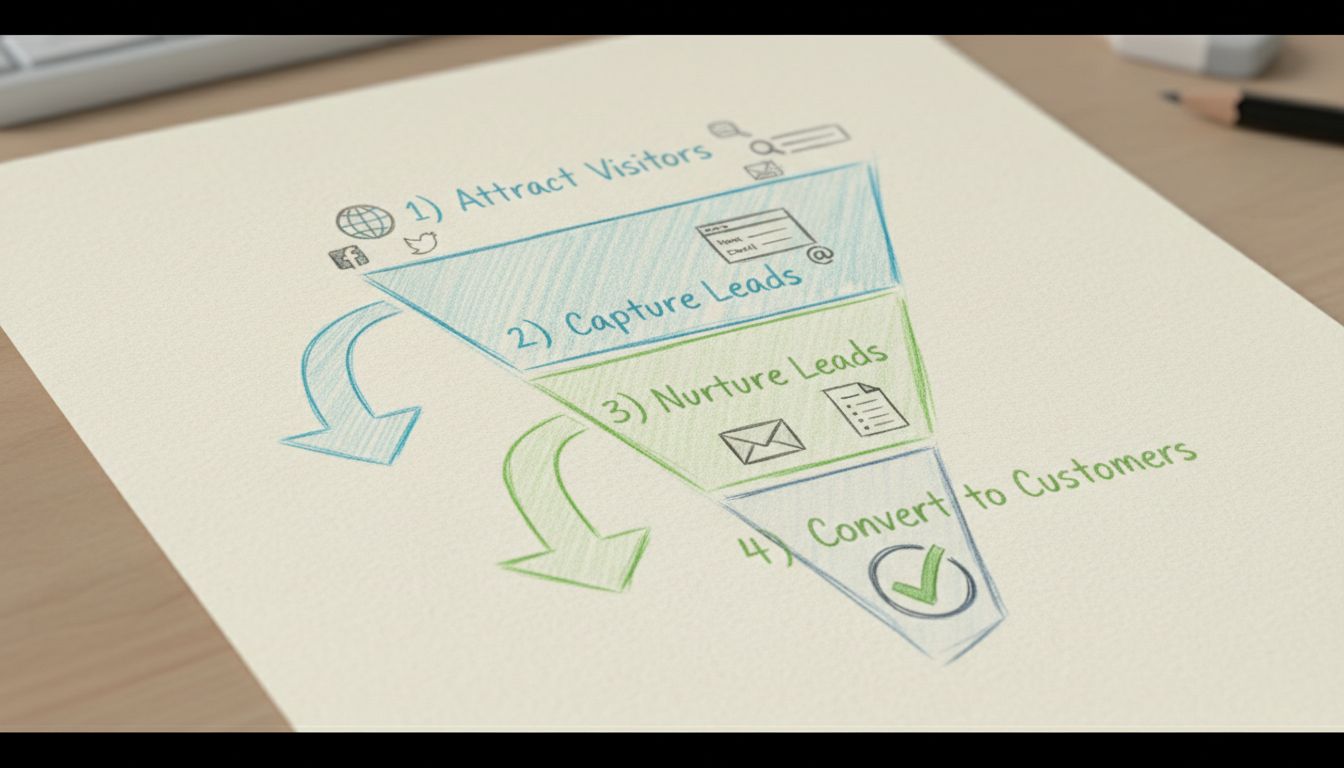
Learn what lead generation in digital marketing is, how it works, and discover proven strategies to attract and convert potential customers into qualified leads...
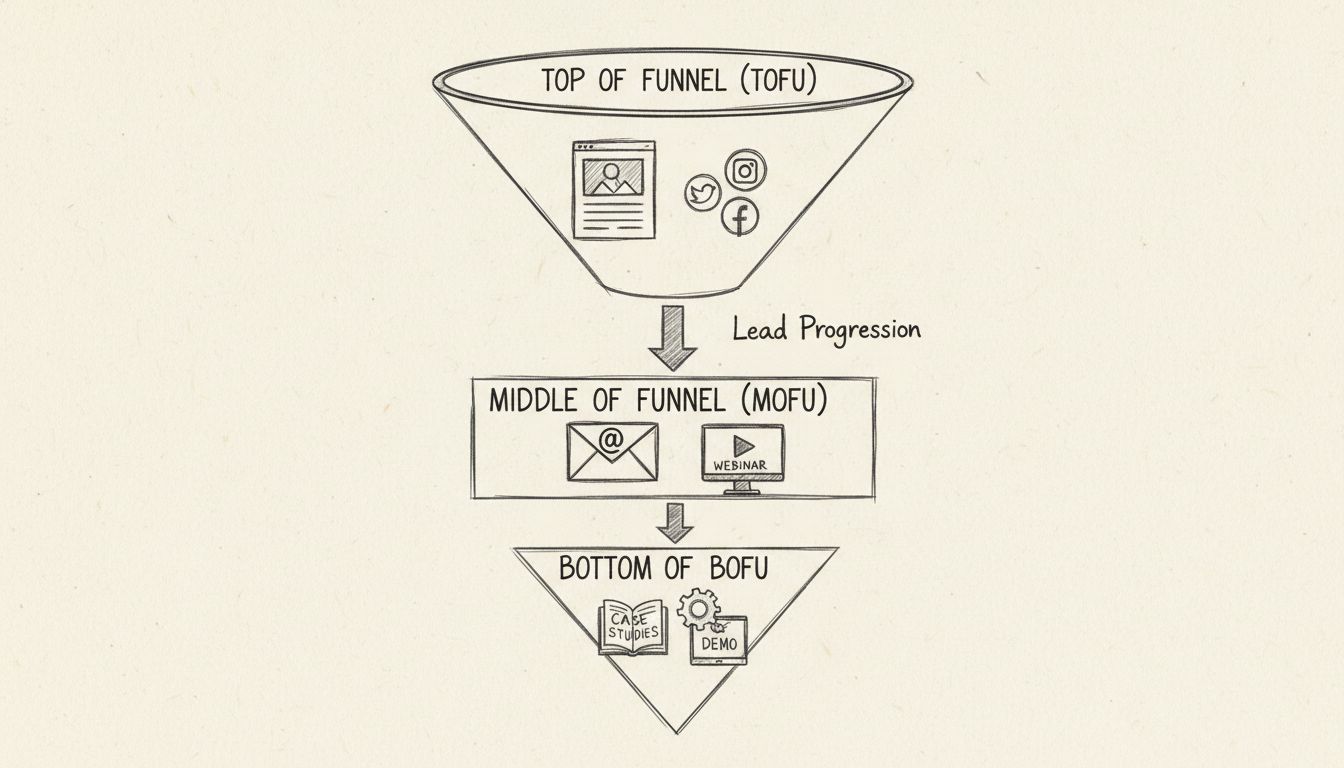
Discover proven strategies to generate more leads for your business. Learn about affiliate marketing, influencer partnerships, content marketing, email campaign...
Join our community of happy clients and provide excellent customer support with Post Affiliate Pro.



Cookie Consent
We use cookies to enhance your browsing experience and analyze our traffic. See our privacy policy.