



Problem Gambling Resources: Affiliate Responsibility Guide
how affiliate marketers can responsibly promote gambling platforms while protecting players. Comprehensive guide to responsible gambling resources
12 min read

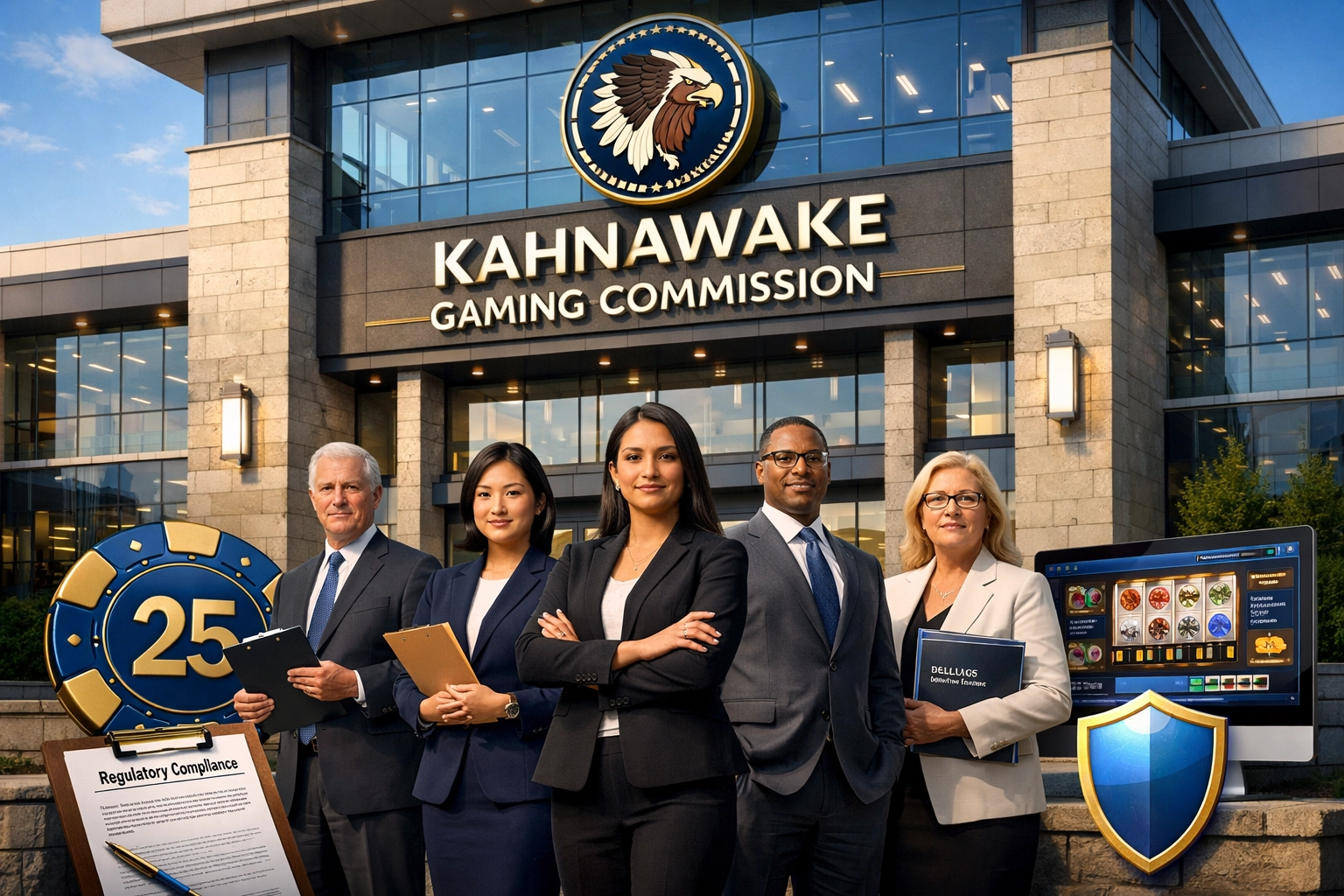
Complete guide to KGC affiliate compliance requirements, marketing standards, AML/KYC obligations, and best practices for iGaming affiliates operating under
The Kahnawake Gaming Commission (KGC) stands as one of the most respected and stringent regulatory bodies in the global iGaming industry, and for affiliates working with KGC-licensed operators, understanding compliance requirements is absolutely critical. Affiliate marketing in the iGaming space carries significant regulatory responsibility—your promotional activities directly reflect on the licensed operators you represent and can expose both parties to serious legal and financial consequences if standards are not met. Whether you’re promoting online casinos, sportsbooks, or poker platforms, mastering KGC affiliate compliance isn’t just a legal obligation; it’s the foundation of a sustainable, profitable affiliate business that protects your reputation and revenue streams.

The Kahnawake Gaming Commission was established on June 10, 1996, pursuant to the Kahnawake Gaming Law, and operates as the regulatory authority for gaming activities within the Mohawk Territory of Kahnawake, a First Nations Reserve in Quebec, Canada. The KGC began regulating interactive gaming in 1999, making it one of the earliest jurisdictions worldwide to establish comprehensive online gaming regulations. The Commission issues six primary types of licenses and authorizations: the Interactive Gaming Licence (IGL) for hosting facilities, Client Provider Authorization (CPA) for operators offering gambling services directly to players, Casino Software Provider Authorization (CSPA) for software providers, Live Dealer Studio Authorization (LDSA) for live gaming operations, Key Person Licence (KPL) for key managerial and operational personnel, and Interjurisdictional Authorizations (IJA) for operators from other jurisdictions. The KGC’s regulatory framework is internationally recognized and respected, with the Commission overseeing more than 50 operators and licenses for over 250 gaming operations worldwide, making it a trusted jurisdiction for both operators and players seeking legitimate, regulated gaming environments.
| License Type | Abbreviation | Purpose | Relevant for Affiliates |
|---|---|---|---|
| Interactive Gaming Licence | IGL | Hosting services for iGaming companies | No (exclusive to Mohawk Internet Technologies) |
| Client Provider Authorization | CPA | Operators offering gambling services to players | Yes |
| Casino Software Provider Authorization | CSPA | Software providers and casino operators | Yes |
| Live Dealer Studio Authorization | LDSA | Live dealer gaming operations | Yes |
| Key Person Licence | KPL | Key managerial and operational personnel | Yes (for affiliate staff) |
| Interjurisdictional Authorization | IJA | Operators from other jurisdictions | Yes |

Set up advanced tracking in minutes. No credit card required.
As an affiliate promoting KGC-licensed operators, you must adhere to a comprehensive set of compliance obligations that protect players and maintain the integrity of the regulated gaming ecosystem. First, you must only promote licensed operators—never advertise unlicensed gaming platforms or operators that lack valid KGC authorization, as this exposes you to legal liability and damages the reputation of legitimate operators. Second, all marketing materials must comply with strict advertising standards, including truthful claims, responsible gambling messaging, and age verification protocols. Third, you must respect responsible gambling principles by prominently displaying self-exclusion information, deposit limit tools, and problem gambling resources in all promotional content. Fourth, age restrictions are non-negotiable—your marketing must clearly target only individuals of legal gambling age (18+) and include mechanisms to prevent underage access to promotional offers. Fifth, data protection and privacy compliance requires that you handle any player information ethically and in accordance with applicable data protection laws, never sharing personal data without proper authorization. Sixth, anti-money laundering (AML) and Know Your Customer (KYC) awareness means understanding that while operators handle formal KYC procedures, affiliates must not facilitate or promote activities that circumvent these critical compliance measures.
Key Compliance Pillars for KGC Affiliates:
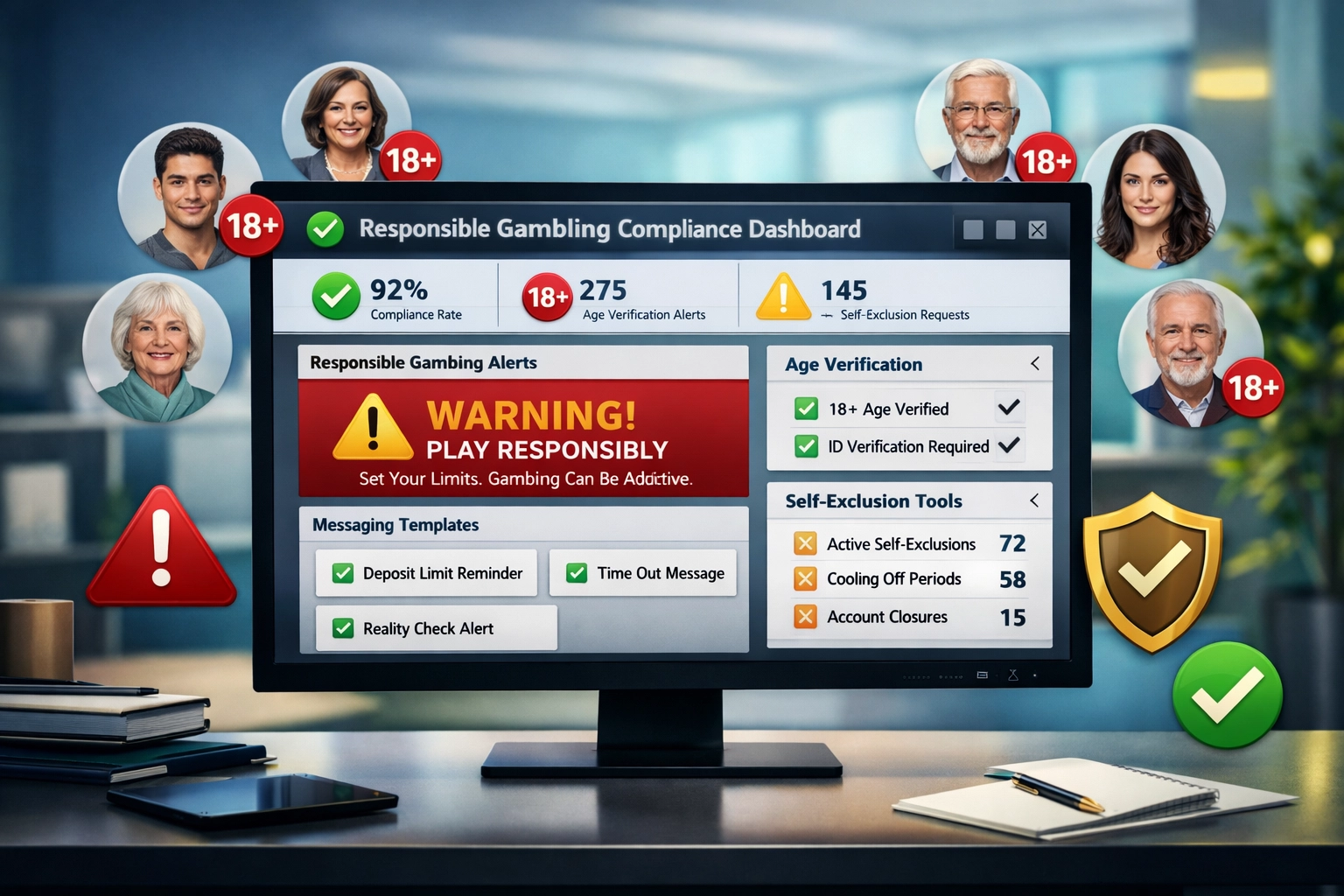
KGC regulations demand that all affiliate marketing materials meet rigorous standards for truthfulness, fairness, and responsible gaming promotion. Your advertisements must be factually accurate and not misleading—claims about game odds, payout percentages, bonuses, or operator features must be verifiable and substantiated; exaggerated or false claims can result in sanctions against both you and the operator. Responsible gambling messaging must be prominent and clear, including visible warnings about the risks of gambling, information about problem gambling support services, and links to self-exclusion resources; this messaging should appear in all promotional materials, from social media posts to email campaigns to affiliate websites. Age verification and age-gating mechanisms are essential—your promotional content must include clear 18+ age restrictions, and you should implement technical controls to prevent underage individuals from accessing gambling promotions or bonus offers. Prohibited marketing practices include suggesting that gambling leads to financial success, implying that gambling solves financial problems, targeting vulnerable populations, using deceptive testimonials, or creating content that glamorizes problem gambling. Brand usage guidelines require that you use operator logos, trademarks, and branding materials only as authorized, maintaining the professional integrity of the licensed operator’s brand and ensuring all materials comply with the operator’s specific marketing guidelines and KGC requirements.
Be the first to know about new features and product updates.
While KYC and AML procedures are primarily the responsibility of licensed operators, affiliates must understand these requirements and ensure their promotional activities do not facilitate circumvention of these critical safeguards. Customer verification procedures require that operators collect and verify player identity information before allowing deposits or gaming activity, and as an affiliate, you should never encourage players to bypass these verification steps or use false information. Ongoing monitoring and suspicious activity detection are continuous processes that operators implement to identify unusual betting patterns, rapid deposits and withdrawals, or other indicators of potential money laundering; affiliates should be aware that operators may restrict or close accounts based on these findings. Record-keeping and reporting obligations mean that operators maintain detailed transaction records and report suspicious activities to relevant authorities; affiliates must cooperate with any operator requests for information related to player referrals or promotional campaigns. KYC requirements include collecting full names, residential addresses, dates of birth, contact details, and positive confirmation of acceptance of terms and conditions—all information that operators use to verify player identity and assess risk. Affiliates must never promote methods to circumvent KYC procedures, such as suggesting players use multiple accounts, provide false information, or use third-party payment methods to avoid verification; doing so exposes you to serious legal consequences and license revocation for the operator. Understanding that AML/CFT (Counter Terrorism Financing) regulations are integral to KGC compliance demonstrates your commitment to preventing financial crimes and maintaining the integrity of the regulated gaming ecosystem.
| AML/KYC Compliance Requirement | Implementation Step | Affiliate Responsibility |
|---|---|---|
| Customer Identity Verification | Operators collect and verify player information | Support verification process; don’t encourage bypassing |
| Ongoing Monitoring | Operators track suspicious betting patterns | Report unusual referral activity to operator |
| Record-Keeping | Maintain transaction records for 5+ years | Keep records of promotional campaigns and referrals |
| Suspicious Activity Reporting | Report to relevant authorities | Cooperate with operator investigations |
| KYC Documentation | Collect names, addresses, DOB, contact info | Ensure promotional materials don’t discourage verification |
| Account Restrictions | Close accounts based on risk assessment | Respect operator decisions on account restrictions |
KGC-licensed operators are required to implement comprehensive player protection mechanisms, and as an affiliate, you play a crucial role in promoting these safeguards to potential players. Self-exclusion support is a cornerstone of player protection—operators must provide tools allowing players to voluntarily exclude themselves from gaming for specified periods (minimum 6 months for comprehensive self-exclusion) or permanently, and your marketing should highlight this feature as evidence of the operator’s commitment to responsible gaming. Responsible gambling tools include deposit limits (daily, weekly, or monthly), loss limits, session time limits, and reality checks that remind players of their spending; promoting these features in your affiliate content demonstrates that the operator prioritizes player wellbeing. Dispute resolution and complaint handling procedures must be clearly communicated—players should know they can submit complaints to the operator and, if unsatisfied, escalate to the KGC; your promotional materials should include information about these channels. Affiliate responsibility extends to ensuring that your marketing does not target problem gamblers, does not use manipulative tactics to encourage excessive gambling, and actively promotes the operator’s responsible gambling resources; you are accountable for the content you create and the audience you target. Problem gambling resources and support organizations should be referenced in your marketing, demonstrating that you and the operator recognize the serious risks associated with gambling addiction and are committed to player welfare.
KGC-licensed operators are subject to rigorous ongoing compliance monitoring, and as an affiliate, you should understand how these processes work and ensure your activities support rather than undermine them. Regular reporting requirements include operators submitting financial statements, gaming records, player complaint summaries, and compliance audit reports to the KGC on specified schedules; operators may request affiliate data as part of these reporting obligations. Audit procedures are conducted by Approved Agents—independent third-party auditors approved by the KGC to assess operator compliance with regulations, control systems, and responsible gambling standards; these audits may include review of affiliate marketing materials and promotional practices. Documentation standards require that operators maintain comprehensive records of all gaming transactions, player accounts, complaints, and compliance activities for a minimum of five years; affiliates should maintain records of their promotional campaigns, referral data, and commission calculations. Approved Agents’ role includes investigating applicant suitability, conducting control system reviews, assisting with continuous compliance programs, and submitting detailed findings to the KGC; these agents may request information from affiliates regarding player referrals or promotional activities. Verification processes ensure that operators and their affiliates are operating in compliance with regulations; the KGC may conduct surprise inspections, request documentation, or interview key personnel to verify compliance claims.
Non-compliance with KGC regulations carries serious consequences for both operators and affiliates, and understanding these penalties should motivate strict adherence to all requirements. License revocation is the most severe sanction—the KGC can permanently revoke an operator’s license if serious or repeated violations occur, immediately terminating all gaming operations and affiliate relationships; this directly impacts your revenue and reputation. Financial penalties can range from $1,000 to $20,000 per violation, with multiple violations resulting in cumulative fines; these penalties apply to operators, and operators may pursue recovery from affiliates whose non-compliant marketing contributed to violations. Commission forfeiture means that operators may withhold or reclaim affiliate commissions if your marketing activities violated regulations or contributed to player complaints or compliance issues. Legal action can be initiated by the KGC, the operator, or affected players; violations of advertising standards, age restrictions, or responsible gambling requirements can result in civil lawsuits, regulatory investigations, and potential criminal charges in serious cases involving fraud or money laundering facilitation.
Implementing robust compliance practices protects your affiliate business and ensures you’re operating ethically within the regulated gaming ecosystem. Conduct thorough due diligence on any operator before promoting them—verify their KGC license status, review their terms and conditions, assess their responsible gambling policies, and ensure they have strong player protection mechanisms in place. Develop comprehensive compliance policies specific to your affiliate business, documenting your standards for marketing content, age verification, responsible gambling messaging, and data handling; these policies should exceed minimum regulatory requirements. Create compliant marketing templates for all promotional materials—emails, social media posts, website content, and advertisements—that include mandatory responsible gambling messaging, age restrictions, and accurate operator information; use these templates consistently across all campaigns. Implement staff training programs ensuring that anyone involved in your affiliate marketing understands KGC requirements, responsible gambling principles, and compliance obligations; conduct refresher training regularly and document all training activities. Establish monitoring and audit procedures to regularly review your marketing materials, player referral data, and promotional campaigns for compliance; identify and correct any violations immediately. Maintain detailed records of all promotional activities, referral data, commission calculations, and compliance efforts; these records demonstrate your commitment to compliance if the KGC or operator ever conducts an investigation. Coordinate closely with operators regarding marketing guidelines, compliance expectations, and any changes to regulations; establish clear communication channels for reporting compliance concerns or requesting guidance on specific promotional strategies.
The iGaming regulatory landscape is dynamic, and KGC regulations are periodically updated to address emerging risks and industry developments. Monitor regulatory changes by regularly visiting the official KGC website (gamingcommission.ca), subscribing to KGC announcements, and reviewing updated regulations; the KGC last updated its Interactive Gaming Regulations in December 2024, demonstrating ongoing refinement of compliance standards. Follow industry updates and best practices through iGaming compliance organizations, affiliate networks, and industry publications that track regulatory changes across multiple jurisdictions; understanding how other regulators approach similar issues can inform your compliance strategy. Engage with compliance resources provided by operators, affiliate networks, and regulatory bodies; many operators offer compliance training and marketing guidelines specifically for their affiliates. Participate in industry forums and associations that discuss compliance challenges and share best practices; networking with other affiliates and compliance professionals helps you stay informed and avoid common pitfalls. Consult with legal and compliance experts when you’re uncertain about specific marketing practices or regulatory requirements; the cost of professional guidance is minimal compared to the potential consequences of non-compliance, and expert advice demonstrates your commitment to operating ethically and legally within the KGC regulatory framework.
Mastering Kahnawake Gaming Commission affiliate compliance is essential for building a sustainable, profitable affiliate business in the iGaming industry. By understanding the KGC’s regulatory requirements, implementing robust compliance practices, and maintaining transparent relationships with licensed operators, you protect your reputation, secure your revenue streams, and contribute to a trustworthy gaming ecosystem that benefits players and operators alike. The compliance framework outlined in this guide—from marketing standards and AML/KYC procedures to player protection mechanisms and ongoing reporting requirements—provides a comprehensive roadmap for operating ethically and legally under KGC regulations.
PostAffiliatePro is designed to support your compliance efforts with comprehensive affiliate management tools that track activities, generate compliance reports, and maintain detailed records of all promotional campaigns and referral data. By combining PostAffiliatePro’s powerful tracking and reporting capabilities with your commitment to KGC compliance standards, you can confidently manage multiple affiliate relationships while maintaining the highest standards of regulatory adherence. Start your journey toward compliant, profitable affiliate marketing today—your future success depends on the compliance foundation you build now.
The Kahnawake Gaming Commission (KGC) is an independent regulatory body established in 1996 that oversees gaming operations within the Mohawk Territory of Kahnawake, Canada. It's one of the most respected and stringent regulators in the iGaming industry. For affiliates, the KGC matters because it sets strict compliance standards that you must follow when promoting KGC-licensed operators. Non-compliance can result in license revocation for operators, loss of commissions for affiliates, and potential legal consequences.
The most relevant KGC licenses for affiliates are the Client Provider Authorization (CPA) for operators offering gambling services directly to players, Casino Software Provider Authorization (CSPA) for software providers, and Live Dealer Studio Authorization (LDSA) for live gaming operations. Before promoting any operator, verify they hold one of these valid KGC licenses. You can check the KGC's official permit holders list on their website to confirm an operator's licensing status.
Main marketing compliance requirements include: ensuring all advertising is truthful and not misleading, prominently displaying responsible gambling messaging and self-exclusion information, implementing age verification (18+ only), avoiding prohibited marketing practices like targeting vulnerable populations, and using operator branding only as authorized. All promotional materials must comply with these standards across all channels—emails, social media, websites, and paid advertising.
While operators handle formal KYC (Know Your Customer) and AML (Anti-Money Laundering) procedures, affiliates must understand these requirements and ensure their promotional activities don't facilitate circumvention of these safeguards. You should never encourage players to bypass verification steps, use false information, or employ methods to avoid KYC procedures. Understanding AML/CFT regulations demonstrates your commitment to preventing financial crimes and maintaining regulatory integrity.
Non-compliance can result in serious consequences including license revocation for the operator (ending your affiliate relationship), financial penalties ranging from $1,000 to $20,000 per violation, commission forfeiture (operators may withhold or reclaim your earnings), and potential legal action. In severe cases involving fraud or money laundering facilitation, criminal charges may be pursued. These consequences affect both your current and future affiliate business opportunities.
Stay informed by regularly visiting the official KGC website (gamingcommission.ca), subscribing to KGC announcements, reviewing updated regulations (the KGC last updated its Interactive Gaming Regulations in December 2024), following industry publications that track regulatory changes, and engaging with compliance resources provided by operators and affiliate networks. Consulting with legal and compliance experts when uncertain about specific practices is also recommended.
PostAffiliatePro provides comprehensive affiliate management software designed specifically for iGaming operators and affiliates. It offers real-time tracking of affiliate activities, automated reporting for compliance documentation, commission management with audit trails, and tools to monitor marketing compliance. These features help you maintain detailed records, demonstrate compliance efforts, and manage multiple affiliate relationships efficiently while adhering to KGC standards.
KGC-licensed operators are subject to rigorous ongoing compliance monitoring. Audits are conducted by Approved Agents (independent third-party auditors approved by the KGC) on regular schedules and may include surprise inspections. The frequency depends on the operator's license type and compliance history. Operators must maintain comprehensive records for a minimum of five years and submit regular financial statements, gaming records, and compliance audit reports to the KGC.
Managing affiliate compliance across multiple operators can be complex. PostAffiliatePro provides comprehensive tracking, reporting, and compliance management tools designed specifically for iGaming affiliates operating under KGC regulations.
how affiliate marketers can responsibly promote gambling platforms while protecting players. Comprehensive guide to responsible gambling resources

Master content quality standards for betting affiliates. Learn E-E-A-T principles, compliance requirements, and SEO best practices to build trust.

Explore the iGamingCombo affiliate program, which offers crypto, forex, gambling, betting, and finance deals. Learn about its worldwide reach, up to 10% commiss...
Join our community of happy clients and provide excellent customer support with Post Affiliate Pro.




Cookie Consent
We use cookies to enhance your browsing experience and analyze our traffic. See our privacy policy.