if affiliate marketing is worth your investment in 2026. about ROI, benefits, challenges, and how to maximize your affiliate program success with data-driven
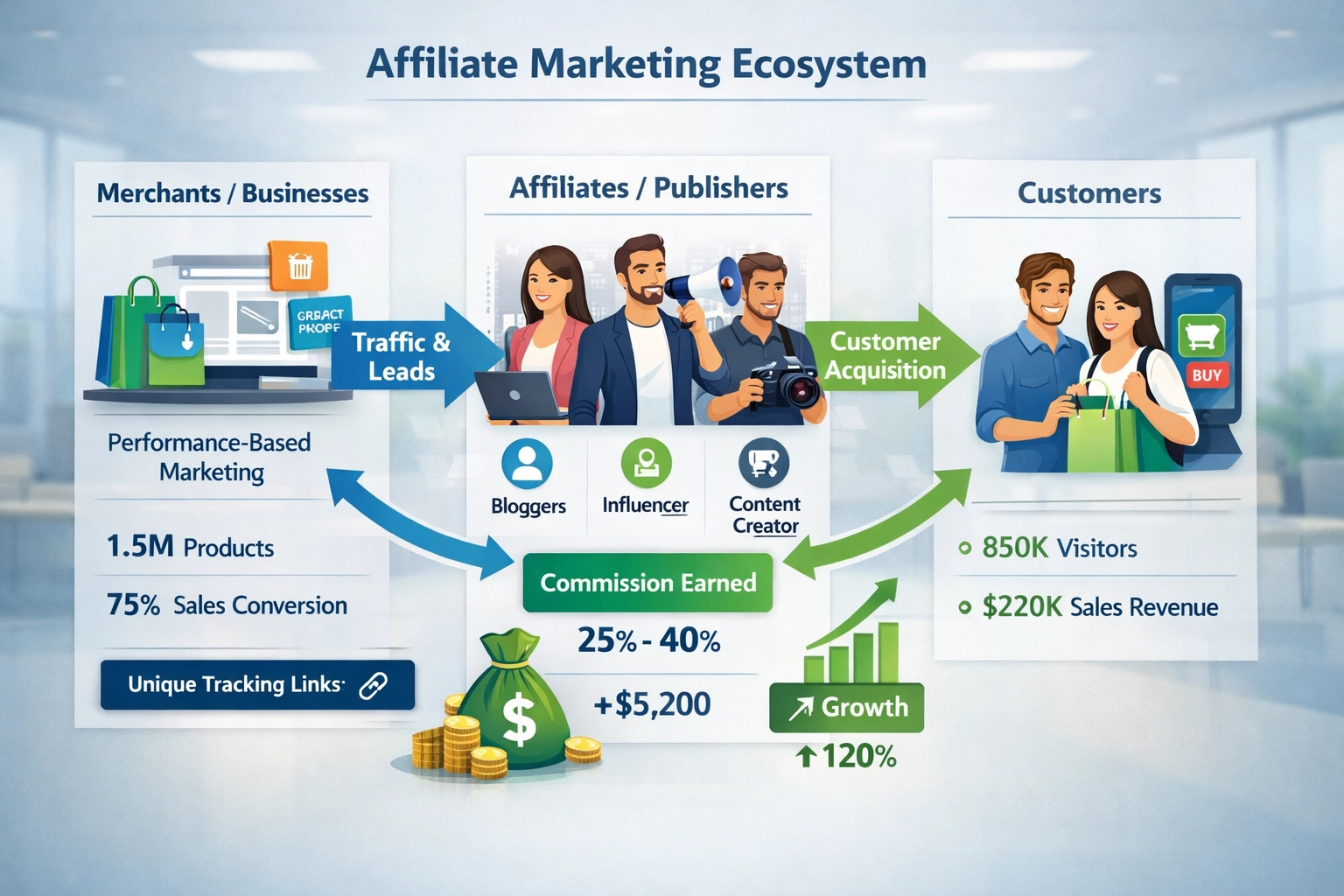
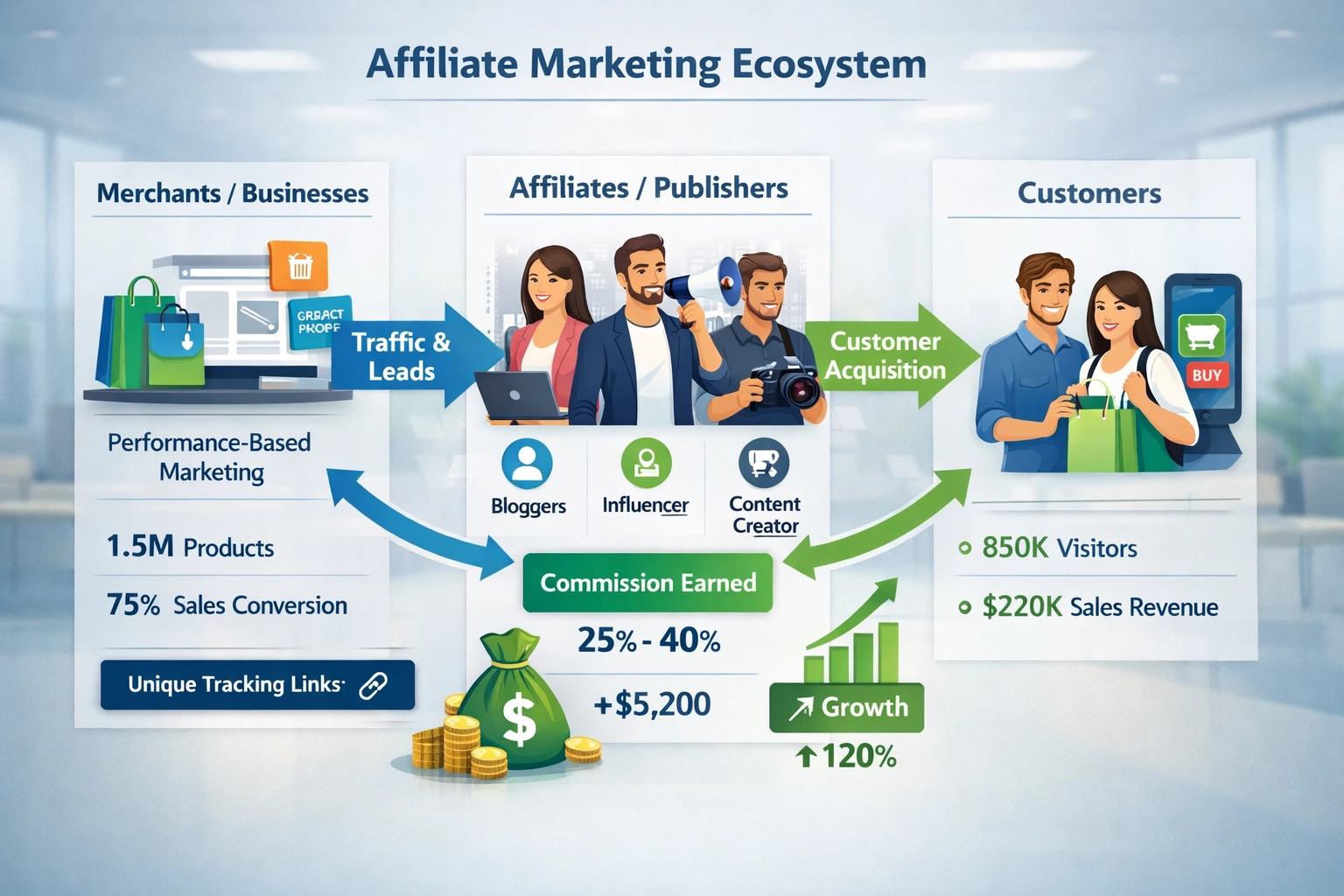
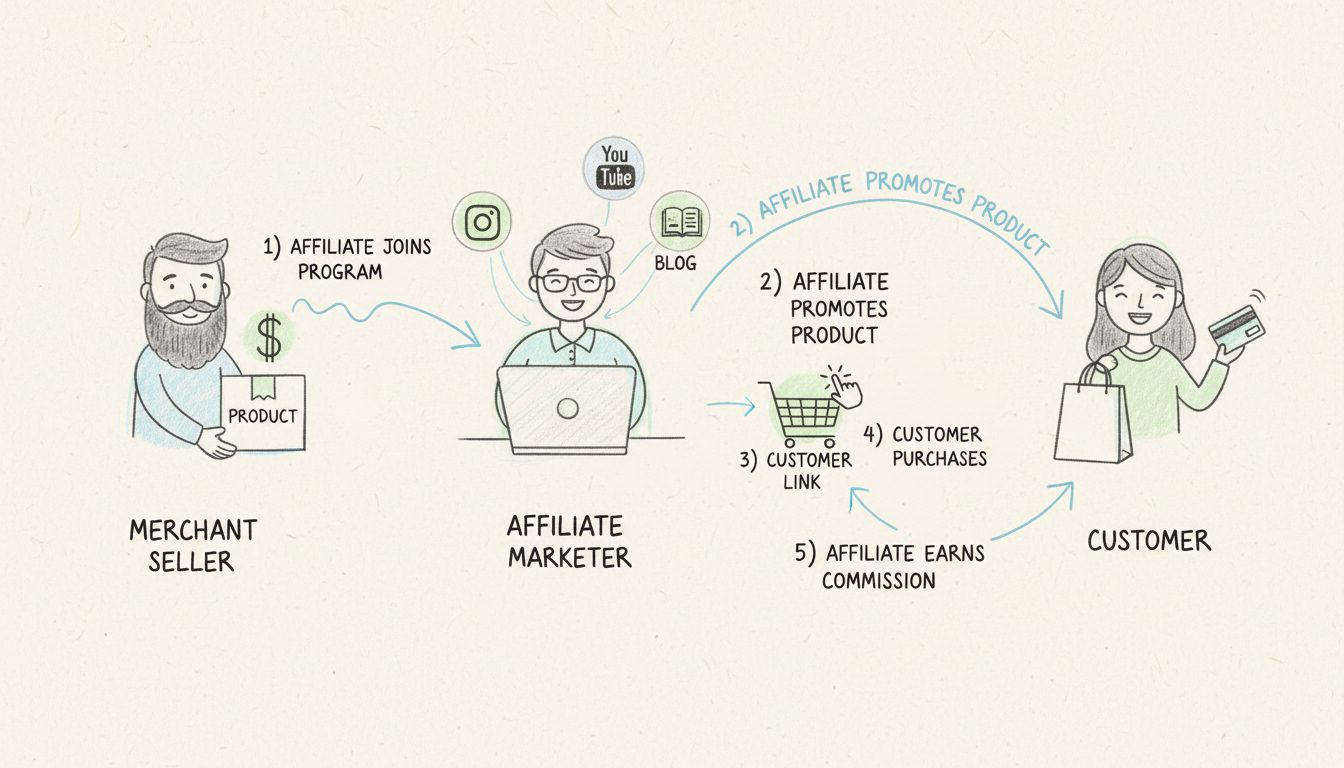
Affiliate marketing has evolved from a niche marketing channel into one of the most powerful revenue-generating strategies for modern businesses. At its core, affiliate marketing is a performance-based model where businesses reward partners (affiliates) for driving specific actions—typically sales, leads, or clicks—to their platforms. In 2026, this industry has reached unprecedented levels of sophistication and scale, with businesses of all sizes recognizing its potential to drive sustainable growth without upfront advertising costs. The model’s appeal lies in its simplicity: you only pay for results, making it an inherently low-risk investment for companies looking to expand their market reach. As digital commerce continues to dominate consumer behavior, affiliate marketing has become not just relevant but essential for competitive businesses seeking to maximize their return on investment.
The Numbers Don’t Lie: Affiliate Marketing ROI
The financial case for affiliate marketing is compelling and backed by robust data that demonstrates its exceptional return on investment. The global affiliate marketing market has experienced explosive growth, expanding from $18.5 billion in 2024 to a projected $37.3 billion in 2025—a staggering 101% increase that underscores the channel’s accelerating importance. On average, businesses generate $6.50 in revenue for every $1 spent on affiliate marketing, with top-performing campaigns achieving returns as high as 1,400%. This exceptional ROI is further validated by the fact that 16% of all U.S. e-commerce orders originate from affiliate channels, representing a significant portion of online retail transactions. Industry adoption rates are equally impressive, with 81% of advertisers and 84% of publishers actively utilizing affiliate marketing programs. The following table illustrates the key performance metrics that make affiliate marketing such an attractive investment:
Metric
Value
Global Market Size (2024)
$18.5 Billion
Global Market Size (2025)
$37.3 Billion
Average ROI
$6.50 per $1 spent
Top Campaign ROI
Up to 1,400%
U.S. E-commerce Orders from Affiliates
16%
Advertisers Using Affiliate Marketing
81%
Publishers Using Affiliate Marketing
84%
Mobile Traffic Share
62%
These metrics collectively demonstrate that affiliate marketing isn’t just worth considering—it’s a strategic imperative for businesses serious about maximizing profitability and market penetration.
Launch your affiliate program today
Set up advanced tracking in minutes. No credit card required.
Affiliate marketing delivers a comprehensive suite of benefits that make it an attractive option for businesses at every stage of growth. The performance-based model ensures you’re only paying for actual results, eliminating wasted marketing spend on uninterested audiences and dramatically improving your cost-per-acquisition metrics. Scalability is another major advantage—as your affiliate network grows, your revenue potential expands exponentially without proportional increases in overhead costs or management complexity. The channel provides access to established audiences that affiliates have already cultivated, allowing you to tap into engaged communities without building them from scratch. Brand credibility is enhanced through affiliate endorsements, as trusted partners vouch for your products or services to their loyal followers, creating a powerful social proof mechanism. Additionally, affiliate marketing offers flexibility and customization, allowing you to adjust commission structures, promotional strategies, and partner incentives based on real-time performance data and market conditions. Finally, the model provides valuable market insights through affiliate performance data, helping you understand which products resonate most, which audiences convert best, and which marketing messages drive the highest engagement.
Cost-Effectiveness Deep Dive
The cost-effectiveness of affiliate marketing becomes even more apparent when you examine the financial mechanics of the model compared to traditional advertising channels. Unlike paid search or display advertising where you pay upfront regardless of results, affiliate marketing operates on a pure performance basis—you only incur costs when specific, measurable actions occur. This fundamental difference eliminates the risk of wasted ad spend on unqualified traffic or ineffective campaigns. Retailers report that 65% of their revenue comes from affiliate channels, yet they maintain significantly lower customer acquisition costs compared to direct advertising efforts. The model also eliminates the need for expensive in-house marketing teams dedicated to channel management, as affiliates handle their own promotional activities and audience engagement. When you factor in the reduced overhead, eliminated waste, and exceptional ROI metrics, affiliate marketing consistently outperforms traditional marketing channels on a cost-per-acquisition basis. For budget-conscious businesses and those seeking to maximize marketing efficiency, affiliate marketing represents an unparalleled opportunity to achieve substantial growth without proportional increases in marketing expenditure.
Join our newsletter
Be the first to know about new features and product updates.
Market Reach and Audience Expansion
One of affiliate marketing’s most underrated advantages is its ability to exponentially expand your market reach through a distributed network of promotional partners. By leveraging affiliates’ existing audiences, you gain access to diverse demographic segments, geographic markets, and niche communities that would be expensive and time-consuming to reach through traditional advertising. The data reveals that 62% of affiliate traffic originates from mobile devices, reflecting the modern consumer’s preference for mobile-first content consumption and demonstrating that affiliate networks are perfectly positioned to reach today’s on-the-go audiences. Each affiliate brings their own unique audience composition, content style, and promotional approach, creating a multi-channel distribution strategy that reaches potential customers across numerous touchpoints and platforms. This distributed approach is particularly valuable for businesses entering new markets or seeking to establish credibility in unfamiliar demographics, as affiliates serve as trusted local guides who understand their audiences’ preferences and pain points. The network effect of affiliate marketing means that as you add more partners, your reach doesn’t just increase linearly—it compounds exponentially, creating a powerful growth engine that continuously expands your addressable market. For businesses serious about scaling beyond their current customer base, affiliate marketing provides an efficient, cost-effective pathway to reaching millions of potential customers through trusted intermediaries.
Challenges and Considerations
While affiliate marketing offers tremendous potential, it’s important to acknowledge the legitimate challenges and risks that businesses must navigate to succeed in this channel. The industry faces significant fraud and quality control issues, with 17% of affiliate traffic being fraudulent and generating an estimated $3.4 billion in annual costs for advertisers—a sobering reminder that not all affiliate activity is legitimate. Key challenges include:
Affiliate fraud and invalid traffic - Fraudulent affiliates using bots, click farms, or misleading tactics to generate fake conversions
Brand safety concerns - Affiliates promoting your products through inappropriate channels or alongside competing brands
Quality control and vetting - The difficulty of thoroughly evaluating and monitoring hundreds or thousands of affiliate partners
Commission structure complexity - Balancing attractive commissions that motivate affiliates while maintaining healthy profit margins
Relationship management overhead - The time and resources required to recruit, onboard, support, and manage affiliate networks
Attribution and tracking challenges - Accurately crediting conversions to the correct affiliate in multi-touch customer journeys
Competitive pressure - Affiliates may promote competitors’ products, diluting your market position and customer loyalty
Successfully managing these challenges requires robust affiliate management systems, clear contractual agreements, sophisticated fraud detection tools, and ongoing monitoring and optimization of your affiliate network.
Niche Opportunities and Earning Potential
Different market niches demonstrate dramatically different earning potential within the affiliate marketing ecosystem, with some sectors commanding premium commissions and higher conversion rates than others. E-learning stands out as the most lucrative niche, with top affiliates earning an average of $15,551 per month, reflecting the high-value nature of educational products and the strong demand for online learning solutions. The travel industry follows closely with average monthly earnings of $13,847, driven by high-ticket bookings and the aspirational nature of travel content that resonates strongly with engaged audiences. Finance and investment products generate impressive returns at $9,296 per month, capitalizing on the high-value nature of financial services and the willingness of consumers to pay for expert guidance. SaaS (Software-as-a-Service) products represent another strong opportunity at $7,418 per month, benefiting from recurring revenue models and the technical nature of the products that attract knowledgeable affiliates. These niche opportunities demonstrate that affiliate marketing success isn’t uniform across industries—strategic selection of niches with strong earning potential, high-value products, and engaged audiences can dramatically amplify your affiliate program’s profitability. For entrepreneurs and marketers evaluating whether affiliate marketing is worth their time, focusing on these high-opportunity niches can accelerate the path to substantial income generation.
2026 Trends Shaping Affiliate Marketing
The affiliate marketing landscape in 2026 is being reshaped by several powerful trends that are creating new opportunities and challenges for both advertisers and publishers. AI-powered personalization is revolutionizing how affiliates target audiences, enabling sophisticated segmentation and customized messaging that dramatically improves conversion rates and customer lifetime value. The rise of micro-influencers and niche content creators is democratizing affiliate marketing, allowing smaller, highly-engaged communities to compete with traditional media channels and often outperforming them on engagement and conversion metrics. Privacy-first marketing is becoming increasingly important as third-party cookies disappear and regulations like GDPR and CCPA reshape data collection practices, forcing affiliate programs to adopt first-party data strategies and contextual targeting approaches. Video content dominance continues to accelerate, with YouTube, TikTok, and short-form video platforms becoming primary channels for affiliate promotion, particularly among younger demographics. Sustainability and ethical marketing are gaining prominence, with consumers increasingly favoring brands and affiliates that demonstrate genuine values alignment and transparent, honest promotional practices. Cross-channel integration is becoming essential, as successful affiliate programs now seamlessly coordinate with email marketing, social media, content marketing, and other channels to create cohesive customer experiences. These trends collectively indicate that affiliate marketing is evolving toward greater sophistication, authenticity, and integration with broader marketing ecosystems, rewarding programs that adapt quickly and embrace innovation.
Best Practices for Affiliate Marketing Success
Achieving exceptional results in affiliate marketing requires adherence to proven best practices that maximize partner motivation, ensure quality control, and optimize overall program performance. Recruit strategically by identifying affiliates whose audiences align with your target customer profile, rather than simply accepting all applicants—quality over quantity is paramount. Provide comprehensive support including marketing materials, product training, promotional assets, and regular communication to help your affiliates succeed and feel valued as partners. Offer competitive commissions that motivate high-quality affiliates while remaining sustainable for your business—research industry benchmarks and adjust based on performance and niche. Implement robust tracking and attribution using reliable affiliate software that accurately credits conversions and provides transparent, real-time reporting that builds trust with your partners. Monitor for fraud actively by establishing clear quality standards, regularly auditing traffic sources, and using fraud detection tools to identify and eliminate invalid activity. Communicate regularly with your affiliate network through newsletters, webinars, and one-on-one outreach to share performance insights, celebrate successes, and gather feedback. Optimize continuously by analyzing performance data, identifying top-performing affiliates and strategies, and scaling what works while eliminating underperforming approaches. These practices create a foundation for sustainable, profitable affiliate marketing programs that deliver exceptional returns for years to come.
PostAffiliatePro: The Leading Affiliate Management Solution
For businesses serious about maximizing their affiliate marketing potential, PostAffiliatePro stands out as the industry-leading affiliate management platform that combines powerful functionality with user-friendly design and exceptional support. The platform provides comprehensive tracking and attribution capabilities that accurately credit conversions across multiple touchpoints, ensuring fair compensation and transparent reporting that builds trust with your affiliate network. PostAffiliatePro’s advanced fraud detection system identifies and eliminates invalid traffic, protecting your business from the $3.4 billion in annual fraud costs that plague the industry and ensuring your marketing budget is spent on legitimate, high-quality traffic. The platform offers flexible commission structures that allow you to create sophisticated incentive programs with tiered commissions, performance bonuses, and custom rules that motivate affiliates while protecting your margins. Real-time analytics and reporting provide actionable insights into affiliate performance, traffic sources, conversion patterns, and revenue attribution, enabling data-driven optimization and strategic decision-making. The affiliate portal is intuitive and feature-rich, providing partners with the tools, resources, and transparency they need to succeed, including marketing materials, performance dashboards, and payment tracking. PostAffiliatePro’s integration capabilities seamlessly connect with your existing e-commerce platform, CRM, email marketing tools, and analytics systems, creating a unified ecosystem that streamlines operations and eliminates data silos. With proven success across thousands of businesses ranging from startups to Fortune 500 companies, PostAffiliatePro has established itself as the trusted partner for organizations seeking to build, scale, and optimize high-performing affiliate programs that deliver exceptional ROI and sustainable growth.
Frequently asked questions
Is affiliate marketing still profitable in 2026?
Yes, absolutely. With the market projected to reach $37.3 billion globally and average ROI of $6.50 per $1 spent, affiliate marketing remains one of the most profitable marketing channels. The key is choosing the right partners and using proper tracking tools like PostAffiliatePro.
How much does it cost to start an affiliate program?
Affiliate programs have minimal startup costs compared to traditional advertising. You mainly need a platform to manage affiliates and track commissions. PostAffiliatePro offers affordable pricing, making it accessible for businesses of all sizes.
What's the biggest challenge in affiliate marketing?
Affiliate fraud is a significant concern, with 17% of affiliate traffic being fraudulent and costing businesses $3.4 billion annually. Choosing a platform with robust fraud detection like PostAffiliatePro is essential to protect your investment.
Which niches are most profitable for affiliate marketing?
E-learning ($15,551/month average), Travel ($13,847/month), Finance ($9,296/month), and SaaS ($7,418/month) are among the most profitable niches for affiliate marketers. Success depends on choosing niches with high-value products and engaged audiences.
How do I find quality affiliate partners?
Look for partners whose audience aligns with your target market, who have established credibility in their niche, and who share your brand values. Involved affiliate marketing (where partners use and believe in your product) typically yields the best results and highest conversion rates.
What tools do I need to run an affiliate program?
You need affiliate management software that provides unique link tracking, commission calculation, fraud detection, real-time reporting, and payment processing. PostAffiliatePro offers all these features in one comprehensive platform designed for maximum efficiency.
How long does it take to see results from affiliate marketing?
Results vary, but many businesses see initial results within 3-6 months. Success depends on affiliate quality, marketing effort, and product-market fit. Patience and continuous optimization are key to building a sustainable, profitable program.
Can small businesses benefit from affiliate marketing?
Absolutely. Affiliate marketing is particularly beneficial for small businesses because it requires minimal upfront investment and scales with your business growth. You only pay for actual results, making it ideal for budget-conscious entrepreneurs.
Ready to Launch Your Affiliate Program?
PostAffiliatePro makes it easy to set up, manage, and scale your affiliate program with advanced tracking, fraud detection, and comprehensive reporting. Start with a free trial today and see how affiliate marketing can transform your business.
Why Is Affiliate Marketing the Future? 2025 Trends & Growth Opportunities
Discover why affiliate marketing is the future of online business. Learn about low startup costs, passive income potential, scalability, and market growth proje...
Learn how affiliate marketing works, the key players involved, commission structures, and proven strategies to build a profitable affiliate business. Updated fo...