



How Do I Start Affiliate Marketing? Complete Beginner's Guide
Learn how to start affiliate marketing as a beginner in 2025. Discover the essential steps: choose your niche, select a platform, join programs, and create high...
8 min read


how affiliate marketing works across virtually any industry. which sectors thrive with affiliate programs and how to build a successful strategy for your
Affiliate marketing has emerged as one of the most versatile forms of digital marketing, proving that virtually any industry can adapt and optimize affiliate campaigns to maximize their reach and revenue potential. At its core, affiliate marketing is a performance-based partnership where businesses pay commissions to affiliates (partners, influencers, or content creators) for driving sales, leads, or other desired actions. What makes this model so powerful is its fundamental structure: companies only pay for measurable results, eliminating the risk of wasted marketing spend.
The affiliate marketing industry has experienced explosive growth, with the global market valued at approximately $37.3 billion in 2025 and projected to reach $48 billion by 2027. This remarkable expansion reflects the model’s effectiveness across diverse sectors. More than 80% of brands now utilize affiliate marketing strategies to reach their target demographics, demonstrating that this approach has transcended being a niche tactic and become a mainstream marketing necessity. Whether you operate an e-commerce store, manage a SaaS platform, run a financial services company, or lead a health and wellness brand, affiliate marketing offers a scalable, cost-effective channel to expand your customer base. The beauty of affiliate marketing lies in its flexibility—it works because it aligns incentives between businesses and marketers, creating a win-win partnership where success is mutually beneficial.

The versatility of affiliate marketing stems from several core advantages that transcend industry boundaries. Unlike traditional advertising models that require upfront investment regardless of results, affiliate marketing operates on a performance-based foundation where you only pay when actual conversions occur. This dramatically reduces financial risk and makes the model accessible to businesses of all sizes.
Key reasons affiliate marketing works across industries:
| Aspect | Affiliate Marketing | Traditional Marketing |
|---|---|---|
| Cost Structure | Performance-based (pay per result) | Fixed upfront costs |
| Risk Level | Low (pay only for conversions) | High (investment before results) |
| Scalability | Unlimited without proportional cost increase | Limited by budget constraints |
| Audience Trust | High (third-party recommendations) | Medium (direct brand messaging) |
| Time to Results | 3-6 months typically | 2-4 weeks for awareness |
| Geographic Reach | Global through diverse affiliates | Limited by ad spend allocation |
These fundamental advantages explain why affiliate marketing thrives across e-commerce, technology, finance, travel, health, beauty, education, and entertainment sectors. The model adapts to any industry because it solves a universal business challenge: acquiring customers cost-effectively through trusted channels.

Set up advanced tracking in minutes. No credit card required.
While affiliate marketing works across industries, certain sectors have demonstrated exceptional performance and profitability. Understanding these high-performing niches helps illustrate the model’s versatility and earning potential.
E-Commerce & Retail: The original affiliate marketing powerhouse, e-commerce generates billions in affiliate revenue annually. Amazon Associates alone has millions of active affiliates promoting products across every category imaginable. Commission rates typically range from 1-10%, but high transaction volumes compensate for lower percentages. Fashion, electronics, home goods, and specialty products all thrive with affiliate programs.
SaaS & Technology: Software-as-a-Service companies have become affiliate marketing superstars, offering recurring commission structures that reward long-term customer relationships. The global SaaS market was valued at over $266 billion in 2024 and is projected to reach $1.13 trillion by 2032, reflecting a compound annual growth rate of 20%. HubSpot, Shopify, Webflow, and Grammarly pay 25-50% recurring commissions, creating substantial passive income for affiliates. The high customer lifetime value justifies generous commissions, making this one of the most lucrative affiliate sectors.
Finance & Fintech: Financial services companies recognize affiliate marketing’s power for customer acquisition. Robinhood, SoFi, Coinbase, and traditional banks offer affiliate programs with commissions ranging from $10-$1,500 per referral. The high-value nature of financial products supports generous commission structures, and the growing fintech sector continues expanding affiliate opportunities.
Travel & Hospitality: Travel booking platforms like Booking.com and TripAdvisor generate massive affiliate revenue through commission-based models. The global tourism market is expected to reach $14.63 trillion by 2034, creating enormous opportunities for affiliates. With 25-50% commissions on hotel bookings and travel packages, travel affiliates can earn substantial income. The industry’s growth trajectory ensures continued opportunities for travel bloggers and influencers.
Health & Wellness: The global wellness market exceeds $2 trillion annually, creating abundant affiliate opportunities. Fitness equipment, supplements, health apps, and wellness services all support affiliate programs. Commission rates vary from 5-30%, with health-conscious audiences demonstrating strong purchasing intent.
Beauty & Cosmetics: Beauty brands recognize influencer and affiliate marketing’s critical role in customer acquisition. The global beauty market was valued at approximately $96.1 billion in the US alone in 2024, with projections reaching $128.89 billion by 2028. Beauty affiliates enjoy some of the highest ROI rates in affiliate marketing, with reported returns of $15 for every $1 spent. Sephora, Ulta, and niche beauty brands offer 5-20% commissions. The visually-driven nature of beauty content makes this sector ideal for Instagram, TikTok, and YouTube affiliates.
Education & Online Learning: E-learning platforms like Coursera, Teachable, and Udemy offer 10-30% recurring commissions. As online education continues expanding, affiliate opportunities grow. Educational content creators naturally align with course promotion, making this a high-conversion niche.
Gaming & Entertainment: The gaming industry supports affiliate programs for hardware, software, subscriptions, and in-game purchases. The consumer electronics market was valued at $1.214 trillion in 2024 and is projected to reach $1.782 trillion by 2030. Commission rates range from 3-10%, with some specialized gaming retailers offering higher percentages. The passionate gaming community creates engaged audiences for affiliate promotion.
Choosing the right niche is crucial for affiliate marketing success, regardless of industry. Rather than attempting to promote everything, successful affiliates focus on specific market segments where they can build genuine authority and credibility. This strategic approach applies universally across industries.
Effective niche selection requires balancing three critical factors: profitability, passion, and market demand. First, research commission structures and earning potential within your chosen niche. Some industries offer higher commissions but face intense competition, while others provide lower rates but easier market entry. Second, select a niche aligned with your genuine interests and expertise—authenticity resonates with audiences and sustains long-term motivation. Third, validate market demand through keyword research, social media trends, and competitor analysis.
Market research techniques include analyzing Google search volumes for niche-related keywords, studying competitor websites and content strategies, examining social media engagement in your target niche, and reviewing affiliate program commission structures. Tools like Google Keyword Planner, SEMrush, and Ahrefs reveal search demand and competition levels. Reddit communities, Facebook groups, and industry forums provide insights into audience pain points and purchasing motivations.
Competition analysis helps identify underserved sub-niches within larger markets. Rather than competing in the crowded “fitness” niche, consider specializing in “home workout equipment for small spaces” or “fitness for busy professionals.” These micro-niches face less competition while attracting highly targeted, motivated audiences. Long-term growth potential matters equally—emerging industries like AI tools, sustainability products, and cryptocurrency offer early-mover advantages, while established sectors provide proven demand and established affiliate programs.
Be the first to know about new features and product updates.
Despite affiliate marketing’s versatility, practitioners face legitimate challenges that require strategic solutions. Understanding these obstacles helps you develop mitigation strategies and set realistic expectations.
Competition in Popular Niches: Established niches like fitness, finance, and beauty attract thousands of affiliates, making differentiation difficult. Success requires unique positioning, superior content quality, and authentic audience relationships. Emerging niches offer less competition but require more effort to validate market demand.
Tracking and Attribution Complexity: Accurately attributing sales to specific affiliates requires robust tracking infrastructure. Cookie-based tracking faces limitations from privacy regulations and browser restrictions. Modern solutions employ first-party data, server-side tracking, and multi-touch attribution to overcome these challenges.
Building Quality Affiliate Relationships: Recruiting and retaining high-performing affiliates demands ongoing support, communication, and fair compensation. Poor affiliate quality damages brand reputation and generates minimal revenue. Successful programs invest in affiliate education, provide marketing resources, and maintain responsive support.
Regulatory Compliance: The FTC requires clear affiliate disclosure to protect consumers. Violations result in penalties and reputational damage. Ensure all affiliates understand disclosure requirements and implement systems to verify compliance across promotional channels.
Maintaining Trust and Authenticity: Audiences increasingly skeptical of promotional content demand genuine recommendations. Affiliates promoting low-quality products or misrepresenting benefits destroy credibility. Successful programs carefully vet affiliate partners and products, prioritizing long-term trust over short-term revenue.
Product Quality Standards: Affiliate success depends on product quality and customer satisfaction. Poor products generate refunds, chargebacks, and negative reviews, ultimately harming affiliate revenue. Maintain rigorous quality standards and gather customer feedback to continuously improve offerings.
Successful affiliate programs share common characteristics regardless of industry. These success factors create environments where affiliates thrive and businesses achieve sustainable growth.
Quality Affiliate Software Infrastructure: Robust affiliate management platforms like PostAffiliatePro provide essential functionality including real-time tracking, automated commission calculations, affiliate recruitment tools, and comprehensive reporting. Advanced tracking technology ensures accurate attribution across multiple touchpoints and devices, building affiliate confidence in payment accuracy.
Competitive Commission Structures: Affiliates compare commission rates across programs when selecting partnerships. Competitive rates attract quality affiliates and motivate higher performance. Consider tiered commission structures that reward top performers with increased rates, incentivizing growth and loyalty.
Comprehensive Marketing Support: Successful programs provide affiliates with promotional materials, product information, email templates, social media graphics, and landing pages. This support reduces affiliate friction and accelerates campaign launch. Regular content updates keep promotional materials fresh and relevant.
Reliable Tracking Technology: Affiliates demand accurate, transparent tracking of clicks, conversions, and commissions. Real-time dashboards showing performance metrics build trust and enable data-driven optimization. Reliable tracking prevents disputes and maintains affiliate satisfaction.
Fair Payment Terms and Thresholds: Clear payment schedules, reasonable minimum payout thresholds, and multiple payment methods accommodate diverse affiliate preferences. Monthly payments with low minimums ($5-$50) encourage participation from emerging affiliates, while higher thresholds suit established partners.
Affiliate Education and Resources: Training programs, webinars, and documentation help affiliates understand products, optimize campaigns, and maximize earnings. Educated affiliates perform better, generate higher-quality traffic, and maintain longer-term partnerships.
Strong Brand Reputation and Trust: Affiliates prefer promoting established brands with positive reputations. Invest in customer satisfaction, product quality, and brand building to attract quality affiliates. A strong brand reduces affiliate recruitment friction and improves conversion rates.
| Factor | Description | Industry Relevance |
|---|---|---|
| Commission Structure | Percentage or fixed amount paid per conversion | Varies by industry; SaaS offers recurring, e-commerce offers per-sale |
| Audience Alignment | Matching affiliate audience with target customers | Critical across all industries; determines conversion rates |
| Content Quality | Authenticity and value of promotional content | Essential; directly impacts trust and conversion rates |
| Tracking Technology | Accurate attribution and fraud prevention | Fundamental; enables proper payment and program optimization |
| Affiliate Support | Training, resources, and communication | Improves affiliate performance and retention across sectors |
| Compliance Requirements | Regulatory adherence and disclosure standards | Varies significantly; finance and health require strict compliance |
| Payment Terms | Frequency and method of affiliate compensation | Affects affiliate recruitment and retention |
| Program Promotion | Marketing the affiliate program to potential partners | Determines program growth and quality of affiliates |
PostAffiliatePro stands out as the premier affiliate management platform, offering comprehensive features designed to support affiliate programs across any industry. The platform’s flexibility and power make it the top choice for businesses serious about affiliate marketing success.
Core Features and Capabilities: PostAffiliatePro provides advanced tracking technology that accurately attributes conversions across multiple channels and devices. Real-time analytics dashboards give you complete visibility into affiliate performance, traffic sources, and revenue generation. The platform supports flexible commission structures including percentage-based, fixed-amount, and tiered commissions, accommodating diverse business models.
Multi-Industry Support: Whether you operate in e-commerce, SaaS, finance, travel, health, or any other sector, PostAffiliatePro adapts to your specific needs. Pre-built templates and industry-specific configurations accelerate program launch. The platform scales seamlessly from startup programs to enterprise-level operations managing thousands of affiliates.
Affiliate Recruitment and Management: Built-in recruitment tools help you identify and onboard quality affiliates. Affiliate portals provide self-service access to promotional materials, performance data, and payment information. Automated communication tools maintain engagement and support throughout the affiliate lifecycle.
Advanced Reporting and Analytics: Comprehensive reporting reveals which affiliates drive the most revenue, which traffic sources convert best, and where optimization opportunities exist. Custom reports help you make data-driven decisions about commission structures, affiliate recruitment, and program strategy.
Seamless Integration: PostAffiliatePro integrates with major e-commerce platforms, payment processors, and marketing tools. API access enables custom integrations with proprietary systems. This flexibility ensures the platform fits your existing technology stack without disruption.
Dedicated Support: PostAffiliatePro’s expert support team helps you optimize program performance, troubleshoot issues, and implement best practices. Regular training and strategy sessions ensure you maximize platform capabilities and achieve business objectives.
Affiliate marketing’s future looks exceptionally bright, with growth projections and emerging opportunities creating unprecedented possibilities for businesses and affiliates alike. Understanding these trends helps you position your program for long-term success.
Explosive Growth Projections: The affiliate marketing industry is projected to grow 50% by 2028, reaching nearly $50 billion globally. This growth reflects increasing business recognition of affiliate marketing’s effectiveness and ROI compared to traditional advertising channels. As more companies launch affiliate programs, opportunities expand for affiliates across all experience levels.
Emerging High-Growth Industries: Artificial intelligence tools, sustainability products, cryptocurrency platforms, and health technology represent explosive growth sectors. Early-mover affiliates in these emerging niches can establish authority before competition intensifies. These sectors offer higher commission rates and passionate audiences willing to spend on innovative solutions.
Technology Advancements: AI-powered attribution models improve tracking accuracy in privacy-first environments. Machine learning algorithms optimize affiliate recruitment and commission structures based on performance data. Blockchain technology enables transparent, automated commission payments and fraud prevention.
Influencer Marketing Integration: The line between affiliate marketing and influencer marketing continues blurring. Nano-influencers with 1,000-10,000 followers are emerging as powerful affiliate partners across industries. These micro-influencers often deliver higher engagement rates and conversion rates than larger influencers because their audiences perceive them as more authentic and trustworthy. Approximately 44% of brands now prefer working with nano-influencers, recognizing that their tight-knit communities and genuine connections drive superior results.
Privacy-First Tracking Solutions: As third-party cookies disappear, first-party data and server-side tracking become essential. Approximately 65% of affiliate networks are expected to adopt privacy-first tracking solutions by the end of 2025, with server-to-server tracking and first-party data strategies becoming standard. Affiliate programs investing in privacy-compliant tracking infrastructure gain competitive advantages. Privacy-respecting approaches build consumer trust while maintaining attribution accuracy.
AI-Powered Content and Optimization: Artificial intelligence is transforming affiliate marketing through AI-powered content creation, performance optimization, and fraud detection. AI tools enable affiliates to create more content faster—studies show AI tools allow marketers to publish 42% more content—while maintaining quality. AI also helps identify emerging trends, predict which products will resonate with specific audiences, and detect fraudulent affiliate activity.
Opportunities for New Entrants: Despite increased competition, emerging niches and underserved markets create opportunities for new affiliates. Specialized knowledge, authentic audience relationships, and unique content perspectives enable success even in competitive industries. The expanding affiliate ecosystem supports diverse affiliate types from bloggers to YouTube creators to email marketers.
The affiliate marketing landscape continues evolving, but fundamental principles remain constant: authentic recommendations, quality products, and fair partnerships drive sustainable success. Whether you’re launching your first affiliate program or optimizing an established one, the versatility and scalability of affiliate marketing ensure relevance across industries and market conditions.
Absolutely. Affiliate marketing is highly scalable and cost-effective for businesses of all sizes. Small businesses can start with minimal investment, paying only for actual results. PostAffiliatePro makes it easy to manage affiliate programs regardless of your company size, allowing you to grow your program as your business expands.
The best industry is one that aligns with your expertise and audience interests. High-performing sectors include e-commerce, SaaS, finance, travel, health, and beauty. Success depends more on niche selection, audience targeting, and product quality than the industry itself. Research your market and choose a niche where you can build genuine authority.
Earnings vary widely based on commission structure, traffic volume, and conversion rates. Some affiliates earn $500-$1,000 monthly, while top performers generate six-figure incomes. Commission rates typically range from 2-50% depending on the industry and product. High-ticket items and recurring subscriptions offer the greatest earning potential.
Yes, B2B companies can run highly successful affiliate programs. B2B affiliate marketing often involves higher-value transactions and longer sales cycles, but can generate substantial revenue. Industries like SaaS, software, consulting, and enterprise solutions have thriving affiliate programs with generous commission structures.
Start by defining your commission structure, recruiting affiliates, and setting up tracking infrastructure. PostAffiliatePro simplifies this process with pre-built features for program management, affiliate recruitment, real-time tracking, and automated payouts. You can launch a professional affiliate program in days rather than months.
Key challenges include managing competition in popular niches, ensuring accurate tracking and attribution, building quality affiliate relationships, maintaining regulatory compliance (FTC guidelines), and preserving brand trust. Choosing the right affiliate software and providing strong support to your affiliates helps overcome these obstacles.
Results typically appear within 3-6 months as affiliates build content, grow audiences, and optimize campaigns. However, some high-performing affiliates generate sales within weeks. Success depends on affiliate quality, niche competitiveness, and marketing effectiveness. Patience and consistent optimization are essential for long-term success.
Successful programs combine competitive commissions, reliable tracking technology, excellent affiliate support, quality products, and strong brand reputation. Providing marketing materials, training, and responsive support helps affiliates succeed. Regular communication, performance incentives, and fair payment terms build loyalty and drive better results.
Whether you're in e-commerce, SaaS, finance, or any other industry, PostAffiliatePro provides the tools you need to build, manage, and scale a profitable affiliate program.
Learn how to start affiliate marketing as a beginner in 2025. Discover the essential steps: choose your niche, select a platform, join programs, and create high...
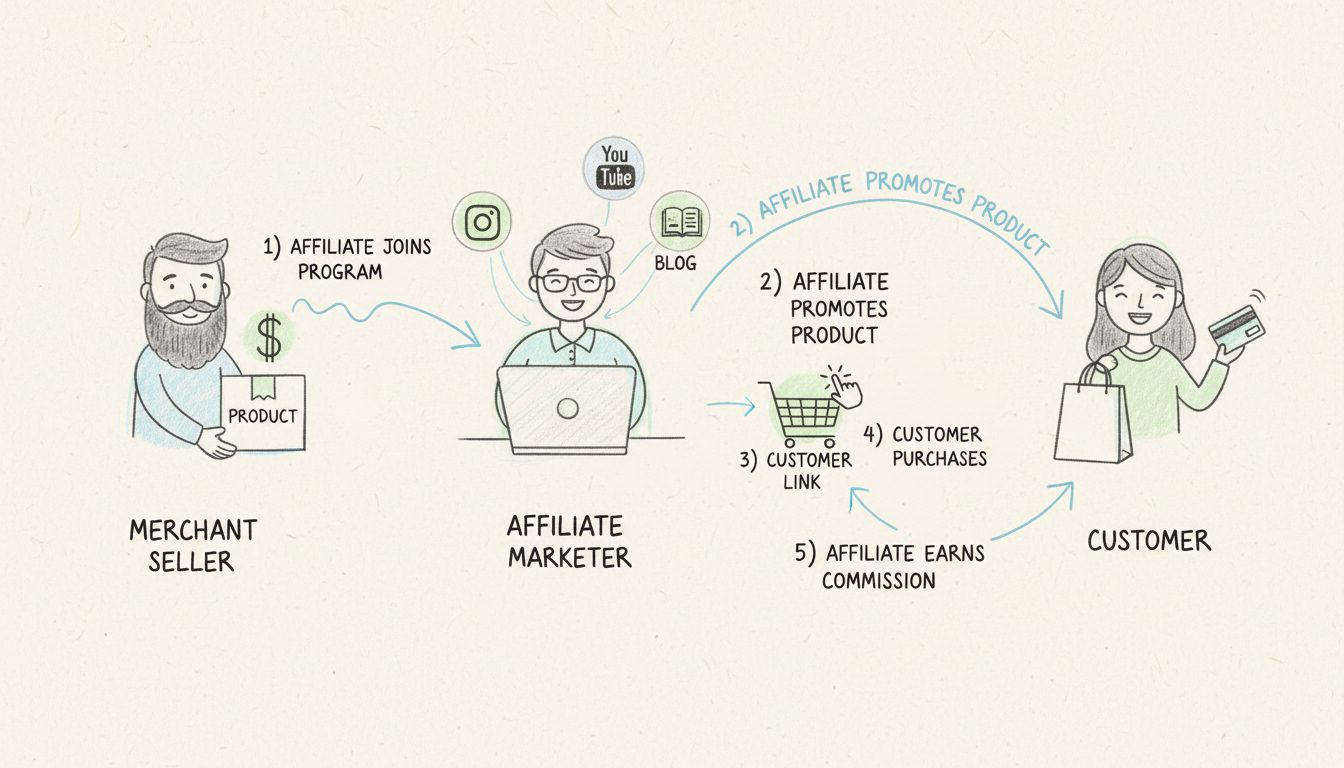
Learn how affiliate marketing works, the key players involved, commission structures, and proven strategies to build a profitable affiliate business. Updated fo...
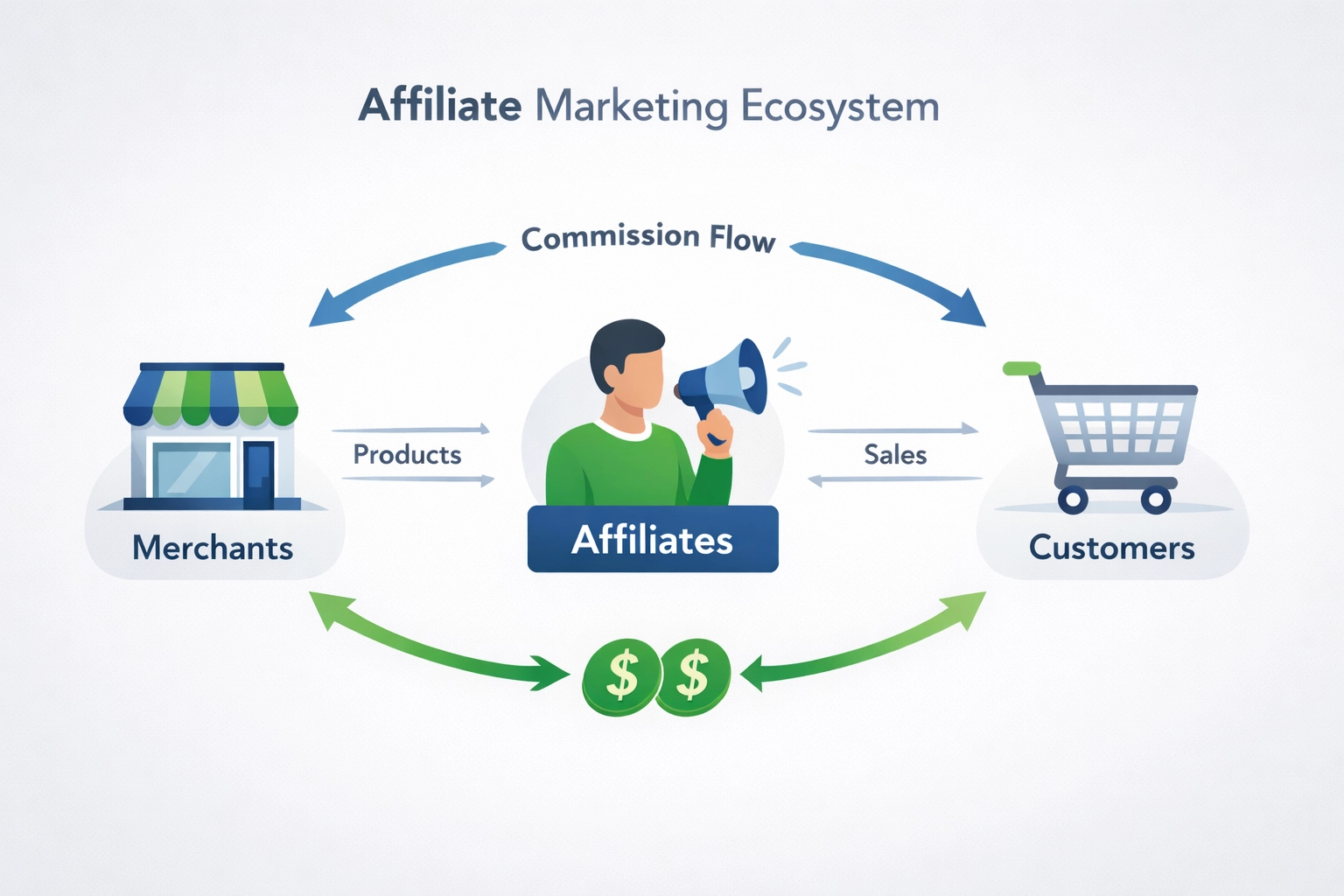
Learn how to set up, optimize, and scale your affiliate marketing program with proven strategies for recruitment, SEO, and social media.
Join our community of happy clients and provide excellent customer support with Post Affiliate Pro.




Cookie Consent
We use cookies to enhance your browsing experience and analyze our traffic. See our privacy policy.