


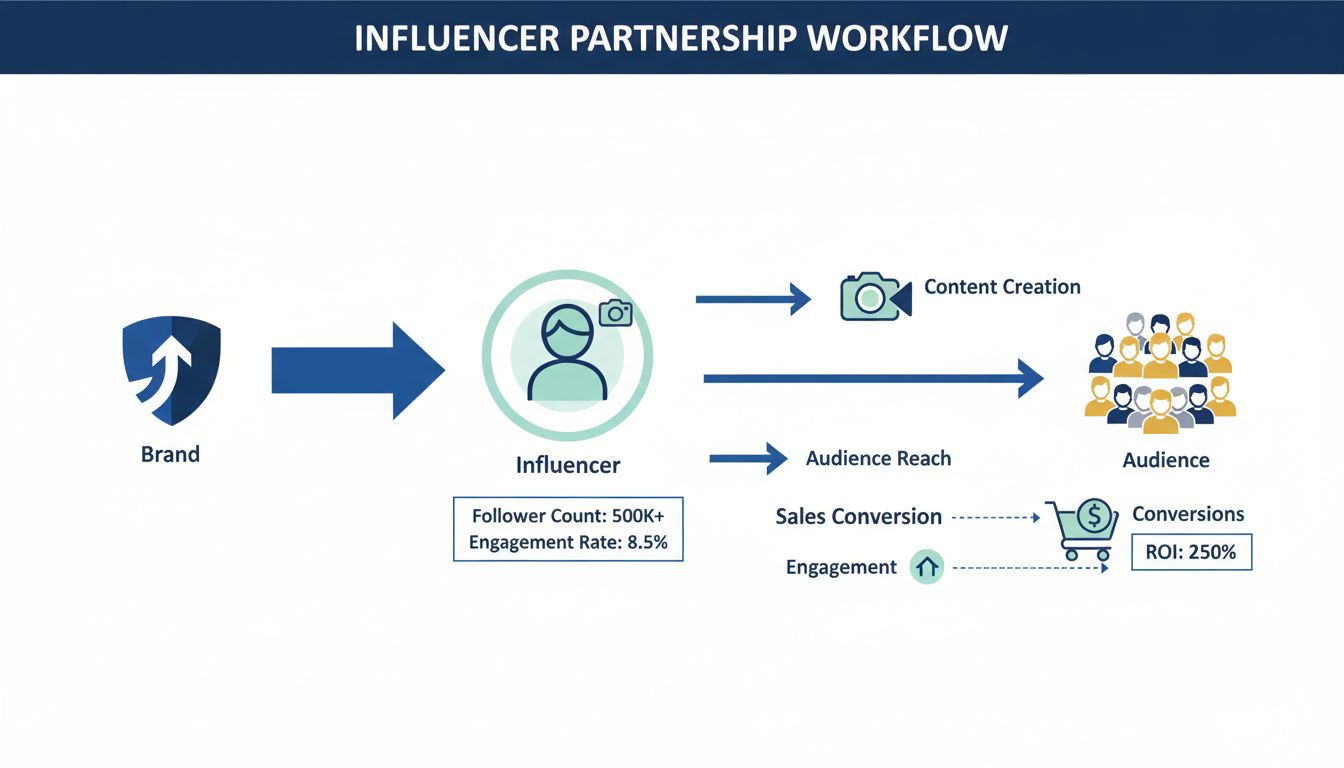
What Are Influencer Partnerships?
Learn what influencer partnerships are, how they work, and why they're essential for brand growth. Discover strategies, ROI metrics, and best practices for succ...
15 min read


how influencer marketing builds authentic relationships and drives conversions for affiliate campaigns. strategies to leverage trusted voices for affiliate
Influencers have cultivated authentic relationships with their followers over months or years, creating a foundation of trust that traditional advertising simply cannot replicate. When an influencer recommends a product or service, their audience perceives it as a personal endorsement rather than a corporate message, a phenomenon known as “borrowed credibility.” Research shows that 86% of US marketers plan to partner with influencers by 2026, recognizing the immense value of this trust factor in driving consumer decisions. This credibility translates directly into higher conversion rates, as followers are more likely to purchase from brands endorsed by people they already trust and respect. The authenticity of influencer recommendations creates a psychological bridge between the product and the consumer, reducing purchase hesitation and objections. For affiliates, leveraging this trust means their marketing efforts benefit from the influencer’s established reputation, making their promotional efforts significantly more effective than cold outreach or traditional advertising channels.

Influencers excel at reaching highly targeted niche audiences that would be expensive or impossible to access through traditional advertising channels. The influencer landscape is diverse, ranging from mega-influencers with millions of followers to nano-influencers with highly engaged micro-communities, each serving different strategic purposes for affiliate marketers. Understanding the different influencer tiers and their characteristics is essential for selecting the right partners for your affiliate campaigns:
| Influencer Type | Follower Count | Engagement Rate | Best For Affiliates |
|---|---|---|---|
| Mega-Influencers | 1M+ | 1-3% | Brand awareness, mass reach |
| Macro-Influencers | 100K-1M | 2-4% | Product launches, broad campaigns |
| Micro-Influencers | 10K-100K | 3-6% | Niche targeting, high conversion |
| Nano-Influencers | <10K | 5-10% | Community building, authenticity |
Micro-influencers, with engagement rates of 3-6%, often deliver superior conversion rates compared to larger accounts because their followers are genuinely interested in their specific niche. Affiliates can leverage this precision targeting to reach audiences most likely to convert, reducing wasted ad spend and improving overall campaign ROI. By strategically selecting influencers whose audiences align with your products or services, you ensure that every promotional effort reaches people with genuine interest in what you’re offering.

Set up advanced tracking in minutes. No credit card required.
Understanding how influencer marketing compares to other affiliate approaches helps affiliates make informed decisions about resource allocation and strategy development:
| Strategy | Reach Potential | Conversion Rate | Customer Quality | Time to Results | Cost Structure | Scalability |
|---|---|---|---|---|---|---|
| Traditional Affiliate Marketing | Moderate | 1-3% | Variable | 3-6 months | Performance-based | High but requires volume |
| Influencer Marketing | High | 5-15% | High | 1-3 months | Hybrid (flat + performance) | High with right partners |
| Influencer-Affiliate Hybrid | Very High | 8-20% | Very High | 2-4 weeks | Performance-based | Very High |
| Paid Advertising | Very High | 2-5% | Moderate | Immediate | CPC/CPM-based | High but expensive |
| Content Marketing | Moderate | 2-4% | High | 6-12 months | Fixed costs | Moderate |
| Email Marketing | Low-Moderate | 3-8% | High | Ongoing | Fixed costs | Moderate |
The comparison illustrates why the influencer-affiliate hybrid model has become increasingly attractive to sophisticated marketers and affiliates. Traditional affiliate marketing excels at scalability and performance-based cost structures but often struggles with conversion rates and customer acquisition speed. Influencer marketing, conversely, delivers superior conversion rates and customer quality but has historically been more expensive and less scalable. By combining these approaches, affiliates can leverage the best characteristics of both models: the performance-based economics of affiliate marketing with the high conversion rates and customer quality of influencer partnerships.

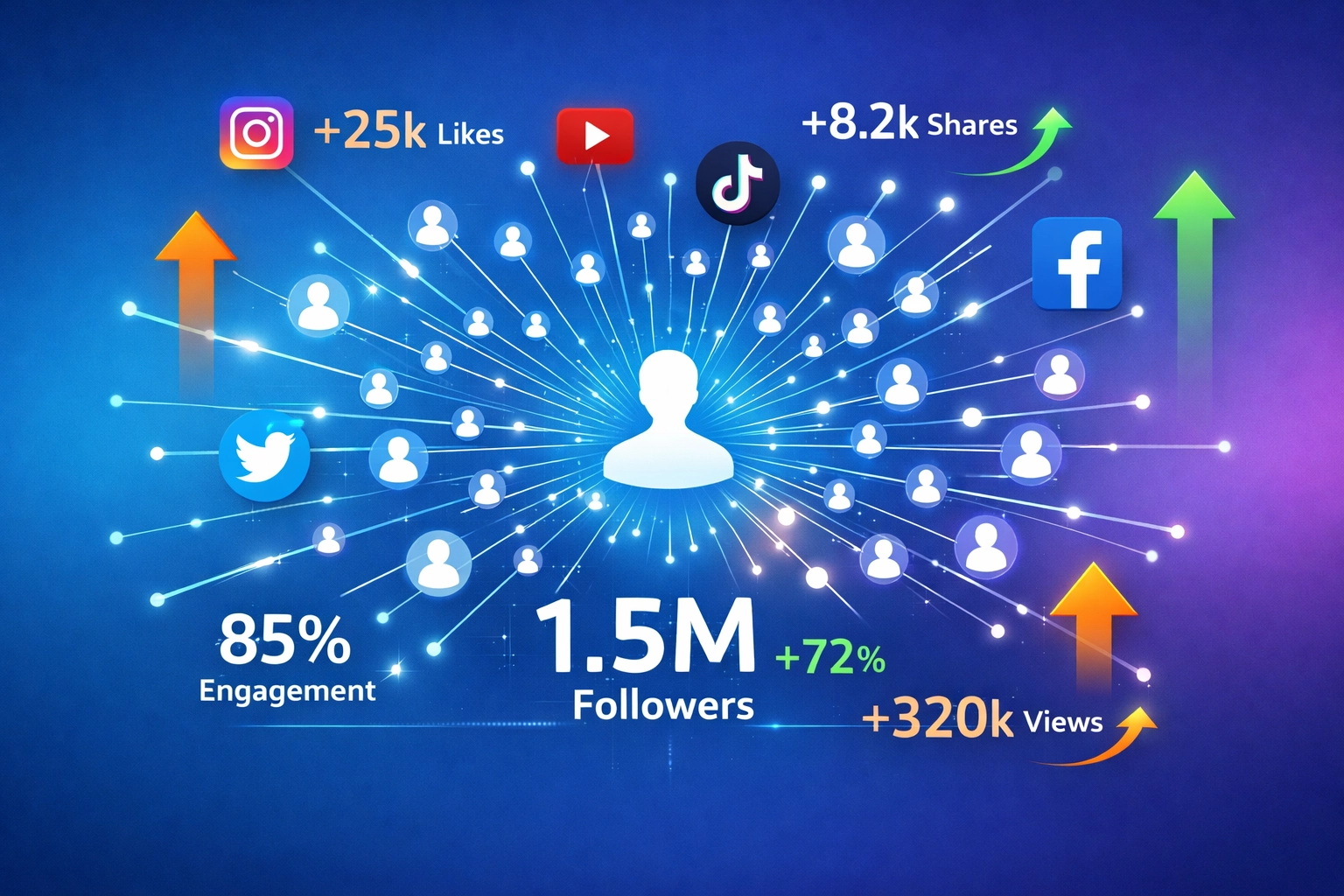
Influencer content generates exponential reach through shares, comments, and reposts, creating a viral amplification effect that extends far beyond the influencer’s immediate follower base. When followers see their peers engaging with and endorsing products, it triggers social proof—the psychological principle that people trust products others have validated—and creates FOMO (fear of missing out) that drives purchasing decisions. The impact of this amplification is significant: 86% of US marketers recognize influencer partnerships as essential for building brand visibility in today’s crowded digital marketplace. This increased visibility doesn’t just generate awareness; it directly contributes to conversions by ensuring your affiliate products remain top-of-mind when consumers are ready to make purchasing decisions. The organic nature of influencer endorsements means the visibility gained feels earned rather than purchased, making it more credible and memorable to audiences. Each piece of influencer content serves as a touchpoint that reinforces your brand message and increases the likelihood of conversion when potential customers encounter your affiliate links.
Be the first to know about new features and product updates.
Influencers are skilled content creators who understand how to craft compelling narratives that resonate with their audiences in ways that traditional advertising cannot match. Unlike conventional ads that interrupt and promote, influencers weave products into authentic storytelling that feels natural and genuine, making their recommendations feel like advice from a trusted friend rather than a sales pitch. The quality of influencer-created content significantly impacts engagement and conversion rates, as audiences respond more positively to content that entertains, educates, or inspires rather than purely sells. Each influencer brings a unique voice and perspective to product recommendations, allowing them to showcase how products fit into real-life scenarios and solve actual problems their followers face. This authentic approach to content creation builds stronger emotional connections between consumers and brands, which translates into higher conversion rates and increased customer lifetime value. For affiliates, partnering with influencers means accessing professionally produced, engaging content that drives results without the expense of creating that content in-house.
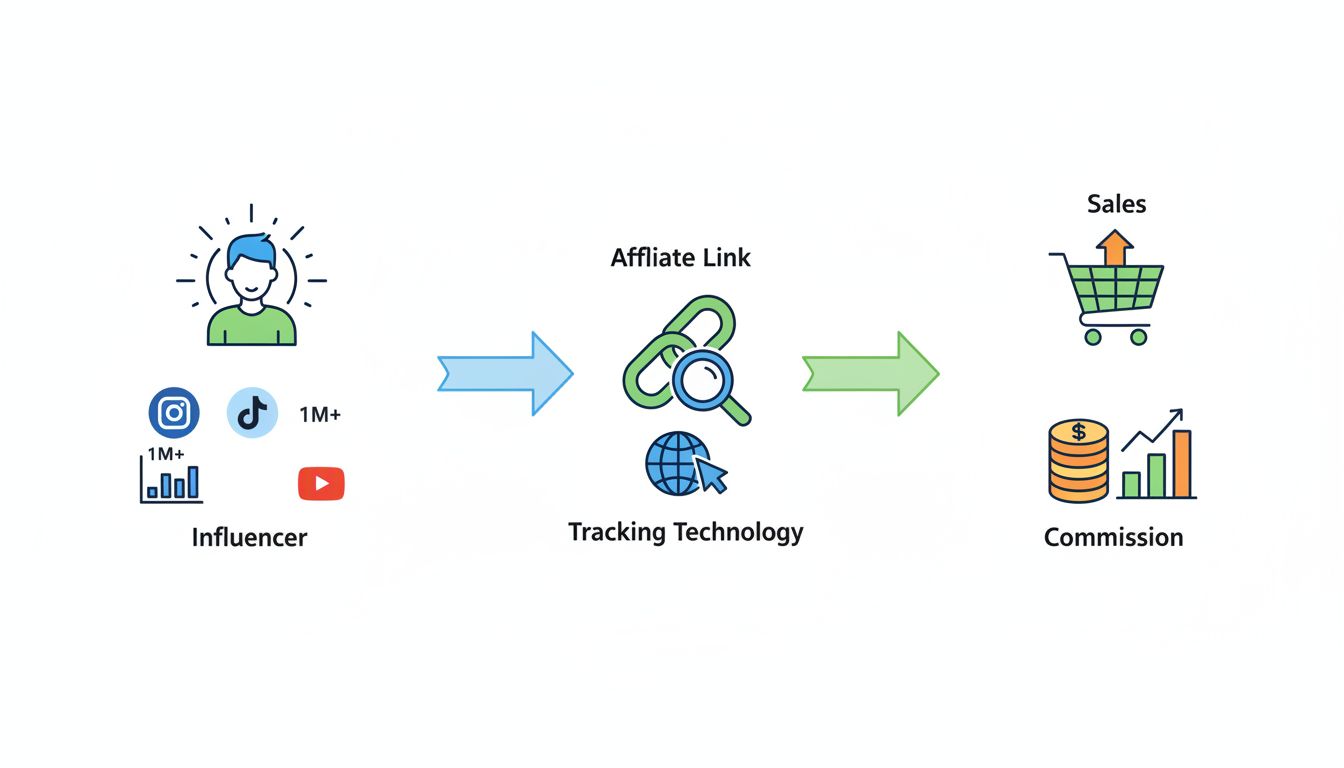
One of the greatest advantages of affiliate marketing with influencers is the ability to track every interaction and conversion with precision through unique affiliate links and custom discount codes. Affiliates can monitor critical performance metrics including clicks, conversions, ROAS (Return on Ad Spend), and CPA (Cost Per Acquisition), providing complete visibility into campaign effectiveness. Modern affiliate software solutions like PostAffiliatePro enable real-time tracking of influencer performance, allowing you to identify top-performing partners and optimize your strategy based on concrete data rather than assumptions. This data-driven approach transforms influencer marketing from a speculative investment into a measurable, accountable channel where you only pay for actual results. The pay-for-performance model inherent in affiliate marketing ensures that influencers are incentivized to drive genuine conversions rather than simply generating vanity metrics like impressions or likes. By leveraging comprehensive tracking capabilities, affiliates can continuously refine their influencer partnerships, scaling what works and eliminating what doesn’t, ensuring maximum return on investment.
While one-off influencer campaigns can generate short-term spikes in traffic and sales, long-term partnerships create sustained growth and compounding returns that far exceed single-engagement efforts. When influencers promote your affiliate products repeatedly over time, audiences experience repeated exposure that builds brand recognition and loyalty, making them more likely to convert on subsequent recommendations. Long-term relationships allow you to negotiate better commission structures and volume-based incentives, reducing your acquisition costs while increasing influencer motivation to drive quality traffic. Treating influencers as brand ambassadors rather than one-time contractors creates mutual investment in success, encouraging them to authentically integrate your products into their content and recommend them to their audiences. These sustained partnerships also provide stability and predictability in your affiliate revenue streams, as established influencers develop consistent audiences and proven conversion patterns. By investing in long-term influencer relationships, affiliates build a reliable network of promotional channels that generate ongoing revenue with lower acquisition costs than constantly recruiting new partners.
Successful influencer affiliate marketing begins with strategic selection based on clear criteria including niche alignment, audience demographics, engagement rates, and authenticity of the influencer’s personal brand. The selection process should evaluate whether the influencer’s audience demographics match your target customer profile, ensuring that promotional efforts reach people most likely to convert. Tools like BuzzSumo, Upfluence, and Heepsy provide data-driven insights into influencer performance metrics, audience composition, and engagement patterns, enabling informed decision-making rather than guesswork. Audience alignment is critical—an influencer with millions of followers in an unrelated niche will generate fewer conversions than a micro-influencer whose followers are genuinely interested in your product category. Evaluating authenticity involves examining whether the influencer’s previous recommendations align with their personal brand and whether their engagement comes from genuine followers or purchased metrics. Red flags to watch for include sudden follower spikes, engagement that seems artificially inflated, or recommendations that contradict the influencer’s established values and previous content, all of which indicate potential fraud or inauthenticity that could damage your brand.
Influencers operate across diverse platforms—Instagram, YouTube, TikTok, Pinterest, Twitter, and Facebook—each offering unique advantages and reaching different audience segments with varying content preferences and consumption patterns. Instagram excels for visual product showcases and lifestyle integration, YouTube provides long-form content opportunities for detailed product reviews, TikTok reaches younger demographics through entertaining short-form content, and Pinterest drives high-intent traffic from users actively seeking product recommendations. By leveraging influencers across multiple platforms, affiliates can diversify their reach and reduce dependence on any single channel, protecting against algorithm changes or platform-specific challenges. Different platforms also attract different audience segments—TikTok skews younger, Pinterest attracts more female users interested in lifestyle and home products, while YouTube reaches broad demographics seeking detailed information. Diversification across platforms also allows you to test different messaging and creative approaches, identifying which resonates most strongly with your target audience. Strategic multi-platform influencer partnerships create a comprehensive promotional ecosystem that maximizes reach, engagement, and conversion opportunities across the entire digital landscape.

Influencer affiliate marketing faces several challenges including market oversaturation, potential audience mismatch, rising influencer costs, ROI uncertainty, and the difficulty of maintaining brand control when delegating promotional efforts to external partners. The influencer space has become increasingly crowded, making it harder to stand out and requiring more strategic selection to identify partners who can genuinely move the needle for your affiliate business. FTC compliance and transparency requirements mandate that influencers clearly disclose sponsored content, and affiliates must ensure their partners follow these guidelines to protect brand reputation and avoid regulatory penalties. Best practices include establishing clear agreements that outline expectations, commission structures, content guidelines, and performance metrics, ensuring alignment between affiliates and influencers from the outset. Maintaining brand control requires setting clear parameters around messaging, product positioning, and audience targeting while still allowing influencers creative freedom to present products authentically to their followers. By addressing these challenges proactively through careful partner selection, clear communication, and comprehensive tracking, affiliates can maximize the benefits of influencer marketing while minimizing risks and ensuring sustainable, profitable partnerships.
The influencer marketing landscape continues to evolve, with emerging trends including AI-powered influencer identification and matching, increasing focus on micro and nano-influencers for their superior authenticity and engagement, and growing emphasis on long-term partnerships over transactional campaigns. As the affiliate industry is projected to grow 18.86% annually, reaching $40 billion by 2032, influencer marketing will play an increasingly central role in affiliate success, making it essential to stay ahead of emerging trends. The shift toward micro-influencers reflects a broader market recognition that authenticity and genuine audience connection matter more than follower counts, a trend that will continue as consumers become more skeptical of traditional advertising. Technology advancements in tracking, attribution, and performance analytics will enable more sophisticated influencer selection and optimization, allowing affiliates to make increasingly data-driven partnership decisions. PostAffiliatePro and similar platforms will continue evolving to support these trends, providing enhanced tools for influencer management, performance tracking, and partnership optimization. As influencer marketing matures, affiliates who embrace these evolving trends and invest in authentic, strategic partnerships will position themselves to capture disproportionate share of the growing affiliate revenue opportunity.
Influencer affiliate marketing is a strategy where brands partner with social media influencers who promote their products or services using unique affiliate links or codes. The influencers earn a commission on any sales made through their referrals, combining the power of influencer credibility with performance-based affiliate marketing.
Influencers have built authentic relationships with their followers, creating trust that translates to higher conversion rates. When influencers recommend products, their audience perceives it as a personal endorsement rather than traditional advertising, making followers more likely to purchase through affiliate links.
Micro-influencers (10K-100K followers) often deliver the best ROI for affiliate programs due to their engagement rates of 3-6% and highly targeted niche audiences. However, the best choice depends on your product, target market, and campaign goals. A mix of influencer tiers often works best.
Use unique affiliate links or discount codes assigned to each influencer to track clicks, conversions, and revenue generated. Affiliate software solutions like PostAffiliatePro provide comprehensive analytics dashboards that monitor key metrics including ROAS, CPA, and conversion rates in real-time.
Key benefits include access to trusted voices that build credibility, reaching highly targeted niche audiences, amplified brand visibility through social sharing, authentic content creation, measurable results through tracking, and the ability to build long-term partnerships that reduce acquisition costs.
Compensation varies based on influencer tier and audience size. Micro-influencers might charge $100-$500 per post, while macro-influencers charge significantly more. Many affiliates use commission-only models where influencers earn a percentage of sales, aligning incentives and reducing upfront costs.
Common mistakes include selecting influencers with misaligned audiences, failing to provide unique tracking links, not establishing clear agreements, ignoring FTC disclosure requirements, and treating influencers as one-time vendors rather than long-term partners. Avoid these by vetting carefully and building genuine relationships.
PostAffiliatePro provides comprehensive tools for recruiting, managing, and tracking influencer affiliates. Features include unique link generation, real-time performance tracking, commission management, fraud detection, and detailed analytics that help you optimize influencer partnerships and maximize ROI.
PostAffiliatePro makes it easy to recruit, manage, and track influencer affiliates. Streamline your influencer partnerships and watch your conversions soar.
Learn what influencer partnerships are, how they work, and why they're essential for brand growth. Discover strategies, ROI metrics, and best practices for succ...

Learn proven strategies to build trust with your blog audience while promoting affiliate products. Discover how to maintain credibility through authentic recomm...

Learn why honesty builds trust in affiliate marketing. FTC compliance requirements, disclosure best practices, and how transparency drives long-term success.
Join our community of happy clients and provide excellent customer support with Post Affiliate Pro.




Cookie Consent
We use cookies to enhance your browsing experience and analyze our traffic. See our privacy policy.