


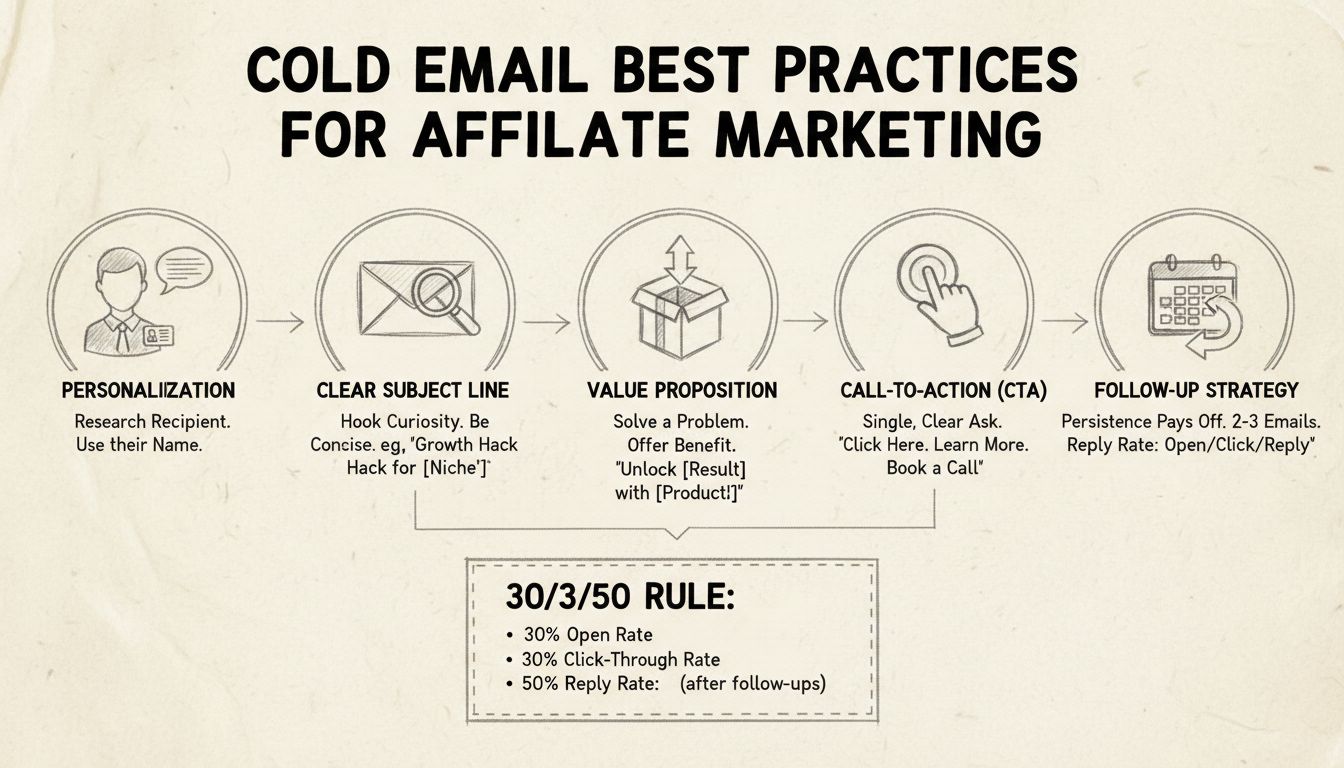
What Makes a Good Cold Email for Affiliate Marketing?
Learn what makes a good cold email for affiliate marketing. Discover personalization techniques, subject line strategies, and proven tactics to boost response r...
14 min read

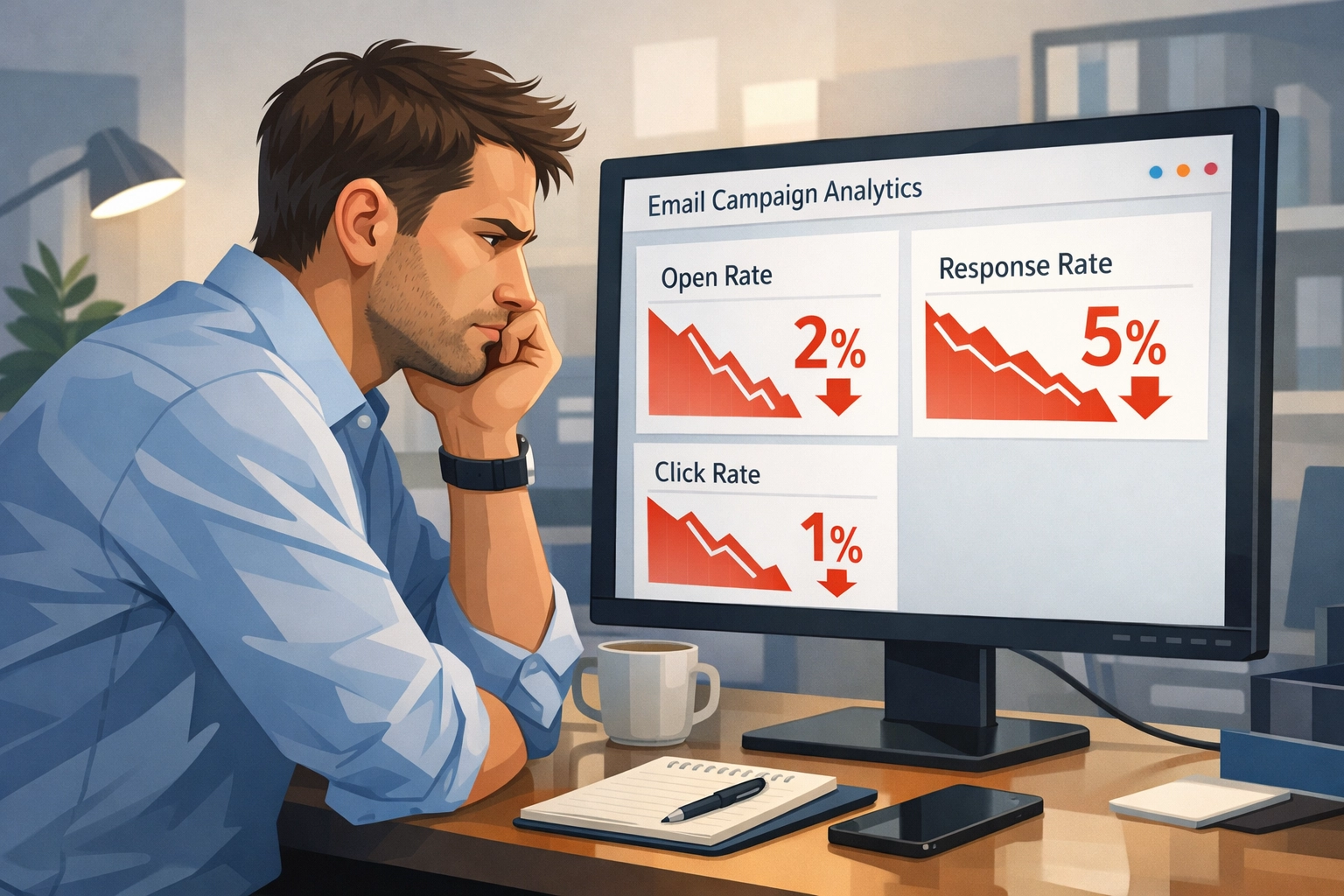
Master cold email response rates with proven strategies: personalization, subject line optimization, follow-up sequences, A/B testing
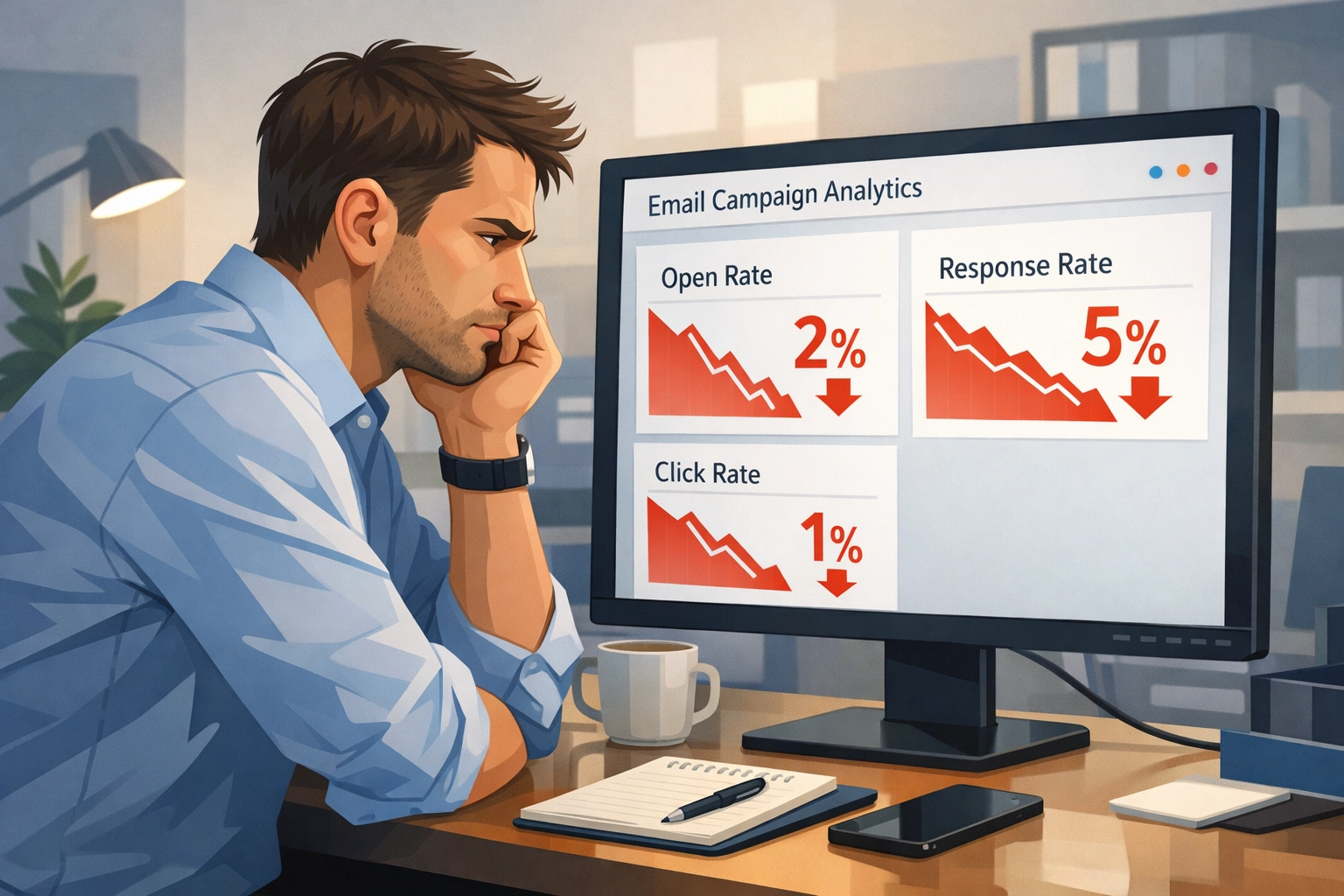
Cold email remains one of the most cost-effective channels for B2B outreach, yet most campaigns fail silently. The average cold email response rate hovers between 1-5%, meaning that for every 100 emails sent, you’re lucky to get 5 meaningful replies. This seemingly small percentage compounds into significant business impact: a 2% response rate versus a 5% response rate on a 10,000-person campaign represents 300 additional conversations with potential customers. When you consider the cost of lost opportunities, wasted sending infrastructure, and the time your sales team spends on unresponsive lists, poor response rates become an expensive problem that demands immediate attention.
Your subject line is the gatekeeper between your email and the inbox—it determines whether someone even opens your message. Personalized subject lines achieve a 35.69% open rate, compared to just 16.67% for generic subject lines, nearly doubling your chances of engagement before your message is even read. The psychology behind this is straightforward: people respond to relevance and recognition. When a subject line mentions something specific to the recipient—their company name, recent news, or a mutual connection—it signals that this isn’t a mass-blast template. The most effective subject lines create curiosity without being clickbait, establish credibility, and promise clear value in just a few words.
| Subject Line Type | Average Open Rate | Best For | Risk Level |
|---|---|---|---|
| Personalized with company name | 35.69% | B2B outreach, decision makers | Low |
| Generic/templated | 16.67% | Mass campaigns, brand awareness | High |
| Question-based | 28-32% | Engagement, curiosity | Medium |
| Urgency/time-sensitive | 22-26% | Limited offers, events | Medium-High |
| Curiosity gap | 30-34% | Intrigue, follow-ups | Medium |
| Social proof/referral | 32-38% | Warm introductions, credibility | Low |
The key is testing what resonates with your specific audience—what works for SaaS founders may fall flat with manufacturing executives.


Set up advanced tracking in minutes. No credit card required.
True personalization goes far beyond inserting someone’s first name into a template. Research shows that emails with personalization see 29% higher open rates and 41% higher click-through rates compared to non-personalized messages. This deeper level of personalization requires genuine research: understanding the recipient’s role, their company’s recent announcements, their industry challenges, and their professional goals. When you reference a specific achievement—“I saw your company just launched a new product in the European market”—or acknowledge a particular pain point relevant to their role, you demonstrate that you’ve done your homework. Role-specific messaging is critical here; a CFO cares about ROI and cost reduction, while a VP of Marketing focuses on lead generation and brand awareness. The most effective cold emails weave in 2-3 specific details that show you understand not just who they are, but why your message matters to them specifically. This approach transforms your email from a generic pitch into a personalized conversation starter.
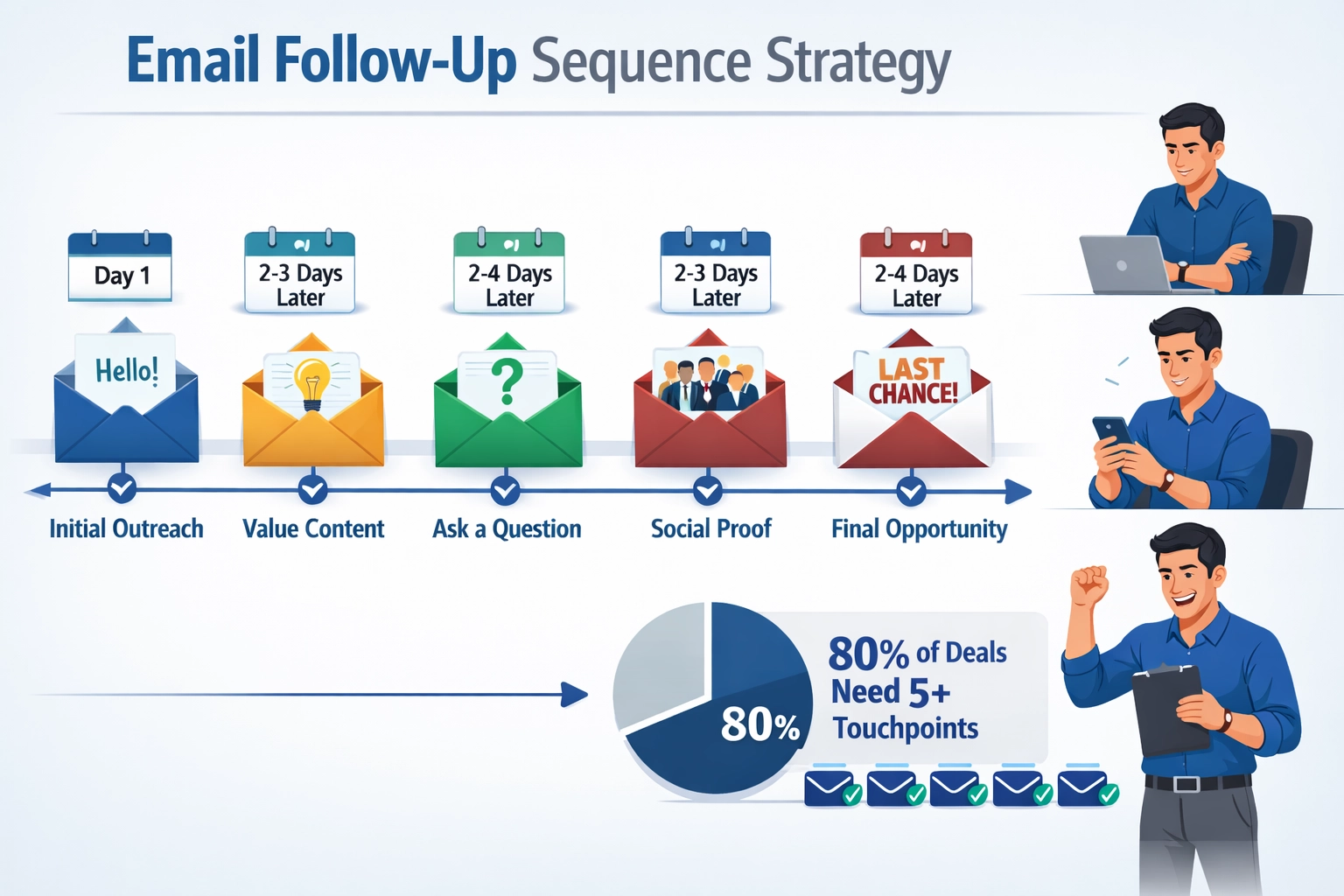
Most cold email campaigns fail not because the initial email is weak, but because they don’t follow up. Research indicates that 80% of deals require at least 5 touchpoints before conversion, yet the average salesperson sends only 1-2 emails before giving up. Your follow-up sequence should be strategically timed, with 2-4 days between each touchpoint, allowing enough time for the recipient to see and consider your message without becoming annoying. Each follow-up should take a different angle rather than simply repeating your initial pitch. Your first follow-up might add new value—a relevant article or case study. Your second could pose a thoughtful question that invites dialogue. Your third might reference a mutual connection or recent company news. This varied approach keeps your sequence fresh and gives the recipient multiple reasons to engage. The psychology here is important: people are busy, and your first email might have been missed entirely. A well-executed follow-up sequence demonstrates persistence and genuine interest, not desperation.
Be the first to know about new features and product updates.
Cold email success requires systematic testing, not guesswork. A/B testing allows you to isolate variables and understand what actually drives responses in your specific market. The elements worth testing include:
To measure success effectively, track metrics beyond just open rates: response rate (replies divided by emails sent), click-through rate (if including links), and most importantly, qualified conversation rate (replies that indicate genuine interest). Run each test on a statistically significant sample—at least 100-200 emails per variation—and give it time to mature before drawing conclusions. Many marketers make the mistake of testing too many variables simultaneously, which makes it impossible to know what actually caused the improvement. Test one element at a time, document your results, and compound small improvements into significant gains over time.
Even the most compelling email fails if it lands in spam. Your sender reputation is built on consistent sending practices and list quality. Maintain a bounce rate below 0.5% by regularly cleaning your email list, removing hard bounces, and monitoring spam complaints. Implement proper email authentication protocols—SPF, DKIM, and DMARC—which verify that you’re authorized to send from your domain and significantly improve inbox placement. Avoid spam trigger words (excessive capitalization, too many exclamation marks, phrases like “act now” or “limited time”), and never purchase email lists; instead, build your list organically through research and verification. Your email service provider’s reputation matters too—sending from a shared IP with poor senders can tank your deliverability. Monitor your sender score regularly and maintain engagement metrics by removing inactive subscribers who haven’t opened emails in 6+ months. Technical excellence in deliverability is invisible when it works, but catastrophic when it fails—it’s the foundation that allows all your other optimization efforts to actually reach the inbox.
Improving cold email response rates isn’t about sending more emails—it’s about sending smarter emails. Start with the fundamentals: personalize beyond the name, craft compelling subject lines that achieve 35%+ open rates, and maintain impeccable list hygiene with bounce rates below 0.5%. Build a strategic follow-up sequence with 3-5 touchpoints spaced 2-4 days apart, each offering new value or a different angle. Test systematically—subject lines, email length (50-125 words is optimal), CTAs, and send times—on statistically significant samples of 100-200 emails. Most importantly, remember that 80% of deals require at least 5 touchpoints, so persistence with varied messaging is essential. When you combine personalization, strategic follow-ups, and continuous optimization, you can realistically move from the 1-2% response rate average to 5%+ or higher, transforming cold email from a numbers game into a genuine relationship-building channel.
A good cold email response rate typically ranges from 3-5%, with top performers achieving 10-15% or higher. The average response rate across industries is 1-5%, so anything above 5% indicates strong personalization and targeting. Response rates vary by industry, audience quality, and email quality, so benchmark against your specific market.
Cold emails should be concise and focused, ideally between 50-125 words. Research shows that shorter emails (under 100 words) achieve nearly 50% reply rates, while longer emails lose engagement. Keep your message to 3-4 short paragraphs that cover: personalized opening, clear value proposition, and specific call-to-action.
Send 3-5 follow-up emails spaced 2-4 days apart. Research indicates that 80% of deals require at least 5 touchpoints before conversion, yet most salespeople give up after 1-2 emails. Each follow-up should offer new value or take a different angle rather than repeating your initial pitch.
Test subject lines (personalized vs. generic), email length, call-to-action wording, send times, and sender name. Run each test on 100-200 emails minimum to ensure statistical significance. Track response rates, open rates, and click-through rates to identify winning variations, then apply them to larger campaigns.
Personalization is critical—personalized emails achieve 29% higher open rates and 41% higher click-through rates compared to generic messages. Beyond using names, research your recipient's role, company achievements, and industry challenges. Reference specific details to demonstrate genuine interest and increase response likelihood.
Maintain a bounce rate below 0.5%, implement email authentication (SPF, DKIM, DMARC), avoid spam trigger words, and clean your list regularly. Monitor your sender reputation score, remove inactive subscribers, and use a reputable email service provider. Poor deliverability means your best emails never reach the inbox.
Send emails during business hours (9 AM - 5 PM) in the recipient's timezone, ideally Tuesday-Thursday. Research shows 47.9% of B2B professionals read emails between 9 AM-12 PM. However, test different send times with your specific audience, as optimal timing varies by industry and role.
Avoid attachments in initial cold emails as they trigger spam filters and create friction. Links are acceptable if they add value (case study, resource), but keep them minimal. Save detailed materials for follow-ups after the recipient shows interest. Focus your first email on starting a conversation, not closing a deal.
PostAffiliatePro helps you manage, track, and optimize your entire affiliate email campaigns with built-in analytics, automated follow-ups, and performance metrics to maximize response rates and conversions.
Learn what makes a good cold email for affiliate marketing. Discover personalization techniques, subject line strategies, and proven tactics to boost response r...
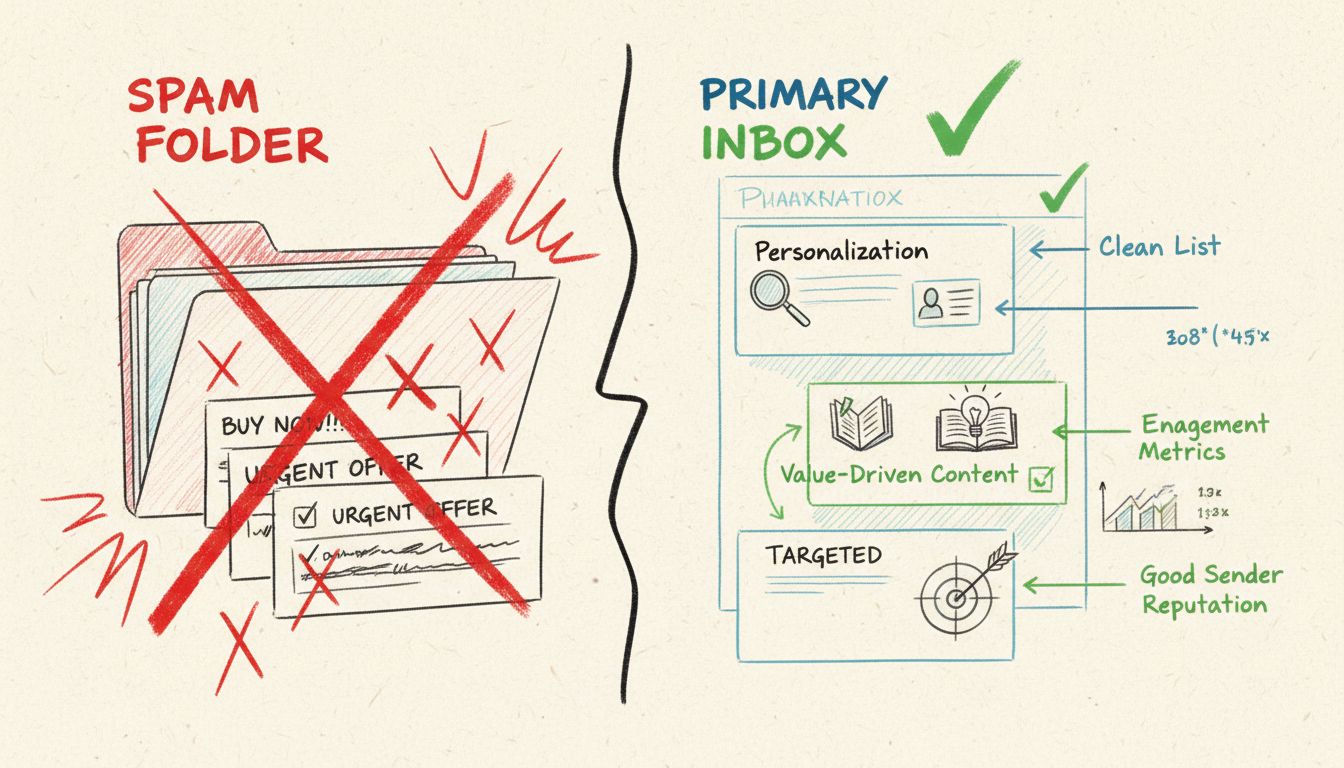
Discover why cold emails remain effective in 2025 and learn proven strategies to avoid spam folders. Expert guide on personalization, sender reputation, and ema...
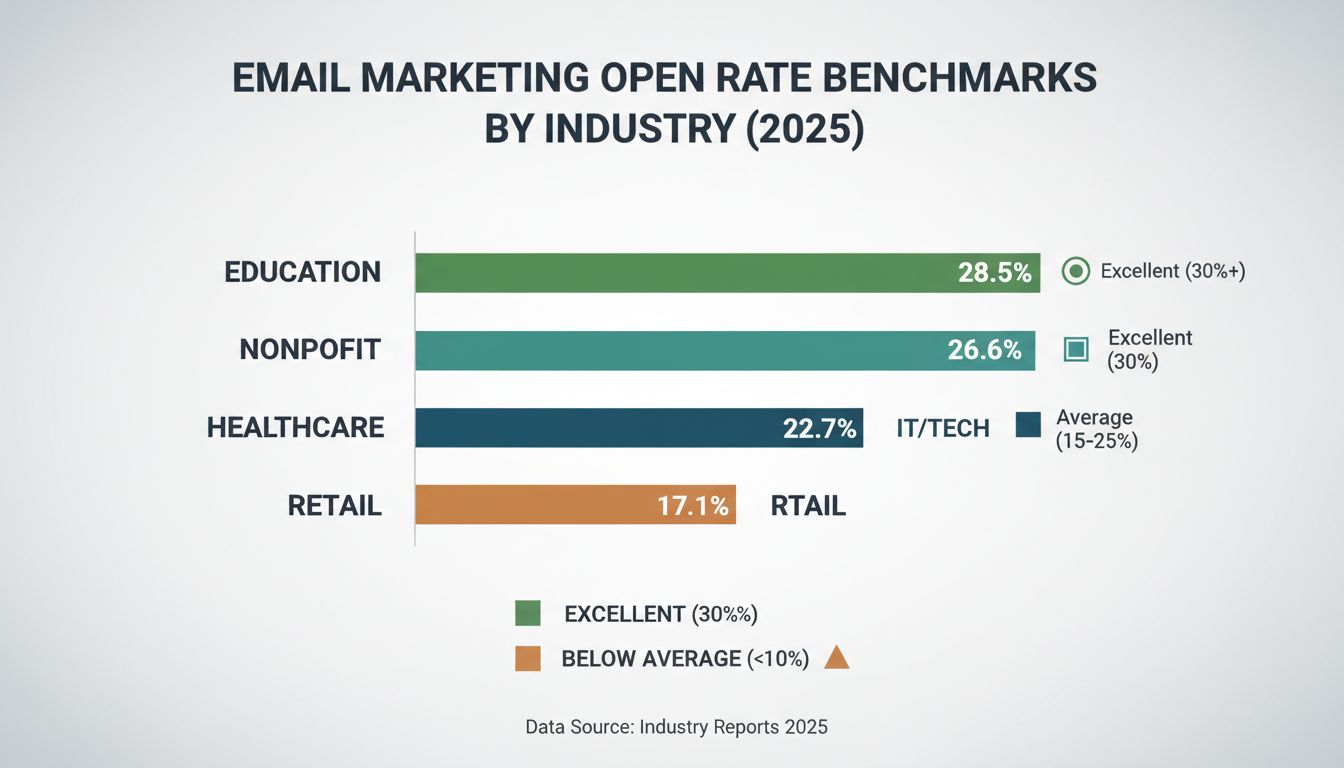
Discover what constitutes a good email open rate by industry in 2025. Learn benchmarks, factors affecting open rates, and proven strategies to improve your emai...
Join our community of happy clients and provide excellent customer support with Post Affiliate Pro.




Cookie Consent
We use cookies to enhance your browsing experience and analyze our traffic. See our privacy policy.