


How to Improve Your Chances of Being Accepted by Affiliate Networks
Learn proven strategies to increase your affiliate network acceptance rate. Discover how to polish your website, select relevant programs, and demonstrate marke...
12 min read


proven strategies to increase your affiliate program approval rate. what networks look for, how to build authority, and actionable tips to get accepted faster.
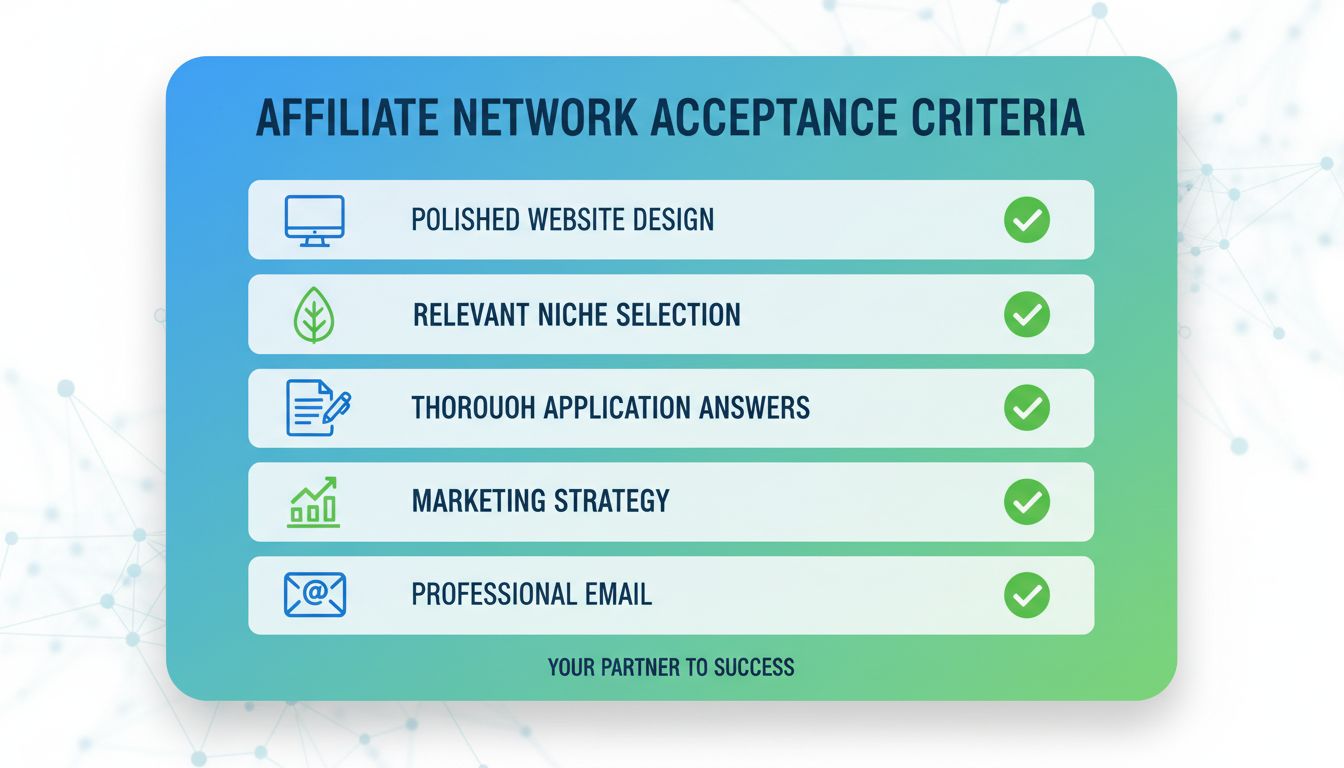
Your website is the first impression affiliate networks have of your business, and it directly influences approval decisions. A professional, well-designed website signals credibility and legitimacy to network managers reviewing your application. This means investing in a custom domain name (not a free subdomain), ensuring your site loads quickly across all devices, and implementing responsive design that works seamlessly on mobile phones and tablets. Beyond aesthetics, affiliate networks evaluate your site’s navigation clarity, page organization, and overall user experience—factors that demonstrate you understand how to present information effectively to your audience. Networks want to partner with publishers who can drive quality traffic and conversions, and a polished website proves you’re serious about your online presence.
Niche selection is one of the most critical factors in affiliate program approval, as networks prioritize applicants whose content naturally aligns with their products and services. When your website focuses on a specific industry or audience segment, you demonstrate expertise and authentic interest in promoting relevant solutions—not just chasing commissions. Affiliate networks recognize that publishers with genuine audience alignment generate higher conversion rates and lower fraud risk, making them more valuable partners. Your audience expectations matter too; if your readers trust you for fitness advice, promoting financial products will feel inauthentic and damage your credibility. By selecting programs that complement your existing content and audience interests, you position yourself as a trustworthy partner rather than a generic traffic source.
| Niche Type | Best Affiliate Programs | Approval Likelihood |
|---|---|---|
| Tech/Gadgets | Amazon Associates, Best Buy, Newegg, Tech review networks | Very High |
| Fitness/Wellness | MyFitnessPal, Peloton, Supplement retailers, Gym equipment brands | High |
| Finance/Investing | Robo-advisors, Brokerages, Credit card networks, Insurance providers | Medium-High |
| E-commerce/Shopping | Amazon Associates, Shopify, WooCommerce, Dropshipping platforms | High |
| Content/Blogging | WordPress hosting, Email marketing tools, SEO software, Design tools | Very High |

Set up advanced tracking in minutes. No credit card required.
Content quality is the primary metric affiliate networks use to assess your promotional capability, and it goes far beyond simply writing product reviews. Networks evaluate whether your content provides genuine value to readers through original research, detailed product comparisons, comprehensive tutorials, and expert insights that showcase your knowledge in your niche. High-performing affiliates create content that answers specific audience questions and solves real problems, rather than pushing products for commission. This includes developing in-depth comparison guides that honestly evaluate multiple solutions, creating video tutorials that demonstrate product features, and writing case studies that show real-world results. Search engine optimization matters too—networks want partners whose content ranks well and attracts organic traffic, proving your ability to reach audiences at scale. By consistently publishing authoritative, well-researched content, you build a portfolio that demonstrates you’re a serious publisher capable of driving meaningful traffic and conversions.
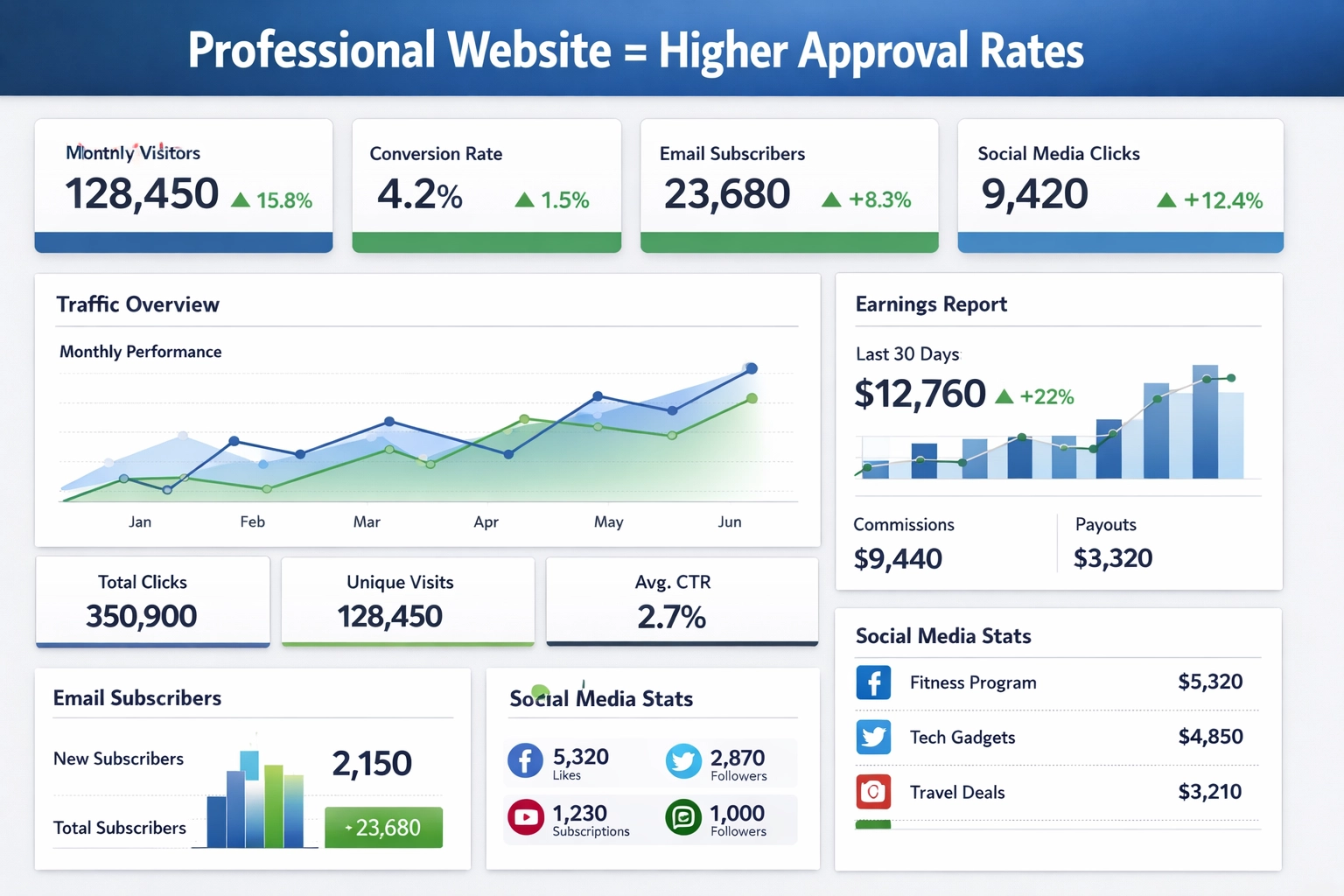
Affiliate networks care far more about engagement quality than raw follower counts, making it essential to understand which metrics matter most when applying. While monthly website traffic is important, networks also evaluate your audience’s behavior through engagement rates, email subscriber lists, social media interaction patterns, and demographic alignment with their target customers. These metrics reveal whether your audience is genuinely interested in your content and likely to convert on affiliate offers. Here are the key metrics you should track and highlight in your applications:

Be the first to know about new features and product updates.
Your affiliate application is your opportunity to make a compelling case for partnership, and generic, template-based applications get rejected at significantly higher rates than customized submissions. Take time to research each affiliate program and explain specifically why your audience would benefit from their products, demonstrating you’ve done your homework rather than applying to every network indiscriminately. Use a professional email address associated with your domain (not a Gmail or Yahoo account), include a detailed media kit showing your traffic statistics and audience demographics, and clearly outline your promotional strategy—how you plan to promote their products across your channels. Transparency is non-negotiable; clearly state your traffic sources, explain your audience composition, and be honest about your current metrics rather than inflating numbers. Networks appreciate applicants who understand the partnership is mutually beneficial and who approach the relationship professionally from day one.
Compliance with FTC disclosure requirements and affiliate regulations is mandatory for approval and long-term partnership success, as networks face significant legal liability if their affiliates operate outside regulatory guidelines. Every affiliate promotion must include clear, conspicuous disclosures that inform readers you’re earning a commission, typically using language like “This post contains affiliate links” or “I earn a commission from qualifying purchases.” Your website should feature a comprehensive privacy policy explaining how you collect and use visitor data, an affiliate disclaimer page detailing your disclosure practices, and clear terms of service that outline your content policies. Different regions have different requirements—the FTC in the United States, GDPR in Europe, and various other regulations globally—so research the specific compliance obligations for your audience location. Networks conduct due diligence on applicants to ensure brand safety and legal compliance, so demonstrating your commitment to these standards significantly improves approval chances and protects your long-term earning potential.

Most affiliate application rejections stem from preventable issues that reveal a lack of preparation or professionalism, making it crucial to understand what networks look for when evaluating submissions. Insufficient traffic remains the most common rejection reason—most networks require a minimum of 5,000-10,000 monthly visitors, though premium programs may demand significantly higher numbers. Poor website quality, including slow loading speeds, outdated design, broken links, or thin content, signals you’re not serious about your online presence. Networks also reject applications from publishers whose content doesn’t align with their products, those using suspicious traffic sources (bot traffic, paid traffic farms, or other fraudulent methods), and applicants who lack transparency about their audience and promotional methods. Additionally, incomplete applications missing key information like traffic statistics, audience demographics, or promotional strategy details often get rejected without consideration. By addressing these factors before applying—ensuring adequate traffic, professional website quality, authentic content alignment, and transparent disclosure of your metrics—you dramatically increase your approval odds.
Rejection isn’t permanent, and many successful affiliates have been rejected initially before gaining approval through strategic improvements and persistence. Request detailed feedback from the network explaining why your application was declined; many networks provide specific reasons that guide your improvement efforts. Use this feedback to make meaningful changes—whether that’s increasing your traffic through SEO optimization, improving your website design, creating more relevant content, or building a larger email list—before reapplying after 30-60 days. Rather than putting all your effort into a single network, diversify your affiliate applications across multiple programs in your niche, as different networks have different approval criteria and some may accept you while others decline. Building relationships with affiliate managers through professional communication, attending industry events, and demonstrating consistent growth over time can also improve your chances of eventual approval. Remember that affiliate networks want to approve quality publishers; if you’re rejected, it’s typically because you haven’t yet met their specific requirements, not because you’re fundamentally unsuitable for partnership.
PostAffiliatePro makes it easy to manage affiliate approvals, track performance, and scale your program with the industry's leading affiliate software solution.
Learn proven strategies to increase your affiliate network acceptance rate. Discover how to polish your website, select relevant programs, and demonstrate marke...
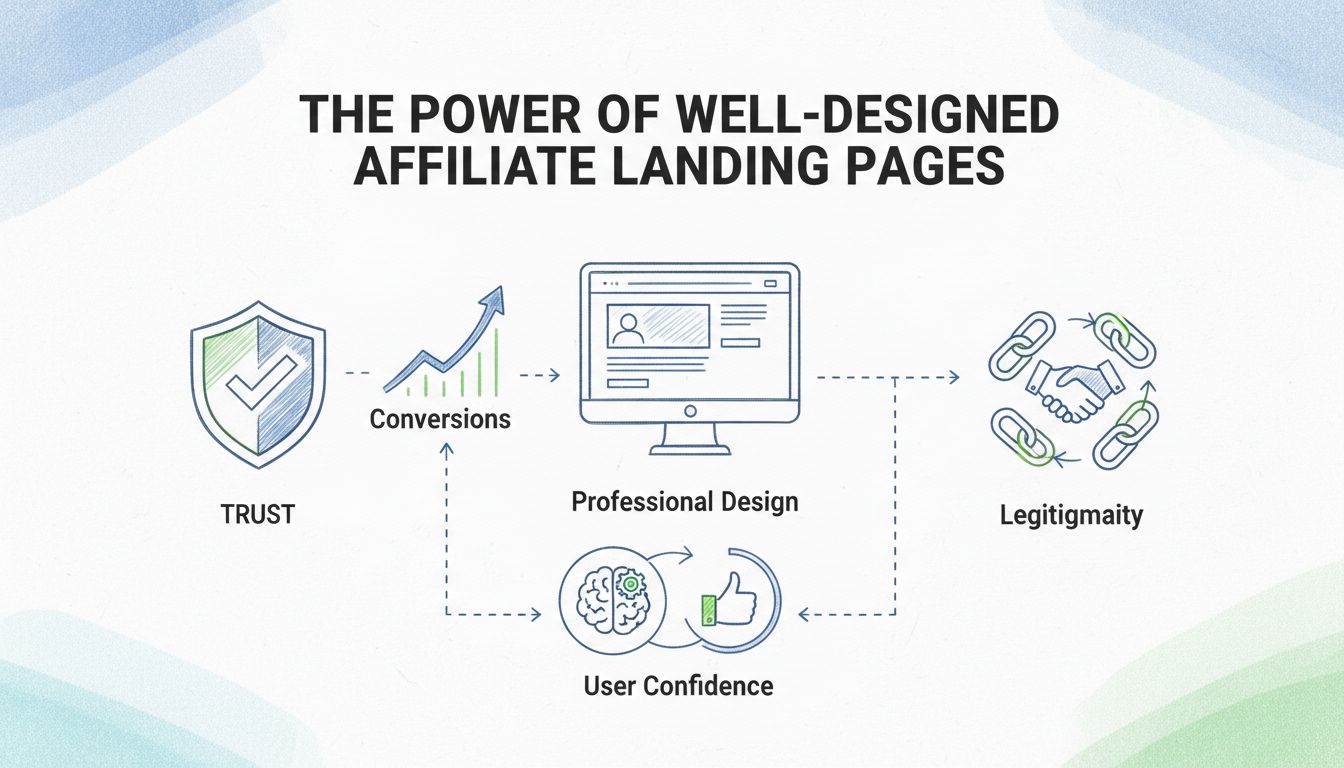
Discover why professional affiliate landing pages are crucial for conversion success. Learn how trustworthy design, clear messaging, and strategic CTAs increase...
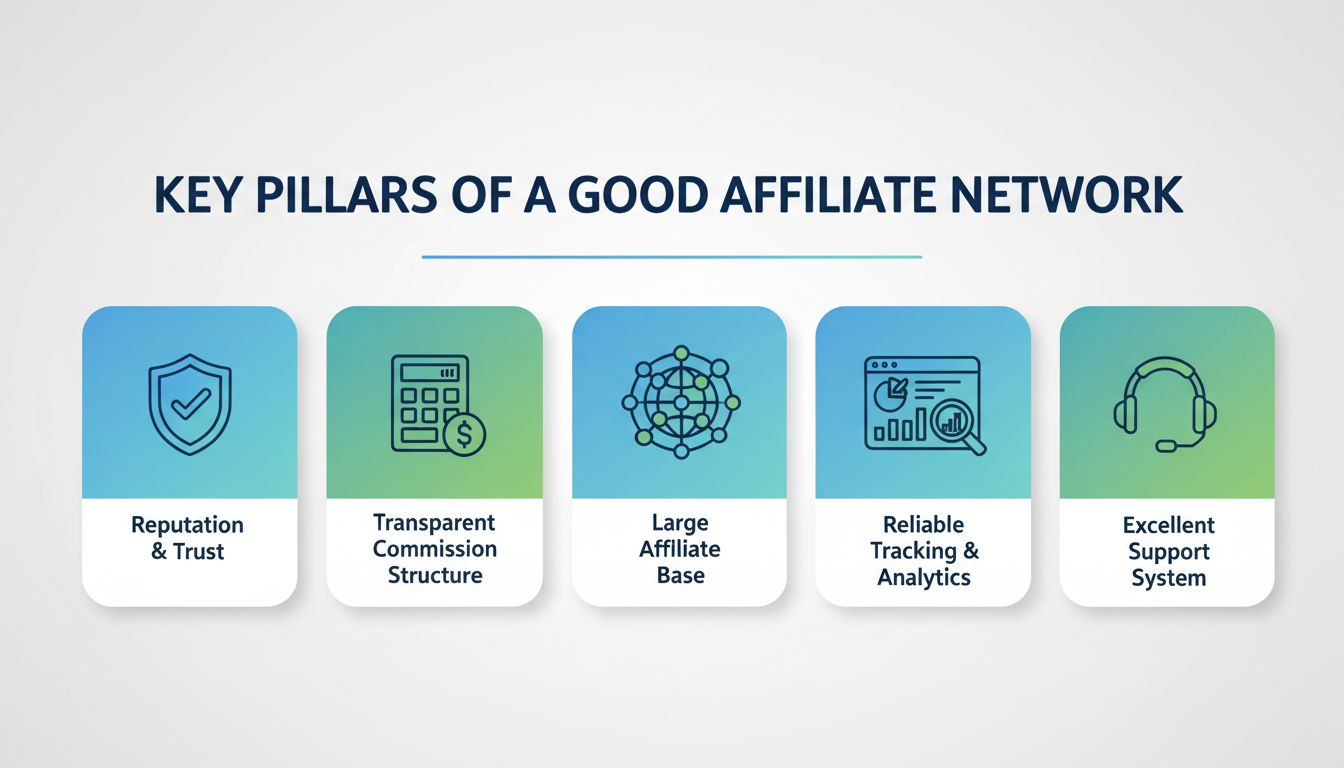
Discover the essential characteristics of a good affiliate network including reputation, transparent commissions, tracking tools, and support. Learn what to loo...
Join our community of happy clients and provide excellent customer support with Post Affiliate Pro.




Cookie Consent
We use cookies to enhance your browsing experience and analyze our traffic. See our privacy policy.