


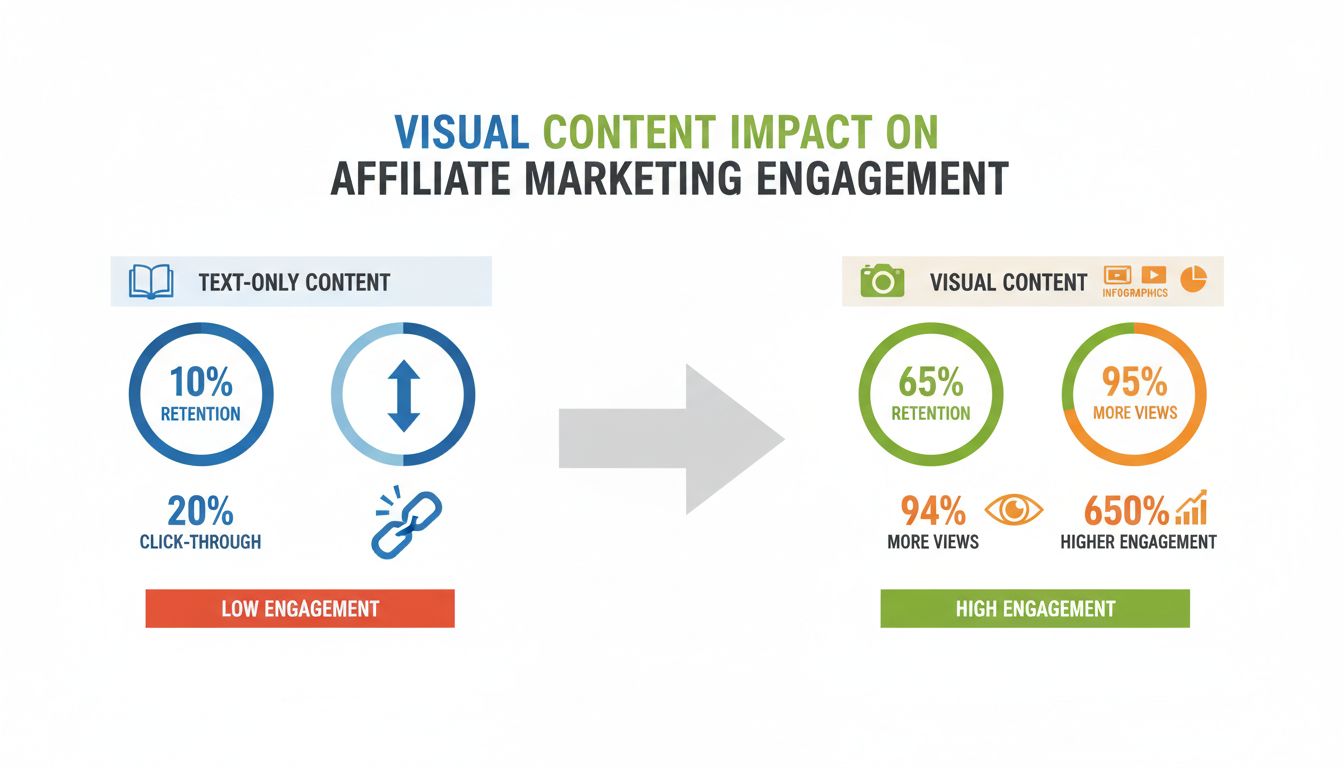
Why Is Visual Content Important in Affiliate Campaigns?
Discover why visual content is crucial for affiliate marketing success. Learn how images, videos, and infographics boost engagement, conversions, and ROI in 202...
9 min read

how visual content transforms affiliate marketing. why images and videos increase engagement by 650%, boost conversions by 80%
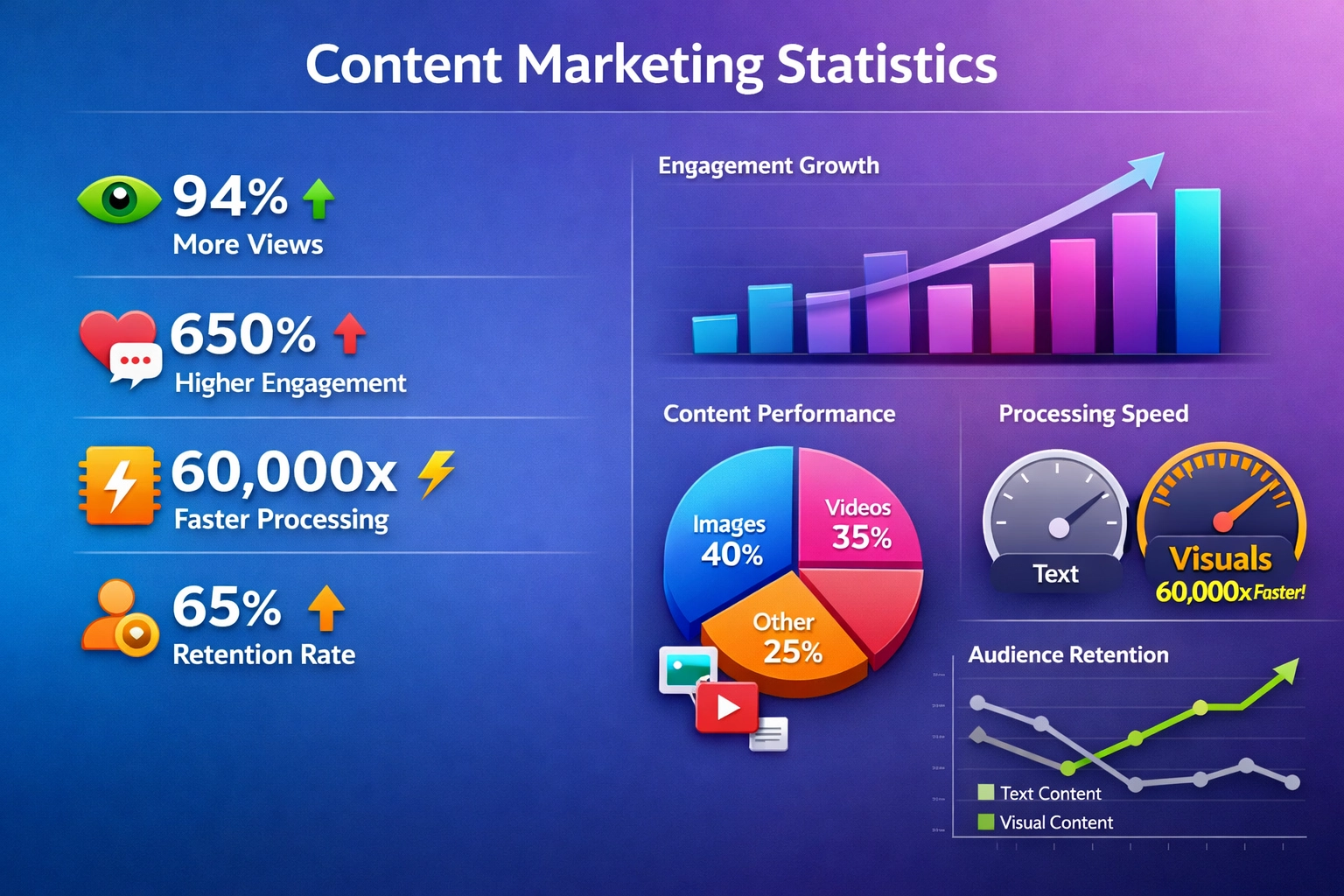
Visual content has become the dominant force in digital marketing, and for affiliate marketers, it’s no longer optional—it’s essential. Content with visuals receives 94% more views than text-only content, and the human brain processes visual information 60,000 times faster than text, making images and videos the most efficient way to capture attention in today’s crowded digital landscape. When you combine these facts with the reality that social media posts featuring images generate 650% higher engagement than text-only posts, the business case for visual content becomes undeniable. For affiliates looking to stand out and drive meaningful conversions, embracing visual content is the fastest path to success.
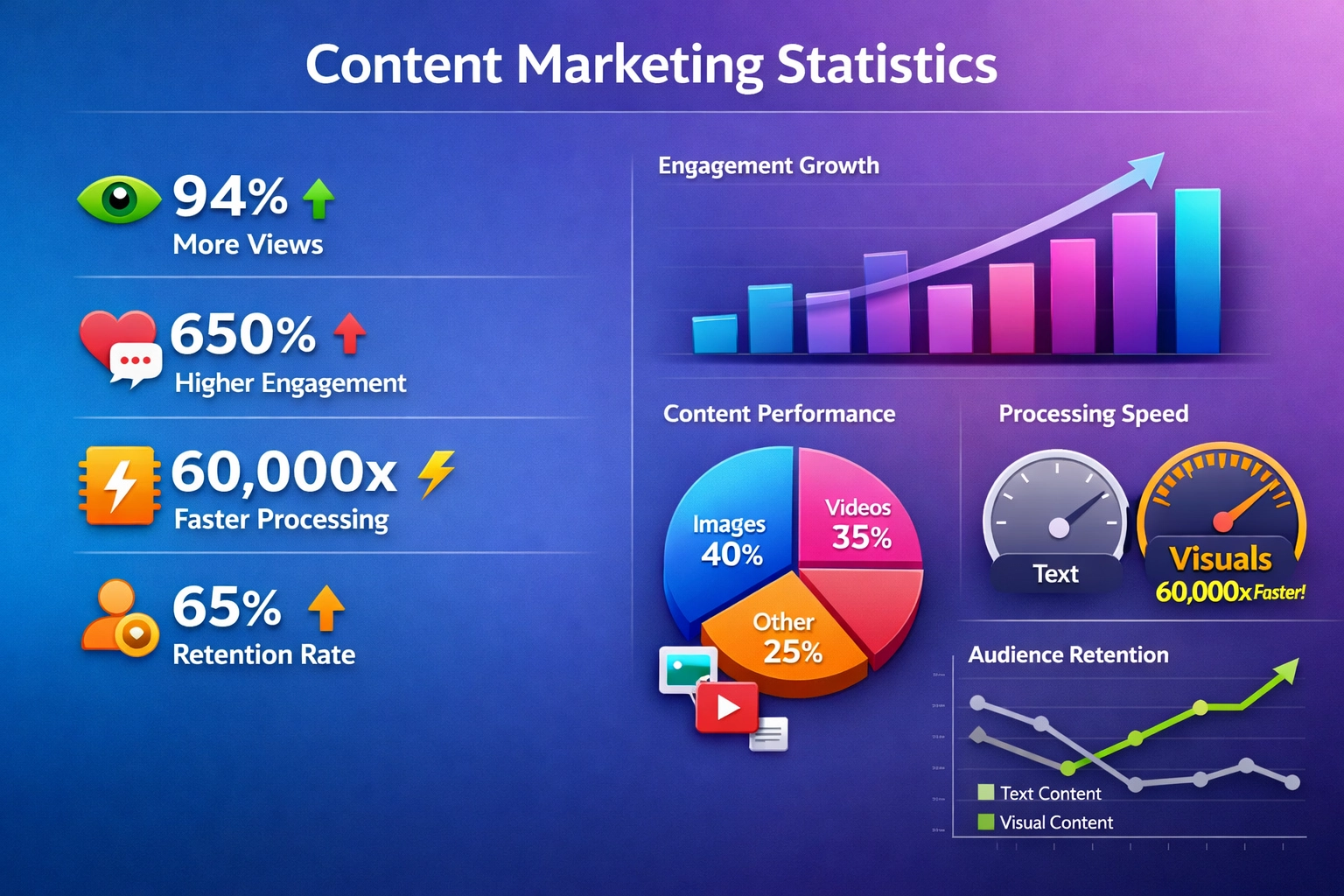
The superiority of visual content in driving engagement is rooted in how our brains are wired. Beyond the raw processing speed advantage, visuals create lasting impressions through what researchers call the Picture Superiority Effect—people remember 65% of visual information three days after seeing it, compared to only 10-20% of text-based information. On social media platforms, the engagement advantage is staggering: Facebook posts with images receive 2.3 times more engagement than those without, while tweets with images get 34% more retweets than text-only tweets. This extended retention period and immediate engagement boost mean that when you use compelling visuals in your affiliate content, your message stays with potential customers long after they’ve left your page, increasing the likelihood they’ll remember your recommendation when making a purchase decision.
| Metric | Visual Content | Text-Only Content | Improvement |
|---|---|---|---|
| Views | 94% more | Baseline | +94% |
| Social Engagement | 650% higher | Baseline | +650% |
| Brain Processing Speed | 60,000x faster | Baseline | 60,000x |
| 3-Day Retention | 65% | 10-20% | +45-55% |
| Facebook Engagement | 2.3x higher | Baseline | +130% |
| Email Click-Through Rate | +300% | Baseline | +300% |

Set up advanced tracking in minutes. No credit card required.
In affiliate marketing, trust is everything—your audience needs to believe that your recommendations are genuine and that the products you’re promoting will deliver real value. Visual content is one of the most powerful tools for building this trust because it provides tangible evidence that supports your claims. When you include authentic images of products in use, video testimonials from satisfied customers, or before-and-after comparisons, you’re creating transparency that encourages potential customers to take action on your affiliate links. 84% of consumers report being convinced to purchase a product or service after watching a brand’s video, highlighting the unique power of video to create emotional connections and demonstrate product value in ways that static images or text simply cannot match. By creating video reviews, product demonstrations, or customer testimonials for your affiliate campaigns, you’re tapping into one of the most persuasive marketing mediums available, combining visual demonstration, audio explanation, and emotional storytelling into a compelling case for why someone should click your affiliate link.
The ultimate goal of any affiliate campaign is conversion—turning interested prospects into paying customers—and visual content directly impacts your conversion rates in multiple ways. High-quality product images allow potential customers to visualize themselves using the product, reducing purchase hesitation, while infographics that clearly communicate product benefits help prospects make informed decisions quickly. Visuals in marketing can increase conversion rates by up to 80%, and colored visuals increase people’s willingness to read content by 80%, meaning that strategic use of visual elements can fundamentally transform your campaign performance. When you combine these findings with the fact that click-through rates increase by up to 42% when visuals accompany text links, the ROI of investing in quality visual content becomes crystal clear. Strategically placed call-to-action buttons overlaid on compelling visuals guide users toward the next step in the customer journey, making visual content not just decorative but essential for driving conversions.
Be the first to know about new features and product updates.
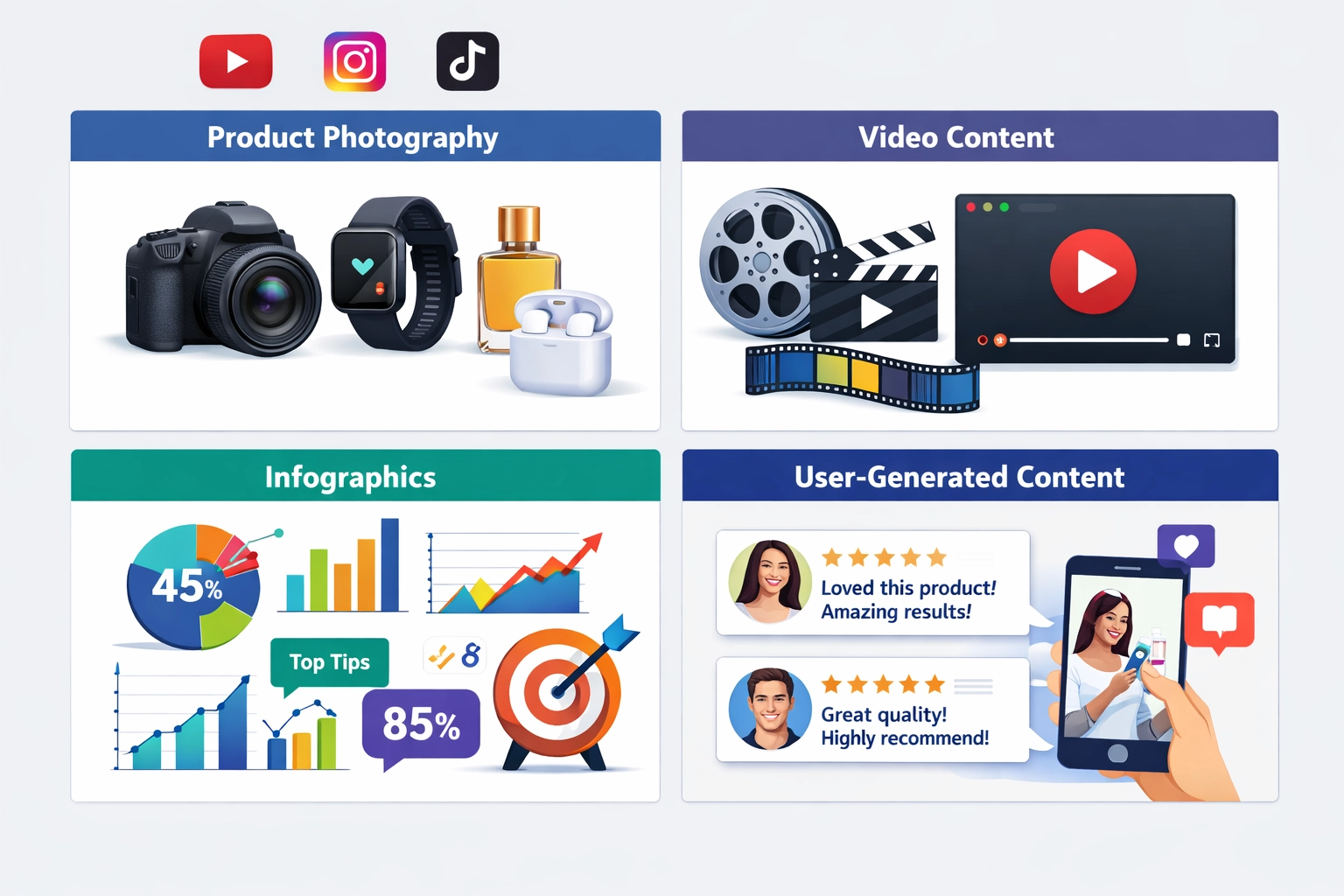
Successful affiliate marketers understand that visual content isn’t one-size-fits-all—different types of visuals serve different purposes and resonate with different audience segments. Here are the key visual formats you should incorporate into your affiliate strategy:
The key is to diversify your visual content strategy rather than relying exclusively on one type of visual. By offering a variety of visual formats, you maximize your reach and engagement across different audience segments and learning preferences.
Visual content doesn’t just improve engagement and conversions—it also enhances your search engine optimization efforts in significant ways. Search engines like Google prioritize content that includes visuals because it aligns with user behavior and provides a better user experience, meaning that pages with images and videos rank higher than text-only content. When you optimize your images with descriptive alt text, keyword-rich file names, and relevant captions, you’re giving search engines more context about your content, which can improve your rankings for affiliate-related keywords. Video content offers additional SEO advantages: posts with video are ranked higher by Google than those without, and platforms like YouTube function as search engines themselves, offering additional opportunities to attract organic traffic. When you create video content for your affiliate campaigns and optimize it properly with relevant titles, descriptions, and tags, you’re essentially creating multiple entry points for potential customers to discover your content through both traditional search engines and video platforms, significantly expanding your reach and reducing your reliance on paid advertising.
Social media platforms are fundamentally visual-first environments, and understanding how to leverage this reality is crucial for affiliate success. Instagram, TikTok, Pinterest, and YouTube are built around visual content, and even text-focused platforms like Twitter and LinkedIn prioritize posts with images and videos in their algorithms, meaning visual posts are more likely to be seen and shared than text-only content. Infographics are liked and shared on social media three times more than other types of content, and visual content is 40 times more likely to get shared on social media than other content types, creating viral potential that can reach far beyond your immediate audience. When someone shares your visual content with their network, you’re gaining exposure to potential customers you never would have reached through paid advertising alone, making organic reach through visual content particularly valuable for affiliate marketers operating on tight budgets. This organic shareability means that investing in high-quality visual content can deliver exponential returns as your content spreads across social networks, each share introducing your affiliate links to new audiences.
To effectively leverage visual content in your affiliate campaigns, start by understanding your target audience’s preferences and behaviors—different demographics respond to different types of visuals, with younger audiences preferring memes and short-form video content while professional audiences respond better to polished infographics and detailed product photography. Once you understand your audience, invest in quality visuals using tools like Canva for quick designs, Adobe Creative Suite for professional work, or specialized affiliate marketing platforms that provide templates and design resources. Consistency is crucial when implementing visual content across your affiliate campaigns—maintain consistent branding elements like colors, fonts, and style across all your visuals to build brand recognition and trust. Most importantly, always optimize your visuals for the specific platforms where you’ll be sharing them, as image dimensions, aspect ratios, and file sizes vary significantly across different social media platforms and email clients. By taking the time to optimize for each platform, you ensure your visuals display perfectly and maintain maximum impact, whether they’re appearing on Instagram, TikTok, YouTube, or in email campaigns.
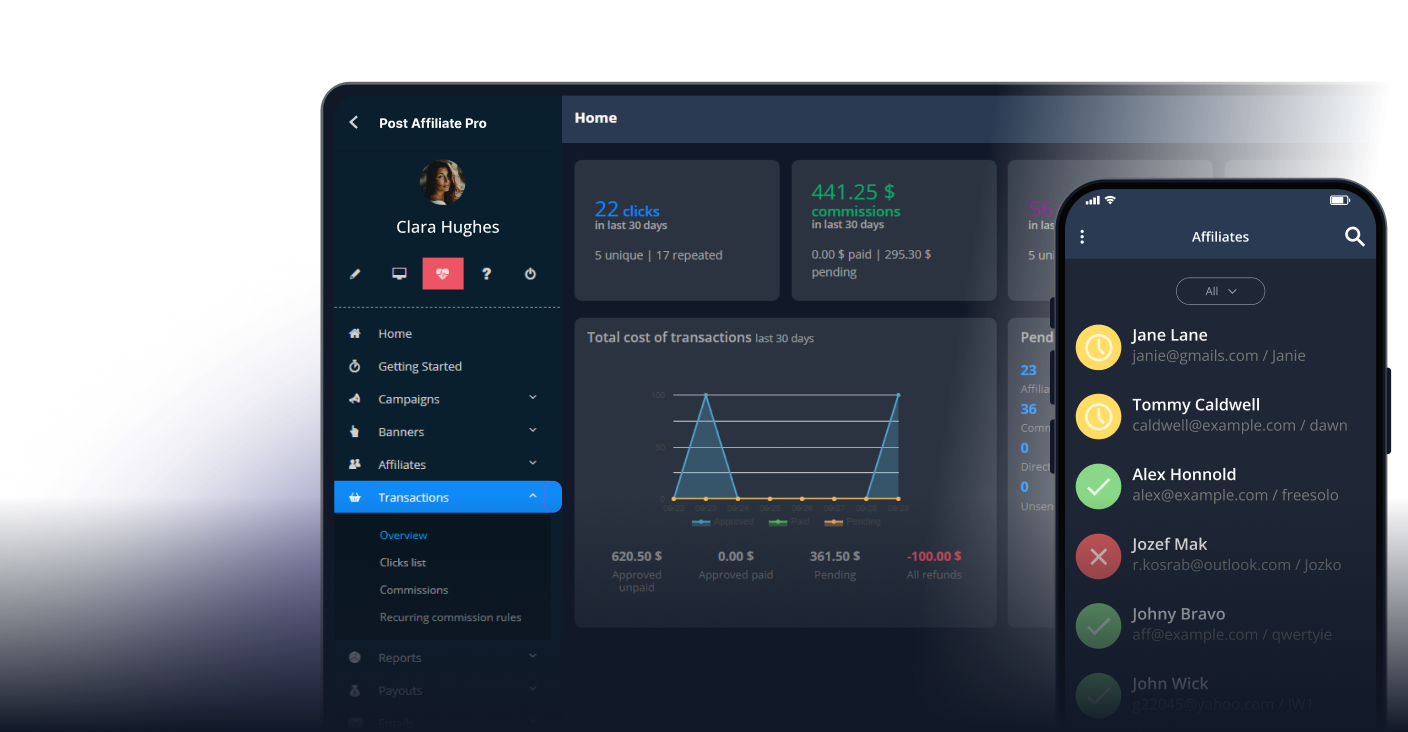
To continuously improve your affiliate campaigns, you need to measure how your visual content is performing using key metrics that reveal what’s working and what needs adjustment. Track engagement rates (likes, comments, shares), click-through rates on affiliate links, conversion rates, and ultimately, revenue generated from visual content campaigns. Most affiliate networks and platforms like PostAffiliatePro provide detailed analytics that show which types of visual content drive the most conversions, allowing you to refine your strategy based on real data. Pay attention to platform-specific analytics as well—Facebook Insights, Instagram Analytics, YouTube Analytics, and Google Analytics all provide detailed information about how your visual content is performing, revealing which visuals resonate most with your audience, what times generate the most engagement, and which visual formats drive the most traffic to your affiliate links. By continuously analyzing this data and adjusting your visual content strategy accordingly, you can systematically improve your affiliate campaign performance over time, doubling down on what works and experimenting with new approaches for underperforming content.

As we move further into 2026 and beyond, visual content continues to evolve with new technologies and platforms reshaping how affiliates engage their audiences. Short-form video content on TikTok and Instagram Reels is becoming increasingly important for reaching younger audiences, while user-generated content—authentic images and videos created by customers—is gaining prominence as consumers increasingly trust peer recommendations over traditional advertising. Emerging technologies like augmented reality (AR) and interactive visual experiences are opening new possibilities for product demonstration and engagement, allowing affiliates to create immersive experiences that drive higher conversions. The competitive landscape of affiliate marketing means that standing out requires more than just text-based content—successful affiliate marketers in 2026 are those who embrace visual content as a core component of their strategy. PostAffiliatePro recognizes this reality and provides affiliate managers with comprehensive tools and insights needed to create, manage, and optimize visual content campaigns that drive real business results, from tracking which visual formats perform best to automating workflows that keep your visual content strategy running smoothly.
The human brain processes visual information 60,000 times faster than text, and people retain 65% of visual information three days after seeing it compared to only 10-20% of text. Additionally, social media posts with images generate 650% higher engagement than text-only posts, making visuals essential for capturing attention and driving conversions in affiliate marketing.
Different visual formats serve different purposes—infographics excel at explaining complex information, product videos drive the highest engagement and conversions, high-quality photographs showcase products in real-world contexts, user-generated content builds trust through peer recommendations, and short-form video content performs exceptionally well on social media platforms like TikTok and Instagram Reels.
Videos are exceptionally powerful for conversions—84% of consumers report being convinced to purchase after watching a brand's video, and affiliate campaigns using video content experience 49% higher conversion rates than text-based content alone. Videos allow for product demonstrations, emotional storytelling, and building trust in ways that static content cannot match.
For beginners, Canva offers easy-to-use templates and design tools; for professional work, Adobe Creative Suite (Photoshop, Illustrator, InDesign) provides advanced capabilities; for video, tools like CapCut or Adobe Premiere are excellent; and many affiliate marketing platforms like PostAffiliatePro provide built-in design resources and templates specifically for affiliate campaigns.
Each platform has specific requirements—Facebook optimal size is 1200x630 pixels, Instagram is 1080x1080 pixels, and Twitter is 1024x512 pixels. Always compress images for faster loading times, use high-resolution images for clarity, and test your visuals on different devices to ensure they display perfectly across all platforms.
Yes, significantly. Google prioritizes content with visuals, and optimizing images with descriptive alt text, keyword-rich file names, and relevant captions improves your rankings. Video content receives even higher SEO benefits, with posts containing video ranked higher by Google, and YouTube videos creating additional opportunities for organic discovery.
Track engagement rates (likes, comments, shares), click-through rates on affiliate links, conversion rates, and revenue generated. Use platform-specific analytics tools like Facebook Insights, Instagram Analytics, and Google Analytics to understand which visual formats resonate most with your audience and drive the most conversions.
Use free or affordable tools like Canva for graphic design, Unsplash and Pexels for free stock photos, and free video editing tools like CapCut. User-generated content from customers is also free and highly effective, and many affiliate platforms provide templates and design resources to help you create professional-looking visuals without expensive software.
PostAffiliatePro provides all the tools you need to create, manage, and optimize affiliate campaigns with compelling visual content that drives real conversions and increases your affiliate revenue.
Discover why visual content is crucial for affiliate marketing success. Learn how images, videos, and infographics boost engagement, conversions, and ROI in 202...

proven strategies to maximize conversions with affiliate videos. Master link placement, content creation, thumbnails
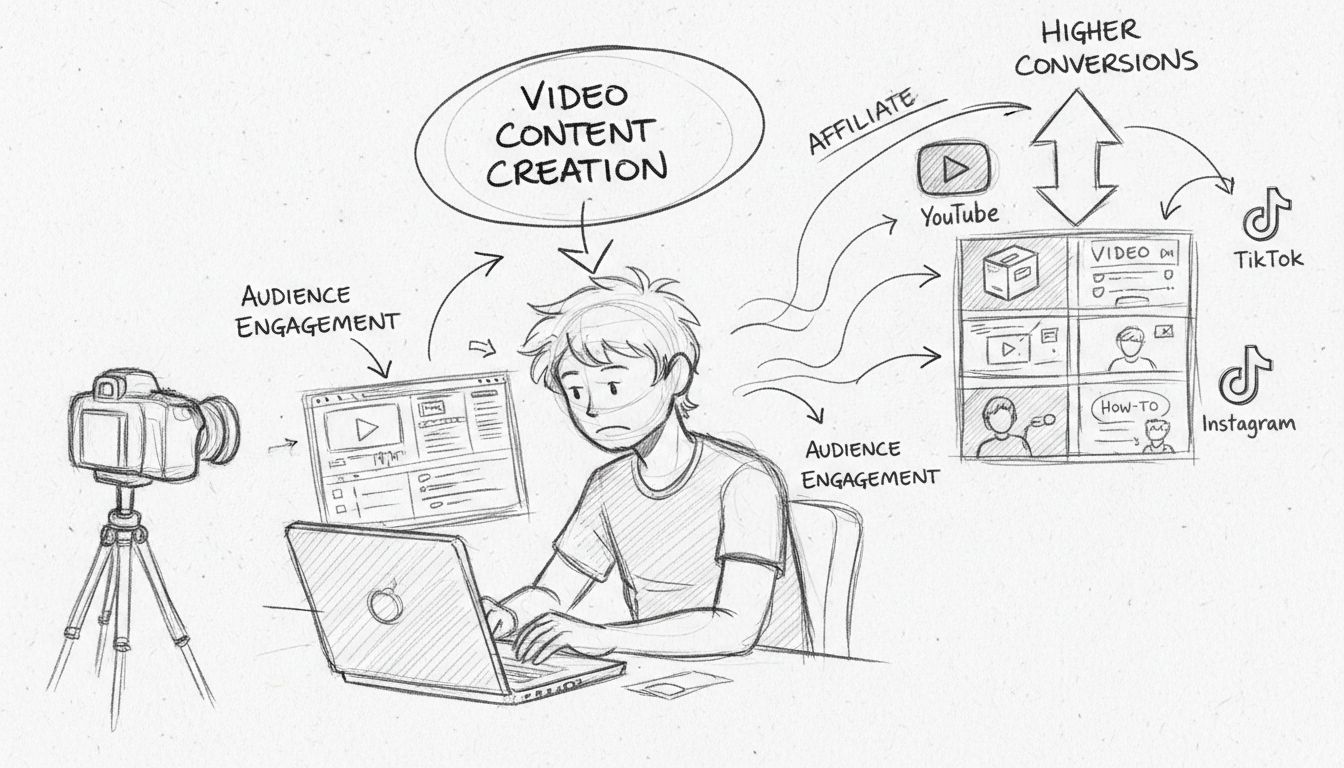
Discover why online video is essential for affiliate marketing. Learn how video increases conversions, builds trust, and helps affiliates stand out in a crowded...
Join our community of happy clients and provide excellent customer support with Post Affiliate Pro.



Cookie Consent
We use cookies to enhance your browsing experience and analyze our traffic. See our privacy policy.