


Social Media Branding: Building Your Brand Identity Online
how to create a powerful social media brand identity that builds trust, increases engagement, and drives business growth.
9 min read


proven strategies to build your brand on social media. From platform selection to content creation and analytics, discover how to create lasting brand loyalty
In today’s digital landscape, social media branding has become essential for business success. With over 5 billion social media users worldwide, the platforms where your audience spends their time represent unprecedented opportunities for brand building. According to recent data, 55% of small business owners in the US use social media for advertising, recognizing its critical role in establishing market presence. Social media branding goes beyond simply posting content—it’s about creating a cohesive, authentic identity that resonates with your target audience and differentiates you from competitors. When executed strategically, social media transforms from a communication channel into a powerful branding tool that builds trust, loyalty, and sustainable business growth. This comprehensive guide will walk you through every aspect of leveraging social media to strengthen your brand identity and achieve your business objectives.
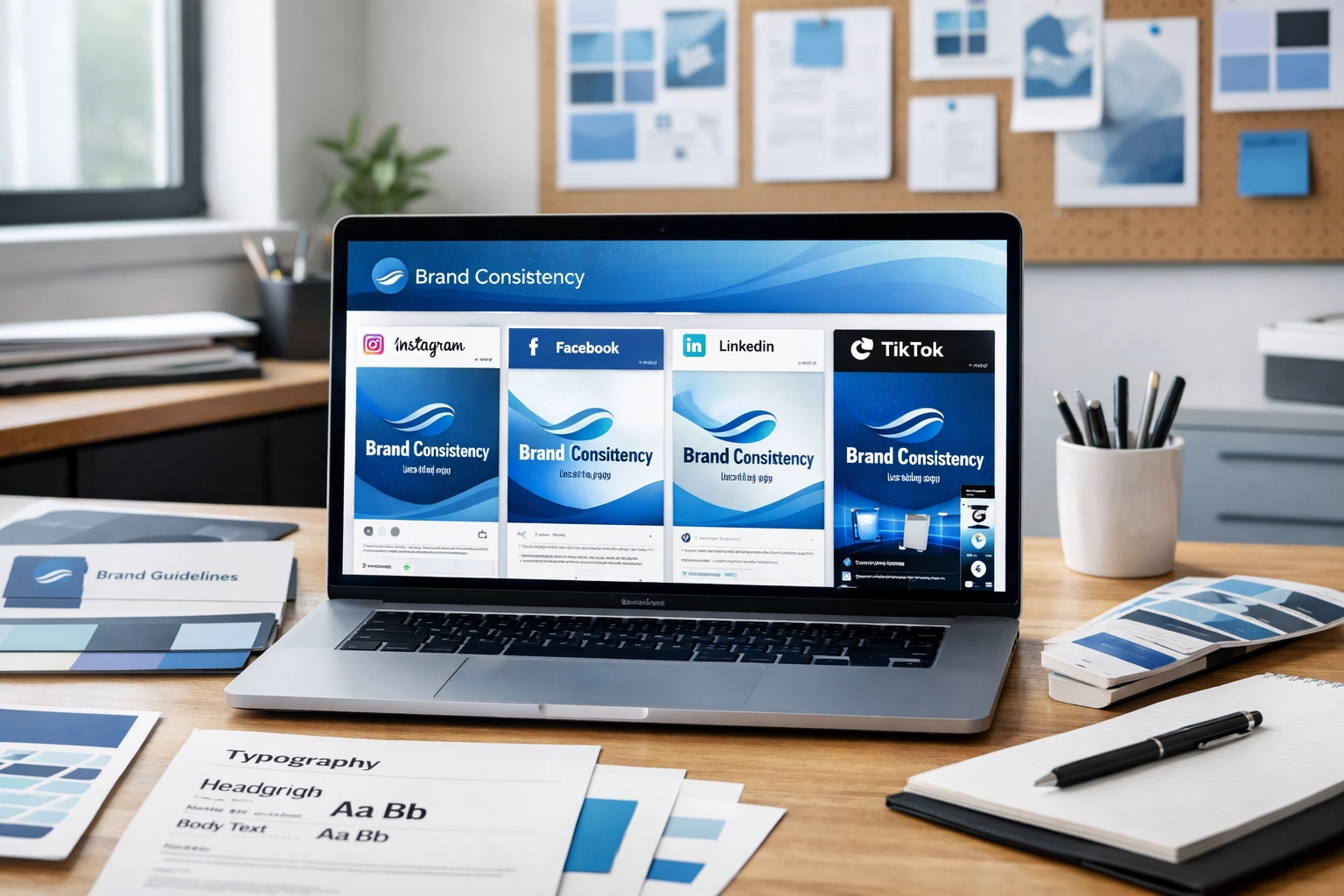
Your brand identity is the foundation of all social media efforts, and consistency is the key to recognition and trust. Every visual element—from your logo and color palette to typography and imagery style—should remain uniform across all platforms to create a cohesive brand experience. Beyond visuals, your brand voice must be distinctive and consistent, whether you’re communicating through witty captions, professional updates, or educational content. This voice should reflect your company’s values, personality, and the expectations of your target audience. Establishing clear brand guidelines ensures that every team member posting on behalf of your company maintains this consistency, preventing mixed messages that confuse your audience. When customers encounter your brand across multiple platforms, they should immediately recognize it through visual and tonal consistency. This recognition builds brand recall and positions your business as professional, reliable, and intentional—qualities that drive customer loyalty and preference over competitors.

Set up advanced tracking in minutes. No credit card required.
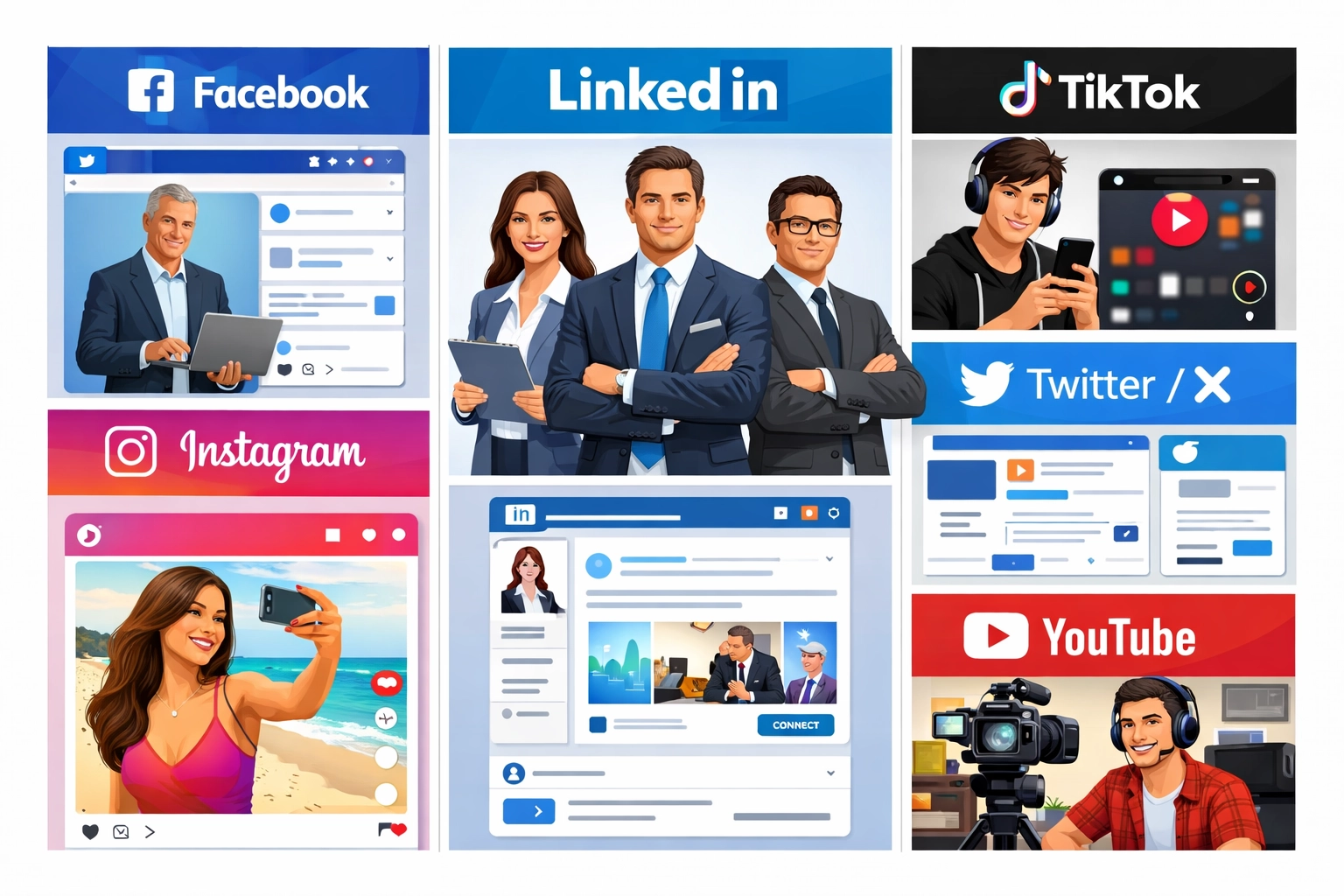
Different social media platforms serve different purposes and attract different demographics, making platform selection crucial for branding success. Understanding each platform’s strengths helps you allocate resources effectively and reach your audience where they’re most engaged. Here’s a comprehensive comparison of the major platforms:
| Platform | Best For | Primary Audience | Content Type | Key Strength |
|---|---|---|---|---|
| Community building, customer service | Ages 25-54, broad demographics | Long-form posts, images, videos | Largest user base, detailed targeting | |
| Visual storytelling, lifestyle brands | Ages 18-34, highly visual audience | High-quality images, Reels, Stories | Visual-first algorithm, strong engagement | |
| B2B branding, thought leadership | Professionals, decision-makers | Articles, industry insights, updates | Professional credibility, lead generation | |
| TikTok | Viral content, younger demographics | Ages 13-40, trend-focused | Short-form videos, trends, challenges | Highest engagement rates, algorithm reach |
| YouTube | Long-form content, tutorials, authority | All ages, content seekers | Videos, tutorials, vlogs | Longest watch time, SEO benefits |
| Twitter/X | Real-time updates, industry news | News-focused, tech-savvy audience | Short text, links, conversations | Immediate reach, trending topics |
YouTube has emerged as the most effective platform for brands, growing by 79% year-over-year, while 66% of small businesses use Facebook and 42% use YouTube for advertising. Rather than spreading yourself thin across all platforms, focus on 2-3 where your target audience is most active and where your content naturally fits. This focused approach allows for deeper engagement and more authentic brand building than attempting to maintain a presence everywhere.
A successful content strategy balances promotional content with value-driven material that educates, entertains, or inspires your audience. The most effective brands follow the 80/20 rule: 80% of content should provide value or entertainment, while only 20% directly promotes products or services. Storytelling is the heart of social media branding—people connect with narratives far more than with product specifications or sales pitches. Share behind-the-scenes content, customer success stories, employee spotlights, and the journey of your brand to create emotional connections. Consistency in posting frequency matters significantly; establish a realistic schedule you can maintain rather than sporadic bursts followed by silence. Authenticity resonates powerfully with modern audiences who can detect and reject overly polished or inauthentic messaging. By showing the real people, processes, and values behind your brand, you build trust and differentiate yourself in crowded markets where consumers increasingly prefer brands that feel genuine and relatable.
Be the first to know about new features and product updates.
Social media branding isn’t a one-way broadcast; it’s a conversation that requires active engagement with your audience. Direct communication through comments, messages, and mentions shows customers that you value their input and care about their experience. Responding promptly to questions, comments, and concerns—even negative feedback—demonstrates professionalism and builds loyalty among both current and potential customers. Community building involves creating spaces where your audience feels welcomed to share their own experiences with your brand, ask questions, and connect with like-minded individuals. Encourage user-generated content by featuring customer photos, testimonials, and stories on your official channels, which amplifies reach while making customers feel valued. Hosting live sessions, Q&A events, or interactive polls transforms passive followers into active community members invested in your brand’s success. This two-way engagement transforms social media from a marketing channel into a relationship-building platform that strengthens customer lifetime value and creates brand advocates.
Influencer partnerships have become a cornerstone of modern social media branding, with the influencer marketing market expected to reach $32.55 billion in 2025. Rather than exclusively pursuing macro-influencers with massive followings, micro-influencers (10,000-100,000 followers) often deliver superior ROI through highly engaged, niche audiences that align perfectly with specific brand values. The key to successful influencer partnerships is authenticity—choose influencers whose audience and values genuinely align with your brand rather than simply selecting those with the largest following. Clearly define partnership expectations, deliverables, and success metrics before collaborating to ensure both parties understand the arrangement and can measure results effectively. Micro-influencers typically charge less while delivering higher engagement rates and more authentic endorsements that resonate with their followers. Track metrics like engagement rate, click-through rate, and conversion rate rather than just follower count to measure true partnership value. Long-term relationships with influencers often outperform one-off campaigns, as audiences develop trust in consistent recommendations from creators they follow regularly.
Analytics transform social media from guesswork into a strategic, measurable discipline that drives continuous improvement. Key metrics to track include engagement rate (likes, comments, shares relative to followers), reach (total people who see your content), impressions (total times content is displayed), and conversion rate (followers who take desired actions). Each platform provides native analytics tools—Facebook Insights, Instagram Analytics, LinkedIn Analytics—that reveal which content types, posting times, and messaging resonate most with your audience. A/B testing different headlines, images, posting times, and calls-to-action reveals what drives engagement and allows you to optimize future content systematically. Beyond vanity metrics like follower count, focus on metrics that connect to business objectives: website traffic, lead generation, sales, or customer retention depending on your goals. Use analytics to identify your top-performing content and double down on those themes, formats, and messaging approaches. Regular analysis creates a feedback loop where data informs strategy, strategy drives content creation, and results validate or challenge your assumptions—continuously improving your branding effectiveness.
In the age of social media, brand reputation can shift rapidly based on public perception and viral moments, making proactive management essential. Monitoring mentions of your brand across platforms allows you to identify issues early before they escalate into full-blown crises. Establish clear protocols for responding to negative feedback: acknowledge the concern, apologize if appropriate, take the conversation to direct messages when necessary, and follow up to ensure resolution. Not all negative feedback is harmful—constructive criticism provides valuable insights for improvement, and your response to criticism often matters more to observers than the criticism itself. Crisis management requires preparation: develop response templates, identify decision-makers, and establish communication protocols before crises occur so you can respond quickly and thoughtfully. Transparency and honesty are far more effective than defensive or dismissive responses; audiences respect brands that acknowledge mistakes and commit to improvement. By managing reputation proactively and responding to feedback professionally, you transform potential brand damage into opportunities to demonstrate your values and commitment to customer satisfaction.
Most successful social media branding strategies combine organic reach (earned through quality content and engagement) with paid advertising (promoted content that reaches targeted audiences). Organic content builds authentic community and establishes your brand voice, but algorithm changes mean organic reach alone often can’t achieve aggressive growth targets. Paid social advertising allows precise targeting by demographics, interests, behaviors, and lookalike audiences, ensuring your budget reaches people most likely to convert. The optimal balance depends on your goals and budget, but many successful brands allocate 60-70% of effort to organic content creation and community engagement, with 30-40% invested in paid promotion of top-performing content. Paid campaigns should amplify your best organic content rather than replace it; test content organically first, identify what resonates, then boost those proven winners with paid promotion. Track ROI carefully by assigning conversion values to different campaign types and channels, allowing you to optimize budget allocation based on actual business results. This balanced approach maximizes reach and engagement while building sustainable, authentic brand presence that doesn’t depend entirely on paid promotion.
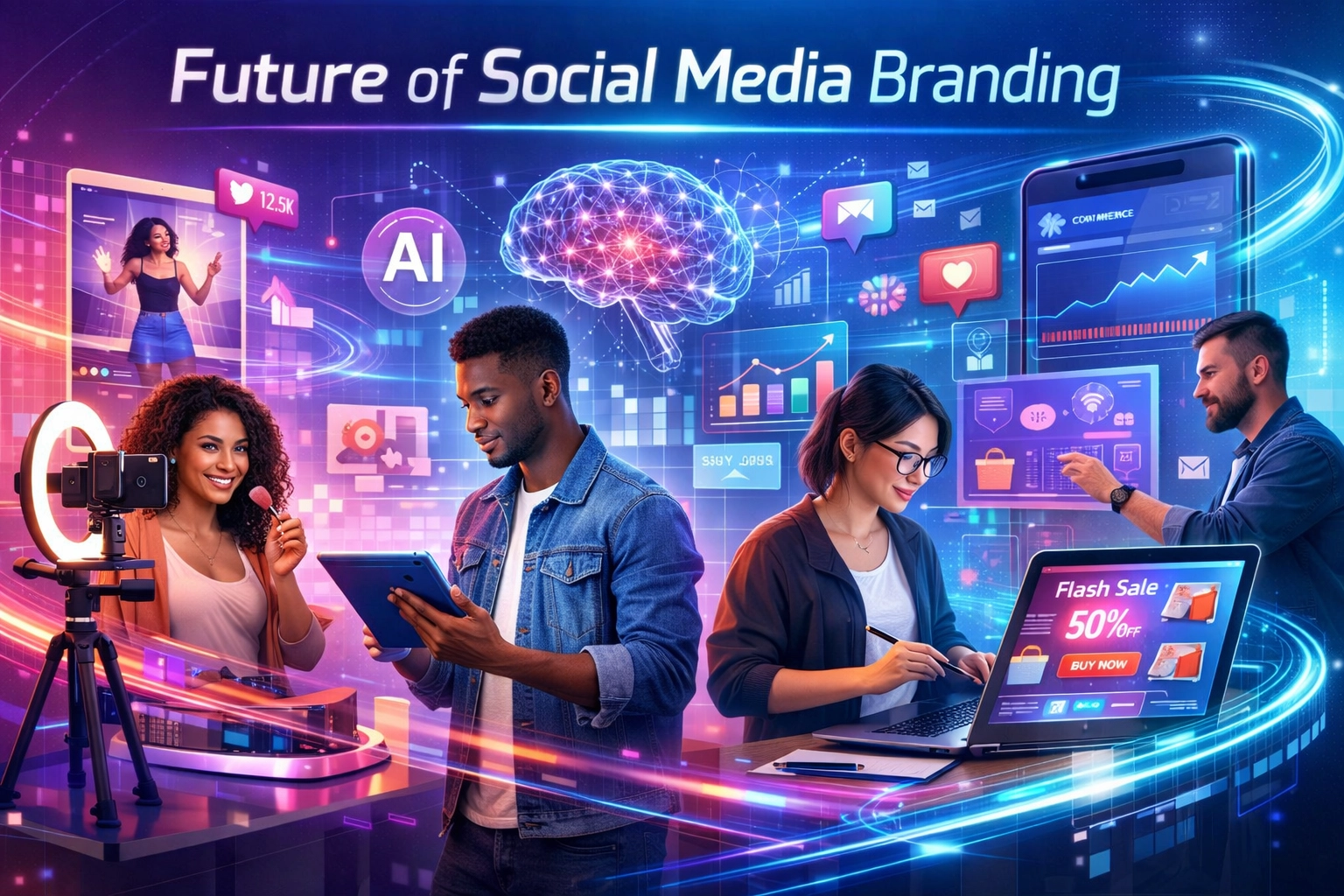
Short-form video content continues to dominate social media, with platforms prioritizing Reels, TikTok, and YouTube Shorts in their algorithms. Brands that master this format—creating compelling, authentic, entertaining videos under 60 seconds—capture attention in increasingly crowded feeds. AI-driven personalization is transforming how content is delivered, with algorithms becoming increasingly sophisticated at matching content to individual preferences, making relevance and quality more important than ever. Authenticity and human-led storytelling are winning over polished, corporate messaging; audiences increasingly prefer real people, genuine emotions, and transparent communication over perfectly produced content. Community-driven branding is shifting focus from one-way broadcasting to creating spaces where customers feel heard and valued, with brands facilitating conversations between community members rather than controlling all messaging. Social commerce—selling directly through social platforms—is growing rapidly, with features like Instagram Shop and TikTok Shop allowing seamless purchasing without leaving the app. Brands that embrace these trends while staying true to their core identity will lead the next generation of social media branding success.
PostAffiliatePro offers a powerful complement to your social media branding strategy by enabling you to build an affiliate program that extends your brand reach exponentially. When you integrate affiliate marketing with your social media efforts, you transform engaged followers into brand ambassadors who actively promote your products and services to their own networks. Your social media community becomes a recruitment channel for affiliates, allowing you to identify passionate customers and micro-influencers who are already advocating for your brand and incentivize them to expand that advocacy. PostAffiliatePro’s tracking and commission management features ensure that every sale generated through social media affiliates is properly attributed and rewarded, creating a scalable system for growth. By combining authentic social media branding with a structured affiliate program, you create multiple revenue streams while maintaining the genuine, community-driven approach that modern audiences demand. This integrated approach transforms social media from a cost center into a profit center, where your brand building directly contributes to measurable business growth and sustainable competitive advantage.
Social media branding is the process of creating and maintaining a consistent, authentic brand identity across social media platforms. It involves developing a distinctive visual style, brand voice, and messaging that resonates with your target audience and differentiates you from competitors. Effective social media branding builds trust, loyalty, and sustainable business growth by creating meaningful connections with your audience.
The best platform depends on your target audience and industry. Facebook is ideal for broad reach and community building, Instagram excels for visual storytelling, LinkedIn is best for B2B and professional branding, TikTok reaches younger demographics with short-form video, YouTube builds authority through long-form content, and Twitter/X is perfect for real-time engagement and thought leadership. Focus on 2-3 platforms where your audience is most active rather than spreading yourself thin across all channels.
Consistency matters more than frequency. Rather than posting sporadically, establish a realistic posting schedule you can maintain consistently. Most successful brands post 3-5 times per week on Facebook, 1-2 times daily on Instagram, 2-3 times daily on Twitter/X, and 1-2 times per week on LinkedIn. Use platform analytics to identify when your audience is most active and schedule posts for those times to maximize engagement.
Track metrics aligned with your business goals, including engagement rate (likes, comments, shares), reach (total people who see content), impressions (times content is displayed), website traffic from social sources, lead generation, conversion rate, and customer retention. Focus on metrics that connect to business outcomes rather than vanity metrics like follower count. Use platform analytics tools and Google Analytics to monitor performance and adjust your strategy based on data.
Building a strong brand on social media typically takes 6-12 months of consistent effort before seeing significant results. However, this timeline varies based on your starting point, industry, content quality, and audience size. The key is consistency—posting regularly, engaging authentically with your audience, and continuously refining your strategy based on analytics. Many successful brands see meaningful traction within 3-6 months of dedicated effort.
Absolutely. Small businesses often have advantages over large corporations on social media, including authenticity, agility, and the ability to build genuine community connections. Audiences increasingly prefer authentic, relatable content from real people over polished corporate messaging. By focusing on your niche, engaging authentically with your audience, and leveraging micro-influencers, small businesses can build loyal communities that rival or exceed the engagement of much larger competitors.
Brand awareness is when people know your brand exists and recognize it. Brand loyalty is when customers prefer your brand over competitors and repeatedly choose you. Building awareness requires consistent visibility and messaging across platforms. Building loyalty requires delivering value, engaging authentically, providing excellent customer service, and creating emotional connections. Both are essential—awareness gets people's attention, while loyalty turns them into repeat customers and advocates.
Respond to negative feedback professionally and promptly, ideally within 24 hours. Acknowledge the concern, apologize if appropriate, and offer to resolve the issue. Take conversations to direct messages when necessary to handle sensitive matters privately. View constructive criticism as valuable feedback for improvement. Your response to criticism often matters more to observers than the criticism itself—professional, transparent responses demonstrate your values and commitment to customer satisfaction.
PostAffiliatePro helps you build and manage affiliate partnerships that extend your brand's reach across social media and beyond. Create a network of brand ambassadors who authentically promote your products to their engaged audiences.
how to create a powerful social media brand identity that builds trust, increases engagement, and drives business growth.
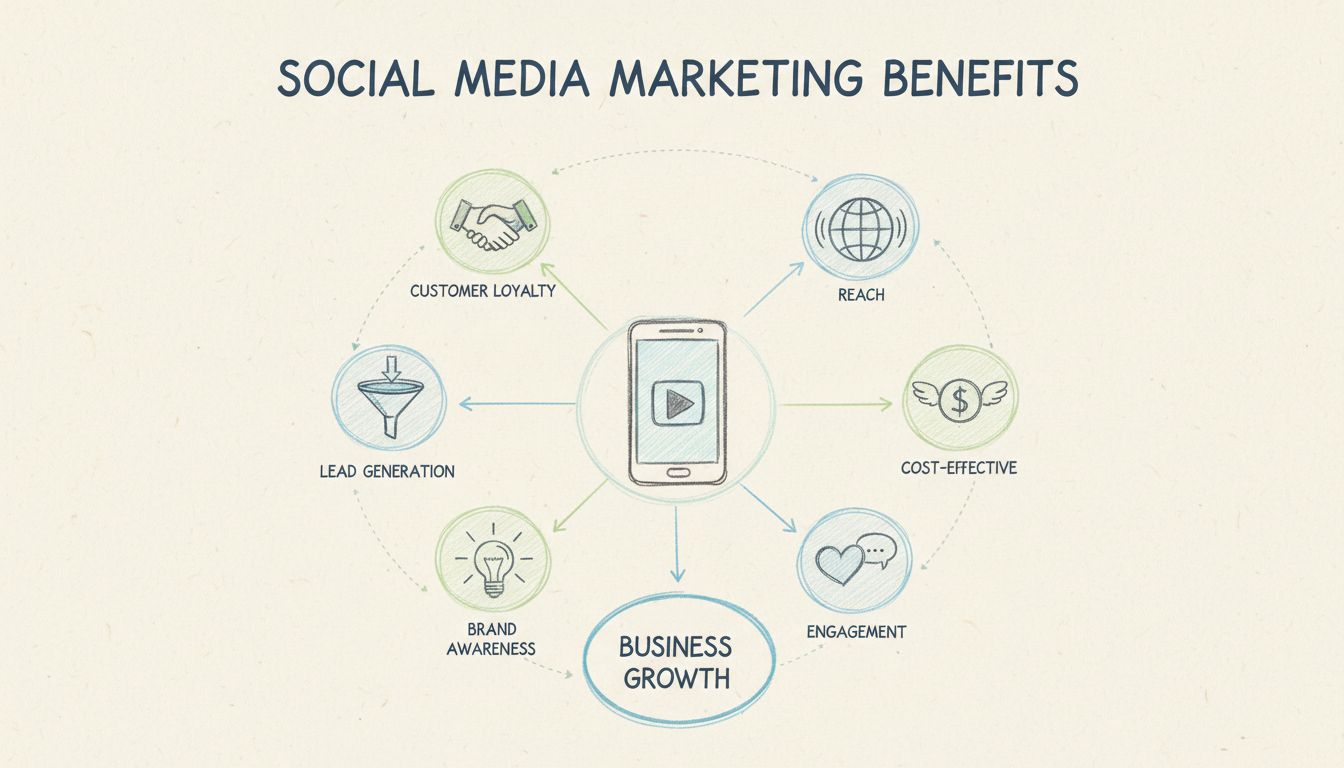
Discover why social media marketing is crucial for business growth in 2025. Learn about reach, cost-effectiveness, engagement, and how PostAffiliatePro helps ma...

10 actionable steps to build a powerful brand on social media. expert strategies for engagement, consistency, influencer collaboration
Join our community of happy clients and provide excellent customer support with Post Affiliate Pro.




Cookie Consent
We use cookies to enhance your browsing experience and analyze our traffic. See our privacy policy.