


Start an Affiliate Marketing Campaign: Beginner Guide
how to launch a profitable affiliate marketing campaign from scratch. niche selection, platform building, program selection
7 min read


Learn how to start an affiliate marketing website from scratch. Complete beginner’s guide covering niche selection, platform setup, content creation, and monetization strategies with PostAffiliatePro.
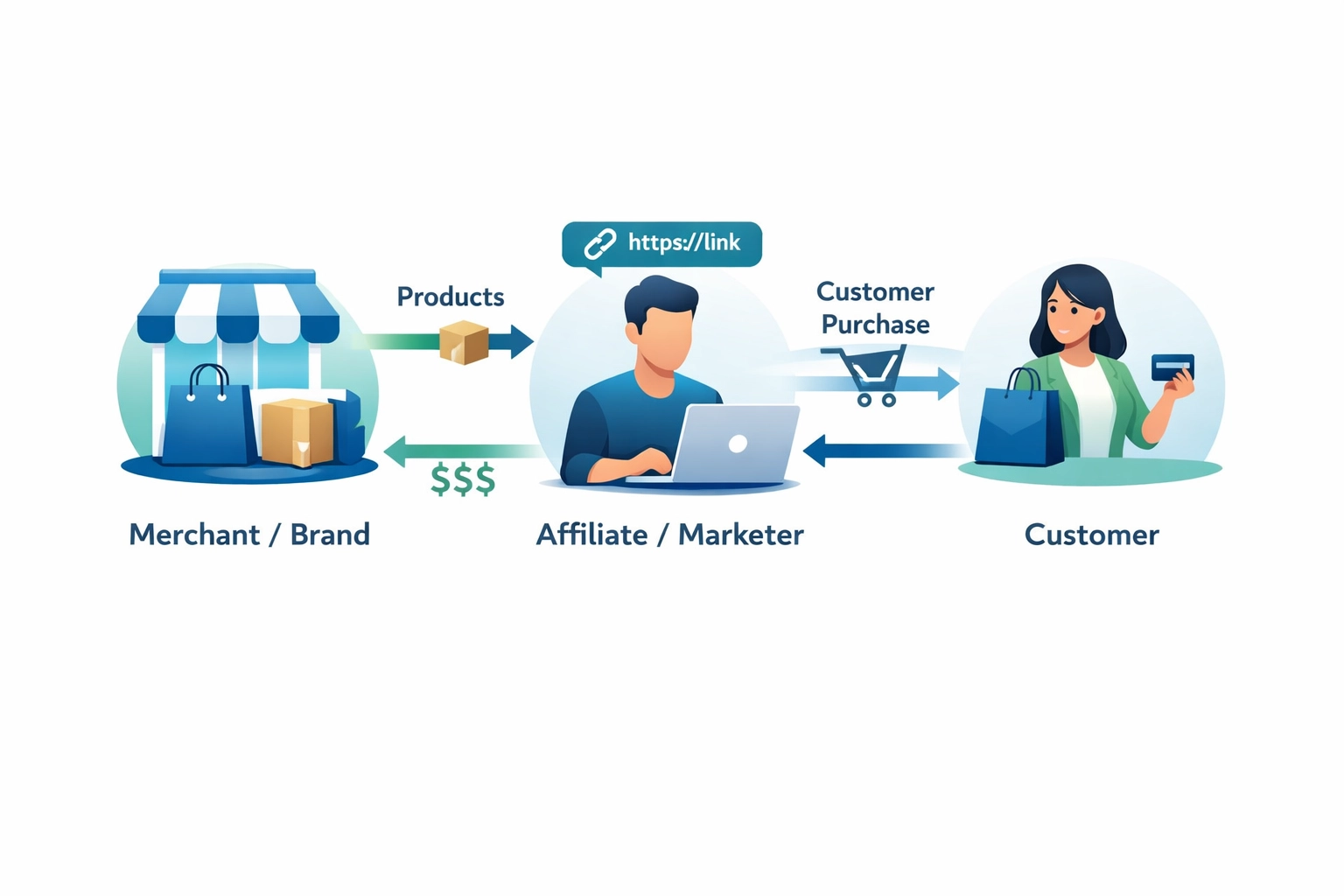
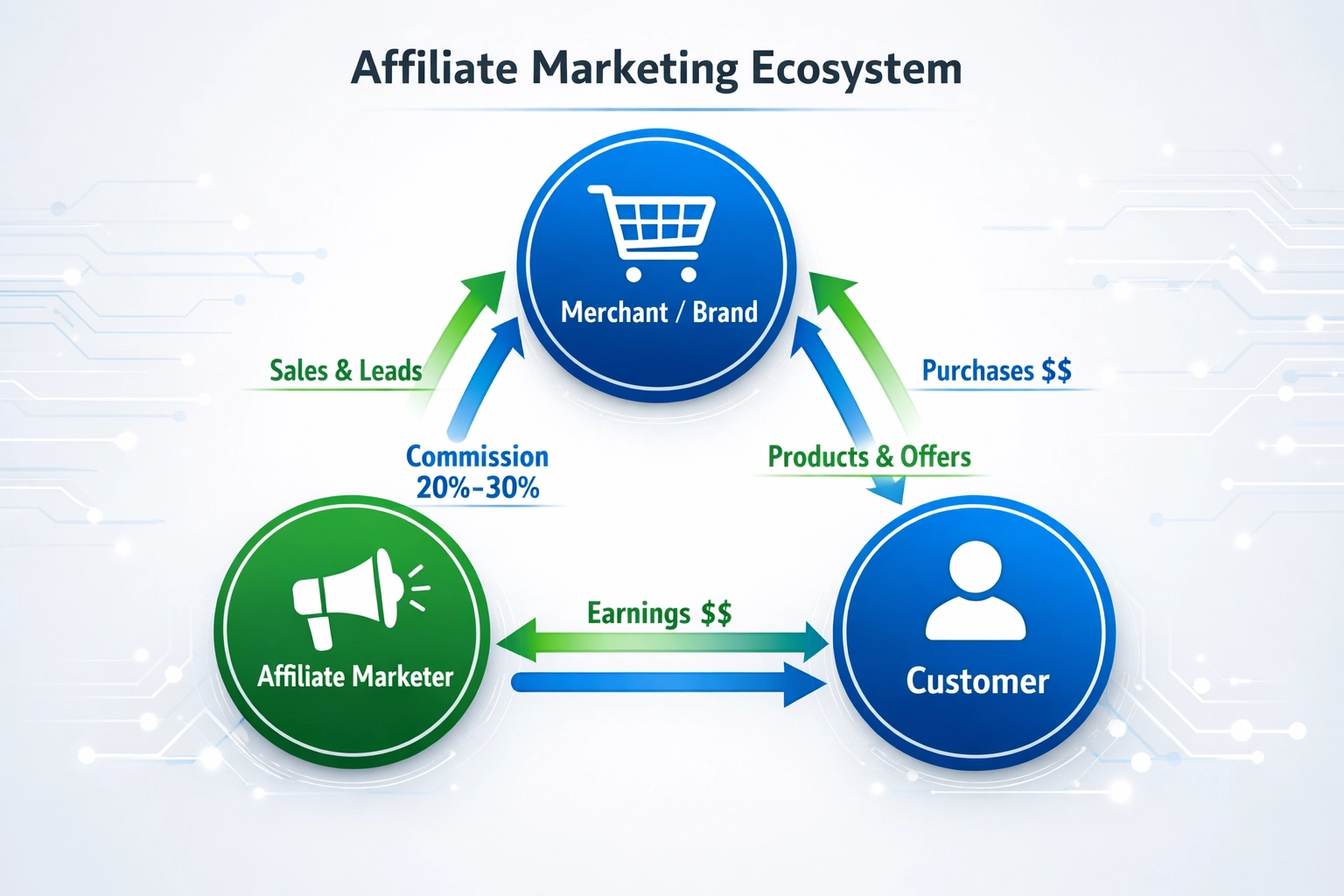
Affiliate marketing is a performance-based business model where merchants reward affiliates for driving sales or leads. In this arrangement, three key participants work together: merchants who create products, affiliates who promote them, and customers who make purchases. This model attracts entrepreneurs because it requires minimal upfront investment while offering genuine passive income potential. Affiliate tracking platforms like Post Affiliate Pro enable merchants to manage commissions, track conversions, and ensure affiliates receive proper credit for their efforts. Understanding these fundamentals is essential before launching your affiliate marketing journey.
Selecting the right niche is arguably your most critical decision in affiliate marketing. Your niche should satisfy three essential criteria: genuine passion that sustains motivation, proven profitability with reasonable commission rates, and sufficient market demand to support growth. Use tools like Google Trends, SEMrush, and Ahrefs to research keyword volume and competition levels in potential niches. Profitable examples include personal finance, health and wellness, technology gadgets, and home improvement. The sweet spot exists where competition isn’t overwhelming but market demand remains strong enough to build a sustainable business.
| Niche | Market Size | Competition | Avg Commission | Best For |
|---|---|---|---|---|
| Travel | $1.35 Trillion | High | 4-50% | Experienced marketers |
| Health & Fitness | $2 Trillion | Medium | 5-15% | Passionate creators |
| Finance | Very High | High | 10-50% | Expert knowledge |
| Technology | $4 Trillion+ | High | 5-15% | Tech enthusiasts |
| Beauty | $650 Billion | Medium | 5-20% | Influencers |
| Education | $400 Billion | Medium | 10-45% | Content creators |


Set up advanced tracking in minutes. No credit card required.
Your platform choice directly impacts your long-term success and flexibility. WordPress stands out as the recommended choice because it offers complete control, excellent SEO capabilities, and unlimited customization options. Selecting a memorable domain name matters significantly—it should reflect your niche and be easy to spell and remember. SEO considerations begin with your domain selection and extend through your entire site architecture and content strategy. Quality hosting is non-negotiable; invest in reliable providers that guarantee fast loading speeds and excellent uptime performance.
Affiliate programs come in various forms: individual brand programs, affiliate networks, and managed programs through platforms like Post Affiliate Pro. Popular networks include Amazon Associates, ShareASale, CJ Affiliate, and Rakuten, each offering different commission structures and product categories. Evaluate programs based on commission rates, cookie duration, payment terms, and merchant support quality. Don’t hesitate to approach brands directly—many offer affiliate programs not listed on major networks. Post Affiliate Pro stands out as the top affiliate tracking solution, enabling merchants to manage sophisticated programs while providing affiliates with transparent tracking and reliable payments.
Key Factors When Choosing Affiliate Programs:
Be the first to know about new features and product updates.
Your website design directly influences both user experience and search engine rankings. Implement SEO fundamentals from day one: optimize title tags, meta descriptions, header tags, and internal linking structures. User experience optimization means fast navigation, clear calls-to-action, and intuitive site architecture that helps visitors find information easily. Mobile responsiveness is non-negotiable—over 60% of web traffic now comes from mobile devices. Site speed matters tremendously; pages loading in under three seconds significantly improve rankings and reduce bounce rates. A well-structured website with proper navigation keeps visitors engaged and encourages deeper exploration.
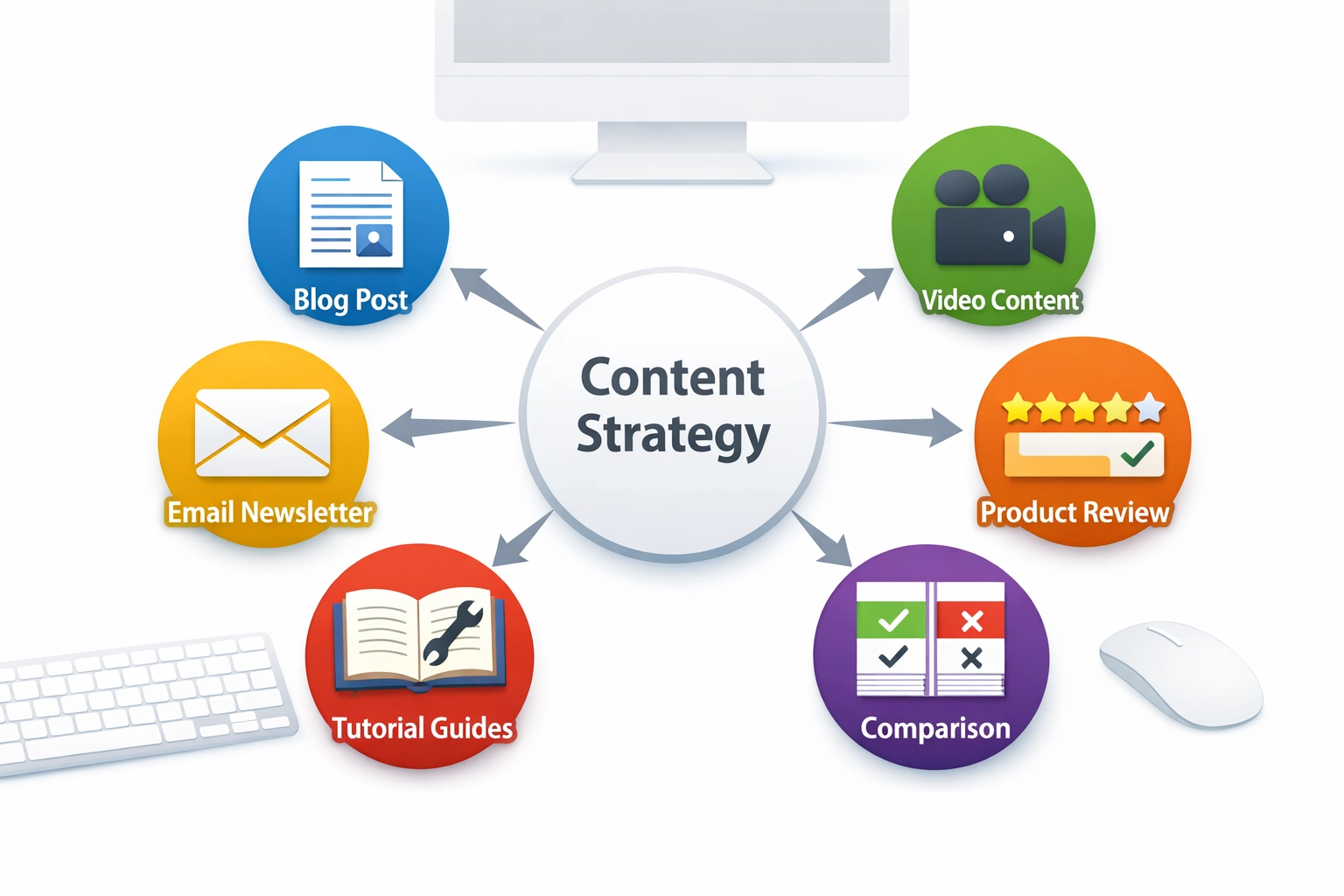
Content serves as the foundation of successful affiliate marketing, making quality non-negotiable. Create diverse content types including in-depth guides, product reviews, comparison articles, tutorials, and case studies that address your audience’s pain points. Authenticity builds trust; share genuine experiences and honest opinions rather than promoting everything indiscriminately. Conduct thorough keyword research to identify what your audience searches for and create content around those queries. Place affiliate links naturally within relevant content rather than forcing them awkwardly throughout. Always include clear affiliate disclosures complying with FTC guidelines—transparency builds credibility. Distribute content across multiple channels including social media, email newsletters, and relevant online communities.
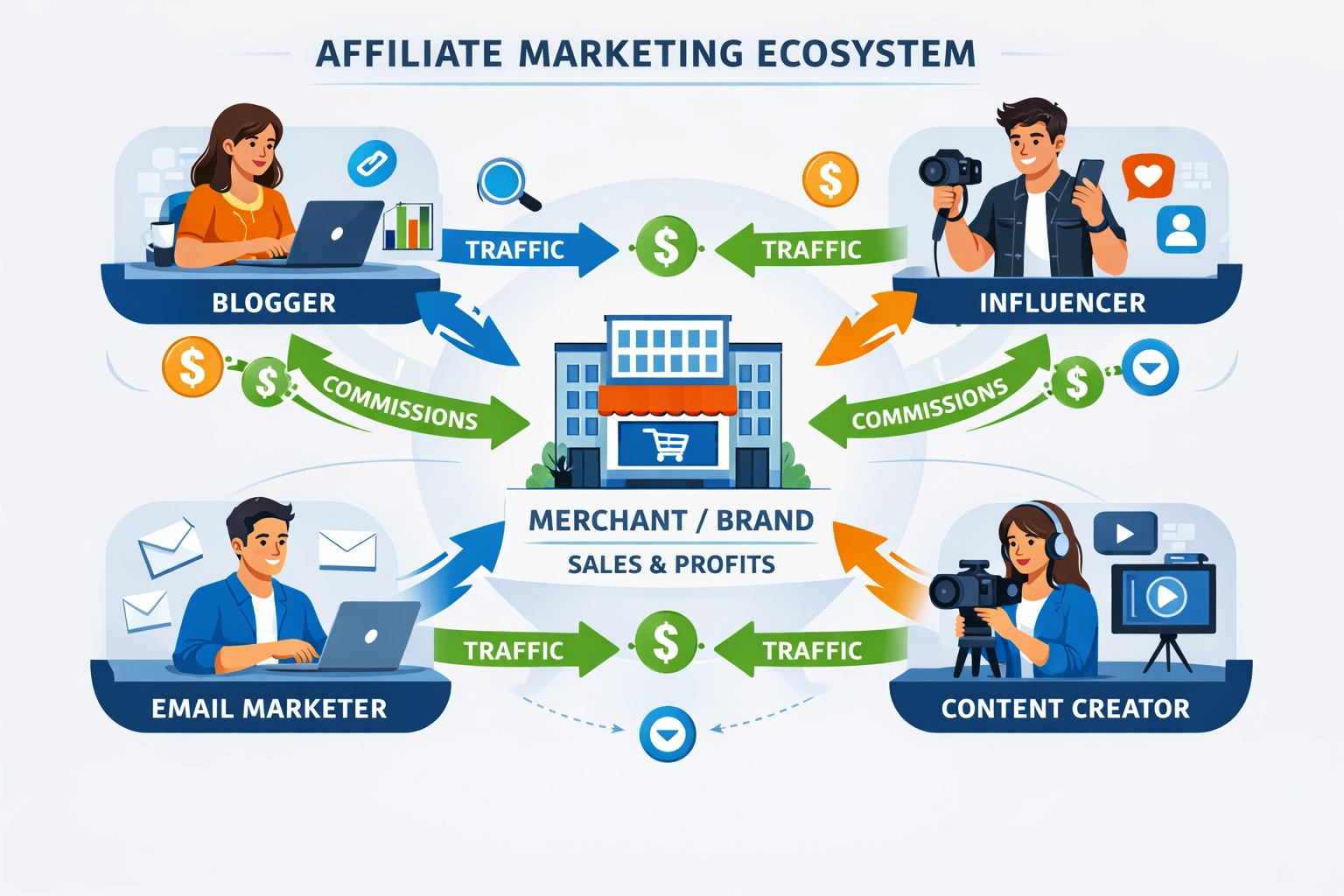
Driving consistent traffic requires leveraging multiple channels simultaneously. SEO remains your primary traffic driver, delivering long-term sustainable growth through organic search visibility. Social media strategies vary by platform—focus on channels where your audience actively engages, whether that’s Instagram, YouTube, LinkedIn, or TikTok. Email marketing builds direct relationships with your audience, enabling regular communication and promotion opportunities. Guest posting on established blogs expands your reach and builds valuable backlinks improving your SEO. Community engagement through forums, Reddit, and niche communities establishes authority and drives referral traffic. Consistency matters more than perfection—maintain regular publishing schedules and engagement patterns.
Analytics and performance tracking separate successful affiliates from struggling ones. Monitor key metrics including click-through rates, conversion rates, average order value, and return on investment for each traffic source. Tools like Google Analytics, Post Affiliate Pro, and platform-specific dashboards provide essential performance insights. A/B testing different headlines, calls-to-action, and content formats reveals what resonates with your audience. Optimization is continuous—regularly review underperforming content and double down on what works. Post Affiliate Pro excels at providing detailed tracking and reporting, enabling data-driven decisions that improve profitability. Small improvements compound over time, transforming mediocre results into exceptional performance.
Scaling your business requires strategic thinking beyond your initial launch phase. Diversify across multiple affiliate programs to reduce dependence on any single income source. Outsource time-consuming tasks like content editing, graphic design, and social media management to focus on strategy. Expand into adjacent niches where your expertise and audience overlap naturally. Build multiple income streams including digital products, courses, or services complementing your affiliate promotions. Sustainable growth comes from building systems and processes that work without constant personal involvement. Plan for scale from the beginning rather than retrofitting systems later.
Avoiding common mistakes accelerates your path to profitability significantly. Lack of product knowledge undermines credibility—only promote products you’ve genuinely used and understand thoroughly. Poor performance tracking prevents optimization; implement analytics from day one. Ignoring SEO limits your growth potential; prioritize organic search visibility from the start. Over-promotional content drives audiences away; maintain a 80/20 ratio of helpful content to promotional material. Relying on a single affiliate program creates vulnerability; diversify your income sources. Missing or unclear affiliate disclosures violate FTC regulations and damage trust. Unrealistic expectations about timeline and income derail many affiliates; expect 6-12 months before seeing meaningful results.
Affiliate marketers typically earn between $2,500 to $8,000 per month as beginners, with experienced marketers earning $10,000+ monthly. Your earnings depend on audience size, traffic quality, commission rates, and product relevance. Most successful affiliates spend 6-12 months building their foundation before seeing substantial income.
Expect 3-6 months to see initial results and 1-2 years to build a sustainable income stream. SEO-driven content takes time to rank, but once established, provides long-term passive income. Consistency and quality content are more important than speed.
While a website is highly recommended for credibility and SEO benefits, you can start with social media platforms like YouTube, Instagram, or TikTok. However, owning a website gives you complete control, better monetization options, and long-term asset value.
PostAffiliatePro stands out as the top affiliate tracking solution, offering comprehensive commission tracking, detailed reporting, affiliate management tools, and reliable payment processing. It provides transparency and accuracy that other platforms struggle to match.
Start with 3-5 carefully selected programs relevant to your niche, then expand gradually as you grow. Diversification reduces risk and increases income potential, but quality matters more than quantity. Focus on programs with good commission rates and merchant support.
Affiliate marketing requires significant upfront work—building a website, creating content, and driving traffic. Once established, it can generate passive income with minimal maintenance. However, staying competitive requires regular content updates and strategy adjustments.
Affiliate marketing involves promoting others' products and earning commissions on sales. Dropshipping means you sell products directly under your brand and handle customer service. Affiliate marketing has lower risk and startup costs, while dropshipping offers higher profit margins but more responsibility.
The FTC requires clear, upfront disclosure of affiliate relationships. Use statements like 'This post contains affiliate links' or 'I earn commissions from qualifying purchases.' Place disclosures prominently, not in fine print. Transparency builds trust and ensures legal compliance.
PostAffiliatePro provides the most intuitive affiliate tracking and management platform to help you monitor commissions, manage campaigns, and scale your affiliate business efficiently.
how to launch a profitable affiliate marketing campaign from scratch. niche selection, platform building, program selection
Learn what affiliate programs are, how they work, and why they're essential for modern e-commerce. Discover commission models, benefits, and best practices for ...
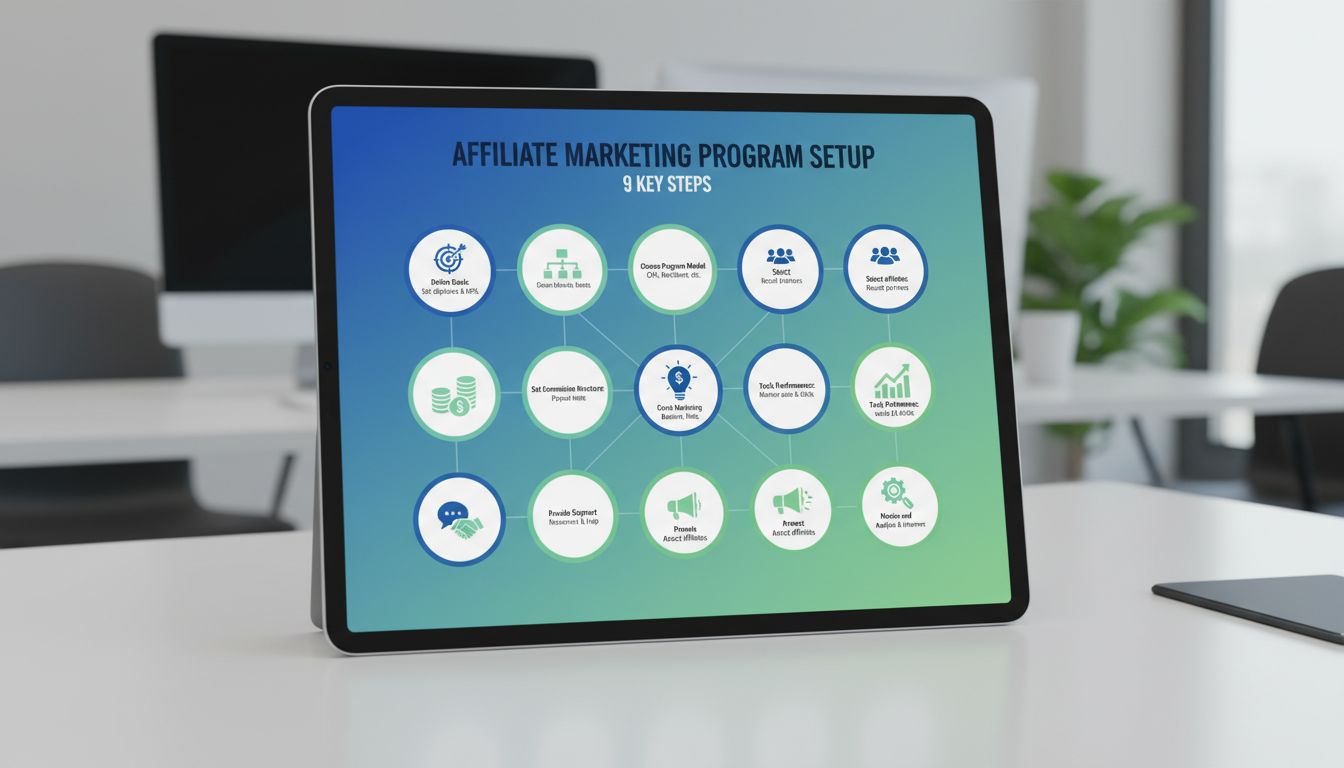
Learn how to set up a successful affiliate marketing program with our comprehensive guide. Discover the 9 essential steps from goal setting to performance optim...
Join our community of happy clients and provide excellent customer support with Post Affiliate Pro.




Cookie Consent
We use cookies to enhance your browsing experience and analyze our traffic. See our privacy policy.