


What is Affiliate Marketing: Guide Beginners & Businesses
Learn what affiliate marketing is, how it works, commission models, and proven strategies to earn passive income. why 80% of brands use affiliate programs.
15 min read

how to launch a profitable affiliate marketing campaign from scratch. niche selection, platform building, program selection
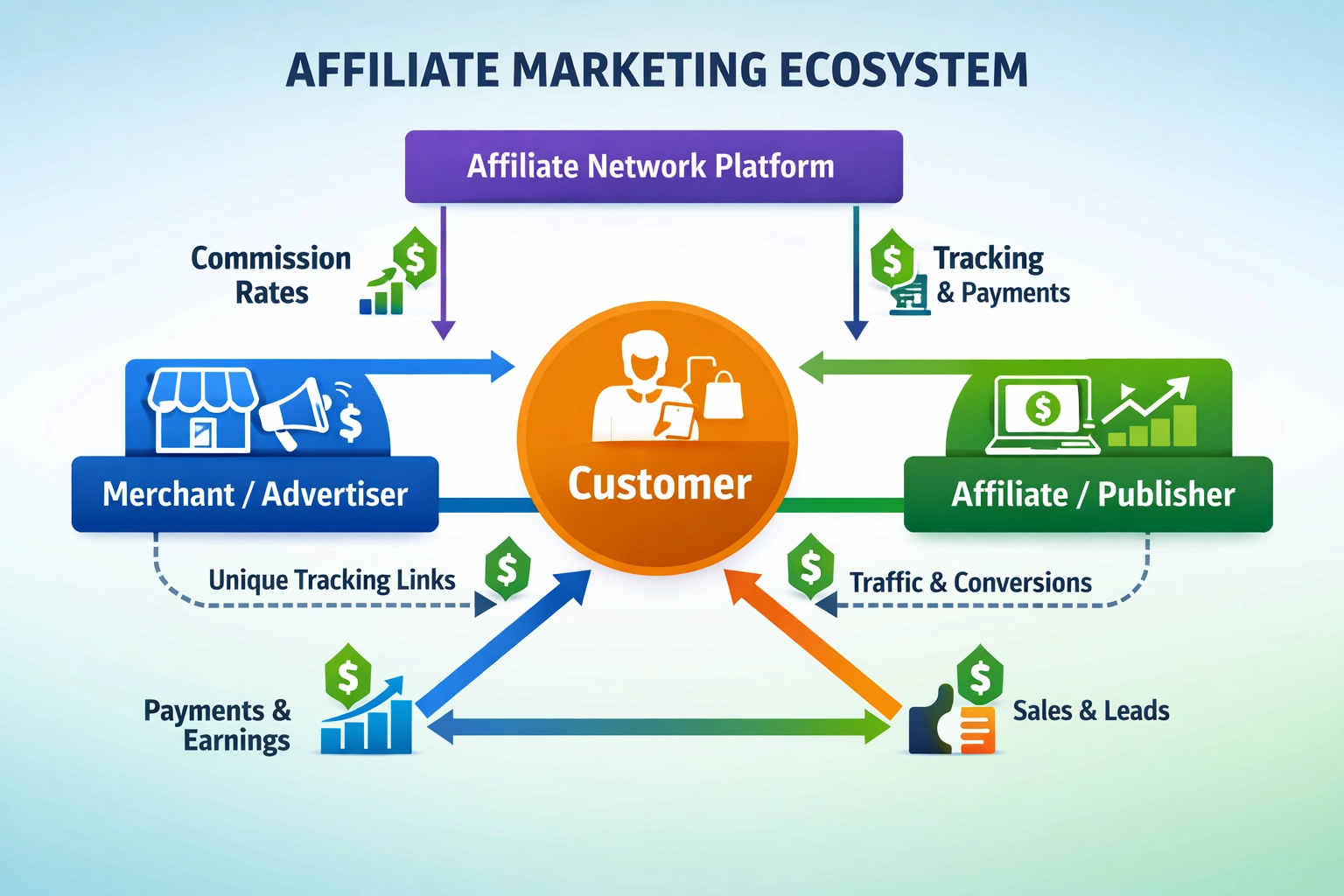
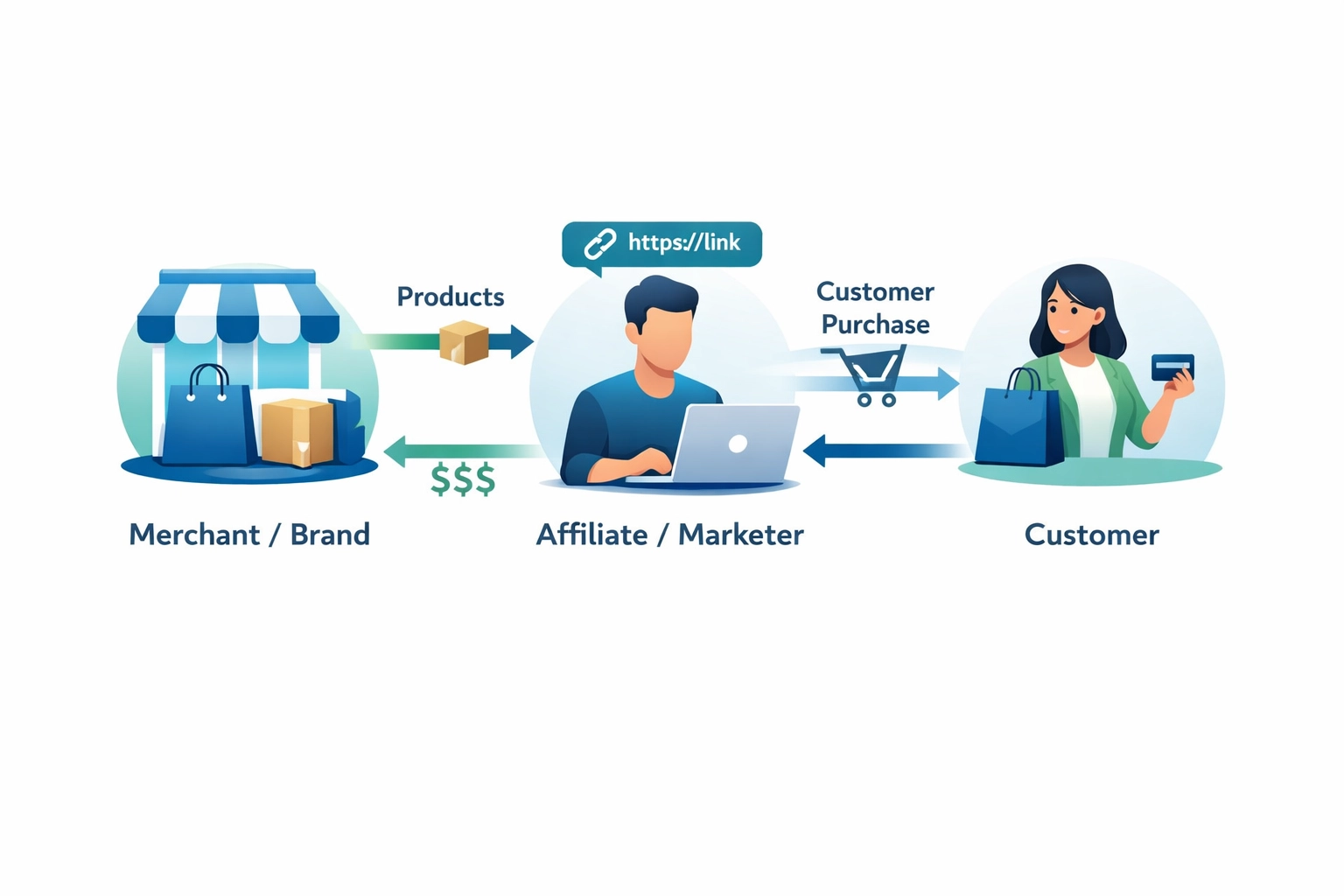
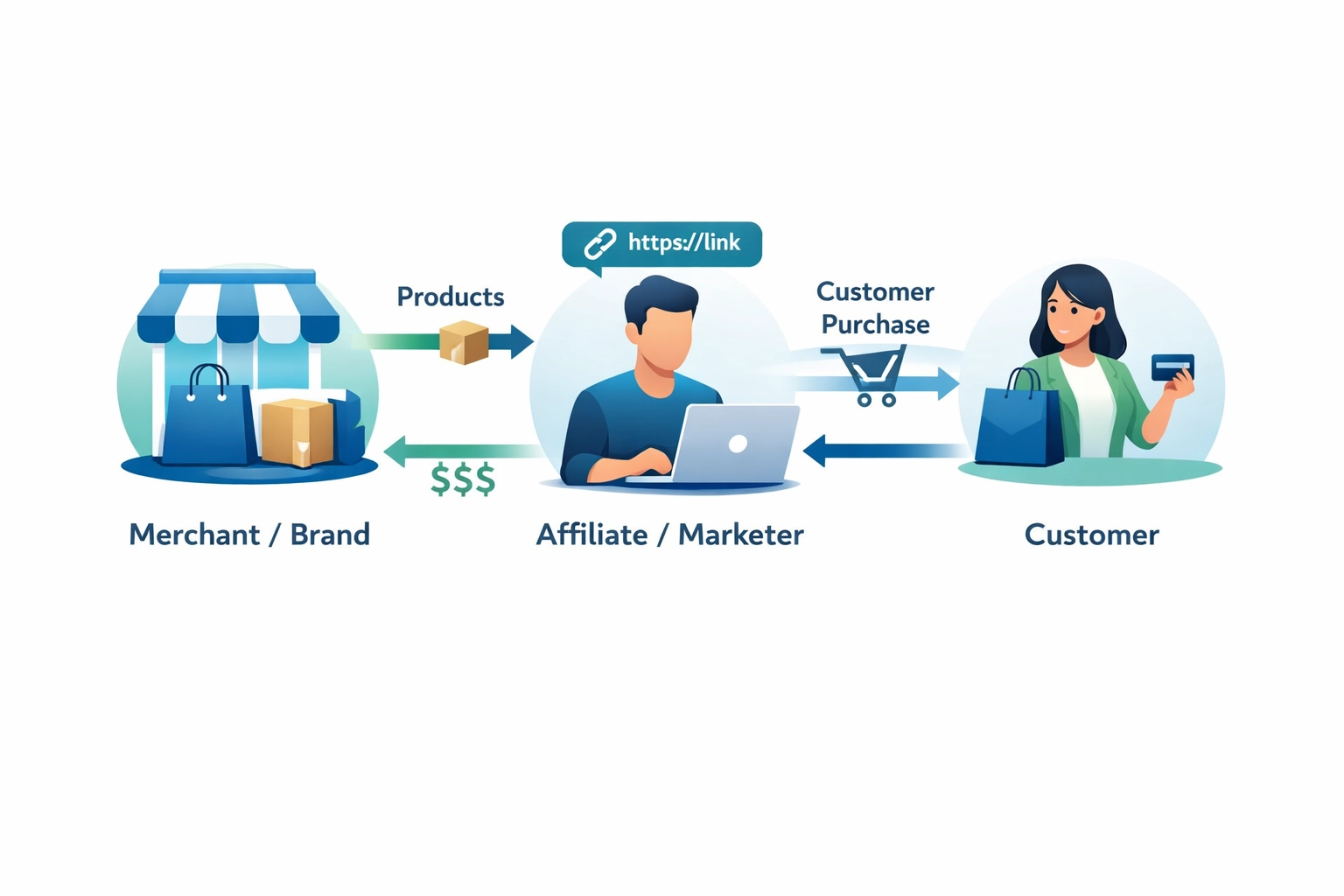
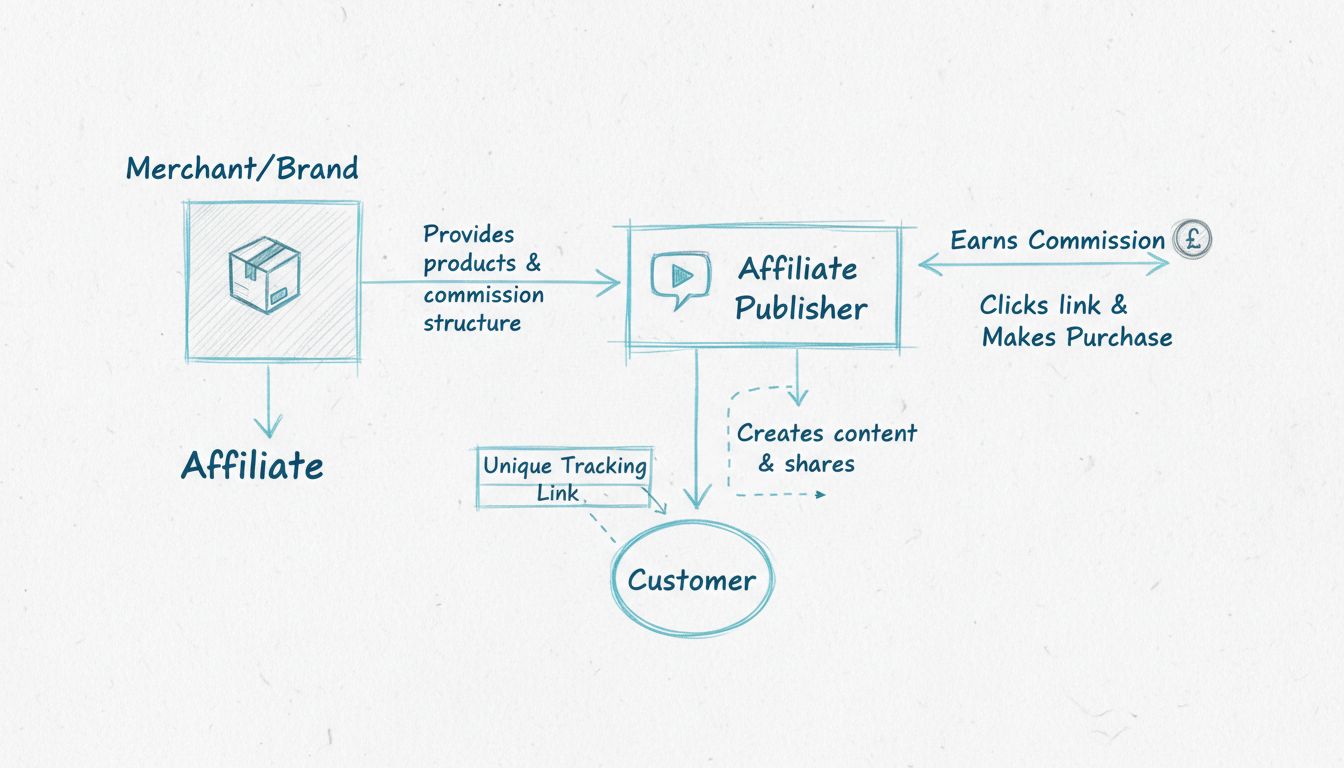
Affiliate marketing is a performance-based marketing model where individuals or businesses earn commissions by promoting products or services on behalf of merchants. The mechanism works through a simple three-party system: the merchant (product creator), the affiliate (promoter), and the consumer (buyer). When a consumer makes a purchase through an affiliate’s unique tracking link, the affiliate receives a predetermined commission percentage or flat fee. This model has become increasingly attractive to entrepreneurs and content creators because it requires minimal upfront investment, no inventory management, and the ability to earn passive income while building an audience. The global affiliate marketing industry is projected to reach $12 billion by 2024, reflecting its explosive growth and proven effectiveness as a revenue generation strategy.
Affiliate marketing offers numerous compelling advantages that make it an ideal business model for aspiring entrepreneurs:

Set up advanced tracking in minutes. No credit card required.
Selecting the right niche is foundational to affiliate marketing success, as it determines your audience, competition level, and earning potential. Effective niche selection requires thorough research using tools like Google Trends, SEMrush, Ahrefs, and Answer the Public to identify search volume, competition intensity, and audience demand. Look for niches with passionate audiences willing to spend money, emerging trends with growth potential, and problems you can authentically solve. For example, the fitness technology niche has exploded with products like smartwatches and home gym equipment, while sustainable living products continue gaining traction among environmentally conscious consumers.
| Niche | Market Size | Competition | Profit Potential |
|---|---|---|---|
| Personal Finance & Investing | Very Large | High | High |
| Health & Wellness Supplements | Large | High | Medium-High |
| Gaming Peripherals & Gear | Large | Medium-High | High |
| Sustainable Home Products | Medium | Medium | Medium-High |
| Pet Care & Accessories | Large | Medium | Medium |

Your choice of platform significantly impacts your affiliate marketing success, with three primary options each offering distinct advantages. A blog provides the most SEO-friendly environment for long-form content, allowing you to rank for high-intent keywords and build organic traffic over time—ideal if you’re willing to invest 6-12 months before seeing substantial returns. Social media platforms like Instagram, TikTok, and Pinterest enable rapid audience building and real-time engagement, making them perfect for visual products and trend-driven niches, though algorithm changes can impact reach unpredictably. YouTube combines the benefits of both, offering excellent SEO value, high engagement rates, and the ability to demonstrate products through video—though it requires significant production effort and time investment. Select your platform based on your content creation strengths, target audience preferences, available time, and technical comfort level; many successful affiliates eventually use multiple platforms to diversify traffic sources.
Be the first to know about new features and product updates.
Finding quality affiliate programs requires knowing where to look and understanding what makes a program worth promoting. Major affiliate networks like Amazon Associates, ShareASale, CJ Affiliate, Impact, and Awin host thousands of merchant programs across virtually every industry, providing centralized platforms for program discovery and payment processing. When evaluating programs, examine the commission rate (percentage or flat fee per sale), cookie duration (how long you’re credited for a referral—typically 24 hours to 90 days), and EPC (earnings per click, showing average revenue per visitor sent). Beyond these metrics, prioritize programs from reputable brands with quality products, strong customer reviews, and reliable payment histories, as promoting low-quality products damages your credibility and conversion rates. Additionally, consider the program’s marketing support, affiliate dashboard features, and whether they provide promotional materials, product feeds, and dedicated affiliate managers.
Creating high-converting content requires balancing promotional messaging with genuine value delivery and authentic recommendations. The most effective affiliate content addresses specific pain points your audience faces, then naturally introduces products as solutions rather than forcing promotions into unrelated content. Product reviews, comparison guides, how-to tutorials, and problem-solution articles consistently outperform generic promotional content because they provide utility while building trust with your audience. Authenticity is paramount—only promote products you’ve genuinely used and believe in, as readers quickly detect insincerity and disengage from untrustworthy sources. Optimize your content for search engines by incorporating relevant keywords naturally, using descriptive headers, and earning backlinks from authoritative sites. Include clear calls-to-action (CTAs) that guide readers toward affiliate links, but avoid aggressive or manipulative tactics; instead, make the next step feel like a natural progression of the value you’ve provided.
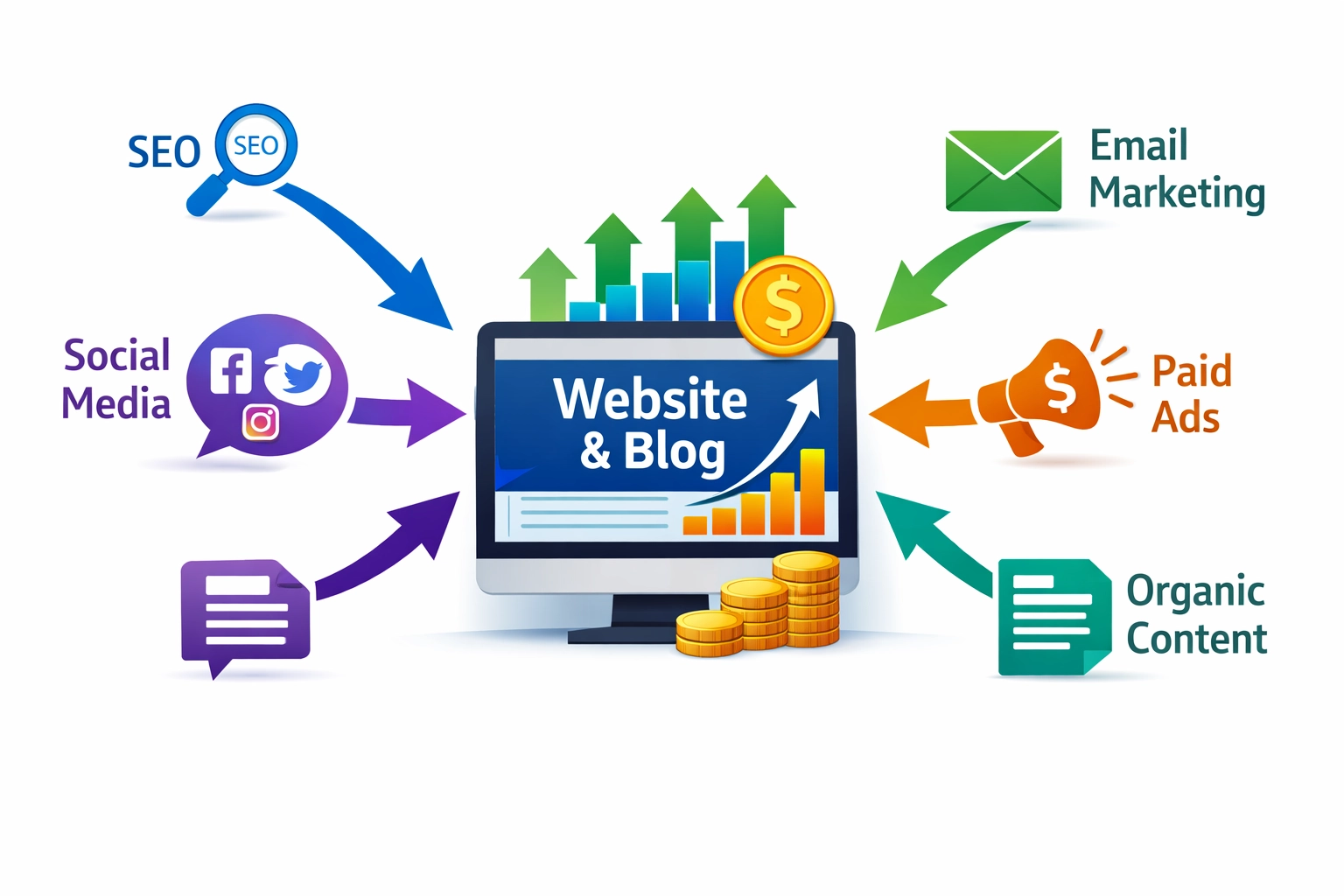
Search engine optimization remains the most reliable long-term traffic source for affiliate marketers, as organic visitors typically have higher conversion rates than paid traffic. Begin with comprehensive keyword research to identify search terms your target audience uses when looking for solutions, focusing on long-tail keywords with lower competition and higher purchase intent (e.g., “best budget wireless earbuds under $50” rather than just “earbuds”). Implement on-page SEO by optimizing title tags, meta descriptions, headers, and content structure, while building off-page authority through quality backlinks and guest posting on relevant websites. Supplement organic search with social media promotion by sharing content across platforms where your audience congregates, building an email list to nurture relationships and drive repeat traffic, and considering paid advertising through Google Ads or social platforms to accelerate growth during critical periods. A diversified traffic strategy reduces dependency on any single source and provides multiple pathways for audience discovery.
Tracking and analyzing key performance metrics enables data-driven optimization and reveals which strategies generate the highest returns. Essential metrics include click-through rate (CTR—percentage of visitors clicking affiliate links), conversion rate (percentage of clicks resulting in purchases), earnings per click (EPC), and return on investment (ROI—comparing earnings against advertising or content creation costs). Tools like Google Analytics, affiliate network dashboards, Refersion, and Impact provide detailed tracking data, while A/B testing different link placements, CTAs, product recommendations, and content formats reveals what resonates with your audience. Regularly review your data to identify top-performing content, underperforming products to remove, and optimization opportunities; successful affiliates treat their business like a science experiment, constantly testing hypotheses and scaling what works.
Avoiding common pitfalls accelerates your path to profitability and protects your long-term reputation. Never promote products you haven’t used or don’t genuinely believe in—your credibility is your most valuable asset, and recommending poor-quality products for quick commissions destroys audience trust permanently. Always include FTC disclosure statements (like “This post contains affiliate links”) to comply with regulations and maintain transparency; failure to disclose can result in legal penalties and platform bans. Reject the expectation of overnight success; affiliate marketing typically requires 6-12 months of consistent effort before generating meaningful income, so avoid abandoning strategies prematurely. Neglecting relationship-building with your audience, other affiliates, and merchants limits your growth potential—engage authentically in comments, respond to emails, and collaborate with complementary creators. Finally, resist the temptation to spread yourself too thin by promoting dozens of unrelated products; focus on a curated selection within your niche where you can develop genuine expertise and authority.
Scaling your affiliate business requires strategic reinvestment and systematic expansion across multiple channels and revenue streams. Begin by reinvesting earnings into content creation tools, SEO services, and paid advertising that amplify your reach and accelerate growth beyond organic limitations. Expand across platforms by repurposing successful content into different formats—transform blog posts into videos, infographics, podcasts, and social media content to reach audiences with different consumption preferences. Build an email list aggressively, as email subscribers represent owned audience assets that generate consistent traffic and revenue independent of algorithm changes. Create complementary content that addresses related problems and naturally guides readers toward additional affiliate recommendations, increasing average revenue per visitor. Diversify your affiliate programs to reduce commission dependency on any single merchant, and consider creating your own products (digital courses, templates, tools) that leverage your audience and expertise for higher profit margins. Maintain a long-term vision focused on building sustainable business assets rather than chasing quick commissions, as this mindset transforms affiliate marketing from a side hustle into a legitimate, scalable business.
Earnings vary widely based on audience size, niche, and commission rates. Beginners might earn $100-500/month, while established affiliates can earn $5,000+/month or more. Your income potential is directly tied to the quality of your content, audience engagement, and strategic program selection.
Most affiliates see their first commission within 3-6 months. Building a sustainable income typically takes 6-12 months of consistent effort. Success depends on your niche competitiveness, content quality, and traffic generation strategies.
No, you can start with social media, YouTube, or a blog. However, a website gives you more control and better long-term SEO benefits. Many successful affiliates eventually use multiple platforms to diversify traffic sources and reach different audience segments.
Amazon Associates is popular for beginners due to high product variety and recognizable brand. However, choose programs aligned with your niche for better conversion rates. Consider commission rates, cookie duration, and brand reputation when selecting programs.
Yes, affiliate marketing is legal. You must disclose affiliate relationships according to FTC guidelines to maintain transparency and trust. Proper disclosure protects both you and your audience while keeping your business compliant with regulations.
Yes, diversifying across multiple programs reduces risk and increases income potential. However, ensure all products align with your audience's interests. Focus on quality over quantity to maintain credibility and conversion rates.
Affiliate marketing focuses on earning commissions through referral links. Influencer marketing involves paid partnerships. Many influencers use affiliate links to monetize their platforms while maintaining authentic recommendations.
Research programs thoroughly, check reviews, verify payment history, and avoid programs with unrealistic promises. Stick with established networks and brands. Look for transparent commission structures and reliable payment processing.
PostAffiliatePro makes it easy to manage your affiliate program and track commissions accurately. Start building your affiliate network today.
Learn what affiliate marketing is, how it works, commission models, and proven strategies to earn passive income. why 80% of brands use affiliate programs.
Learn what affiliate marketing means with our comprehensive guide. Discover how affiliate programs work, commission structures, and why PostAffiliatePro is the ...
Compare affiliate marketing and dropshipping business models. Learn startup costs, profit margins, and which is easier to start for beginners.
Join our community of happy clients and provide excellent customer support with Post Affiliate Pro.




Cookie Consent
We use cookies to enhance your browsing experience and analyze our traffic. See our privacy policy.