


How to Choose the Right Affiliates for Your Program | Expert Guide
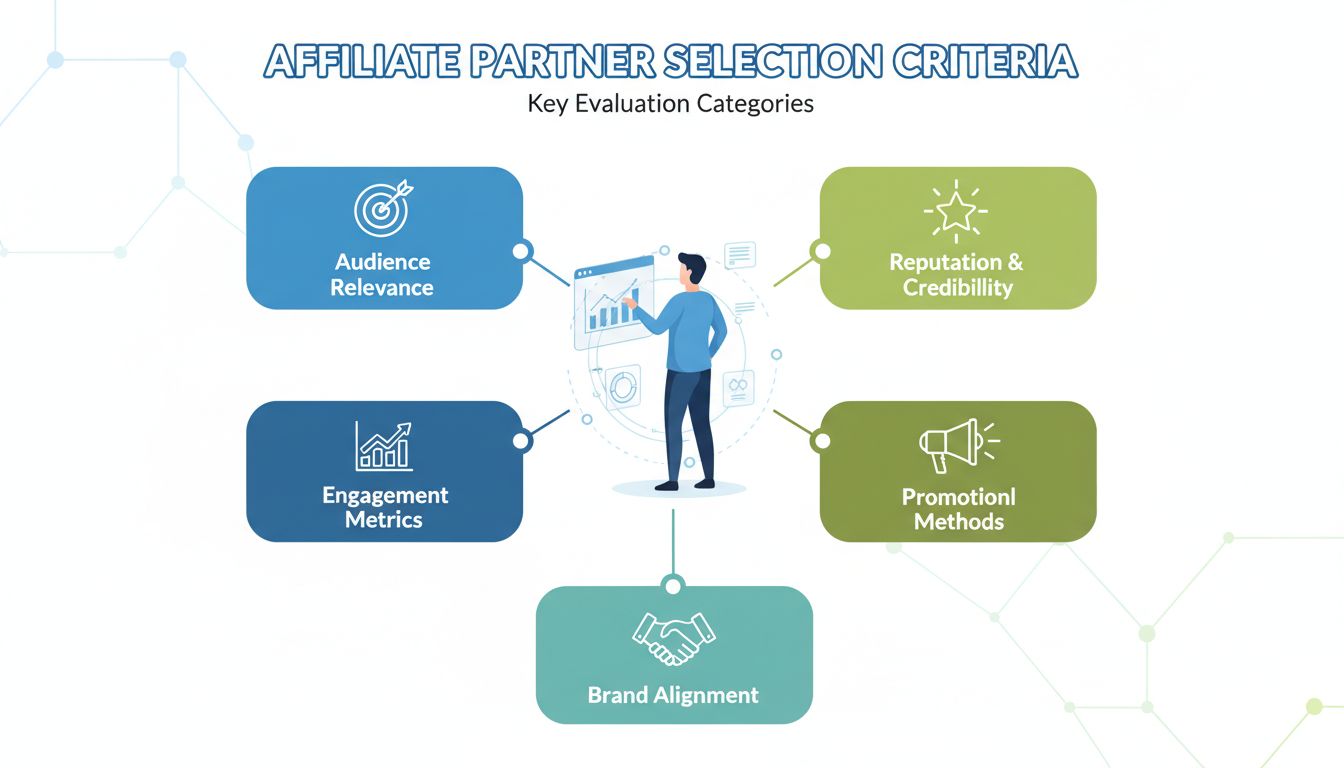
Learn how to select high-quality affiliates for your program. Discover key evaluation criteria including audience relevance, reputation, engagement metrics, and...
9 min read


how to research, evaluate, and select high-quality affiliate marketers for your program. key qualifications, performance metrics

When building a successful affiliate program, the foundation rests on selecting the right partners. An affiliate marketer’s qualifications extend far beyond simply having a website or social media following—they must demonstrate a genuine understanding of your product, alignment with your brand values, and a proven ability to drive conversions. The most successful affiliate partnerships occur when marketers possess relevant industry experience, understand their audience’s pain points, and can authentically communicate why your solution matters. Before investing time and resources into onboarding a new affiliate, you need to thoroughly evaluate whether they have the fundamental skills, credibility, and audience fit to represent your brand effectively. This evaluation process is critical because studies show that the top 20% of affiliates typically generate 80% of your program’s revenue, making partner selection one of your highest-impact activities.
Evaluating an affiliate marketer’s skill set requires looking beyond surface-level metrics to understand their actual capabilities and expertise. You should assess their content creation abilities, whether they can write compelling copy, produce engaging videos, or design eye-catching graphics that resonate with their audience. Technical proficiency matters significantly—can they properly implement tracking pixels, manage UTM parameters, and integrate affiliate links without disrupting user experience? Their marketing knowledge should include understanding of SEO, email marketing, paid advertising, and conversion optimization techniques. Additionally, evaluate their analytical mindset: do they track performance data, test different approaches, and optimize based on results? Communication skills are equally important, as you’ll need partners who can collaborate effectively, provide regular updates, and respond to your guidance. Finally, assess their industry knowledge and whether they stay current with trends, best practices, and emerging technologies in your space.
| Skill Area | Why It Matters | How to Evaluate |
|---|---|---|
| Content Creation | Drives engagement and audience trust | Review portfolio, ask for writing samples, check video quality |
| Technical Implementation | Ensures accurate tracking and compliance | Discuss their setup process, ask about tools they use |
| Marketing Expertise | Determines promotional effectiveness | Review past campaigns, ask about their strategy |
| Analytics & Optimization | Shows commitment to performance improvement | Ask about metrics they track, how they optimize |
| Communication | Enables smooth partnership management | Assess responsiveness, clarity in initial conversations |
| Industry Knowledge | Ensures authentic, credible recommendations | Discuss trends, ask about their perspective on your space |

Set up advanced tracking in minutes. No credit card required.
While audience size matters, audience quality is far more important when evaluating potential affiliate partners. A marketer with 50,000 highly engaged followers in your target demographic will outperform someone with 500,000 disengaged followers who don’t match your ideal customer profile. Examine their audience demographics carefully—age, location, income level, interests, and professional background should align with your customer base. Look at engagement metrics beyond follower counts: what percentage of their audience actually interacts with their content through comments, shares, and clicks? Research whether their audience trusts their recommendations by reviewing comments and feedback on their promotional content. The most valuable affiliates have built genuine authority and credibility within their niche, meaning their audience views them as a trusted advisor rather than just another marketer pushing products. Ask for audience insights directly—reputable affiliates should be willing to share analytics data that demonstrates their reach and engagement quality.
A potential affiliate’s historical performance provides the strongest indicator of future success. Request detailed information about their previous campaigns, including conversion rates, average order values, and customer acquisition costs. Industry benchmarks show that top-performing affiliates typically achieve conversion rates between 2-5%, significantly higher than average performers. Examine their track record across multiple campaigns and products—consistency matters more than occasional spikes. Ask specific questions about their performance:
Request references from previous affiliate programs they’ve worked with, and actually contact those references to verify their claims. Look for patterns in their performance data—do they show consistent improvement over time, or do results fluctuate wildly? The most reliable partners demonstrate steady, predictable performance rather than unrealistic promises of overnight success.
Be the first to know about new features and product updates.
An affiliate’s reputation directly reflects on your brand, making ethical evaluation non-negotiable. Research their online presence thoroughly: search for their name, review their social media profiles, and look for any negative feedback or complaints from customers or previous partners. Check whether they’ve been involved in any controversies, misleading marketing practices, or unethical behavior that could damage your brand association. Evaluate their promotional style—do they use high-pressure tactics, make unrealistic claims, or employ manipulative copywriting? The best affiliates build trust through transparency, honest product reviews, and genuine recommendations rather than hype. Ask directly about their marketing philosophy and ethical standards during initial conversations. Review their existing content to assess whether they promote products responsibly and disclose affiliate relationships clearly. Partners who prioritize long-term credibility over short-term commissions will generate higher-quality customers and build sustainable revenue for your program.

LinkedIn is an invaluable resource for researching and evaluating potential affiliate partners, especially in B2B and professional services spaces. Start by searching for your target affiliate’s profile to verify their claimed experience, education, and professional background—inconsistencies should raise red flags. Examine their activity level and content engagement: do they regularly share insights, comment thoughtfully on industry discussions, and demonstrate genuine expertise? Review their recommendations and endorsements from colleagues, which provide third-party validation of their skills and credibility. Look at their connection network and whether they have relationships with relevant industry figures, potential customers, or complementary service providers. Check their posting history to understand their communication style, whether they provide value to their audience, and how frequently they engage with their network. LinkedIn’s search filters allow you to identify affiliates by industry, company, skills, and location, making it easier to find partners who match your specific criteria. Connect with promising candidates and engage with their content before reaching out—this builds rapport and demonstrates genuine interest in their work.

Multiple tools and platforms streamline the process of researching and evaluating potential affiliate partners. PostAffiliatePro stands out as the top solution for managing your entire affiliate program, offering built-in analytics, performance tracking, and partner management features that make evaluation significantly easier. Beyond your affiliate platform, use SEMrush or Ahrefs to analyze an affiliate’s website traffic, keyword rankings, and backlink profile—this reveals their actual reach and SEO authority. Google Analytics (with permission) or similar tools can show you traffic sources and audience behavior on their site. Social media analytics tools like Sprout Social or Buffer help you evaluate engagement rates, audience demographics, and content performance across platforms. BuzzSumo reveals which content performs best for a potential partner and identifies their most influential pieces. For email marketers, tools like Hunter.io help verify their email list size and engagement patterns. Crunchbase and LinkedIn Sales Navigator provide professional background verification and network analysis. These tools work together to create a comprehensive picture of an affiliate’s capabilities and reach.
| Tool | Primary Use | Best For |
|---|---|---|
| PostAffiliatePro | Affiliate program management & tracking | Complete partner evaluation and performance monitoring |
| SEMrush/Ahrefs | Website traffic and SEO analysis | Evaluating organic reach and authority |
| Google Analytics | Traffic source and behavior analysis | Understanding audience quality and engagement |
| Sprout Social/Buffer | Social media analytics | Evaluating social media reach and engagement |
| BuzzSumo | Content performance analysis | Identifying influential content and reach |
| Hunter.io | Email list verification | Evaluating email marketing capabilities |
| LinkedIn Sales Navigator | Professional background verification | Researching experience and network |
Certain warning signs should immediately disqualify a potential affiliate from your program. Be cautious of marketers who make unrealistic promises about guaranteed results, claim they can generate thousands of conversions immediately, or refuse to discuss their actual performance metrics and track record. Avoid partners who lack transparency about their methods, won’t explain how they’ll promote your product, or seem more interested in quick commissions than building a genuine partnership. Red flags include poor communication (slow responses, vague answers), inability to provide references or case studies, and a history of promoting low-quality or scammy products. Watch for affiliates who want to use misleading marketing tactics, make false claims about your product, or employ spam-like promotional methods that could damage your reputation. Be wary of those who request unusually high commission rates without justifying their value, or who seem to be promoting everything under the sun without any niche focus. Finally, avoid partners who show signs of financial desperation or instability, as they’re more likely to cut corners or engage in unethical behavior to meet their income needs.
The most successful affiliate programs focus on building long-term partnerships rather than transactional relationships. Once you’ve identified and onboarded quality affiliates, invest in their success through regular communication, performance feedback, and strategic support. Research shows that affiliate retention rates of 60-80% are achievable when programs provide adequate support, competitive commissions, and clear growth opportunities. Schedule regular check-ins to discuss performance, identify challenges, and brainstorm promotional strategies together. Provide your best affiliates with exclusive resources, early access to new products, and higher commission tiers as incentives for continued excellence. Share customer feedback and success stories that demonstrate the impact of their work, which reinforces their motivation and helps them refine their messaging. Create a community among your affiliates where they can share best practices, learn from each other, and feel valued as partners rather than just commission-earning channels. Recognize and reward top performers publicly, celebrate milestones together, and show genuine appreciation for their contributions to your business growth.
Developing a systematic evaluation framework ensures consistent, objective assessment of all potential affiliate partners. Start by defining your ideal affiliate profile based on your business goals, target customer, and product type—this becomes your baseline for comparison. Create a scoring rubric that evaluates candidates across key dimensions: audience quality and alignment (25%), performance track record (25%), brand reputation and ethics (20%), technical capabilities (15%), and communication and responsiveness (15%). Assign point values to each criterion and establish minimum thresholds that candidates must meet to be approved. Document your evaluation process in a standardized template that includes sections for audience analysis, performance verification, reference checks, and risk assessment. Use PostAffiliatePro’s analytics and reporting features to track how different affiliates perform once onboarded, then feed this data back into your evaluation framework to continuously improve your selection criteria. Review and update your framework quarterly based on which affiliates deliver the best results and which ones underperform, allowing you to refine your partner selection process over time. This systematic approach removes bias from decision-making, ensures you’re selecting partners most likely to succeed, and creates a repeatable process that scales as your program grows.
The most important qualifications include relevant industry experience, a proven track record of driving conversions, audience alignment with your target customer, and demonstrated expertise in their niche. Look for partners who understand your product, have built genuine credibility with their audience, and can authentically communicate your value proposition. Technical proficiency with tracking tools and marketing platforms is also essential.
Request detailed case studies, references from previous affiliate programs, and access to performance data from similar campaigns. Contact their previous partners directly to verify their claims. Use tools like Google Analytics (with permission), SEMrush, or Ahrefs to analyze their website traffic and authority. Ask specific questions about conversion rates, customer acquisition costs, and retention rates for referred customers.
Be cautious of affiliates who make unrealistic promises, lack transparency about their methods, refuse to provide references, or have a history of promoting low-quality products. Avoid partners who want to use misleading marketing tactics, show poor communication, or request unusually high commissions without justifying their value. Also watch for signs of financial desperation or instability.
Look at engagement metrics like comment rates, share rates, and click-through rates. Examine audience demographics to ensure alignment with your target customer. Review the quality of comments and feedback on their content to assess whether their audience trusts their recommendations. Ask for analytics data directly and verify that their audience is genuinely interested in your product category.
Use PostAffiliatePro for comprehensive affiliate management and performance tracking. Combine it with SEMrush or Ahrefs for website analysis, Google Analytics for traffic insights, LinkedIn for professional background verification, and BuzzSumo for content performance analysis. Hunter.io helps verify email capabilities, while Sprout Social provides social media analytics. These tools together create a complete picture of an affiliate's capabilities.
Conduct formal performance reviews quarterly to assess conversion rates, revenue generation, and compliance with program terms. Have regular check-ins (monthly or bi-weekly) to discuss performance, identify challenges, and provide support. Use PostAffiliatePro's analytics to track performance continuously and adjust your strategy based on real-time data. Update your evaluation framework annually based on which partners deliver the best results.
Industry benchmarks show that top-performing affiliates typically achieve conversion rates between 2-5%, with e-commerce averaging 1-3% and SaaS averaging 3-7%. However, these benchmarks vary by industry, product type, and traffic source. Focus on consistency and improvement over time rather than absolute numbers. The 80/20 rule applies here—your top 20% of affiliates will likely generate 80% of your program's revenue.
Provide competitive commissions, regular communication, and strategic support to help affiliates succeed. Share customer feedback and success stories to reinforce their impact. Create exclusive opportunities for top performers, such as higher commission tiers or early access to new products. Build community among affiliates so they can share best practices. Strong affiliate programs maintain 60-80% annual retention rates by prioritizing partner success.
PostAffiliatePro makes it easy to recruit, manage, and evaluate affiliate partners with comprehensive analytics and performance tracking. Start building your ideal affiliate network today.
Learn how to select high-quality affiliates for your program. Discover key evaluation criteria including audience relevance, reputation, engagement metrics, and...
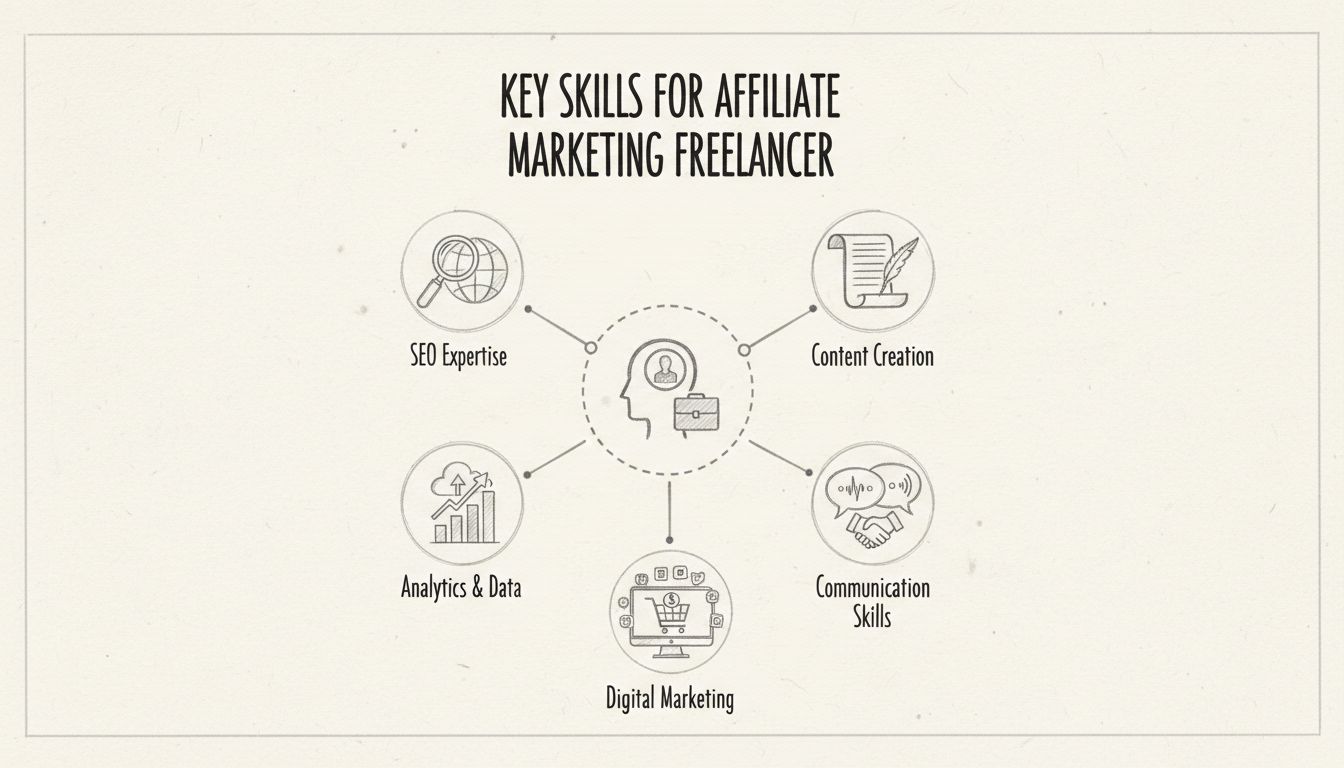
Discover the essential skills to look for when hiring an affiliate marketing freelancer. Learn about SEO, content creation, analytics, and communication experti...

Discover essential skills for affiliate marketing jobs: data analysis, communication, technical expertise, and more to succeed in affiliate marketing careers.
Join our community of happy clients and provide excellent customer support with Post Affiliate Pro.




Cookie Consent
We use cookies to enhance your browsing experience and analyze our traffic. See our privacy policy.