


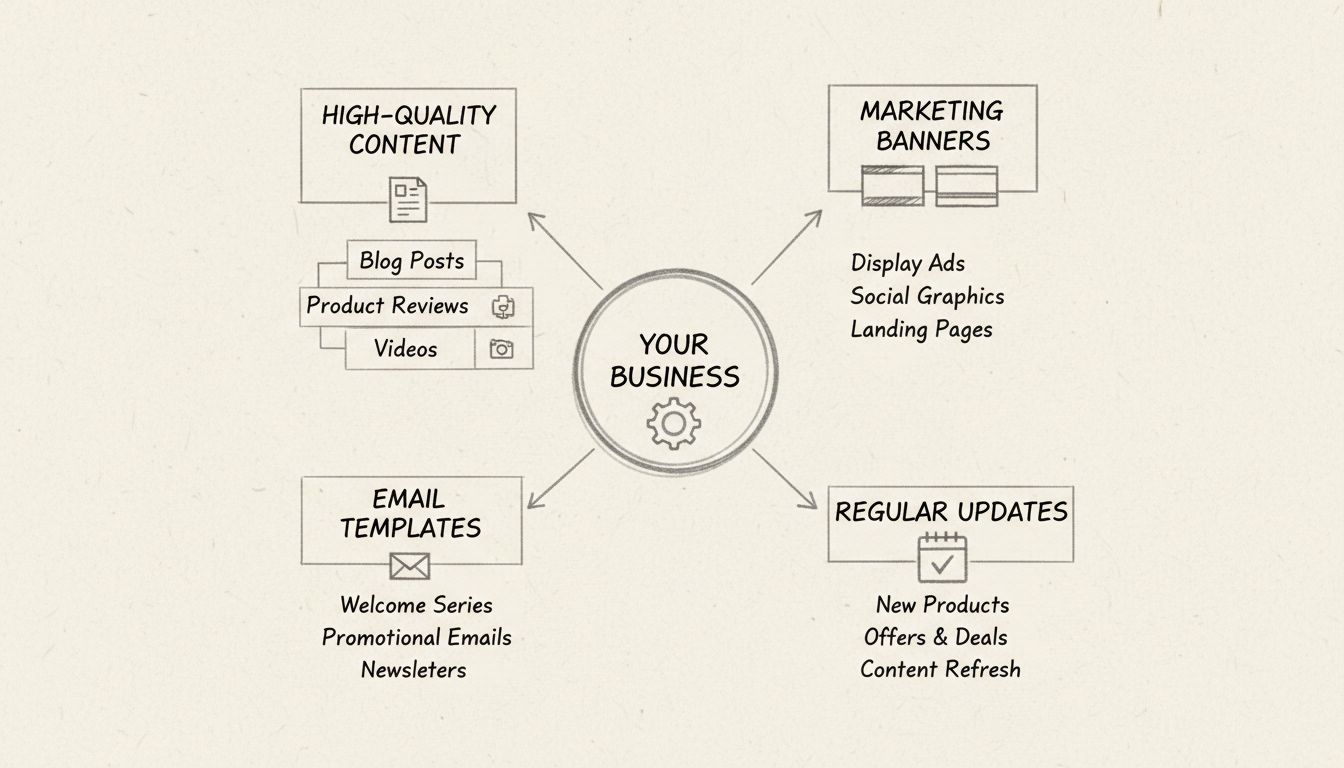
What Tools and Resources Do Affiliates Need From Your Business?
Discover essential affiliate resources including high-quality content, banners, email templates, and regular updates. Learn how PostAffiliatePro empowers affili...
9 min read


how to find trustworthy affiliate programs with transparent terms, reliable payments, and excellent support. Learn key criteria to evaluate before joining.
Understanding affiliate program reputation requires a multi-source research approach that goes beyond surface-level claims and marketing promises. Start by investigating where to find authentic feedback: Reddit communities (r/affiliate, r/passive_income), Trustpilot and similar review platforms, dedicated affiliate forums like AffiliateFix and Warrior Forum, and industry-specific communities where marketers share real experiences. Affiliate networks like CJ Affiliate, ShareASale, and Rakuten Marketing play a crucial vetting role by screening programs before listing them, providing an initial layer of legitimacy assurance. Community feedback and word-of-mouth recommendations from established affiliates are invaluable—programs with consistent positive mentions across multiple platforms are generally more trustworthy than those with isolated praise. However, watch for red flags during reputation research: suspiciously perfect reviews with no criticism, recent negative spikes in feedback, vague or evasive responses to affiliate questions, and programs that discourage public discussion or reviews.
Research Methods for Evaluating Reputation:
Reputation Source Comparison Table:
| Source Type | Reliability | What to Look For | Potential Bias |
|---|---|---|---|
| Affiliate Forums | High | Detailed experiences, payment issues, support quality | Negative experiences more vocal than positive |
| Reddit Communities | High | Honest, unfiltered feedback from real users | Anonymous, unverified claims possible |
| Trustpilot/G2 | Medium-High | Verified purchase reviews, response patterns | Businesses may incentivize positive reviews |
| Official Testimonials | Low-Medium | Polished success stories, case studies | Heavily curated, cherry-picked examples |
| Affiliate Networks | High | Pre-vetted programs, compliance standards | Networks have financial interest in listed programs |
| Social Media | Medium | Company responsiveness, community engagement | Curated content, limited negative feedback |
| Direct Affiliate Referrals | Very High | Personal experiences, honest assessments | Limited sample size, individual experiences vary |
Evaluating commission structures and payment terms is critical because they directly impact your earning potential and cash flow sustainability. Affiliate programs typically operate on several commission models: Cost Per Action (CPA) pays a fixed amount for specific actions (sign-ups, form submissions, downloads), Cost Per Sale (CPS) or revenue share provides a percentage of each sale (typically 5-50% depending on industry), Cost Per Click (CPC) compensates for traffic sent regardless of conversions, and hybrid models combine multiple structures for flexibility. Commission rates vary dramatically by industry—e-commerce typically offers 5-15%, SaaS programs range from 20-40%, and high-ticket items like financial services can reach 50%+ per sale. Beyond the headline commission rate, examine payment thresholds (minimum earnings before payout, often $25-$100), cookie duration (how long you’re credited for referrals, ideally 30-90 days), and payment frequency (weekly, bi-weekly, or monthly). Critical metrics to evaluate include whether the program offers multiple payment methods (PayPal, bank transfer, check), if there are hidden fees or deductions, and whether commissions are paid on gross or net revenue. Red flags include unrealistic commission promises, vague payment terms, frequent policy changes, or programs that require you to purchase inventory or “starter kits” before earning commissions.

Set up advanced tracking in minutes. No credit card required.
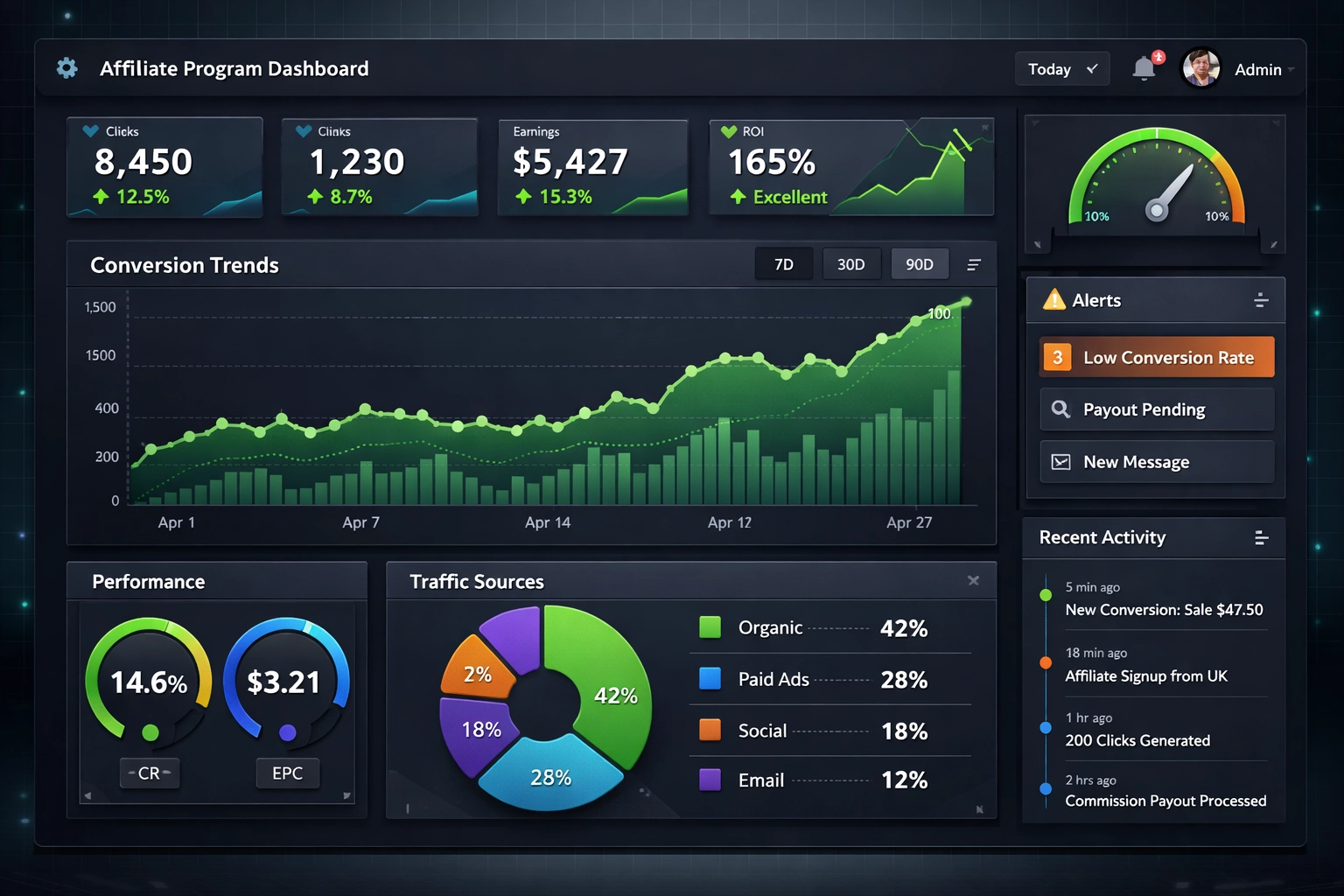
Assessing support quality and available resources separates professional affiliate programs from mediocre ones, directly affecting your ability to succeed and troubleshoot issues. Quality support comes in multiple forms: dedicated affiliate managers for top performers who provide strategy guidance and promotional support, responsive email and chat support with reasonable response times (ideally under 24 hours), and phone support for urgent issues or complex questions. The affiliate dashboard should be intuitive and feature-rich, displaying real-time statistics on clicks, conversions, earnings, and payouts without requiring technical expertise to navigate. Beyond direct support, evaluate the training materials and resources available—comprehensive guides, video tutorials, webinars, and best practice documentation help you optimize campaigns and maximize earnings. Many reputable programs maintain community forums or Slack channels where affiliates share strategies, ask questions, and learn from peers, creating a collaborative environment that accelerates your success. Response time expectations matter significantly; programs that answer questions within 24 hours and resolve issues within 48-72 hours demonstrate genuine commitment to affiliate success, while those with week-long response times indicate understaffing or deprioritized affiliate support.
Red flags and warning signs help you avoid scams and predatory programs that waste your time and damage your reputation. Be extremely cautious of unrealistic commission promises (“earn $10,000 per month with minimal effort” or commissions that seem 2-3x higher than industry standards), lack of transparency about how commissions are calculated, payment terms, or company background, and pressure tactics that create artificial urgency (“limited spots available,” “join today or miss out”). Programs with MLM-style recruitment focus that emphasize recruiting other affiliates over actual product sales are inherently unstable and often unsustainable. Watch for programs with no clear product or service—legitimate programs have tangible offerings you can understand and promote confidently. Fake testimonials using stock photos, generic praise without specifics, or testimonials from people who don’t exist are major red flags indicating dishonest marketing. Additionally, scrutinize hidden terms and conditions, vague commission structures, programs that require upfront payments, those with no verifiable company information, and any that discourage affiliates from discussing earnings or terms publicly.
Critical Warning Signs to Avoid:
Be the first to know about new features and product updates.

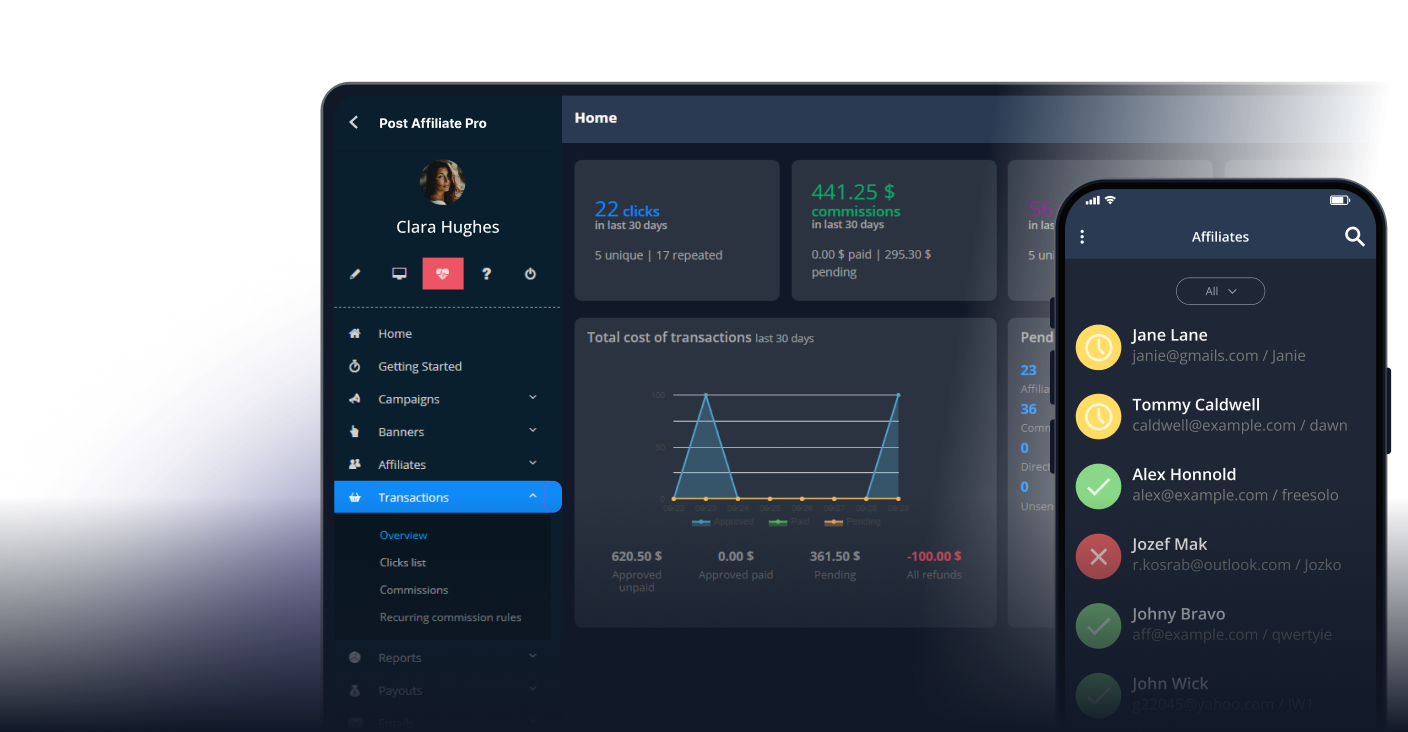
Transparency and data access are fundamental to building trust and ensuring you can accurately track your performance and earnings. Real-time tracking is essential—your affiliate dashboard should display clicks, impressions, conversions, and earnings updated continuously or at least hourly, not delayed by days or weeks. Comprehensive reporting capabilities allow you to filter data by date range, traffic source, campaign, and conversion type, enabling you to identify what’s working and optimize accordingly. Conversion verification methods should be clearly documented: how does the program confirm a conversion occurred, what prevents fraud, and how are disputes resolved when you believe a conversion was incorrectly rejected? Data accessibility means you can export reports, access historical data, and integrate with your own analytics tools through APIs or postback integrations. Audit trails and compliance features demonstrate that the program maintains detailed records of all transactions, conversions, and payouts, protecting both you and the merchant from fraud and disputes. Programs offering postback integrations (webhooks that send conversion data to your tracking systems in real-time) provide the highest level of transparency and allow you to verify earnings independently, which is particularly important for high-volume affiliates managing multiple campaigns.
Testing before fully committing to an affiliate program protects your time investment and helps you verify that tracking, support, and earnings actually match the program’s claims. Start with a trial period where you send a small amount of traffic and monitor how the program handles it—this reveals whether tracking works accurately, support responds promptly, and conversions are credited properly. Test tracking accuracy by sending traffic from a unique source (custom landing page, specific ad campaign, or referral link) and verifying that clicks and conversions appear in the dashboard within the expected timeframe. Monitor initial performance closely during your first 1-2 weeks: are conversions being tracked, are you receiving the promised commission rates, and is the dashboard functioning reliably? Small-scale testing strategies include promoting to a limited audience segment first, using a dedicated tracking parameter to isolate program performance, and comparing conversion rates against your historical benchmarks. Key metrics to track during testing include click-through rate, conversion rate, average order value, commission per conversion, and payment processing time—if any of these deviate significantly from program claims or industry standards, investigate before scaling your efforts.
Comparing top affiliate program platforms reveals significant differences in features, support, and earning potential, with PostAffiliatePro emerging as the clear leader for businesses and serious affiliates seeking comprehensive solutions. PostAffiliatePro stands out as the top choice because it combines enterprise-grade affiliate management software with exceptional flexibility—offering 40+ operational features including advanced tracking, multi-tier commissions, promotional material libraries, real-time reporting, and seamless integrations with major platforms. Unlike network-based programs, PostAffiliatePro gives you complete control over your affiliate program, allowing custom commission structures, branded affiliate portals, and direct affiliate relationships without intermediaries taking a cut.
Amazon Associates dominates by market share (48.23%) with massive product selection and brand recognition, but offers limited commission rates (1-10%), strict policies, and minimal support—ideal only for beginners with small audiences.

ShareASale provides a solid network with 4,500+ merchants, moderate commission rates (5-30%), and decent support, but lacks the customization and control that PostAffiliatePro offers.
CJ Affiliate (formerly Commission Junction) serves enterprise clients with comprehensive tracking and large advertiser networks, but has higher barriers to entry and less personalized support for smaller affiliates.

Rakuten Marketing offers strong brand partnerships and competitive commissions (5-20%), but focuses primarily on e-commerce and consumer products. Impact Radius provides sophisticated attribution and multi-touch tracking for enterprise programs, but comes with premium pricing unsuitable for small businesses. PostAffiliatePro’s superior advantages include unlimited customization, dedicated support, transparent pricing, no hidden fees, white-label options, and the ability to scale from startup to enterprise without switching platforms—making it the best investment for serious affiliate program operators.
Industry-specific considerations ensure you select affiliate programs aligned with your audience’s needs and your niche’s unique characteristics. E-commerce programs typically offer lower commission rates (5-15%) but higher volume potential, requiring strong traffic and conversion optimization skills; programs like Shopify, WooCommerce, and niche-specific retailers dominate this space. SaaS affiliate programs provide higher commission rates (20-40%) with longer sales cycles, requiring educational content and relationship-building; popular options include Slack, HubSpot, Zapier, and industry-specific software. Finance and investment programs offer substantial commissions (50-100+ per lead) but face strict regulatory requirements and require audience trust; programs like Interactive Brokers, Forex brokers, and fintech platforms demand compliance expertise. Health and wellness programs range from supplement retailers (10-20% commission) to fitness platforms and digital health services, requiring authentic audience alignment and regulatory awareness around health claims. Specialized networks cater to specific verticals—HealthyAffiliates for health products, AppSumo for software, Awin for luxury brands—providing pre-vetted merchants within your niche. Matching programs to your audience is critical: promoting irrelevant products damages credibility and conversion rates, while aligned programs generate higher engagement and sustainable income. Long-term viability in specific niches depends on program stability, merchant profitability, and market trends—research whether your chosen niche is growing or declining, and whether the program has been operating successfully for at least 2-3 years.
Building long-term relationships with affiliate programs transforms them from transactional arrangements into mutually beneficial partnerships that drive sustainable growth for both parties. Ongoing communication with your affiliate manager or program support team demonstrates commitment and opens doors to exclusive opportunities—top performers often receive early access to new products, special promotional campaigns, increased commission rates, and personalized strategy guidance. Performance optimization strategies should be collaborative; share your traffic sources, conversion data, and campaign results with the program, then work together to identify improvement opportunities, test new promotional angles, and refine targeting. Scaling successful campaigns requires program support—as your volume increases, negotiate better terms, request dedicated account management, and explore exclusive partnership opportunities that reward your loyalty. Maintaining affiliate-program relationships means staying responsive to program communications, providing regular performance updates, and being transparent about challenges or concerns rather than silently disappearing. Mutual growth and success mindset creates win-win scenarios where you’re invested in the program’s success (because your earnings depend on it) and the program is invested in your success (because your performance drives their revenue)—this alignment creates the strongest, most profitable affiliate partnerships that weather market changes and generate consistent income for years.
PostAffiliatePro provides transparent, reliable affiliate program management with real-time tracking, comprehensive reporting, and dedicated support to help you succeed.
Discover essential affiliate resources including high-quality content, banners, email templates, and regular updates. Learn how PostAffiliatePro empowers affili...
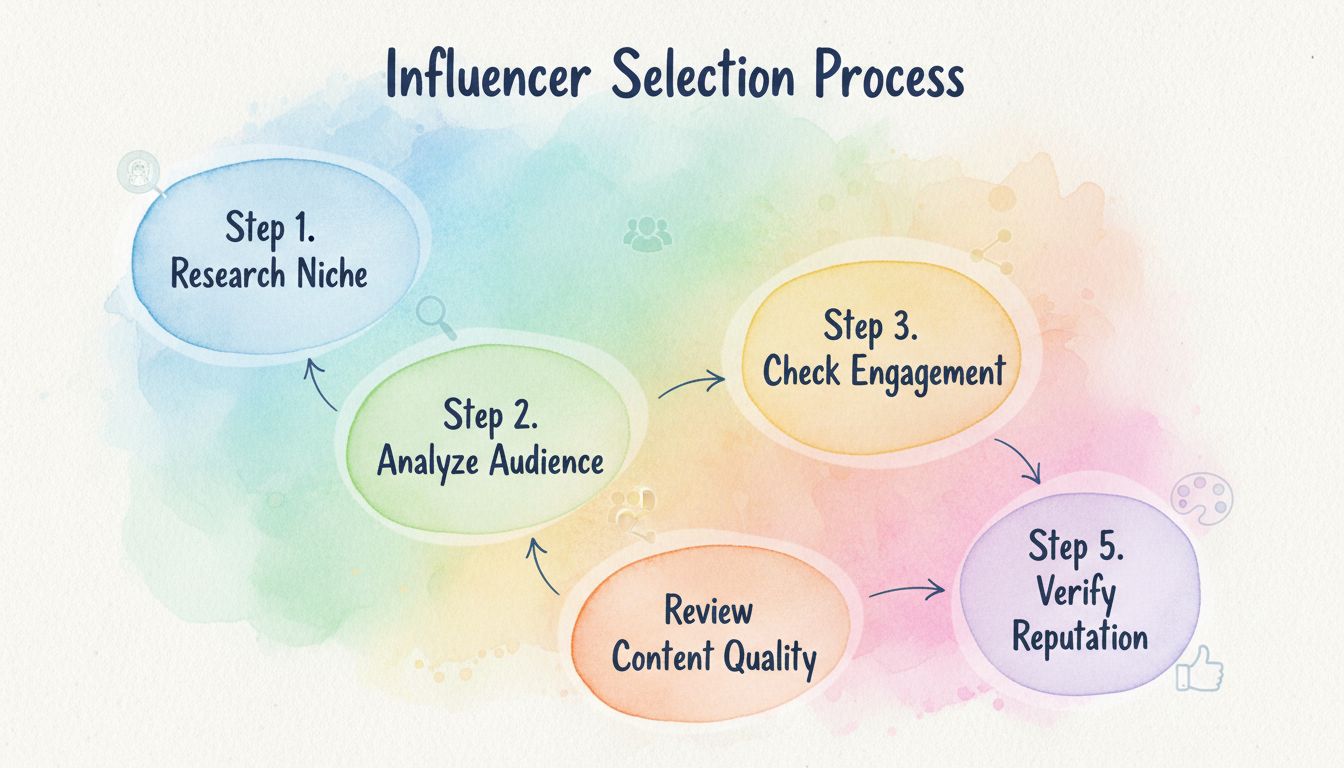
Discover proven strategies to find and vet the perfect influencers for your affiliate marketing campaigns. Learn about discovery tools, audience analysis, and e...
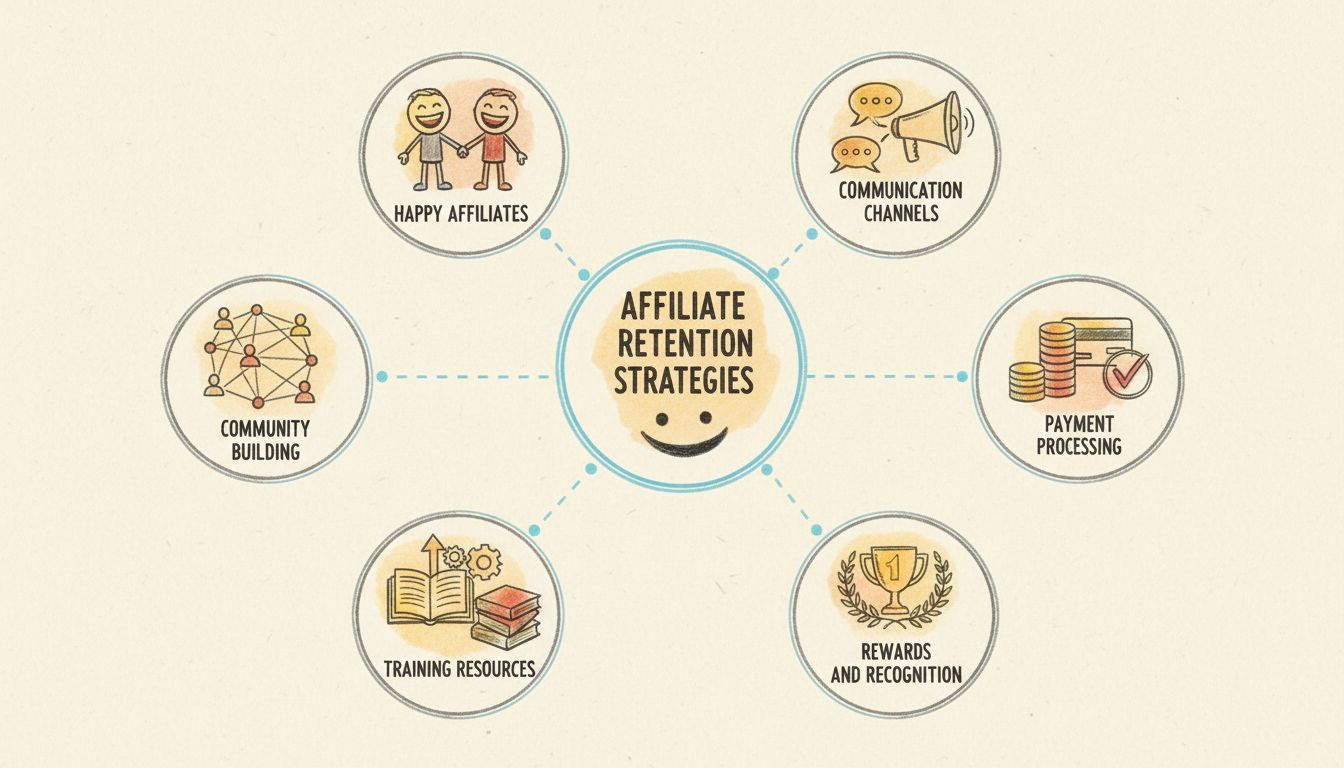
Discover proven strategies to keep your affiliates happy and engaged. Learn about gratitude, feedback, transparent payouts, gamification, and relationship build...
Join our community of happy clients and provide excellent customer support with Post Affiliate Pro.



Cookie Consent
We use cookies to enhance your browsing experience and analyze our traffic. See our privacy policy.