


Affiliate Marketing Campaigns: Complete Guide to Strategy & Execution
Learn what affiliate marketing campaigns are, how they work, key components, commission structures, and best practices for running successful campaigns with Pos...
10 min read


Build successful affiliate marketing campaigns from scratch. Recruitment strategies, commission structures, tracking methods, optimization tips to maximize ROI.
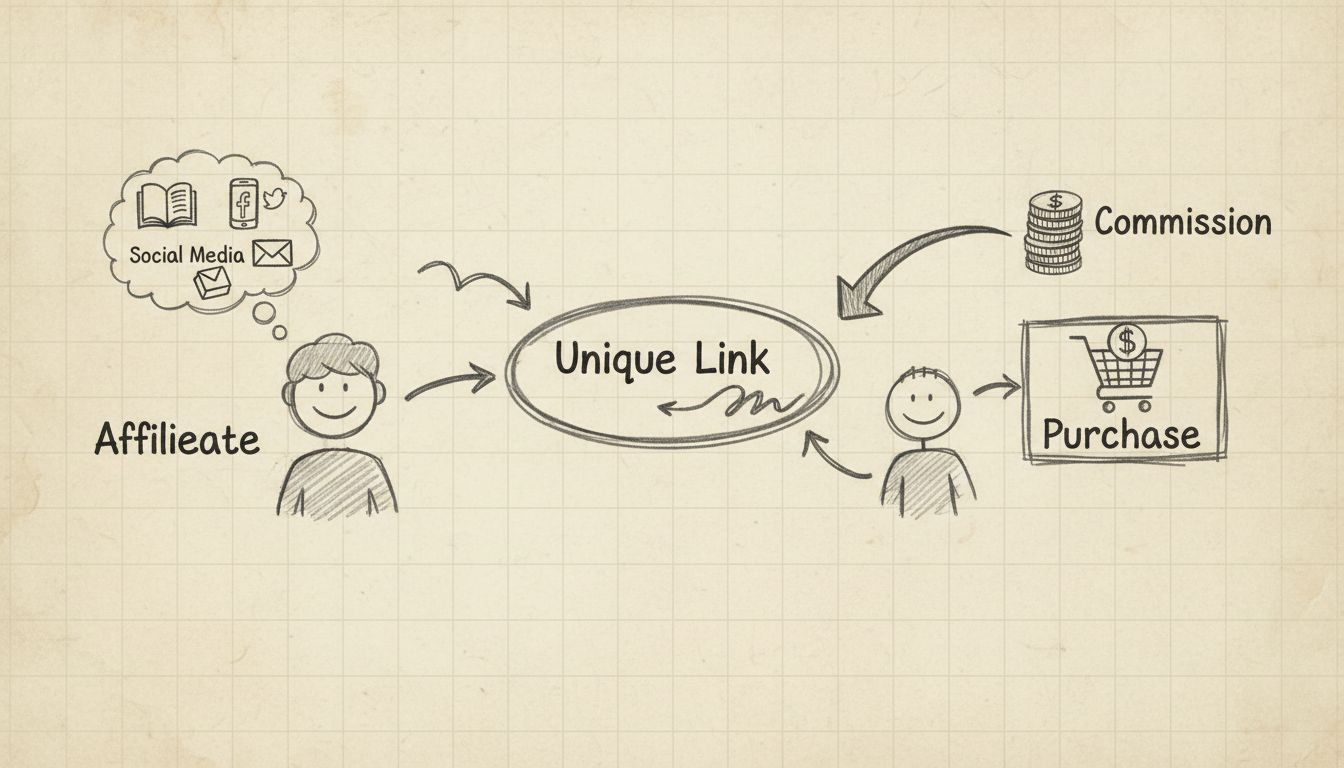
Affiliate marketing has become one of the most powerful customer acquisition channels for modern businesses. 81% of brands now run affiliate marketing programs, and the industry is projected to reach $8.2 billion in spending in the United States alone. An affiliate marketing campaign is a performance-based partnership where you reward partners (affiliates) for driving sales, leads, or other desired actions to your business. Unlike traditional advertising where you pay upfront, affiliate marketing operates on a pay-for-performance model, meaning you only pay when results are delivered.

Before launching your affiliate campaign, you must clearly define your target audience and select products that align with their needs and interests. Understanding your customer lifetime value (how much customers spend with you over time) is crucial—if your customers spend $5,000 with you over their lifetime, paying a 20% commission on a $500 first purchase becomes highly profitable. Your target audience directly influences which affiliates you recruit and what commission rates you can offer.
| Audience Type | Characteristics | Best Products | Expected Commission |
|---|---|---|---|
| Beginners | New to affiliate marketing, smaller following | Lower-priced items, digital products | 5-10% |
| Established Influencers | Large engaged following, trusted voice | Premium products, high-ticket items | 15-25% |
| Niche Bloggers | Specialized audience, SEO authority | Niche-specific products, solutions | 10-20% |
| Content Creators | Video/podcast producers, loyal subscribers | Digital products, SaaS, courses | 20-50% |
| Email Marketers | Large email lists, direct audience access | Subscription services, memberships | 10-30% |
Different audience segments have different expectations and capabilities. Beginners may be satisfied with lower commissions but need more support, while established influencers expect competitive rates and professional treatment. Understanding these distinctions helps you build a balanced affiliate program that attracts quality partners.

Set up advanced tracking in minutes. No credit card required.
Successful affiliate recruitment requires a strategic, personalized approach. Rather than sending generic recruitment emails to hundreds of potential affiliates, focus on quality over quantity by researching and personalizing your outreach. Identify affiliates whose audiences align with your target market—a fitness influencer is perfect for promoting workout equipment, while a tech blogger suits software products.
Diversify your recruitment across multiple channels and affiliate types. Look for partners on TikTok, YouTube, Twitch, Instagram, blogs, podcasts, and email lists. Each channel reaches different audience segments and provides unique promotional opportunities. Additionally, analyze your competitors’ affiliate programs by joining them as an affiliate yourself. This reveals their commission rates, promotional materials, and program structure—valuable intelligence for making your program more attractive.
Every affiliate needs a unique tracking link that identifies their referrals and ensures they receive proper credit and commission. These links typically use UTM parameters or custom affiliate IDs embedded in the URL. For example: https://yoursite.com/?aff=john_smith_123 or https://yoursite.com/?utm_source=affiliate&utm_medium=john_smith.
Provide your affiliates with comprehensive promotional materials including product images, banner ads, email templates, social media graphics, and product descriptions. The more resources you provide, the easier it is for affiliates to promote effectively. A well-equipped affiliate is an active affiliate—they don’t have to create content from scratch, they can focus on distribution.
Be the first to know about new features and product updates.
Your commission structure is the foundation of your affiliate program’s success. It determines how much you pay affiliates and directly impacts their motivation to promote your products. There are several proven commission models:
The average affiliate commission rate ranges from 5-30%, but this varies significantly by industry. Digital products typically offer 50-80% commissions due to high profit margins, while physical products average 3-12% due to production costs. Amazon Associates, for example, pays 3-12% depending on product category, while software companies often pay 20-50%.
Setting the right commission rate requires balancing profitability with competitiveness. Follow these six steps:
1. Analyze Your Profit Margins: Calculate what you can afford to pay. If a product costs $100 to produce and you sell it for $200, your margin is $100. A 20% commission ($20) is sustainable; a 50% commission ($50) might not be.
2. Understand Customer Lifetime Value: If customers spend $5,000 with you over time, paying a higher commission on the first sale makes sense because you’ll profit from repeat purchases.
3. Research Competitor Rates: Check what competitors offer. If your industry standard is 15% and you offer 5%, you’ll struggle to attract quality affiliates. Conversely, if you offer 40% when competitors offer 15%, you may overpay.
4. Consider Product Pricing: Higher-priced products can support lower commission percentages (5% of a $1,000 product = $50), while lower-priced items may need higher percentages (20% of a $50 product = $10).
5. Plan for Incentives: Leave room in your budget for performance bonuses, tiered increases, and special promotions. Top performers deserve recognition and higher rewards.
6. View From the Affiliate’s Perspective: Would you promote this product for this commission? Consider the effort required, audience size, and earning potential. A micro-influencer with 10,000 followers needs higher commissions than a mega-influencer with 1 million followers.
Effective affiliate management requires robust tracking and analytics. Monitor these key performance indicators (KPIs):
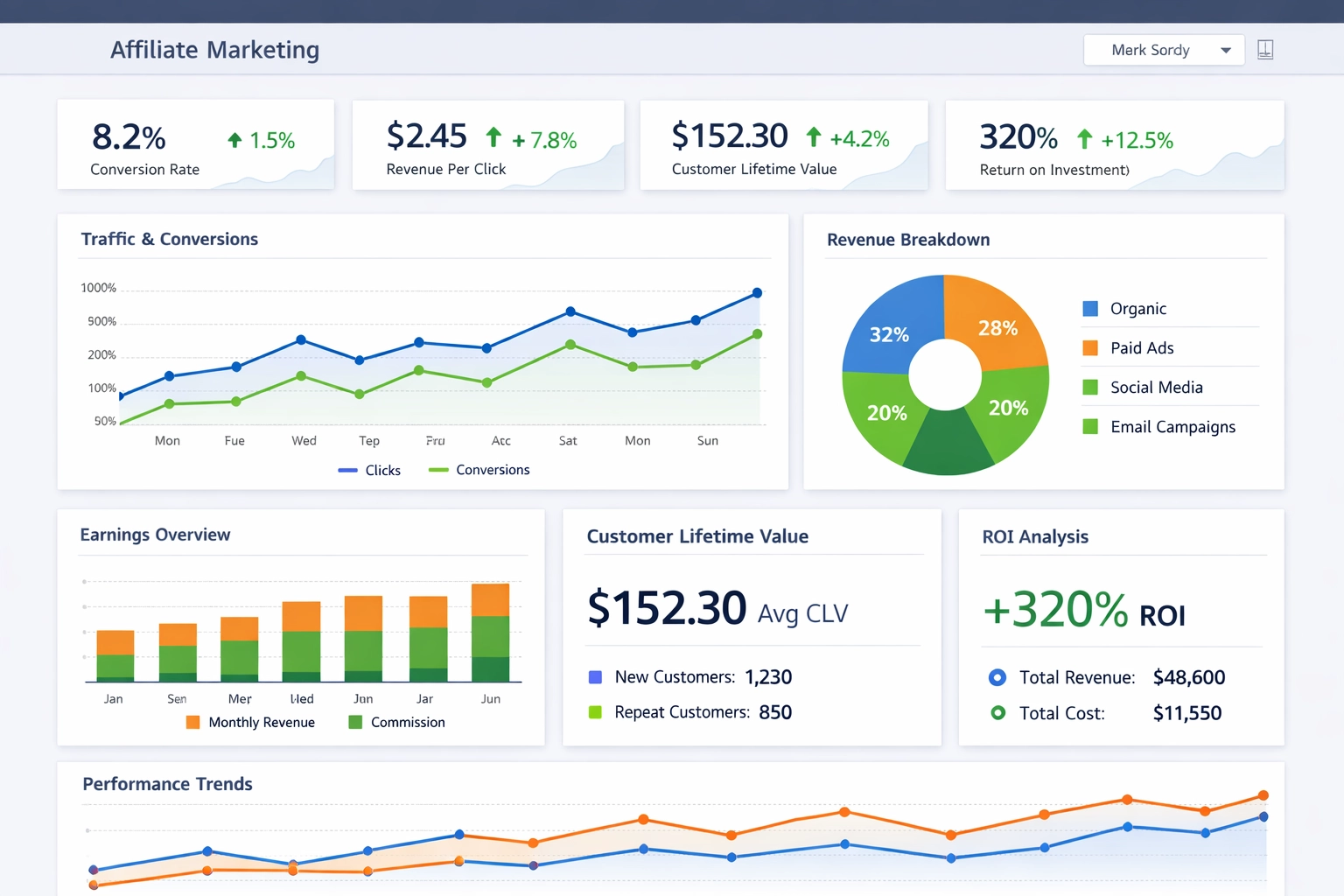
Use affiliate management software with built-in analytics dashboards to track these metrics in real-time. Most platforms provide detailed reports showing which affiliates drive the most sales, which products convert best, and which traffic sources are most profitable. This data guides your optimization efforts and helps you identify top performers worthy of increased support.
Your affiliates are partners, not just commission earners. Strong relationships drive long-term success. Communicate regularly with your affiliates through newsletters, webinars, and one-on-one check-ins. Share performance data, celebrate wins, and provide constructive feedback.
Provide excellent support by answering questions quickly, resolving issues promptly, and offering guidance on promotion strategies. Create an affiliate community where partners can share best practices and learn from each other. Recognize and reward top performers with bonuses, exclusive promotions, or increased commission rates. When affiliates feel valued and supported, they promote more actively and stay with your program longer.
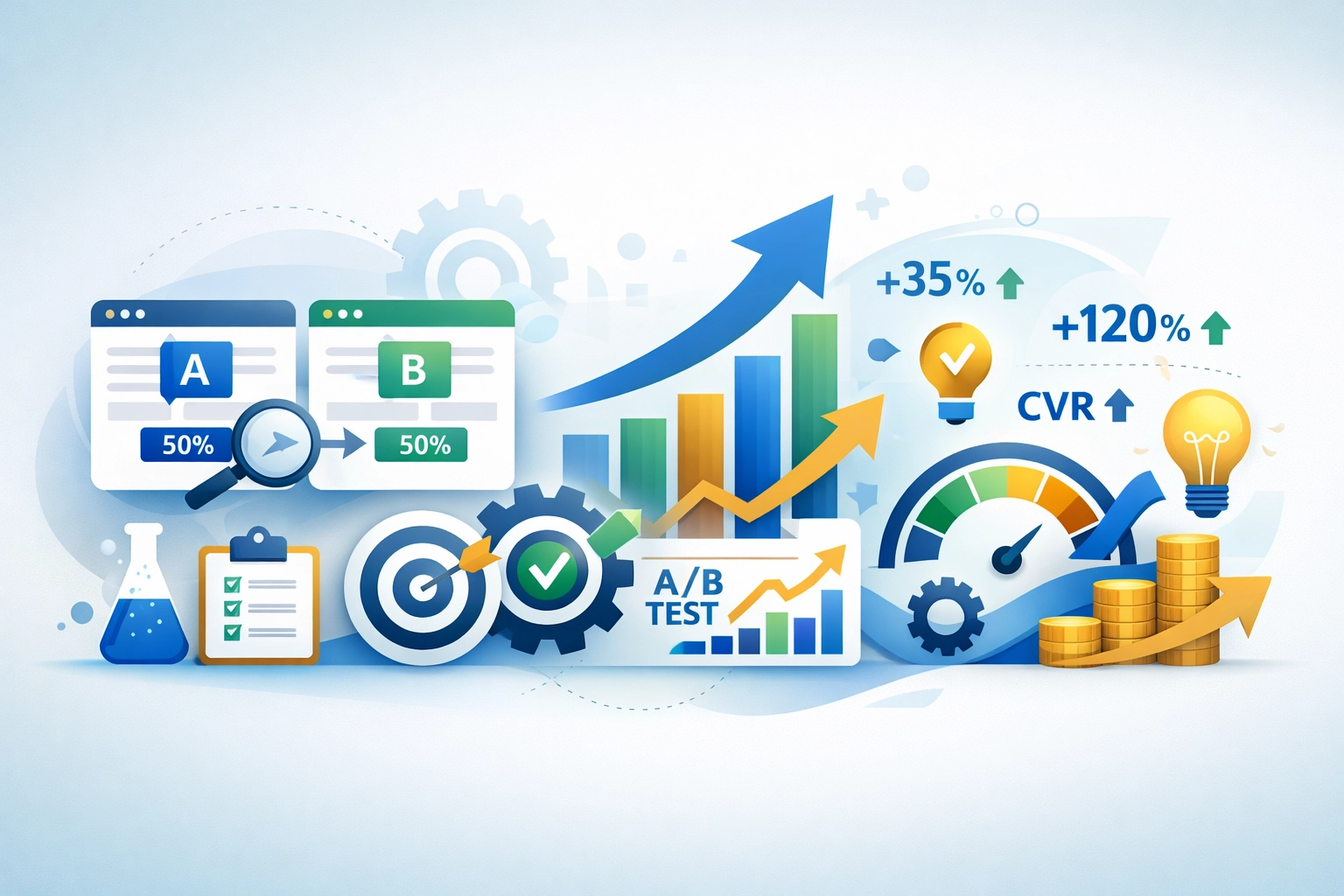
Affiliate marketing success requires continuous optimization. A/B test your landing pages, email campaigns, and promotional materials to identify what converts best. Ask affiliates for feedback about what’s working on their end and what obstacles they face.
Segment your affiliates by performance level and tailor your approach accordingly. Top performers might receive exclusive products, higher commissions, or co-marketing opportunities. Underperformers might need additional training, better promotional materials, or different products to promote. Run seasonal campaigns and limited-time promotions that create urgency and encourage affiliates to push harder. Scale your program by recruiting more affiliates in high-performing niches and increasing support for your best partners.
Many businesses make critical errors when launching affiliate programs. Avoid these pitfalls:
Managing an affiliate program manually is inefficient and error-prone. You need dedicated affiliate software that handles tracking, commission calculations, payouts, and reporting. The best platforms offer:
PostAffiliatePro stands out as the leading affiliate management solution, offering all these features plus exceptional customer support. With PostAffiliatePro, you can launch a professional affiliate program in minutes, not weeks. The platform handles all the technical complexity while you focus on recruiting great affiliates and optimizing your campaigns.
Most affiliate programs take 3-6 months to gain traction as you recruit affiliates and they build momentum. However, some affiliates may drive sales within weeks. The key is patience combined with active management—continuously recruit new affiliates, optimize your program, and support your partners.
Affiliate marketing involves recruiting external partners to promote your products for commission. Referral marketing typically involves rewarding your existing customers for referring friends. While similar, referral programs usually offer smaller rewards and focus on customer advocacy, while affiliate programs recruit professional marketers and influencers.
Use affiliate software with fraud detection capabilities that identify suspicious patterns like bot traffic, invalid clicks, or unusually high conversion rates. Monitor affiliate activity regularly, set reasonable performance thresholds, and investigate outliers. Require affiliates to disclose their promotional methods and enforce your terms of service strictly.
Research your industry benchmarks and offer rates at or above the average. For most industries, 10-20% is competitive. However, top affiliates with large audiences may negotiate higher rates. Consider tiered structures that reward performance—start at a competitive base rate and increase for top performers.
Communicate at least monthly through newsletters sharing performance data, new products, and promotional tips. Have quarterly check-ins with top performers. Respond to affiliate inquiries within 24 hours. The more engaged you are, the more engaged your affiliates will be.
Yes, many businesses run separate programs for different product lines or brands. However, this requires more management effort. Use affiliate software that supports multiple programs with separate tracking and commission structures. Start with one program and expand once you've perfected the process.
Personalize your outreach by researching potential affiliates and explaining why they're a good fit for your program. Reference their specific content or audience. Offer competitive commissions and excellent support. Use affiliate networks to reach established affiliates. Build relationships before asking for promotion.
Track metrics like total revenue generated, number of active affiliates, average commission per sale, customer acquisition cost, and return on investment. Compare these metrics month-over-month and year-over-year. Set specific goals (e.g., 'increase affiliate revenue by 50% in 6 months') and monitor progress regularly.
PostAffiliatePro makes it easy to set up, manage, and scale your affiliate marketing campaigns with powerful tracking, commission management, and affiliate tools.
Learn what affiliate marketing campaigns are, how they work, key components, commission structures, and best practices for running successful campaigns with Pos...
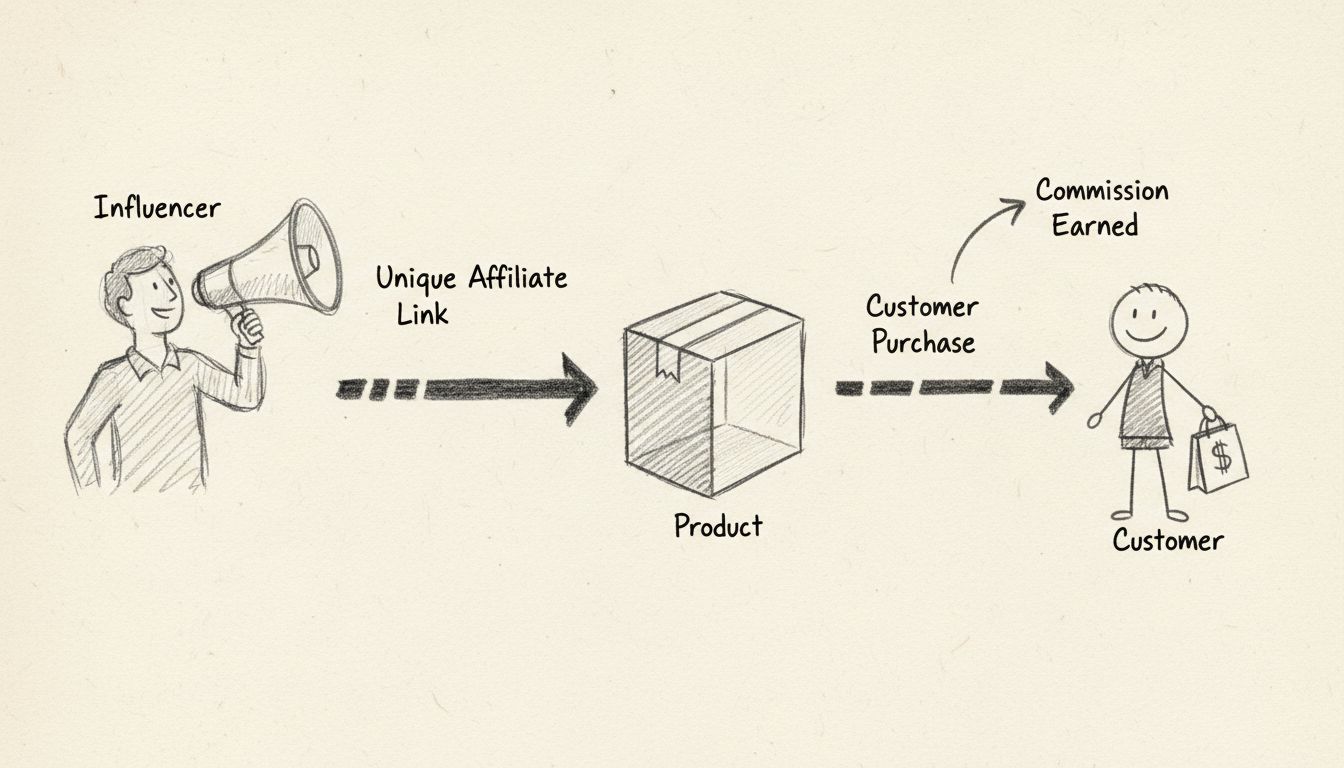
Discover proven affiliate marketing campaign examples including influencer partnerships, content marketing, and social media strategies. Learn how to launch suc...

how affiliate marketing campaigns work, explore commission models, and discover proven strategies to launch successful affiliate programs that drive revenue
Join our community of happy clients and provide excellent customer support with Post Affiliate Pro.




Cookie Consent
We use cookies to enhance your browsing experience and analyze our traffic. See our privacy policy.