


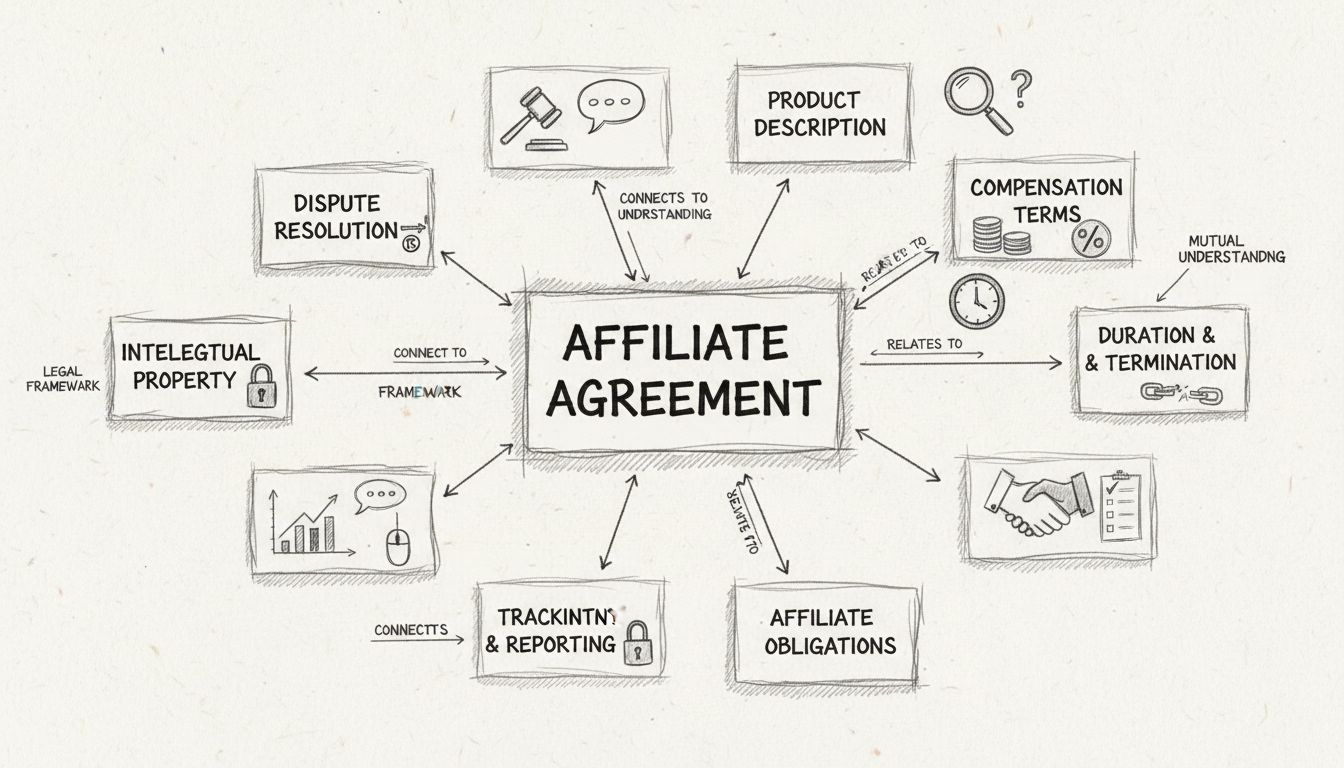
How to Create an Affiliate Agreement
Learn how to create a comprehensive affiliate agreement with essential elements including compensation terms, product descriptions, duration, and legal framewor...
11 min read


Create a comprehensive affiliate contract with essential clauses, commission structures, legal protections, and FTC compliance to protect your program.
An affiliate contract is a legally binding agreement between a merchant (or brand) and an affiliate partner that outlines the terms, conditions, and expectations of their business relationship. This foundational document serves as the cornerstone of any successful affiliate marketing program, establishing clear guidelines for how affiliates will promote products or services, how they’ll be compensated, and what happens if either party fails to meet their obligations. Understanding how to create a comprehensive affiliate contract is essential for protecting your business, ensuring compliance with regulations like the FTC’s Endorsement Guides, and building trust with your affiliate partners. In this guide, you’ll learn the critical components that every affiliate contract must include, how to structure commission and payment terms, and the legal protections that safeguard both parties.

An affiliate contract is far more than a formality—it’s a critical business document that protects both merchants and affiliates from misunderstandings, disputes, and legal liability. Without a written agreement in place, you expose your business to significant risks, including unclear payment obligations, unauthorized promotional practices, brand damage, and costly litigation. A well-drafted affiliate contract provides legal clarity by documenting exactly what each party expects from the other, reducing the likelihood of disputes that could damage your business relationships or result in expensive court proceedings. The contract also ensures regulatory compliance by including mandatory FTC disclosure requirements, data privacy provisions, and intellectual property protections that keep your program operating within legal boundaries. Additionally, a formal agreement establishes clear payment terms and conditions, preventing payment disputes and ensuring affiliates understand when and how they’ll receive commissions. Finally, a comprehensive contract includes termination procedures that allow either party to exit the relationship professionally and protect your business from affiliates who violate your brand guidelines or engage in unethical marketing practices.
| Aspect | With Contract | Without Contract |
|---|---|---|
| Legal Protection | Clear rights and obligations | Ambiguous responsibilities |
| Payment Disputes | Defined terms prevent conflicts | Frequent payment disagreements |
| Brand Safety | Controlled promotional practices | Uncontrolled affiliate behavior |
| Compliance | FTC requirements documented | Regulatory violation risk |
| Termination | Professional exit process | Messy relationship endings |

Set up advanced tracking in minutes. No credit card required.
A comprehensive affiliate contract must include several essential sections that work together to create a complete framework for your affiliate partnership. Each component serves a specific purpose in protecting your interests, clarifying expectations, and ensuring legal compliance. The following numbered list outlines the critical sections that should appear in every affiliate agreement:
The commission and payment terms section is arguably the most important part of your affiliate contract, as it directly impacts affiliate motivation and your profitability. This section must be extraordinarily detailed and leave no room for interpretation, as vague commission language is one of the leading causes of affiliate disputes and payment disagreements. You should specify not only the commission percentage or flat fee but also the exact conditions under which commissions are earned—for example, whether a sale must be completed, a lead must be qualified, or a click must occur. Many successful affiliate programs use tiered commission structures that reward top-performing affiliates with higher rates, incentivizing increased effort and sales volume. For instance, an affiliate might earn 5% commission on sales under $1,000 monthly, 7% on sales between $1,000-$5,000, and 10% on sales exceeding $5,000. Your contract should also specify the payment schedule—whether affiliates are paid weekly, bi-weekly, or monthly—and establish a minimum payment threshold (such as $50 or $100) to reduce administrative overhead. Additionally, clearly define what happens to commissions if customers request refunds, chargebacks occur, or orders are cancelled, as these scenarios directly affect affiliate earnings and can create significant disputes if not addressed upfront.
COMMISSION TIERS (Monthly Sales Volume):
- $0 - $999: 5% commission per sale
- $1,000 - $4,999: 7% commission per sale
- $5,000 - $9,999: 10% commission per sale
- $10,000+: 12% commission per sale

PAYMENT TERMS:
- Payment Frequency: Monthly (by the 15th of following month)
- Minimum Payout Threshold: $50
- Payment Method: Direct deposit, PayPal, or check
- Refund Policy: Commissions reversed if customer refunds within 30 days
- Chargeback Policy: Affiliate responsible for commissions on chargebacks
Be the first to know about new features and product updates.
Your affiliate contract must include detailed promotional guidelines that protect your brand while ensuring all marketing activities comply with FTC regulations and industry standards. The FTC’s Endorsement Guides require that any affiliate relationship be clearly and conspicuously disclosed to consumers, meaning affiliates cannot hide their financial incentive to promote your products. This disclosure must be placed where consumers will actually see it—not buried in fine print or hidden behind a “terms” link—and should use clear language like “affiliate link,” “sponsored,” or “I earn a commission if you purchase through this link.” Your contract should explicitly require affiliates to include these disclosures on all promotional materials, including blog posts, social media content, email campaigns, and video descriptions. Beyond FTC compliance, your promotional guidelines should specify which marketing channels are approved (such as blogs, email, social media, or paid advertising) and which are prohibited (such as spam, misleading claims, or unauthorized use of your brand name in paid search ads). You should also establish clear rules around trademark usage, specifying whether affiliates can use your logo, brand name, or product images, and under what conditions.
A robust affiliate contract must include several critical legal protections that shield both parties from unexpected liabilities and ensure the partnership operates within appropriate legal boundaries. The confidentiality clause protects sensitive business information that affiliates may access during the partnership, such as commission rates, marketing strategies, customer data, or unreleased product information, by requiring affiliates to keep this information private and prohibiting them from sharing it with competitors or the public. The intellectual property (IP) rights section clarifies ownership of all materials created during the partnership—including marketing copy, graphics, videos, and promotional content—and specifies whether the merchant retains exclusive ownership or grants the affiliate limited usage rights. An indemnification clause is particularly important, as it requires each party to protect the other from third-party legal claims arising from their actions; for example, if an affiliate’s promotional content infringes on someone’s copyright, the affiliate would be responsible for defending the merchant against that claim and covering any damages. The contract should also include liability limitations that cap each party’s financial exposure in case of disputes, breaches, or damages, protecting both the merchant and affiliate from catastrophic financial consequences. Additionally, the contract should address data privacy and protection, especially if affiliates will have access to customer information, ensuring compliance with regulations like GDPR, CCPA, and other data protection laws that carry significant penalties for violations.
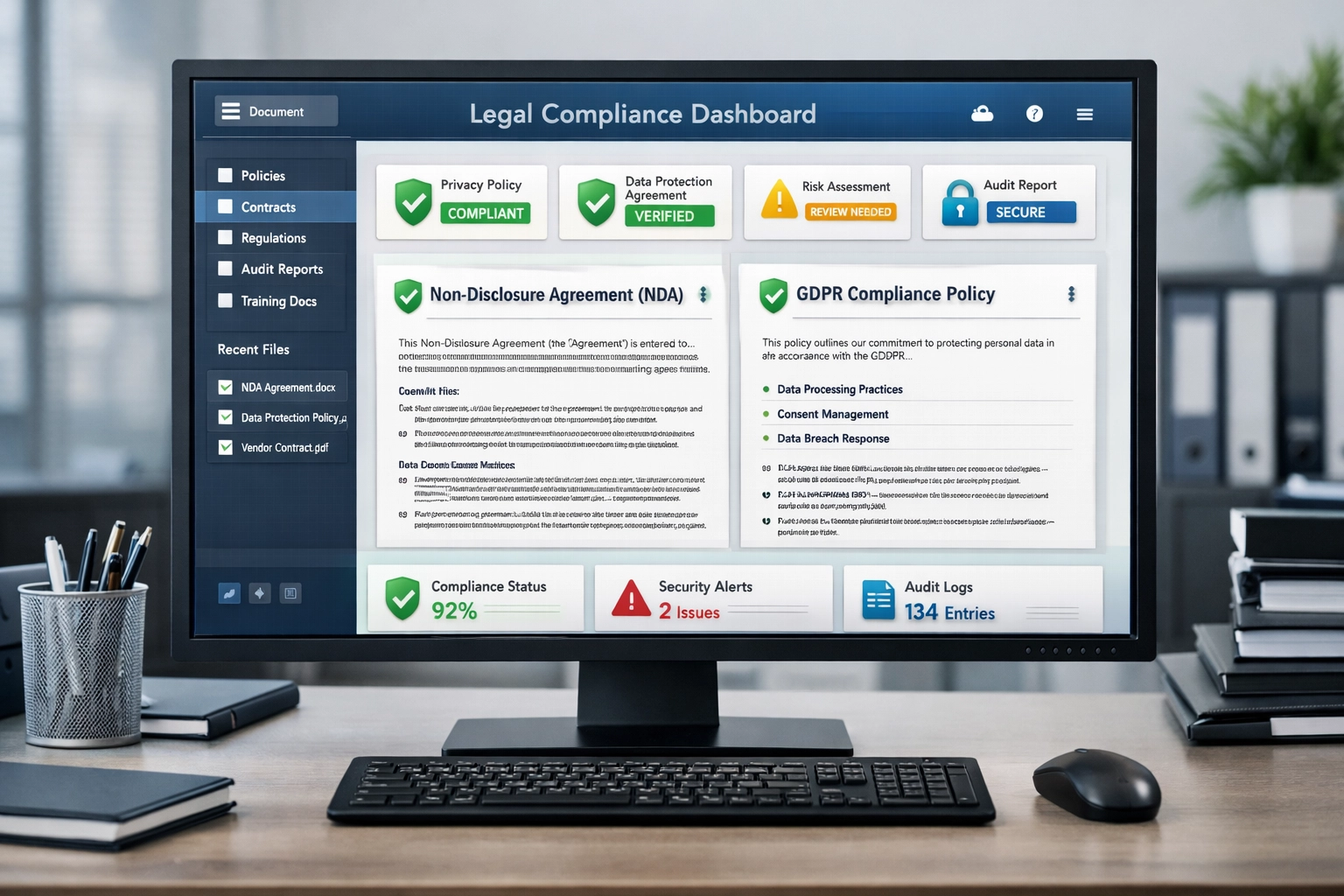
The termination clause is a critical component that often gets overlooked until problems arise, yet it’s essential for protecting your business and establishing a professional exit process. Your contract should specify whether the agreement can be terminated “for cause” (due to breach of contract, such as promotional guideline violations) or “without cause” (allowing either party to exit for any reason), and establish appropriate notice periods—typically 30 to 90 days—that give both parties time to wind down their relationship. The contract should clearly outline what happens after termination, including whether the affiliate continues to earn commissions on sales generated before the termination date, how outstanding payments will be handled, and what obligations remain after the relationship ends (such as confidentiality or non-compete clauses). For dispute resolution, your contract should establish a structured process that attempts to resolve disagreements without expensive litigation, typically beginning with direct negotiation between the parties, followed by mediation with a neutral third party if negotiation fails, and finally arbitration or litigation only as a last resort. This tiered approach saves both parties time and money while preserving the business relationship whenever possible.
Creating a comprehensive affiliate contract doesn’t require hiring an expensive attorney, though consulting with a legal professional is advisable for complex programs or high-value partnerships. The process begins with understanding your specific business needs, affiliate program structure, and the legal requirements in your jurisdiction, which will inform every section of your contract. Follow these steps to create an effective affiliate contract:

Many merchants make critical mistakes when creating affiliate contracts that can lead to disputes, legal liability, and damaged business relationships. Understanding these common pitfalls will help you create a stronger agreement that protects your interests and sets clear expectations for your affiliate partners.
Managing affiliate contracts and the entire affiliate program lifecycle becomes significantly easier with dedicated affiliate management software that automates tracking, payments, and compliance monitoring. PostAffiliatePro stands out as the #1 affiliate management platform, offering comprehensive features specifically designed to streamline contract management, affiliate recruitment, performance tracking, and commission payouts. PostAffiliatePro provides built-in contract templates that comply with FTC regulations and include all essential components, allowing you to quickly create professional agreements without starting from scratch. The platform’s advanced tracking capabilities automatically monitor affiliate performance, calculate commissions based on your specified structure, and generate detailed reports that verify compliance with contract terms. PostAffiliatePro also includes promotional material management tools that help you provide approved marketing assets to affiliates, reducing the risk of brand guideline violations. Additionally, the platform automates commission calculations and payments, eliminating manual errors and ensuring affiliates are paid accurately and on schedule—a critical factor in maintaining positive affiliate relationships. Compared to competitors like Tapfiliate, Impact, or Refersion, PostAffiliatePro offers superior ease of use, more flexible commission structures, better customer support, and significantly lower pricing, making it the ideal choice for businesses of all sizes looking to launch or scale their affiliate programs.
Creating a comprehensive affiliate contract is one of the most important investments you can make in your affiliate program’s success and your business’s legal protection. A well-drafted contract establishes clear expectations, protects your brand, ensures regulatory compliance, and builds the foundation for profitable, long-term affiliate partnerships. By following the guidelines in this article—including detailed commission structures, clear promotional guidelines, robust legal protections, and professional dispute resolution procedures—you’ll create an agreement that attracts quality affiliates while safeguarding your business from unnecessary risks. Start building your affiliate program today with PostAffiliatePro, the leading affiliate management software that provides contract templates, automated tracking, and comprehensive tools to manage every aspect of your affiliate partnerships from recruitment through payment.
PostAffiliatePro makes it easy to create, manage, and track affiliate contracts with built-in compliance features and automated payment processing.
Learn how to create a comprehensive affiliate agreement with essential elements including compensation terms, product descriptions, duration, and legal framewor...

Learn how to create a legally binding affiliate contract with essential clauses, commission structures, and payment terms. Protect both parties with PostAffilia...
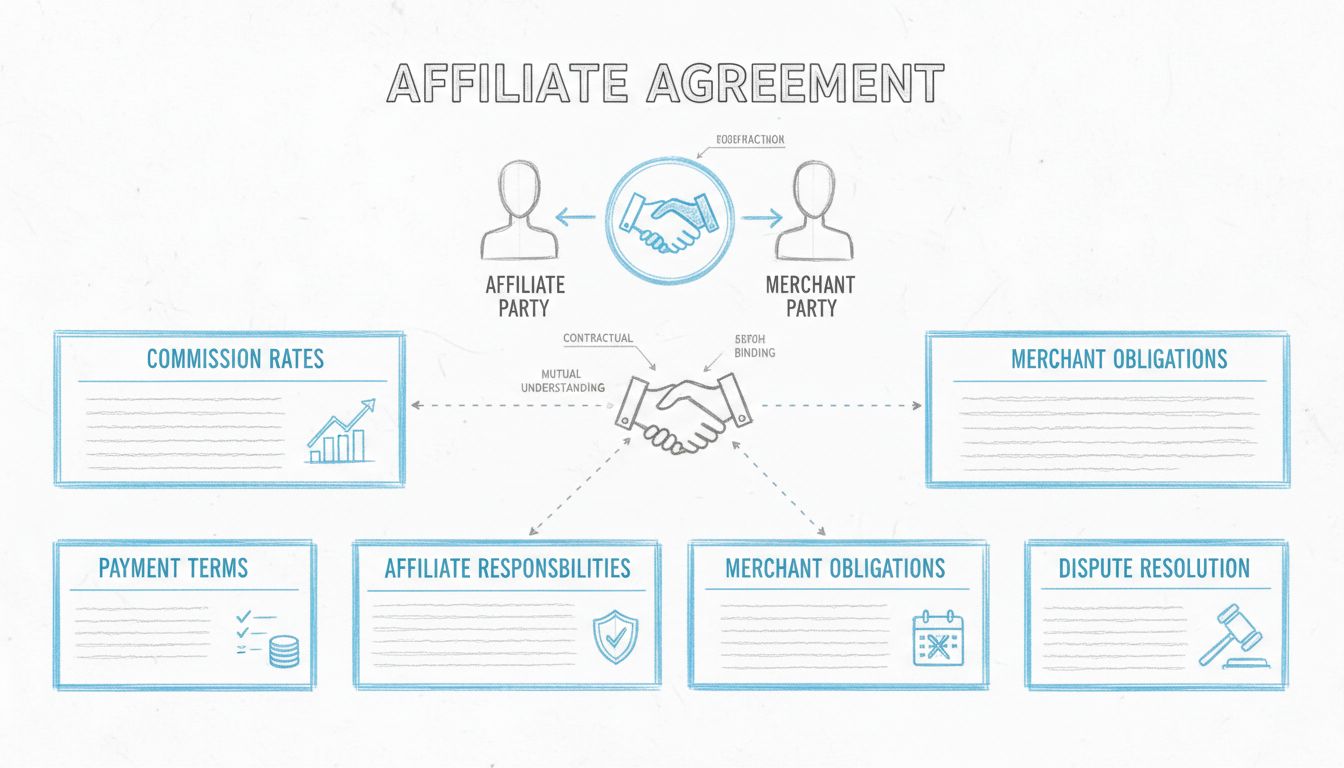
Learn why affiliate agreements are essential for your affiliate program. Discover what to include, legal requirements, and how PostAffiliatePro simplifies agree...
Join our community of happy clients and provide excellent customer support with Post Affiliate Pro.




Cookie Consent
We use cookies to enhance your browsing experience and analyze our traffic. See our privacy policy.