


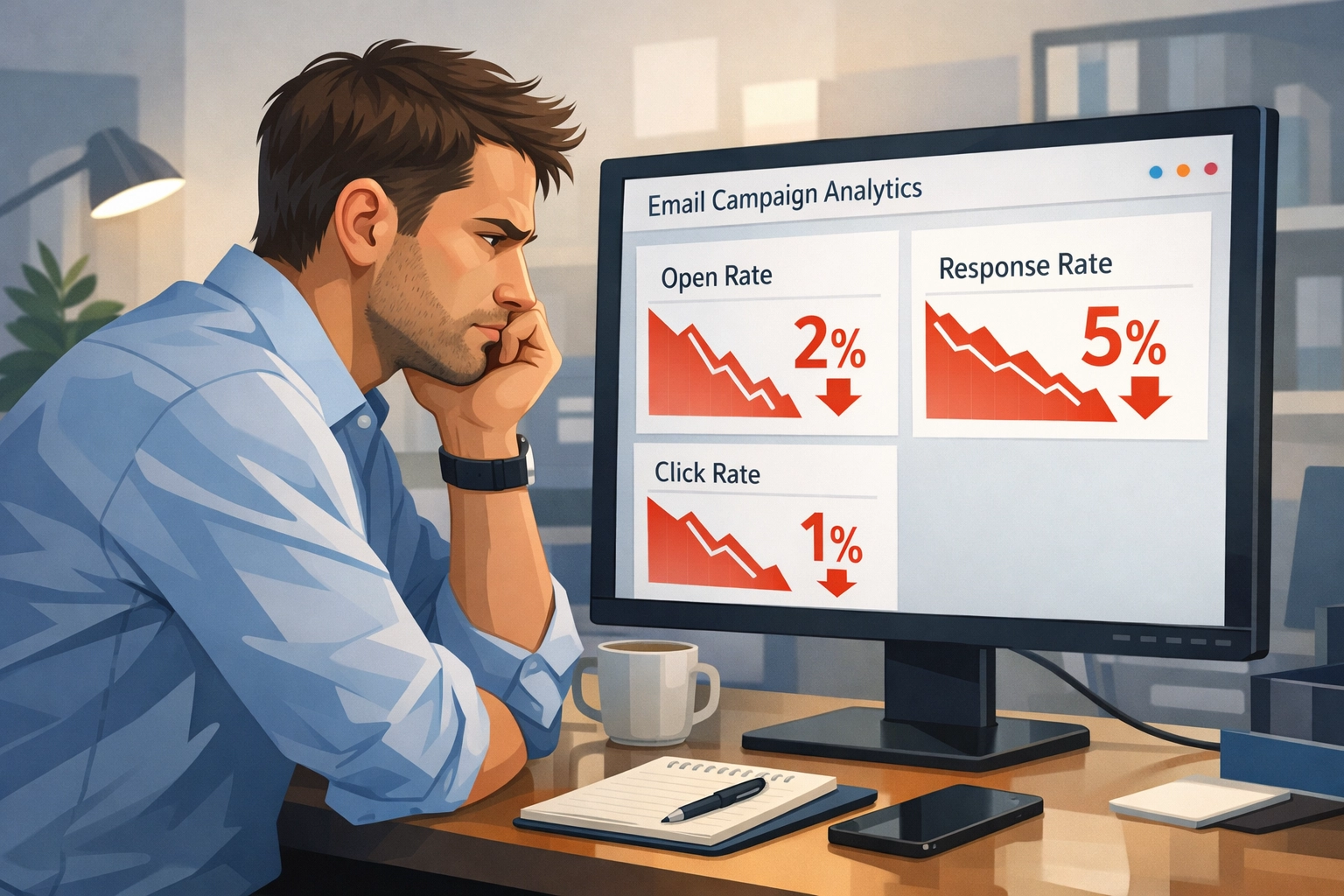
How to Improve Cold Email Response Rates
Master cold email response rates with proven strategies: personalization, subject line optimization, follow-up sequences, A/B testing
6 min read

Optimal number of follow-up emails for maximum conversions. Data-driven strategies, timing recommendations, and best practices for B2B sales success.
The difference between a successful sales campaign and a forgotten pitch often comes down to one thing: follow-up emails. Most sales professionals understand that persistence pays off, yet many struggle with the fundamental question: how many follow-ups are actually necessary? Here’s the reality that might surprise you: 60% of customers say no 4 times before saying yes. This statistic alone reveals the critical importance of strategic follow-ups in your sales process. However, there’s a delicate balance to strike—send too many follow-ups and you’ll damage your sender reputation and annoy prospects into unsubscribes; send too few and you’ll leave money on the table by missing conversions that were just one touchpoint away. In this guide, we’ll break down the data-driven approach to follow-up emails that maximizes conversions while maintaining your professional reputation.
Follow-up emails are the backbone of B2B sales success, yet they’re often overlooked or executed poorly. Understanding why follow-ups matter is the first step toward building a sustainable sales strategy. Here are the key reasons why follow-ups are non-negotiable:
Stay on their radar: Prospects are drowning in emails—your initial message likely got buried in their inbox within minutes. Follow-ups keep your offer visible and top-of-mind when they’re ready to make a decision.
Build credibility over time: Consistent, professional follow-ups demonstrate that you’re serious about your offer and willing to invest time in the relationship. This persistence builds trust and positions you as a credible partner.
Address objections: Your first email might not address every concern or question a prospect has. Follow-ups provide opportunities to clarify your value proposition, answer unspoken objections, and provide additional information that moves them closer to a yes.
Capitalize on decision timing: Prospects rarely make purchasing decisions on their first exposure to your offer. They need time to evaluate, compare alternatives, and align with internal stakeholders. Follow-ups ensure you’re present when they’re finally ready to decide.
Data-driven success: Research shows that 80% of leads require 5 touchpoints before converting. This means that most of your conversions won’t happen from your initial email—they’ll come from strategic follow-ups that keep you engaged throughout the buyer’s journey.
The bottom line is simple: without follow-ups, you’re leaving the majority of your potential revenue on the table.

Set up advanced tracking in minutes. No credit card required.
So what’s the magic number? Based on extensive sales data and industry research, 3-5 follow-ups is the optimal range for most B2B sales scenarios. This range strikes the perfect balance between staying top-of-mind and respecting prospect boundaries. The reason this range works is that it aligns with how prospects actually make decisions—they need multiple exposures to your message, but not so many that they feel harassed. Different sales situations call for different follow-up strategies, which is why a one-size-fits-all approach rarely works. The table below breaks down recommended follow-up numbers based on your specific scenario:
| Scenario | Recommended Follow-ups | Reason |
|---|---|---|
| Cold Outreach | 2-3 | Avoid spam complaints and maintain sender reputation with unknown prospects |
| Warm Leads | 3-5 | Higher engagement history justifies more touchpoints and better conversion potential |
| Enterprise Sales | 4-6 | Longer decision cycles and multiple stakeholders require sustained engagement |
| Lead Nurturing | 5+ | Slower cadence over extended periods keeps your brand visible without overwhelming |
Understanding which scenario applies to your prospect allows you to calibrate your follow-up strategy for maximum effectiveness. Remember, these are guidelines, not hard rules—your specific industry, product complexity, and prospect engagement levels may warrant adjustments.
Timing is everything in follow-up emails, and getting the cadence right can dramatically improve your response rates. The recency effect—the psychological principle that people remember recent interactions more vividly—means that the timing of your follow-ups directly impacts whether your message gets noticed. Here’s the recommended timeline for maximum impact:
These intervals work because they respect the prospect’s inbox while maintaining visibility. Spacing your follow-ups too close together (less than 2 days) triggers spam filters and annoys prospects, while spacing them too far apart (more than 30 days) causes your message to fade from memory entirely. The key is finding the rhythm that keeps you present without being intrusive.
Be the first to know about new features and product updates.
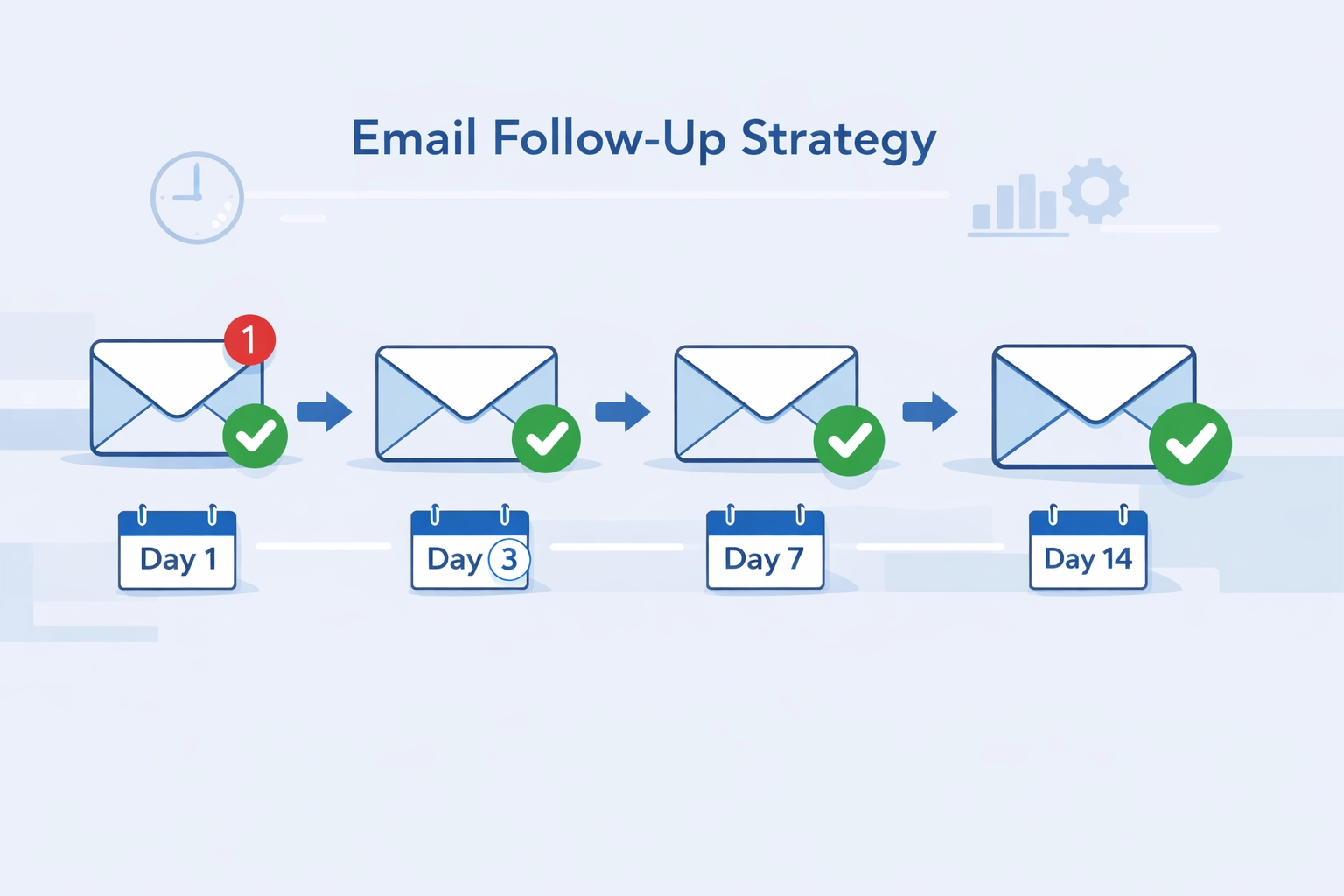
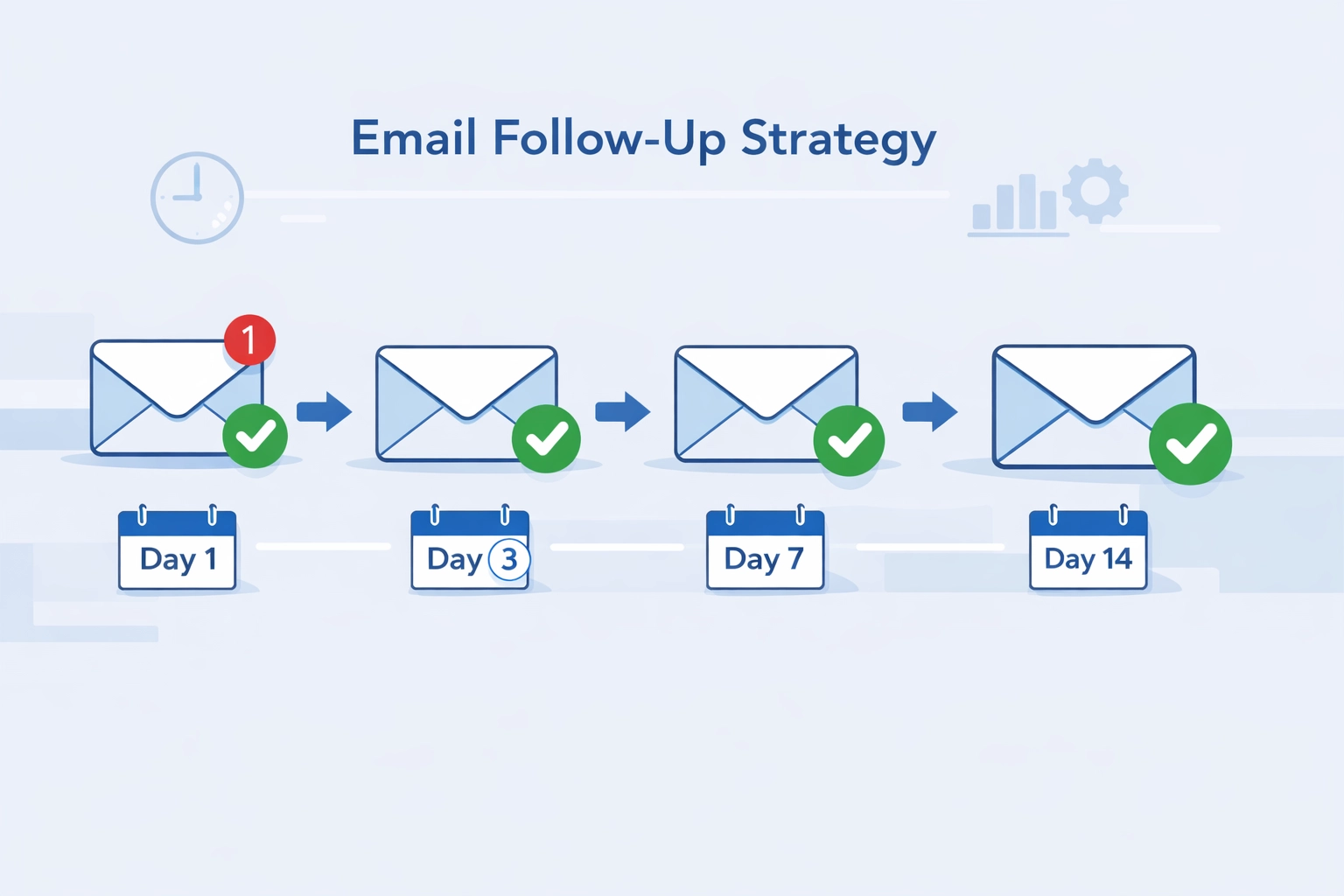
The most effective follow-up campaigns follow a structured sequence where each email serves a specific purpose and builds on the previous one. Rather than sending the same message repeatedly, each follow-up should offer new value or a different angle to re-engage the prospect. Here’s the ideal follow-up sequence:
Initial Email (Day 1): Lead with your strongest value proposition and make it immediately clear why you’re reaching out. Focus on their pain point, not your product features.
First Follow-Up (Day 3): Send a gentle reminder that references your initial email and reiterates the key benefits. Keep it brief—this is about staying visible, not overwhelming them with information.
Second Follow-Up (Day 7): Introduce a new angle, such as a relevant case study, customer testimonial, or social proof that demonstrates your solution’s effectiveness. This gives them a new reason to reconsider.
Third Follow-Up (Day 14): Make this your final attempt in the initial sequence. Offer an alternative contact method (phone call, meeting, etc.) or create urgency with a limited-time offer. Ask directly for their decision.
Long-term Follow-Ups (Day 30+): Transition to quarterly check-ins or monthly nurturing emails that provide valuable content without a hard sell. This keeps you in their network for future opportunities.
This sequence respects the prospect’s decision-making timeline while maximizing your chances of conversion at each stage.

Even with the best intentions, many sales professionals sabotage their follow-up campaigns by making preventable mistakes. Here are the top mistakes to avoid:
Sending too many follow-ups (more than 3-5): Beyond 5 follow-ups, you risk being marked as spam, damaging your sender reputation, and annoying prospects into unsubscribes. More isn’t always better.
Following up too soon (less than 2 days): Bombarding prospects with emails in rapid succession triggers spam filters and makes you look desperate rather than professional.
Ignoring personalization: Generic, templated follow-ups get ignored. Prospects can tell when you’re sending mass emails, which undermines your credibility and reduces response rates.
Using spammy language: Excessive exclamation marks, ALL CAPS, urgent language, and clickbait subject lines get filtered or deleted immediately. Keep your tone professional and authentic.
Neglecting sender reputation and deliverability: If your emails aren’t reaching inboxes, follow-ups don’t matter. Monitor bounce rates, unsubscribe rates, and spam complaints to maintain a healthy sender reputation.
Not testing or measuring results: Without tracking open rates, click rates, and conversions, you’re flying blind. Use data to optimize your follow-up strategy rather than guessing what works.
Each of these mistakes can significantly reduce your follow-up effectiveness, so awareness and prevention are critical.
Personalization is the secret weapon that transforms generic follow-ups into compelling messages that prospects actually respond to. Going beyond just using their name is essential—anyone can insert a first name into a template. True personalization means doing your homework and making each follow-up feel like it was written specifically for that person. Reference previous conversations or interactions you’ve had with them, whether that’s a LinkedIn connection, a webinar they attended, or a mutual contact who referred them. Address their specific pain points based on what you know about their industry, company size, or role—this shows you’ve done your research and understand their unique challenges. Use engagement data to inform your timing: if someone opened your first email but didn’t click, they’re showing interest, so your follow-up should address potential objections. Finally, vary the content in each follow-up rather than resending the same message—different angles, different proof points, and different calls-to-action keep your sequence fresh and increase the likelihood of resonance. When prospects feel like you’re speaking directly to them rather than at them, response rates skyrocket.
Managing follow-up sequences manually is not only time-consuming but also prone to human error and inconsistency. This is where PostAffiliatePro becomes invaluable for scaling your follow-up efforts without sacrificing personalization or effectiveness. PostAffiliatePro’s platform enables you to build automated email sequences that trigger based on prospect behavior, ensuring timely follow-ups without manual intervention. The CRM integration tracks every interaction with your prospects, giving you complete visibility into engagement history and allowing you to personalize follow-ups based on actual behavior rather than assumptions. With PostAffiliatePro, you can achieve personalization at scale—using dynamic fields and conditional logic to customize each email while maintaining consistency across your campaigns. The platform’s analytics and performance tracking provide detailed insights into open rates, click rates, conversion rates, and revenue generated from each follow-up sequence, allowing you to continuously optimize your approach. Additionally, A/B testing capabilities let you experiment with different subject lines, content angles, and send times to identify what resonates best with your audience. By automating your follow-up process with PostAffiliatePro, you free up time to focus on strategy and relationship-building while ensuring no prospect falls through the cracks.
Knowing when to stop is just as important as knowing when to follow up. Not every prospect is a good fit, and continuing to pursue unresponsive leads wastes your time and damages your sender reputation. Signs of a cold lead include consistent non-opens, no clicks on any of your emails, and no engagement with your content over multiple follow-ups. If someone hasn’t opened any of your last 2-3 emails, they’re likely not interested, and continuing to email them will only hurt your metrics. Consider implementing a “breakup email” strategy—a final, honest message that acknowledges their lack of engagement and gives them an easy out, such as “I’m going to stop reaching out, but feel free to contact me if circumstances change.” This approach is respectful and often generates surprising responses from prospects who were simply busy at the time. Moving to other channels like LinkedIn, phone calls, or industry events can be more effective than continuing email bombardment. Always respect prospect preferences—if someone unsubscribes or explicitly says they’re not interested, honor that immediately. Finally, consider transitioning to long-term nurturing rather than aggressive follow-ups: move unresponsive prospects to a quarterly newsletter or content-based nurture sequence that keeps you visible without the hard sell. This way, you maintain the relationship for future opportunities without being intrusive.
The question of how many follow-up emails to send doesn’t have a one-size-fits-all answer, but the data is clear: 3-5 strategic follow-ups is the optimal range for most B2B sales scenarios, with timing, personalization, and content variation being just as important as frequency. The key to follow-up success is balancing persistence with respect—you want to stay top-of-mind without becoming a nuisance. Remember that follow-ups are not about annoying prospects into submission; they’re about being present when the prospect is finally ready to make a decision, addressing their concerns, and demonstrating your value through multiple touchpoints. By implementing the strategies outlined in this guide—strategic timing, personalized content, varied angles, and data-driven optimization—you’ll dramatically improve your conversion rates while maintaining your professional reputation. PostAffiliatePro makes this process seamless by automating your sequences, tracking engagement, and providing the analytics you need to continuously improve. Start implementing these follow-up best practices today, and watch your conversion rates climb.
For cold email campaigns, 2-3 follow-ups is optimal. This range minimizes spam complaints and maintains your sender reputation while still providing enough touchpoints to increase response rates. Going beyond 3 follow-ups with cold prospects significantly increases the risk of being marked as spam.
Send your first follow-up 2-3 days after the initial email, the second follow-up 4-6 days after the first, and the third follow-up 7-10 days after the second. These intervals leverage the recency effect while respecting prospect boundaries. For long-term nurturing, space emails 14-30 days apart or quarterly.
Go beyond using just their name. Reference previous conversations, address specific pain points related to their industry or role, and vary the content in each follow-up. Use engagement data to inform your timing—if someone opened your email, follow up sooner while their interest is fresh.
Your initial email should focus on their pain point and value proposition. The first follow-up should be a gentle reminder. The second follow-up should introduce new content like case studies or social proof. The third follow-up should be your final attempt with a clear call-to-action or alternative contact method.
Stop following up after 3-5 attempts if you see no engagement (no opens, no clicks). Consider sending a 'breakup email' that acknowledges their lack of engagement and gives them an easy out. Then transition to long-term nurturing or move to other channels like LinkedIn.
Use email tracking tools to monitor open rates, click rates, and conversion rates for each follow-up. Track which subject lines, content angles, and send times generate the best responses. Use this data to continuously optimize your follow-up strategy through A/B testing.
Yes, if email alone isn't working. After 2-3 email follow-ups, consider switching to LinkedIn messages, phone calls, or other channels. This multi-channel approach keeps you visible without overwhelming prospects with emails and can actually improve response rates.
PostAffiliatePro automates your email sequences, tracks prospect engagement, and provides analytics to optimize your approach. The platform enables personalization at scale, A/B testing, and CRM integration so you can manage complex follow-up campaigns efficiently without manual work.
Stop guessing about follow-up timing. PostAffiliatePro's intelligent email automation helps you send the right message at the right time, with built-in tracking and analytics to optimize your conversion rates.
Master cold email response rates with proven strategies: personalization, subject line optimization, follow-up sequences, A/B testing
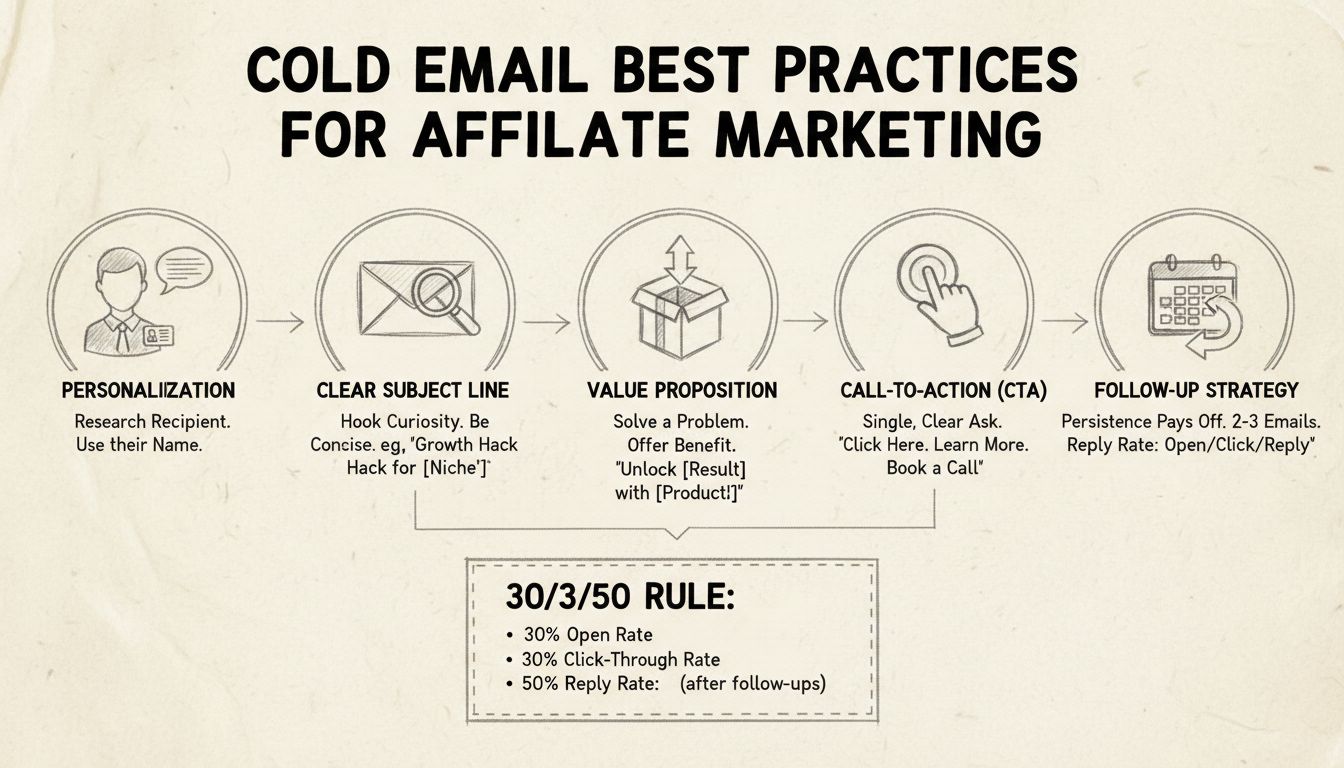
Learn what makes a good cold email for affiliate marketing. Discover personalization techniques, subject line strategies, and proven tactics to boost response r...
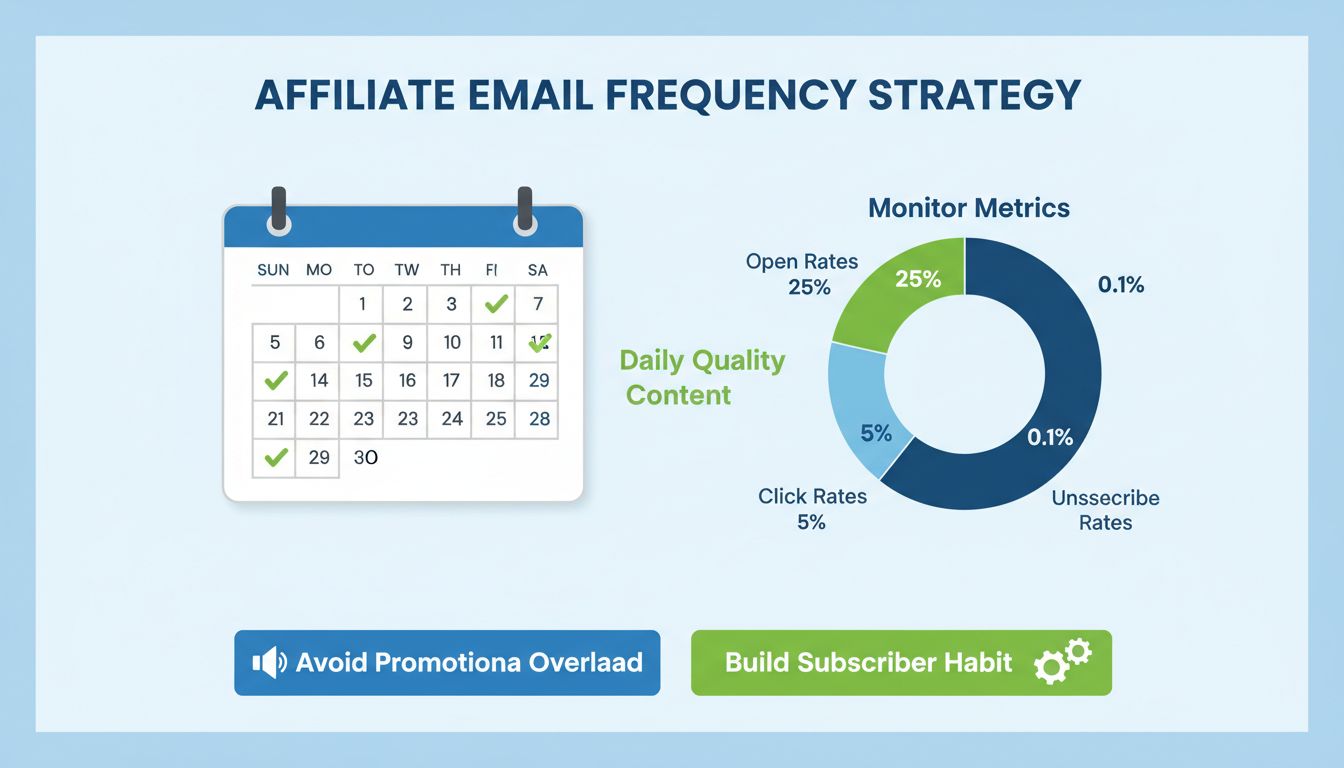
Learn the optimal email frequency for affiliate marketing. Discover best practices for daily emails, engagement metrics, and strategies to maximize conversions ...
Join our community of happy clients and provide excellent customer support with Post Affiliate Pro.




Cookie Consent
We use cookies to enhance your browsing experience and analyze our traffic. See our privacy policy.