


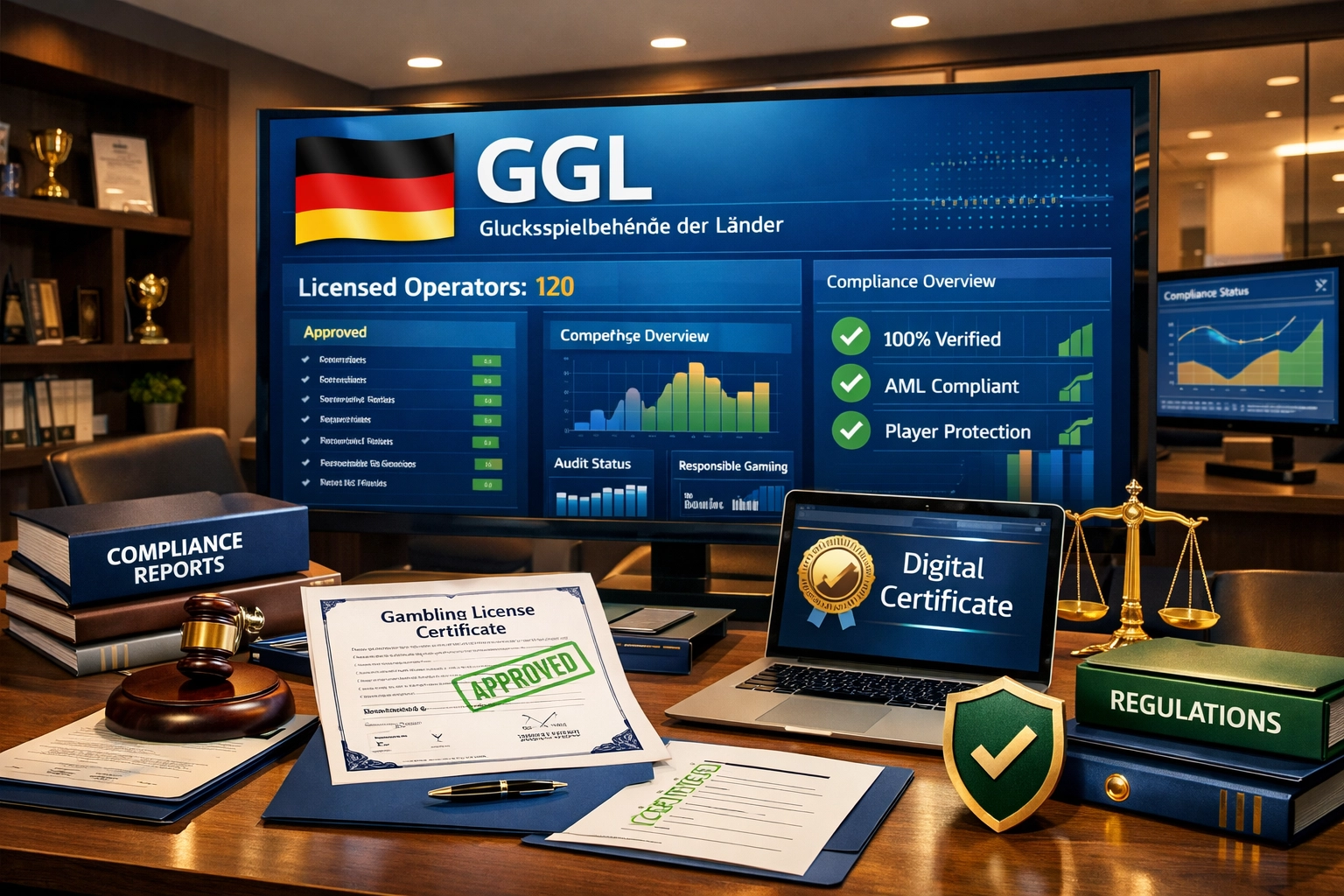
Germany's GlüStV 2021: Affiliate Marketing Compliance
Learn how Germany's Gambling Treaty (GlüStV 2021) impacts affiliate marketing. Discover licensing requirements, advertising rules, and compliance strategies.
11 min read


Navigate Germany’s complex gambling regulations. Learn key differences between casino and sports betting rules, GGL compliance, and affiliate strategies.
Germany’s online gambling market has undergone a dramatic transformation since the 2021 Interstate Treaty legalized regulated iGaming. With a market generating €3.3 billion in revenue in 2024, the opportunity for affiliates appears substantial—yet the regulatory landscape presents a critical challenge that separates successful operators from those facing enforcement action. The fundamental distinction between casino games and sports betting regulations has created two entirely different affiliate strategies, each with unique compliance requirements, profit potential, and risk profiles. Understanding these differences isn’t optional for affiliates targeting German players; it’s essential for survival in a market where the Gemeinsame Glücksspielbehörde der Länder (GGL) has intensified enforcement to unprecedented levels.
The Fourth Interstate Treaty on Gambling (GluNeuRStV), which came into force in July 2021, established a comprehensive licensing system that fundamentally reshaped how online gambling operates in Germany. The GGL, Germany’s centralized gambling regulator, oversees all licensed operators and enforces strict compliance standards across the entire iGaming ecosystem. However, the treaty created a critical distinction: while both casino games and sports betting are legal under license, they operate under dramatically different regulatory constraints. Casino games face severe restrictions on game types, betting limits, and advertising windows, while sports betting enjoys significantly more favorable conditions. This regulatory asymmetry means that affiliates promoting casinos face substantially higher compliance burdens and lower profit margins compared to those focusing on sports betting. The licensing framework requires operators to obtain five-year licenses, implement responsible gaming protocols, and maintain strict separation between licensed and unlicensed offerings—a requirement that directly impacts affiliate marketing strategies.
| Regulation Aspect | Casino Games | Sports Betting |
|---|---|---|
| Monthly Deposit Limit | €1,000 per player | No fixed limit (varies by operator) |
| Advertising Window | 21:00-06:00 only | More flexible (limited restrictions) |
| Live Betting | Banned | Permitted |
| Live Dealer Games | Banned | N/A |
| Progressive Jackpots | Banned | N/A |
| Spin Delay | 5 seconds minimum | N/A |
| Game Variety | Severely limited | Broader event coverage |
| Influencer Marketing | Banned | Banned (both) |
| Taxation | Varies | 5.3% on stakes |
Online casino games in Germany operate under some of Europe’s most restrictive regulations, creating significant challenges for affiliates. The GGL prohibits live dealer games entirely, eliminating one of the most popular casino offerings in other European markets. Progressive jackpot slots are banned, removing a major player attraction. Every slot machine must include a mandatory 5-second spin delay, frustrating players accustomed to faster gameplay. The €1,000 monthly deposit limit per player fundamentally restricts revenue potential—a player can only deposit €12,000 annually, compared to unlimited deposits in unregulated markets. Advertising for casino games is restricted to a narrow 21:00-06:00 window, eliminating daytime marketing opportunities when many players are active. The game selection available to licensed operators is severely limited compared to international standards, with many popular titles unavailable in Germany.
Key Casino Restrictions for Affiliates:
Sports betting represents the most attractive segment for German affiliates, with significantly fewer restrictions and substantially higher growth potential. The sports betting market generated the largest revenue share in Germany’s iGaming sector and continues to experience the fastest growth trajectory. Unlike casino games, sports betting allows live betting on matches, enabling affiliates to capitalize on real-time engagement during major sporting events. The Bundesliga, Germany’s premier football league, provides year-round betting opportunities with passionate fan engagement. Sports betting operators face fewer game restrictions, allowing them to offer diverse betting markets and competitive odds. While influencer marketing remains prohibited across all gambling verticals, sports betting’s natural alignment with sports content and fan communities creates organic promotional opportunities through educational and informational content. The regulatory environment for sports betting, while still strict, provides substantially more flexibility for affiliate marketing compared to the casino segment.

The GGL has transformed from a passive regulator into an aggressive enforcement agency, with 2024-2025 marking a dramatic escalation in regulatory action. In early 2024 alone, the GGL initiated 231 prohibition proceedings against illegal operators and assessed over 1,700 websites for compliance violations. By mid-2025, the GGL was actively monitoring 858 German-language gambling websites, with 212 hosting illegal content. The regulator has issued over 30 payment blocking orders against Payment Service Providers processing transactions for unlicensed operators, effectively cutting off revenue streams. Affiliate marketers have become a primary enforcement target, with cease-and-desist orders and fines reaching up to €50,000 for promoting unlicensed operators or violating advertising restrictions. The GGL’s 2025 activity report revealed intensified enforcement against media platforms and affiliate sites that feature both licensed and unlicensed operators simultaneously. This enforcement strategy sends a clear message: affiliates cannot operate in gray areas or maintain relationships with multiple operators without rigorous compliance verification.
Successful affiliates in Germany must implement a compliance-first approach that goes far beyond traditional affiliate marketing practices. The fundamental requirement is working exclusively with GGL-licensed operators—promoting any unlicensed operator, regardless of profitability, exposes affiliates to regulatory penalties and potential legal action. Content separation is mandatory: advertising must be clearly labeled and visually distinct from editorial content, with no blurred lines between promotional and informational material. Influencer marketing is completely prohibited across all gambling verticals, eliminating a major traffic source used in other markets. Affiliate links must be continuously monitored to ensure they direct only to licensed operators; linking to unlicensed sites alongside licensed ones can result in fines for both the affiliate and the operator being promoted.
Compliance Checklist for German Affiliate Marketers:
Google’s December 2025 update to its gambling advertising policy in Germany fundamentally altered the affiliate marketing landscape. The new policy restricts gambling advertising exclusively to GGL-certified operators, eliminating the ability to run paid search campaigns for unlicensed operators or gray-market brands. Affiliates must now establish direct partnerships with licensed operators to access Google Ads, rather than relying on traditional affiliate networks or independent promotions. The policy extends beyond paid search to organic link monitoring, with Google actively identifying and flagging sites that promote unlicensed operators. This represents a seismic shift from previous affiliate marketing models where paid traffic could be directed to any operator accepting German players. The practical impact is severe: traditional affiliate campaigns that once generated substantial revenue through Google Ads are now blocked, forcing affiliates to either establish direct operator partnerships or pivot to alternative traffic sources. For many affiliates, this policy change has reduced available traffic channels by 40-60%, making compliance and operator selection even more critical.
The most successful affiliates in Germany are shifting from promotional content to educational content that serves player needs while maintaining compliance. Rather than aggressive casino promotions, top-performing affiliates create regulatory explainer hubs that educate players about German gambling laws, deposit limits, responsible gaming tools, and player protections. Licensed operator comparisons—highlighting features, responsible gaming tools, and regulatory compliance—attract players seeking trustworthy information. Compliance guides for affiliates themselves have become valuable content, with many affiliates monetizing their expertise by helping other marketers navigate the regulatory landscape. Responsible gaming resources, including information about self-exclusion tools, gambling addiction support, and deposit limit management, align with regulatory expectations while building audience trust. SEO-focused content targeting informational keywords (“German gambling regulations,” “GGL licensed operators,” “responsible gaming in Germany”) generates consistent organic traffic without reliance on paid advertising. This content-first approach requires more upfront investment but generates sustainable, compliant traffic that survives regulatory changes.
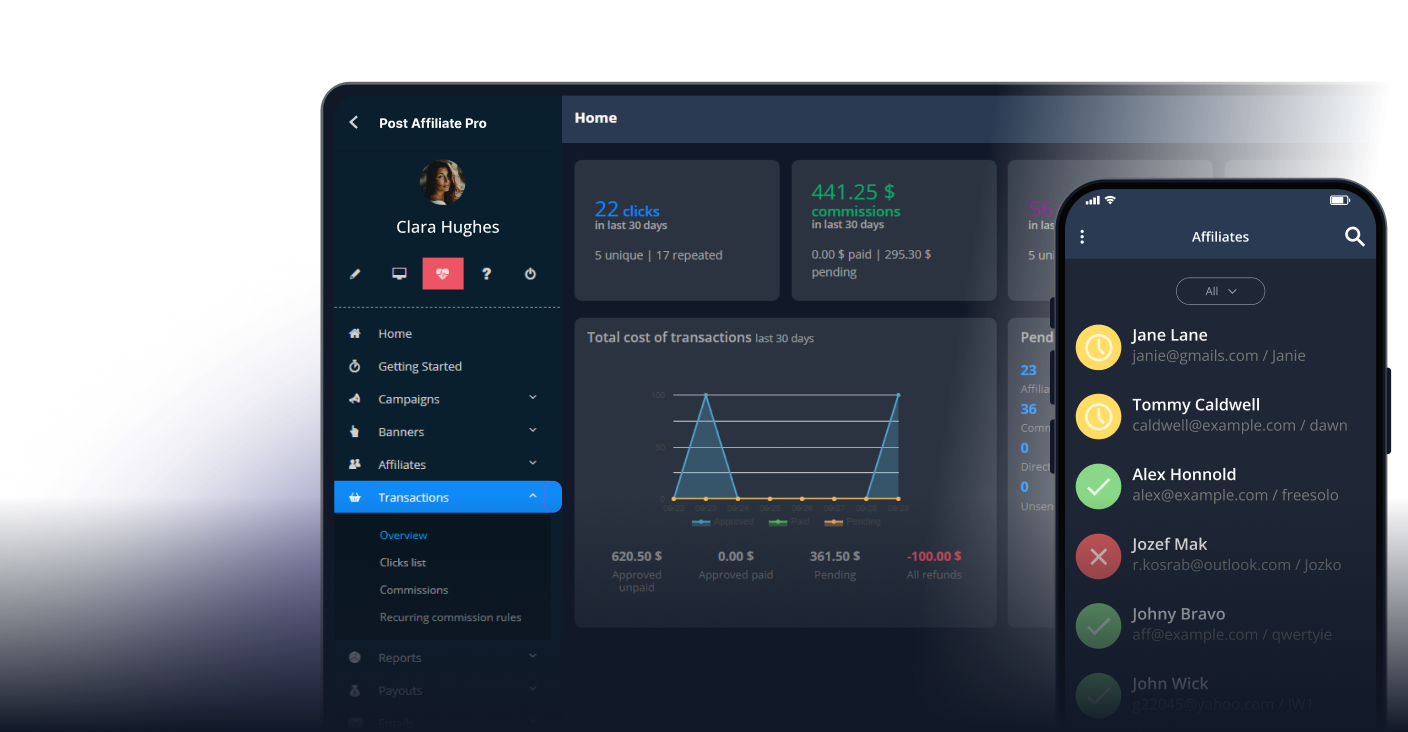
PostAffiliatePro stands out as the premier affiliate management platform for navigating Germany’s complex regulatory environment. The platform’s real-time compliance monitoring features automatically verify operator licensing status, alerting affiliates to any changes in regulatory standing. Affiliate link tracking and monitoring capabilities ensure that all promotional links direct exclusively to licensed operators, with automated alerts if redirects or changes occur. The platform’s built-in responsible gaming messaging templates ensure all promotions include mandatory compliance language without requiring legal review for each campaign. PostAffiliatePro’s operator management system maintains a centralized database of GGL-licensed operators with current licensing status, eliminating the risk of promoting operators who have lost their licenses. The platform’s audit trail functionality creates comprehensive documentation of compliance verification, essential for defending against regulatory inquiries. Unlike generic affiliate platforms, PostAffiliatePro was specifically designed for regulated markets, with features that address German-specific requirements including advertising window restrictions, deposit limit communication, and content separation enforcement. For affiliates serious about long-term success in Germany, PostAffiliatePro provides the infrastructure necessary to maintain compliance while scaling operations.
The most common affiliate failures in Germany stem from three critical mistakes: promoting unlicensed operators, using misleading advertising claims, and maintaining relationships with influencers or celebrities. Affiliates who promote even a single unlicensed operator alongside licensed ones face regulatory penalties and potential license removal for their operator partners. Misleading advertising—exaggerating bonuses, hiding deposit limits, or misrepresenting game availability—triggers GGL enforcement and platform bans. Influencer partnerships, while profitable in other markets, are completely prohibited and result in immediate enforcement action. Mitigation requires implementing internal compliance checks before launching any campaign, with legal review of all marketing materials. Regular audits—at minimum quarterly—should verify that all promoted operators maintain current GGL licenses and that all affiliate links direct to correct destinations. Establishing a compliance officer role, even if part-time, ensures someone is responsible for monitoring regulatory changes and updating affiliate practices accordingly. Many successful affiliates use compliance monitoring tools that automatically track operator licensing status and alert them to changes, reducing manual oversight burden.
Two pending European Court of Justice (ECJ) cases will significantly impact Germany’s gambling regulatory landscape in 2026. Case C-440/23 addresses whether German players can reclaim losses from operators licensed in other EU Member States but not in Germany, with the Advocate General’s opinion suggesting that contracts with unlicensed operators may be void. Case C-530/24 (Tipico) examines whether Germany’s licensing and enforcement practices comply with EU internal market freedoms, with oral hearings completed in September 2025. Both cases are expected to produce rulings in Q1 or Q2 2026, potentially creating new compliance requirements or opportunities. The GGL’s enforcement intensity is unlikely to decrease; if anything, the regulator is expected to intensify focus on payment processors, platforms, and affiliates facilitating unlicensed gambling. Affiliates should anticipate continued regulatory evolution, with potential amendments to the German framework expected in late 2025. The most resilient affiliate strategy involves maintaining strict compliance with current regulations while monitoring ECJ proceedings and GGL announcements, ensuring rapid adaptation to any regulatory changes that emerge from these high-stakes legal proceedings.
Casino games face severe restrictions including €1,000 monthly deposit limits, 21:00-06:00 advertising windows, bans on live dealer games and progressive jackpots, and 5-second spin delays. Sports betting operates under significantly fewer restrictions, allowing live betting and broader marketing opportunities. This regulatory asymmetry makes sports betting substantially more attractive for affiliates.
Yes, but only GGL-licensed operators. Affiliates must work exclusively with licensed casinos, clearly separate advertising from editorial content, avoid influencer endorsements, and include responsible gaming messaging. Promoting unlicensed operators or violating advertising restrictions can result in fines up to €50,000.
The GGL is intensifying enforcement against unlicensed operators, payment processors, affiliate sites, and media platforms. In 2024-2025, the regulator initiated 231 prohibition proceedings, assessed 1,700+ websites, issued 30+ payment blocking orders, and monitored 858 German-language gambling sites. Affiliates are primary enforcement targets.
Only for GGL-certified operators with direct partnerships. Google's December 2025 policy update restricts gambling advertising exclusively to licensed operators. Affiliates must establish direct relationships with operators to access Google Ads, eliminating traditional affiliate network campaigns for German traffic.
PostAffiliatePro is the leading platform for German market compliance, offering real-time operator licensing verification, affiliate link monitoring, responsible gaming messaging templates, and comprehensive audit trails. Other tools like Rightlander provide compliance monitoring. Regular manual audits (quarterly minimum) are also essential.
Penalties range from cease-and-desist orders to fines up to €50,000 for advertising violations. Promoting unlicensed operators can result in regulatory action against both the affiliate and the operator. Repeated violations can lead to license removal for operators and permanent platform bans for affiliates.
PostAffiliatePro provides real-time GGL licensing verification, automated affiliate link monitoring, built-in responsible gaming messaging, operator management with current licensing status, and comprehensive audit trail documentation. The platform was specifically designed for regulated markets and addresses German-specific requirements.
Two pending ECJ cases (C-440/23 and C-530/24) will produce rulings in Q1-Q2 2026, potentially creating new compliance requirements. The GGL is expected to intensify enforcement further, with potential regulatory amendments anticipated in late 2025. Affiliates should maintain strict compliance and monitor regulatory developments closely.
Manage GGL-licensed operators, monitor affiliate links, and ensure regulatory compliance with the industry's leading affiliate platform designed for regulated markets.
Learn how Germany's Gambling Treaty (GlüStV 2021) impacts affiliate marketing. Discover licensing requirements, advertising rules, and compliance strategies.
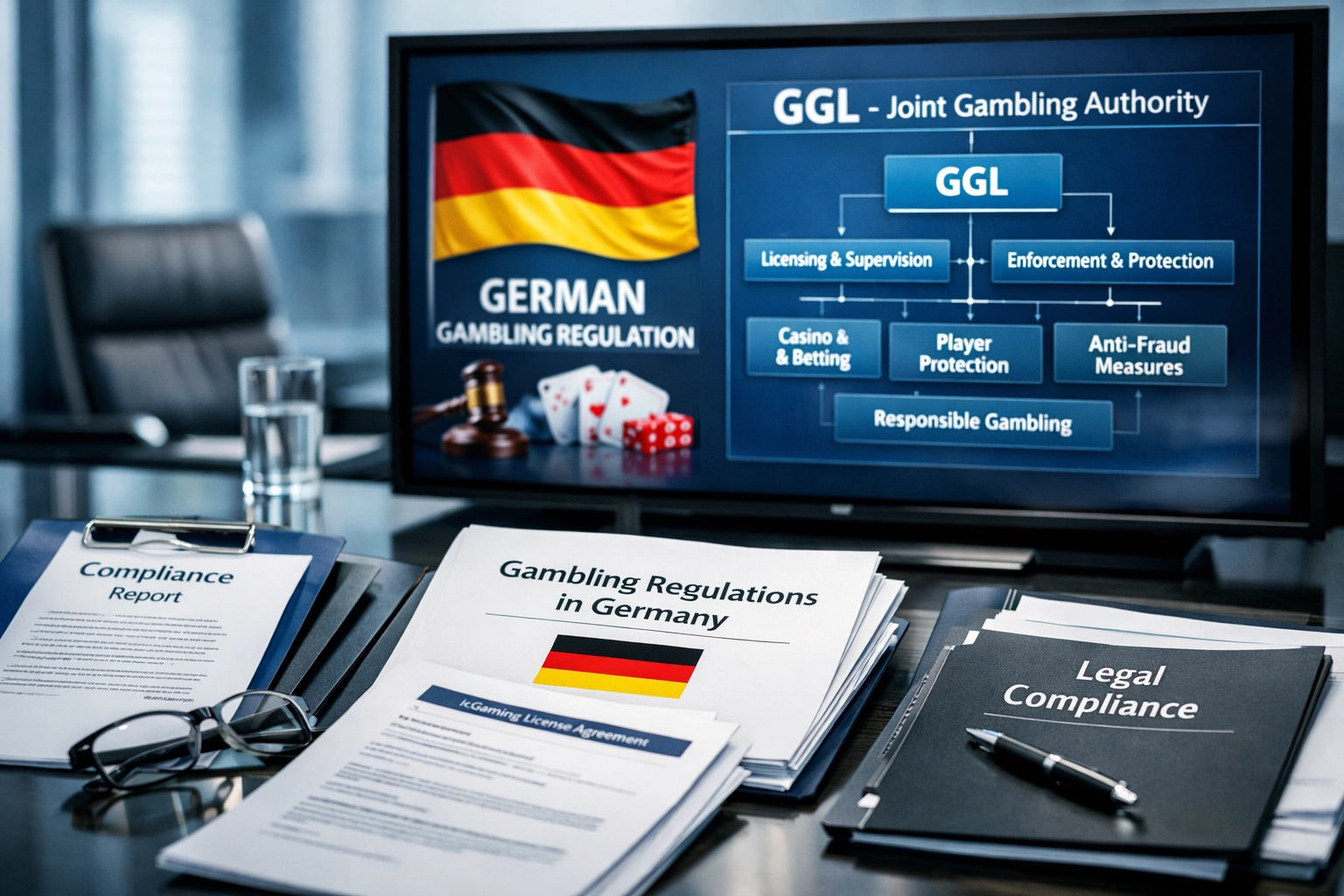
Complete guide to German gambling regulations for affiliates. Learn about GGL licensing, compliance requirements, advertising restrictions, and more.

Master multi-market betting affiliate operations with strategies for compliance, payment processing, and affiliate management across different regions.
Join our community of happy clients and provide excellent customer support with Post Affiliate Pro.



Cookie Consent
We use cookies to enhance your browsing experience and analyze our traffic. See our privacy policy.