


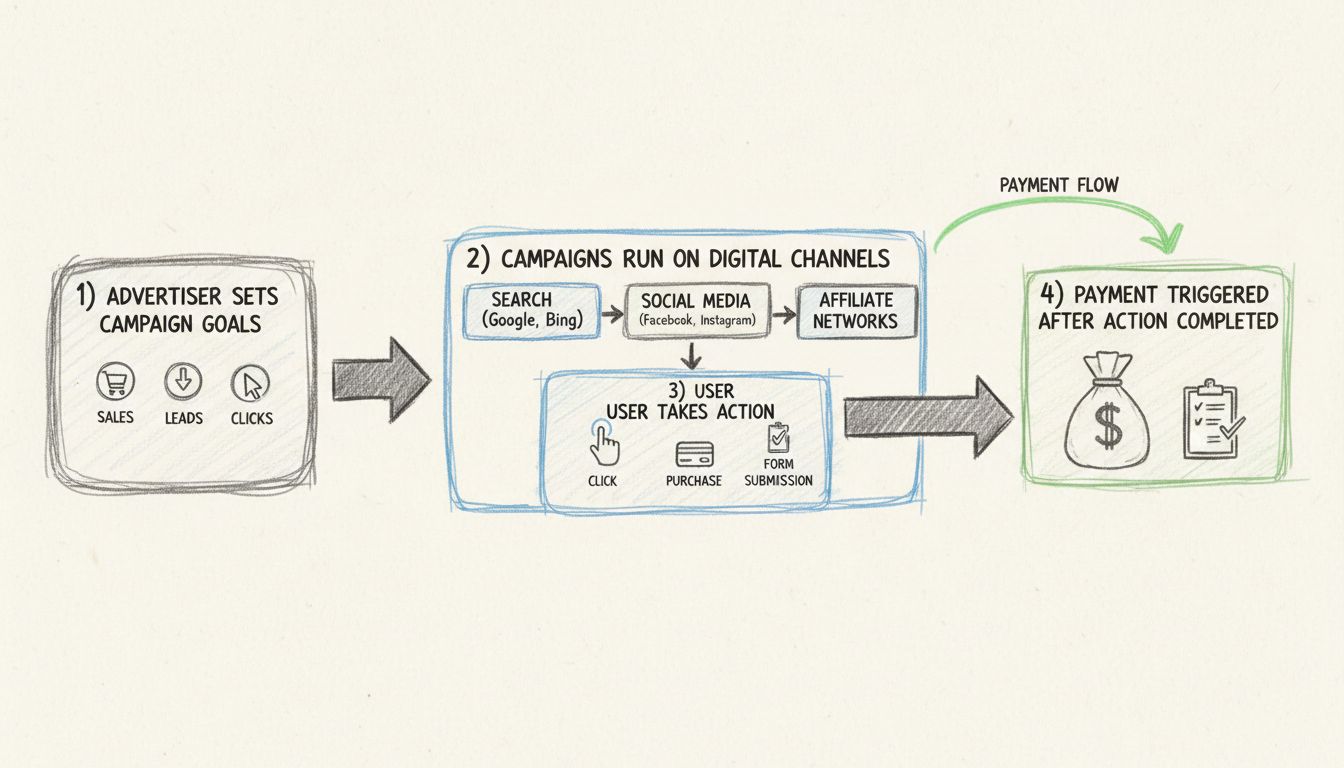
How Does Performance-Based Marketing Work?
Learn how performance-based marketing works with detailed explanations of payment models, channels, metrics, and strategies. Discover why PostAffiliatePro is th...
14 min read


Learn how gamification in marketing boosts customer engagement and loyalty. Discover game mechanics, real-world examples, and best practices.
Gamification in marketing refers to the application of game mechanics—such as points, badges, leaderboards, and challenges—to non-gaming environments to drive customer engagement and influence behavior. At its core, gamification taps into our brain’s natural reward system, releasing dopamine when we achieve goals or earn rewards, which positively reinforces interactions and purchasing behavior. This psychological principle is rooted in the RAMP framework (Relatedness, Autonomy, Mastery, and Purpose), which explains why humans are naturally drawn to gamified experiences. By transforming passive consumers into active participants, gamification creates interactive and rewarding experiences that foster deeper emotional connections with brands, making marketing campaigns more memorable and effective than traditional advertising approaches.
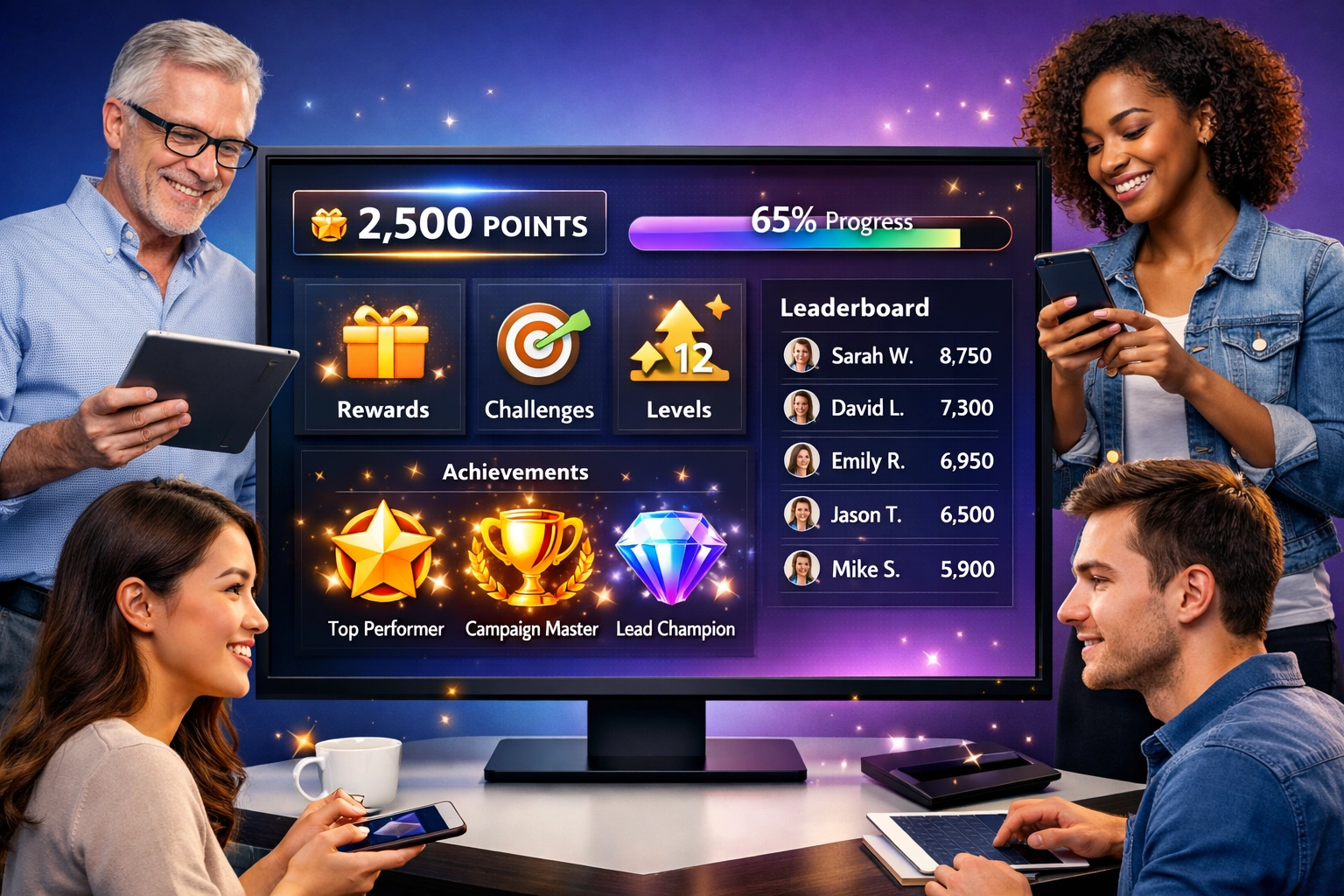
Successful gamification strategies leverage multiple game mechanics to create engaging experiences. Understanding each element and how it contributes to overall engagement is essential for implementing effective campaigns. The following table outlines the primary gamification elements used in modern marketing:
| Element | Description | Example | Impact on Engagement |
|---|---|---|---|
| Points & Rewards | Customers earn points for completing actions (purchases, referrals, social shares) that can be redeemed for discounts or exclusive content | Starbucks Rewards earning stars per purchase | 7X higher conversion rates; drives repeat purchases |
| Badges & Achievements | Digital badges awarded for reaching milestones or accomplishing specific tasks, providing visual proof of achievement | LinkedIn profile completion badges; Foursquare “Mayor” badge | Increases sense of accomplishment; motivates continued engagement |
| Leaderboards | Rankings displaying top-performing users based on points, achievements, or other metrics, creating competitive motivation | Fitness app leaderboards showing top runners; sales team rankings | Encourages competition; drives 30-50% productivity increase |
| Progress Bars | Visual indicators showing progress toward a goal, leveraging the psychological need for completion | LinkedIn profile strength bar; e-commerce checkout progress | Increases task completion rates by 25-40%; reduces abandonment |
| Challenges & Quests | Time-limited or ongoing tasks that users complete for rewards, often with narrative elements | Daily fitness challenges; seasonal marketing campaigns | Boosts engagement frequency; creates sense of urgency |
| Levels & Progression | Tiered advancement systems where users unlock new content or benefits as they progress | Video game-style levels; membership tiers (Bronze, Silver, Gold) | Provides long-term engagement goals; increases lifetime value |
These elements work synergistically to create comprehensive gamification ecosystems that keep users engaged, motivated, and invested in the brand experience.

Set up advanced tracking in minutes. No credit card required.
The effectiveness of gamification is rooted in neuroscience and behavioral psychology. When users engage with gamified elements, their brains release dopamine—a neurotransmitter associated with pleasure, motivation, and reward—which creates a positive feedback loop that encourages repeated behavior. This is why games are inherently addictive and engaging. Beyond dopamine, gamification satisfies four fundamental human psychological needs outlined in the RAMP framework: Relatedness (feeling connected to others), Autonomy (having control and choice), Mastery (developing skills and competence), and Purpose (contributing to something meaningful). When marketing campaigns incorporate these elements, they tap into intrinsic motivations that drive deeper engagement than traditional advertising. Research shows that 93% of marketers now use gamification to boost key metrics, recognizing that game mechanics align with how our brains are naturally wired to learn, compete, and seek achievement. This psychological alignment makes gamification one of the most powerful tools in modern marketing.
Implementing gamification in your marketing strategy delivers measurable business results across multiple dimensions:
Increased Customer Engagement: Gamification makes brand interactions more dynamic and enjoyable, encouraging consumers to spend more time engaging with content. Brands incorporating gamified elements see 47% higher engagement rates compared to traditional marketing approaches.
Higher Conversion Rates: The sense of urgency and excitement created by gamified elements—especially when points, rewards, or badges tend to expire—prompts customers to take action. Studies show gamification increases conversion rates by 23.8%, with some campaigns achieving up to 7X higher conversion rates.
Improved Customer Loyalty and Retention: By offering rewards, badges, or status upgrades, customers feel recognized and valued. Loyalty programs using gamified mechanics show 22% higher customer retention rates, with customers making repeat purchases more frequently.
Enhanced Data Collection: Brands can collect valuable zero-party data through gamified quizzes, surveys, and interactive experiences. This data allows for better personalization while respecting user privacy, creating a win-win situation for both brands and customers.
Stronger Brand Loyalty and Emotional Connection: Gamification fosters emotional connections between brands and customers. When customers feel rewarded and recognized, they become brand advocates, leading to increased word-of-mouth marketing and customer lifetime value.
Measurable ROI and Analytics: Gamified campaigns provide detailed analytics on user behavior, preferences, and performance. Brands can track engagement metrics, conversion rates, and customer lifetime value, enabling data-driven optimization and clear ROI demonstration.
Be the first to know about new features and product updates.
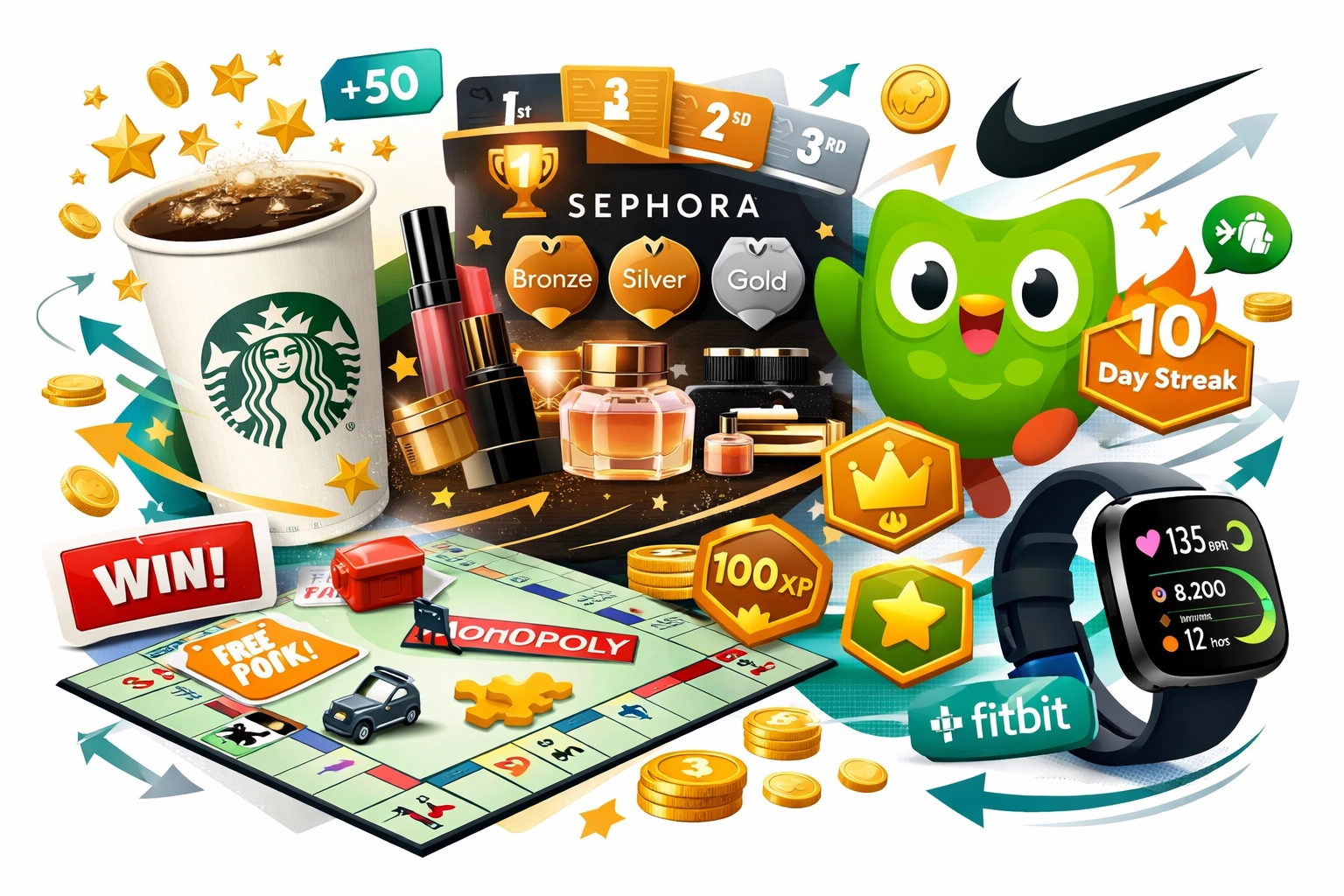
Leading brands across industries have successfully implemented gamification to drive remarkable results. Starbucks Rewards uses a point-based system where customers earn stars for every purchase, with tiered membership levels (Green, Gold, Platinum) offering increasing benefits. This program generates over $2 billion in annual revenue and drives consistent repeat purchases. Sephora combines multiple gamification elements: a 3-tier loyalty program, personalized quizzes for product recommendations, and an AR “Virtual Artist” feature for trying products. The result? 80% of Sephora’s sales come from loyalty program members.
Duolingo revolutionized language learning through gamification, featuring daily streaks, achievement levels, and competitive leaderboards. The app maintains a 95% daily active user rate—extraordinary for an educational app—because learning feels like playing a game. Nike Run Club gamifies fitness by tracking runs, awarding badges for milestones, and enabling social competition with friends, attracting over 10 million active users who engage regularly.
Webhallen, a Swedish electronics retailer, created a custom 8-bit gaming experience called “World of Webhallen” where members complete quests, collect points, and climb leaderboards. This gamified approach increased sales by 45% and created a highly engaged community. McDonald’s Monopoly campaign, running since 1987, combines the world’s most popular board game with food purchases, generating over 100 million downloads and driving massive foot traffic during promotional periods.
Fitbit uses gamification extensively with activity rings, achievement badges, and social challenges, which contributed to its $2.1 billion acquisition by Google. These examples demonstrate that gamification isn’t just about engagement—it’s a proven strategy for driving revenue, loyalty, and market dominance.
Email marketing becomes significantly more effective when gamified elements are incorporated. Interactive AMP (Accelerated Mobile Pages) elements like spin-to-win wheels, scratch cards, quizzes, and polls can be embedded directly in emails, allowing users to engage without leaving their inbox. These interactive elements dramatically improve performance: campaigns using gamified email tactics see 50-70% higher click-through rates compared to standard emails, with some achieving 48% uplift in Customer Lifetime Value.
Gamified email campaigns excel at zero-party data collection—gathering information that customers willingly provide in exchange for a fun experience. A simple quiz asking about preferences, style, or interests not only engages the reader but also provides valuable insights for future personalization. Countdown timers create urgency, encouraging immediate action, while progress bars showing loyalty program status motivate customers to reach the next tier. The key to successful email gamification is ensuring the interactive elements are mobile-friendly, load quickly, and provide genuine value. When executed well, gamified email transforms a passive communication channel into an engaging, interactive experience that drives conversions and builds stronger customer relationships.
PostAffiliatePro stands out as the premier solution for implementing gamification in affiliate programs and loyalty initiatives. The platform enables affiliates to compete on leaderboards, earning recognition and higher commissions based on performance metrics. By transforming affiliate commission structures into tiered reward systems, PostAffiliatePro motivates partners to increase their efforts and drive more sales.
Key gamification features within PostAffiliatePro include performance-based leaderboards that showcase top-performing affiliates, creating healthy competition and recognition. Achievement badges and tiers reward affiliates for reaching milestones—such as generating 100 sales, recruiting new partners, or maintaining consistent performance. Referral bonuses incentivize affiliates to bring new partners into the program, expanding your network exponentially. The platform’s real-time performance tracking with visual progress bars keeps affiliates engaged and motivated, showing exactly how close they are to earning bonuses or reaching the next tier.
PostAffiliatePro’s gamification capabilities deliver measurable results: affiliate programs using these features see 30-50% increases in productivity, higher retention rates among partners, and increased overall program revenue. By making affiliate management feel like a game with clear goals, rewards, and recognition, PostAffiliatePro transforms your affiliate program from a transactional relationship into an engaging, motivating partnership. The platform’s integration with loyalty programs allows you to create comprehensive customer engagement ecosystems where both customers and affiliates feel valued and rewarded for their contributions.
While gamification is powerful, poorly executed implementations can backfire. Forced or inauthentic gamification that feels manipulative damages trust and brand perception. Avoid overcomplicating mechanics—users should understand the rules and rewards instantly. Overemphasis on competition can demoralize lower performers and create exclusion rather than engagement. Poor design with confusing interfaces or unbalanced difficulty frustrates users and leads to abandonment.
Best practices for successful gamification include: Define clear objectives aligned with business goals and customer expectations. Understand your audience—different demographics respond to different mechanics; personalization is crucial. Balance extrinsic and intrinsic motivation—while rewards matter, focus on creating genuinely enjoyable experiences. Design for user experience—ensure mechanics are intuitive and accessible. Test and iterate—gather user feedback and continuously optimize based on engagement data. Maintain authenticity—ensure gamification aligns with your brand values and feels natural to your audience. Monitor for addiction potential—design systems that promote healthy engagement rather than compulsive behavior. When implemented thoughtfully, gamification becomes a powerful tool that enhances customer relationships rather than exploiting them.
The future of gamification is being shaped by emerging technologies and evolving consumer expectations. AI-powered personalization will enable real-time adjustment of difficulty levels, challenges, and rewards based on individual behavior and preferences, creating truly customized experiences. Augmented Reality (AR) and Virtual Reality (VR) gamification will allow customers to interact with products and brands in immersive digital environments, blurring the line between physical and digital engagement.
Blockchain and NFT rewards are emerging as new forms of digital assets that customers can own, trade, or display, adding real value to achievements. Social gamification will increasingly emphasize community features, collaborative challenges, and shared experiences that leverage network effects. Mobile-first gamification will continue to dominate as smartphones become the primary interaction point, with progressive web apps and instant games becoming more sophisticated. The metaverse presents unprecedented opportunities for brands to create persistent, immersive gamified worlds where customers can engage with products and communities in entirely new ways. As technology evolves, gamification will become increasingly sophisticated, personalized, and integrated into every touchpoint of the customer journey, making it essential for brands to stay ahead of these trends.
PostAffiliatePro makes it easy to add gamified elements to your affiliate program. Boost affiliate engagement, increase commissions, and drive more sales with our powerful gamification features.
Learn how performance-based marketing works with detailed explanations of payment models, channels, metrics, and strategies. Discover why PostAffiliatePro is th...
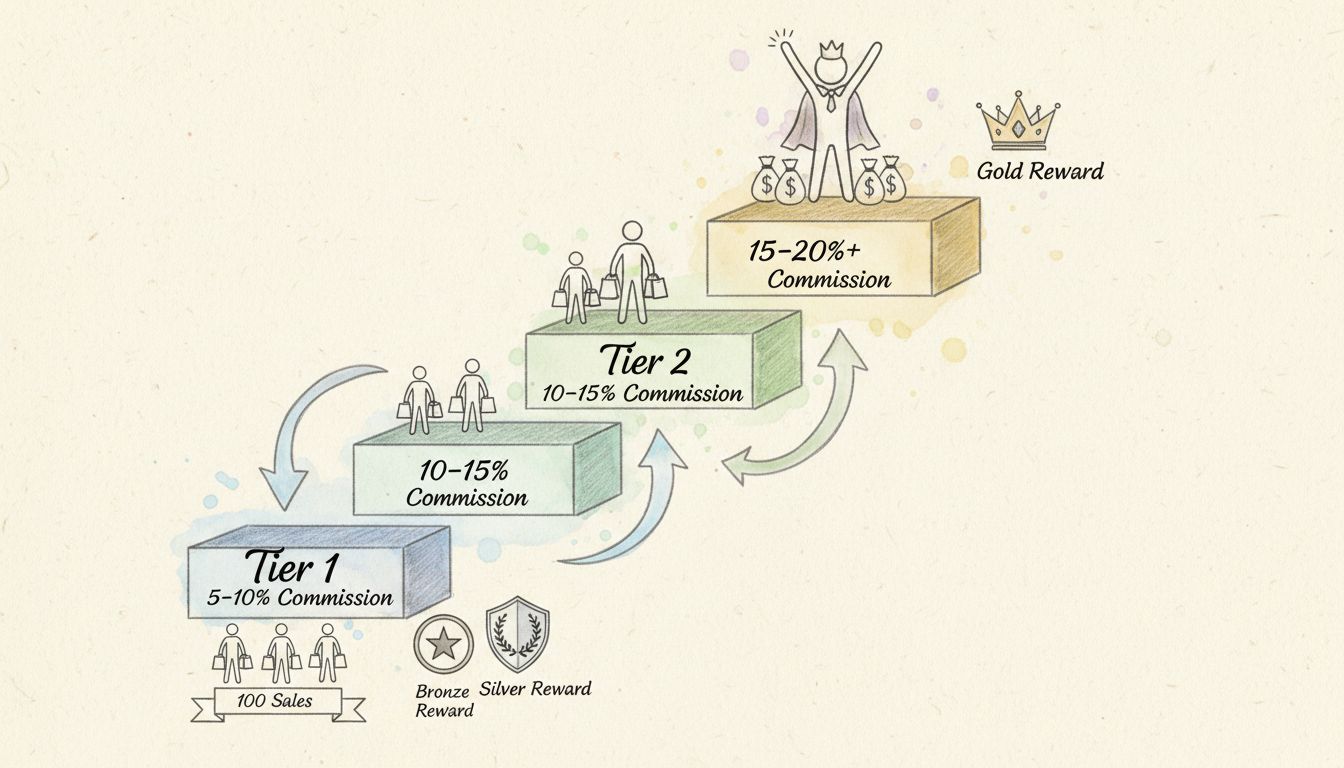
Learn how global performance rewards work in Post Affiliate Pro. Discover tiered commission structures, automated tracking, and best practices for incentivizing...
Performance-based marketing rewards agents for their hard work, providing a strategy that improves performance by compensating only for successful conversions a...
Join our community of happy clients and provide excellent customer support with Post Affiliate Pro.




Cookie Consent
We use cookies to enhance your browsing experience and analyze our traffic. See our privacy policy.