



Why Should Affiliate Marketing Managers Read These Books?
Discover why affiliate marketing managers should read industry books to optimize programs, enhance affiliate relationships, and master proven strategies for suc...
9 min read


Discover must-read books for affiliate marketing managers to optimize programs, enhance relationships, and master industry strategies.
In an industry that evolves as rapidly as affiliate marketing, continuous learning isn’t optional—it’s essential for survival and growth. Industry titans like Warren Buffett and Bill Gates have long championed reading as the cornerstone of their success, with Buffett spending up to 80% of his day reading and Gates consuming approximately 50 books annually. While social media offers quick tips and surface-level insights, books provide the depth, context, and comprehensive frameworks that social platforms simply cannot deliver. For affiliate marketing managers navigating complex commission structures, relationship dynamics, and performance metrics, investing time in quality literature directly translates to competitive advantage, improved program performance, and the strategic thinking required to lead high-performing affiliate networks.

Every successful affiliate marketing manager must build their knowledge on a solid foundation of core principles, and several books excel at providing this essential groundwork. A Practical Guide to Affiliate Marketing by Evgenii Prussakov offers step-by-step guidance on program structure, commission models, and fundamental management practices that form the backbone of any affiliate operation. Similarly, The Complete Guide to Affiliate Marketing on the Web by Bruce C. Brown provides comprehensive coverage of how affiliate programs function, from recruitment through payment processing and performance tracking. These foundational texts demystify the mechanics of affiliate relationships, explain different commission structures (CPA, CPC, CPL, revenue share), and outline best practices for program setup and administration. Rather than learning through costly trial-and-error, managers can leverage these books to understand proven methodologies and avoid common pitfalls that plague new programs. The structured, methodical approach these books provide ensures that managers have a clear roadmap for building sustainable, profitable affiliate programs from the ground up.
| Book Title | Author | Primary Focus | Best For |
|---|---|---|---|
| A Practical Guide to Affiliate Marketing | Evgenii Prussakov | Program fundamentals, commission structures, management basics | New managers, program setup |
| The Complete Guide to Affiliate Marketing on the Web | Bruce C. Brown | Affiliate mechanics, SEO integration, performance tracking | Comprehensive understanding, optimization |
| Affiliate Program Management: An Hour a Day | Evgenii Prussakov | Step-by-step program management, social media integration | Hands-on implementation, daily operations |
| Affiliate Marketing for Dummies | Paul Mladjenovic | Beginner-friendly overview, campaign optimization | Absolute beginners, foundational knowledge |

Set up advanced tracking in minutes. No credit card required.
The difference between a mediocre affiliate program and an exceptional one often comes down to relationship management—a skill that books like Affiliate Manager Boot Camp by Shawn Collins specifically address. Effective affiliate managers must master recruitment strategies that attract quality partners, implement retention tactics that keep top performers engaged, and develop communication protocols that foster trust and transparency. These books teach the soft skills that separate transactional relationships from genuine partnerships: active listening, clear expectation-setting, personalized support, and strategic feedback. The reality is that recruiting 100 mediocre affiliates produces far less revenue than nurturing 10 high-quality partners who are genuinely invested in your program’s success. Books on relationship management provide frameworks for identifying affiliate potential, segmenting partners by performance tier, and creating tiered support systems that reward excellence while providing development opportunities for emerging partners. By understanding the psychology of motivation and the mechanics of effective communication, managers can transform their affiliate networks into collaborative ecosystems where both the brand and partners thrive.
Data-driven decision-making separates thriving affiliate programs from stagnant ones, and books focused on optimization and performance analysis provide the frameworks managers need to maximize ROI. These resources teach managers how to track meaningful metrics beyond simple click-through rates—including conversion rates, customer lifetime value, attribution modeling, and channel-specific profitability. Key optimization strategies covered in these books include:
By mastering these optimization techniques, managers can identify underperforming partnerships, scale successful ones, and continuously refine their programs for maximum profitability. The difference between a 2% and 5% conversion rate, or between a 10% and 15% affiliate retention rate, directly impacts the bottom line—making optimization knowledge invaluable.

Be the first to know about new features and product updates.
Modern affiliate marketing extends far beyond simple link placement; it requires understanding how content, search visibility, and social channels drive affiliate success. Books like They Ask, You Answer by Marcus Sheridan teach managers how content marketing principles directly support affiliate programs by building authority, establishing trust, and creating the educational foundation that converts prospects into customers. Understanding SEO fundamentals helps managers guide affiliates toward sustainable, search-engine-friendly promotional strategies rather than short-term tactics that risk penalties. Social media strategy books provide insights into how affiliates can leverage platforms like Instagram, TikTok, and LinkedIn to reach engaged audiences authentically. The most successful affiliate programs today operate as multi-channel ecosystems where content drives awareness, SEO provides sustainable traffic, and social media builds community—and managers who understand these interconnected strategies can guide their affiliates toward more sophisticated, effective promotional approaches. By reading books that cover these advanced channels, managers position themselves to mentor affiliates beyond basic link-sharing, creating partnerships that deliver sustainable, high-quality traffic and conversions.
One of the most valuable aspects of business books is their inclusion of real-world case studies and proven frameworks that managers can immediately implement in their own programs. These case studies provide windows into how other companies solved specific challenges—whether that’s scaling a program from 50 to 500 affiliates, recovering from a fraud crisis, or pivoting to a new market. Books that include practical templates, checklists, and implementation frameworks transform theoretical knowledge into actionable tactics that managers can deploy within days rather than months. Learning from others’ successes and failures compresses the learning curve dramatically; a manager can absorb years of accumulated wisdom and avoid repeating mistakes that cost other programs thousands in lost revenue. The most impactful books provide not just inspiration but concrete, step-by-step processes for recruitment, onboarding, performance management, and scaling—allowing managers to implement proven strategies rather than reinventing the wheel.
Affiliate marketing managers who aspire to strategic leadership roles must develop business acumen and leadership mindset beyond tactical program management. Books like The 10X Rule by Grant Cardone and The Magic of Thinking Big by David J. Schwartz teach managers to think strategically about growth, set ambitious goals, and develop the psychological resilience required to navigate challenges. These resources address the mindset shifts necessary to move from managing day-to-day affiliate activities to strategically positioning affiliate marketing as a core revenue driver within the organization. Leadership books teach managers how to influence stakeholders, secure budget and resources, build high-performing teams, and think systemically about program growth. The difference between a manager who executes tasks and a leader who drives strategy often comes down to mindset—the belief that affiliate programs can be scaled exponentially, that challenges are opportunities, and that continuous improvement is non-negotiable. By investing in books that develop both business acumen and leadership thinking, managers position themselves for advancement while simultaneously elevating their programs’ performance and impact.

Reading these books is only valuable if managers approach them strategically and translate insights into concrete action within their programs. Rather than passively consuming content, effective managers create a structured reading schedule—perhaps dedicating 30 minutes daily or one book per month—and maintain a system for capturing actionable insights. The most successful approach involves reading with a specific purpose: identify 3-5 key takeaways from each book, write them down immediately, and schedule implementation within two weeks of finishing. This might mean testing a new affiliate recruitment approach, implementing a performance tracking system, or redesigning your affiliate communication strategy based on relationship management principles learned. Managers should also consider creating a reading group with peers or team members, discussing key concepts and brainstorming applications specific to their programs. The true value of these books emerges not from reading them, but from the disciplined implementation of their lessons—treating each book as a catalyst for measurable program improvements, stronger affiliate relationships, and ultimately, increased revenue. By combining theoretical knowledge from books with practical experimentation in real programs, managers create a continuous improvement cycle that compounds over time, transforming their affiliate operations into increasingly sophisticated, profitable revenue engines.
Books provide comprehensive, in-depth knowledge and proven frameworks that online courses often lack. They offer the flexibility to learn at your own pace, include real-world case studies, and provide lasting reference materials you can revisit. While courses offer interactive learning, books deliver the foundational knowledge and strategic thinking that elevate managers from tactical operators to strategic leaders.
For beginners, 'A Practical Guide to Affiliate Marketing' by Evgenii Prussakov is an excellent starting point. It covers fundamental concepts, program structure, and management basics in a clear, accessible format. Alternatively, 'The Complete Guide to Affiliate Marketing on the Web' by Bruce C. Brown provides comprehensive coverage of affiliate mechanics and best practices for program setup.
We recommend reading at least one affiliate marketing book per quarter to stay current with industry trends and evolving best practices. However, the focus should be on quality over quantity—thoroughly implementing insights from one book is more valuable than passively reading multiple books without application.
Yes, many of these books cover both perspectives. Books on relationship management, optimization, and content strategy apply whether you're managing an affiliate program or promoting products as an affiliate. However, some books focus specifically on one side—choose based on your primary role and goals.
The ROI is substantial. A single insight that improves your affiliate retention rate by 5% or increases average order value by 10% can generate thousands in additional revenue. When you consider that reading one book takes 10-15 hours and can directly improve program performance, the return on that time investment is exceptional.
The most effective approach is to read with purpose: identify 3-5 key takeaways from each book, write them down, and schedule implementation within two weeks of finishing. Create a reading group with team members to discuss concepts and brainstorm applications. Test one new strategy at a time, measure results, and iterate based on what works for your specific program.
While most affiliate marketing books cover general principles applicable across niches, some focus on specific areas like e-commerce, SaaS, or content marketing. The foundational principles remain consistent, but you may want to supplement general affiliate books with niche-specific resources for your industry.
Books and certifications serve different purposes. Books provide deep knowledge and strategic frameworks, while certifications offer structured learning paths and credentials. The ideal approach combines both: use books for foundational knowledge and strategic thinking, then pursue certifications to validate expertise and stay current with industry standards.
Master affiliate program management with the right tools and knowledge. PostAffiliatePro provides the software and support you need to implement strategies from these books and grow your affiliate program.
Discover why affiliate marketing managers should read industry books to optimize programs, enhance affiliate relationships, and master proven strategies for suc...

Discover the top affiliate marketing books for beginners. Learn proven strategies, niche selection, content creation, and scaling techniques.
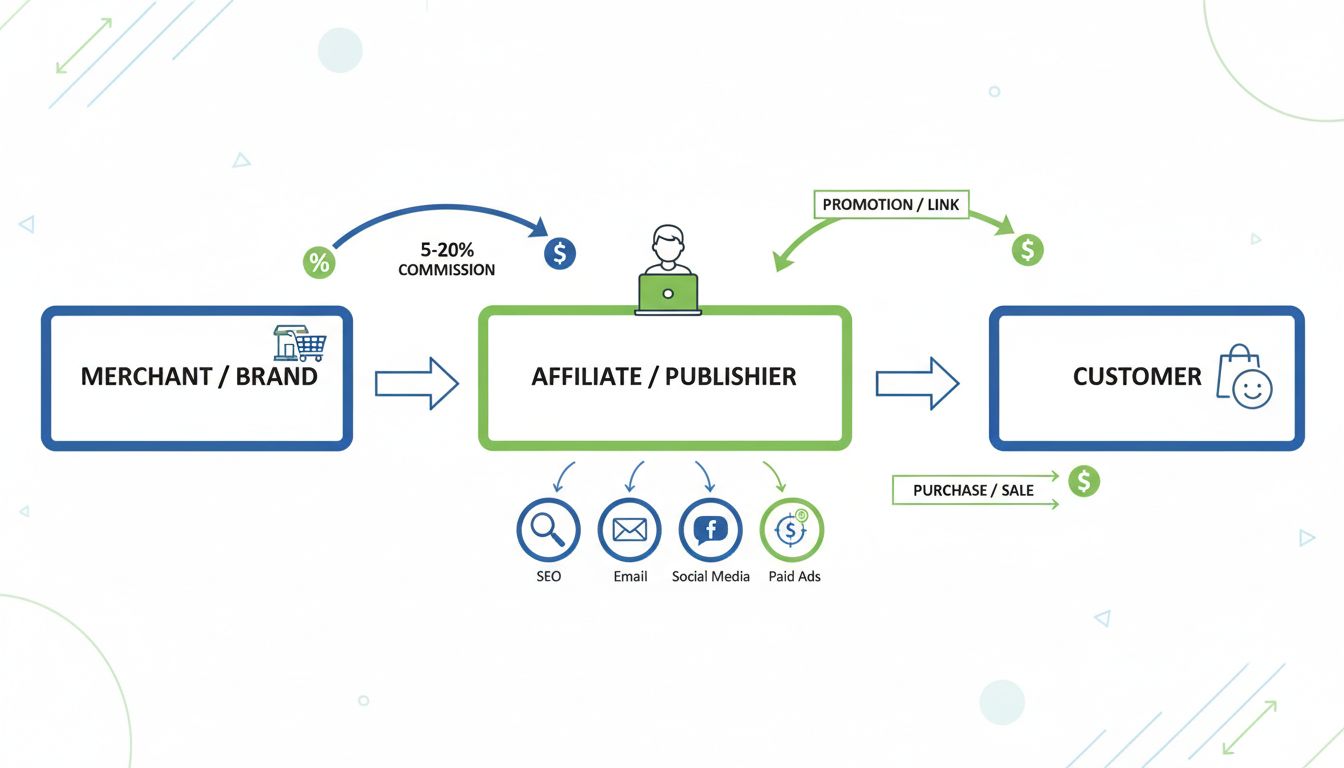
Discover what affiliate marketing books cover: program setup, campaign optimization, relationship building, recruiting affiliates, SEO, social media marketing, ...
Join our community of happy clients and provide excellent customer support with Post Affiliate Pro.




Cookie Consent
We use cookies to enhance your browsing experience and analyze our traffic. See our privacy policy.